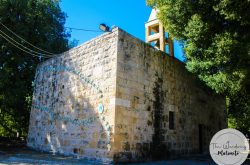
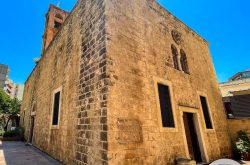
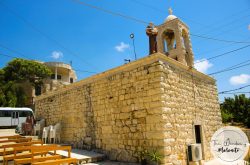
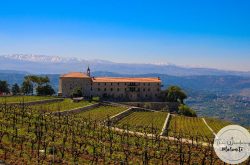
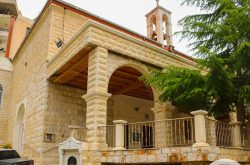
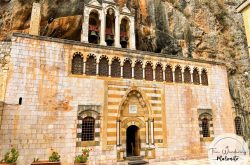
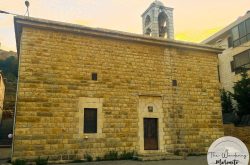
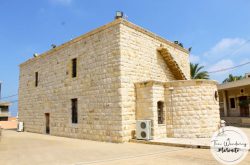
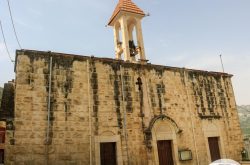
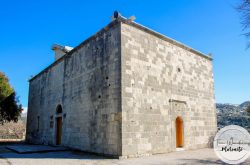
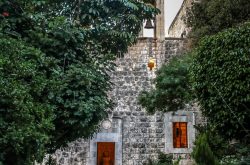
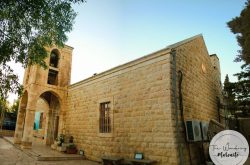
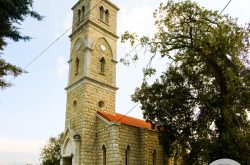
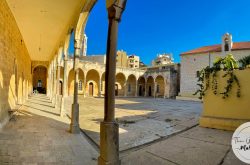
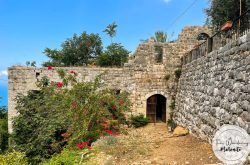
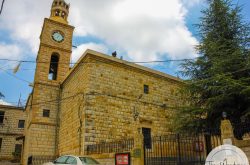
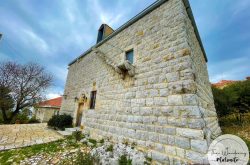
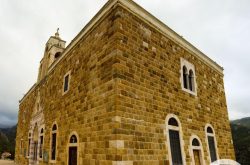
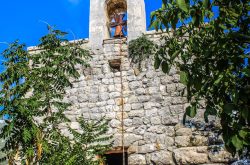
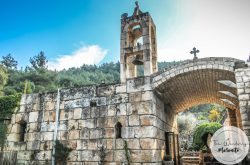
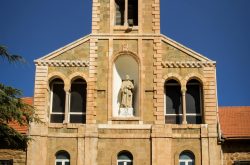
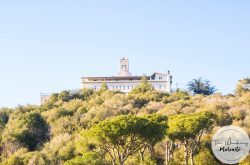
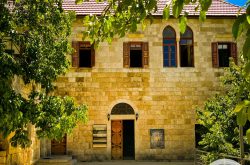
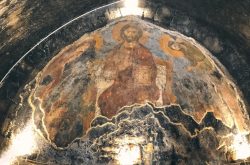
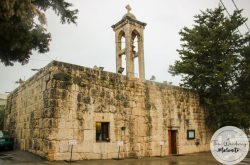
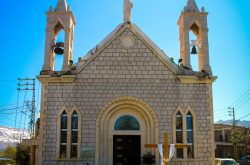
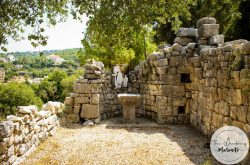
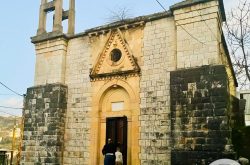
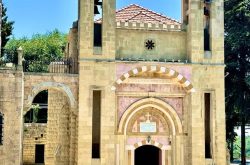
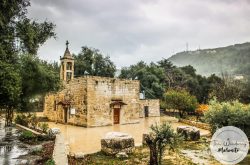
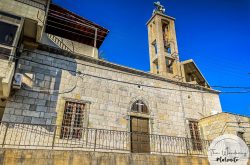
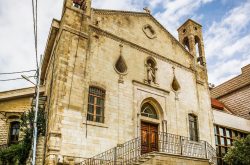
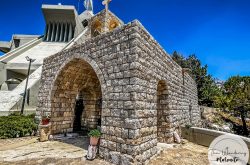
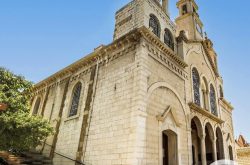
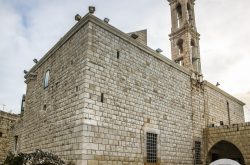
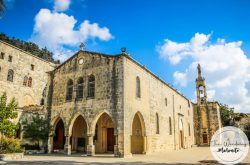
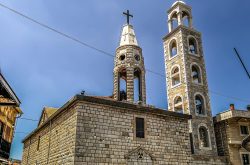
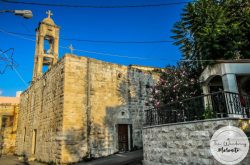
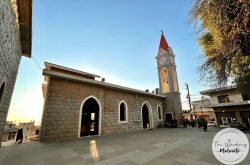
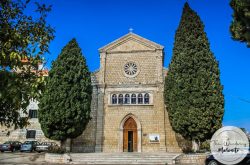
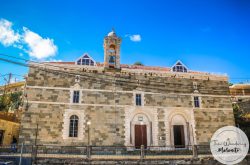
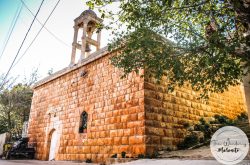
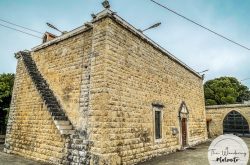
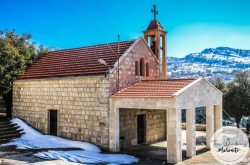
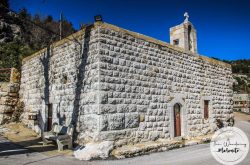
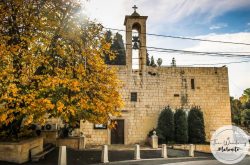
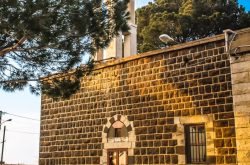
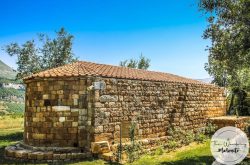
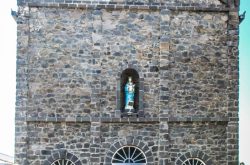
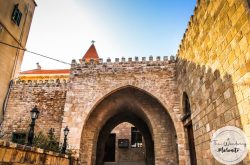
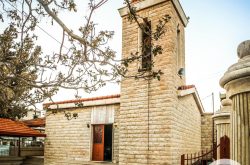
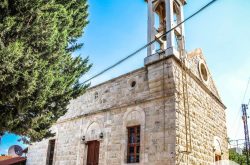
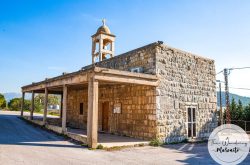
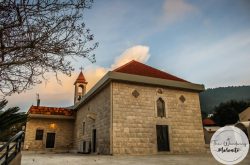
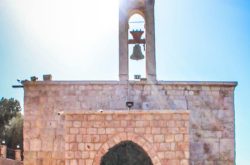
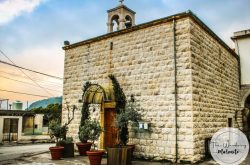
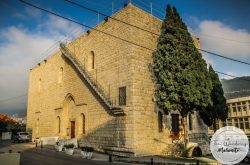
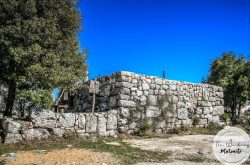
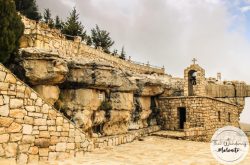
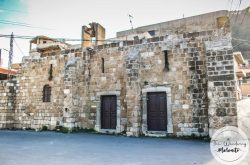
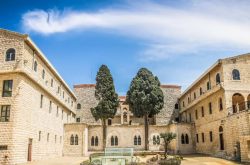
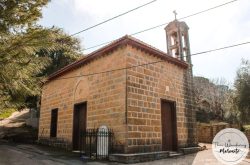
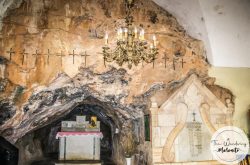
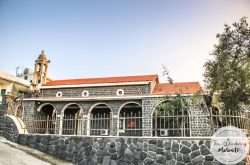
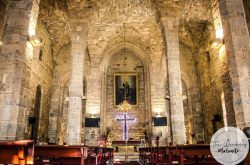
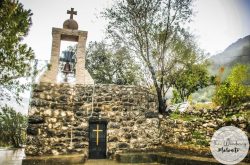
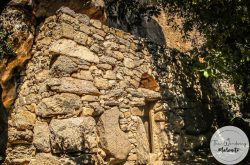
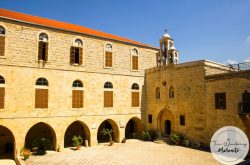
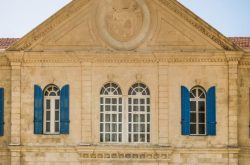
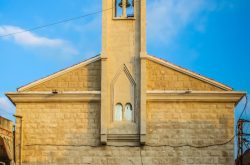
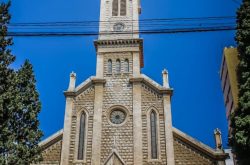
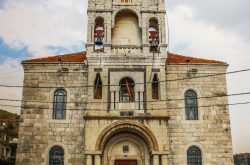
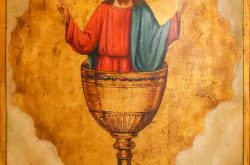
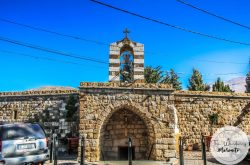
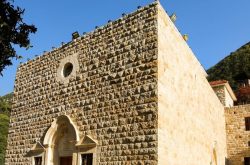
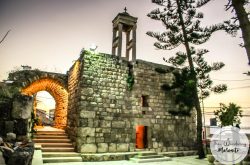
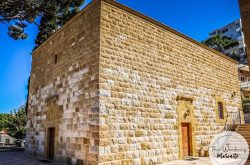
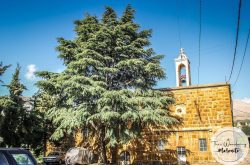
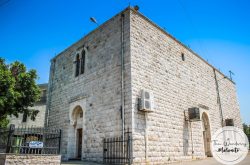
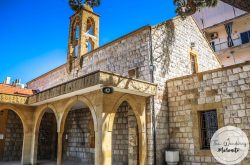
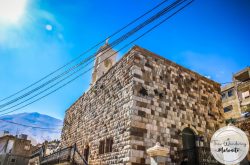
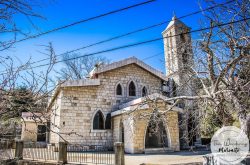
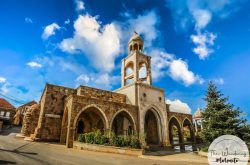
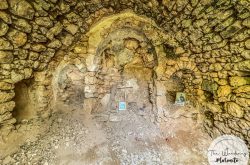
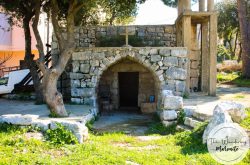
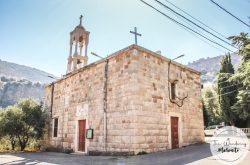
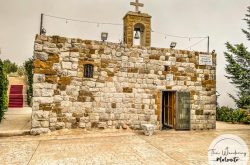
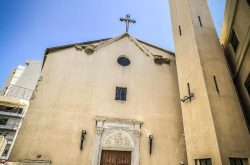
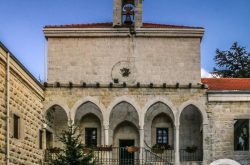
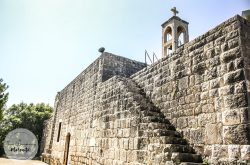
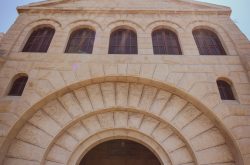
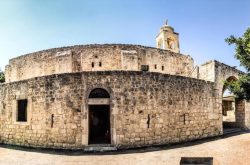
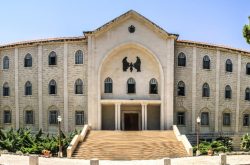
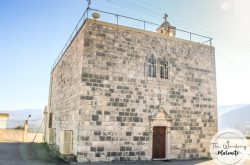
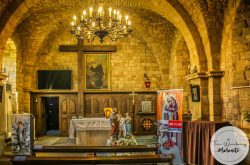
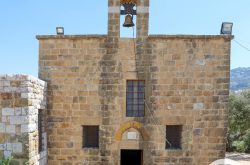
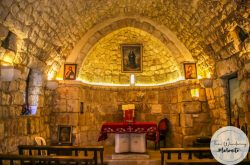
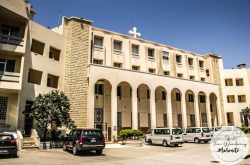
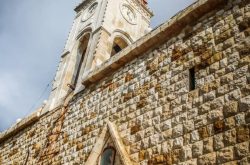
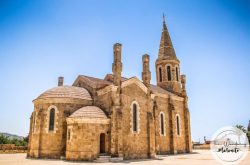
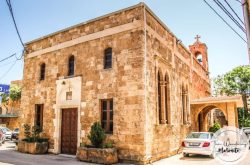
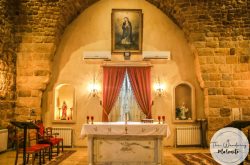
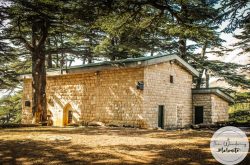
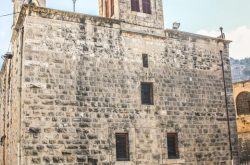
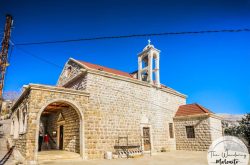
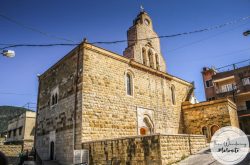
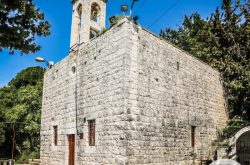
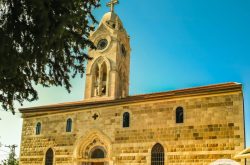
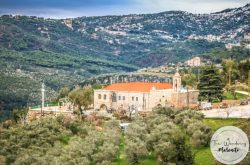
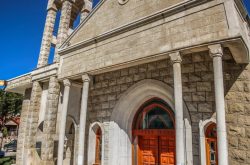
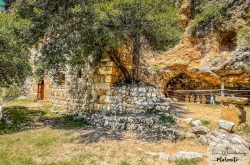
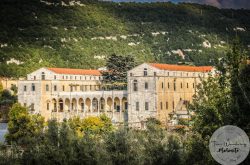
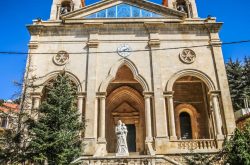
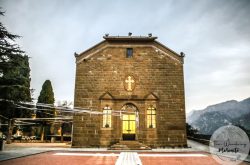
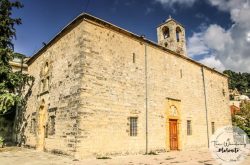
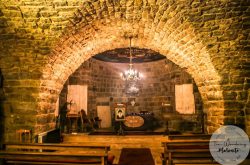
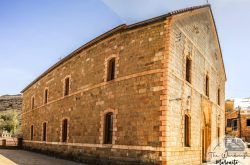
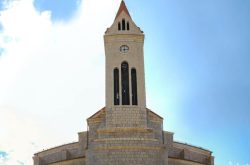
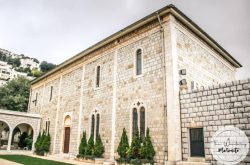
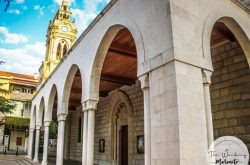
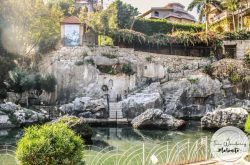
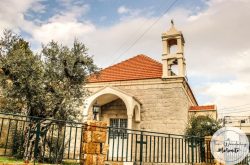
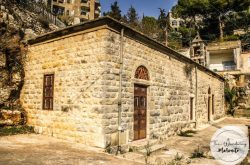
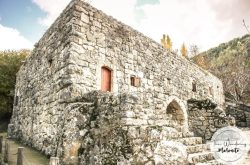
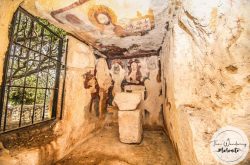
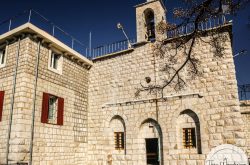
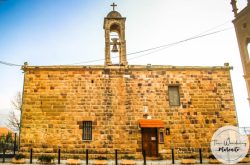
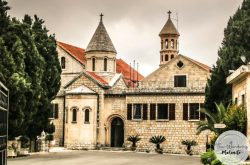
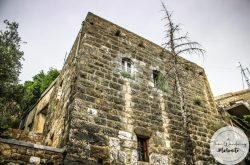
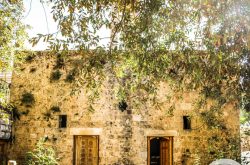
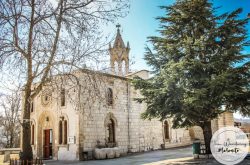
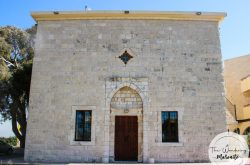
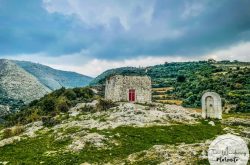
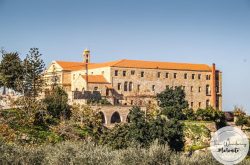
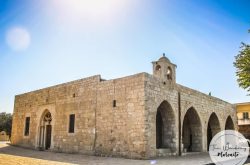
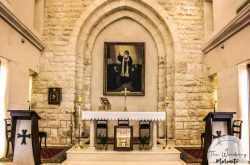
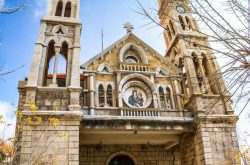
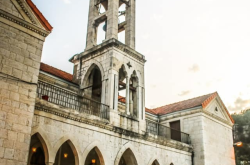
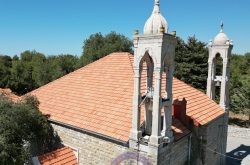
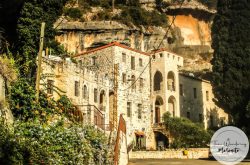
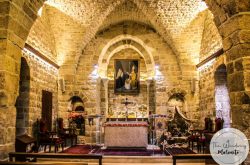
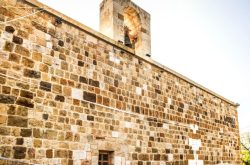
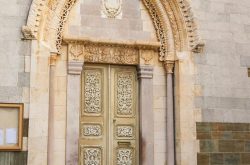
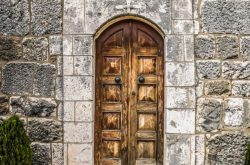
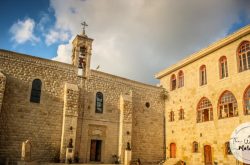
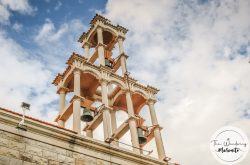
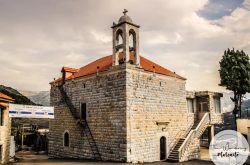
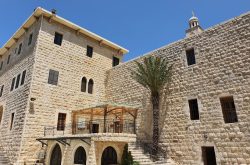
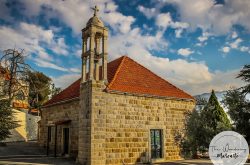
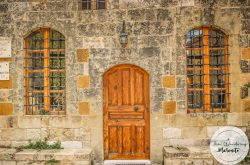
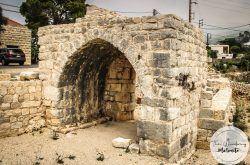
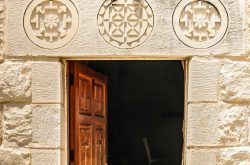
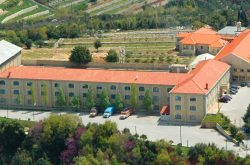
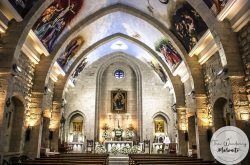
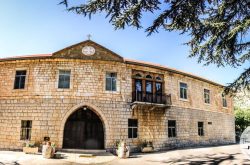
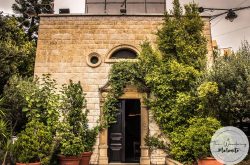
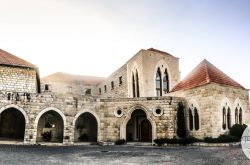
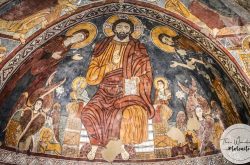
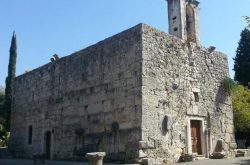
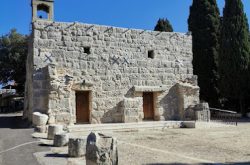
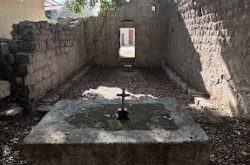
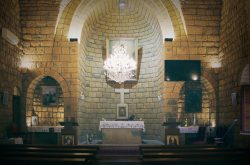
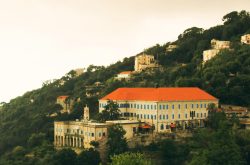
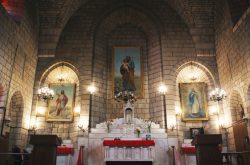
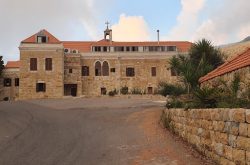
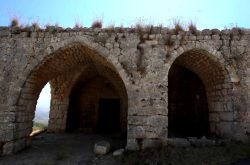
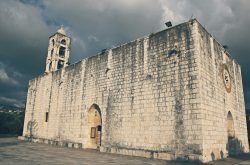
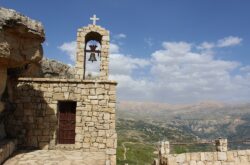
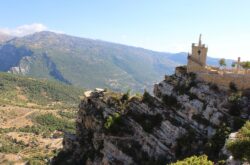
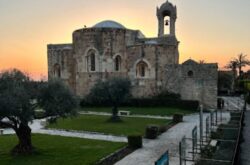
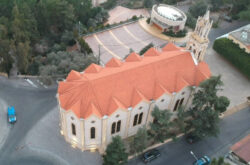
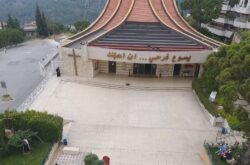
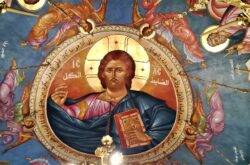
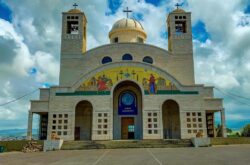
بُني الدّير أوساط القرن الثاني عشر ليسكن فيه أسقف معاون للبطريرك يوحنّا اللحفديّ. أوائل القرن الخامس عشر سكنه المطران يعقوب. خرب هذا الدير ولم يبقَ منه سوى الكنيسة التي تجدّد بناؤها أوساط القرن التاسع عشر. الكنيسة كناية عن عقدٍ مُصالب بحنية مكوّرة. تحوي الكنيسة على العديد من الحجارة المنقوشة والمُشفّرة من بنائها القديم. في هذه الكنيسة تعمّد الأخ اسطفان نعمة اللحفدي.
The Monastery of Our Lady of Marj (Deir al Qalaya) - Lehfed
The monastery was built in the mid XIIth century for an assistant bishop to Patriarch Youhanna al Lehfidi to live in. In the early XVth century, it was inhabited by Bishop Yaacoub. The monastery was abandoned and only the church remained, which was rebuilt in the mid XIXth century. The church's structure consists of a crossed vault with a hemispherical apse. The church contains many carved and encrypted stones from its old construction. Brother Estephan Nehme was baptized in this church.
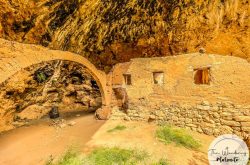
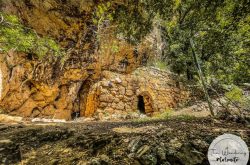
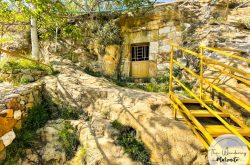
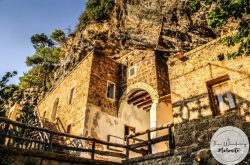
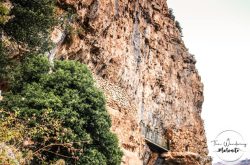
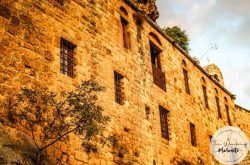
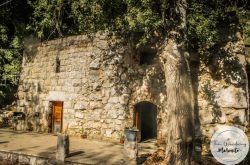
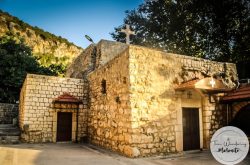
The monastery of St Maroun on the Orontes - Hermel
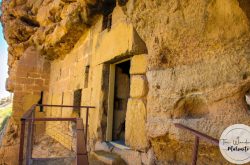
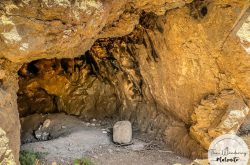
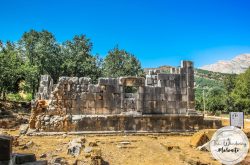
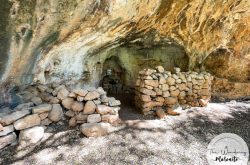
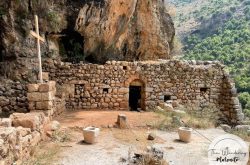
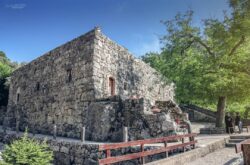
The monastery was originally a natural cave consisting of three sections, it was expanded by Roman builders working in nearby stone quarries. It is situated above Ain El Zarqa, one of the sources of the Orontes River, and connected to the river via a corridor carved into the mountainside. This was used to fetch water and provide a hiding place during enemy attacks. In the VIth century, Maronite monks sought refuge in the cave after facing persecution in northern Syria, where their monastery was destroyed and its contents dispersed. The monks expanded the cave and carved an altar, turning the cave into a new monastery. This marked the beginning of the Maronite migration to the mountains of Lebanon along the Orontes River. Over time, the monastery was neglected and became an abandoned farm. In 2011, it was visited by Patriarch Bechara Boutros Al-Rahi and has since been restored in 2018, returning to the Maronite Church. The monastery serves as a testament to the spread and perseverance of the Maronite Church in the Levant.
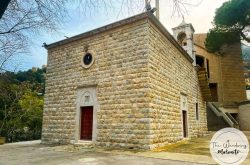
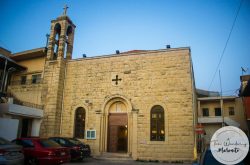
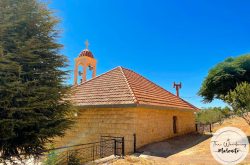
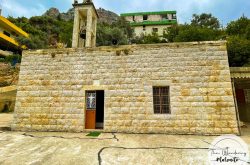
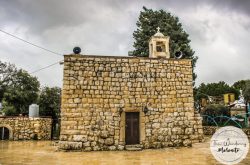
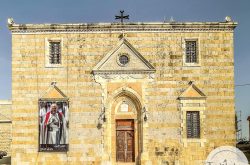
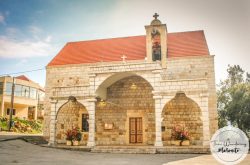
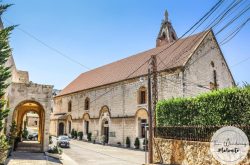
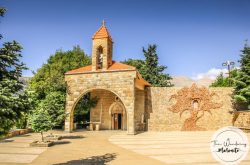
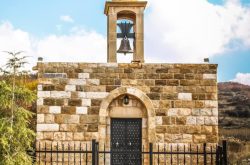
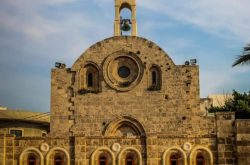
بنى أهالي الحياطة كنيسة مار مارون وهي على شكل عقدٍ مصالب سنة ١٨٨٠. كرّسها المطران يوحنّا الحاج (البطريرك لاحقًا)، وقد أوحى وجه هذا الأسقف الفنّان حبيب سرور ليرسم لوحة مار مارون برصانته. تضمّ الكنيسة لوحة البشارة للخوري موسى ديب الدلبتاوي. رمّمت الكنيسة سنة ٢٠٠٨.
The Church of St Maroun - Haiyatah
The villagers constructed the parish church of St Maroun in 1880. The structure is a cross-vault building. It was consecrated by Bishop Youhanna El Hage (later Patriarch) whose face, due to his serenity, served as a model for that of St Maroun when the painting was created by Habib Srour. The church also features an Annunciation painting by Fr Moussa Dib from Dlebta. The church underwent restoration in 2008.
Eglise Saint-Antoine le Grand, Beit Chabeb, Lebanon
كنيسة مار أنطونيوس الكبير
Beit Chabab
Metn
Mount Lebanon
كنيسة مار أنطونيوس الكبير - بيت شباب
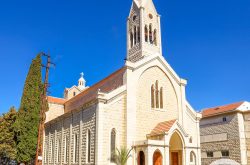
بَنت عائلة الأشقر كنيسة على إسم القدّيس أنطونيوس الكبير، حوالي سنة ١٨٤٨. سنة ١٩٥٧، هُدمت الكنيسة القديمة التي كان قد صدّعها الزلزال، وبُنيت على أنقاضها كنيسةً حديثةً، على عهد رئيس الدير الأب أنطونيوس راشد أبي يونس. هذه الكنيسة تتبع بهندستها شكل البازيليك، وهي مؤلّفة من ثلاثة صحون تفصل بينها العواميد. لقد اكتست بجدرانيّات رسَمها الفنان أسعد رنّو سنة ١٩٦٦.
The church of St Anthony the Great - Beit Chabab
The first church was built by Al Ashkar family in 1848. It was destroyed after its walls were weakened by the earthquake of 1957 and the new church was built by Fr. Antonios Rashed Abi Younes according to a basilical plan with three naves separated by a row of columns. The church was decorated with frescoes by Asaad Renno in 1966.
بُنيت الكنيسة الأولى للموارنة في مدينة الميناء أوائل القرن التاسع عشر، وكانت قبوًا مُعتمًا تحت الأرض. كانت الرعيّة آنذاك فقيرة جدًّا وعُهدت خدمتها للرهبان الأنطونيّين، فكان طعام خادم الرعيّة يصله من دير مار سركيس وباخوس إهدن. سنة ١٨٥٠ بُني الأنطوش، وسنة ١٨٨٩ كرّس المطران أسطفان عوّاد الكنيسة الحاليّة، فكان بناؤها بشكل عقدٍ مُصالب بحجرٍ رمليّ. رُمّمت أواخر القرن العشرين.
The presbytery of Our Lady of Deliverance - El Mina
The first maronite church was built in the Mina in the beginning of the XIXth century. It was then a small underground cellar. The parish was really poor, it was entrusted to an Antonine monk who’s food was brought from the monastery of Sts Sergius and Bacchus Ehden. In 1850 the presbytery was built, and in 1889 the current church was consecrated by Mgr. Estefan Awad Archbishop of Tripoli. The structure is a sandstone crossed vault, restored in the latter half of the XXth century.
بناء الدير يعود إلى سنة ١٦٥٦، سكنه أوّلاً رهبانًا عبّادا. إنضمّ هؤلاء الرهبان المتنسّكون سنة ١٧٥٧، إلى الرهبانيّة اللبنانيّة، وسلّموها الدير بموجب صكّ مكتوب، في عهد الأب العام جرجس قشّوع. كان للدير بعض أملاكٍ حين تسلّمته الرهبانيّة. أمّا بقيّة أملاكه فاتّصلت إلى الرهبانيّة بوجه الشراء من أعيان الطائفة الدرزيّة بعناية الأب العام إغناطيوس بليبل. في السنة ذاتها عقدت الرهبانيّة مجمعها في ربوعه وانتخب الرهبان الأب اقليموس المزرعاني رئيسا لهم على الرغم من معارضة البطرك طوبيا الخازن، وقد ادى هذا الإنتخاب الى انقسام الرهبانية الى بلدية وحلبية في العام ١٧٧٠ وكان دير مار موسى من نصيب الرهبانية البلدية التي تعرف اليوم بالرهبانية اللبنانية. اشترى الدير سنة ١٧٨٩ مطبعة نقلها من روما وعليها طُبعت الشحيمة وخدمة القداس الإلهي. تعرّض دير مار موسى الى النهب والحرق على يد جيش الحملة المصرية عام ١٨٤٠ ثم على يد الدروز اثناء مجازر الستين. عام ١٨٦٣ باشر الأب ليباوس المتيني ترميم الدير وبناء الطابق الثاني والكنيسة الحالية التي انتهى بنيانها عام ١٨٧١. على مرّ التاريخ، عرف الدير حقباتٍ زاهرةٍ. عيّنته الرهبانيّة ديرا للإبتداء، ثمّ مدرسةً للرهبان الدارسين. وعلاوةً على تعليم الفلسفة واللاهوت إعدادًا للكهنوت، كان الدير يؤمّن تعليم السريانيّة والعربيّة واللاتنيّة والفرنسيّة والحساب.
The monastery of St Moses of Abyssinia - Mar Moussa
The monastery was built in 1656, my contemplative monks. In 1757 the monastery was given to the Lebanese Order during the pontificate of Abbot Geryes Qashouh. The monastery had some lands when it was acquired, however most of its lands were bought from local Druze lords during the pontificate of Fr. Abbot Ignatius Bleibel. In 1770 the order had an assembly in the monastery and elected Fr. Abbot Clementis Mazraany against the will of Patriarch Tobias el Khazen, an election that lead to the split of the order into two: Lebanese and Aleppan. The Lebanese order acquired the monastery. The monastery housed a printing press in 1789 and printed the breviary and the missal. The monastery was devastated during the Egyptian campaign in 1840 and during the civil war of 1860. It was then restored by Fr. Abbot Lebaos el Mteiny in 1863 and a new church was built in 1871. During its long history, the monastery became a noviciate and a grammar school.
بُنيت الكنيسة سنة ١٨٦٦ بمسعى حبيب حريقة الذي إشترى الأرض عقب حوادث سنة ١٨٦٠. البناء مستطيل مسقوف. تحوي الكنيسة مذبحًا رخاميًّا منحوتًا، ولوحة لمار الياس. تضمّ الكنيسة العديد من المفارش التي تعود لأواخر القرن التاسع عشر. هي كنيسة محلّة وادي العرايش الرعائيّة.
The church of St Elijah Wadi el Arayesh - Zahle
The church was built in 1866 by Habib Harika who bought the land after the war of 1860. The church’s structure is roofed and contains a sculpted white marble altar. It also contains many holy furnishings from the late XIXth century. The church is Wadi el Arayesh’s Paris
دير مار أنطونيوس الكبير قزحيا - الرهبانية اللبنانية المارونية, دير مار أنطونيوس قزحيا، Aarbet Qozhaiya, Lebanon
دير مار أنطونيوس الكبير
Aarbet Qozhaiya
Zgharta
North
دير مار أنطونيوس الكبير – قزحيَّا
يقع الدير في وادي قزحيَّا (الكنز الحيّ). يرجِّح المؤرِّخون تأسيس هذا الدير، في أوائل القرن الرابع. في الدّير آثار من تأسيسه أهمّها عصا رعاية من الملك لويس التاسع. سنة ١٢١٥ بعث البابا إينوشنسيوس الثالث، براءة إلى البطريرك إرميا العمشيتيّ تذكِّر بأنَّ دير قزحيَّا هو أوَّل كرسيّ أسقفيّ مارونيّ. كان الدير، منذ القديم، ركيزة الحياة النسكيَّة في الكنيسة المارونيَّة. بقربه قامت عدّة محابس تابعة له. وتجدر الإشارة إلى أنَّ أوَّل مطبعة وصلت إلى الشرق كانت في دير قزحيّا سنة ١٦١٠. تَسلَّمت الرهبانيَّة اللبنانيَّة الدير، سنة ١٧٠٨. حَلَّت بالدير نَكبات من الطبيعة؛ ونكبات من جور المضطهِدين. سنة ١٨٢٨ بُنيت كنيسة الدّير الحاليّة. في أثناء الحرب العالميَّة الأولى، قام الدير بإيواء جميع الوافدين إليه وإعالتهم. يضم الدّير العديد من الآثار، أخذ شكله الحاليّ في عشرينيّات القرن الماضي ورمّم في آخره. هو من أهمّ الأديار المارونيّة، ومركزًا للحجّ والخلوة
The Monastery of St. Anthony the Great - Qozhaya.
The Monastery sits on a cliff in the valley of Qozhaya (meaning the treasure of life). According to archeologists, the monastery dates back to the 4th century. Evidence of its importance includes a cross given by King Louis IX and a bull from Pope Innocent III, dating back to 1250, which granted Qozhaya precedence over other Maronite monasteries. Qozhaya had a hermitical tradition, and as a result, many hermitages were built near it. In 1610, the first printing press of the Middle East was brought to Qozhaya. In 1708, the Lebanese Maronite Order acquired the monastery. The monastery has suffered from natural disasters and the despotism of rulers. In 1828, a great church was built. During World War I, the monastery served as a refuge. In the 1920s, the monastery took on its current structural shape, and was restored in the 1990s. It is considered a major pilgrimage site for Maronites around the world.
سنة ١٨٧٦ طلب الرهبان الحلبيّين في دير مار الياس شويّا من المطران يوسف جعجع بناء كنيسةٍ لشركائهم، فأذن لهم وبنوا الكنيسة سنة ١٨٧٧. الكنيسة كناية عن عقدٍ مُصالب ينتهي بحنية. تضم الكنيسة لوحتين تعودان لأواخر القرن التاسع عشر: مار يوسف من عمل كنعان ديب، ومار أنطونيوس الكبير من عمل داوود القرم.
The church of St Anthony the Great - Zaghrine
In 1876 the Aleppan monks living in the monastery of St Elias Shwaya asked Mgr Youssef Geagea a permission to build a church for their monastery’s surfs living in Zeghrine. After the permission was given, construction began and ended a year later. The church is a cross vaulted structure. It holds two paintings from the end of the XIXth century: St Joseph by Kanaan Dib and St Anthony by Daoud el Qorm.
Saint John the Baptist Church - كنيسة مار يوحنا المعمدان, Aamchit, Lebanon
كنيسة مار يوحنّا المعمدان
Aamchit
Jbeil
Mount Lebanon
كنيسة مار يوحنّا المعمدان - كفركخلي عمشيت
بُنيت كنيسة أولى في الموضع سنة ١٧٥٠ على اسم مار روحانا. أواخر القرن التاسع عشر وُسِّعت على شكل عقدٍ مُصالبٍ وكُرّست على اسم مار يوحنّا المعمدان لتُصبح كنيسةً رعائيّة. تضمّ الكنيسة ثلاث لوحات محليّة الصنع: عماد المسيح، مار روحانا ومار يوسف.
The church of St John the Baptist - Kfarkekhly Amchit
The first church was built in 1750 and dedicated to St Rouhana. The current large crossed vaulted structure was built in the late XIXth century and dedicated to St John the Baptist as a parochial church. The church holds three locally made paintings: The Theophany, St Rouhana, St Joseph.
هي كنيسة البلدة الرعائيّة بُنيت سنة ١٩١١. بانيها المعلّم الياس قسطنطين وكرّسها المطران شكرالله الخوري. البناء كناية عن عقدٍ مُصالبٍ مليّس وملوّن بجداريّة رخاميّة. رُمّمت الكنيسة سنة ٢٠١٧ محافظةً على شكلها الأساسيّ.
The church of St Joseph - El Hajje
The church is the village’s parrochial church built in 1911 by Elias Costantine. The church was consecrated by Bishop Chukrallah el Khoury. The structure is a crossed vault decorated with a faux marbre fresco. The church was restored in 2017 while preserving its original decor.
الكنيسة بالأصل كانت معبدًا رومانيًّا على تلّة حوّله الصليبيّون إلى بُرجٍ للمراقبة، سكنه مقدَّموا لحفد. سنة ١٨١٠ تحوّل المكان إلى كنيسةٍ بعقدٍ مُصالبٍ لتكون رعيّة البلدة. مذبح الكنيسة ولوحة مار أسطفان، مُستوردان من إيطاليا بسعي من أبناء البلدة في بيروت أواخر القرن التاسع عشر. حمل إبن لحفد الطوباوي أسطفان نعمه شفاعة صاحب الكنيسة وتكنّى باسمه عند دخوله الرهبانيّة.
The church of St Stephen - Lehfed
The church was originally a pagan roman temple on a hill that was converted into a watch tower by the crusaders, after they left the land the maronite lords of Lehfed used it as residence. In 1810 the crossed vault structure took it’s current shape and was converted into a parochial church. The altar and the painting are imported from Italy with the help of the villagers who lived in Beirut at the end of the XIXth century. Blessed Stephen Nehme, the son of Lehfed, took the name of the Church's patron saint when he entered the monastic life.
بنى الدّير الشيخ عاد صخر الخازن سنة ١٧٢٠ وجعله للراهبات العابدات. واتّبعت عابداته قانون الراهبة هنديّة قبل إلغاء رهبانيّتها. بقي الدّير حتّى منتصف القرن العشرين يضمّ بنات وأرامل العائلة الخازنيّة اللواتي خصّصن حياتهنّ للصلاة. واليوم هو وقفٌ خاص للعائلة. كنيسته صغيرة بعقدٍ مصالب، تضمّ لوحة العذراء المُرضعة وهي رومانيّة المصدر.
The monastery of Our Lady of the milk - Sahel Alma
The monastery was built by Sheikh Aad Sakher el Khazen in 1720, who gave it to the cloistered nuns that followed the rules of Mother Hendiyé Ajaimi before her order was dissolved. The monastery housed until the mid XXth century the daughters and the widows of the Khazen family who consecrated their lives to religion. The monastery is now a private possession of the Khazen family. The church is a crossed vault structure holding a roman painting depicting the blessed mother feeding the Lord.
بُنيت الكنيسة سنة ١٩١٤ بعناية ملحم القزح. هي كنيسة رعائيّة مسقوفة. رمّمت أوائل القرن الحاليّ. مذابح الكنيسة الثلاث الرخاميّة وأيقونة مار يوسف محليّة الصنع. أضيفت للكنيسة قبتها أواسط القرن العشرين.
The church of St Joseph - Deir el Ahmar
The church is a parochial church built by Melhem Qozah in 1914. The structure consists of a crib vault that was restored in the beginning of this century. The church holds three marble altars and St Joseph’s icon that are locally made. The bell tower was added in the mid XXth century.
كلمة شَحْلُو من السريانيّة تُشير إلى مجرى المياه. هذه المنطقة قديمًا شكلت المدخل الشماليّ للقبيّات، بنى فيها الأهالي معبدًا وثنيًّا ما لبث أن حوّلوه كنيسةً. دمّر المماليك في حملتهم الكنيسة ليبنوا برجًا للمراقبة. هذا البرج دمّره العثمانيّون بعد معركة مرج دابق سنة ١٥١٦. أواسط القرن العشرين أُعيد بناء الكنيسة بشكلها الحاليّ، مع برج ساعةٍ رُفع عليه تمثال للعذراء في تسعينيّات القرن الماضي. تُعتبر هذه الكنيسة مزارًا ومحجًّا للأهالي.
The church of our Lady of Shahlo - Kobbayat
The word Shahlo is from a syriac root referring to a water source. In ancient times the locals built a pagan temple on the site that was converted into the first church. This church was destroyed by the Mamluks who built a tower on the site that was destroyed by the ottomans after the battle of Marj Dabeq in 1516. In the mid XXth century a church was rebuilt in it’s current form, with a bell tower added in the ninties. The church is considered a votive shrine for the villagers.
Monastery of the Annunciation, Unnamed Road, Lebanon
دير سيّدة البشارة الخازن لراهبات الزيارة
Zouk Mkayel
Keserwan
Mount Lebanon
دير سيّدة البشارة الخازن لراهبات الزيارة - زوق مكايل
سنة ١٨٢٥ بعد وفاة الشيخ بشارة جفال الخازن، كرَّس البطريرك يوسف حبيش حارته ديراً على اسم سيّدة البشارة. كان الدير أوّلاً خاصًا ببنات عائلة الخازن، اللواتي نظمن حياتهنّ بحسب قانون مار فرنسيس السالسيّ لراهبات الزيارة. مع مرور الزمن أصبح الدير يستقبل كافة البنات اللواتي يُردن اعتناق الحياة الديريّة التأمليّة المحصنة. وراهبات الزيارة ما زلن يحافظن على نمط حياةٍ تقليديّ بحسب قانونهنّ. كنيسة الدّير مسقوفة، تتميَز بخوروس الراهبات الموجود آخر الكنيسة وهو أعلى من مستواها، خلف مكان جلوس العوام، يعلوه متخّتين للراهبات العجائز.
The monastery of the Annunciation Khazen for the Visitandine nuns - Zouk Mikael
In 1825 after Sheikh Bchara Jaffal el Khazen passed away, Patriarch Youssef Hbeich converted his estate into a nunnery dedicated to our Lady of the Annunciation. The nuns where essentially from the Khazen family and adopted the rule of St Francis of Sales for the visitandine sisters while remaining maronites. With time the monastery began to accept girls from outside of the Khazen family who wanted a strict observance and a contemplative way of life that is still practiced today. The chapel of the monastery is roofed, it is distinguishable by it’s nuns choir at the end of the church, and three mezzanines used by older nuns to participate in the liturgy.
Notre Dame de l'Annonciation, Sahel Aalma, Lebanon
دير سيّدة البشارة بقلوش
Sahel Aalma
Keserwan
Mount Lebanon
دير سيّدة البشارة بقلوش - ساحل علما
يَعود إنشاء الدّير الى العام ١٧٨٠، يوم أوقَفَ الشَيخ ميلان ضِرغام الخازن، كُلَّ ما يَملُكَه لإنشاء دير تمّ بناؤه سنة ١٧٨٣. إتَخَذَه المُطران أنطون الخازن، مقراً لأبرَشيَّة بَعلبك. عام ١٨١٨، خُصِّصَ الدّير للراهِبات المُحَصَّنات، من جُملة الأديرة السِتّة التي خُصِّصَت للنِساء، ضِمن مُقَرَّرات مَجمَع اللويزة. وبَعدَ إنحِسار الدَعَوات النِسائية، هُجِرَ الدّير، وتَداعَت أبنيته، ولم يَبقَ مِنه إلا كَنيسته المَعقودة، التي ما زالت قائمة لتاريخه. تحوي الكنيسة لوحة صفدٍ مقدسيّة وبعض الأيقونات المحلية ولوحة البشارة، مع صلبوت (مجسّم للمصلوب) لرتبة السجدة. تضمّ الكنيسة مدفن المثلث الرحمات المطران أنطون نوفل حصن الخازن.
The Monastery of the Annunciation Baqloush - Sahel Alma
The construction of the monastery began in 1780 when Sheikh Milan Dergham el Khazen gave his possessions to build a monastery that was completed in 1783. Bishop Antoun el Khazen made it the episcopal residence of the bishops of Baalbeck. In 1818 the monastery was made one of the six nunneries for the contemplative maronite nuns by decree of the council of Louaizeh. The monastery fell into ruins after the nuns left, and only the church remained. The vaulted church holds a mother of peral inlayed icon with an agonizing crucifix, local icons and the painting of the Annunciation. The church also holds the sarcophagus of bishop Antoun Naufal el Khazen.
بنى أهل حدشيت الآتين إلى حمّانا الكنيسة الأولى بداية القرن السابع عشر، وحملوا معهم شفاعة مار رومانوس. سنة ١٧٢٣ أخذت الكنيسة شكلها الحاليّ: عقد مُصالب ينتهي بحنية. وًسّعت سنة ١٧٨٣. سنة ١٨٢٥ أنعم قداسة البابا لاوون الثاني عشر، بالغفارين للمذبح الكبير. تعرّضت للتخريب في أحداث ١٨٦٠، وكرّس مذبحها الجديد المطران نعمة الله سلوان سنة ١٨٧٣. في عشرينيّات القرن العشرين بُنيت القبّة والساعة الطنّانة. سنة ١٩٣٦ زارها البطريرك أنطون عريضة. رمّمت الكنيسة سنة ١٩٩٠. تضمّ الكنيسة العديد من المفارش البيعيّة المحليّة الصنع كبيت القربان وقبته، مجموعةً من اللوحات الغربيّة، ولوحة مار رومانوس مقتبسة عن لوحة حدشيت من عمل نجيب حاتم سنة ١٩٢٢.
The church of St. Raymond (Roumanos) - Hammana
The church was built in the beginning of the XVIth century by the villagers of Hadshit who resided in Hammana and imported the devotion towards their patron saint Raymond. In 1723 the church took its current form: a crossed vault with an apse. The church was enlarged in 1783. In 1825 Pope Leo XII gave the privilege to the church's altar. In 1860 the church was damaged during the civil war. The altar was reconsacrated in 1873 by Mgr. Nematullah Selwan. During the second decade a bell tower with a clock was added. In 1936 Patriarch Antoun Arida visited the church. In 1999 the church was restored. The church holds many ecclesiastical artifacts: a tabernacle with a baldaquin, western style paintings, and a painting of Saint Raymond inspired by the one in Hadshit by Najib Hatem dating back to 1922.
سنة ١٧٦٧ بنى المطران مخايل بن الشيخ ابا نادر الخازن ديرًا على اسم سيّدة المعونات في محلّة رام بو دقن، ليصبح مقرًّا لإقامته. بعد وفاته تحوّل الدّير إلى وقفيّة ذريّة لمشايخ آل الخازن. الكنيسة كناية عن عقدٍ مُصالبٍ ينتهي بحنية نصف دائريّة، سقفها مزيّن بالنقوش على الجصّ. لوحات الكنيسة من عمل الخوري موسى ديب الدلبتاوي.
The monastery of Our Lady of Perpetual help Ram Bou Daqn - Sheile
The monastery was built in 1767 by bishop Michael son of Sheikh Aba Nader el Khazen, in Ram Bou Daqn to become his episcopal residence. After his death the monastery became a private domain for the Khazen family. The church consists of a crossed vault ending in a semi circular apse with a ceiling covered with arabesque. The church holds paintings by Fr Moussa Dib from Dlebta.
بُنيت الكنيسة الأولى في القرن الثاني عشر. سنة ١٨٨٥ قرر الأهالي تشييد كنيسة جديدة. سنة ١٨٩٧ إنتهى بناء الكنيسة الجديدة. زيّن الكنيسة بالجداريّات الفنّان راجي دانيال السرعلي، سنة ١٩٥٥، وسنة ٢٠٠٢ رمّم اللوحات وزاد عليها الفنان حبيب خوري. رتّلت فيها السيّدة فيروز أناشيد الفصح سنة ٢٠١٠. تضمّ الكنيسة جثمان كاهنها الخوري يوسف أبي مارون معتوق الذي اشتهر بقداسة السيرة وبقي جسده سالمًا من الفساد.
The church of St Michael - Sereel
The first church was built in the XIIth century, and in 1889 the new church was built on top of it. The church was decorated with frescoes in 1955 by Daniel el Seraaly. In 2002 the frescoes were renovated and added upon by Habib Khoury. In 2012 Fairouz chose the church to sing the easter hymns. The church holds the remains of Fr Youssef Abi Maroun Maatouk who was a saintly figure and his body was incorruptible.
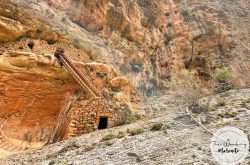
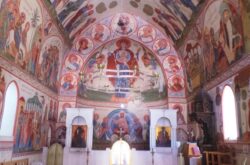
الدّير عبارة عن كهفٍ طبيعيٍّ يقع في وسط الجُرف الصخريّ ويضمُ كنيسةً ومدفنًا وبعض القلالي. يتمّ الوصول إليه عبر درجٍ من الحجارة المنحوتة. بنى الدّير رهبان مونوفيزيّين جاؤوا من الحبشة في القرن الثاني عشر بقصد التنسك. الكنيسة كناية عن تجويفٍ طبيعيًّ حُفرت حنيتها على شكل عقدٍ مكسورٍ مُليّسة بالكلس، ومزيّنة برسومٍ جداريّة ذات أشكال هندسيّة تنتمي لفنّ الكنيسة الحبشيّة. في الكنيسة كذلك مذبح مربّع الشكل.
The monastery of St George of the Abyssinians - the valley of Qannoubine
The monastery is a natural cave in a cliff consisting of a church, a necropolis and some cells. It is accessible trough a carved stair. The monastery was built by Jacobite monks from Abyssinia during the XIIth century. The church is a natural cave with a carved apse covered by limestone gypson with a geometrical motif fresco from the Ethiopian art tradition, the church also has a squared altar.
Saint George Church كنيسة مار جريس - رميش, Rmaych, Lebanon
كنيسة مار جرجس
Rmaich
Bent Jbeil
Nabatieh
كنيسة مار جرجس - رميش
تأسّست الكنيسة الأولى سنة ١٧٤٠، مع قدوم الموارنة إلى البلدة. تعرّضت هذه الكنيسة للتخريب جرّاء الزلازل والحروب عدّة مرّات. أُعيد بناؤها بالشكل الحاليّ سنة ١٩٢٩ ورمّمتها مديريّة الآثار سنة ١٩٩٥. الكنيسة كناية عن سوقٍ واحدٍ مستطيل مسقوف بسقفٍ بغداديّ. مذبحها رخاميّ يحوي نقشًا لمار جرجس. وتحوي الكنيسة لوحتين للسيّدة ومار جرجس.
The church of St George - Rmeish
The church was founded in 1740 when the first Maronites came to the village. It was damaged many times due to wars and earthquakes. It took its current form in 1929, and was restored in 1995. The structure is a single roofed rectangular nave with a wooden ceiling. The main altar contains a marble Bas-Relief of St George. The church holds two local paintings: the Madonna and St George.
طحنيش بنى الموارنة الكنيسة مع قدومهم إلى البلدة سنة ١٧٠٥، وهي أقدم كنيسة مارونيّة في البقاع الغربيّ. الكنيسة صغيرة كناية عن سوقٍ واحد مسقوفة. سقف الكنيسة بغداديّ. تحوي الكنيسة على لوحةٍ للسيّدة منقولة عن موريللو تعود لأربعينات القرن العشرين. مع بداية القرن الحاليّ رُمّمت الكنيسة ورُسم على السقف لوحات تجريديّة.
The church of Our Lady of Assumption - Deir Tahnish
The maronites built the church in 1705 when they came to the village. It is the oldest maronite church in the West Bekaa region. The structure consists of a small single roofed nave. The church holds a painting copied from Murillo’s Immaculate conception dating back to the forties. The church was renovated in the last decade and the roof was decorated with abstract frescoes.
Saint Mary -Haqel -Lebanon, 3arbit saydder, Haqel, Lebanon
كنيسة سيّدة اللوزة
Haqel
Jbeil
Mount Lebanon
كنيسة سيّدة اللوزة – حاقل
يعود بناء الكنيسة إلى القرن السابع للميلاد. البناء كناية عن عقدٍ سريريّ ينتهي بحنية. هي من أقدم الكنائس في لبنان، ويعود سبب تسميتها إلى رمزيّة اللوز في الكتاب المقدّس، فاللوزة هي أوّل شجرة تُزهر مُعلنة قدوم الربيع، وقد رأى الآباء في اللوزة رمزًا لإيمان مريم العذراء. كانت هذه الكنيسة منطلقًا للعلّامة إبراهيم الحاقلاني قبل ذهابه إلى روما سنة 1616، وللحاج سلهب الحاقلاني مؤسس دير سيّدة اللويزة – ذوق مصبح سنة 1682. تضمّ الكنيسة نقوشًا صليبيّة على الكلس، لوحة السيّدة من القرن السادس عشر، ونسخة أحدث عنها، مذبح أساسيّ رخاميّ يعود لسنة 1923، ومذبح خلفيّ خشبيّ.
The church of our Lady of Almonds - Haqel
The church was built in the VIIth century. The structure consists of a crib vault. It is one of the oldest churches in Mount Lebanon. The origin of the name Lady of Almond is Biblical, the almond tree being the first tree that blossoms announcing spring. Early Church fathers saw in the almond tree a symbol of the Virgin Mary. The church was the parish of Ibrahim Haqlany before he went to Rome in 1616, and the monk Salhab Haqlany founder of the monastery of Our Lady of Louaize Zouk Mosbeh in 1682. The church holds engravings dating back to the crusaders era, a XVIth century Marian icon and a latter replica, a main marble altar fron 1923, and a wooden altar at the end of the church.
يقع الدّير في منطقة وادي حلسبان، في الأصل كان البناء معبدًا رومانيًّا للإله بان إله الرعيان والمواشي. حوّله الأهالي إلى كنيسةٍ بيزنطيّة على اسم القدّيس شليطا (أرتاميوس) شفيع الحيوانات والمواشي، إشارةً إلى تحوّلهم من الوثنيّة. بقي الدّير مُهملاً فترةً طويلةً، فآل إلى الخراب. خلال تسعينيّات القرن العشرين رُمّم الدّير، لكنّ الترميم أزال قسمًا كبيرًا من معالمه. أصبح الدّير اليوم مقصدًا للسيّاح ومحجًّا.
The monastery of Chalita - Kobayyat
The monastery is located in the valley of Helesban. The building was a roman temple dedicated to Pan the god of shepherds. The temple was converted into a church during the byzantine era and was dedicated to St Chalita (Arthemius) the patron saint of animals and heards. After the middle ages, the monastery fell into ruins for along time. The structure was restored in the last decade of the XXth century, yet the restoration destroyed many of the original elements. The monastery became a pilgrimage site.
تعود رسالة الآباء الكرمليّين في منطقة بشرّي إلى أواخر القرن السابع عشر. سكنوا أوّلاً دير مار أليشاع القديم وانتقلوا سنة ١٧٠٤ إلى دير مار سركيس. في ٩ آذار سنة ١٩٠٥، قام الأب سيريل دي سانتا ماريا، النائب الرسولي لجبل الكرمل، بزيارة بشرّي فاستقبله الأهالي وطالبوه بتوسيع الرسالة وإقامة مدارس. بدأ أبناء بشرّي البناء بمساعدات من فرنسا وبلجيكا وألمانيا سنة ١٩٠٨. سنة ١٩١٠ أكمل الأب جيوسيبي داربينو الجناح بناء الدّير والكنيسة، بمساعدة الكاردينال غوتي. الكنيسة كناية عن سوقٍ واحد بحنية نصف دائريّة وسقفٍ بغداديّ. الكنيسة مزيّنة بجدرانيّات للرسّام جرجس ديب الأورشليميّ وتمثل عدّة مشاهد من وحي روحانيّة الكرمل. يُعرف الدّير محليًّا "بالبادريّة" وهي تعريب لكلمة بادري أي الأب.
The Carmelite Convent of St Joseph - Bcharreh
The Carmelite mission Bcharreh goes back to the late XVIIth century. The fathers resided in St Elishah and moved in 1704 to St Sergius. On the 9th of March 1905 the Carmelite provincial Cyril Da Santa Maria visited the town and was demanded by the locals to enlarge the mission and build schools. After that the locals began building with financial help from France, Belgium, and Germany in 1908. Construction was completed in 1910 with Padre Joseppe Darbino who completed the building with the church with the help of Cardinal Gotti. The church consists of a single roofed nave with a semi circular apse. The church is decorated with frescoes by Gerges Dib from Jerusalem.
Saint Isaiah (Mar Shaaya), Jouret El Ballout, Lebanon
دير مار شعيا
Broummana El-Matn
Metn
Mount Lebanon
دير مار شعيا - المزكه برمانا
سنة 1673 قام المطران جبرايل البلوزاني رئيس أساقفة حلب (البطريرك لاحقًا) بتأسيس حركة رهبانيّة تتبع قانون مار أنطونيوس الكبير وهدفها تبشير الدروز. سنة 1698 أُرسلت مجموعة من الرهبان لتأسيس ديرٍ في برمانا هم: سليمان الحجّة المشمشاني، وعطالله كريكر الشبابي، وموسى زمّار البعبداتي. فاشتروا أنقاض ديرٍ قديمٍ على تلّة بجوار برمانا. سنة 1700 بدأ الرهبان الأنطونيون تأسيس ديرٍ جديدٍ على اسم مار شعيا الراهب الحلبيّ. أصبح الدّير الدّير الأم للرهبانيّة الأنطونيّة الناشئة التي ثبّتها البابا أقليمنضوس الثاني عشر سنة 1740. إرتبط الأنطونيّون بدير التأسيس لدرجة أنّهم أصبحوا يتكنّون برهبان مار شعيا. أصبح الدير جسر علاقة بين الرهبانيّة وحكّام الجبل، أمراءِ آل أبي اللمع وآل شهاب الموحِّدّين ما حدا بأفرادٍ من الأسرتَين الكبيرتَين اعتناقَ الإيمانِ الكاثوليكي ونشره في مناطقَ متنيّة. تعاقبت الحروب على الدير وتركت بصماتِها الهدّامة من أحداث ١٨٤٠ و١٨٦٠، إلى الحرب العالميّة الأولى، وقد كانتِ الأشرس، فدمّر الجيش العثمانيّ الدير وأحرق مكتبته. رُمّم الدّير على مراحل عديدة وأُعيد بناؤه. كنيسة الدّير كناية عن عقدٍ مُصالبٍ ينتهي بحنية نصف دائريّة. تتميّز الكنيسة بخورسها الخشبيّ بين المذبح والسوق الرئيسيّ.كذلك تحوي الكنيسة أرغن الموسيقار الكبير الأب يوسف الأشقر أحد روّاد الموسيقى الكنسيّة المارونيّة. كذلك تحوي لوحة مار شعيا التي تعود لعام 1907، وجداريّة خلف المذبح من عمل الرسّام أسعد رنّو.
The monastery of St Isaiah - El Mzekke Broummana
In 1673 the archbishop of Aleppo Mgr. Gebrayel el Blouzany (later Patriarch), started a monastic movement according to the Rule of St Anthony the great, with the aim of evangelizing the Druze. In 1698 a small group of monks were sent to start a monastery in Broummana: Sleiman Hajje from Meshmesh, Atallah Kreiker from Beit Chabab, Moussa el Zemmar from Baabdat. In 1700 the monks bought the ruins of an old monastery on a hill in the vicinity of Broummana. The monastery was dedicated to St Isaiah the Aleppan monk, and the monastery became the motherhouse of the new order that was recognized by Pope Clement XII in 1740. The monks became commonly known as the monks of St Isaiah. The monastery became a mission hub and many Druze were converted by the monks, it was noted that many princes from the families of Shehab and Abi el Llamah became Maronites and helped spreading the catholic faith in the Metn region. The monastery suffered greatly during the wars of 1840 and 1860, it was severely damaged during World War I and its great library was burnt down. Yet it was always restored and rebuilt. The monastery's church is a crossed vault ending with a semi circular apse. The nave and the sanctuary are separated by wooden choir stalls. The church holds the organ of Fr. Boulos el Ashkar a pioneer in Maronite ecclesiastical music, a painting of St Isaiah from 1907 and a fresco of the saint by Assaad Renno.
دير مار سركيس وباخوس من أقدم الأديار في لبنان الشمالي. بُنيت الكنيسة الأولى في القرن الثامن، على أنقاض معبدٍ كنعانيّ، في هذه الكنيسة نال البطريرك اسطفانوس الدويهيّ درجة الكهنوت سنة ١٦٥٦. أمّا كنيسة السيّدة فبُنيت عام ١١٩٨ زمن الصليبيّين. سنة ١٤٧٣، أصبح الدّير كرسيًّا لأساقفة إهدن، بولاية آل الدويهيّ. رَمّم الدير المطران بولس يمّين عام ١٤٠٤، والمطران بولس الدويهيّ عام ١٦٥٩، والخوري مخائيل الدويهي عام ١٦٧٠ والبطريرك إسطفان الدويهي عام ١٦٩٠. تسلّمته الرهبنة الأنطونيّة في أول ايلول سنة ١٧٣٩ فبنوا العقود أمام الكنيستين، والدّير الجديد والكنيسة فوقها. استضاف الدّير الحبيس فرانسوا ده شاستويل، والمونسنيور ميسلن، ويوسف بك كرم، والعديد من البطاركة والأعيان. يلعب الدّير اليوم دورًا ثقافيًّا كبيرًا بالإضافة لدوره الروحيّ.
The monastery of Sts Sergius and Bacchus Ras el Naher - Ehden
The monastery is one of the oldest in Northern Lebanon. The first church was built in the VIIIth century over a Kanaanean temple. In it was ordained a priest the later patriarch Estephan el Douweihy in 1656. The second church dedicated to the Madonna wad built during the crusades in 1198. In 1473 the monastery became the seat of the bishops of Ehden under the jurisdiction of the Douaihy family. In 1739 the monastery became property of the Antonine Maronite Order. The monks built the vaults linking the two churches, the new monastery and another church above the old one. The monastery was restored many times over its long history. It was visited by many patriarchs and notable figures such as the hermit Francois de Chasteuil, Mgr Miselin… The monastery is not only a high spiritual place but also a great cultural hub.
كنيسة سيدة كفرملكون الأثرية - كفرحلده, Kfar Helda, Lebanon
كنيسة سيّدة كفرملكون (سيّدة الخرايب)
Kfar Hilda
Batroun
North
كنيسة سيّدة كفرملكون (سيّدة الخرايب) - كفرحلدا ترقى الكنيسة الى القرن الثالث عشر ، في أعالي بلدة كفرحلدا وكانت قد بنيت هذه الكنيسة بالطريقة البدائية التقليدية كما كان قائماً في القرون الوسطى، أما قبة الجرس فهي حديثة الصنع. هذه الكنيسة كانت جزءاً من قرية كفرملكون الواردة في السجلات العثمانية. مع مرور الزمن هُجّرت القرية وبدأت الابنية بالتفكك والانهيار خاصة بعد حدوث زلزال كان قد ضرب المنطقة أدى الى خرابها فسُميت بسيّدة الخرايب. أما السواد الذي يغطي بعضاً من معالم الرسومات داخل جدران الكنيسة، فكان بسبب ان بعض الرعاة كانوا يرتادون المكان ويشعلون النار للتدفئة. في حنية الكنيسة جدارية الشفاعة مع كتابة يسوع المسيح بالخط السرياني الملكي في الوسط. على الجدار الشمالي رسماً لأسقف أصلع الرأس، هو القديس يوحنا الذهبي الفم. وعلى الجدار نفسه نقرأ اسم ضومطيوس باللغة اليونانية. أما على الجدار الجنوبي بقايا مشهد الميلاد مع أربع ملائكة وراعٍ يعزف على الناي وبجانبه حملان.
Our lady of Kfarmalkoun, or Our lady of ruins - Kfarhelda Dating back to the 13th century, and laying on the high hills of Kfarhelda, this church was built following the traditional medieval style. This church is located in the old Kfarmalkoun village that is found in the Ottoman records. With time, the villagers had left their village and the buildings started to fall apart, especially after it was hit by an earthquake. Thus the name: Our Lady of the Ruins. Some of the Church walls are covered with a black layer caused by the fires that the pastors lit when they were cold. On the Church's apse, one can find the Deisis fresco, surrounded by the words Jesus Christ written in a royal syriac font. On the northen wall, we can see the drawing of a bald bishop, St. John Chrysostom. On the same wall, we can find the words Domtius written in Greek. On the sourhern wall, on can find the remains of a fresco depicting the Nativity scene with four angels and a pastor playing on the flute next to some sheep.
الكنيسة في الأساس مبنيّة بحجارة معبدٍ رومانيّ بُني في زمان الإمبراطور انطونان التقيّ كما تشير النقوش اليونانيّة على جدرانها. تحوي الكنيسة على عدّة آثار من المعبد القديم كتمثال صنمٍ في آخرها. في القرون الوسطى تزيّنت الكنيسة بمجموعة من الجداريّات ما زال قسمٌ منها ماثل. الكنيسة كناية عن بناء بنمط بازيليكيّ بثلاث أسواقٍ وعقدٍ سريريّ. في عهد المماليك إستُعملت هذه الكنيسة كخانٍ للمُسافرين، وفي بداية العهد العُثماني إستُعملت إسطبلاً للخيل في قسمٍ منها، وفي القسم الآخر أُنشئت معصرة للزيتون. وآلت ملكيتها لمشايخ آل حمادة الشيعة. وفي أوآخر القرن الثامن عشر قَدَمَ الشيخ وهبه الدحداح الأول من كسروان وإستملك بلاط، فَحوَّل الإسطبل الذي أصبح من أملاكه الى كنيسة على إسم مار الياس وأعاد ترميمها، فكرَّسها المطران يوسف المريض في 4 كانون الأول ١٨٧٠. وفي العام ١٩١٩ ضربتها صاعقة، فأعاد الشيخ إسكندر كنعان وهبه الدحداح ترميمها. وفي العام ١٩٧٨ قامت المديريّة العامّة للآثار بترميمها على الشكل الذي تقوم عليه الآن. تضمّ الكنيسة لوحةً لمار الياس من عمل كنعان ديب الدلبتاوي.
The church of St Elias - Blat Byblos
The church was built with the spolias of an ancient roman temple built during the reign of the emperor Antoninus the pious. The church holds many remanences of the temple : greek inscriptions and an idol. The church’s structure is a three naved basilical plan with a crib vault. It used to be covered with frescoes some of them can be seen today. During the Mamluk’s era the church was converted into a caravanserai. Later on it was converted into a stable and an olive pressing mill and remained so during the Ottoman era when it became property of the Shia lords of the Hemade family. The church was bought by the Sheikh Wehbe el Dahdah when he came from Kesserwan and bought the village of Blat. The church was reconsecrated and dedicated to the Saint Elias the Prophet by bishop Youssef el Marid of the 4th of december 1870. It was damaged by a lightning stroke and restored in 1919 by Sheikh Kanaan Wehbe Dahdah. The church was renovated by the Lebanese Directorate General of Antiquities in 1978. The church holds a painting of Elias by Kanaan Dib.
الكنيسة مبنيّة أوائل القرن الثامن عشر، تسلّمتها الرهبانيّة اللبنانيّة المارونيّة سنة ١٧٩٢، وكانت الكنيسة متهدّمة فرممّتها، وقامت بخدمة شركاء آل أبي اللمع المسيحيّين. سنة ١٨٢٩ وسّع الرهبان بناء الكنيسة التي أخذت شكلها الحاليّ سنة ١٩٢٩: نمط بازيليكيّ مسقوف بسوقٍ واحد. للرهبانيّة أنطش بالقرب من الكنيسة تتابع من خلاله النشاط الرعويّ والرسوليّ. تضمّ الكنيسة العديد من اللوحات والأعمال الفنيّة القديمة والحديثة من مدارس مختلفة، أهمّها لوحة القدّيسة تقلا لحبيب سرور.
The church of St Thecla - Mrouj
The first church was built in the early XVIIIth century, and was given as a donation to the Lebanese Maronite Order in 1792 to restore it and give pastoral care to the maronite subjects of the Abi Al Lamah lords. In 1829 the monks enlarged the church and it took its current form in 1929: a single roofed nave basilical plan. The Order built a presbytery near the church and serves the parish spiritual needs. The church is decorated with many old and new works of art from different schools, the most important being the painting of St Thecla behind the altar.
دير مار فوقا في أعالي بلدة غلبون يعود بناؤه إلى الحقبة البيزنطيّة في القرن السادس. مع مرور الزمن، أصبح الدير أطلالًا وعبثت فيه عوامل الطبيعة. بقي من البناء بقايا الكنيسة التي أخذت شكلها الحاليّ في القرون الوسطى. الكنيسة بسوقٍ واحد بدون سقف وبحنية دائريّة.
The monastery of St Focas - Ghalboun
The monastery of St Focas was built in the VIth century during the Byzantine era. With time the monastery became abandoned, the only remains were those of the church that took its shape in the middle ages. The church is a single nave structure with no roof and a semi circular apse.
بُنبيت الكنيسة الأولى أوائل القرن التاسع عشر، وأُعيد بناء الحاليّة سنة ١٩١٠. الكنيسة كناية عن عقدٍ مُصالبٍ ينتهي بحنية نصف دائريّة. مذبح الكنيسة من الحجر الأصفر مبنيّ سنة ١٩١٢. بعد الحرب الأهليّة اللبنانيّة نزح القسم الأكبر من مسيحيّي البلدة فأصبحت الكنيسة شبه مهجورة. زارها غبطة البطريرك مار بشارة بطرس الراعي صيف سنة ٢٠١١.
The church of St George - Hasbaya
The first church was built in the early XIXth century, and rebuilt in 1910. The structure consists of a crossed vault ending with a semi circular apse. The altar is made of a local yellow limestone in 1912. After the civil war the town’s maronite population left in great numbers and the church became partially abandoned. The Patriarch Bechara el Rai visited the church in the summer of 2011.
كنيسة الطوباوي، (ابونا يعقوب), Deir El Qamar, Lebanon
الصليب
Deir El-Qamar
Chouf
Mount Lebanon
الصليب - دير القمر
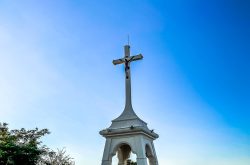
سنة ١٩٢٩ قَرَّرَ الطوباويّ ّيعقوب الكبوشي بناء نُصُب الصليب على أعلى تلّة في دير القمر في محلّة كانت تُعرف بقلعة صور. وكان الهدف من البناء أن يُرفع صليب فوق مثوى من ماتوا دون جنازة في حرب سنة ١٩١٤، وأن يكون الصليب مواجهًا لبلدة بعقلين علامةً لحبّ المسيح لأبنائها ورحمته تجاههم على حدّ قول الأب يعقوب. وهَبَ الأرض لهذا المشروع ألمُثَلَّث الرحمات المطران أوغسطينوس البستاني رئيس أساقفة صيدا. إنتهت ألأشغال ببناء كنيسة صغيرة ترتفع عليها قاعدة يرتكز عليها الصليب، وقد تبرعت ١٤ عائلة من دير القمر ببناء مراحل درب الصليب تُحيط بالنُصب. وفي ١٤ أيلول سنة ١٩٣٢ تَمَّ تكريس المقام. تعرّض للتخريب خلال الحرب الأهليّة وأعيد ترميمه .
The Cross - Deir el Qamar
In 1929 Blessed Fr Jacob Haddad OFM, decided to build a cross on a hill called Qalaat Sour in Deir el Kamar. His ambition was lead by a desire to have a cross raised over all those who died in the war of 1914 without a proper burial, and that the cross would be facing the town of Baakline to be a sign of the Lord’s love and mercy towards its citizens. To accomplish this noble project, the bishop of Sidon Mgr Agustin el Boustany donated the land. A small chapel was built and over it the cross was raised. To help with the project, 14 families from the town donated to build the stations of the cross. The shrine was inaugurated and consecrated on the 14th of September 1932. The shrine was sabotaged during the civil war and restored during peace times.
بنى الأمير بشير الثاني قصرًا عائليًّا خاصًّا سنة ١٨٢٨ على رابيةٍ فوق بيت الدّين. سنة ١٨٦١ أهدى الإمبراطور نابوليون الثالث رتاجًا كبيرًا لمدخل القصر. سنة ١٨٦٣ إشترى المطران بطرس البستاني القصر من الأميرة حسن جهان وحوّله إلى كرسيّ أسقفيّ لأبرشيّة صيدا، على اسم مار شليطا الذي له كنيسة صغيرة داخل المبنى. سنة ١٩٢٧ بنى المطران أغوسطينوس البستاني كنيسة سيّدة الخلاص بنمط عصر النهضة بما تضمّ من زجاجيّات ومذابح ولوحات. تعرّض البناء للضرر خلال الحرب العالميّة الثانية وحرب الجبل. رمّم وشهد مصالحة الجبل سنة ٢٠٠٠ مع البطريرك نصرالله صفير الذي أخذ من الكرسيّ مقرًّا له.
The episcopal seat of our Lady of Deliverance - Beit el Din
In 1828 Prince Bachir II Chehab built a private palace on the outskirts of Beit el Din. Empror Napoleon III gave the palace a grand entry gate. In 1863 princess Hesn Jihan sold the palace to Archbishop Boutros el Boustany who made it the episcopal seat of the eparchy of Sidon, dedicated to St Chalita (Artemius) who had a small chapel inside the building. In 1927 Archbishop Augustin el Boustany built the church of Our Lady of Deliverance in a renaissance style. The building was damaged in World War II and the Lebanese civil war. The structure was restored and saw the pact of reconciliation in the year 2000 with Patriarch Nasrallah Sfeir.
هي كنيسة البلدة الرعائيّة بُنيت سنة ١٨٨١. البناء كناية عن عقدٍ مصالبٍ ينتهي بحنية. شفيع الكنيسة هو مار يوحنّا المعمدان ويُحتفل بعيده يوم قطع رأسه في ٢٩ آب. تضم الكنيسة لوحةً تمثل حدث استشهاد يوحنّا المعمدان، ونقش على الباب بمثل عماد المسيح.
The church of St John - Zebdine
The church is Zebdine’s parrochial church, it was built in 1881. It consists of a cribbed vault. The church is dedicated to St John the Baptist and it commemorates him on the 29th of August the feast of his martyrdom. The church holds a painting depicting the martyrdom of St John and an ornate wooden door depicting the Theophany.
هي كنيسة صغيرة مبنيّة وسط البلدة أواخر القرن التاسع عشر. البناء مسقوف ينتهي بحنية نصف دائريّة. تعرضت الكنيسة للتخريب خلال الحرب الأهليّة سنة ١٩٨٣. أُعيد ترميمها مع عودة المسيحيّين الى البلدة في تسعينيّات القرن العشرين.
The church of St Anthony the great - Serjbel
The small parochial church was built in the village’s square in the latter half of the XIXth century. The structure is roofed ending with a semi circular apse. The church was sabotaged during the Lebanese civil war in 1983. It was restored in the nineties.
البناء أساسًا كان معبدًا فينيقيّ ثمّ رومانيّ. عُرف بالأزرق نسبةً للون الحجر الكلسيّ. مع قدوم المسيحيّة حُوّل المعبد إلى ديرٍ على اسم مار جرجس وكان الأكبر في جبّة المنيطرة. إختاره البطريرك يوحنّا مارون الثاني مقرًّا له سنة ٧٥٠، وذلك لصعوبة الوصول إليه، ولأن يانوح بحسب البطريرك الدويهيّ: "كانت من أشرف المجالِس في جِبَة المنيطرة وأهلها كثيرو العِبادة والغيرة". بقيت يانوح مقرًّا بطريركيًّا شبه ثابتٍ ما بين ٧٥٠ و١٢٧٧، لأن البطاركة تنقلوا مابين سنتيّ ١١٢٠ و١٢٠٠ بين ميفوق وهابيل ولحفد. بنى البطاركة بقرب المعبد كنيسةً صغيرة خاصة للبطاركة وأقبية وغرف. وبنوا كنيسة السيّدة خارج المحلّة. أقام البطاركة في يانوح، ما مجموعه أربعماية واثنتان وثلاثون سنة، منها ثلاثمائة وسبعون سنةً متواصلةً دون إنقطاع. مع قدوم الصليبيّين في عهد البطريرك يوسف الجرجسيّ إستبشر الموارنة خيرًا بحسب ابن القلاعي، فأُعيد اتصالهم بروما، وعاشوا فترةً من الإزدهار، ويذكر التاريخ أنّه في تلك الحقبة إستبدل الموارنة نوافيس الخشب بنواقيس حديدٍ في يانوح. لكنّ الفترة الصليبيّة شهدت العديد من القلاقل والمعارك ممّا استدعى تنقلاتٍ عديدةٍ للبطاركة واتخاذهم عدّة مراكز. ومع رحيل الصليبييّن وحملة المماليك أُحرقت يانوح، ولم تُجرى أبحاث أركيواوجيّة على الموضع لحين الإنتداب الفرنسيّ بداية القرن العشرين.
The blue monastery of St George - Yanouh
The building was originally a Phoenician than a Roman temple consecutively. With the locals conversion to Christianity the temple was consecrated as a church dedicated to St George. In 750 Yanouh was chosen as a patriarchal seat, it remained a nearly consistent seat between 750 and 1277. The patriarchs built near the temple a patriarchal chapel, many vaults and cells and the church of the Virgin Mary outside of the complex. With the Crusades during the pontificate of Patriarch Youssef el Gergesy, the Maronites entered a golden age, they reconnected with Rome. Yet the latter Crusader’s period saw unrest and struggles, that was the reason why many patriarchs used to change residences. In 1277 the patriarchs moved out of Yanouh. The seat was completly abandoned after the Crusaders left and the Mamluk’s campaign that destroyed the village. The site was excavated by the french archeological missions in the early XXth century.
الكنيسة الأولى هي محبسة في أعلى القرية تعود للقرون الوسطى. بُنيت الكنيسة الحاليّة وسط البلدة في القرن التاسع عشر، هي كنيسة صغيرة بعقدٍ مصالب، قبّتها تعود لسنة ١٩٥٤. تضم الكنيسة لوحةً لمار روكز عمل حنّا رفوّل دحدح سنة ١٩٥٧. على بيت القربان نقشٌ لطائر الفينيق رمزٌ القيامة.
The church of St Roch - Fradis
The first church was a medieval hermitage on the edge of the village. In the mid XIXth century the current church was built in the middle of the vill’age. The structure consists of a single small crossed vault, the bell tower was added in 1954. The church holds a painting of St Roch by Hanna Raffoul Dahdah from 1957. The tabernacle has a phoenix engraving on it’s door symbolizing Ressurection.
Saydit el Maounat (Maronites) كنيسة سيدة المعونات, Zahlé, Lebanon
كنيسة سيّدة المعونات
Zahleh Maallaqa Aradi
Zahle
Bekaa
كنيسة سيّدة المعونات - المعلّقة زحلة
الكنيسة قديمة العهد، تاريخ بنائها مجهولٌ. تعرّضت للتخريب في أحداث سنة ١٨٦٠. رمّمت من بعدها. بعد الحرب العالميّة الأولى أخذت الكنيسة شكلها الحاليّ: نمط بازيليكيّ بعقدٍ مصالب وسوقٍ واحد بواجهة حجرٍ مقصوبٍ مزخرف. نضمّ الكنيسة ثلاث مذابح من المرمر تعود لسنة ١٩٣٠: السيّدة، مار يوسف ومار يوحنّا مارون. رمّمت الكنيسة سنة ٢٠٠٨. تضمّ الكنيسة مدفن موسى بك نموّر رئيس مجلس النوّاب الأسيق.
The church of our Lady of Perpetual Help - Maalaka Zahle
The church”s year of construction is unknown, it was sabotaged during the war of 1860. The church took it’s current form after World War I : a basilical plan with one nave and a grand ornate facade on the western side. The church holds three marble altars dedicated to the Assumption, St Joseph, St John Maroun. The church was restored in 2008, and it enshrines the tomb of the late lebanese speaker of the parliament Moussa Bey Nammour.
Saydet el Hosn - Lady of the Fortress سيدة الحصن, Ehden, Lebanon
كنيسة سيّدة الحصن
Ehden
Zgharta
North
كنيسة سيّدة الحصن - إهدن
في القرن السادس بنى الجراجمة الذين استوطنوا إهدن حصنًا على تلّةٍ مشرفةٍ على المدينة، على أنقاض هيكلٍ وثنيّ لِعَنَات إبنة إيل. جُعل الحصن كنيسةً على اسم العذراء مريم. سنة ١٢٨٣ خرّب المماليك الحصن، فأعاد الإهدنيّون بناؤه بعد ثلاث سنوات. البناء كناية عن عقدٍ سريريّ ينتهي بحنية، رمّم عدّة مرّات عبر تاريخه الطويل. الكنيسة تُعدّ مزارًا ومكان حَجٍّ يقصده المؤمنون للتبرّك. سنة ١٩٨٩ بنيت الكنيسة الجديدة.
The church of Our Lady of the Fort - Ehden
During the VIth century the Mardaites that came to Ehden built a fort with a small church over the ruins of an old pagan temple dedicated to Anaat daughter of Il. The church was dedicated to the Virgin Mary. In 1283 during the Mamluky raid the fort was sabotaged and rebuilt by the people of Ehden after three years. The structure is a small crib vault ending with an apse, it was renovated many times during its history. The church is considered a pilgrimage site. In 1989 a new church was constructed near the old one.
الكنيسة الحاليّة مبنيّة على أنقاض كنيستين: الأولى مجهولة تاريخ البناء وكانت صغيرة واطئة بنيت قرب مصب الينبوع وكانت قائمة في القرن السادس عشر، الثانية وكانت تُعرف بسيّدة الجوزة، بدأ بناؤها سنة ١٧٠٣ في مكانها الحاليّ. كرّسها في ١٠ أيّار سنة ١٧١٦ البطريرك يعقوب عوّاد، جلب لوحاتها من روما الخورأسقف يوسف السمعاني. سنة ١٩٠٣ بوشر بناء الكنيسة الحاليّة، وهي بازيليكيّة الطراز بثلاث أسواق وعقدٍ بغداديّ، تحوي خمس مذابح رخاميّة. كرّسها سنة ١٩٤٠ الخورأسقف يوسف الحايك. رمّمت الكنيسة عدّة مرّات. وهي أكبر كنيسة في بيت شباب تشتهر بأبراج أجراسها.
The church of our Lady the Major - Beit Shabab
The current church was built over two older churches. The first one was built near the village’s water fountain, its history is unknown, yet it was in use during the XVIth century. The second one was in the current place, it was known as our Lady of the Walnut tree. Construction began in 1703 and it was consecrated by Patriarch Yaaqoub Awad on the 10th of May 1716. The paintings of the church were brought from Rome by Mgr Youssef el Semaani. The current church was built in 1903, it is a basilical structure with three naves and five marble altars. It was consecrated in 1940 by Mgr Youssef el Hayek. The church underwent many restorations, it is famous for the three bell towers on its facade
Mar Doumit El Athaya - Church, Zouq Mkayel, Lebanon
كنيسة مار ضومط - زوق مكايل
Zouk Mkayel
Keserwan
Mount Lebanon
كنيسة مار ضومط - زوق مكايل
بنى الكنيسة الشيخ موسى الخازن سنة ١٧٢٨ وكانت وقفيّةً لآل الخازن. الكنيسة عقد مزدوج فريد بزخرفته ومقرنصاته وفتحات الضوء في السقف. كانت الكنيسة لزمنٍ طويل مرتبطة بعائلة الخازن إلى أن قامت بين سنتيّ ١٩٠٢ و ١٩٠٤ عاميّة زوق مكايل. في ذلك الزمان هدّد الأهالي بتحوّلهم إلى المذهب الأنغليكانيّ، ولتحول البطريركيّة دون ذلك، حوّلت وقفيّة الكنيسة من عائلة الخازن إلى أهالي البلدة، وخصّ البطريرك الياس الحويّك الرعيّة بزيارةٍ حبريّة وبعددِ من الإنعامات. تضمّ الكنيسة العديد من اللوحات والتحف الكنسيّة القيّمة. رمّمت في ثمانينات القرن العشرين.
The church of St Doumit - Zouk Mikael
The church was built in 1728 by Sheikh Moussa el Khazen as a private church for the Khazen family. The structure is ornate with arabesque decoration and lucarnes in the vault, blending cribbed and crossed vaults. The church was a fiefdom of the Khazen family until the uprising of the peasants between 1902 and 1904. Back then the Maronite Patriarchy made the church a parish for the people to prevent them from turning to anglicanism. Also the Patriarch Elias Howayek made a pontifical visit to the parish and gave the parish many indulgences. The church holds a lot goldsmith artifacts and paintings. The building was renovated in the eighties of the XXth century.
كنيسة سيّدة التلّة العجائبيّة - دير القمر بُنِيَتْ كنيسة سيِّدةِ التلَّة على أَنقاضِ هَيْكَلٍ وَثَنِيٍّ أُقيمَ لِعِبادَةِ الإلَهْ القَمَرْ، تَحَوَّلَ إلى مَعْبَدٍ مسيحيٍّ عَلى يَدِ النَاسك إبراهيم القورشيّ. رمّمها البيزنطيّين والفرسان التيتونيّين. خُرِّبَت الكنيسة بعد رحيل الصليبيّين. مع بِدايَةِ القَرْنِ السّادِسَ عَشَرَ، وجَدَ الأهالي حجر العتبة من الكنيسة الأصليّة وسمّوها سيّدة التلّة. كان ذلك سنة ١٥١٦. شهدت الكنيسة على تاريخ دير القمر العريق، ومذابح سنة ١٨٦٠ حيث خَلَّصت القدّيسة رفقا طفلًا من الموت بشكل عجائبيّ إذ خبّأته في ثوبها. هي كنيسة محجّ لكلّ أبناء المنطقة. معروفة بعجائبها الكثيرة وفضلها. تحوي الكنيسة على عدد كبير من اللّوحات والآثار الكنسيّة.
The Church of Our Lady Of Talleh - Deir el Qamar The church was originally a pagan temple for a moon deity, then converted into a church by the hermit Abraham of Cyr. It was restored by the Byzantines and the Teutonian knights. The church fell into despair after the Crusaders left, up until the sixteenth century, when local christians found the historical frontal stone and named their church Our Lady of the Hilll, it was consacrated in 1516. The church is a witness on the long history of Deir el Qamar and the massacres of 1860 when St Rafqa shielded a boy miraculously with her habit. The church is a pilgrimage site known for miraculous healings. It also contains a lot of paintings and church furnishings.
انطوش ولوحات كنيسة سيّدة التلّة - دير القمر. سنة ١٧٥٠، وهبت الستّ أمّون، والدة الأمير يوسف المعنيّ للرهبانيّة الحلبيّة اللبنانيّة، أربعة أقبية والدكاكين الموجودة فوقها والتي تقع الى جانب الكنيسة، من اجل تعليم الأولاد وفائدة الشعب الروحيّة. فأقامت الرهبانيّة أوّل مدرسة ديموقراطيّة في الشرق حيث كان يتعلّم مجّانًا أولاد الأمراء الى جانب أولاد الفلّاحين، من دروز ومسيحييّن، من بنين وبنات، على إثر قرار المجمع اللبنانيّ سنة ١٧٣٦. سنة ١٩٠١، أُعيد بناء الأنطوش. سنة ١٩٣٧، جرى أوّل إحتفال رسميّ بمناسبة عيد سيّدة التلّة في الأحد الاوّل من شهر آب، وذلك بمنشور صادر عن راعي الابرشيّة آنذاك المطران أوغسطين البستاني.
The Presbytery and the paintings of Our Lady of Talleh - Deir el Kamar In 1750 Lady Amoun of house Maan, mother of Prince Yousef, gave the Alepine Maronite Order four crypts and some commercial stores near the church to convert them into a school and provide spiritual assistance for the locals. The new school was the first democratic school in the Levant, teaching for the first time students from all backgrounds: Christians Druze, nobles peasants, boys and girls, in accordance with the precepts of the Lebanese council held in 1736. The presbytery was rebuilt in 1901. In 1937 a new feast day of Our Lady of Talleh was celebrated for the first time on the first Sunday of august.
كنيسة المخلّص، حمّانا - Church of the Saviour, Hammana, Hammana, Lebanon
كنيسة المخلص
Hammana
Baabda
Mount Lebanon
كنيسة المخلص - حمّاتا
بُنيت الكنيسة سنة ١٩٠٥ بموجب اتفاق بين عائلتي أبي يونس وعاد يعود ل٢٨ تشرين الأوّل سنة ١٩٠٢، صادق عليه المطران نعمةالله سلوان. بنيت الكنيسة على مراحل كما تشهد المداميك البارزة في جدرانها. كرّس الكنيسة الخورأسقف يوسف الحايك سنة ١٩٣٩. الكنيسة كناية عن عقدٍ مصالب مرتفع، تنتهي بحنية مستقيمة ومذبح، رمّمت أواخر القرن العشرين. للكنيسة قبّتين للجرس إحداها مثمّنة الأضلاع والأخرى مربعة. تحوي الكنيسة على ثلاث لوحات من عمل داوود القرم تُمثّل التجلي والسيّدة ومار يوسف.
The church of the Holy Savior - Hammana
In 1902 an accord to build a church was concluded between the two families of Abi Youness and Aad, it was promulgated by Bishop Nematullah Selwan on the 28th of October. The construction ended in 1905. The church was consecrated by Chorbishop Youssef el Hayek in 1939. The structure consists of a crossed vault with three straight apses and three altars. The church was renovated in the late XXth century. The building is ornated with two bell towers one octagonal and the other squared. The church holds three paintings by Dawood el Qorm depicting the Transfiguration, the Madonna and St Joseph.
بْنيت سنة ١٨٠٤، وجُدّدت سنة ١٨٩٩ وسنة ١٩٩٩. البناء كناية عن عقدِ مْصالبِ ينتهي بحنية. تضمّ الكنيسة ثلاث لوحات: مار الياس ومار جرجس والعائلة المقدّسة من عمل خليل عقل تعود لأوائل القرن العشرين.
The old church of St Elijah - El Mjeidel
The church was built in 1804, and renewed in 1899 and 1999. The structure consists of a crossed vault ending with an apse. The church has three paintings by Khalil Akl from the beginning of the XXth century: St Elijah, St George and the Holy Famil
Saint ELIE CHURCH كنيسة مار الياس, Hemlaya, Lebanon
كنيسة مار الياس
Himlaya
Metn
Mount Lebanon
كنيسة مار الياس - حملايا
سنة ١٩٠٤ قُسِّمت كنيسة مار جرجس بين آل الراعي وآل الريّس. فقرّر يوسف الريّس البقاء مع أخواله في الكنيسة القديمة، لكنّه عاد سنة ١٩٠٦ وقرّر إنشاء كنيسة جديدة لمار جرجس مع عددٍ من عائلات البلدة. بقيت هذه الكنيسة مًقفلة حتّى ستينيّات القرن العشرين حين أّعيد افتتاحها وتكريسها على إسم مار الياس. الكنيسة مسقوفة وتحوي ثلاث حنايا. تضمّ الكنيسة ساعة طنّانة، وتحوي لوحةُ من عمل حبيب سرور.
The church of St Elijah - Hemlaya
In 1904 the old St George’s church was divided between the Rahi and the Rayess families. Back then Youssef El Rayess decided to stay with his uncles, yet in 1906 he decided to build a new church dedicated to St George with a number of the village’s families. This church remained closed until the sixties when it was rededicated to St Elijah. The church is a roofed structure with three apses, it holds a clocktower and contains a painting of St Elijah by Habib Srour.
بذأت زسالة الآباء الكرمليّين في القبيّات أوائل القرن التاسع عشر. سنة ١٨٣٥، بدؤا بناء ديرهم، بعد ان أوقف لهم الارض جبّور سيف حبيش. كان في تلك الأرض آثار كنيسةِ لمار ضومط، والعديد من الآثار التي بيعت لبناء الكنيسة الجديدة. بّنيت الكنيسة بشكلها الحاليّ سنة ١٨٥٢، وجدّدت على الطراز النبو غوطي سنة ١٩١٤. لعب الدّير دورًا هامًا في تاريخ البلدة خصوصًا أنّه ضمّ مدرسةً لتعليم الأحداث.
The monastery of St Doumit of the Carmelite fathers - Kobayyat
The Carmelite mission in the region of Kobayyat began in the dawn of the XIXth century. In 1935 Jabbour Seif Hobeich donated a piece of land to build a monastery. In this land where a ruined church dedicated to St Doumit and lots of ancient artifacts that where sold to museums to build the monastery. In 1852 the current church was built, and it 1914 it was remodeled with a neo gothic style. The monastery played an important role in the community”s history specially on the educational level with the famous Carmelite school.
بُنيت الكنيسة سنة ١٩٠٩ في عهد البطريرك الياس بطرس الحويك، لتصبح الكنيسة الرعائيّة لضيق الكنيسة القديمة. البناء كناية عن عقدٍ مصالبٍ، بنتهي بحنية وثلاث مذابح: مار نوهرا والسيّدة ومار يوسف. في وسط الكنيسة مذبح لمار جرجس. الكنيسة محافظة على طابعها الأوّل وهي تمثل فنّ أوائل القرن العشرين. للكنيسة مدخلين مزخرفين للرجال والنساء. تضم الكنيسة عددًا من اللوحات أهمّها لمار نوهرا وهي محليّة الصنع.
The church of St Nouhra - Bqorqasha
The church of St Nouhra (Logius the martyr) was built in 1909 during the pontificate of patriarch Elias Boutros El Howayek, after the local parish became too small for the community. The structure consists of a crossed vault ending with three altars: St Nouhra, the Madonna, and St Joseph. In the middle of the church stands a side altar dedicated to St George. The church conserves the original decor of the early XXth century. The church has two ornamented entrances to separate men and women’s seating places. It also holds many paintings the most important being a local icon of Saint Nouhra.
كنيسة سيدة اليمونة - Lady of Yammouneh Church, Yammoune, Lebanon
كنيسة سيّدة اليمونة
Yammouneh
Baalbek
Baalbek-Hermel
كنيسة سيّدة اليمونة - اليمونة
أواسط القرن التاسع عشر حمت السيّدة شخصًا من آل ياغي من الغرق فنذر بناء كنيسةٍ لها في اليمونة. الكنيسة صغيرة بعقدٍ مصالبٍ. تشتهر هذه الكنيسة بكونها مقامًا عجائبيّّا يقصده المسيحيّون والشيعة للتبرّك.
The church of our Lady of Yammouneh - Yammouneh
In the mid XIXth century a man from the Yaghy clan was saved from drowning with the miraculous intercession of Our Lady. He dedicated himself to build a church in Yammouneh as an act of thanksgiving. The church is small with a crossed vault. The shrine is considered holy for both christians and Shias, and it is an important pilgrimage site for both religions.
بُنيت الكنيسة الحاليّة سنة ١٨٨٩ بسعي الخوري يوسف نصر فوق مقامِ أقدم كان بدوره بُني مكان هيكلٍ وثنيّ ما زالت آثاره ظاهرة في البناء: وهي كناية عن حجرٍ يحوي كتابة يونانيّة وبعض الأعمدة. أمّا تسمية الكنيسة مار أوسابيوس فنادرة لأن الموارنة غالبًا ما نادوه بلقبه السريانيّ حوشب. تشتهر الكنيسة بوجود جحر للنذورات، فمار اوسابيوس شفيع المصابين بالثآليل. تضم الكنيسة لوحة محليّة لمار حوشب مجهولة الراسم.
The church of St Eusebius - Obeidat
The current church was built in 1889 under the mandate of Fr. Youssef Naser over an older shrine, that was built over a pagan temple with some of its ruins still visible: some columns and an epitaph with greek inscriptions. The dedication of the church to St Eusebius is unique because the maronites usually call him by his Syriac attribute Hawsheb meaning the wise one. The church is famous for being a pilgrimage site for people with warts. The church holds a local icon of the saint drawn by an unknown painter.
هي كنيسة صغيرة في طرف البلدة. بُنيت سنة ١٩١٢ ورُمّمت في تسعينيّات القرن العشرين. الكنيسة بسوق واحد مسقوف. لوحة مار بطرس وبولس من عمل جوزيف زيادة تعود لعام ١٩٥٨.
The church of Sts Peter and Paul - Lehfed The church is a small chapel on the outskirts of the village. The construction began in 1912, and was restored in the nineties. The church consists of a single roofed nave. The painting of Sts Peter and Paul is made by Joseph Ziade dates back to 1958.
هي كنيسة صغيرة ووقفيّة خاصة لآل الخازن. كرّسها المطران أنطون الخازن أواسط القرن التاسع عشر ككنيسة تابعة لدير بقلوش. تضم الكنيسة لوحة غربيّة لمار أنطونيوس وتاج من نقود غربيّة هي نذور المغتربين من أبناء البلدة. البناء قديم وهو عقد سريريّ ينتهي بحنية نصف دائريّة. The church of St Anthony of Padua Ain el Tannour - Mayrouba
The church is a small private chapel for the Khazen family. It was consecrated by Bishop Antoun el Khazen in the mid XIXth century as a dependency of the monastery of Baqloush. The church holds a western painting of St Anthony and a rare crown made by coins presented as ex votos by the village’s first expats. The structure is old, consisting of a crib vault with a semi circular apse.
بحسب التقليد بنى رهبان أحباش الكنيسة الأولى سنة ١٤٤٦ وأتوا بصورة العذراء: هذه الكنيسة القديمة بحنيتين هي اليوم السكرستيا ومدفن الكهنة. سنة ١٦٤٠ إستَحصَل آل حبيش على فرمان من السُلطان العُثماني لِتَرميم كنيسة السيّدة في غزير، وشيَّدوا بِموجب هذا الفَرمان كنيسة السيّدة المَدعوَّة الآن "الحبشية" وكرَّسها البطريرك إسطفان الدويهي في ١٣ آذار سنة ١٦٦٣. الكنيسة بازيليكيّة الطراز، تعرّضت للتخريب سنة ١٩٠٥، رُمّمت في ثمانينات القرن العشرين. تضمّ الكنيسة العديد من اللوحات والعديد من الشواهد. The church of Our Lady the Habshiyeh - Ghazir
According to tradition the church was first built by Abyssinian monks from Nabak in 1446 and they brought with them the icon of the Madonna. The old church is now the sacristy and the prelates necropolis. In 1640 the Hobeish family got an accord from the Ottoman sultan to build the new church that was named Habshiyeh. Patriarch Estephan El Douwaihy consecrated the church on the 13th of March 1663. The church is a basilical structure, it was sabotaged in 1905 and renewed in the 80s. The church holds many paintings and epitaphs.
بُنيت الكنيسة الأولى أوائل القرن التاسع عشر، وخربت في أحداث سنة ١٨٦٠. أعيد بناؤها سنة ١٨٩٠ وكرّسها المطران بطرس البستاني رئيس أساقفة صور وصيدا آنذاك. رمّمت الكنيسة ووسّعت على عدّة مراحل آخرها في تسعينيّات القرن العشرين. البناء هقد مصالب ينتهي بحنية نصف دائريّة. تضمّ الكنيسة أيقونة أورشليميّة أثريّة ونسخةً عنها طبق الأصل. The church of St John the Baptist - Homsyeh
The first church was built in the beginning of the XIXth century and was ruined in the war of 1860. The church was rebuilt in 1890 and consecrated by Mgr. Boutros el Boustany archbishop of Tyr and Sidon back then. The church was restored and enlarged many times taking its current form in the nineties. The structure consists of a crossed vault ending with a semi circular apse. The church hold an ancient icon from the school of Jerusalem and an exact copy of it.
بعد محاولته العودة إلى أنطاكيا ورجوعه الى جبل لبنان سنة ٧٥٠، سكن البطريرك الرابع يوحنّا مارون الثاني و من بعده خلفائه البطاركة دير مار جرجس الأزرق يانوح لخمسمئة سنة إلى سنة ١٢٧٧. يُعزى ذلك بحسب المؤرخين لثلاثة أسباب : كون يانوح منطقة جبليّة عاصية، قربها من معبر المنيطرة القريب الى البقاع، وتقوى أهل يانوح بحسب البطريرك الدويهيّ. في القرن الثامن بُنيت كنيسة أم الله في الصرح البطريركيّ لجهة الشمال، وجدّدت في أيّام الصليبيّين. سنة ١٢١٥ صدر أمر البابا اينوشنسيوس الثالث الى الأساقفة الموارنة بالخضوع للبطريرك في كرسيّ يانوح. ضمّت هذه الكنيسة مخطوط إنجيل رابولا. بعد القرون الوسطى خرب الدّير والكرسيّ. رمّمت الكنيسة بسعي البطريرك بشارة بطرس الراعي وأعيد تكريسها سنة ٢٠١٧. تضمّ العرش البطريركيّ القديم، وعلى زواياها نقشت الصلبان المثنية الأطراف.
The church of the Theotokos our Lady Mary - Yanouh
After his failed attempt to go back to Antioch the fourth Maronite patriarch John Maroun II move his seat to the monastery of St George the blue in Yanouh in 1750. The patriarchal seat remained there for 500 years until 1277. The main reasons that Yanouh was chosen was because of the mountainous nature of the region, the closeness to the pass of Mneitra and to the region of Bekaa, and the locals piety described by patriarch Douwaihy. In the VIIIth century the church of the Theotokos was built north of the patriarchal seat, and renewed during the crusades. In 1215 an edict by pope Innocent III ordered the maronite bishops to obey the patriarch in the sear of Our Lady of Yanouh. This church held the Codex Rabbula. After the middle ages the church fell into despair, it was renewed by order of Patriarch Bechara Boutros el Rai in 2017 and reconsecrated. The church holds the old patriarcal throne and has two egged crosses on the four sides of the structure.
دير سيّدة القلعة - منجز بنى الأمير البيزنطيّ فيليكس قلعةً على ضفاف النهر الكبير، على بقايا هياكل فينيقيّة ورومانيّة. سنة ١١٢٨ رممّ الأمير الصليبيّ جيلبير دي بوي لوران القلعة، ثم باعها لأمير طرابلس ريموند سان جيل. بعد ذلك استولى فرسان القدّيس يوحنا على القلعة وبنوا فيها معبدًا على اسم شفيعهم مار يوحنّا. تعرض الدّير في حقباتٍ عديدةٍ للخراب. وأثناء انتقال الملك الظاهر بيبرس الى القبيات في طريقه الى حصن عكار استولى على الدير والقلعة. بعد رحيل المماليك تحوّل الدّير إلى مزارٍ مريميّ. أواسط القرن التاسع عشر رمّم الدّير يوسف المريض من منجز، وتنسّك به. سنة ١٨٩٢ تسلّم الدّير الآباء اليسوعيّون فبنوا الكنيسة الجديدة، وأقاموا مدرسةً سنة ١٨٩٥. سنة ١٩٢٥ تسلّمت الرهبانيّة اللبنانيّة المارونيّة الدّير. تعرّض الدّير للخراب خلال الحرب الأهليّة، وعاد إليه الرهبان بداية التسعينيّات. الكنيسة مبنيّة بالحجر البركانيّ الأسود، بسوقٍ واحد وعقد سريريّ، تضمّ الكنيسة العديد من اللوحات الغربيّة ومذبح خشبيّ أوروبيّ الصنع. The monastery of Our Lady of the fortress - Menjez The Byzantine prince Felix built a castle over phoenician and roman ruins, that the Crusader prince Gilbert de Pui Lorain took in 1128, then he sold it to the prince of Tripoli Raymond de Saint Gilles. After that the knights of St John took the castle and built a monastery dedicated to St John. With the Mamelouk invasion the monastery was sabotaged when king Zaher Bibars took over Tripoli. After the Mamelouks left, the locals converted the ruins into a Marian shrine. In the mid XIXth century, a local named Youssef el Marid renewed the monastery and made it a hermitage. In 1882 the Jesuits took over, rebuilt the church, and built a school in 1885. In 1925 the Lebanese Maronite Order took the monastery and the school. During the civil war the monastery was sabotaged, the monks didin’t return to the mission until the nineties. The church is made of black bazalt, it is a single nave crib vaulted structure. The church holds many western paintings, and a wooden European high altar.
كاتدرائيّة سيّدة البحار - صور في القرن الثامن عشر بنيت الكنيسة المارونيّة الأولى في مدينة صور. سنة ١٧٨٢ أذن النائب البطريركيّ ميخائيل الخازن بإنشاء أنطوش للرهبانيّة البلديّة. سنة ١٨١٠ جدّد المطران يوحنّا الحلو (البطريرك لاحقًا) تكريس الأنطوش وأسّس رعيّة مارونيّة في المدينة. سنة ١٨١٥ نزح قسم من موارنة عيتا الشعب إلى صور حاملين معهم صورة العذراء العجائبيّة. سنة ١٨٧٠ وُسّعت الكنيسة وأخذت شكلها الحاليّ. سنة ١٩٠٦ أقام قداسة البابا بيوس العاشر أبرشيّة صور وجُعلت كنيسة سيّدة البحار كاتدرائيّةً للأبرشيّة. رمّمت الكاتدرائيّة أواخر القرن العشرين. تضمّ الكاتدرائيّة مجموعةً من الأيقونات التي تمثل الأحداث الكتابيّة في مدينة صور، أمّا الكابيلا السفليّة فتضمّ أيقونات وذخائر شهداء المدينة القدّيسين.
Our Lady of the seas cathedral - Tyre During the XVIth century the first Maronite church was built in Tyr. In 1782 Mgr Michael El Khazen commissioned the construction of a presbytery for the Lebanese Maronite order. In 1810 Mgr Youhanna el Helou (later Patriarch) canonically established a maronite parish. In 1815 many maronites moved from Aita El Shaab to the city bringing with them the miraculous icon of the Madonna. In 1906 the archbishopric of Tyr was established by Pope Pius X making this church the cathedral. The cathedral was restored in the later half of the XXth century. The church holds many icons depicting the biblical episodes that happened in the city. The crypt under the church holds the icons and the relics of the city’s martyrs.
كنيسة سيدة الزروع Church of Our Lady of Sown, Deir Al-Ahmar, Lebanon
كنيسة سيّدة الزروع
Deir El-Ahmar
Baalbek
Baalbek-Hermel
كنيسة سيّدة الزروع - دير الأحمر
منذ القرن السابع عشر سكن الرعاة النازحون من جبّة بشرّي والعاقورة بلدة دير الأحمر، وبدأوا ببناء كنيسة للسيّدة على اسم سيّدة الزروع بإذن مشايخ آل حرفوش، وحفروا بقربها بئراً. في الربع الأوّل من القرن السابع عشر سنة ١٦٢٥ انتُخب القس يوحنا من بيت قيزوح على دير مار اليشع بشري ودير الأحمر بحسب كتاب تاريخ الأزمنة للبطريرك الدويهيّ، وجُعلت هذه الكنيسة مقرًّا له. سنة ١٧٥٩ هُدمت الكنيسة بفعل زلزالٍ كبيرٍ ضرب المنطقة، ولم يبقَ منها سوى حجر عتبة الباب. أعيد بناء الكنيسة الحاليّة في النصف الثاني من القرن العشرين.
The Church of Our Lady of ٍSown - Deir el Ahmar
From the beginning of the XVIIth century, many families of shepherds relocated from the regions of Bsharre and Aqoura to Deir el Ahmar. With the approval of the local lords of the Harfoush family, the locals began the construction of a church dedicated to our Lady of the Sown, and they dug a well near it. In 1625 Deir el Ahmar had a bishop as indicated by Patriarch El Douwaihy in his book Tarikh al Azmina where he talks about the monk John of the house Qaizouh bishop of the monastery of St Elishaa and Deir el Ahmar, this bishop had this church as a residence. In 1759 the church was destroyed by an earthquake and only a fraction of the tympant remained of the old church. The church was reconstructed in the second half of the XXth century.
كان البناء أساسًا جزءً تابعًا للقلعة العثمانيّة القريبة منه، إشتراه أهل البلدة وحوّلوه إلى كنيسةٍ كرّسها المطران بولس بصبوص سنة ١٩١١. البناء كناية عن سوقٍ واحد مسقوفٍ بالقرميد. رُمّمت سنة ٢٠٠٥. تحوي الكنيسة لوحةً للعذراء محليّة الصنع تعرّضت للضرب بالرصاص خلال الحرب العالميّة الأولى.
The old church of Our Lady - Sarba el Nabatieh
The building was originally a part of the nearby Ottoman castle, the villagers bought it and converted it into a church that was consecrated by Bishop Boulos Basbous in 1911. The church consists of a single nave with a brick roof, it was renovated in 2005. In the church is displayed a local painting of the Madonna that holds marks of Ottoman bullets from World War I.
الكنيسة قديمة العهد وتاريخ بنائها مجهول. في الكنيسة العديد من الحجار المقصوبة المأخوذة من قلعة سمار جبيل القريبة. البناء كناية عن عقد سريريّ ينتهي بحنية نصف دائريّة. تضمّ الكنيسة لوحتين من القرن التاسع عشر: الأولى للعذراء من عمل كنعان ديب والثانية لمار جرجس من عمل المستشرق البولونيّ بول شلافاك.
The church of Our Lady - Mrah El Zayat
The church is an old structure with an unknown history. The structure is a crib vault ending with a semi circular apse, with many spolias from the nearby Smar Jbeil castle. The church holds two XIXth century paintings: the Madonna by Kanaan Dib and St George by the polish orientalist Paul Shlavat.
الكنيسة قديمة العهد وتاريخ بنائها مجهول. في الكنيسة العديد من الحجار المقصوبة المأخوذة من قلعة سمار جبيل القريبة. البناء كناية عن عقد سريريّ ينتهي بحنية نصف دائريّة. تضمّ الكنيسة لوحتين من القرن التاسع عشر: الأولى للعذراء من عمل كنعان ديب والثانية لمار جرجس من عمل المستشرق البولونيّ بول شلافاك.
The church of Our Lady - Mrah El Zayat
The church is an old structure with an unknown history. The structure is a crib vault ending with a semi circular apse, with many spolias from the nearby Smar Jbeil castle. The church holds two XIXth century paintings: the Madonna by Kanaan Dib and St George by the polish orientalist Paul Shlavat.
كنيسة سيّدة الغسّالة - القبيات بُنيت الكنيسة الأولى بالقرب من قناة جرًّ للمياه، كانت نساء القرية يغسلن ثيابهنّ بقربها أيّام السبوت، لذلك سمّي الموضع الغسّالة وحملت الكنيسة إسم سيّدة الغسّالة. بُنيت الكنيسة الحاليّة سنة ١٩٢٧ بمسعى من أبناء البلدة المغتربين. تتميّز الكنيسة أنّها مكسوّة الداخل بالكامل بالنقوش، تحوي عدّة جداريّات فريدة كجداريّة الذبيحة الإلهيّة حيث يظهر الكأس يعلوه النجم، وجداريّة الصدقة.
The church of Our Lady of Ghassala - Kobayat The first church was built on a site near an aqueduct where the village’s ladies used to wash their laundry hence the name in Arabic Ghessele invoking laundry washing. The first church held the name of the site. In 1927 the new church was built with donations made by Kobayaty expats. The church is covered on the inside with painted stucco. The church holds distinctive unique frescoes such as the fresco of the Holy Sacrifice with the distinctive oriental liturgical altar paraments, and the fresco of the alm.
كنيسة سيّدة بشوات العجائبيّة - بشوات الكنيسة الحاليّة مبنيّة في موضعٍ رومانيّ، بُني مكانه كنيسةً يعقوبيّة في القرون الوسطى. سنة ١٧٤١ إكتُشِفَت في الموقع أيقونةً للعذراء مريم. بُنيت في الموقع الكنيسة الحاليّة بشكل عقدٍ سريريّ وحنية نصف دائريّة. سنة ١٩٠٤ جلب الرهبان اليسوعيّون تمثالاً لعذراء بونتمان الفرنسيّة مازال بقلب الكنيسة. تشتهر هذه الكنيسة بحدوث العديد من المعجزات والكرامات بشفاعة العذراء مريم، وهي محجّ مريميّ كبير.
The miraculous church of our Lady of Bechouat - Bechouat
The first church was built on a roman site, it was a medieval Jacobite church. In 1741 a marian icon was discovered in this site. The current church was built on the site, consisting of a single crib vault and a semi circular apse. In 1904 the jesuits on a mission in the region brought to the village a replica of the French marian statue of Pontmain that is still enshrined in the church. The church is famous for being a pilgrimage site with many miracles attributed to the intercession of the Blessed Virgin.
بنيت الكنيسة سنة ١٨٧٦ وكانت وقفًا خاصًا لآل الهاشم. في ٢٦ تشرين الثاني سنة ١٩٠٠ إشتراها الأهالي بمصادقة المطران نعمة الله سلوان فأصبحت كنيسةً رعائيّة. الكنيسة كناية عن عقدٍ مصالبٍ ينتهي بحنية. لوحة مار يوسف تعود لسنة ١٩٢٨.
The church of St Joseph - El Fraykeh
The church was built in 1876 as a private chapel for the Al Hashem family. On the 26th of November 1900, the locals bought the church, and it was created a parish with the approbation of Mgr. Nemtallah Selwan Bishop of Cyprus. The church is a cross vaulted structure ending with a nave. The painting of St Joseph dates back to 1928.
سنة ١٨٦٩ اذ كان المطران يوحنّا الحاج (البطربرك لاحقًا) أسقفًا على بعلبك، وكانت صربا تابعة له، إشترى قطعة أرضٍ من بطريركيّة الروم الملكيّين الكاثوليك. فبنيت الكاتدرائيّة بسعي الخوري بولس الأشقر البجّاني. مع موت البطريرك الحاج سنة ١٨٩٠، ضمّت صربا إلى أبرشيّة دمشق. وسنة ١٩٦٠ فصلت عن دمشق لتصبح منطقة صربا نيابةً بطريركيّةً مركزها هذه الكاتدرائيّة. يتميّز بناء الكاتدرائيّة بتصميمٍ بازيليكيّ بسوقٍ واحدة وثلاث مذابح. اللوحات التي تعلو المذابح من عمل الرسّام داوود القرم وتعود للأوائل القرن العشرين.
St George’s cathedral - Sarba
In 1869 Mgr.John el Hajj (later patriarch) archbishop of Baalbeck, since Sarba was a dependency of Baalbeck back then, bought a parcel of land from the Melkite Catholic patriarchate to build a church. The construction of the new church began with Fr Boulos al Achkar el Bejjany. When Patriarch el Hajj passed away, Sarba was transferred juridically from the see of Baalbeck to the see of Damascus. In 1860 Sarba was proclaimed an independent ecclesiastical province, a patriarchal vicariate with the cathedral at it’s center. The structure is a single nave with three apses, and three altars. The church holds three early XXth century paintings by Daoud el Qorm.
هي محبسةٌ قديمةٌ تعود للقرن الثالث عشر. المحبسة عبارة عن مغارةٍ في قلب سفح الجبل مغلقةٍ بجدارٍ من جهة الغرب. وفيها بقايا للمذبح وتحته مدفن للحبساء.
The hermitage of Sts Sergius and Bacchus - The Holy Valley Hadshit
The hermitage dates back to the XIIIth century. The hermitage is a cave in the mountain cliff closed by a wall on the western side. The hermitage contains an altar used that enshrines the remains of the hermits.
الكنيسة وقف ذريّ لعائلة أبي أنطون. بنيت سنة ١٨٦٦ بموافقة البطريرك بولس مسعد وسعي روكز الخوري. الكنيسة صغيرة بعقد مصالب وحنية واحدة.
The Church of Our Lady of El Fers - Ejdabra
The church is a private familial chapel built in 1866, with the approval of Patriarch Boulos Massaad, by Roukoz El Khoury. The church is a small cross vaulted crypt with a single apse.
هو دير قديم يعود لأوائل القرون الوسطى، لم يبقَ منه سوى الكنيسة. الكنيسة مبنيّة بعقدٍ سريريّ وحنيتين بمذبحين، على اسم السيّدة ومار سابا. على الجدران ماثلة بقايا جداريّات. إستُخدم الدّير كمركزٍ أسقفيّ في حبريّة البطريرك يوحنّا اللحفديّ. رُمّم أخيرًا سنة ٢٠١٠ بمناسبة تطويب الأخ اسطفان نعمه.
The monastery of St Sabas the hermit - Lehfed
An ancient ruined monastery that dates back to the high middle ages, with a church still standing. The church is a crib vault structure with a double apse and two altars dedicated respectively to the Madonna and St Sabas. Some traces of the frescoes can be noticed on the walls. The church was an episcopal residence during the pontificate of Patriarch John of Lehfed. The church was restored in 2010 with the canonisation of Blessed Estfan Nehme.
يعود بناء الدّير إلى القرون الوسطى، لكنّ الموقع يحوي الكثير من الآثار التي تشير الى استخدامه كحصن بسبب موقعه الاستراتيجيّ. وتشير التقاليد والموروثات أن الموارنة تحصّنوا به إبّان حملة المماليك على جبّة بشرّي. بقي الدّير لمدّةٍ طويلةٍ مزارًا لأهل البلدة. رممّ الموقع سنة ٢٠١٥ وكرّسه البطريرك بشارة بطرس الراعي. يتألف الموقع من الكنيسة الأثريّة بقلب المغارة، آثار القلالي والحديقة الجديدة. The monastery of the Prophet Elijah - Hadshit
The monastery dates back to the middle ages yet the site was an antique garrison due to it’s strategical location. According to tradition the maronites took refuge in the monastery during the Mamluk’s campaign on the region of Jebbe. The monastery was a shrine for a long period of time. It was restored in 2015 and consecrated by the Patriarch Bechara Boutros el Raii. The site includes the cave church, the ruins of the cells and the new garden.
بنى الصليبيّون الكنيسة في القرن الثاني عشر بهندسةٍ دفاعيّةٍ، الكنيسة مؤلفة من سوقٍ واحدة بعقدٍ مصالبٍ. مع رحيل الصليبيّين أصبح البناء بيد مشايخ آل الجواد الشيعة الذين حافظوا عليه طوال قرون. مع قدوم الموارنة إلى البلدة في القرن الثامن عشر، أعاد لهم الشيخ منصور الجواد البناء، فأعادوا تكريس الكنيسة وبناء المذبح. خربت الكنيسة في أحداث ١٨٦٠ و١٩٨٥ ورمّمت مرّتين. لوحة سيّدة البشارة هي من محفوظات الكنيسة الجديدة، من عمل الرسّام أندريه نمّور.
The old church of Our Lady of the Annunciation - Darb el Sim
The church was built by the crusaders in the XIIth century. The structure consists of a single nave with a crossed vault, and many defensive elements. After the crusaders left, the structure was left with a feudal Shia family, the Sheikhs of Al Jawad. With the settlement of the Maronites in the village during the XVIIIth century, Sheikh Mansour Al Jawad gave them back the church. The Maronites reconsecrated it and built a new altar. The church was sabotaged during the wars of 1860 and 1985 and restored twice. The painting of the Annunciation is contemporary made by Andre Nammour.
بنى أمراء آل شهاب قصرًا لهم في غزير مع بداية القرن التاسع عشر ما لبث أن باعه الأمير عبدالله شهاب للآباء اليسوعيّين سنة ١٨٤٣ لتأسيس مدرسة إكليريكيّة. سنة ١٨٨١ بنيت كنيسة مار يوسف الكبيرة. سنة ١٩١٤ طرد العثمانيّون الرهبان من الدّير، ليعودوا بعد الحرب ويؤسسوا ميتمًا في رحابه. سنة ١٩٣٤ أصبح الدّير إكليريكيّة بإدارة اليسوعيّين. اشترى الدّير أخيرًا البطريرك أنطونيوس خريش سنة ١٩٧٦، ليصبح شرعًا مبنى الإكليريكيّة البطريركيّة المارونيّة. عدّل بناء الدّير عدّة مرّات وأضيف عليه عدّة مبانٍ على مراحل. يحوي العديد من الأجنحة ويحوي إضافةً لكنيسته الكبرى اربعة كنائس: مار مارون شفيع الإكليريكيّة، البشارة، مار شربل، والقدّيسة رفقا التي خدمت في الدّير ردحًا من الزمن.
The Maronite Patriarchal Seminary - Ghazir
In the early XIXth century the Chehaby princes of Ghazir built a palace that prince Abdallah Chehab sold to the Jesuits in 1843, to build a seminary. In 1881 the grand church was built and dedicated to St Joseph. In 1914 the Ottomans occupied the seminary, it was reopened at the end of the war as a foster home. In 1934 the Jesuits reopened the seminary. In 1976 Patriarch Khoreiche bought the building from the Jesuits to house the Maronite Patriarchal Seminary. The building was renovated and repurposed many times. It holds many wings, the church of St Joseph, and four other chapels: St Maroun the patron of the seminary, St Charbel, The Annunciation, St Rafqa who served as a nun in Ghazir during her lifetime.
بنيت الكنيسة سنة ١٩٠٠ بسعي عائلة غانم الذين جعلوا مدافنهم بقربها. جدّدت في ١٩ آذار سنة ١٩٦٣. الكنيسة صغيرة، تتبع رعيّة بلدة قيتولة جزّين، تضم لوحةً غربيّة الصنع لمار يوسف، وتتميّز بالنقوش والزخرفة على الجصّ.
The church of St Joseph - Eh Qobeh Jezzine
The church was built in 1900 by the Ghanem family who built their cemetery near it. It was renewed on the 19th of march 1963. The church is small, a dependency of the nearby Qaytouli’s parish. It possesses a classical painting of St Joseph. The church also contains intricate Gipson carvings.
بالأصل هذه المحبسة مغارة طبيعيّة بقرب دير قنّوبين، قصدها الحبساء للخلوة. الى هذه المغارة لجأت القديسة مارينا والولد اللقيط الذي ربّته واهتمّت به بعد طردها من الدّير، وفيها ماتت ودفنت. بحسب البطريرك الدويهيّ أخذ الصليبيّون جثمانها الى البندقيّة وبقيت يدها اليسرى في المغارة. أصبحت هذه المغارة محجًّا ومدفنًا لسبعة عشر بطريركًا سكنوا في دير قنّوبين، من يوحنّا الجاجيّ الى يوحنّا الحلو. سنة ١٩٠٩ خلال حبريّة البطريرك الياس الحويّك ، رُمّم المدفن، وبنيت للمغارة واجهة حجريّة، ووضع في داخله مذبح رخاميّ جديد.
St Marina’s Grotto - Qannoubine valley
The cave was a hermitage dependent of the monastery of Qannoubine. In this cave St Marina took refuge with the bastard child she raised after her unfair expulsion from the monastery. She was buried in the same cave that became a pilgrimage site. The Crusaders transferred her relics to Venice leaving only her left hand in the cave according to patriarch Douweihy. The cave became the patriarchal necropolis, a total of 17 patriarchs were buried there from John of Jaj to John El Helou. In 1909 during the pontificate of Patriarch Elias Howayek the necropolis was restored, a stone facade was built to the west, and a new marble altar was brought in.
40 Martyrs Church, Qoubaiyat El Gharbiyeh, Lebanon
كنيسة الأربعين شهيد
Qbaiyat Aakkar
Akkar
Akkar
كنيسة الأربعين شهيد - الغربيّة القبيّات
بُنيت الكنيسة الأولى في القرن السادس عشر في المحلّة التي تعرف بالقبيّات العتيقة. ومن أبرز أبنائها في تلك الحقبة الأولى سمعان ابن شمعة الذي كتب مدحًا في البطريرك موسى سعادة العكّاري سنة ١٥٥٧ بحسب سلسلة البطاركة التي كتبها البطريرك الدويهيّ. أعيد بناء الكنيسة سنة ١٩٢٥ وكرّسها رئيس أساقفة طرابلس آنذاك المطران أطون عريضه (البطريرك لاحقً). الكنيسة مبنيّة بالحجر البركانيّ الأسود، مؤلفة من سوق واحد بحنية نصف دائريّة. رمّمت في العقد الأخير ممّا أضفى على داخلها نمطًا حديثًا في الهندسة يختلف عن نمطها الخارجيّ.
The church of the Forty Martyrs - El Gharbye Kobayat
The first church was originally built in the XVIth century in the locality known as Kobayat el Atiqa (the old Kobayat). One of its most famous parishioners from that era is Semaan Ibn Shamaa el Kobayati who wrote a eulogy for patriarch Moussa Saade el Akkari in 1557, according to the patriarchal list written by patriarch El Douwaihy. The church was rebuilt in 1925 and consecrated by the archbishop of Tripoli Mgr. Antoun Arida (later patriarch). The church is built with black basalt, it consists of a single nave with a semi circular apse. It was restored in the last decade, with a modern interior that is in real contrast with the exterior.
Saint Maron - Jezzine رعيّة مار مارون - جزّين, Jezzine, Lebanon
كنيسة مار مارون
Jezzine
Jezzine
South
كنيسة مار مارون - جزّين بنيت الكنيسة بسعي أهالي البلدة سنة ١٨٦٨ على أنقاض الكنيسة الأولى التي خَربَت بعد أحداث ١٨٦٠. هي كنيسةٌ كبيرةٌ مبنيّةٌ على النمط البازيليكيّ بثلاث أسواق، وعقدها يُعدّ الأعلى في كنائس جبل لبنان القديم. اللوحة من عمل الرسّام داوود القرم.
The church of St Maroun - Jezzine The church was built by the locals in 1868 to replace the old church that was devastated in the war of 1860. It is a big church with a basilical design and the highest vault in XIXth century Mount Lebanon. The painting of St Maroun is the work of Dawoud el Qorm.
كنيسة القديسة صوفيا وبناتها, Haqlet El Tineh, Lebanon
دير سيّدة بكركي البطريركيّ
Zibdine Jbayl
Jbeil
Mount Lebanon
كنيسة القدّيسة صوفيا - زبدين
هي كنيسة صغيرة قائمة على أطراف البلدة. تاريخ بنائها مجهولُ، لكنّ هندستها تشير أنّها تعود للقرون الوسطى. الكنيسة عبارة عن قبو عقدٍ سريريٍّ ينتهي بحنية. تحوي الكنيسة على لوحة للمستشرق البولونيّ بول شلافاك تعود للقرن التاسع عشر.
The church of St Sophia - Zebdine
It is a small church in the village’s vicinity. The date it was built is unknown, yet its architecture is typical for the high middle ages.The church is a crypt with a crib vault ending with an apse. The church holds a painting by the polish orientalist Paul Shlavak.
دير مار حوشب يقع شرقيّ البلدة. وهو عِبارة عن كَهف في الشير المُسمَّى شير العاميّة. بُنيَ الدير في القَرن الثاني عشر، إذ اختار البطريرك يوحنا اللِحفِدي أحد أساقفته الأربعة للإقامة فيه. وللدّير ثلاث صوامع متعلقة به وهي اليوم آثار.
The monastery of St Eusabius of Caesarea - Lehfed
The monastery is located in the eastern side of the village, like the old monasteries of the Qadisha valley. It is a cave inside a cliff called El Aamlyeh. The monastery dates back to the XIIth century, when Patriarch John of Lehfed appointed one of his four bishops as it’s head.
يروي التقليد أنّ القدّيس يوحنّا مارون، بنى الدير على أنقاض بيتٍ سكنه العبّاد يوم سيم اسقفًا على البترون في العام ٦٧٦، ونقل إليه هامة مار مارون وسمّاه ريش موران أي رأس مارون، وجعله كرسيّه بعد انتخابه بطريركًا سنة ٦٨٥. أقام في الدّير، البطاركة الموارنة المتعاقبون إلى دانيال الشاماتي. آل الدّير إلى الخراب بعد أن دمّره يوسف سيفا سنة ١٦٣٤. أعاد بناؤه البطريرك يوسف أسطفان سنة ١٧٨٧ وكرّسه على إسم مار يوحنّا مارون، وجعل فيه مدرسةً لتعليم الأحداث ما لبثت أن تحوّلت لإكليريكيّة سنة ١٨١٨ بأمر البطريرك يوحنّا الحلو. الديّر اليوم كرسيّ أساقفة البترون، وهو الشاهد على تاريخ الموارنة في لبنان.
The monastery of St John Maroun - Kfarhay
According to tradition, St John Maroun built the first monastery when he was the bishop of Batroun in 676 over a hermitage, and brought to it the holy relic of the forehead of St Maroun and named it Rish Moran or the head of St Maroun. He made the monastery his patriarcal seat when he was elected in 685. The succeeding patriarchs lived in the monastery until Daniel el Shamaty. The monastery was destroyed by Youssef Sayfa in 1634. Patriarch Youssef Estfen rebuilt it with a school and consecrated it to St John Maroun, the school was transformed into a seminary in 1818 by a decree of Patriarch Youhanna el Helo. The monastery is now the seat of the bishops of Batroun, and the witness to the Maronite history.
سنة ١٧٠٣ بنى الشيخ خطّار الخازن دير بكركي في محلّة البشوشي أوّلاً، وفي سنة ١٧٣٠ تسلّمه الرهبان الأنطونيون؛ بعدها سنة ١٧٥٠ تسلّمه المطران جرمانوس صقر والراهبة هندية عجيمي ليكون مقرًّا لأخوية قلب يسوع التي بدأت تشييد الدّير في موقعه الحاليّ. سنة ١٧٧٩ قضت براءة رسوليّة بأن يتحوّل دير بكركي لخير الطائفة المارونيّة. سنة ١٨٢٣ أصبح الدّير كرسيًّا بطريركيًّا لفصل الشتاء. سنة ١٨٩٠ رمّمه البطريرك يوحنا الحاج وأضاف إليه قسمًا من الطابق السفلي والطابق العلوي بكامله، والكنيسة التي رسم جداريّتها داوود القرم. والدّير من تصميم الأخ ليونار اللعازاريّ. رممّ أيضًا سنة ١٩٧٠ و١٩٨٢. سنة ١٩٩٥ أضاف إليه البطريرك نصر الله صفير جناحاً ليحفظ فيه الأرشيف ويكون متحفاً خاصاً بالكرسيّ البطريركي، كما أنشأ مدافن للبطاركة وزيّن الكنيسة بالزجاجيّات.
The Patriarchal monastery of Our Lady of Bkerke - Bkerke
In 1703 Sheikh Khattar el Khazen built the first church in the Bchouchi area and gave it in 1730 to the Antonine Order. In 1750 the monastery was given to Bishop Germanos Sakr and the nun Hindye to become a mother house to the congregation of the Sacred Heart of Jesus, and the construction on the current site began. In 1779 the congregation was dissolved and the monastery became the property of the Maronite church who decided to make it a winter residence for the patriarchs in 1823. In 1890 the building was restored by Patriarch John el Hajj with the design of the Lazarists Brother Lenard. The church was built and decorated with a fresco by Dawoud el Qorm. The building was restored in 1970 and 1982. In 1995 Patriarch Nasrallah Sfeir added a new hall for the archives and the museum, the patriarchal cemetery and decorated the church with stained glass windows.
بُنيت الكنيسة الأولى مع قدوم المسيحيّين إلى البلدة في القرن الثامن عشر، وكانت كنيسة صغيرة قليلة الإرتفاع تعرف بالقبو. تعرّضت هذه الكنيسة للتخريب في أحداث سنة ١٨٦٠. سنة ١٩١٤ ومع ازدياد عدد الأهالي، تقرّر بناء كنيسةٍ أكبر في الموضع عينه. فبدأ المشروع في عهد المطران بولس بصبوص والخوري بطرس كسّاب، نفّذه المعمار الياس قسطنطين من عبرا. وهي كنيسة بسوقٍ واحد ينتهي بحنية وسقف قرميد. في ستّينيات القرن العشرين أضيفت إلى قبّتها برج للجرس عند الواجهة الغربيّة. اللوحة التصويريّة من عمل راجي الحاج تعود لسنة ١٩٣٩. تعرّضت الكنيسة للعبث سنة ١٩٨٥ مع تهجير المسيحيّين من شرق صيدا، وأخذَت حلّةً جديدةً بالترميم في أواخر تسعينات القرن العشرين.
The church of St George - Qrayeh Sidon
The first church was built with the settlement of christians in the region in the XVIIIth century. It was known as the Qabou (the cellar) hence it was a small structure. It was sabotaged in the war of 1860. In 1914 with the growth of the congregation, the village needed a new church. The construction began during the pontificate of Bishop Boulos Basbous and Fr. Boutros Kassab, construction was executed by Elias Constantin from Abra. The church is of a single nave ending with an apse, and a brick roof. During the late sixties a bell tower was added to the original old one on the western side. The painting is the work of Raji el Hajj 1939. The church was sabotaged during the civil war in 1985, and restored in the last decade of the XXth century.
بُنيت الكنيسة وسط مدينة طرابلس سنة ١٩٥٦ في عهد المثلث الرحمات المطران أنطون عبد، صمّمها المهندس الإيطاليّ بيار أريكوني. نمطها بازيليكيّ بشكل صليب لاتينيّ وقبّة، مع برج ساعة في مقدّمها. تتميّز الكنيسة بمذابحها من رخام الكرارة الإيطاليّ وهي من عمل مؤسسة شبطيني الطرابلسيّة. كذلك تتميّز بالأثاث البيعيّ الغربيّ الطراز. رمّم البناء سنة ٢٠٠١ بسعي المثلث الرحمات المطران يوحنا فؤاد الحاج.
The church of St Maroun - Tripoli
The church was built in 1956 during the pontificate of Archbishop Antoun Abed. It was designed by the italian architect Pierre Ariconi according to a latin cross basilical plan with a transept and a dome. The church holds a bell tower with a clock on the western front. The church interior has a neo gothic style with carrera marble altars made by the Chabtiny association from Tripoli. The church aslo holds western style church furnishings. The building was restored in 2001 during the pontificate of Archbishop Youhanna Fouad el Hajj.
Church of saint Elie Elias Sfayla Baabdat, Baabdat, Lebanon
كنيسة مار الياس الحيّ
Qartaba
Jbeil
Mount Lebanon
كنيسة مار الياس الحيّ - قرطبا
بُنيت الكنيسة الأولى منتصف القرن السادس عشر ورُمّمت سنة ١٥٥٦، وأعيد البناء سنة ١٨٤٦. أمّا البناء بشكله الحاليّ فيعود إلى سنة ١٩٠٣. وهي كنيسة بازيليكيّة بثلاثة أسواق وثلاث مذابح. تحوي الكنيسة مجموعة من اللوحات لكنعان ديب وداوود القرم، كما ومجموعة من الزجاجيّات. واجهة الكنيسة مشغولة بالحجر المقصوب مزيّنة بجرسيّة وساعة طنّانة.
The Church of St Elijah the prophet - Qartaba
The first church was built in the middle of the XVIth century and restored in 1556, it was rebuilt twice in 1846 and 1903. The church is built according to a basilical plan with three naves and three altars. The church holds many XIXth century paintings by Kanan Dib and Daoud el Qorm. The church is decorated by stained glass windows. The exterior of the church is decorated with a bell tower with a clock.
بحسب أحد التقاليد بنى الملك حصرائيم (الذي منه اسم بلدة حصرون) قصرًا وهيكلًا في هذا الموضع تحوّل في الجيل الرابع إلى كنيسةٍ على اسم مار لابي وهو اللقب السريانيّ ليهوذا الرسول. بني القسم الشرقيّ من الكنيسة في القرن الثالث عشر، وأضيف سنة ١٧٧٠ القسم الغربيّ. أخذت الكنيسة شكلها مع الصليبيّين، وهي عقد سريريّ منخفض بحنية واحدة. تضمّ الكنيسة مجموعةً من اللوحات التي تعود للقرن الثامن عشر وهي مزيج بين الأيقونة المشرقيّة وفنّ عصر النهضة.
The church of St Laby the Apostle - Hassroun
According to a folk tale, king Hassraym (from whom derived the name Hassroun) built a palace and a temple that was converted in the IVth century into a church dedicated to the apostle Laby (the syriac title given to Thaddeus or Jude). The eastern aisle was built in the XIIIth century. In 1770 the western aisle was built. During the crusaders era the church took its form, a single nave crib vaulted structure beneath the road. The church holds many XVIIth century paintings that are a representation of the local iconography being influenced by the art of the renaissance.
بُنيت الكنيسة سنة ١٧٦٤، وهي عقد مصالب بحنية واحدة وثلاث مذابح. هي كنيسة البلدة الرعائيّة. رممّت للمرّة الأولى ما يين سنة ١٨٩٣ و١٨٩٤ وأقيم فيها المذبح الكبير. أمّا الترميم الثاني يعود لسنة ١٩٧٥. تحوي الكنيسة على مدفن المطران يوحنّا مراد رئيس أساقفة بعلبك (+١٩٣٧). كذلك على مجموعة كبيرة من اللوحات لكنعان ديب إبن البلدة تعود لأواخر القرن التاسع عشر.
The church of St Jacob the Persian - Dlebta
Built in 1764, it is the town’s parochial church. The structure is a crossed vault ending in a single apse with three altars. The church was restored between 1893 and 1894 when the current high altar was brought, and in 1975. In the church is buried Mgr. Youhanna Mrad (+1937) archbishop of Baalbek. The church holds a great number of paintings by Kanaan Dib the son of Dlebta, dating back to the late XIXth century.
هي كنيسة بعقدٍ سريريٍّ وحنية واحدة، تعود للقرون الوسطى. بدايةً بنى هذا المكان المسلمون الشيعة، بدليل إتجاه البناء نحو الجنوب وليس الشرق، كما هي عادة الكنائس. في القرن الثامن عشر، وبعد معارك مع الدروز ترك الشيعة البلدة وأسكنوا الموارنة مكانهم، وأعطوهم البناء فحوّلوه إلى كنيسةٍ على اسم مار أنطونيوس الكبير. تعرّضت الكنيسة للتخريب خلال الحرب الأهليّة اللبنانيّة سنة ١٩٨٥، ورمّمت في تسعينيّات القرن العشرين.
The church of St Anthony the Great - Rmeileh
The church is a medieval crib vaulted structure. In the beginning, the building was built by the Chiites, for this reason it is oriented to the south and not to the east like other churches. In the XVIIIth century the Chiites left the village after their battles with the Druze. The Maronites came along and settled in and were given the old shrine that was converted into a church dedicated to St Anthony the Great. The church was severely sabotaged during the Lebanese civil war in 1985, and it was renovated a decade later.
بُنيت كاتدرائية مار أسطفان على أنقاض كنيسةٍ أقدم عهدًا سنة ١٩١٠، يوم كانت المدينة في أوجّ نموّها. تتميّز الكاتدرائيّة أنّها تجمع الطراز النيوكلاسيكيّ والنيوبيزطيّ. مبنيّة على نمطٍ بازيليكيّ بثلاث أسواقٍ تنتهي بثلاث حنايا وفيها ثلاث مذابح. تحوي الكنيسة كرسيّ الأسقف، لوحة غربيّة الصنع لمار أسطفان، بيما للوعظ، وجرن للعماد ذات قبّة. واجهتها الغربيّة تطلّ على المرفأ وتتميّز بقبابها التي يتوسطها تمثال مار اسطفان.
St Stephen’s cathedral - Batroun
The cathedral was built over an older church in 1910, during the city’s economical peak. The chuch combines neoclassical and neo Byzantine styles, according to a basilical plan with three naves and three semi circular apses with altars. The cathedral holds the episcopal chair, a western painting of St Stephen, a pulpit, and a western style domed baptisimal font. The western facade of the church overlooks the city’s port, with two domes ans St Stephen’s statue between them.
كنيسة مار يوحنّا المعمدان - بيت شباب هي وقف خاص لعائلة يمّين. بُنيت في مطلع القرن التاسع عشر، إذ يذكر المطران عبدالله بليبل أنّه رسم يوسف يمّين كاهنًا عليها سنة ١٨١١، الكنيسة عبارة عن عقد واحد ينتهي بحنية. جُدّدت حوالي سنة ١٨٦٣. سنة ١٩٤٢ بني الباب. رمّمت أخيرًا في مطلع الثمانينات.
The church of St John the Baptist - Beit Shabab The church is a private chapel to the Yammine family. The church was built in the early XIXth century, the oldest trace of it dates to1811 when Bishop Abdallah Bleibel ordained Youssef Yammine as a pastor for the church. The church is a single crossed vault ending with a semi circular apse. The church was restored in 1863, the door was built in 1942. The church was completely restored in the eighties of the XXth century.
Monastery of saint Joseph Ban Lebanese Marontie Order دير مار يوسف بان الرهبانية الللبنانية المارونية, Ehden - Ariz Road, Lebanon
دير مار يوسف
Bane
Bcharre
North
دير مار يوسف - بان
سنة ١٨٠٩ في عهد الأب العام سمعان الخازن، أوقف أهالي بلدَتي بان وكفرصعاب عقارات للرهبانيّة اللبنانيّة المارونيّة بغية إنشاء مدرسة لتعليم أبناء البلدة. تحوّلت في ستينيّات القرن العشرين الى ديرِ قانونيّ. تحوي الكنيسة بيت قربان خشبيّ مذهّب ومذخّرين رومانيّين، ثلاث لوحات غربيّة الصنع، ولوحتين مشرقيّتين للعائلة المقدّسة ومار أفرام من القرن التاسع عشر.
The monastery of St Joseph - Ban
In 1809 during the mandate of Abbot Simon el Khazen, the villagers of Ban and Kfarsghab donated land to the Lebanese Maronite Order to build a school. During the sixties the school was converted into a canonical monastery. The church holds a gilded wooden tabernacle with two reliquaries, three western paintings, and two local XIXth century ones of The holy family and St Ephrem.
NOTRE DAME NOURRICIÈRE كنيسة سيدة البزاز, Beit Chabeb, Lebanon
كنيسة سيّدة البزاز
Beit Chabab
Metn
Mount Lebanon
كنيسة سيّدة البزاز - بيت شباب
بنتها عائلة غبريل سنة ١٨٣٥ في حيّ بيت الزعرور. تجدّدت سنة ١٨٧٥ وأعيد تكريسها على يد المطران نعمة الله سلوان سنة ١٩٠٦. في الكنيسة لوحتين مريميّتين الأولى هي العذراء المرضعة لداوود القرم تعود لسنة ١٨٨٢، والثانية أقدم عهدًا غير موقعة. ولوحة لمار الياس عمل حبيب سرور سنة ١٨٨٨، وأخرى لمار يوسف بلا توقيع.
The church of our Lady of the Milk - Beit Chabab
The church was built by the Ghobril family in 1835 in the area known as Beit el Zaarour. In 1875 it was renewed and reconsecrated by Bishop Nematullah Selwan in 1906. The church holds two marian paintings: the first by Dawoud El Qorm from 1882 representing the breastfeeding mother, the second one is older and not signed. It also contains a painting of St Joseph not signed, with another of St Elias by Habib Srour from 1888.
Notre Dame de Bkerkasha, Bcharre - Tannourine Road, Lebanon
كنيسة السيّدة
Bqerqacha
Bcharre
North
كنيسة السيّدة - بقرقاشا
البناء الحاليّ يعود لسنة ١٨١٠، وبالأصل هو ديرٌ قديمٌ مبنيٌّ على اسم مار نوهرا. عندما بنيت الكنيسة الرعائيّة الكبيرة أوائل القرن العشرين، تحوّلت هذه الكنيسة لشفاعة السيّدة. يتألف البناء من عقدٍ مُصالبٍ ينتهي بحنية نصف دائريّة. رمّمت الكنيسة سنة ٢٠١٩. لوحة السيّدة، أيقونةٌ محليّة الصنع غير موقّعة، تعود لمدرسة القرن السادس عشر.
The church of our Lady - Bqorqasha
The current church dates back to 1810. It was originally dedicated to St Nohra (Logius). When the current parish church was built in the beginning of the XXth century, this church was dedicated to the Virgin Mary. The structure consists of an arched vault with a semi circular apse. The church was restored in 2019. It holds a local icon of the virgin dating back to the XVIth century.
كنيسة مار يوسف - وطى الجوز بنيت الكنيسة سنة ١٩١٧ فوق كنيسةٍ أقدم عهدًا. رمّمت وأخذت شكلها الحاليّ سنة ١٩٧٥. لوحة مار يوسف من عمل كنعان ديب الدلبتاوي تعود لسنة ١٨٦٨. تتميّز الكنيسة بقبّة حجريّة بشكل طابيّة كاهن يعلوها صليب.
The church of St Joseph - Wata el Jawz The church was built in 1917 over an older church, and took its final form in the restoration of 1975. The painting of St Joseph is made by Kanaan Dib in 1868. The bell tower is topped by a sculpture of a Tabye, the traditional maronite priestly hat, with a cross over it.
بعد تحوّلهم الى المسيحيّة حوّل أهالي الحدث معبدهم إلى كنيسةٍ على اسم مار الياس، ما زالت قائمة في القسم الجنوبيّ. سنة ١١١٠ باشرت بناء كنيسة مار دانيال صالومي إبنة الخوري باسيل من بشرّي. تعرّض البناء للخراب على يد المماليك سنة ١٢٨٣. وأخذ البناء شكله الحاليّ في زمن حبريّة البطريرك شمعون الحدثيّ. رُمّم البناء أواخر القرن العشرين. الكنيسة بازيليكيّة الطراز بعقد مصالب وثلاث حنايا مع رواق خارجيّ معقود. تحوي الكنيسة ثلاث لوحات لداوود القرم تعود للقرن التاسع عشر.
The church of St Daniel - Hadath el Jubba
After the conversion of the people of Hadath el Jubba, they converted an old pagan shrine to a church dedicated to St Elijah the prophet. In 1110 Salome the daughter of the priest Basil of Bsharre began building a new church dedicated to Daniel the prophet. The church was destroyed by the Mamluks in 1283. It then took its final shape during the pontificate of Patriarch Chamoun el Hadathy, and was renovated in the late XXth century. The church consists of a basilical plan with three naves with arched vaults and three apses, with an external ambulatory. It holds three paintings by Dawoud el Qor
محبسة قديمة من القرن الثالث عشر، وهي قبو بعقد سريريّ وثلاث حنايا. تحتوي المحبسة على بقايا رسم جداريّ وكتابةً سريانيّة، ومذبح مصنوع حجريّ. أمّا مار بهنام فهو أميرٌ فارسٌ من بلاد ما بين النهرين، ترك كلّ ما له وفضّل الإستشهاد في سبيل المسيح على ترك إيمانه، نال إكليل الشهادة في القرن الرابع. واتصلت شفاعته بالموارنة من خلال الرهبان اليعاقبة في شمال لبنان.
The hermitage of St Bahnam - The valley of Hasdshit Qannoubine
It is an old XIIIth century hermitage, that consists of a single crib vault ending with three apses, with a stone altar, fresco remains and Syriac calligraphy. St Bahnam was a prince from Assyria, who preferred to leave his privileged life for the love of Christ, and he preferred martyrdom over recanting his Christian faith in the IVth century. He was made known to the Maronites by the Jacobite monks of Northern Mount Lebanon.
كنيسة صغيرة تعود من حيث الهندسة والشكل إلى العصر البيزنطيّ وتقع بقرب المعبد الرومانيّ. تتألف من عقد سريريّ بحنيةٍ واحدة. يشكّل الجزء الأماميّ من الكنيسة قسم للموعوظين. ومار يعقوب هو قديّس فارسيّ من القرن الرابع، كان فارسًا نبيلاً، ولم يجحد إيمانه فنال إكليل الشهادة.
The church of St Jacob the Persian - Reshdebbin
A small church near the old roman temple. It dates back to the Byzantine era according to its architecture. The church consists of a crib vaulted ceiling ending with a single apse. The frontal part is occupied by a narthex. St Jacob was a Persian third century noble knight who suffered martyrdom so he wouldn’t recant his faith.
St. Mary Church - كنيسة السيدة, Wadi Jezzine, Lebanon
كنيسة السيّدة
Wadi Jezzine
Jezzine
South
كنيسة السيّدة - وادي جزّين
بُنيت الكنيسة الأولى أواخر القرن الثامن عشر وهي كنيسة صغيرة بسقف خشبيّ بهبة من الشيخ بشير جنبلاط. نجت هذه الكنيسة بأعجوبة من الخراب خلال أحداث ١٨٤٠ حين حاول المعتدون إحراق السقف الخشبيّ فلم يحترق وسنة ١٨٦٠ حين وريت بالضباب. سنة ١٨٩٠ أخذت الكنيسة شكلها الحاليّ، لكنّ البناء لم يكتمل إلّا سنة ١٩٠٣ بسعي أبناء البلدة في الأرجنتين. في الكنيسة لوحتان للسيّدة إحداهما تعود للقرن الثامن عشر، والأخرى تعود لسنة ١٩٠١ من عمل الياس الأسمر كرم.
The church of Our Lady - Wadi Jezzine
The first church was built in the XVIIIth century, it was a small church with a wooden ceiling, on a plot of land donated by Sheikh Bachir Joumblat. The church was miraculously saved from being burned in 1840, and was hidden by a thick fog from the eyes of the aggressors during the war of 1860. In 1890 the church took its final shape with a stone vaulted ceiling. the church was finally completed in 1903. The church holds two paintings of the Virgin Mary: an XVIIIth century icon , and another one from 1901 by Elias Asmar Karam.
كنيسة مار جرجس - القليعة Saint George Church - Qlaiaa, Marjaayoun - Bint Jbeil Road, Lebanon
كنيسة مار جرجس
Qlaiaa
Marjaayoun
Nabatieh
كنيسة مار جرجس - القليعة هي كنيسة البلدة الرعائيّة. بُنيت سنة ١٩٠٠ بسعي الخوري عبدالله لاشين، وكرّسها المطران بطرس البستاني مطران صور وصيدا آنذاك. الكنيسة بازيايكيّة الطراز بثلاث أروقة، والعقد يجتمع بقبّة دائريّة مزيّنة بجداريّة المسيح الفادي محاطًا بالإنجيليّين الأربعة. اللوحة الأساسيّة من عمل داوود القرم. أمّا الكنيسة من الخارج فهي بالحجر المقصوب مزيّنة بلونين من الحجارة.
The church of St George - Qlayaa
The parochial church of the town, the church was built in 1900 with the efforts of Fr. Abdalla Lachin and dedicated by Mgr. Boutros el Boustany archbishop of Tyr and Sidon back then. The church follows a basilical floor plan with three naves, and a circular dome decorated with a fresco of Christ the Redeemer surrounded by the four evangelists. The main painting of St George is by Dawoud el Qorm. The facade of the church is a decorative alteration of two kinds of colored stones.
بحسب البطريرك الدويهيّ بني الدّير سنة ١٣٣٩. كان دير مرت مورا أوّل كرسي لمطرانيّة إهدن، قبل انتقالها إلى دير مار سركيس رأس النهر. سنة ١٦٩٥ أعطى البطريرك الدويهيّ الدّير لمؤسسي الرهبانيّة الحلبيّة اللبنانيّة ليختبروا قانونهم الجديد وحياتهم المشتركة، فانضمّ إليهم آخر ناسك عاش فيه وهو أنطونيوس الإهدني. سنة ١٦٩٨ انشقّ بعض الرهبان عن القرعلي وأسسوا رهبانيّة جديدة مع جبرايل حوّا في مارت مورا لم تدم طويلًا. يتألّف الدير من كنيسة ذات عقد سريريّ، وغرفة كبيرة ملاصقة. رُمّم الدّير سنة ١٩٨٣.
The monastery of St Moura - Ehden
According to Patriarch Doueihy the monastery was built in 1339, and was the first seat for the bishops of Ehden before they moved tho St Serge’s monastery. In 1695 Patriarch Doueihy gave the monastery to the newly founded Alepan Lebanese Order, so the founding fathers could experience their new monastic rule and communal life. The last hermit of the monastery Antonios el Ehdeny joined the order. In 1698 the first split in the order happened and some monks decided to start a new order with Gebrayel Hawa in Mart Moura. This second order didn’t persist. The monastery consists of a crib vaulted church with an adjacent room, and was restored in 1983.
كنيسة مار مخايل للموارنة - الزاهرية, Tripoli, Lebanon
كاتدرائية مار ميخائيل
Trablous Ez-Zahrieh
Tripoli
North
كاتدرائية مار ميخائيل - الزاهريّة طرابلس
شُيِّدت الكاتدرائيّة سنة ١٨٥٨، واكتُمل البناء سنة ١٨٨٩. كان الساعي لبنائها الخورأسقف يوسف فاضل السمعاني. انتقلت الكاتدرائيّة الى كنيسة مار مارون أواسط القرن العشرين. تتميّز الكنيسة بطرازها البازيليكيّ ونقوشها الشرقيّة.
The Cathedral of St Michael - El Zahrye Tripoli
The cathedral was built in 1885 and completed in 1889. It was Chorbishop Youssef Fadel El Semaany who commissioned the construction. The seat of the bishop was moved to the new St Maroun Cathedral in the mid XXth century. The church is basilical with distinctive oriental arabesque.
بنيت الكنيسة الحاليّة سنة ١٧٦٣ على أنقاض برجٍ صليبيّ. تتألف الكنيسة من صحنٍ كبير ينتهي بالحنية والمذبح، وعلى جهة الجنوب صحن آخر أعلى من مستوى الكنيسة ينتهي بمذبح مكرّس للقدّيسة تقلا. تحوي الكنيسة أيقونة مارونيّة للسيّدة تعود للقرن السابع عشر، أمّا لوحة مار جرجس فهي غربيّة الصنع.
The church of St George - Baskinta
The current church was built in 1763, over an old crusader’s tower. The church consists of a great nave ending with the apse and the altar. A smaller nave on the southern side is higher than the church ending with a small altar dedicated to St Thecla. The church holds a XVIIth century Maronite icon of the Madona, and a European painting of St George.
هو دير مار يوحنّا القصير الملقب بأبون أحد آباء الصحراء. يتكوّن الدّير من كنيسةٍ وعدّة قلالي. تقع الكنيسة داخل مغارة وهي على نسق البازيليك في البناء، والأكبر بين كنائس الوادي. أوّل ذكر للدّير يعود إلى القرن الثاني عشر، عندما أفاد البطريرك اسطفان الدويهيّ أن "هذا الدير كان مديرًا لجميع النساك في منطقة بشراي" . جعله البطريرك يعقوب الحدثي مقرًّا له سنة ١٤٤٥. بقي الدّير مأهولاً للقرن السابع عشر، وهو اليوم ضمن ورشة ترميم لإصلاحه وتجديده.
The monastery of St Aboun - The Valley of Qannoubine
The monastery is dedicated to St John the short an Egyptian desert father known to the syriacs as Aboun. The monastery consists of a basilical cave church, the largest one in the holy valley, and some adjacent cells. The first mention of the monastery is from the XIIth century when it was the head of all the monasteries and hermitages in the region of Bsharre according to Patriarch Estefan el Douaihy. In 1445 the monastery became the patriarchal residence of Patriarch Yaaqoub el Hadathi. The monastery fell into ruins at the end of the XVIIth century, today a plan for it’s restoration is undergoing.
دير مار شليطا - القطّارة ميفوق تَقَرَّر في مجمع الرهبانيَّة اللبنانيّة المارونيّة العام المنعقد في ١٦ تشرين الثاني ١٨٤٧، في عهد الأب العام عمَّانوئيل الأشقر، وبرضى البطريرك يوسف راجي الخازن، فَصل بعض أرزاق من دير سيِّدة ميفوق لإنشاء دير في محلَّة القطَّارة شرقيِّ ميفوق، على اسم القدِّيس شلِّيطا. سنة ١٨٥٠، بدء بناء الدّير وكان إتمام بناء الكنيسة سنة ١٨٦١، فَكَرَّسها البطريرك بولس مسعد. عُيِّن هذا الدير، سنة ١٨٧٠، مدرسةّ لتعليم اللغات الأجنبيّة، وكان يضمُّ أيضًا عددًا من المبتدئين. وتجدر الإشارة إلى أنَّ هذا الدير لا يزال حتَّى أيَّامنا يقوم بزراعة أشجار التوت واستخدامها في إنتاج مواسم الحرير. كما يضمّ الدّير محبسة.
The Monastery of St Challita - El Qattara Mayfouk.
On the 16th of October 1848 the monastic chapter of the Lebanese Maronite Order decided to separate some lands from the monastery of our Lady of Mayfouk to found a monastery dedicated to St Challita, during the mandate of Abbot Emmanuel El Achkar. In 1850, works on the monastery began and were concluded in 1861 when Patriarch Boulos Massad consecrated the church. The monastery was made a school for foreign languages and a novitiate. The monastery still has a great traditional silk production - a rare preservance in Lebanon. The monastery holds also a hermitage.
كنيسة مار شربل الرّهاوي - معاد كان شربل الرهاوي كاهنًا وثنيًّا في مدينة الرّها. تحوّل الى المسيحيّة هو واخته بارابيا واستشهد في عهد الامبراطور الروماني ديسيوس (236-250). تقوم الكنيسة على أنقاض سابقة تعود لمعبد وثنيّ، أُنشأت عليه كنيسة بيزنطيّة؛ ثمّ أعيد بناؤها على أيام الصليبيين (القرن 12 و 13). رُمِّمت في نهاية القرن التاسع عشر. قُسم الموعوظين هو عبارة عن مدخل أو رواق. يحوي اليوم قطعًا أثرية. الكنيسة في الداخل مبنيّة على نمط بازيليكي يقسم صفّان من القناطر المساحة الداخليّة. قسم من البلاط قديم يعود الى المعبد الروماني كما وفتحة البئر المستديرة التي تتوسط الرواق. أمّا العقد المركزي فمزيّن برسوم زخرفية تعود الى العهد العثماني. تنتمي الحنية السفلى الى الكنيسة الأقدم، وتحتوي على جدرانيّة تمثل مجموعة من سبعة قديسين: على جانبي الأسقف الوسطي، يمثل الرسول بطرس الى اليسار وبولس الى اليمين؛ يرافقهما الانجيليون الأربعة. كنيسة مار شربل الرّهاوي - معاد كان شربل الرهاوي كاهنًا وثنيًّا في مدينة الرّها. تحوّل الى المسيحيّة هو واخته بارابيا واستشهد في عهد الامبراطور الروماني ديسيوس (236-250). تقوم الكنيسة على أنقاض سابقة تعود لمعبد وثنيّ، أُنشأت عليه كنيسة بيزنطيّة؛ ثمّ أعيد بناؤها على أيام الصليبيين (القرن 12 و 13). رُمِّمت في نهاية القرن التاسع عشر. قُسم الموعوظين هو عبارة عن مدخل أو رواق. يحوي اليوم قطعًا أثرية. الكنيسة في الداخل مبنيّة على نمط بازيليكي يقسم صفّان من القناطر المساحة الداخليّة. قسم من البلاط قديم يعود الى المعبد الروماني كما وفتحة البئر المستديرة التي تتوسط الرواق. أمّا العقد المركزي فمزيّن برسوم زخرفية تعود الى العهد العثماني. تنتمي الحنية السفلى الى الكنيسة الأقدم، وتحتوي على جدرانيّة تمثل مجموعة من سبعة قديسين: على جانبي الأسقف الوسطي، يمثل الرسول بطرس الى اليسار وبولس الى اليمين؛ يرافقهما الانجيليون الأربعة.
Saint Charbel of Edessa feast day A church dedicated to him in Maad Charbel was a pagan priest in Edessa. He was then converted to Christianity with his sister Barabia and martyred in the days of Emperor Disios (236-250 A.D). The church was built over an old pagan temple ruins. It was first a Byzantine church. The Crusades built it again in the 12th century. Renovations took place at the end of the 19th century. As one enters the Church, he'll find a nartex with some artifacts. The church is built in a basilical form, divided into two rows of arches. Some of the tiles along with a circular well belong to a roman temple. Some decorative elements that date back to the Ottoman period fill the main vault. The main apse belongs to the old church, and it contains a fresco depicting a bishop surrounded by Saints Peter and Paul and the four Evangelists.
Maronite Diocese of Sidon مطرانية صيدا المارونية, Sidon, Lebanon
كاتدرائيّة مار الياس المارونيّة
Saydoun
Jezzine
South
كاتدرائيّة مار الياس المارونيّة صيدا بناها المطران أغوسطينوس البستاني على إسم شفيع المدينة مار الياس الحيّ، لتكون كرسيًّا رسميًّا له في المتروبوليّة. وكان ذلك سنة ١٩٣٨. يَذكر الكتاب المقدّس أنّ مار الباس مرّ في صيدا وهي جزء من الأراضي المقدّسة وعلى اسمه أربع كنائس مارونيّة في المدينة. الكنيسة مبنيّة على النمط البازيليكيّ، لوحة الحنية من رسم الفنان اسعد رنّو. تعرّضت للحرق ابان الحرب الأهليّة سنة ١٩٨١. وأُعيد ترميمها مؤخّرًا سنة ٢٠١٧. من أبرز ما تحويه ذخيرة عود الصليب التي حملها مطران صيدا مار انطونيوس خريش (البطريرك لاحقًا) على إثر المجمع الفاتيكاني الثاني.
St Elijah’s Maronite Cathedral Sidon. It was built during the mandate of archbishop Augustin El Boustany, and was dedicated to Elijah the prophet patron saint of the city, to become the bishop's official new cathedral in the metropolitan city. It was built in 1838 in a basilical plan. The Old Testament states the visit of the prophet to the city. That explains the presence of four churches dedicatd to him in the city. The main painting in the apse is the work of the Lebanese painter Assaad Renno. The cathedral was burnt down during the civil war in 1981, and finally restored in 2017. Its most prized treasure is the Holy Cross relic brought back from the Second Vatican Council by Archbishop Antonios Khoraish (Later Maronite Patriarch).
كنيسة مار سابا الأثريّة St.Saba church, Edde, Lebanon
كنيسة مار سابا
Edde El-Batroun
Batroun
North
كنيسة مار سابا - اده البترون بناها الصليبيون في القرن الثاني عشر. كانت قديمًا مغطات بالكامل بجداريات بيزنطيّة لم يسلم منها سوى القليل رممت سنة ٢٠١٢. كنيسة مار سابا هذه، سبق للبطريرك إسطفان الدويهي أن أشار اليها عندما إستطاع ان يقرأ فيها مدوَّنةً سريانية تَصِف إنتصاراً احرَزَهُ الموارنة عندما ردّ وا هجومًا شنَّه السلطان بيبرس على طرابلس في العام 1266، مما أتاح للدويهي ان يحدّد العهد الذي تعود اليه جدرانيات هذه الكنيسة ومما يفسر الهندسة الدفاعية والنشابيات. ويتابع الدويهي قائلاً أن الموارنة شيَّدوا عندئذٍ عدَّة كنائس إحتفالاً بإنتصارهم هذا، ورسموا صوراً تخليداً له. وهناك مقطع لا يزال مرئياً في الاطار الذي يعلو صورة رقاد العذراء. ومن ذلك العهد العائد الى ما بعد العام 1266 يمكننا ان نرى صورةً للعذراء جالسةً وحاملةً طفلها. هذه القصة سردها الدويهي في كتاب تاريخ الازمنة.
St Sabba’s church - Eddeh el Batroun Built by the Crusaders during the twelve century and covered entirely by byzantine frescoes (few remain today) and restored in 2012. This church was mentioned by patriarch Al Douaihy, in his book Tarikh Alazmina when he depicted syriac engravings on the frescoes narrating a Maronite victory over the Mamluk sultan named Bybars upon his assult on Tripoli in 1266, this information allowed Douwaihy to date the frescoes, and explains the military structure of the church. This event is still visible in the frame of the Madona’s fresco dedicating the church to the great victory of the Maronites.
Holy Family Convent - Congregation of Maronite Sisters of the Holy Family, Aabrine, Lebanon
دير راهبات العائلة المقدّسة المارونيّات
Aabrine
Batroun
North
دير راهبات العائلة المقدّسة المارونيّات - عبرين
سنة ١٨٩٦ غادرت الأم المؤسِّسة لراهبات العائلة المقدّسة روزالي مع راهباتها من مدرسة بطرس شحادة في جبيل إلى عبرين لتداعي البناء وحاجته للترميم. وشاءت العناية الإلهيّة ان تتدبّر الأموال بيد المطران (البطريرك المكرّم) الياس الحويّك، لشراء بيت ومزرعة واكد الشيخاني في عبرين وتحويلها إلى دير ومدرسة، مع كنيسة ذات زجاجيّات مميّزة، وقبوٍ معقودٍ تحتها، هو مرقد البطريرك الآن. والقبو مزيّن بجداريّات يوسف الحويّك. أصبح دير العائلة المقدّسة الدير الأمّ للجمعيّة وأصبحت الراهبات تُعرفن براهبات عبرين.
The Holy Family’s convent - Ibrin
1896 was a pivotal year for Mother Rosaly the new superior general of the new Maronite congregation of the Holy Family, as the nun moved from Boutros Shehade’s school in Jbeil to the farm estate of Waked el Shikhany in Ibrin. In his diaries Bishop Elias Howayek (later Venerable Patriarch) relates how the money for the purchase was due to the Divine Providence’s intercession. Bishop Howayek transformed with the nuns the estate into a convent with a school and a beautiful church with stained glass windows, and a crypt with Youssef el Howayek’s frescoes (the only Lebanese art deco style paintings). The crypt is also the resting place of Patriarch el Howayek. Since its construction, the convent became the mother house of the Holy Family’s nuns and they are widely known as the Nuns of Ibrin.
هي كنيسة البلدة الرعائيّة بُنيت حوالي سنة ١٩٠٥ مكان كنيسة أقدم عهدًا. رُمّمت الكنيسة على عدّة مراحل، وهي مؤلّفة من سوق واحد وعقدٍ مصالب. اللوحة القديمة من عمل كنعان ديب الدلبتاوي تعود لسنة ١٨٥٨. أمّا اللوحة الجديدة فهي من عمل هارمانديان وتعود لسنة ١٩٥٩.
The church of Sts Sergius and Bacchus - Reshdebine
The church is the parochial church of the village, built in 1905 on the site of an older church. The church was restored on several occasions, it consists of a single apse with a crossed vault. The church holds two paintings of the patron saints: the older one by Kannan Dib from 1858, and the new one by Harmanedian from 1959.
Saint Francis Convent Bed & Breakfast, ST Francis Street, Mina, Lebanon
دير مار فرنسيس الأسيزيّ
Mina N:1
Tripoli
North
يعود وجود الفرنسيسكان حرّاس الأراضي المقدّسة في مدينة طرابلس الى القرن سنة ١٢١٧. أقاموا ديرهم الأوّل في هذه البقعة، وأعيد البناء مع الكنيسة سنة ١٨٦٠. رُمّم الدّير سنة ١٩٤٧ وبنيت شرفة فوق الكنيسة. كذلك بنيت مدرسة بقيت الى سنة ٢٠١٤. يقوم الدّير اليوم برسالة في قلب مدينة طرابلس مع كافة أطياف المجتمع المحليّ.
The Friary of St Francis of Assisi - El Mina Tripoli
The presence of the Franciscains Custodians of the Holy Land in Tripoli goes back to 1217. Their first friary was built on this site, and rebuilt in the current structure in 1860. The building was restored in 1947 and a balcony was added over the church. The friary housed a school that remained open until 2014. Today the friary is a Franciscan mission in the heart of Tripoli working with all the people of the local society.
دير مار جرجس - بحردق بُني الدّير سنة ١٦٥٤ بسعي الأب يوسف الرامي، وانتقلت الراهبات إلى الموضع الحالي سنة ١٧٤٤. شُيّدت الكنيسة سنة ١٧٥٠. أواسط القرن التاسع عشر وسّع المطران يوسف جعجع الدّير وجعله كرسيًّا لأبرشيّة قبرص، وجعله بعد سنة ١٨٧٠ مقرًّا لكهنة الأبرشيّة بإذن الكرسيّ الرسوليّ. تحوّل الى مدرسة أقفلت بعد الحرب العالميّة الأولى، بعدها أقفل وترك مهملاً. دشّنه بعد الترميم البطريرك نصرالله بطرس صفير في ٢٥ حزيران سنة ٢٠٠٠. The Monastery of St George - Bherdok
The first monastery was built with the efforts of Fr Youssef El Ramy in 1654. Nuns relocated to the current building in 1744. The church was accomplished in 1750. In the middle of the XIXth century, Archbishop Youssef Geagea enlarged the building and made it the seat of the eparchy of Cyprus. After year 1870 he made it a residence to the diocesan priests by a decree from the Holy See. After that it was converted to a school that was shut down after World War I, and then was left to abandon. The monastery was renovated and rededicated on the 25th of June 2000 by later Patriarch Nasrallah Boutros Sfeir.
Saint Takla Church - Smar Jbeil, Smar Jbeil, Lebanon
كنيسة مارت تقلا
Smar Jbayl
Batroun
North
كنيسة مارت تقلا - سمار جبيل هي كنيسة صغيرة بجوار كنيسة مار نوهرا الرعائيّة، مؤلّفة من سوق واحد ينتهي بحنية. بحسب التقليد المحليّ يعود وجود كنيسة لتكريم مارت تقلا بالقرب من كنيسة مار نوهرا، لأنّ شقيقة القديس نوهرا كانت تدعى تقلا، وقد تبعت أخاها في تبشيره، واستشهدت مثل شفيعتها ثم دفنت هي ايضاً في سمار جبيل. إلا أنّه لا دلائل تاريخيّة حتى الآن تثبت هذه المقولة. الكنيسة تعود لأواخر القرن الثامن عشر.
The church of St Thecla - Smar Jbeil
The church is a small chapel near the parish church of St Nohra. It consists of a single aisle ending with an apse. According to local traditions the church is dedicated to the patroness of St Nohra’s sister also called Thecla and also a martyr, yet no historical records show that. The church dates back to the late XVIIIth century.
بُني المقرّ البطريركيّ في الربوة سنة ١٩٧٦ على عهد البطريرك مكسيموس الخامس حكيم. داخل المقرّ كابيلا على اسم القدّيسة حنّة جدّة الإله، والمُميّز في هذه الكنيسة أنّها تحفة فنيّة مكسوّة بالكامل بجداريّات تمثّل مواضيع كتابيّة جمّة وأيقونات قدّيسين. الجداريّات من عمل الإيقونوغرافيّ الرومانيّ كوستيل ميسو سنة ٢٠٠٢. The Patriarchal residence of the Greek Melkite Catholics - Rabwe
The Patriarchal residence was built in Rabwe in 1976 during the pontificate of Patriarch Maximos V Hakim. Inside the residence lies a chapel dedicated to St Anne, the grandmother of the Lord, which is completely covered with frescoes. The church is the masterpeice of the Romanian iconograpger Costel Micu in 2002. The frescoes represent various biblical scenes and icons of saints.
دير الصليب ومحابس مار بسكوان ومار سلوان - وادي حولات حدشيت
دير الصليب يعود للقرون الوسطى، هو دير عاصٍ فيه كنيسة بخورسين. في الحنيتين جداريّات بيزنطيّة بكتابة سريانيّة تمثّل في إحداها الرسل والأخرى البشارة. على الجدار الشماليّ جداريّة الصلب وتشبه الى حدٍّ كبير منمنمة رابولا وتنتمي للمدرسة السريانيّة. وضع الجداريّات مذرٍ بفعل مرور الزمن والتخريب. في سفح الجبل قرب الدّير محبستين، الأولى لمار بسكوان وهو شفيع الإستعداد للموت عند أهالي حدشيت، والأخرى لمار سلوان.
The Monastery of the Holy Cross and the hermitages of Sts Beskwan and Silwan - The valley of Houlat Hadsheet
The monastery of the Holy Cross is a medieval monastery in the Holy Valley. The main church is a double apse structure decorated by byzantine frescoes with Syriac inscriptions depicting on one apse the apostles and on the other the Annunciation. On the northern wall there is a fresco of the crucifixion from the Syriac school of iconography, most probably a reproduction of Rabbula’s miniatures. The frescoes are in dire condition due to time and sabotage. In the cliff of the mountain near the monastery stand two hermitages: St Beskwan the patron of the preparation for death to the people of Hadsheet and St Silwan the athonite.
Our Lady of the Forest - Saydet el Ghabeh, Beirut, Lebanon
كنيسة سيّدة الغابة
Beit Chabab
Metn
Mount Lebanon
كنيسة سيّدة الغابة - بيت شباب
بنُيت الكنيسة الأولى في القرن السابع عشر، واعتنى بإعادة بنائها آل الحايك مرّتين سنة ١٧٧٢ و١٧٧٣. خُرّبت أثناء حملة إبراهيم باشا فأعاد ترميمها الأمير حيدر أبي اللمع سنة ١٨٤٠. أخذت شكلها الحاليّ سنة ١٩٠٠ ورُمّمت سنة ١٩٩٠. في الكنيسة عدّة لوحات أهمّها اللوحة القديمة التي تعود للقرن السادس عشر، كان قد رسم فوقها كنعان ديب لوحة أخرى لم تعد موجودة سنة ١٨٣٩ وقد جرّحها فارسٌ درزيّ في أحداث ١٨٦٠، وقد نُقلت عنها لوحة لحبيب سرور تعود لسنة ١٩١٩. The church of Our Lady of the Forest - Beit Chabeb
The church was first built in the XVIIth century, then rebuilt by the Hayek family in 1726 and 1773. It was damaged during the campaign of Mehmet Ali Pasha and restored by Prince Haidar Abi Ll Lamah in 1840. It took its final shape in year 1900, and then restored 90 years later. The church holds many paintings the most important ones being the old XVIth century icon of the Madona, that was covered by another painting by Kanaan Dib drawn in year 1839 that is no longer present. This painting was attacked by a Druze knight in the war of 1860. Habib Srour drew a copy of it in 1919.
بنيت سنة ١٨٨٣ كما تشير البلاطة التذكاريّة. هي كابيلا صغيرة تابعة للرعيّة بجانب المدافن تتألف من سوق واحد ينتهي بالمذبح. زيد عليها قنطرة المدخل والقرميد أواخر القرن العشرين. لوحتها من صنع أوروبي تعود لسنة ١٩٢٣.
The church of Our Lady of the fields - Ban
The church was built in 1883 as it is shown by the epitaph. The church is a small chapel near the cemetery. It consists of one nave ending with the altar. A gateway and a tiled roof were added at the end of the XXth century. The painting is imported from Europe and dates back to 1923.
بُنيت الكنيسة سنة ١٨٦٠ على أنقاض كنيسة أخرى أقدم عهدًا، بسعي الخوري مارون العلم، وكرّسها المطران بولس موسى رئيس أساقفة طرابلس. رُمّمت سنة ١٩٨٤. تحوي الكنيسة على ثلاث مذابح: السيّدة وفوقه لوحة لداوود القرم تعود لسنة ١٨٨٤، قلب مريم الطاهر، ومار يوسف.
The church of Our Lady - Daraya
The church was built in 1860 over an older church, with the overseeing of Fr Maroun Al Alam. It was consecrated by Boulos Moussa Archbishop of Tripoli. The structure was restored in 1884. The church holds three altars: the main one is dedicated to the Virgin Mary with a painting drawn by Dawoud el Qorm dating back to 1884, The Immaculate Heart of Mary, and St Joseph.
كنيسة قديمة العهد تعود للقرون الوسطى. فيها عقد البطريرك يوسف الرزّي مجمع ضيعة موسى سنة ١٥٩٨ الذي أقرّ جملة من الإصلاحات الكنسيّة كاعتماد التقويم الغريغوريّ. بقيت الكنيسة خربةً ردحًا من الزمن، إلى أن رمّمت سنة ٢٠٠٧.
The church of St Augustin - Kfarsghab
An old medieval church dating back to the Middle Ages. In 1598 the council of Dai'at Moussa was held in it, presided by Patriarch Youssef El Rezzi, and proclaimed many liturgical renovations such as the adoption of the Gregorian calendar. The church laid in ruins for a long time, until it was renovated in 2007.
كنيسة مار سركيس وباخوس - كفرعبيدا بوشر بناء الكنيسة سنة ١٩١٢ على أنقاض كنيسةٍ صغيرة أقدم، هندستها فريدة نيو رومانيّة تعلوها قبة مسدّسة. عام ١٩٨٨ رمّمت الكنيسة والساحة بما يتناسب مع الهندسة المعماريّة، وأضيفت إليها مجموعة من الزجاجيّات. تحوي الكنيسة على لوحةٍ قديمةٍ لمار سركيس وباخوس للفنّان كنعان ديب تعود لسنة ١٨٤٤.
The church of Sts Sergius and Bacchus - Kfarabida
The church was built over an older one in 1913, according to a neo romanesque style with a heptagonal bell tower. In 1988 the church and the place were renovated and stained glass windows decorated the building. The church contains an old painting of Sts Sergius and Bacchus by Kanaan Dib dating back to year 1844.
وادي المذابح هو من روافد الوادي المقدَس، وفيه محبسة مار أرتاميوس (شليطا) وتعود للقرن الحادي عشر. مؤلّفة من عقد سريريّ ينتهي بحنية نصف دائريّة، البناء أصبح اليوم أثرًا. في الموقع بقايا عظام بشريّة.
The Hermitage of St Chalita - The valley of Mazabeh Hadsheet
The valley of Mazabeh is a part of the Holy Valley descending from Hadsheet. In the valley stands the hermitage of St Artemius (Chalita in syriac) dating back to the XIth century. The building is in ruins consisting of a cribbed vault ending with a semi circular apse. The church contains remains of human bones.
Our Lady of the Yard Church - كنيسة سيدة الساحة, Lebanon
كنيسة سيّدة الساحة
Batroun
Batroun
North
كنيسة سيّدة الساحة - البترون
شيّدت الكنيسة على أنقاض كنيسةٍ قديمةٍ نهاية القرن التاسع عشر. سعى في إتمامها آل عقل نظرًا لقرب دارتهم من الكنيسة، وكان ذلك لإستقبال البطريرك الياس الحويّك ابن حلتا البترونيّة ليقيم القدّاس فيها أثناء زياراته للمدينة. رممّت على مراحل خلال القرن العشرين.
The Church of Our Lady of the Saha - Batroun
The church is located in a town square hence its name "Al Saha". It was built in the late XIXth century over an older church. The sponsors of the construction project were the Akl family since their estate was nearby and they needed a chapel for Patriarch Elias El Howayek from Helta to say mass during his visits to the city. The church was renovated many times during the XXth centur
بُنيت الكنيسة سنة ١٨٥٥، بعقدٍ مصالب. تعرّضت للتخريب إبّان حوادث سنة ١٨٦٠، ورمّمت أواخر القرن العشرين. تحوي الكنيسة على لوحة سيّدة الحبل بلا دنس وهي من عمل غربيّ، كذلك لوحة مار يوسف ومجموعة زجاجيّات.
The church of Our Lady of Deliverance - Bkassine
The church was built in 1855, and consists of a single arched vault. The building was sabotaged during the war of 1860 and finally restored in the late XXth century. The church holds a European late XIXth century painting depicting the Immaculate conception. The modern painting of St Joseph and the stained glass windows are the work of the artist André Nammour.
كنيسة تجلّي الربّ - غابة الأرز بدأ البناء سنة ١٨٤٤ مع الخوري يوحنا شبيعا، بموجب مرسوم بطريركيّ في عهد البطريرك يوسف حبيش. أُكمل البناء على مراحل سنتي ١٩٣٦ و١٩٨٣، وُرمّمت سنة ١٩٩٠. المذبح مصنوع من خشب الأرز المحفور من عمل الحرفيّ سليم أبي قبلان جعجع. أيقونة التجليّ تنتمي للمدرسة المقدسيّة.
The church of the Transfiguration of the Lord - The Cedar forest
The church was first built in 1844 by Fr Youhanna Shebaiaa, with a decree from Patriarch Youssef Hobeich. The construction was reworked in 1936 and 1983. The church was restored in 1990. The high altar is made of cedar wood by the craftsman Selim Abi Qabalaan Geagea. The icon of the Transfiguration is an issue from the school of Jerusalem.
كاتدرائيّة مار مارون - بيت الدّين سنة ١٨٢٩ وهب الأمير قاسم شهاب المطران يوحنا الحلو (البطريرك لاحقًا) قطعة أرض لبناء كنيسة على اسم مار مارون لأبناء البلدة، هذه الكنيسة الأولى هي السكرستيّا اليوم. سعى لبناء الكنيسة الحاليّة الأمير بشير الثاني الشهابيّ الكبير، وكرّسها البطريرك يوسف حبيش في زيارته لمركز الإمارة في أيّار سنة ١٨٣٧، وجعلها كرسيًّا لرئيس أساقفة صور وصيدا المطران عبدالله البستاني، وبنى له دارًا للمطرانيّة بقربها، ليكون مركز المطران بجوار مركز الإمارة. تعرّضت الكنيسة للتخريب مرّتين: سنة ١٨٦٠ و١٩٨٣. أعيد ترميمها أخيرًا في تسعينيّات القرن العشرين.
The Cathedral of St Maroun - Beit El Din In 1829 Prince Qasem Chehab gave Bishop Youhanna El Helou (later Patriarch) a parcel of land to build a church dedicated to St Maroun on, this old church is used today as a sacristy. The current cathedral was built by Prince Bechir the second Chehab and consecrated by Patriarch Youssef Hobeich during his visit to the seat of power in Beit El Din in May 1838, and made it the seat of the archbishop of Tyr and Sidon, with its first prelate Archbishop Abdallah El Boustany. The archbishopric was constructed adjacent to the church, so that the seat of the Archbishop would be near the princely palace. The church was devastated during the wars of 1860 and 1983, and finally renovated during the nineties.
بُنيت سنة ١٤٧٠ بحسب تأريخ الشدياق انطونيوس العنطوري، وورد ذكرها كذلك مع البطريرك اسطفانوس الدويهيّ في تاريخ الأزمنة. البناء الحاليّ يعود لسنة ١٨٦٨، لكنّ الكنيسة رُممّت ووسّعت على عدّة مراحل. تتميّز الكنيسة بعقدها المصالب ذات اللونين وهو من حجر مقالع البلدة المحليّ. في سبعينيّات القرن العشرين أضاف أحد أبناء البلدة المغترين قبّة الساعة. تضمّ الكنيسة ثلاث لوحات للفنّان داوود القرم، أمّا الزجاجيّات فهي من عمل الأب عبده بدوي.
The church of Sts Sergius and Bacchus - Tourza
The church was built in 1470 according to the chronicles of the Subdeacon Antonyos El Aintoury, and it is also mentioned in Patriarch Stephen El Douaihy's "History of the Times". The current building dates back to 1868, yet the church was restored and enlarged on many occasions. The church consists of a crossed vault with two colors stones from the local quaries. During the seventies an emigrant donated the unique clock tower. The church holds three paintings from Dawoud Al Qorm dating back to 1892, and stained glass windows by Fr Abdo Badawi.
هي كنيسة الموقع الأوّل لدير بكركي قبل بناء الصرح الحاليّ. بناها الشيخ خطّار الخازن سنة ١٧٠٣ مع الدّير، وسكنه الرّهبان الأنطونيّون سنة ١٧٣٠. سلّم البطريرك يعقوب عوّاد الكنيسة والدّير والأملاك الى رهبان مار اشعيا برضى المشايخ الخوازنة ولا سيَّما الشيخ خطار، لكن بعد وفاة الشيخ خطّار، وقع الخلاف بين ولَدَيه، وبين الأنطونيَّين، فطردوا منه، وباعوا الدّير الى المطران جرمانوس صقر لقاء ٣٥٠٠ غرش، وذلك سنة ١٧٥٠، وأكملوا بهذا المبلغ دير مار يوحنا المعمدان - عجلتون. أمّا المطران صقر فجعل الدّير مقرًّا لأخويّة قلب يسوع التي أسّستها الراهبة هنديّة عجيمي، التي بدورها نقلت الدّير الى موقعه الحاليّ. ولم يبقَ من الدّير القديم سوى كنيسة سيّدة البشوشة، نسبةً الى ايقونة العذراء المتبسمة.
The chapel of Our Lady of Bchouche - Bkerke
The chapel was the church of the first monastery of Bkerke. It was built by Cheikh Khattar el Khazen in 1703, and the Antonine Maronite Order took the monastery as a residence in 1730. The monastery was eventually given to the order with a decree made by Patriarch Jacob Awad and the Sheikhs of the Khazen family. Nevertheless after the death of Sheikh Khattar there was a dispute between his sons and the Antonines, and the laters were forced to leave and sell the monastery to Bishop Germanos Saker in 1750 for 3500 Ottoman piasters, money that they used to accomplish St John’s monastery in Ajaltoun. Bishop Saker made Bkerke’s monastery a motherhouse for the new congregation of The Sacred Heard founded by Hindyeh Ojeimy. The congregation left the old monastery and built the current one nearby. Of the old monastery only the church persists. It is named Bshoushe meaning the Smiling Virgin.
هي كنيسة بان الرعائيّة، بُنيت أوائل القرن التاسع عشر موضع كنيستين صغيرتين على اسم مار اسطفان والأخرى على إسم مار نوهرا أقدم عهدًا، وبقي أثر أعتاب هاتين الكنيستين في الواجهة الحاليّة، وكرّس المذبحين الجانبيّين لشفاعة هذين القدّيسين. الكنيسة نمطها بازيليكيّ بثلاث أسواق تنتهي بثلاث مذابح رخاميّة نمطها نيوغوطيّ. رمّمت الكنيسة عدّة مرّاتٍ آخرها في العام ١٩٢٤ حين أخذ مدخل الكنيسة شكله الحاليّ، مع مدخلٍ جنوبيٍّ برتاجٍ ضخم. أواسط القرن العشرين تمّ بناء القبّة وهي من تصميمٍ إيطاليّ.
The church of St George - Bane
St George is the parish church of Bane, built in the XIXth century, over the ruins of two older smaller churches dedicated to Sts Stephen and Nohra. The entablature of the old churches were inserted into the new building, and the two side altars were dedicated to both saints respectively. The church is basilical with three naves ending with three marble neo gothic altars. The church was restored many times the last being in 1924 with the grand southern entrance and portico. In the mid XXth century the bell tower was added by an Italian architect.
Deir Mar Botros Wa Boulos - Qattine, Qatin, Lebanon
دير مار بطرس وبولس
Deir El Qattine
Jezzine
South
دير مار بطرس وبولس - قطّين
بناه المطران سمعان عوّاد الحصروني سنة ١٧٣٦ أيّام حبريّة البطريرك يوسف ضرغام الخازن، وكان مزرعةً صغيرة. سلّم المطران الدّير للرهبانيّة الأنطونيّة المارونيّة سنة ١٧٦٠، فبنى الرهبان الكنيسة ووسّعوا الدّير واستُخدم فترة قصيرة كدير للراهبات العابدات الأنطونيّات. سنة ١٨٦٠ تعرّض الدّير للتخريب إبّان الأحداث الطائفيّة. أعيد ترميمه ليخدم رسالته وجلبت للكنيسة لوحة إيطاليَة لمار بطرس وبولس مع الذخيرة الرسوليّة. سنة ٢٠١٧ بنيت بقرب الدّير محبسة مكرّسة لمار يوسف حارس الفادي.
The monastery of Sts Peter and Paul - Qattyn
The monastery was built in 1736 by bishop Gebrayel Awad from Hassroun, and consisted of a small farm. In 1760 the bishop handed over the monastery to the Antonine Maronite Order, who enlarged the building and built the church. The monastery was shortly used as a nunnery for solitary Antonine nuns. The monastery was devastated in the war of 1860. After the war it was renewed, an Italian painting and the apostolic relic where brought from Rome and enshrined in the church. In 2017 a hermitage dedicated to St Joseph the guardian of the Redeemer was built near the monastery.
كنيسة سيّدة الدرّ - بشرّي سيدة الدرّ أو الوريسة كان معبدًا فينيقيًّا تحوّل الى كنيسة في القرن الحادي عشر. بحسب الأب بطرس ضو "تحوّل هذا المعبد الى كنيسة، وكان يوجد فيه رسوم جدرانيّة من القرن الثاني عشر وتحتوي على أسماء القدّيسين باليونانيّة، مما يدلّ على أن الموارنة في وادي قاديشا كانوا حتى القرن الثالث عشر على اتصال بالحضارة البيزنطيّة". الكنيسة عبارة عن مغارة محفورة في الصخر ذات خوروسين، لعلّ جداريتها الأجمل هي الظهور الإلهيّ.
The church of Our Lady of the Milk - Bcharre
The church of Our Lady of the Milk or El Waryse is a Phoenician temple converted in the XIth century. According to the historian Fr. Boutros Daw: ”The shrine was converted into a fresco covered church in the XIIth century with the saints name written in greek, indicating that the Maronites in that era kept contact with the Byzantines”. The church consists of a man made cave with a double apse. The best kept fresco is that of the Epiphany over the altar.
كنيسة القدّيسة كاترينا كنيسة أرثوذوكسيّة بنيت هذه إبّان الحملة الصليبيّة الثالثة في القرن الثاني عشر بحسب الفنّ الرومانيّ، وكرّست على اسم القبر المقدّس. كانت الكنيسة تابعة لفرسان مالطا. في القرن السابع عشر رُمّمت الكنيسة وسَمّاها السكان على اسم القدّيسة كاترينا. تحوي الكنيسة عدّة أيقونات أهمّها أيقونة القدّيسة كاترينا التي رسمها بوليخرونيوس الكريتي أوائل القرن التاسع عشر.
The Church of St Catherine - Enfeh
The Greek Orthodox church of St Catherine was built in the XIIIth century during the third Crusade according to the romanesque architectural style, and was dedicated to The Holy Sepulcher. The church was a vassal to the Knights of St John of Malta. During the XVIIth century the church was restored and rededicated to St Catherine. The church holds many icons the most important one being that of St Catherine dating back to the early XIXth century, it is the masterpiece of the Cretan iconographer Polychronius.
St. Aquilina Chapel (Aquilina the Martyr Saint of Byblos), Byblos, Lebanon
كابيلّا الشهيدة أكويلينا
Jbayl
Jbeil
Mount Lebanon
كابيلّا الشهيدة أكويلينا - جبيل
القدّيسة أكويلينا شهيدة من مدينة جبيل استشهدت فيها بعمر اثنتي عشر سنة، سنة ٢٩٣. دُفِنَت ذخائرها خارج مدينة جبيل، في المزار المُشيَّد على اسمها والواقع على تلّة قصّوبا شرقيّ المدينة بحسب المستشرق ارنست رينان. رسم لوحتها سمعان سمعان المصوّر المعروف بسمعان سارة أواخر سنة ١٩٥٣ بسعي الأب أنطونيوس زغيب الذي نشر إكرام القدّيسة. الكابيلّا بنيت أيّام رئاسة الأب يوحنّا وهبه على أنطوش جبيل في سوق جبيل القديم، سنة ١٩٨٢. وهو مزارها في قلب المدينة ومحجًّا لطلب شفاعتها.
The Chapel of St Aquilina - Byblos
St Aquilina is a twelve year old martyr from Byblos who died in 293. Her relics were buried in a small shrine on the hill of Qassouba in the vicinity of the city according to the orientalist Ernest Renan. The painting is the work of Semaan Semaan also known as Semaan Sara dating back to 1953, commissioned by Fr Antonios Zgheib who promulgated the devotion to the saint. The chapel was built when Fr Youhanna Wehbe was the rector of Byblos’s presbytery in 1982. The chapel is a pilgrimage site to all those seeking the martyr’s intercession.
Church St Antoine de Padoue - Mayrouba, Ain El Tannour, Lebanon
كنيسة مار أنطونيوس البادوانيّ الجديدة
Mayrouba
Keserwan
Mount Lebanon
كنيسة مار أنطونيوس الجديدة - ميروبا
بنيت الكنيسة أواسط القرن العشرين، بهندسة حديثة. مدخلها كلاسيكيّ الهندسة. لوحة مار أنطونيوس البادوانيّ غير موقّعة، تتميّز كون القدّيس يتلقى البركة من الطفل يسوع وهو يضمّ يديه بشكل صليب.
The new church of St Anthony of Padua - Mayrouba
The church was built in the middle of the XXth century. The entrance has neoclassical motifs. St Anthony’s painting is not signed and is original, representing the saint getting the blessing from the Child Jesus having his hands crossed.
يُشَكِّل وادي حولات، جزءًا من وادي قاديشا. بنيت كنيسة مارت شموني داخل تجويفٍ صخري، أواخر القرن الثاني عشر. تتألف من ثلاثة أسواق، إثنان أساسيّان مبنيان من الحجر والثالث محفور في الصَخر. كانت حتى ثمانينيّات القرن الماضي مَكسّوة بجداريات سريانيّة تعود للقرن الثالث عشر وتتشابه مع نظيراتها في بحديدات. على أبوابها نقوش مسيحانيّة ومريميّة.
The Church of Mart Shemouny- the valley of Houlat Hadshyt
The valley of Houlat is a part of the Qadisha valley. The church of Mart Shemouny was built in a rocky cliff, at the end of the XIIth century. It consists of three aisles: the two main ones are built with stone masonry, and the third is carved into the stone. Up until the 80’s the church was entirely covered by frescoes similar to those in Behdeidat. On the door are still visible Christological and Marial insignia.
هو من الأديار القديمة في الكنيسة المارونيَّة، بناه المرَدَةَ سنة ٨٥٠. إستولى عليه الحماديُّون حوالي سنة ١١٢١، مدَّةً من الزمن، فانتقل رهبانُه في أثنائها إلى دير سيِّدة إيليج. تَسَلَّمت الرهبانيَّةُ اللبنانيّة المارونيّة ديرَ ميفوق سنة ١٧٦٦، من الأمير يوسف الشهابيّ. انعقد في هذا الدير، مجمعًا إقليميًّا للكنيسة المارونيَّة، برئاسة القاصد الرسولي الأب بطرس دي مورينا و المطران ميخائيل الخازن سنة ١٧٨٠. سنة ١٨٥٠، أمضى فيه مار شربل سنة ابتداءٍ واحدة. أنشأت الرهبانيَّة معهدًا في الدير، سنة ١٩٢٢. وَمِن محفوظات دير سيِّدة – ميفوق، صورة سيِّدة إيليج الأثريَّة التي أُعيد ترميمُها بين سنتَي ١٩٨٢ ١٩٨٧. لعب الدّير دورًا على صُعُد التنشئة الرهبانيّة والوطنيّة دورًا بارزًا.
The monastery of Our Lady of Mayfouq - Mayfouq
One of the oldest Maronite monasteries built arround 850 by the Maradites. It was taken over by the Hamadi’s in 1121, and back then the monks moved to Ilige. The monastery was given to the Lebanese Maronite Order in 1766 by Prince Youssef Shehab. In 1780 a local Maronite council was held in the monastery presided by the papal delegate Fr Peter di Morina and bishop Mikael el Khazen. In 1850 St Charbel spent a year of his novitiate there. A school was founded by the order in 1922. The monastery holds the famous icon of our Lady of Ilige restored between 1982 and 1987. The monastery played a great national role and it was a major school of formation for the monks.
بُنيت هذه الكنيسة على أنقاض كنيسة أقدم تعود للقرن الثامن. بوشر البناء سنة ١٨٧٠ وتمّ سنة ١٩٢١ فكانت أكبر كنيسة في لبنان آنذاك. رُمّمت سنة ١٩٧٩ وأظهر الترميم العقد المصنوع من خشب الأرز. سنة ١٩٩٦ إستُقدمت الساعة من إيطاليا.
The church of Our Lady of Assumption - Tannourin el Fawqa
The church was built over an older church dating back to the VIIIth century. The construction began from 1870 until 1921, becoming the biggest church in Lebanon at that time. The church was restored in 1979 and the cedar wood roof was revealed. A bell tower imported from italy was added to the structure in 1996.
كنيسة سيدة الشير الرعائيّة العجائبيّة، دُعيت بهذا الإسم نسبةً إلى المكان الذي أقيمت عليه وهو شير صخريّ يبلغ ارتفاعه حوالي خمسين مترًا. تعود الكنيسة الأولى إلى العصور الوسطى، وخُرّبت وأعيد بناؤها سنة ١٦٧٦، بعد عودة الأهالي إلى القرية. بدأ العمل في بناء الكنيسة بشكلها الحاليّ سنة ١٩٠٠ وتمّ إنجازها في العام ١٩٢٠. وهي تشتهر بعجائبها الكثيرة.
The church of Our Lady of the cliff - Ehmej
The parish church of our Lady was named after a 50 meter limestone cliff above which it stands. The first medieval church was sabotaged and rebuilt in 1676 after the Maronites' return to the village. In 1900 the church took its current form and was completed in 1920. The church is a pilgrimage site famous for the miracles that happened there.
بنيت في ثلاثينيّات القرن الثامن عشر، وأتمّ البناء سنة ١٧٦٠ على يد الأب متّى الحكيم الحلبيّ طبيب أمراء دير القمر. تُلاصق الكنيسة كابيلا سيّدة الرحمة وهي تعود للنصف الثاني من القرن التاسع عشر. تحوي الكنيسة على العديد من اللوحات التصويريّة أهمّها لوحة سيّدة الورديّة وهي من عمل كنعان ديب الدلبتاوي سنة ١٨٦٤، ومار يوسف لنجيب شكري تعود لسنة ١٩١٠.
The church of Our Lady of the Rosary El Delghane - Deir el Qamar
The church was built in the third decade of the the XVIIIth century. The construction was concluded in 1760 under the supervision of Fr Matta el Hakim from Aleppo who was the personal doctor of Deir el Qamar’s princes. Adjacent to the church stands a small chapel dedicated to our Lady of Mercy dating back to the second half of the XIXth century. The church holds many paintings inculding Our Lady of the Rosary by Kanaan Dib dating back to 1864 and St Joseph by Najib Chukry dating back to 1910.
Church, who was baptized by St. Charbel, Bqaa Kafra, Lebanon
كنيسة سيّدة الإنتقال القديمة
Bqaa Kafra
Bcharre
North
كنيسة سيّدة الإنتقال القديمة - بقاع كفرا
الكنيسة القديمة يعود تأسيسها إلى نحو سبعمئة عام، تتميّز بالصليب المثلث الأطراف الموجود على عتبة بابها الرئيسيّ، وأيقونة السيّدة التي تعود للقرن السادس عشر، وجرن العماد القديم حيث قبل مار شربل سرّه الأوّل. لم يتوقف اهل هذه البلدة يومًا عن صلاة الفرض الإلهيّ حتى خلال فصل الشتاء القارس، اذ بنوا دهليزًا تحت الارض يصل البيوت بالكنيسة، ولكنّ معظمه قد سقط. سنة ١٩٢٥ دُعِّم العقد القديم ليتحمّل الكنيسة الجديدة فوقه.
The old church of Our Lady of Assumption - Bekaa Kafra
The old church was built in the XIVth century, it holds a medieval three branched cross on her tympanum. The church also holds the baptismal font of St Charbel, a XVIth century icon of the Madona and ruined catacombs that the local used to get to church during harsh winters to pray the office. In 1925 the new church was built on top of the old one. To accommodate this renewal the old vault was reinforced changing the medieval allure of the old church.
هي الكنيسة الرعائيّة الجديدة. بُنيت على سطح الكنيسة القديمة، سنة ١٩٢٥. تجمع بين القديم والحديث. مسقوفة بالقرميد من الخارج، أمّا من الداخل، فسقفها بغداديّ. تتألق الكنيسة سوق واحدة، وتحتوي على رسومات وصُوَر وزخارف ونقوش على جدرانها، وزجاجيّات على شبابيكها.
The New church of Our Lady of Assumption - Bekaa Kafra
The new parish church of Our Lady was built on top of the old one in 1925, and consists of one nave. The walls are lavishly decorated with frescoes mouldings and arabesques. The roof is of local type of decoration called Baghdady. The church also contains beautiful stained glass windows.
ابتدأ بناؤها سنة ١٨٩٠ وانتهى سنة ١٩١٢. تتميّز بجمال هندستها بحسب الطراز البازيليكيّ الأصيل، وبضخامتها وارتفاع قبّتها بما يقارب ٤٠ مترًا وجمال مذابحها الرخاميّة المصنوعة في إيطالية. صحنها مقسوم ثلاثة أقسام يفصل بين كلٍّ منها صفٌّ من ست ركائز ضخمة من كلّ جهة.
The church of Our Lady of Deliverance - Kfarsghab
The construction of the church began in 1890 and was completed in 1912. The church is a huge basilical structure with a 40 meter bell tower and a three aisle nave with six columns on each side. The church holds magnificent carrera marble altars from Italy.
Saint Simon Church Ghosta - كنيسة مار سمعان, Lebanon
كنيسة مار سمعان العاموديّ
Ghosta
Keserwan
Mount Lebanon
كنيسة مار سمعان العاموديّ - عوسطا
هي كنيسة البلدة الرعائيّة. أُتِمّت بسعي رئيس الجمهوريّة آنذاك الشيخ بشارة الخوري في خمسينيّات القرن العشرين. نمط البناء بازيليكيّ بسيط، مع واجهة نيوغوطيّة. تتميّز الكنيسة بمذابحها الثلاث وجرن عمادها من الرخام الأبيض المنحوت، كذلك ثلاث لوحات تعود لمدرسة الأرت ديكو.
The church of St Simon the Stylite - Ghosta
The church is Ghosa’s parish church. It was built with the aid of then president Sheikh Bechara el Khoury in the fifties of the XXth century. Its style is basilical with a neo gothic facade. The church holds three ornate white marble altars and a baptistery, with three art deco paintings.
سنة ١٥٩٠ حدث خلاف بين البطريرك سركيس الرزّي والمطران أنطون الجميّل الذي منعه من زيارة بكفيّا، فاستاء العديد من آل الجميّل جرّاء هذا الخلاف وناصروا البطريرك، ممّا دفعهم لبناء كنيسة جديدة سنة ١٥٩٢ بسعي الخوري عيسى الخرّاط مكرّسة لمار ميخائيل. توسّعت الكنيسة عدّة مرّات أهمّها سنة ١٨٨٧ حين أعاد تكريسها المطران نعمة الله سلوان، وبعد الحرب الأهليّة. تضمّ الكنيسة قبّة نيوغوطيّة يعلوها تمثال مار ميخائيل. لوحة مار ميخائيل هي للمستشرق وليم الألمانيّ تعود لسنة ١٨٣٩، أمّ لوحة العذراء فهي من رسم حبيب خوري سنة ٢٠٠٦.
The church of St Michael - Bikfaya
In 1590 a conflict happened between Patriarch Sarkis el Rezzi and bishop Antoun Gemayel who forbade him from visiting Bikfaya. Because of this mishap, many supporters of the patriarch from the Gemayel clan decided with father Issa Kharrat to build a church dedicated to St Michael in 1592. The church was enlarged and renovated on several occasions, the most important are 1887 when it was rededicated by bishop Nematullah Salean and after the Lebanese Civil War. The church holds a neo gothic bell tower. St Michael’s painting is the work of a german orientalist called William and dates back to 1839. The painting of the Madonna is painted by Habib Khoury in 2006.
في أسفل الشير الصخري عند شاطىء صربا توجد مغارة طبيعية تعرف بـ"الباطية" وهي تعني "إناء للماء"، إذ تتضمّن المغارة حوضًا صخريًّ تملأه مياه البحر المحاذي للموقع. فوق المغارة كان يوجد في السابق معبد قديم مكرّس لعبادة البعل. لقد شيّد المسيحيّون في الموقع كنيسةً كبيرةً كانت قد فُرشت أرضيتها بفسيفساء جميلة لم يبق منها سوى بعض الأجزاء. ومن ثم استُبدلت هذه العادات والتقاليد برموز مسيحيّة، فتحوّل الموقع إلى مزار للقديس جرجس، وأصبح السكان المحليّون يقصدون الموقع ويقدمون النذور للقديس جرجس لشفاء الأطفال من الأمراض المستعصية والنساء من مشاكل العقم.
The Shrine of St George El Batyeh - Sarba
Under a huge limestone cliff on the coast of Sarba there is a natural cave known as el Batyeh (meaning the water vessel) because it retains water from the neighboring sea. Over the cave, the Phoenicians erected a temple for Baal, that early christians converted to a church with mosaic flooring. Some of the mosaics are still visible. After the paleochristian era, the local pilgrimage and vitive customs attributed to the site were converted. The shrine was dedicated to St George, with an emergence of votive pilgrimage piety surrounding the place.
هي كنيسة حارة التحتا، بناها مفرّج جريس أواخر القرن التاسع عشر وجعلها وقفًا ذريًّا. لوحتها عمل كنعان ديب الدلبتاوي سنة ١٨٧٣.
The church of St George - Qartaba
It is the church of El Tahta street, built as a private chapel for the family of Moufarrej Geryes in the late XIXth century. The painting is the work of Kanaan Dib from Dlebta in 1873.
بُنيت الكنيسة بعد قدوم آل الكك الى دير القمر وتركهم بلدة دميت، وأُكمل البناء سنة ١٦٨٤. الكنيسة وقف لآل الكك، رُمّمت ووُسّعت على عدّة مراحل. تتميّز الكنيسة بمذبح مار أنطونيوس الكبير وهو ذكر من كنيسة دميت الأثريّة، وأيقونة مار جرجس الشهيد.
St. George’s church - Deir el Qamar
The church was built by the Kek family after they came to Deir el Qamar from Dmit, and completed in 1684. It is a private family chapel restored on many occasions. The church holds a side altar of St. Anthony the Great, reminiscent of the historic church in Dmit, and a local icon of St George.
هو من الأديار القديمة في الكنيسة المارونيَّة، بناه المرَدَةَ سنة ٨٥٠. إستولى عليه الحماديُّون حوالي سنة ١١٢١، مدَّةً من الزمن، فانتقل رهبانُه في أثنائها إلى دير سيِّدة إيليج. تَسَلَّمت الرهبانيَّةُ اللبنانيّة المارونيّة ديرَ ميفوق سنة ١٧٦٦، من الأمير يوسف الشهابيّ. انعقد في هذا الدير، مجمعًا إقليميًّا للكنيسة المارونيَّة، برئاسة القاصد الرسولي الأب بطرس دي مورينا و المطران ميخائيل الخازن سنة ١٧٨٠. سنة ١٨٥٠، أمضى فيه مار شربل سنة ابتداءٍ واحدة. أنشأت الرهبانيَّة معهدًا في الدير، سنة ١٩٢٢. وَمِن محفوظات دير سيِّدة – ميفوق، صورة سيِّدة إيليج الأثريَّة التي أُعيد ترميمُها بين سنتَي ١٩٨٢ ١٩٨٧. لعب الدّير دورًا على صُعُد التنشئة الرهبانيّة والوطنيّة دورًا بارزًا.
The monastery of Our Lady of Mayfouq - Mayfouq
One of the oldest Maronite monasteries built arround 850 by the Maradites. It was taken over by the Hamadi’s in 1121, and back then the monks moved to Ilige. The monastery was given to the Lebanese Maronite Order in 1766 by Prince Youssef Shehab. In 1780 a local Maronite council was held in the monastery presided by the papal delegate Fr Peter di Morina and bishop Mikael el Khazen. In 1850 St Charbel spent a year of his novitiate there. A school was founded by the order in 1922. The monastery holds the famous icon of our Lady of Ilige restored between 1982 and 1987. The monastery played a great national role and it was a major school of formation for the monks.
كانت كفرشليمان مركزًا لمعبدٍ فينيقيّ تحوّل في القرن الخامس الميلادي مع إنتشار الديانة المسيحية، الى كنيسة على إسم سيّدة نايا (الكنيسة الجديدة). إزدانت الكنيسة برسوم وجدرانيات ونقوش مميزة على صخورها رمّمت عام ٢٠٠٧. في الكنيسة جداريّات الشفاعة ، الضابط الكلّ، العذراء المرضعة، مار أفسطاقيوس. كان البطريرك يوسف التِيّان متنسكًا في هذه الكنيسة، بعدما إستقال من السّدة البطريركية جرّاء خلافه مع الأمير بشير الثاني الشهابيّ.
The church of Our Lady of Naya - Kfarshleiman
Kfarshleiman was the land of a Phoenician shrine that was converted in the Vth century into a Byzantine church dedicated to our Lady and named “nea” meaning new church. The church was ornate with frescoes that were restored in 2007 representing: the Deisis, the Pantokrator, the Nourishing Virgin, St Eustache. The Patriarch Youssef el Tyan used the church as a hermitage for a while after he resigned from his seat due to the polemic with Prince Beshir the second Shehab.
دير مار روكز – مراح المير القليعات يُعتَبَر دير مار روكز – مراح المير أوَّل ديرٍ للرهبانيَّة في قضاء كسروان. بُني في ٢٦ أيلول ١٨٥٤، في عهد الأب العام سابا كرَيدي، بعد أن حصلت الرهبانيّة على رضى البطريرك يوسف راجي الخازن. وكان الانتهاء من بناء الدير سنة ١٨٦٢. سنة ١٩٩٠ رُمّم الدّير بعد القذائف التي دمّرت قسمًا كبيرًا منه، وبنيت بقربه مدرسة لتعليم الأولاد.
The Monastery of St Rock - Mrah el Mir Qlayaat The Monastery of St Rock is the first one for the Lebanese Maronite Order in Kesserwan. It was built in 26 september 1854 during the reign of Abbot Saba Kreidy after the approval of Patriarch Youssef Raji el Khazen, and the construction was done in 1862. In 1990 the monastery was renovated after it was damaged by bombshells during the civil war. A shcool was added to educate local children.
Monastery of Saint Joseph Baskenta Lebanese Maronite Order, Baskinta, Lebanon
أنطش مار يوسف
Baskinta
Metn
Mount Lebanon
أنطش مار يوسف - بسكنتا
سنة ١٧٧٠ بدأ أهالي بسكنتا ببناء كنيسة على إسم القدِّيس يوسف، لكنّ البناء تعثّر. فكان ذلك سببًا لدعوة الرهبانيَّة اللبنانيَّة إلى تسلُّمها، سنة ١٧٧١، بناءً على طلب الأهالي. مقابل ذلك، كان على الرهبانيَّة أن تنشئ مدرسةً لتعليم الأحداث وإرشاد القريب في الأمور الروحيَّة. أتمَّت الرهبانيَّة، سنة ١٧٧٦، تشييد الكنيسة، وأنشأت مدرسةً على اسم القدِّيس يوسف، فكانت أقدم مدرسةٍ في بسكنتا، تهتمُّ بتعليم الأولاد مبادئ الدين والأخلاق، واللغتَين السريانيَّة والعربيَّة.
The presbytery of St Joseph - Baskinta
In 1770 the locals of Baskinta began building a church dedicated to St Joseph, yet due to the lack of funds, they decided to hand the church to the Lebanese Maronite Order. The agreement was settled in 1771 and a school to teach the children and provide spiritual guidance was erected by the order. In 1776 the church was dedicated and the first Baskintan school opened providing a program that teaches Syriac, Arabic, Morals, and Catechism.
في القرن السادس عشر زار البطريرك ارزيفيان روما والتقى البابا بنديكتوس الرابع عشر، وأهداه أحد الكرادلة لوحة لسيّدة الآلام، منسوبة لمدرسة رافاييل تعود لرافاييل سانزيو أو الى غيراريو بار بيري. في رحلة العودة تعرّضت السفينة لخطر الغرق فرُميت اللوحة في البحر ووُجدت تطفو على المياه بشكلٍ عجائبيّ. بعد هذه الحادثة وُضعت اللوحة في كنيسة الدّير فوق العرش البطريركيّ. عام ١٨٠٢ ضربت الصاعقة الكنيسة، وسقطت على العرش البطريركيّ حيث كانت صورة العذراء، من دون الحاق الضرر بالعرش، ولا باللوحة، فبُنيت على إثر المعجزة كابيلا صغيرة ملاصقة للدّير وهي مزار للمؤمنين طالبين نِعم سيّدة الآلام. زارها قداسة البابا بنديكتوس السادس عشر سنة ٢٠١٢.
The chapel of Our Lady of Sorrows - Bzommar
In the XVIth century, the Armenian Patriarch Arzivian visited Rome and met pope Benedict XIV. He was gifted an icon of our Lady of Sorrows from an Italian cardinal. The painting is from Raphael’s school and is attributed to Raphael Sanzio or Gerario Parperi. On the way back the ship was in danger of shipwreck, and the painting was thrown in the sea with other furniture. It was rediscovered miraculously floating several days later. After the incident it was put over the patriarchal chair in the main church of Bzommar. In 1802 a lighting bolt hit the throne and the painting fell down, yet even the glass that was on it was miraculously preserved. A chapel adjacent to the monastery was erected to enshrine the miraculous icon. The chapel was visited by pope Benedict XVI in 2012.
Saint Challita Church, Tannourine El Faouqa, Lebanon
دير مار شلّيطا
Tannourine El-Faouqa
Batroun
North
دير مار شلّيطا - تنوّرين الفوقا
من أقدم كنائس تنّورين، يرجّح البعض أن يكون البناء في الأصل هيكلاً وثنيًّا. الكنيسة مزدوجة بمذبحين: مار شليطا ومار جرجس، دلالة على أنّ الكنيسة تعود لأواسط العصر البيزنطيّ. دير مار شليطا يحوي نقوشًا مميّزة: صليب العاموديّين، الصليب الورديّ، والنجوم المثمّنة والمسدّسة. جرسها من عمل فارس النفّاع سنة ١٩٤٤. في الكنيسة لوحتين غير موقّعتين لمار جرجس ومار شليطا تعودا لما قبل القرن السادس عشر.
The monastery of St Challita - Tannourin el Fawka
It is one of the oldest churches in Tannourin, and used to be a pagan temple according to some sources. The double choir indicates that the structure dates back to the mid Byzantine era. The monastery of St Chalyta is finely built with rare encrypted geometric shapes on the apses : the rose cross, the cross of the stylite, the six and the eight pointed stars... The bell is done by of Fares el Nafah in 1944. In the church are two paintings for St Challita and St George dating back to the XVIth century and not signed.
عام ١٧٢٢، بُنيَت كنيسة سيّدة الورديَّة على أنقاض معبدٍ وثنيّ. وفي العام ١٨٢١، بُنيَت كنيسةٌ أكبر حول الكنيسة القديمة. ولـمّا انتهى البناء هُدمَت الكنيسة القديمة، وكان ذلك في العام ١٨٦٢. العام ١٩٥٥ وُسِّعت الكنيسة وأُضيف عليها قسمٌ جديدٌ وأصبَحَتْ على ما هي عليه اليوم. اللوحة التصويريّة من عمل كنعان ديب الدلبتاوي.
The church of Our Lady of the Rosary - Hrajel
In 1722 the first church was built over the ruins of a pagan temple. In 1821 a bigger structure surrounded the old church and totally replaced it in 1862. In 1955 the church took its final form. The painting over the main altar is the work of Kanaan Dib.
بُنيت الكنيسة سنة ١٩١١، وهي الكنيسة الرعائيّة لبلدة بجدرفل. هي على إسم مار بنديليمون أو آسيا الصدّيق كما عرفه السّريان، وهو الطبيب الشافي. تشتهر الكنيسة كونها عجائبيّة، تقصدها للنذر العواقر. اللوحة التصويريّة مجلوبة من روما سنة ١٩٢٣، وهي من عمل جيورجيو مونتي.
The church of St Pandeleimon - Bejdarfel
The church was built in 1911 as the village’s parish and consecrated to St Pandeleimon also known as St Asia the just in the syriac tradition, as he was a doctor. The church is a pilgrimage site for barren women. The painting is brought from Rome, dates back to 1923, and is the work of Giorgio Monti.
كنيسة مار الياس - بجرّين هي البناء الوحيد الباقي من قرية بجرّين التي هُجرت على إثر الحرب العالميّة الأولى. تعود للعهد الصليبيّ، وهي محافِظة على طابعها القديم فلا توجد فيها قبّة جرس. بناؤها بسيط، وتظهر على جدرانها بقايا جداريّات مخفيّة تحت طبقة الكلس.
The church of St Elias - Bjerrin
It is the only standing building in tbe village of Bjerrin that was abandoned after the World War I. The church dates back to the times of the Crusades, and still preserves a modest architecture without a bell tower. On the walls are visible the remains of medieval frescoes under a layer of stuco.
Mar Elias El Ras Monastere (Church), Mazraat El Ras, Lebanon
دير مار الياس الراس
Jaaita
Keserwan
Mount Lebanon
دير مار الياس الراس – جعيتا
تأسّس الدّير في مزرعة الراس بعد جلاء المماليك عن كسروان. عام ١٧٠٤ كان الدّير بعهدة القسّ بطرس صفرونيوس الحاقلانيّ من زوق مصبح، الذي ترهّب فيه مع رهبانه العبّاد. قرّر المجمع اللبنانيّ المنعقد سنة ١٧٣٦ إلغاء الأديار المزدوجة، وفصل أديار الرهبان عن أديار الراهبات، وشدّد على أن يكون للراهبات قانون خاصّ. عند الإنتقال إلى مرحلة تطبيق مبدأ الفصل إتّفق القاصد الرسوليّ يوسف السمعانيّ مع المطران عبدالله قراعلي، على إنشاء دير قانونيّ يكون مثالًا وقدوة لسائر أديار الراهبات في دير ما الياس الراس. وهكذا آل الدير إلى الرّهبانيّة اللبنانيّة المارونيّة. باشر الرهبان، بعد استلام الدّير، بناء كنيسةٍ ودير مخصّص لسكن راهبات محصّنات فبني الدّير الجديد مع كنيسته الكبيرة. فُتحت أبواب الدير في ٦ كانون الثاني ١٧٤٠. ولا يزال إلى اليوم واحة صلاةٍ وتأملٍ، ومزارًا يقصده المؤمنون من كلّ حدبٍ وصوب.
The convent of St Elias el Ras - Jeita
The convent was built in the farm of El Rass after the Mamluks left Keserwan. In 1704 the convent was under the custody of Boutros Safronius el Haklany, a monk from Zouk Mosbeh. In 1736 the Lebanese Council dictated that nunneries shall be separated from monks' monasteries, thereby abolishing mixed monasteries, and giving nuns their own convents and rules. When it was time to apply the new rules, Monsignor Youssef El Semaany, the papal nuncio, and Bishop Abdallah Qaraaly, decided to give St Elias’s convent to the nuns of the newly formed Lebanese Order. It was decided to build a new convent suitable for contemplative nuns with a big church. The new convent was consecrated on the 6th of January 1740, and is still a haven for prayer and meditation, and a shrine for all pilgrims.
هو من أهمّ وأقدم الأديار الأثريَّة في الوادي المقدّس. كان الكرسيّ البطريركيّ للكنيسة المارونيَّة من القرن الخامس عشر حتَّى القرن التاسع عشر. أعطى اسمه لجزء من وادي قاديشا أي وادي قنّوبين، ومعناه من اليونانيّة الشركة. بحسب تقليد الكنيسة المارونيَّة، أسَّس هذا الدير تاودوسيوس الكبَّادوكيّ، في القرن السادس. أمَّا تقليد الكنيسة السريانيَّة الأرثوذكسيَّة فيذكر أنَّ الإمبراطور تاودوسيوس الأوَّل، في القرن الرابع، بنى كنيسة سيِّدة قنُّوبين. هذان التقليدان ليسا إلاَّ إثباتًا على قِدَم الدير وأهمِّيَّته بالنسبة إلى تاريخ الكنيسة في لبنان. يذكر التقليد أن القدّيسة مارينا سكنته وماتت ودفنت في المغارة المجاورة. إنتقل إليه البطريرك يوحنّا الجاجيّ على إثر تنكيل والي طرابلس بالموارنة. فأصبح مقرًّا بطريركيًّا. جداريّات الكنيسة الأساسيّة مرسومة على عدّة مراحل من القرن العاشر وصاعدًا. جداريّات المذابح: الشفاعة، مار يوسف ومار دانيال، وجداريّة تكليل السيّدة هي من عمل الراهب اللبنانيّ بطرس القبرصيّ.
The monastery of our Lady of Qannoubin - Qannoubin
The monastery is one of the most important religious sites for the Maronite church. Two traditions narrate its history both attesting the great history behind it: the Maronite tradition dates it back to the VIth century with Theodosius the Cappadocien. The Syriac tradition dates it back to the IVth century when the Byzantine emperor Theodosius the first built a church dedicated for the Madonna in Qannoubin. The frescoes of the main church were done layer over layer starting the Xth century up until the XVIth century when Boutros el Qobersy the Lebanese monk painted the three apses frescoes: the Deisis, St Joseph and St Daniel, and the frescoe of the coronation of the Virgin.
هذه المحبسة المبنيّة في حرف شيرٍ صخريّ، تعود للقرون الوسطى. بحسب البطريرك الدويهيّ بنتها سنة ١١١٢ تقلا إبنة الخوري باسيل البشرّاني على إسم مار جرجس ومار ضوميط، وما برحت وتحوّلت على اسم مار سمعان العاموديّ. يشهد على ذلك كتاب الريش قُريان السريانيّ الخاص بالمحبسة، الذي يعود لسنة ١٢٤٢، وهو محفوظ في جامعة السلامانكا.
St Simon the stylite hermitage - Bqorqasha
The hermitage is built on the slope of a rocky cliff in the holy valley of Qannoubin. It dates back according to patriarch Stephen Al Douwaihy to year 1112 when Thekle the daughter of a priest named Basil of Bsharre built a hermitage dedicated to Sts George and Doumith, that was rededicated to St Simon the stylite. A Syriac lectionary proper to the hermitage, the Rish Qoryan, dating back to 1242, that was discovered and conserved in Salamanca’s university, attests this story.
Saint Elisha the Prophet, Bcharre - Tannourine Road, Lebanon
دير مار أليشاع القديم
Bcharreh
Bcharre
North
دير مار أليشاع القديم - بشرّي
يقع الدير في وادي قنّوبين على السفح أسفل مدينة بشرّي. أولى الإشارات لوجوده تعود لسنة ١٣١٥، حين كان الدير مقرًّا لأساقفة بشرّي. سنة ١٦٤٣، قطنه الرهبان الكرمليّون وهم أوّل إرساليّة أجنبيّة خدمت الموارنة. سنة ١٦٤٤، توفّي فيه برائحة القداسة، الناسك الفرنسيّ فرانسوا دي شاستوي. سنة ١٦٩٥، تسلّمت الرهبانيّة الحلبيّة اللبنانيّة الناشئة الدير من اهالي بشرّي، فأعاد الرهبان بناءه، وأقاموا فيه مدرسةً، وجلبوا من حلب أيقونة مار أليشاع. في ١٠ تشرين الثاني ١٦٩٨ إنعقد فيه أوّل مجمع للرهبانيّة، وفيه وُضع القانون الرهبانيّ الذي ثبّته فيما بعد البابا أقليمنضوس الثاني عشر وأهدى بدوره الدّير بيت قربانٍ وذخيرة مار مارون. أصبح الدّير محبسةً بعد بناء الدّير الجديد سنة ١٨٧٤، وكان آخر حبسائه الأب أنطونيوس طربيه (+١٩٩٨). وهو اليوم محجّ ومقصد للعزلة والصلاة.
The old monastery of Prophet Elishah - Bcharre
The monastery is situated in the holy valley of Qannoubin, on a cliff underneath the city of Bcharre. The oldest signs of it’s existence date back to 1315 when it was the seat of Bcharre’s bishops. In 1643 it was the headquarters of the Carmelites, the first western missionaries to the Maronites. In 1644 the saintly hermit Francois de Chasteuil died and was buried in the monastic church. The newly founded Lebanese Aleppan Maronite took the monastery as it’s headquarter in 1695 and bought the icon of Prophet Elishah from Aleppo. On the 10th of November 1698 the first monastic council was held and the new monastic rules where promulgated. They where later acknowledged by Pope Clement XII who gave the monastery a tabernacle and a relic of St Maroun. The monastery was used as a hermitage after the construction of the new monastery in 1874. The last of the hermits was Father Antonios Torbey (+1998). The monastery is now a shrine for pilgrims who seek solitude.
Saint Nuhro Church - Smar Jbeil, Smar Jbeil, Lebanon
كنيسة مار نهرا
Smar Jbayl
Batroun
North
كنيسة مار نهرا - سمار جبيل
كنيسة مار نهرا التي تُعتبَر من اقدم الكنائس في الشرق، تعود الى القرن الثالث بعد المسيح، وهي تحمل شفاعة مار لوجيوس أي نوهرا الذي إستشهد في قلعة سمار جبيل القريبة منها بحسب التقليد. أوّل ذكرٍ لهذه الكنيسة ورد باللغة السريانية في كتاب إنجيل موجود في المكتبة الماديشية في فلورنسا. الكنيسة مبنيّة على مراحل من بقايا حجارة هيكلٍ وثنيٍّ قديم. وقد اصبحت هذه الكنيسة محجَّةً للَّذين يطلبون شفاعة مار نهرا، شفيع العيون. ونرى فوق مدخل الكنيسة الرئيسيّ سلسلةً حجريّةً معلَّقةً، من صنع الياس الخوري وهي مؤلفة من كتلة حجريّة واحدة. في الكنيسة نقوشًا مضغوطة في الكلس. في القسم الشماليّ الخارجيّ وهو قسم الموعوظين نجد بقايا نقوش من الهيكل الوثنيّ وبئر لتجميع الماء.
المذبح الكبير في الكنيسة تحفة فنيّة أمر به البطريرك بولس مسعد، من عمل المعلّم الياس بربري الحلبيّ ٢٠ تمّوز ١٨٧٠. يعلو المذبح الأوسط صورة زيتيّة لمار نهرا يُعتقد انها لداود القرم. وعلى المذابح الجانبيّة لوحات لداوود القرم: مار باسيليوس ١٨٩٢، السيّدة العذراء ١٨٧٨. كذلك زيتيّتين لكنعان ديب: السيّدة ومار مارون. ولوحة نحاسيّة تمثّل مشهد العماد. مؤخرًا إكتُشف في الكنيسة بقايا جداريّات باتت مجهولة المعالم.
St Nohra’s church - Smar Jbeil
The church of St Nohra is considered to be one of the oldest churches in the Levant dating back to the third century, and bares the patronage of St Logius, also known as Nohra, who was martyred in the nearby castle according to tradition. The first mention of the church comes from a medieval manuscript of a Bible in the florentine Medicci library. The church was built over different stages. The first stones were begotten from local pagan temples. It was an important pilgrimage site due to its patron, St Nohra, who is considered the patron saint of the eyesight. Above the northern entrance a chain carved from a single stone can be spotted, it was made by Elias el Khoury. Also in the church one can find many limestone engravings. The western exterior part is the narthex with a pagan sculpture and a well.
The high altar of the church was commissioned by Patriarch Boulos Masaad, and was finalized in the twentieth of July 1870 by the aleppan Elias Barbary. Above the altar is a painting of St Nohra attributed to Dawoud al Qorm. Above the two side altars are two paintings signed by Dawoud al Qorm: The Madonna 1878 and St Basil 1892. In the church are two older paintings for Kanaan Dib: the Madonna and St Maroun. One can also find a copper engraving depicting the baptism of Jesus. Lately medieval frescoes were discovered in the old part of the church yet they are in bad condition.
كنيسة مار مارون - حارة صخر سنة ١٨٨١ إشترى الخواجة بطرس نصر قطعة أرضٍ في محلّة الدِقرِين وأنهى بناء الكنيسة الصغيرة سنة ١٨٩٨، لتكرَّس الكنيسة على إسم مار مارون، وهي الوحيدة في منطقة جونيه التي تحمل شفاعته. أوقف لوحة مار مارون المكاري بطرس حاويلا على إثر معجزة شفاء إبنه، وهي من عمل داوود القرم سنة ١٩٠٩. وُسّعت الكنيسة سنة ٢٠١١، وهي منذ تأسيسها رعيّة ناشطة بحركاتها الرسوليّة وأخويّاتها.
The church of St Maroun - Haret Sakhr In 1881 Boutros Nasr bought a parcel of land to build a small parish church that was completed in 1898 and dedicated to St Maroun. It is the only one that bares His name in the region of Jounieh. In 1909 after the miraculous healing of his son, the painting of St Maroun, done by Dawoud el Qorm, was donated to the church by Boutros Hawila. The church was expanded in 2011. Since its beginning up until now, the parish is vibrant with its apostolic groups and confraternities.
تعودُ هذه الكنيسة إلى القرن السابع بحسب التقليد، خُرّبت الكنيسة الأولى مع حملة المماليك في القرن الثالث عشر. أْعيد البناء سنة ١٦٥٠، وجُدّد سنة ١٧١٢. سنة ١٩١١ ذُهِّب المذبح الرئيسيّ. رُمّمت الكنيسة على عدّة مراحل وحقبات: ١٩٠٧ و ١٩٧٤ و ٢٠٠١. بُنيَ الرواق أمام الكنيسة سنة ١٩١٢. في الكنيسة ثلاث أروقة: السيّدة ولوحتها من عمل القسّ بطرس القبرصيّ الراهب اللبنانيّ، وهو أوّل رسّام في جبل لبنان القديم، مار جرجس، ومار يوحنّا المعمدان. هذه الكنيسة هي الأقدم في بسكنتا، وكانت أروقتها مقسومةً قديمًا بين الموارنة والروم الكاثوليك والروم الأرثوذكس، رعيّة واحدة لكنائس مختلفة!
Our Lady of the Assumption - Baskinta
The first church dates back to the VIIth century, yet it was destroyed with the Mamluk’s invasion in the XIIIth century. The church was rebuilt in 1650, and renewed in 1712. In 1911 the high altar was gilded. The church was renewed several times during its long history: 1907, 1974, and 2001. In 1912 a narthex was added with an Antipendium. The church is in a basilical plan and divided by three naves: Our Lady’s with a Madonna painting drawn by Boutros el Qobrsy the Lebanese Cypriot monk and the first known painter in Mount Lebanon, St John the baptist, and St George. This church is the oldest in Baskinta, in earlier times the naves where divided between the village's Christian communities: the Maronites, the Melkite, and the Greek Orthodox. One parish for three christian communities.
Saint Georges - grecs catholiques, Ain El Rihane, Lebanon
كنيسة مار جرجس
Bickfaya
Metn
Mount Lebanon
كنيسة مار جاورجيوس - المحيدثة بكفيّا
تسلّمت الرهبانيّة الباسيليّة الشويريّة حجّة عام ١٧٢٦ لبناء كنيسة على إسم مار جرجس للروم الملكييّن الكاثوليك فشرعت بالبناء، وشهدت مراحل ترميم وتوسعة عام ١٩٠٠ و٢٠١١. تتميّز الكنيسة بالإيقونات المقدسيّة والبلديّة التي تعود للنصف الثاني من القرن الثامن عشر. تخدم كنيسة مار جرجس كلّ أبناء المنطقة وهي أمّ الرعايا الملكيّة والأقدم بينها.
St George’s church - El Mhaydse Bikfaya
The Bassilian Choueirite order received permission to build a church in Bikfaya in 1726, and decided to dedicate the new church to St George. The church underwent major restorations in 1900 and 2011. The church holds a collection of icons from the School of Jerusalem and some other local icons. The icons date back to the XVIIIth century. The church is the mother parish of all the Melkites in the region.
كنيسة سيدة النياح للروم الأورثوذوكس وللروم الملكيّين الكاثوليك)
1660
Kfar Aaqab
Metn
Mount Lebanon
كانت بلدة كفر عقاب بلدة مهدّمة على يد المماليك في عام . ١٢٩٠ ولكن بعد قدوم بيت معلوف في عام ١٥٧٠ بدأت عمليات إعادة الترميم على أيديهم. كان أوّل ما رمّموه هي كنيسة صغيرة في أعلى البلدة وأطلقوا عليها اسم كنيسة سيدة الخرايب. في عام ١٦٦٠ وجدت عائلة معلوف أنّ عدد الناس ازداد لذلك قاموا ببناء كنيسة سيدة النياح. التي تتميّز بالطقس البيزنطي المعروف بـ المذبح الخاص به والأيقونات المميزة. تم تكبير هذه الكنيسة في عام ١٨٠٥ لتصبح كنيستين متلاصقتين وتحملان التصميم نفسه. في عام ١٦٦٦ ازداد عدد الناس أكثر فأكثر فاتفقوا على بناء كنيسة ثالثة تدعى كنيسة سيدة البشارة تحت شجرة معمّرة ضخمة. دامت مدة بناء الكنيسة من عام ١٦٦٦ حتى عام ١٧٧٠ وفي عام ١٧٧١ افتتحوا الكنيسة ومارسوا الصلاة فيها. كما أنشأوا إلى جانبها بيت الكنيسة كان أرضي فقط وأصبح مؤلف من طابقين.
Monastery of Saint Antonios - دير مار مطانيوس, Tannourine El Tahta, Lebanon
محبسة مار أنطونيوس الكبير - تنورين التحتا
Tannourine Et-Tahta
Batroun
North
هي كنيسةٌ مُزدوجةٌ تعود لأواخر القرون الوسطى مبنيّة على ضفاف نهر الجوز. مذبحها الأوّل مُكرّس للسيّدة (والمُرجّح أنّه الأقدم) والثاني لمار أنطونيوس الكبير. هي كنيسة مزار ومحجّ لأبناء المنطقة.
A double late medieval church built on the banks of Al Jawz river. Her first altar is consecrated to the Madonna (and is presumed to be the older part) and the second for St Anthony the great. The church is a local shrine and a pilgrimage site
Monastery of Our Lady of Kaftoun, Kaftoun, Lebanon
كنيسة مار سركيس وباخوس - كفتون
950
Kaftoun
Koura
North
كنيسةٌ صغيرةٌ مبنيّةٌ على ضفاف مجرى نهر الجوز، تابعةّ لدير كفتون. بُنيت في القرن العاشر وبقيت مُهمَلةً لقرون، مُهدَّدةً بالانهيار. بدأت عمليّة الترميم سنة ٢٠٠٤ واكتُشفت خلالها جداريّات فريدة من القرن الثاني عشر، وهي الشفاعة والبشارة والرسل وأربعة فرسان قدّيسين: سركيس وباخوس جرجس وتاودوروس. الفريد في الكنيسة الكتابة على الجداريّات باللغات: السريانيّة واليونانيّة والعربيّة للمرّة الأولى في كنيسة مسيحيّة من القرون الوسطى.
A small church on the riverbank. It is a dependency of Kaftoun’s monastery. The church was built in the Xth century, yet it was in ruins for a long time. Restorations started in 2004 and uncovered unique byzantine frescoes: The Deisis, the Annunciation, the Apostles, and the Four Knights: Sts George, Sergius, Bacchus, Theodore. The fact that makes the frescoes unique is the trilingual writing on them: Syriac, Greek and for the first time in a medieval church Arabic.
Monastery of Our Lady of Kaftoun, Kaftoun, Lebanon
دير السيّدة - كفتون
1910
Kaftoun
Koura
North
عود تأسيس الدّير الى القرن السادس، كُتِب عنه في منشورات تعود الى القرن التاسع موجودة في مكتبة أوكسفورد. تمَّ بناؤه على عِدَّة مراحل أمّا ترميمه الأخير فيعود الى العام 1910. الوجهة الخلفية للدير ملاصقة لشيرٍ صخريٍّ ضخم، وكنيسته في قلب الشير. كان الدير بدايةً ديرًا مارونيًّا سكنه المطران (البطريرك لاحقًا) إرميا الدملصاوي. بعد حملات المماليك تنسّك فيه الرهبان الأرثوذكس. كانت أوجّ الحياة الرهبانيّة فيه عام ١٩٠٤. وفي بداية السبعينات أضحى مهجوراً ونُهبت كافة الأيقونات والمخطوطات. تجدّدت الحياة الرهبانيّة في الدّير سنة ١٩٧٧. عام ١٩٩٧ أُعيدت إليه أيقونة سيّدة كفتون العجائبيّة. تكمن أهميّة هذه الأيقونة أنّها مرسومةٌ على الوجهتين: الأولى تعود الى القرن الحادي عشر وتُمثِّل العذراء مريم والسيّد المسيح، والثانية تعود الى القرن الثالث عشر وتُمثِّل معموديّة السيّد المسيح ومدوَّنٌ عليها باللغات الثلاث: السريانيّة والعربيّة واليونانيّة، شهادةً عريقةً للطقس السريانيّ الملكيّ. يضُمّ الدير آثارًا تاريخيّةً قديمة كأجران منحوتة بالصخر وآبار ومطحنة ومعصرة قديمة تعود للقرن السادس.
The monastery was founded in the VIth century and many documents from the IXth century attesting its existence are still present in the Library of Oxford. The building was done over time up until 1910. The monastery is built inside a rocky cliff, with the main church inside the cave. At first the monastery was served by the Maronites and was the seat of Bishop (later patriarch) Jeremiah of Dmalsa. After the Mamluk’s raids the ownership was taken by the Orthodox hermits. The monastic life saw its peak in 1904 yet it declined up to the seventies when the monastery was deserted and looted. The monastic life would be renewed in 1977. In 1997 the miraculous icon of Our Lady of Kaftoun was returned. The importance of that icon reside in its being a double sided icon: on the first side dating back to the XIth century is a depiction of the Theotokos, on the other one dating back to the XIIIth century is a Theophany with inscriptions in Arabic Greek and Syriac, a true witness to the Syriac Melkite Rite.
بُنيَ الدّير على تلّةٍ في ضواحي زكريت على ضفاف نهر الكلب. الكنيسة القديمة بُنيت على أنقاض هيكلٍ وثنيّ عقب حملة المماليك على كسروان، وجُدِّدت سنة ١٦٨٥، بحسب كتاب تاريخ الأزمنة للبطريرك إسطفان الدويهيّ. إستلمت الرهبانيّة الأنطونيّة المارونيّة الكنيسة وبنت ديرًا سنة ١٧١٦. أمّا الكنيسة الجديدة فبنيت سنة ١٨١٠ بإعتناء الأمير حسن قاسم الشهابي، أيّام رئاسة الأب يوسف البشابيّ العامّة. لوحة مار عبدا هي من عمل داود القرم، سنة ١٨٨٤. وفي الكنيسة لوحة أُخرى للقدّيس من عمل أسعد رنّو. يقصد هذا الدّير المؤمنون طالبين شفاعة مار عبدا العجائبيّ خصوصًا النّساء العواقر والأطفال المرضى.
Built on a hill in the vicinity of Zakrit near Nahr El Kalb, the first church was built over the ruins of a roman temple after the Mamluk’s campaign on Kesserwan and renovated in 1685 according to Patriarch Estephan El Douaihy in his book Tarikh al Azmina. The Antonine Maronite Order acquired the church and the monks built a new monastery in 1716. In 1810 a new church was built on top of the first one with the help of Prince Hassan Abou Qasem Shehab, when Fr Youssef al Bchabby was abbot. The main painting is the work of Dawoud el Qorm, dating back to year 1884. Another painting of the saint is kept in the church and is the work of Assad Renno. St Abda’s church is believed to be miraculous especially for baron ladies and sick children
بُنيت الكنيسة أوّلاً سنة ١٤٧٠ ورُمِّمَت سنة ١٧٧٦. هي الوحيدة في الشّرق التي تحمل شفاعة هذا القدّيس. الكنيسة ما زالت تُحافظ على الشَعريّة التي تفصل أماكن جلوس الرجال عن النّساء وهي مِن صُنعٍ مِصريّ تعود للقرن الثامن عشر. مذبح الكنيسة إكتُشف إبّان الترميم الأخير مِن سنة فرمِّمَ وأُعيد لبهائه الأصليّ. لوحة مار أوْتِل تعود لسنة ١٩٠٣. مار أوْتِل هو شفيع كفرصغاب إذ حماها من داء الطاعون، لذلك تُقيم البلدة تذكارًا رسميًّا لهُ في ٣ حزيران وتذكار هذه المعجزة في ٢٧ آب. كذلك مار أوْتِل هو شفيع المسافرين وإليه ينسب حماية بعض أبناء كفرصغاب من الغرق في سفينة التيتانيك سنة ١٩١٢.
The church was first built in 1470 and restored in 1776. It is the only church in the east consecrated to St Awtel. The church still conserves the traditional wooden separator between men’s and women’s sitting place, made in Egypt in the XVIIIth century. The painting of St Awtel dates back to year 1903. The old altar was discovered a year ago during restoration. Kfarsghab celebrates two feasts of the saint on the 3rd of june and the 27th of august when the saint miraculously protected the village from the plague. St Awtel is also the patron of the travelers since he miraculously protected the Kfarsghaby passengers of the Titanic in 1912.
بُنيت الكنيسة الأولى في القرن السابع عشر فوق بقايا هيكل رومانيّ على يد الخوري يرد الحدشيتي. أواخر القرن التاسع عشر أُعيد بناؤها على يد الخوري مخايل الخوري يونس وأُتِمَّ سنة ١٨٩٩. اللوحات الثلاث الرئيسيّة من عمل داود القرم، أمّا الجداريّات فهي أحدث عهدًا تعود لمنتصف القرن العشرين وهي من عمل مالك شحيبر طوق.
The church was first built in the 17th century over the ruins of a roman temple by Fr. Yard of Hadshit. During the 19th century the church was rebuilt by Fr. Mikhael el Khoury Younes in 1899. The three main paintings were done by Dawoud al Qorm, The murals are more recent from the mid 20th century by Malek Chehaiber Tawk.
بنى الموارنة كنيستهم الأولى في معراب على أنقاض هيكل رومانيّ وثنيّ. خُرّبت هذه الكنيسة الأولى مع حملة المماليك على كسروان سنة ١٣٠٥. أعاد أبناء البلدة بناء الكنيسة على إسم ما باسيليوس وغريغوريوس، وأخذت شكلها الحاليّ سنة ١٨٨٥. في هذه الكنيسة يرقد على رجاء القيامة المطران بولس فؤاد نعيم تابت (١٩٢٩-٢٠٠٩) وهو أوّل سفير بابويّ مارونيّ لبنانيّ.
The first church was built by the Maronites over a roman pagan temple. The church was destroyed during the Mamluk’s campaign on Keserwan in 1305. After their return, the villagers reconstructed the church and it was consecrated to Sts Basil and Gregory. It took its final shape in 1885. The church is the final resting place of Bishop Paul Fouad Naim Tabet (1929-2009), the first Lebanese Maronite Papal nuncio
Monastery of our lady of deliverance- El Cherfeh DAroun harissa, Harissa, Lebanon
دير سيّدة النجاة الشرفة - درعون
Daraaoun
Keserwan
Mount Lebanon
كانت قمّة الشرفة تخصّ مشايخ آل خازن. وقد باعوها عام ١٧٥٤ إلى القس يوسف مارون الطرابلسي بشرط أن يبني مدرسة. بعد إنتخابه بطريركًا سريانيًّا في ماردين وهربه من الإضهاد إثر إعلانه الشركة مع الكنيسة الكاثوليكيّة، إشترى البطريرك إغناطيوس جروة دير الشرفة عام ١٧٨٦ وجعله كرسيًّا له ونقل إليه أيقونة سيّدة النجاة المقدسيّة التي رافقته في ترحاله. يُعدّ هذا الدير المقر البطريركيّ للسريان الكاثوليك، كما ويضمّ مدرسة لتعليم الأولاد وإكليريكيّة.
The hill of Sharfe was a property of the Khazen feudal lords. In 1754 the parcel of land was sold to the monk Joseph Maroun from Tripoli to build a school. After he was elected Syriac patriarch in Mardin, Mor Ignatius Jarwe proclaimed communion with the Roman Catholic Church. For this, he was then persecuted and obliged to leave his homeland. He finally settled in Charfe and bought the old school transforming it into a patriarcal seat bringing in an icon of Our Lady of Deliverance from Jerusalem. Since then the monastery became a patriarcal seat with a school and a seminary.
بنيت سنة ١٨٢٧ عندما نزح آل كرم من يانوح الى قرطبا وطلبوا بناء كنيسة من مشايخ آل حمادة الذين أذنوا بناء كنيسة في الحرزمانة أي في المكان عينه حيث جرى الوفاق حيث كانت توجد بقايا رومانيّة. وبُنيت بالعونة بين أهالي قرطبا. بُنيت الكنيسة على مرحلتين وتصالبت أسواق العقد بشكل L وأُلغي الباب القديم أواخر القرن التاسع عشر. اللوحة من عمل كنعان ديب الدلبتاوي سنة ١٨٣٢.
The church of Our Lady of Herezmeny - Qartaba The church was built in 1827 when the Karam family moved from Yanouh to Qartaba. The family made a deal with the sheikhs of the Hamade family to build a church in the Herezmeny land where stood some roman ruins. The church was built with the villagers' voluntary work and effort. In the late 19th century a vault was added to the main building that ended up with an L shape. The painting is the work of Kanaan Dib and dates back to 1832
بنيت الكنيسة سنة ١٦٠٧ عندما نزح الخوري تادي وأولاده من بلاد الرها الى قرطبا ووهبهم الأرض لبنائها مشايخ آل حمادة. الكنيسة هي الوحيدة في لبنان على إسم مار تادي أي تدّاوس رسول آسية الصغرى وهو المعروف بمار لابا في سائر كنائس لبنان. أعيد بناء الكنيسة سنة ١٨٦٨. اللوحة الأساسيّة تعود لسنة ١٨٨٠ من عمل الرسّام داود القرم رُمّمت سنة ٢٠٠٤ وتُمثّل مار تادي بهيئة أسقف. وفي الكنيسة لوحة ثانية لمار شلّيطا من عمل الرسّام البولوني بولس شلافاك.
The church was built in 1607 when the family of the priest Tedy came to Qartaba from Urfa. It was built upon a parcel of land that was donated by the Hamade sheikhs. It is the only church in Lebanon dedicated to St Tedy or Jude the apostle of Asia Minor. The other churches in Lebanon are usually dedicated to him under the name of apostle Leba. The church was rebuilt in 1868. The painting is the work of Dawoud Al Qorm dating back to year 1880 representing St Tedy as a bishop. It was restored in 2004. The church holds another painting by the polish painter Paul Shlavak and represents St Shalita (Artemius of Antioch) on his horse.
بُنيت سنة ١٨٩٨ عندما اوقف يوسف روفايل جبّور ارض الملّاحة لبناء كنيسة. مؤلّفة من سوق واحدة مليّسة وهي من الحجر المصقوب المغطى بالقرميد. اللوحة من عمل سليم صليبا سنة ١٩٢٧.
The church was built in 1898 when Joseph Rafael Jabbour gave the land of Al Malaha to build a church. The church is a single nave built in yellow stone. The painting is the work of Salim Saliba dating back to 1927
كنيسة سيّدة البشارة لأخويّة الحبل بلا دنس - دير القمر
1777
Deir El-Qamar
Chouf
Mount Lebanon
تأسّست أولى الأخويّات المريميّة في دير القمر سنة ١٧٦٩، وبنى أعضاؤها كابيلّا سيّدة البشارة سنة ١٧٧٧ في حارة الخندق. رُمّمت سنة ١٨٢٢. ومع إعلان عقيدة الحبل بلا دنس سنة ١٨٥٤ كُرّس التمثال الجديد والأخويّة لإكرام سيّدتنا مريم العذراء البريئة من دنس الخطيئة الأصليّة، وأصبحت هذه الكنيسة تحتفل بيوم ٨ كانون الأوّل عيدًا لها. شهدت هذه الكنيسة إجتماع رجالات دير القمر ليلة مجازر ١٨٦٠. تتميّز الكنيسة كونها حافظة لذاكرة إحدى أقدم أخويّات لبنان، وهندستها الشرقيّة التي تمثّل العهد المعنيّ بمدخلها والدار التي تتقدّمها.
The first Marian Confraternity was founded in Deir el Qamar in 1769, and this chapel was founded by the members in 1777, in the Al Khandak neighborhood. The church was restored in 1822. In 1854, and with the proclamation of the Immaculate Conception dogma, a Marian statue was brought to the church and all of the confraternity was consecrated to the Immaculate Mother. Since then, the church became a shrine for the Immaculate Conception and its feast day became on the 8th of December. The church was the witness to the last reunion of Deir el Qamar’s men on the night of 1860’s massacre. This church is a memorial of one of Lebanon’s oldest confraternities. The architecture is one of the rarest models of the Maan’s era with a decorated portico and a frontal patio
كابيلّات مار نقولا (مار زخيا) وسيدة البزاز - بحديدات
Behdaydat
Jbeil
Mount Lebanon
كنائس مار نقولا (مار زخيا) و سيّدة البزاز كابيلَّتان مُهدَّمتان متلاصقتان، تعودان للقرن الثاني عشر. رُمِّمتا مؤخرًّ, واحتفلت رعيّة مار تيودوروس بحديدات بتبريك واعلان انتهاء اعمال الترميم في عام ٢٠١٩. لوحة مار نقولا في كنيسة الرعيّة تعود للقرن التاسع عشر وهي من عمل الرسّام البولوني بول شلافاك.
The chapels of St Nicholas (Zakhya) and our Lady of milk, are two adjacent medieval ruins of chapels dating back to the twelfth century. They were restored lately and reconsecrated in 2019. The painting of St Nicholas dates back to the ninetieth century and is the work of the polish painter Paul Shlavak
بُنيت الكنيسة سنة ١٧٥٥ في عهد البطريرك يعقوب عوّاد وكرّسها المطران سمعان عوّاد اسقف صيدا. هي اولى الكنائس المارونيّة التي بنيت في منطقة شرقيّ صيدا وساحل جزّين. تتميّز بهندستها البسيطة وبالنقوش على أعتاب أبوابها المنخفضة. خُرّبت إبّان الحرب الأهليّة وأعيد ترميمها في تسعينات القرن العشرين.
The church was built in 1755 during the pontificate of Patriarch Jacob Awad and was consecrated by Sidon’s bishop Simon Awad. It is the first maronite church in the vicinity of Sidon. The architecture is simple and doted with symbolic arabesque over the small narrow doors. During the civil war it was heavily damaged and restored during the nineties.
دير مار عبدا - دير القمر
سنة ١٨٤٩، تأسّس الدير على يد الأب نعمة الله البكفاوي والأب بطرس الغزيريّ، بهدف خدمة النفوس في منطقة دير القمر. سنة ١٨٩٥، على عهد الأب العام سابا دريان، اتمّ الاب المدبّر افرام حنين الديراني بناء الدير، وأنشأ مدرسة لأبناء الرهبانية. سنة ١٩٦٣، تمّ بناء مدرسة مار عبدا. سنة ٢٠٠١، تمّ إفتتاح فرع لجامعة سيّدة اللويزة في الدير مكان الثانويّة الرسميّة وفرع للجامعة اللبنانية. سنة ٢٠٠٥، تم ترميم الدير وإصلاح غرفه والصالون والاقبية ليستقبل الرهبان والحركات الرسولية. يتميّز الدير بهندسته الفريدة وهي مزيج من فنّ العمارة اللبنانيّة والحلبيّة.
The monastery of St. Abda - Deir el Qamar
The monastery was built in 1849, to provide pastoral and spiritual assistance in Deir el Qamar. In 1895 during the mandate of Abbot Saba Derian the monastery was completed and a monastic school was erected. In 1963 the school was renewed and opened to the public. In 2001 a branch of NDU and of the Lebanese University were opened next to the monastery. In 2005 the monastery was renewed. The building is a great late 19th century witness to Lebanese architecture with elements of Aleppo’s art and arabesque.
Our Lady of Perpetual Help Church, Antelias - Bikfaiya Road, Lebanon
كنيسة سيّدة المعونات ساقية المسك
1812
Bhersaf
Metn
Mount Lebanon
بُنيت الكنيسة سنة ١٨١٢ وكرّسها المطران الياس محاسب سنة ١٨٤١. بُنيت القبّة بسعي المغتربين سنة ١٩١٠. لوحة العذراء التي تعلو المذبح منقولة عن مادونا سيستينا لرافايل. في الكنيسة العديد من الأيقونات والسقف مكسو بالجداريات من عمل أ. روكز سنة ٢٠١٢.
The church was built in 1812, and consecrated by Bishop Elias Mhaseb in 1841. The Campanile was built in 1910 with the donations of the village’s diaspora. The painting of the Madona over the high altar is a copy of the Madona Sistina of Raphael. The church is rich in icons, and the vault is covered in frescoes painted by I. Roukos in 2012.
- Couvent Saint Antonios - الرهبنة اللبنانية المارونية OLM, Wata Houb, Lebanon
دير مار أنطونيوس - حوب تنورين
1700
Ouata Houb
Batroun
North
بُني الدير سنة 1700، آن عَرض الشيخ سليمان الهاشم العاقوريّ على الرهبانيَّة اللبنانيّة المارونيّة أن يسلِّمها مزرعة حوب لتنشئ فيها ديرًا. حوالي سنة 1714، عرض أهالي تنُّورين على المؤسِّس المطران عبدالله قراعلي، أن يسلِّموه وقف مار ضومط، لتقوم الرهبانيَّة بتعليم الأحداث. أنشأت الرهبانيَّة، سنة 1749، ديرًا على اسم العذراء مريم، على أنقاض كنيسةٍ قديمة. ومن ثمَّ عملت الرهبانيَّة على توسيع أملاكها في المحلَّة. سنة 1766، أوقف الأمير يوسف شهاب خرائب مار يعقوب الوادي ومار أنطونيوس. وسنة 1790، جعلت الرهبانيَّة دير السيِّدة ودير مار أنطونيوس ديرًا واحدًا، حيث هو اليوم، على اسم القدِّيس أنطونيوس الكبير. قرب الدير أُنشئت محبسة على اسم مار جرجس خرّجت كوكبة من الحبساء القدّيسين. كنيسته تحوي مذابح رخاميّة ومجموعة زيتيّات أهمها لوحة مار انطونيوس الكبير لداود القرم.
The mission of the Lebanese Maronite order started in Tannourin during the year 1700 when a local feudal lord Sleiman Hashem el Akoury gave the order a farm in Houb to build a monastery. In 1714 Bishop Abdalla Qaraaly was given custody over the church of St Doumit in order to start a monastic school. In 1790 the monks joined the two monasteries of the Madonna and St Anthony into the one that stands today. Near the monastery St George’s hermitage was erected. The monastic church holds beautiful marble altars and many oil paintings. The most important painting is the one depicting St Anthony the Great, painted by Dawoud El Qorm
أسست الكنيسة الرعائية سنة 1731 في عهد البطريرك يعقوب عواد. الكنيسة صغيرة الحجم مبنية من عقد بسيط ينتهي بحنية. اللوحة رسم كنعان ديب الدلبتاوي وتعود لسنة ١٨٤٩.
The parish church was built in 1731 during the pontificate of patriarch Jacob Awad. The church building is rather small with a crib vault ending with an apse. The Madona’s portrait is the work on Kanaan Dib from Dlebta dating back to 1849
Saint Michael Convent, Antelias - Bikfaiya Road, Lebanon
(ساقية المسك) دير مار ميخائيل - بحرصاف
1740
Bhersaf
Metn
Mount Lebanon
بنى دير مار ميخائيل مشايخ آل بليبل سنة 1740. تسلَّمت الرهبانيَّة اللبنانيَّة هذه الوقفيَّة من الشيخ عبد الأحد بليبل، في تشرين الثاني 1756، بموجب صكٍّ مكتوبٍ وموقَّعٍ ومصدَّقٍ، لكي "تعلِّم الأولادَ وتفيد القريبَ... والأنفس حسب الإمكان"... شيَّدت الكنيسة الجديدة، سنة 1905. وبدأت، سنة 1997، ورشة ترميمٍ للكنيسة وإلباسها حلَّةً جديدة. يتابع دير مار ميخائيل رسالتَه الثقافيَّة بالإضافة إلى نشاطاته الرعويَّة.
The Monastery was built by the Bleibels a feudal lords family in 1740. It was put under the custody of the Lebanese Maronite Order by Sheikh Abd el Ahad Bleibel in 1756, in a decree that widens the mission of the monastery to education and pastoral work. The church was rebuilt in 1905. And since 1997 the monastery was renewed to continue the mission.
St Theodore Church - مار تيودوروس, Behdaidat, Lebanon
كنيسة مار تاودوروس الشهيد بحديدات
900
Behdaydat
Jbeil
Mount Lebanon
يعود بناء الكنيسة للقرن العاشر، تحتوي على مجموعة جدرانيّات تعود إلى القرون الوسطى. هي من أكثر الكنائس المحافظة على طابعها الأول هندسةً، وتُجسّد الجدرانيّات التي زيَّنتها منذ القرن الثالث عشر، موضوعاتٍ من العهدين القديم والجديد. تُجسّد الجدرانية قصَّة الخلاص المقسومة الى جزءين: الأوّل إلى الناحية اليمنى يُمثّل يدَي الربّ وموسى يتلقّى منهما الوصايا العشر، والى الناحية اليسرى ذبيحة النبي إبراهيم، وما بين الإثنين رسمٌ لعمانوئيل وسط القمر والشمس. والثاني الى اليمين يمثّل بِشارة العذراء، يليه رسم للنبي دانيال، ومار إسطفان. على الحائط الشماليّ صورة مار تاودروس، وعلى الحائط الجنوبيّ صورة القديس جاورجيوس. في الوسط ايقونة الشفاعة مع الملائكة وعلى مستوى المذبح صف الرسل الإثنا عشر.
The church was built during the tenth century, and contains a collection of medieval Syriac frescoes. It is one of the most preserved churches architecturally. The church was covered with frescos dating back to the 13th century and depicting themes from the Old and the New Testament. The main fresco represents on the right side the hand of God giving Moses the ten commandments, on the left the sacrifice of Abraham. In the middle is Emmanuel between the sun and the moon. The second part depicts the Annunciation, prophet Daniel, and Stephen the Protomartyr. On the northern wall one can find St Theodorus, and St George on the southern. In the main apse is the Deisis with angels, below it the row of the twelve apostles
The church dates back to the Phoenician era with a high vault. The great frensh orientalist Ernest Renan retraced its history with its huge stone pillars. The church had a great Phoenician tympant with two snakes revolving around a globe. The huge stone was taken to the Louvre museum by Renan. The final stage and most recent construction dates back to 1870 when the church was rededicated by bishop Yousef el Marid. St George’s painting over the altar is the work of Paul Shlavek
تعود الى العهد الفينيقي لأنها مبنيّة بعقد قصبة مرتفعة وكانت معبدًا وثنيًّا. أشار إرنست رينان الى وجود اعمِدة أثريّة استُعملت في مداميك البناء. رُمّمت وزيد عليها مع تعاقب المراحل التاريخيّة. رينان انتزع عتبة الكنيسة وأرسلها الى متحف اللوفر في باريس، وهي تحمل نقشًا من الرموز التي كانت شائعةً في الدين الفينيقي يمثّل كرةً تلتفُّ حولها حيّاتٌ مجتمعة الأذناب في أعلاها رُمِّمت هذه الكنيسة عدَّة مرّات، وكُرِّست عام 1870 بيد المطران يوسف المريض. وصورة مار جرجس فيها هي بريشة الرسّام بولس شلافك
Old twin church St Takla & Stephan, Chamat, Lebanon
كنيسة مار تقلا ومار أسطفان شامات
1230
Chamate
Jbeil
Mount Lebanon
هي كنيسة مزدوجة، قديمة جدٍّا، تقوم على أنقاض هيكلٍ وثنيّ، على إسم مار تقلا ومار إسطفان. لا يمكن تحديد زمن تحوُّلها من هيكلٍ وثنيّ ٍالى كنيسة، إنّما نستطيع ان نردّ هذه المرحلة تقريبيًّا الى العهد البيزنطيّ، إستنادًا إلى طريقة تنسيق الفسيفساء التي وُجدت في أرضها. وقد بقي من آثار الهيكل الوثنيّ أعمدة ذات أطنافٍ من الطراز الأيوني والدُوري قائمة داخلَ الكنيسة وخارجَها. وقد وُجد في هذه الكنيسة أحد الكتب البيعيّة الذي كُتب على هامشه أنّ البطريرك دانيال الشاماتي(1230-1239) قد كرَّس هذه الكنيسة، وحفر رسم الصليب على احد حجارتها تذكارًا لهذا التكريس. الكنيسة عبارة عن سوقَين تفصل بينهما قنطرتان، وفي كل سوقٍ منهما حنيَّة. وفيها مذبحان هما عبارة عن لوحٍ حجريّ يقوم على قاعدة عامودٍ ضخم. فلوحة مار تقلا ترتفع فوق الإفريز الحجريّ، وهي مرسومة بيد كنعان ديب، مؤرّخة سنة 1863. امّا اللوحة التي تمثّل مار إسطفان فهي من دون تاريخ، وترتفع على الحائط الجنوبي للكنيسة لوحة زيتية للسيّدة العذراء تحملها الملائكة، وهي من دون توقيع ولا تاريخ. وفي الماضي كان هناك رواق حجريّ ذو عقدَين يغطّي مسافةً أمام الكنيسة ولا تزال بقاياه بارزة. ولهذه الكنيسة بابان يقومان في جهتها الغربية. أما أعتابهما فهي عبارة عن اجزاء من أغطية نواويس حجرية يبرز في احدها حفرٌ متقنٌ لرأسَي عجلَينَ.
It is a rare double church, built over the ruins of a pagan temple, dedicated to St Thekle and St Stephen. It is hard to pinpoint the exact time of the conversion, yet the mosaic can help us date the church back to the Byzantine era. The leftovers of the pagan temple are some ionic and doric columns. The Maronite Patriarch Daniel of Chamat (1230-1239) dedicated the church and inscribed his dedication with a cross on the wall. The church consists of two naves separated by a set of columns ending with apses with two altars dedicated to both saints respectively. In the shrine of St Thekle stands her painting by the famous Kanaan Dib and dates back to 1863. Two other paintings adourne the church, both not signed and not dated, one for our lady the other for St Stephen. In front of the church stood once a narthex now in ruins. On the western wall are the two main doors over one of them is an old sarcophagus covered with two intercately carved bulls.
على تلة مشرفة في البلدة ترتفع قلعة عسكرية حصينة. وتعلو القلعة حوالى 500 متر عن سطح البحر ويعود تاريخ بنائها الى ملوك جبيل الفينيقيين الذين اشتهروا بالقصور والقلاع المنحوتة بالصخر، ثم سكنها ملك بابل “بختنصر”. وثمّة تماثيل رومانيّة بأوشحتها المعروفة تدلّ على أنّ الرومان احتلوها وبنوا فيها هيكلًا بأعمدة ضخمة بقاياها مشتتة في نواح عدة من سمار جبيل، وفي الحائط الجنوبي لكنيستها الأثرية. وقد بنى فيها الرومان أيضًا مسرحًا يدعى الراميّة، وهو مفروش بالإسمنت القديم، كما بنوا معاصر موجودة في الجنوب الغربي من القلعة. في القلعة خندق منحوت في الصخر يُملأ بالمياه لمنع دخول الغزاة، وبرج مراقبة وطاقات لفوانيس. في التقليد القديم يُروى ان مار لوجيوس وهو شفيع العيون والمعروف لدى السريان بمار نوهرا، قصد بلاد البترون للتبشير، ونال اكليل الشهادة بقطع الرأس ورميه في أحد آبار هذه القلعة بالذات. هذا البئر مازال مقصودًا الى اليوم للتبرك بمائه العجائبي الشافي لأمراض العيون. كذلك يذكر تقليد آخر ان مار يوحنا مارون قصد القلعـة، يوم تعيينه أسقـفًا على البترون سنة 676، واختارهـا حصـناً له بعـد خراب دير مـار مارون في سوريا. ولمّا أصبـح بطريركـًا سنة 685 نُقل مقـرّه الى كفرحي وبنى فيها ديرًا. بعد سقوط الامبراطورية البيزنطية، تعاقب على القلعة العرب والصليبيون، وأتى بعدهم المماليك ثم العثمانيون. الحكام اللبنانيون قديماً كان لهم نصيب في هذه القلعة، حيث سكنها الشيخ أبو نادر الخازن الذي ولّاه الأمير فخر الدين على مقدّمي البلاد.
Built by the phonecian kings of Byblos on a hill overlooking the coastline, the castle was used by the Babylonian king Baktensar. Later on in the classical period, the romans built a temple inside of it with a large atrium, nowadays the columns of the atrium are scatered all around the village and in the walls of the historical church. The romans also built a theater, and a winery in the western side of the castle. A watch tower and a protective water trench were added in the late classical period for protection. According to tradition St Logius the patron saint of eye illness, also known as Nohra in the Syriac world, preached in the lands of Batroun. He was sentenced to death during the Diocletian persecution by beheading in the castle patio. His head was thrown in a well nearby, still visited for its miraculous eye healing waters. According to another tradition, the first Maronite patriarch St John Maroun, and when he became bishop of Batroun in 676, resided in the castle after the devastation of the monastery of St Maroun on the Orontes in Syria. After he was elected patriarch in 685 he moved again to Kfarhay where he built a new monastery. After the fall of the Byzantine empire the castle was occupied by the Arabs, the Crusarders, the Mamluks and the Ottomans. During the reign of prine Fakhredyn the Second, the first Christian regent of the land Aby Nader Al khazin took hold of the castle and made it his headquarter.
دُشّنت كنيسة سيّدة النجاة-القصيبة في عيد السيّدة سنة ١٨٨٣ بسعي وهمّة الخوري بطرس زيدان. تحتوي هذه الكنيسة على ثلاثة رسومات قيّمة لشفيعة الرعيّة (رسم داود القرم، ١٨٩٤) عليها كتابة: "من وجدني وجد الحياة ونال مرضاة الربّ" (أمثال ٨ /٣٥)، ومار مارون (رسم حبيب سرور، ١٩٢٣)، ومار بطرس(رسم جرجس عبدالله أبو جودة، ١٩١١). من الملفت وجود عين العناية الإلهية على بيت القربان، رمزًا قّل استخدامه بعد منتصف القرن التاسع عشر في الفن المسيحي بعدما أخذ دلالةً ماسونيّةً. رُمّمت الكنيسة في القرن الماضي وأُعيد تدشينها وتكريس المذبح الجديد في عيد السيّدة سنة ١٩٧٤. Our Lady of Deliverance Church Qsaybeh The church was consecrated on the feast of Assumption of Mary year 1883 with the efforts of Father Boutros Zeidan. Three main paintings are hung in the three apses. On the main apse, stands that of the Assumption of the Lady, painted by Dawoud El Qorm in year 1894, with the verse :"For whoever finds me finds life, and wins favor from the Lord" (Proverbs 8: 35) written below the virgin. On the side apses, one can find a painting that depicts Saint Maroun drawn by Habib Srour in 1923, and another one depicting Saint Peter, a work by Gerges Abdallah Abou Jaoudeh, year 1911. What is remarkable is the presence of the Eye of Providence on the tabernacle, a symbol that was rarely used after the mid 19th century in Christian art for its relation with the Masonry. The Church was renovated in the past century, and the Altar was reconsecrated on the feast of the Assumption of the Lady year 1974.
من أهم أديرة غوسطا، أسّسه المطران جرجس خيرالله أسطفان سنة 1660. وفي 14 أيلول 1698 كرّس كنيسة الدير البطريرك أسطفان الدويهي. في العام 1789 وقّع خلفه البطريرك يوسف أسطفان صك تحويل الدير الى مدرسة اكليريكيّة. وافتُتحت مدرسة عين ورقة سنة 1797-1798 على عهد البطريرك يوسف التيّان على قوانين وبرامج المدرسة المارونيّة في روما. ولم تلبث أن ضاهت جامعات أوروبا، فكانت أول جامعة في الشرق، حتى لقّبها مارون عبود بـ"سوربون الشرق"، حيث كانت تدرّس فيها خمس لغات الى جانب العلوم اللاهوتيّة والفلسفيّة. وقد قيل على سبيل المزاح أنّ "دجاجات عين ورقة تتكلم خمس لغات". خرّجت المدرسة أربعة بطاركة وعشرون مطرانًا، وعنها نشأت المدارس الأخرى التي انتشرت في البلاد، وخرّجت روّاد النهضة العربيّة في القرن التاسع عشر. هي اليوم ميتم بعهدة راهبات القربان الأقدس المارونيّات. The monastery of Ain Warqa Located in Ghosta Keserwan, it was built by Bishop Gerges Khairallah Estefan in 1660. The grand church was dedicated by Patriarch Stephen Doueihi on the 14th of September year 1698. During the pontificate of Patriarch Joseph Estephan, the monastery was transformed into a seminary in 1789. The first scholastic year was in 1797-1798 during the pontificate of Patriarch Joseph Tyan, according to the curriculum of the Maronite Grand Seminary in Rome. The reputation of the school was so great that it competed with the grand seminaries of Europe, and ranked first in the Middle East. The seminary was even called by the great author Maroun Abboud “the Sorbone of the East”. The curriculum included five languages, along with theological, philosophical, and scientific studies.The most important alumnus where four patriarchs and twenty bishops, and a great numer of notable writers and scientists that were the pioneers of the Arabic renaissance during the nineteenth century. The school was also named the mother of all schools in Syria and Lebanon. Today it is used as a foster home in the custody of the Maronite sisters of the Most Blessed Sacrament.
سنة ١٨٠٤ رسم المطران يوحنا الحلو الخوري حنا رزق (المطران يوسف) كاهنًا، وفوّض إليه بأمر البطريرك يوسف التيّان حقوق النيابة وزيارة أبرشية صور وصيدا، فسهر على خيرها ملاحظًا شؤونها متجوّلاً في أنحائها. بعد قرابة الثلاثة أعوام من تعيينه نائبًا عامًا على أبرشية صور وصيدا، وبعد أن عرف حاجتها الى العلم، باشر الأب حنا رزق بإنشاء دير ومدرسة مار يوسف في جزين. عام 1810 توقف الأب حنا عن البناء وعاد الى عين ورقة ليصبح رئيسًا للمدرسة في غسطا. عاد المطران يوسف بعد احداث ١٨٦٠ ليبني الدير والكنيسة. ميزة بناء هذه الكنيسة هي عدم وجود اي عمود في وسطها ، وطراز شبابيكها، ونوع حجارتها والدرج الداخلي في حائطها الشمالي. واستقدم لها اللوحات من روما والمذابح الرخاميّة من المرمر الأبيض. وهي آية في الجمال المعماري. اللوحات من عمل رسام ايطالي انريكو سكيفوني. وهي اليوم وقف الآل رزق.
In 1804 Archbishop Youhanna el Helo ordained Hanna Rizk (later bishop Youssef) a priest, and gave him the mission with the blessing of Patriarch Tayyan to oversee as a vicar general the archdiocese of Tyr and Sidon. After three years in his mission, and seeing the urge for a seminary in the diocese, he began the construction of St. Joseph's Seminary in his hometown Jezzin. In 1810 the construction was delayed due to the appointment of Mgr. Rizk as a Rector in the Maronite Grand Patriarcal Seminary in Ain Warqa. Yet after the war in 1860 he resumed his initial project in Jezzin. The church is unique in its architecture: a high cieling with no columns. The white marble altars are beautifully ornate. And the paintings are the work of the Italian Enrico Scifoni. The establishment is now a private chapel owned by the Rizk family.
دير سيدة الحقلة - دلبتا يعود تأسيس دير سيدة الحقلة في دلبتا – لبنان إلى القرن السادس عشر على يد الخوري يوسف قصاف. عام 1755 شيدت الكنيسة الكبيرة وحفر على عتبة بابها الصليب البطريركي الماروني. راهبات سيدة الحقلة أو الراهبات الحبيسات المسؤولات عن الدير يقضين نهارهنّ في الصلاة، العمل اليدوي والزراعي. هذا الدير الذي كان يجمع الراهبات والرهبان، قصد إحدى رهبانه من حوالي ٤٠٠ سنة تقريباً النمسا بهدف البحث عن جرس جديد حيث كُسر جرس الكنيسة الأساسي على يد الراهب نفسه. وفي التفاصيل، أن ابنة الملك كانت مريضة وسمع هذا الراهب بهذا الأمر فتوجه الى البلاط الملكي وصلّى على الفتاة فشيت في الحال. فقال له الملك، ماذا تريد وكيف اردّ لك الجميل، فقال الراهب، اريد جرساً جديداً أصطحبه معي الى جبل لبنان. فأهداه الملك جرسًا وبيت قربان وكأس قربان ومذبحًا وغيرها من الأمور التي جاء بها الى الدير. ومنذ ذلك التاريخ وهذه التّحف موجودة في الدير حتى يومنا هذا.
The monastery of our Lady of the fields - Dlebta The monastery was built by the priest Joseph Asaf during the sixteenth century. The main church was built in 1755 and a patriarcal cross was engraved on it’s main door. The monastery is now occupied by a patriarcal contemplative order of nuns. When it was built, the monastery was mixed with two communities: monks and nuns. 400 years ago a monk broke the church’s bell when he was ringing it, so he went to Austria where he had an audience with the emperor and asked him for a bell to be taken to Mount Lebanon. After a healing miracle with an austrian princess, the emperor donated a bell, a great tabernacle, a high altar, and a chalice to the monastery. All of these baroque artifacts are still conserved in the monastery today.
يعود بنا هذه الكنيسة إلى القرون الوسطى وتتألف من كنيستين: الكنيسة القديمة جدرانها مكسوة بالجداريات. هي من النوادر في العمارة الكنيسة لأن فيها حنيتان يتوسطهم رسم المصلوب. مواضيع الجداريات: الشفاعة، العذراء على العرش محاطة بمار بطرس وبولس، ذبيحة النبي ابراهيم، آثار لجدرانيات أخرى باتت مندثرة. اما الكنيسة الثانية فهي أحدث عهداً ملاصقة للأولى، مبنية على النمط البازيليكي بثلاث اسواق، وامامها رواق بالحجر المعقود. بقيت الكنيسة مستخدمة الى القرن التاسع عشر حين نزح آخر موارنة البلدة. ومنذ عام ٢٠١٢ انطلق مشروع ترميم الكنيسة.
This church is built in the medieval ages, and is composed of two parts: The old church has walls filled with frescoes. It is one of the very rare churches in which you can see the crucified drawn between two naves. The drawings are as follows: The Deisis, Mary the throne of wisdom, surrounded by Saints Peter and Paul, Abraham's sacrifice, in addition to different frescoes that are damaged and can hardly be seen now. The second church is just next to the first, but built in a later era, in a basilical form with three aisles. The church was still in use by the maronite community until the 19th century. Since 2012 a project to renew the church was launched.
Église de Notre Dame du Rosaire - Zouk Mosbeh, Zouk Mosbeh, Lebanon
كنيسة سيدة الوردية
1704
Zouk Mousbeh
Keserwan
Mount Lebanon
بنيت الكنيسة سنة ١٧٠٤ على تلّة مشرفة في بلدة ذوق مصبح، على أنقاض كنيسة أقدم عهدًا. بناها وجهاء آلحقلاني الذين قَدِموا الى هذه البلاد من جرود جبيل. يوم انتُخِب المطران عبدالله قرعلي أسقفًا، جَعَل منها كرسيًّا لمدينة بيروت، وفيها أُقيمت للمرّة الأولى رتبة زيّاح الوردية الكبير. فيها العديد من اللوحات الزيتيّة، لكن الأهم هي اللّوحة الأساسيّة لسيّدة الورديّة، وتعود للقرن السادس عشر، فيها مريم العذراء بهيئة شرقية على ذراعها الطفل الإلهيّ، مُحاطة بالقدّيسيَن عبدالاحد وكاترين السيانية مجللة بأسرار الورديّة الخمسة عشر.
The Church of our Lady of the Rosary Built in 1704 on a hill in the town of Zouk Mosbeh, over the ruins of an older church, by the notables of the Haqlany’s family. When Abdalla Qaraaly became bishop of Beirut he made it his Cathedral, where he promulgated the rosary devotion. The church is famous for its paintings, especially its main one: The Virgin Mary portrayed as an oriental lady with the child in her hands, handing the rosary to Sts Catherine and Dominic, with the rosary mysteries on her sides.
The hermitage of St Simeon the stylite in Wadi al-Bouwayli'e - 'Abeydat The monastery is a hollowed-out cavity in the rock, containing frescoes dating back to the XIIth century. Among these wall paintings is the depiction of the deisis, as well as Syriac inscriptions, of which only a few remain due to natural factors and human ignorance. Access to the monastery's chambers is achieved through newly installed wooden and iron ladders. Adjacent to the Mar Simeon monastery is the St Moura's Church, which is a carved cave in the rock. According to experts, the wall paintings in 'Abeydat belong to the same artist who painted the wall paintings in the Mar Tadros Church in Behadidat.
La Ermita de San Simeón el estilita en Wadi al-Bouwayli'e - 'Abeydat El monasterio es una cavidad excavada en la roca, que contiene frescos que datan del siglo XII. Entre estas pinturas murales se encuentra la representación de la deisis, así como inscripciones siríacas, de las cuales, debido a factores naturales y la ignorancia humana, solo quedan unas pocas. Para acceder a las cámaras del monasterio se utilizan las escaleras de hierro y madera recién instaladas. Colindante al monasterio de San Simeon se encuentra la iglesia de San Moura, que es una cueva tallada en la roca. Según los expertos, las pinturas murales de 'Abeydat pertenecen al mismo artista que pintó las pinturas murales de la iglesia de San Tadros en Behadidat
The 3rd Patriarchal seat from 1120 to 1440 AD. This beautiful, small church dates to 1121 AD. There’s a tradition that the Monastery of Our Lady of Elij took the place of one of the train stations of the Roman road from Baalbak and the banks of Al Assi River to the North coast of Phoenicia. The apostles used this road during their trips between Antakya and the beaches of Palestine, and turning the place into a Christian one is attributed to them. (The apostles and students of St. Lucas).
The name of Elij is derived from the word “Eel”, from the Aramaic language, and it means “God of soft valley”. But from the Greek, it is derived from the word “Ellios” meaning “Goddess of the Sun”.
According to a Syriac inscription on the church wall (1277 AD.): “In the name of the eternally living God, in the year 1588 of the Greek era, this Jacobi temple was built for the Mother of God who prays for us, by the bishops Mark and John, in 1588 of the Greek era.” A cross was also engraved with a Syriac state “In You we conquer our enemy and in your name, we tread our haters”. There’s Syriac writing on the monastery’s wall: “In the name of the living God, in 1746 A.D, the two monk- brothers Amoun & Ming. It was established by four patriarches Botros, Ermia, Yaacoub, and Youhanna in 1121 A.D”.
The church is known for its ”Elij” icon of the Virgin Mary and Jesus Christ: while restoring it in 1985, Sisters of karlmalite-Harissa, researchers had found 10 different layers of paint, and the oldest one backed to the 10th century (every layer is over 100 year).
This monastery is the fourth oldest belonging to the Maronites. It is one of the most ancient Episcopal seats in Lebanon. It was built on the ruins of a pagan temple as mentioned before. It had witnessed all types of persecution and martyrdom for the name of Jesus Christ, in addition to the history and faith, in what it spared miracles and glorification of Virgin Mary. It is not an edifice, but it looks like a grotto, built in the valley amidst old trees, between the mountains and the rebellious course of two rivers, of soil-colored dabachi stones which cannot easily be seen under the walnut trees…
What is left of the monastery today are two floors. The church occupies the greatest part of the ground floor while the first floor contains a small loft and a wide hall. The patriarch lived on the upper floor, in the small loft, which can be reached either by an internal flight of stairs within the church, or by external stone stairs. There is also a secret access from the patriarch’s room to another hidden room or to the outside. A small window was opened in the patriarch’s room facing the Holy Sacrament and the icon of Our Lady of Elij over the main altar. Next to the church on the first floor, there are two rectangular rooms with low curved ceilings, open to each other by a small path on the west side, inside the separating wall.
The church is distinguished by its “Bema” (the throne in Greek), with stairs leading to it on the western side. The bema is a high tribune in the church where the first part of the Mass, the Liturgy of the Word, is celebrated, where the Patriarch sit with bishops. It is the only church in Lebanon that still keeping a bema. There are a number of basements (narrow tunnels) inside the walls used to hide and run during persecution, invasion and war. There is a library containing souvenirs: religious relics, photos, books, documentary, local products.
The convent’s ancient origin is attached to a legend. A rich man of the region committed adultery; filled with remorse, he attached a padlocked iron chain to his ankle and threw the key into the sea-shore and survived on the fish brought to him by local fishermen, who called him the guardian of the cavern. One day, a fisherman brought him a fish, in whose entrails the hermit found the key of the padlock. He knew then that God had delivered him from his suffering, and he built a convent above the cavern. He dedicated it to The Mother of God, but it also took the name of the Guardian.
The daily life of the convent is regulated by the flow of visitors who come to fulfill vows and make prayers. Sister Catherine al-Jamal is the principal resident of Dayr al-Natour, and she has done everything within her power to restore it.
According to the Crusader document, the Monastery of the Presentation of Our Lady Natour was built by Cistercians. Indeed, the Church interior resembles that of the Cistercian Church of Balamand, built in 1157. Otherwise, the history of Dayr al-Natour is hidden in obscurity, although it is said that the local Orthodox community took it over after the departure of the Crusaders. Its name is almost unmentioned by historical sources during the Mamluk and most of the Ottoman period, although it is reported that French corsairs attacked the Monastery at the beginning of the eighteenth century and killed a monk.
In 1838, the Ottoman authorities gave permission to the Monastery to be rebuilt. In the second half of the nineteenth century, it contained several monks and a superior, and it possessed fifteen dunums of land. During the First World War, it was bombarded by a Russian ship. A few years later, the Monastery lost its last Superior, Basilios Debs, who became Archbishop of Akkar. After his departure, monastic life ended at Dayr al-Natour.
During the twentieth century, the deserted monastery became a refuge for shepherds from the neighboring regions. In 1973, Sister Catherine al-Jamal moved to Dayr al-Natour and began to restore it from its ruin.
House and the Church of St. God's grace (Neamtallah) Hardini Lebanese Maronite Order, Hardine, Lebanon
بيت وكنيسة القديس نعمة الله الحرديني
Hardine
Batroun
North
Hardine’s name is derived from the Syriac language meaning ‘pious’, Witness of justice, Ardent in faith and Square of religion.
It is located about 1100m. above sea level. A large area of very thick forests surrounds it and the following ruins of its inveterate past decorate its mountain terraces:
-The «rocky tile of Hardine» with its marine fossils and its unique length of 350 m along a slope to the west and its width of nearly l00m. Some one said, «The three most beautiful in Mount Lebanon are the valley of Kannoubine, The Palace of Beit Eddine and the tile of Hardine».
–The Temple of God Mercury With 30 majestic pillars built according to the rare ionic style. This temple known as «the roman Palace of Hardine». It’s a really fantastic one; it goes back to the time of Emperor Hadrian Augustus (117-137 A.D).
-“St Fawka’s” monastery (6th century)
-“Patriarchal monastery” since the Maronites came to Lebanon, known as “St. Sergios Alkarn”.
-“St John Alchakf” monastery, since the days of the Crusaders.
-“St Taqla” church in Beit Kassab square. It was the father of St Hardidni, who first started its renovation in the 19th Century.
-The church and hermitage of “St Stephan” in a hollow in a light rock over the Plain of Al Jawz River.
-The ruins of “St Richa’s” monastery, where the Syriac Diocese was moved between 1384 and 1598.
-The hermitages of “St Joseph”, “Ste Anne”, “St Ephram” the Syriac, “St Jacob Jesus’ brother” and “the pottery monastery” in the hollows of Kfarshira, and “the Lady of the Castle” in the hollow of the water spring.
-The Church of “St. Georges and Edna” which is distinguished Christian inscriptions (fish and cross).
-The churches of “St Elias”, “St Challita and Nohra” in the hollows engraved in the rocks, the old parish churches, like “St. Sergios and Bacchus” (rebui1t in 1932). “the Lady of deliverance” (rebuilt in 1948). The current one is St. Shayna” (1844), and finally the church of “St. Tadros” with its maronite alter, The two rebuilt churches of “St. Antonios of Padova” (1907), “St. Thomas” (1950) and the church of “Ste Theresa of the Baby Jesus” (1946).
-The monastery of St. Hardini» built with the donations of the people from Hardine in Lebanon and all over the world.
– Hardine is the hometown of one of Lebanon’s four saints, Saint Nimatullah Hardini (1808-58) who was canonised by Roman Catholic Pope John Paul II in 2004.
The village is naturally protected by the valleys and the rocky mountains around it making it an ideal place for the then new religion (Christianity) to flourish.
Legend has it that in 270AD, a Roman official imprisoned his daughter in Hardine for converting to Christianity. She converted many others in Hardine to the Christian faith.
Monastery of Saint John Marcus Jbeil Lebanese Maronite Order, Byblos, Lebanon
مار يوحنا مرقس - جبيل
1115
Jbayl
Jbeil
Mount Lebanon
A beautiful Romanesque church, Eglise Saint Jean Marc is the cathedral church of Jbail-Byblos. The Church is dedicated to Saint Jean Mark, the patron saint of the town, who is said to have founded the first Christian community of Byblos. The church itself was built in 1115 A.D by the Crusaders, originally as the Cathedral of Saint John the Baptist. After their departure, earthquakes, invasions and other disasters have repeatedly damaged the structure, and for a few centuries it remained disused. In 1764, Emir Youssef Chehab, of the Druze dynasty that ruled a semi- autonomous Lebanon under the Ottomans, donated the church to L’Ordre Libanais Maronite (Lebanese Maronite Order) which subsequently restored and reopened in 1776 after re-dedicating it to St Jean Marc. British bombardments of Lebanon in 1840 caused further damage, but the church was restored yet again. Eglise Saint Jean Marc continues to serve the Maronite Christian community. One interesting feature in the church is its open- air domed baptistery on the northern side which dates from the original construction in 1115 A.D, The church is situated on Rue de Port, between the port and the archaeological area.
On the northern side of the village of Kousba, is the monastery of Our Lady of Hamatoura, built in the rocky hollow of a high cliff which overlooks the holy valley of Kadisha. Hamatoura is 84km from Beirut.
The church of Saint Jacob is the most ancient part of the monastery, belonging to the 4th century, while a large cross from the 7th century rises above the outer doorway. Some quite well preserved frescoes dating back to the middle ages cover the walls of the church, one of which shows the Holy Virgin, Queen of Heaven, seated on a throne with the Child Jesus on her knees.
Near the monastery are two venerable churches, one dedicated to Saint Michael and the other to Saint John the Baptist. On the top of the hill one can see the church of St. George. Close by the monastery is a rocky cave where one may perceive the base of a stalagmite, where barren women come to pray in the hope of bearing a child, for this grotto was dedicated to the pagan goddess of fecundity.
Late in the 13th century, at Our Lady Monastery in Hamatoura, Saint Jacob began his ascetic life. Later, when the monastery was destroyed by the Mamlukes, he reestablished monasticism along the perimeter of the ruined monastery. In time, he rebuilt the monastery, regenerating and giving renewed vigor to monastic life in the area. His spiritual briskness, vivacity, and popularity among believers drew the attention of the Mamelukes who set their minds to stop his verve and determination and force him to convert to Islam. He stubbornly refused their relentless pressures. The Mamlukes killed him and burned the church. Today, believers and pilgrims are constantly reporting his apparitions, miraculous healings and other Grace-filled deeds.
Basilica of Our Lady of Mantara - بازيليك سيدة المنطرة, Maghdoucheh, Lebanon
مقام سيدة المنطرة العجائبي مغدوشة
Maghdoucheh
Saida
South
Our Lady of Mantara is a Melkite Greek Catholic Marian shrine in Maghdouché, Lebanon, discovered on 8 September 1721 by a young shepherd. The grotto, which according to a legend dates to ancient times, was subsequently cared after by Monsignor Eftemios Saïfi, Melkite Catholic bishop of the Melkite Greek Catholic Archeparchy of Sidon. The shrine consists of a tower crowned with the statue of the Virgin and Child, a cathedral, a cemetery and a sacred cave believed to be the one where the Virgin Mary rested while she waited for Jesus while he was in Tyre and Sidon. (Women were not allowed in some cities). Since its discovery, it has been steadily visited by families particularly each year on the occasion of the feast of the Nativity of Mary on 8 September.
Ancient era Many historians agree that the devotion to the Virgin Mary in Lebanon replaced the Phoenician worship of Astarte. Temples and shrines to Astarte were converted to Christian places of worship, honoring the Virgin. This is also true in Maghdouché where within the vicinity of Our Lady of Awaiting are the remains of a shrine to Astarte.
Middle Ages During the reign of Emperor Constantine, his mother, Saint Helena of Constantinople, requested in 324 the destruction of all pagan temples and idols dedicated to Astarte. The Astarte shrine in Maghdouché was probably destroyed at that time and converted to a place of devotion to the Holy Mother.
Since the early Christian era, the inhabitants of Maghdouché have venerated the cave where the Virgin Mary rested while she waited for her son, Jesus to finish preaching in Sidon. Saint Helena asked the Bishop of Tyre to consecrate a little chapel at the cave in Maghdouché. She sent the people of Maghdouché an icon of the mother and child and some altar furnishings. Historians believe that Saint Helena asked the people to name the chapel, and they named it "Our Lady of Awaiting" because it was there that the holy mother waited for her son.[4] Mantara is derivative of the Semitic root ntr, which means “to wait."
Saint Helena provided funds from the imperial treasury for the maintenance of the chapel. The funding continued for three centuries of Byzantine rule in Phoenicia until Khalid ibn al-Walid defeated Emperor Heraclius at the Battle of the Yarmuk.[4] While the caliph Omar, who became ruler of Jerusalem, was a pious and humble man, sparing Christendom's holiest shrines and being tolerant of his Christian subjects, the Arab rulers of the rest of Byzantium were less tolerant of the Christians, especially in the maritime cities of Tyre, Sidon, Beirut, Byblos, and Tripoli.[4] After the majority of the Sidonians converted to Islam to receive promised privileges and immunities, the people of Maghdouché withdrew to higher elevation up Mount Lebanon. The caliphate had recognised the Christians of Mount Lebanon as autonomous communities, paying a fixed tax. Before abandoning their village, they concealed the entrance to the cave of Our Lady of Awaiting with stones, earth and vines. The people left the village through obscure mountain paths to the strongholds of Christian Lebanon. The legend of Our Lady of Awaiting was passed down to the exiled generations of Maghdouché for one thousand years.
The people of Maghdouché did not return to their ancestral home despite the arrival of the Crusaders in Sidon. The Crusaders spent most of the 12th and 13th centuries in the shadow of Maghdouché without ever suspecting the sacred cave's existence even though they built a small fort, called La Franche Garde, within meters of the hidden entrance to the cave.
Modern era The people of Maghdouché only returned to their ancestral village during the reign of the Druze Prince Fakhreddin II (1572-1635). The prince, who was considered a tolerant and enlightened ruler of his day and age, believed in equality amongst the diverse religious followers of his Lebanon. To demonstrate this equality, he appointed a Maronite Catholic as Prime Minister, a Muslim as Minister of the Interior, a Druze as Army Commander and a Jew as Finance Minister. His reign was a rare example of non-sectarianism, and it soon became the most prosperous principality in the Ottoman Empire.
It was not easy to relocate the sacred cave even though the men of Maghdouché worked for hundreds of years near the grotto, pulling down the stones of the Crusader fort for building material for their new homes. The cave was finally rediscovered on 8 September 1721 by a young shepherd when one of his goats fell in a well-like opening in the porous limestone. Wanting to save his goat, the shepherd made a rope from vine twigs, tied it to a tree, and descended into the hole, but the rope broke and he fell. When his eyes became accustomed to the darkness of the grotto, the boy saw a soft glimmer of a golden object, which turned out to be Saint Helena’s icon of the Mother and Child. The boy climbed up the stone walls and ran to the village to tell his discovery.