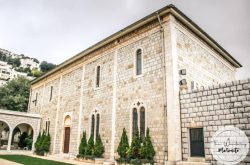

Tyre – Our Lady of the seas cathedral

Maronite - Church, Tyre, Lebanon

Other Details

كاتدرائيّة سيّدة البحار

Sour

Sour

South

كاتدرائيّة سيّدة البحار - صورفي القرن الثامن عشر بنيت الكنيسة المارونيّة الأولى في مدينة صور. سنة ١٧٨٢ أذن النائب البطريركيّ ميخائيل الخازن بإنشاء أنطوش للرهبانيّة البلديّة. سنة ١٨١٠ جدّد المطران يوحنّا الحلو (البطريرك لاحقًا) تكريس الأنطوش وأسّس رعيّة مارونيّة في المدينة. سنة ١٨١٥ نزح قسم من موارنة عيتا الشعب إلى صور حاملين معهم صورة العذراء العجائبيّة. سنة ١٨٧٠ وُسّعت الكنيسة وأخذت شكلها الحاليّ. سنة ١٩٠٦ أقام قداسة البابا بيوس العاشر أبرشيّة صور وجُعلت كنيسة سيّدة البحار كاتدرائيّةً للأبرشيّة. رمّمت الكاتدرائيّة أواخر القرن العشرين. تضمّ الكاتدرائيّة مجموعةً من الأيقونات التي تمثل الأحداث الكتابيّة في مدينة صور، أمّا الكابيلا السفليّة فتضمّ أيقونات وذخائر شهداء المدينة القدّيسين.Our Lady of the seas cathedral - TyreDuring the XVIth century the first Maronite church was built in Tyr. In 1782 Mgr Michael El Khazen commissioned the construction of a presbytery for the Lebanese Maronite order. In 1810 Mgr Youhanna el Helou (later Patriarch) canonically established a maronite parish. In 1815 many maronites moved from Aita El Shaab to the city bringing with them the miraculous icon of the Madonna. In 1906 the archbishopric of Tyr was established by Pope Pius X making this church the cathedral. The cathedral was restored in the later half of the XXth century. The church holds many icons depicting the biblical episodes that happened in the city. The crypt under the church holds the icons and the relics of the city’s martyrs.

Visited 3560 times, 7 Visits today
Reviews are disabled, but trackbacks and pingbacks are open.

Related Listings

El Mina – The presbytery of Our Lady of Deliverance

El Mina, Lebanon

أنطوش سيّدة النجاة

Mina N:1

Tripoli

North

أنطوش سيّدة النجاة - المينا

بُنيت الكنيسة الأولى للموارنة في مدينة الميناء أوائل القرن التاسع عشر، وكانت قبوًا مُعتمًا تحت الأرض. كانت الرعيّة آنذاك فقيرة جدًّا وعُهدت خدمتها للرهبان الأنطونيّين، فكان طعام خادم الرعيّة يصله من دير مار سركيس وباخوس إهدن. سنة ١٨٥٠ بُني الأنطوش، وسنة ١٨٨٩ كرّس المطران أسطفان عوّاد الكنيسة الحاليّة، فكان بناؤها بشكل عقدٍ مُصالب بحجرٍ رمليّ. رُمّمت أواخر القرن العشرين.

The presbytery of Our Lady of Deliverance - El Mina

The first maronite church was built in the Mina in the beginning of the XIXth century. It was then a small underground cellar. The parish was really poor, it was entrusted to an Antonine monk who’s food was brought from the monastery of Sts Sergius and Bacchus Ehden. In 1850 the presbytery was built, and in 1889 the current church was consecrated by Mgr. Estefan Awad Archbishop of Tripoli. The structure is a sandstone crossed vault, restored in the latter half of the XXth century.

Ghosta – The church of St Simon the Stylite

Saint Simon Church Ghosta - كنيسة مار سمعان, Lebanon

كنيسة مار سمعان العاموديّ

Ghosta

Keserwan

Mount Lebanon

كنيسة مار سمعان العاموديّ - عوسطا

هي كنيسة البلدة الرعائيّة. أُتِمّت بسعي رئيس الجمهوريّة آنذاك الشيخ بشارة الخوري في خمسينيّات القرن العشرين. نمط البناء بازيليكيّ بسيط، مع واجهة نيوغوطيّة. تتميّز الكنيسة بمذابحها الثلاث وجرن عمادها من الرخام الأبيض المنحوت، كذلك ثلاث لوحات تعود لمدرسة الأرت ديكو.

The church of St Simon the Stylite - Ghosta

The church is Ghosa’s parish church. It was built with the aid of then president Sheikh Bechara el Khoury in the fifties of the XXth century. Its style is basilical with a neo gothic facade. The church holds three ornate white marble altars and a baptistery, with three art deco paintings.

Hermel – The monastery of St Maroun on the Orontes

Hermel, Lebanon

دير مار مارون على نهر العاصي

Hermel

Hermel

Baalbek-Hermel

The monastery of St Maroun on the Orontes - Hermel

The monastery was originally a natural cave consisting of three sections, it was expanded by Roman builders working in nearby stone quarries. It is situated above Ain El Zarqa, one of the sources of the Orontes River, and connected to the river via a corridor carved into the mountainside. This was used to fetch water and provide a hiding place during enemy attacks. In the VIth century, Maronite monks sought refuge in the cave after facing persecution in northern Syria, where their monastery was destroyed and its contents dispersed. The monks expanded the cave and carved an altar, turning the cave into a new monastery. This marked the beginning of the Maronite migration to the mountains of Lebanon along the Orontes River. Over time, the monastery was neglected and became an abandoned farm. In 2011, it was visited by Patriarch Bechara Boutros Al-Rahi and has since been restored in 2018, returning to the Maronite Church. The monastery serves as a testament to the spread and perseverance of the Maronite Church in the Levant.