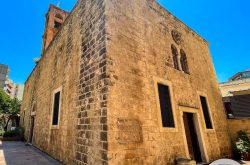
كنيسة مار الياس - بجرّينهي البناء الوحيد الباقي من قرية بجرّين التي هُجرت على إثر الحرب العالميّة الأولى. تعود للعهد الصليبيّ، وهي محافِظة على طابعها القديم فلا توجد فيها قبّة جرس. بناؤها بسيط، وتظهر على جدرانها بقايا جداريّات مخفيّة تحت طبقة الكلس.The church of St Elias - BjerrinIt is the only standing building in tbe village of Bjerrin that was abandoned after the World War I. The church dates back to the times of the Crusades, and still preserves a modest architecture without a bell tower. On the walls are visible the remains of medieval frescoes under a layer of stuco.
بُنيت الكنيسة الأولى للموارنة في مدينة الميناء أوائل القرن التاسع عشر، وكانت قبوًا مُعتمًا تحت الأرض. كانت الرعيّة آنذاك فقيرة جدًّا وعُهدت خدمتها للرهبان الأنطونيّين، فكان طعام خادم الرعيّة يصله من دير مار سركيس وباخوس إهدن. سنة ١٨٥٠ بُني الأنطوش، وسنة ١٨٨٩ كرّس المطران أسطفان عوّاد الكنيسة الحاليّة، فكان بناؤها بشكل عقدٍ مُصالب بحجرٍ رمليّ. رُمّمت أواخر القرن العشرين.
The presbytery of Our Lady of Deliverance - El Mina
The first maronite church was built in the Mina in the beginning of the XIXth century. It was then a small underground cellar. The parish was really poor, it was entrusted to an Antonine monk who’s food was brought from the monastery of Sts Sergius and Bacchus Ehden. In 1850 the presbytery was built, and in 1889 the current church was consecrated by Mgr. Estefan Awad Archbishop of Tripoli. The structure is a sandstone crossed vault, restored in the latter half of the XXth century.
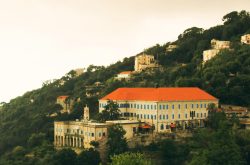
من أهم أديرة غوسطا، أسّسه المطران جرجس خيرالله أسطفان سنة 1660. وفي 14 أيلول 1698 كرّس كنيسة الدير البطريرك أسطفان الدويهي. في العام 1789 وقّع خلفه البطريرك يوسف أسطفان صك تحويل الدير الى مدرسة اكليريكيّة. وافتُتحت مدرسة عين ورقة سنة 1797-1798 على عهد البطريرك يوسف التيّان على قوانين وبرامج المدرسة المارونيّة في روما. ولم تلبث أن ضاهت جامعات أوروبا، فكانت أول جامعة في الشرق، حتى لقّبها مارون عبود بـ"سوربون الشرق"، حيث كانت تدرّس فيها خمس لغات الى جانب العلوم اللاهوتيّة والفلسفيّة. وقد قيل على سبيل المزاح أنّ "دجاجات عين ورقة تتكلم خمس لغات". خرّجت المدرسة أربعة بطاركة وعشرون مطرانًا، وعنها نشأت المدارس الأخرى التي انتشرت في البلاد، وخرّجت روّاد النهضة العربيّة في القرن التاسع عشر. هي اليوم ميتم بعهدة راهبات القربان الأقدس المارونيّات. The monastery of Ain Warqa Located in Ghosta Keserwan, it was built by Bishop Gerges Khairallah Estefan in 1660. The grand church was dedicated by Patriarch Stephen Doueihi on the 14th of September year 1698. During the pontificate of Patriarch Joseph Estephan, the monastery was transformed into a seminary in 1789. The first scholastic year was in 1797-1798 during the pontificate of Patriarch Joseph Tyan, according to the curriculum of the Maronite Grand Seminary in Rome. The reputation of the school was so great that it competed with the grand seminaries of Europe, and ranked first in the Middle East. The seminary was even called by the great author Maroun Abboud “the Sorbone of the East”. The curriculum included five languages, along with theological, philosophical, and scientific studies.The most important alumnus where four patriarchs and twenty bishops, and a great numer of notable writers and scientists that were the pioneers of the Arabic renaissance during the nineteenth century. The school was also named the mother of all schools in Syria and Lebanon. Today it is used as a foster home in the custody of the Maronite sisters of the Most Blessed Sacrament.
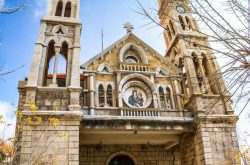
تعودُ هذه الكنيسة إلى القرن السابع بحسب التقليد، خُرّبت الكنيسة الأولى مع حملة المماليك في القرن الثالث عشر. أْعيد البناء سنة ١٦٥٠، وجُدّد سنة ١٧١٢. سنة ١٩١١ ذُهِّب المذبح الرئيسيّ. رُمّمت الكنيسة على عدّة مراحل وحقبات: ١٩٠٧ و ١٩٧٤ و ٢٠٠١. بُنيَ الرواق أمام الكنيسة سنة ١٩١٢. في الكنيسة ثلاث أروقة: السيّدة ولوحتها من عمل القسّ بطرس القبرصيّ الراهب اللبنانيّ، وهو أوّل رسّام في جبل لبنان القديم، مار جرجس، ومار يوحنّا المعمدان. هذه الكنيسة هي الأقدم في بسكنتا، وكانت أروقتها مقسومةً قديمًا بين الموارنة والروم الكاثوليك والروم الأرثوذكس، رعيّة واحدة لكنائس مختلفة!
Our Lady of the Assumption - Baskinta
The first church dates back to the VIIth century, yet it was destroyed with the Mamluk’s invasion in the XIIIth century. The church was rebuilt in 1650, and renewed in 1712. In 1911 the high altar was gilded. The church was renewed several times during its long history: 1907, 1974, and 2001. In 1912 a narthex was added with an Antipendium. The church is in a basilical plan and divided by three naves: Our Lady’s with a Madonna painting drawn by Boutros el Qobrsy the Lebanese Cypriot monk and the first known painter in Mount Lebanon, St John the baptist, and St George. This church is the oldest in Baskinta, in earlier times the naves where divided between the village's Christian communities: the Maronites, the Melkite, and the Greek Orthodox. One parish for three christian communities.




Reviews are disabled, but trackbacks and pingbacks are open.