Baskinta – Our Lady of the Assumption

Saint Mary Church,, Baskinta, Lebanon

Other Details

كنيسة سيّدة الإنتقال

Baskinta

Metn

Mount Lebanon

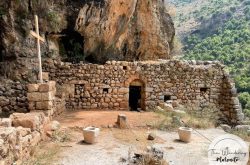
كنيسة سيّدة الإنتقال - بسكنتاتعودُ هذه الكنيسة إلى القرن السابع بحسب التقليد، خُرّبت الكنيسة الأولى مع حملة المماليك في القرن الثالث عشر. أْعيد البناء سنة ١٦٥٠، وجُدّد سنة ١٧١٢. سنة ١٩١١ ذُهِّب المذبح الرئيسيّ.رُمّمت الكنيسة على عدّة مراحل وحقبات: ١٩٠٧ و ١٩٧٤ و ٢٠٠١. بُنيَ الرواق أمام الكنيسة سنة ١٩١٢. في الكنيسة ثلاث أروقة: السيّدة ولوحتها من عمل القسّ بطرس القبرصيّ الراهب اللبنانيّ، وهو أوّل رسّام في جبل لبنان القديم، مار جرجس، ومار يوحنّا المعمدان. هذه الكنيسة هي الأقدم في بسكنتا، وكانت أروقتها مقسومةً قديمًا بين الموارنة والروم الكاثوليك والروم الأرثوذكس، رعيّة واحدة لكنائس مختلفة!Our Lady of the Assumption - BaskintaThe first church dates back to the VIIth century, yet it was destroyed with the Mamluk’s invasion in the XIIIth century. The church was rebuilt in 1650, and renewed in 1712. In 1911 the high altar was gilded. The church was renewed several times during its long history: 1907, 1974, and 2001. In 1912 a narthex was added with an Antipendium. The church is in a basilical plan and divided by three naves: Our Lady’s with a Madonna painting drawn by Boutros el Qobrsy the Lebanese Cypriot monk and the first known painter in Mount Lebanon, St John the baptist, and St George. This church is the oldest in Baskinta, in earlier times the naves where divided between the village's Christian communities: the Maronites, the Melkite, and the Greek Orthodox. One parish for three christian communities.

Visited 3555 times, 2 Visits today
Reviews are disabled, but trackbacks and pingbacks are open.

Related Listings

Sidon – St Elijah’s Maronite Cathedral

Maronite Diocese of Sidon مطرانية صيدا المارونية, Sidon, Lebanon

كاتدرائيّة مار الياس المارونيّة

Saydoun

Jezzine

South

كاتدرائيّة مار الياس المارونيّة صيدا
بناها المطران أغوسطينوس البستاني على إسم شفيع المدينة مار الياس الحيّ، لتكون كرسيًّا رسميًّا له في المتروبوليّة. وكان ذلك سنة ١٩٣٨. يَذكر الكتاب المقدّس أنّ مار الباس مرّ في صيدا وهي جزء من الأراضي المقدّسة وعلى اسمه أربع كنائس مارونيّة في المدينة. الكنيسة مبنيّة على النمط البازيليكيّ، لوحة الحنية من رسم الفنان اسعد رنّو. تعرّضت للحرق ابان الحرب الأهليّة سنة ١٩٨١. وأُعيد ترميمها مؤخّرًا سنة ٢٠١٧. من أبرز ما تحويه ذخيرة عود الصليب التي حملها مطران صيدا مار انطونيوس خريش (البطريرك لاحقًا) على إثر المجمع الفاتيكاني الثاني.

St Elijah’s Maronite Cathedral Sidon.
It was built during the mandate of archbishop Augustin El Boustany, and was dedicated to Elijah the prophet patron saint of the city, to become the bishop's official new cathedral in the metropolitan city. It was built in 1838 in a basilical plan. The Old Testament states the visit of the prophet to the city. That explains the presence of four churches dedicatd to him in the city. The main painting in the apse is the work of the Lebanese painter Assaad Renno.
The cathedral was burnt down during the civil war in 1981, and finally restored in 2017. Its most prized treasure is the Holy Cross relic brought back from the Second Vatican Council by Archbishop Antonios Khoraish (Later Maronite Patriarch).

The Valley of Qannoubine – The monastery of St Aboun

دير مار آبون, Wadi Qannoubine, Lebanon

دير مار أبون

Ouadi Qannoubine

Bcharre

North

دير مار أبون - وادي قاديشا

هو دير مار يوحنّا القصير الملقب بأبون أحد آباء الصحراء. يتكوّن الدّير من كنيسةٍ وعدّة قلالي. تقع الكنيسة داخل مغارة وهي على نسق البازيليك في البناء، والأكبر بين كنائس الوادي. أوّل ذكر للدّير يعود إلى القرن الثاني عشر، عندما أفاد البطريرك اسطفان الدويهيّ أن "هذا الدير كان مديرًا لجميع النساك في منطقة بشراي" . جعله البطريرك يعقوب الحدثي مقرًّا له سنة ١٤٤٥. بقي الدّير مأهولاً للقرن السابع عشر، وهو اليوم ضمن ورشة ترميم لإصلاحه وتجديده.

The monastery of St Aboun - The Valley of Qannoubine

The monastery is dedicated to St John the short an Egyptian desert father known to the syriacs as Aboun. The monastery consists of a basilical cave church, the largest one in the holy valley, and some adjacent cells. The first mention of the monastery is from the XIIth century when it was the head of all the monasteries and hermitages in the region of Bsharre according to Patriarch Estefan el Douaihy. In 1445 the monastery became the patriarchal residence of Patriarch Yaaqoub el Hadathi. The monastery fell into ruins at the end of the XVIIth century, today a plan for it’s restoration is undergoing.

Kousba – Hamatoura Monastery

Hamatoura Monastery, Karm Saddeh, Lebanon

دير رقاد السيدة - حمطورة

Kousba

Koura

North

On the northern side of the village of Kousba, is the monastery of Our Lady of Hamatoura, built in the rocky hollow of a high cliff which overlooks the holy valley of Kadisha. Hamatoura is 84km from Beirut.

The church of Saint Jacob is the most ancient part of the monastery, belonging to the 4th century, while a large cross from the 7th century rises above the outer doorway. Some quite well preserved frescoes dating back to the middle ages cover the walls of the church, one of which shows the Holy Virgin, Queen of Heaven, seated on a throne with the Child Jesus on her knees.

Near the monastery are two venerable churches, one dedicated to Saint Michael and the other to Saint John the Baptist. On the top of the hill one can see the church of St. George. Close by the monastery is a rocky cave where one may perceive the base of a stalagmite, where barren women come to pray in the hope of bearing a child, for this grotto was dedicated to the pagan goddess of fecundity.

Late in the 13th century, at Our Lady Monastery in Hamatoura, Saint Jacob began his ascetic life. Later, when the monastery was destroyed by the Mamlukes, he reestablished monasticism along the perimeter of the ruined monastery. In time, he rebuilt the monastery, regenerating and giving renewed vigor to monastic life in the area. His spiritual briskness, vivacity, and popularity among believers drew the attention of the Mamelukes who set their minds to stop his verve and determination and force him to convert to Islam. He stubbornly refused their relentless pressures. The Mamlukes killed him and burned the church. Today, believers and pilgrims are constantly reporting his apparitions, miraculous healings and other Grace-filled deeds.