Kousba – Hamatoura Monastery

Hamatoura Monastery, Karm Saddeh, Lebanon

Other Details

دير رقاد السيدة - حمطورة

Kousba

Koura

North

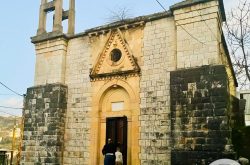
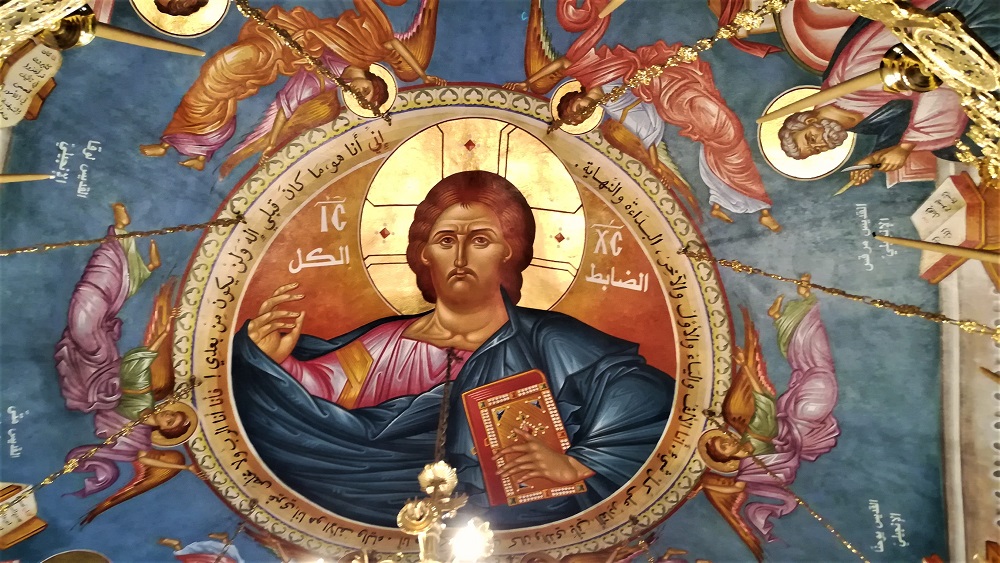
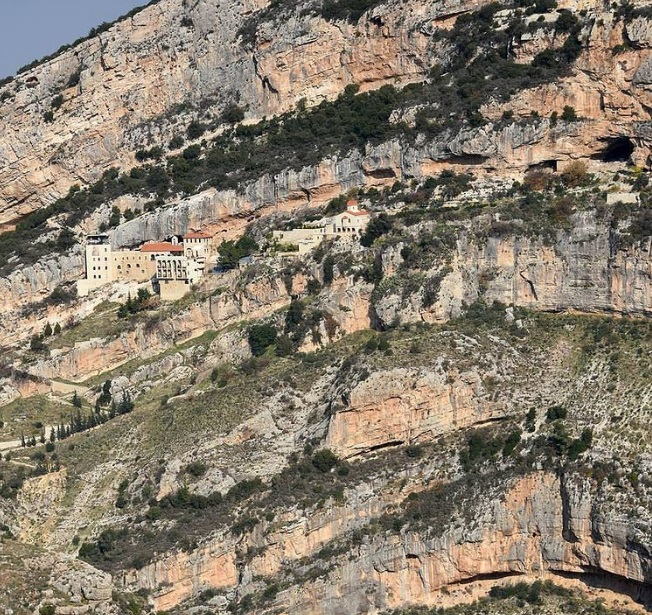
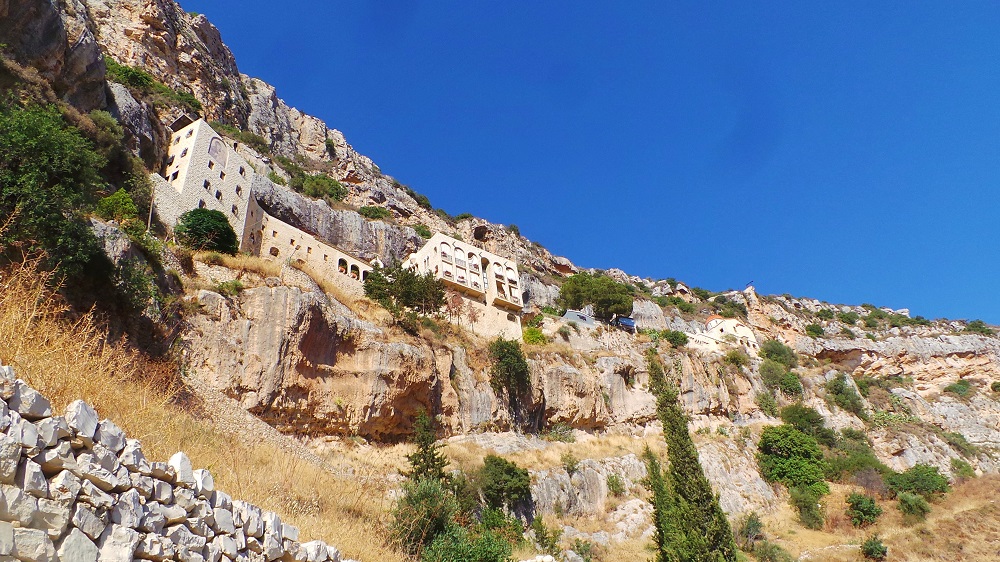
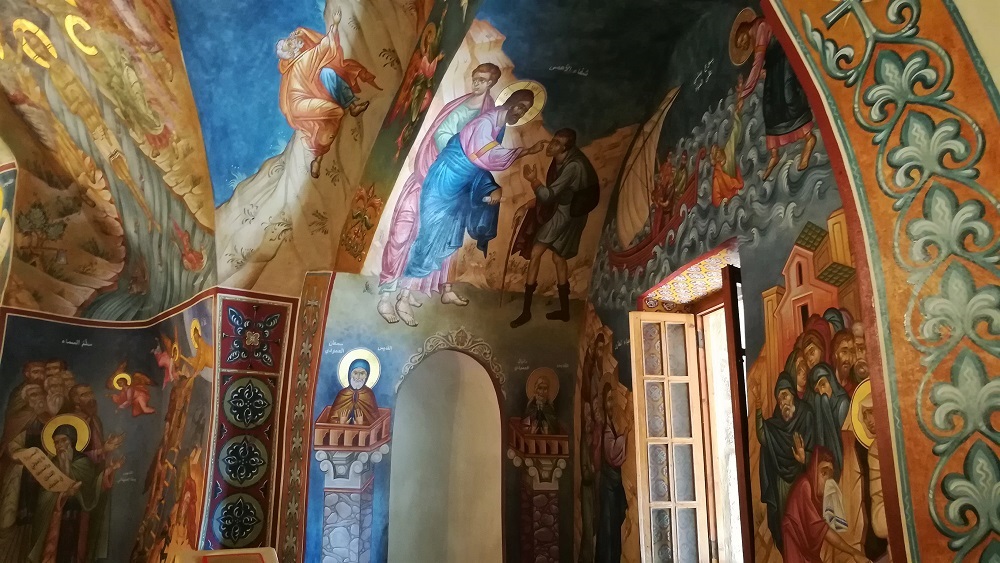
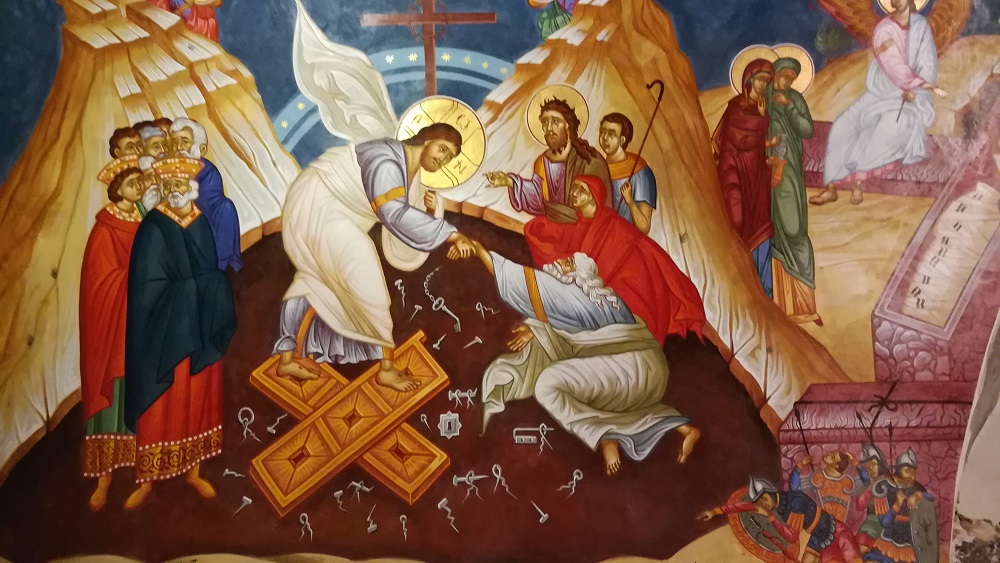
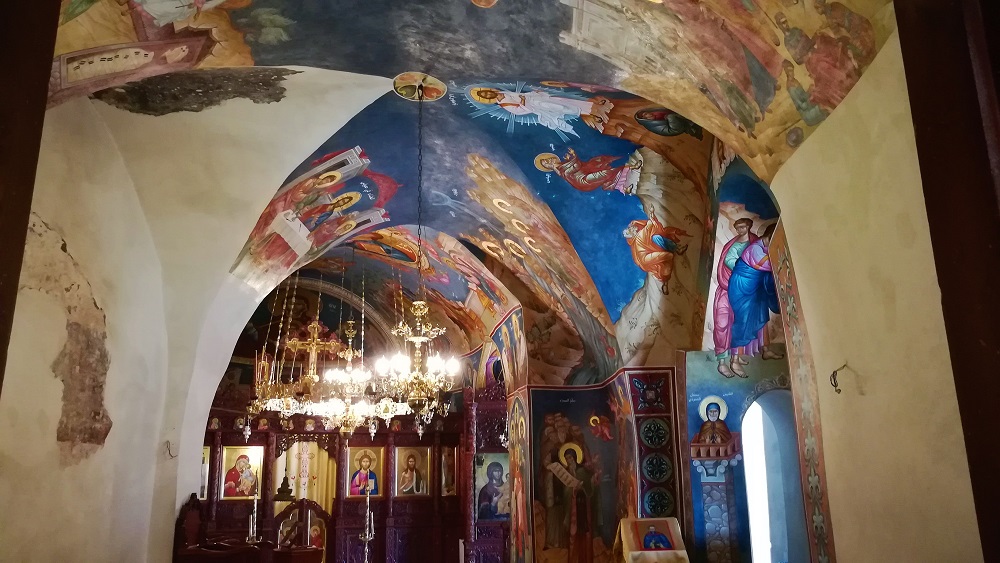
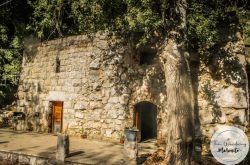
On the northern side of the village of Kousba, is the monastery of Our Lady of Hamatoura, built in the rocky hollow of a high cliff which overlooks the holy valley of Kadisha. Hamatoura is 84km from Beirut. The church of Saint Jacob is the most ancient part of the monastery, belonging to the 4th century, while a large cross from the 7th century rises above the outer doorway. Some quite well preserved frescoes dating back to the middle ages cover the walls of the church, one of which shows the Holy Virgin, Queen of Heaven, seated on a throne with the Child Jesus on her knees. Near the monastery are two venerable churches, one dedicated to Saint Michael and the other to Saint John the Baptist. On the top of the hill one can see the church of St. George. Close by the monastery is a rocky cave where one may perceive the base of a stalagmite, where barren women come to pray in the hope of bearing a child, for this grotto was dedicated to the pagan goddess of fecundity. Late in the 13th century, at Our Lady Monastery in Hamatoura, Saint Jacob began his ascetic life. Later, when the monastery was destroyed by the Mamlukes, he reestablished monasticism along the perimeter of the ruined monastery. In time, he rebuilt the monastery, regenerating and giving renewed vigor to monastic life in the area. His spiritual briskness, vivacity, and popularity among believers drew the attention of the Mamelukes who set their minds to stop his verve and determination and force him to convert to Islam. He stubbornly refused their relentless pressures. The Mamlukes killed him and burned the church. Today, believers and pilgrims are constantly reporting his apparitions, miraculous healings and other Grace-filled deeds.

Visited 6829 times, 2 Visits today
Reviews are disabled, but trackbacks and pingbacks are open.

Related Listings

Tannourine – Deir Mar Antonios

Monastery of Saint Antonios - دير مار مطانيوس, Tannourine El Tahta, Lebanon

محبسة مار أنطونيوس الكبير - تنورين التحتا

Tannourine Et-Tahta

Batroun

North

هي كنيسةٌ مُزدوجةٌ تعود لأواخر القرون الوسطى مبنيّة على ضفاف نهر الجوز. مذبحها الأوّل مُكرّس للسيّدة (والمُرجّح أنّه الأقدم) والثاني لمار أنطونيوس الكبير. هي كنيسة مزار ومحجّ لأبناء المنطقة.

A double late medieval church built on the banks of Al Jawz river. Her first altar is consecrated to the Madonna (and is presumed to be the older part) and the second for St Anthony the great. The church is a local shrine and a pilgrimage site

Menjez – The monastery of Our Lady of the fortress

دير سيدة القلعة منجز, Munjez, Lebanon

دير سيّدة القلعة

Mounjez

Akkar

Akkar

دير سيّدة القلعة - منجز
بنى الأمير البيزنطيّ فيليكس قلعةً على ضفاف النهر الكبير، على بقايا هياكل فينيقيّة ورومانيّة. سنة ١١٢٨ رممّ الأمير الصليبيّ جيلبير دي بوي لوران القلعة، ثم باعها لأمير طرابلس ريموند سان جيل. بعد ذلك استولى فرسان القدّيس يوحنا على القلعة وبنوا فيها معبدًا على اسم شفيعهم مار يوحنّا. تعرض الدّير في حقباتٍ عديدةٍ للخراب. وأثناء انتقال الملك الظاهر بيبرس الى القبيات في طريقه الى حصن عكار استولى على الدير والقلعة. بعد رحيل المماليك تحوّل الدّير إلى مزارٍ مريميّ. أواسط القرن التاسع عشر رمّم الدّير يوسف المريض من منجز، وتنسّك به. سنة ١٨٩٢ تسلّم الدّير الآباء اليسوعيّون فبنوا الكنيسة الجديدة، وأقاموا مدرسةً سنة ١٨٩٥. سنة ١٩٢٥ تسلّمت الرهبانيّة اللبنانيّة المارونيّة الدّير. تعرّض الدّير للخراب خلال الحرب الأهليّة، وعاد إليه الرهبان بداية التسعينيّات. الكنيسة مبنيّة بالحجر البركانيّ الأسود، بسوقٍ واحد وعقد سريريّ، تضمّ الكنيسة العديد من اللوحات الغربيّة ومذبح خشبيّ أوروبيّ الصنع.
The monastery of Our Lady of the fortress - Menjez
The Byzantine prince Felix built a castle over phoenician and roman ruins, that the Crusader prince Gilbert de Pui Lorain took in 1128, then he sold it to the prince of Tripoli Raymond de Saint Gilles. After that the knights of St John took the castle and built a monastery dedicated to St John. With the Mamelouk invasion the monastery was sabotaged when king Zaher Bibars took over Tripoli. After the Mamelouks left, the locals converted the ruins into a Marian shrine. In the mid XIXth century, a local named Youssef el Marid renewed the monastery and made it a hermitage. In 1882 the Jesuits took over, rebuilt the church, and built a school in 1885. In 1925 the Lebanese Maronite Order took the monastery and the school. During the civil war the monastery was sabotaged, the monks didin’t return to the mission until the nineties. The church is made of black bazalt, it is a single nave crib vaulted structure. The church holds many western paintings, and a wooden European high altar.

Hasbaya – The church of St George

Hasbaiyya, Lebanon

كنيسة مار جرجس

Hasbaiya

Hasbaya

Nabatieh

كنيسة مار جرجس - حاصبيّا

بُنبيت الكنيسة الأولى أوائل القرن التاسع عشر، وأُعيد بناء الحاليّة سنة ١٩١٠. الكنيسة كناية عن عقدٍ مُصالبٍ ينتهي بحنية نصف دائريّة. مذبح الكنيسة من الحجر الأصفر مبنيّ سنة ١٩١٢. بعد الحرب الأهليّة اللبنانيّة نزح القسم الأكبر من مسيحيّي البلدة فأصبحت الكنيسة شبه مهجورة. زارها غبطة البطريرك مار بشارة بطرس الراعي صيف سنة ٢٠١١.

The church of St George - Hasbaya

The first church was built in the early XIXth century, and rebuilt in 1910. The structure consists of a crossed vault ending with a semi circular apse. The altar is made of a local yellow limestone in 1912. After the civil war the town’s maronite population left in great numbers and the church became partially abandoned. The Patriarch Bechara el Rai visited the church in the summer of 2011.