Zakrit – Mar Abda

Mar abda church, Lebanon

Other Details

دير مار عبدا المشمّر - زكريت

1685

Zakrit

Metn

Mount Lebanon

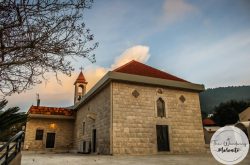
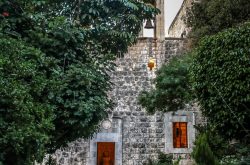
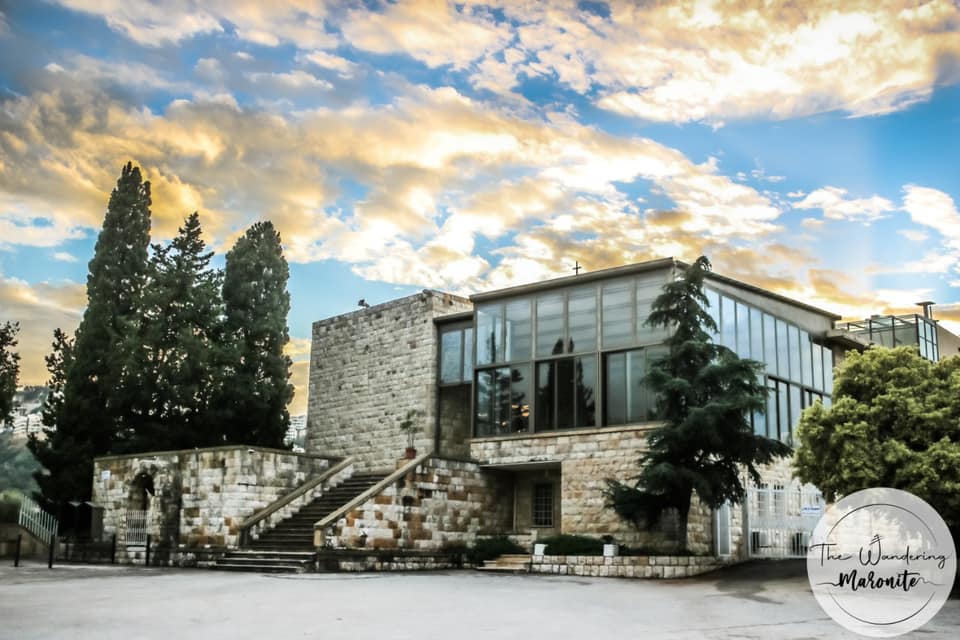
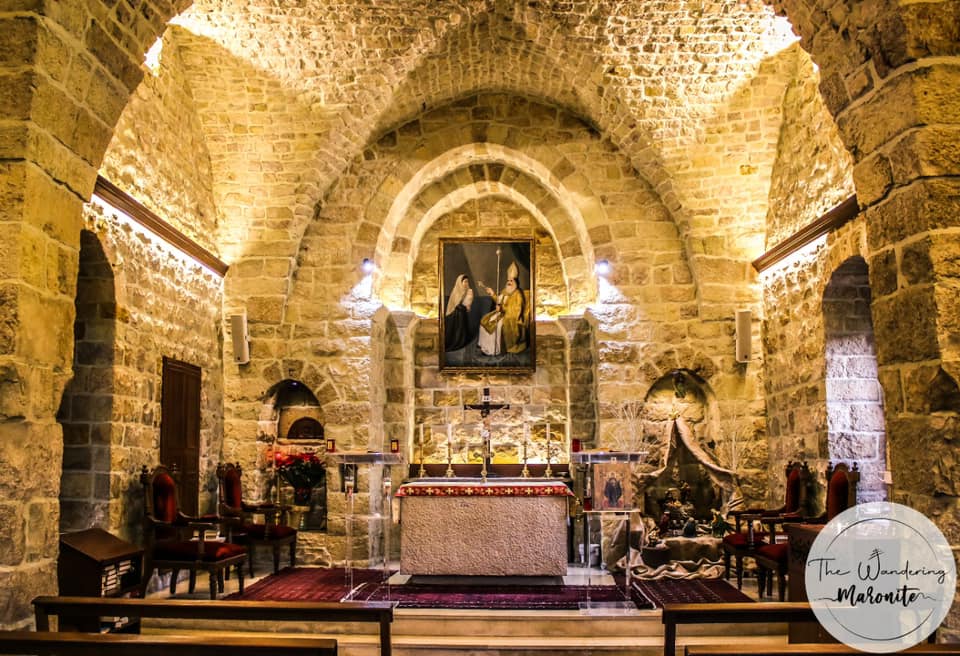
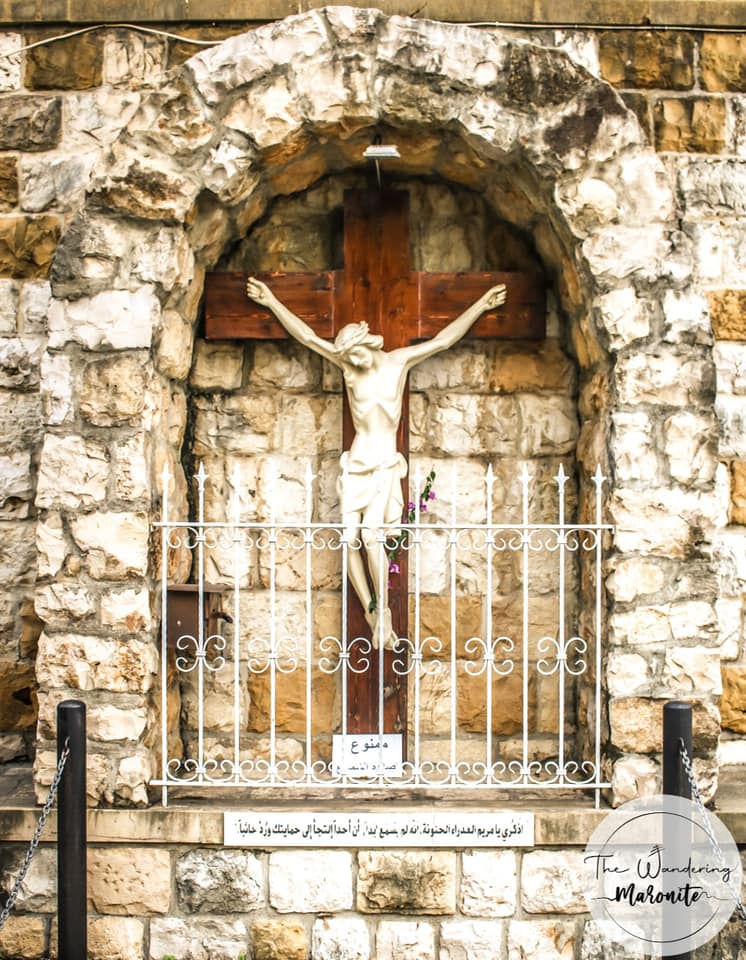
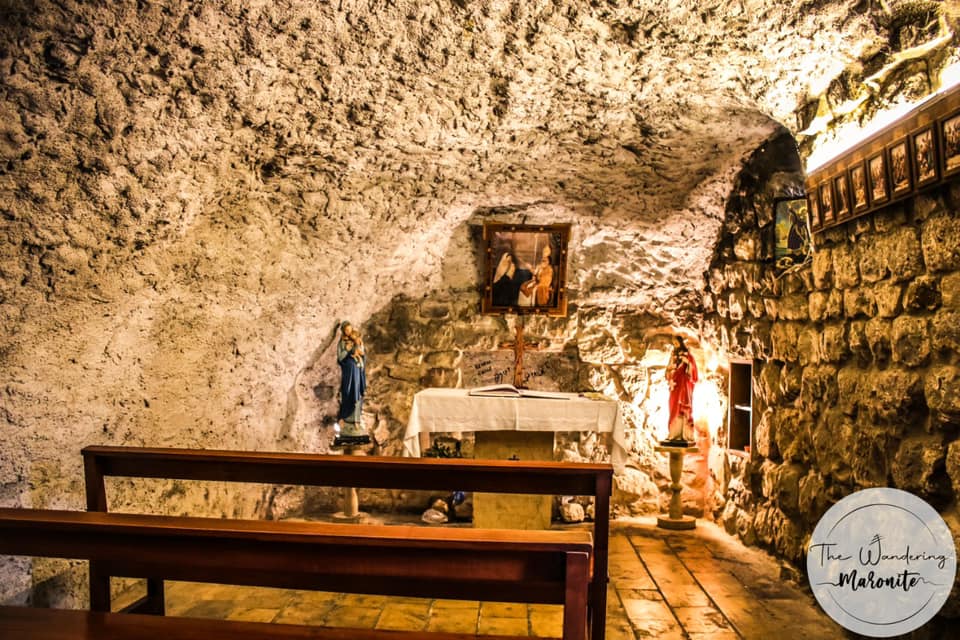
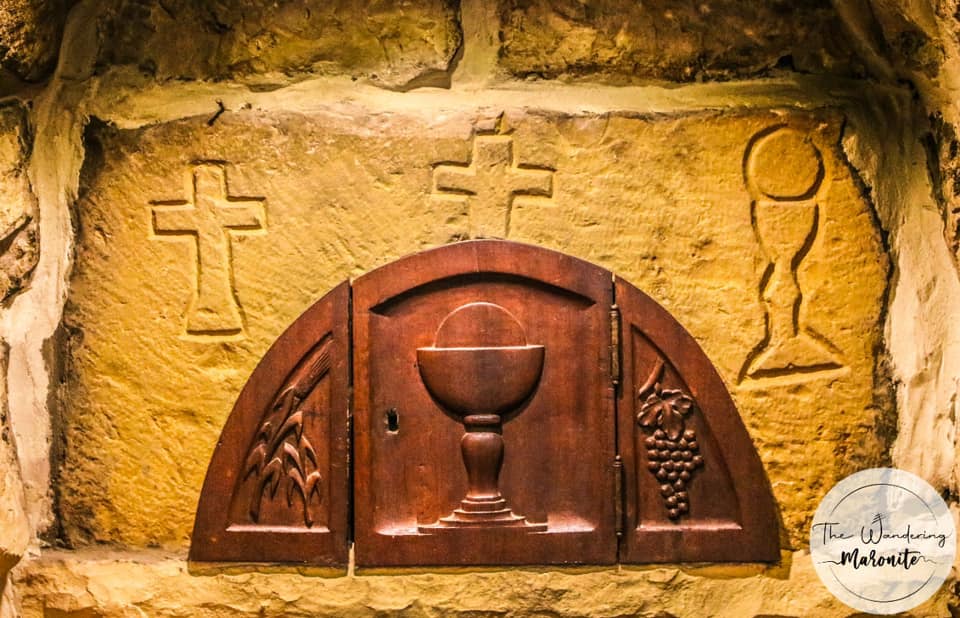
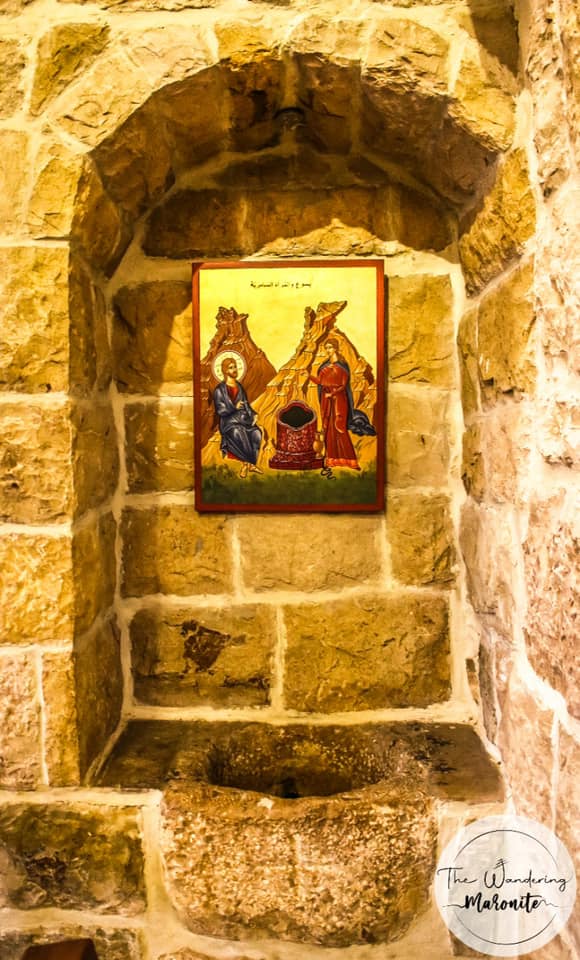
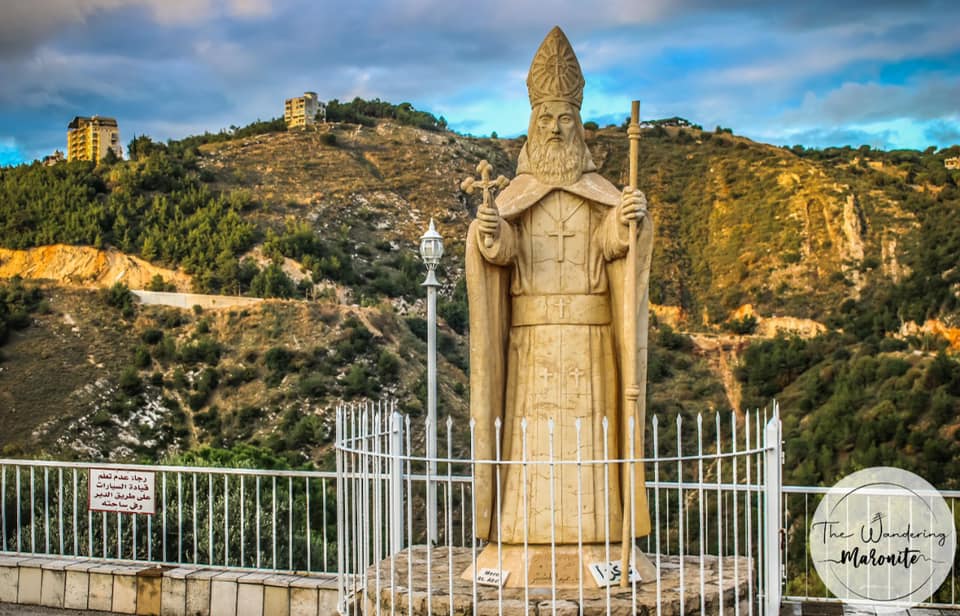
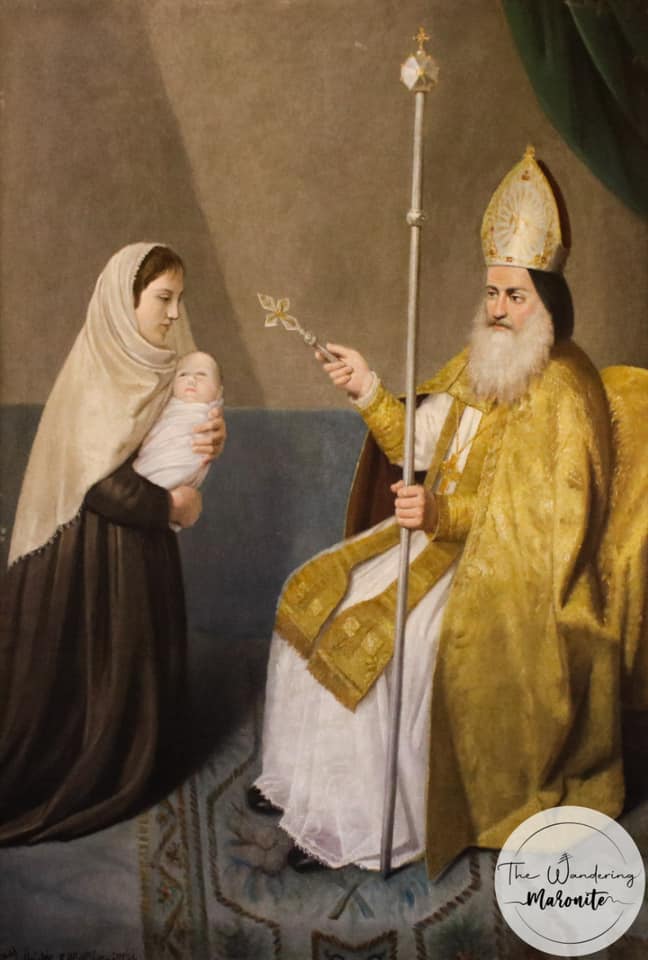
بُنيَ الدّير على تلّةٍ في ضواحي زكريت على ضفاف نهر الكلب. الكنيسة القديمة بُنيت على أنقاض هيكلٍ وثنيّ عقب حملة المماليك على كسروان، وجُدِّدت سنة ١٦٨٥، بحسب كتاب تاريخ الأزمنة للبطريرك إسطفان الدويهيّ. إستلمت الرهبانيّة الأنطونيّة المارونيّة الكنيسة وبنت ديرًا سنة ١٧١٦. أمّا الكنيسة الجديدة فبنيت سنة ١٨١٠ بإعتناء الأمير حسن قاسم الشهابي، أيّام رئاسة الأب يوسف البشابيّ العامّة. لوحة مار عبدا هي من عمل داود القرم، سنة ١٨٨٤. وفي الكنيسة لوحة أُخرى للقدّيس من عمل أسعد رنّو. يقصد هذا الدّير المؤمنون طالبين شفاعة مار عبدا العجائبيّ خصوصًا النّساء العواقر والأطفال المرضى.Built on a hill in the vicinity of Zakrit near Nahr El Kalb, the first church was built over the ruins of a roman temple after the Mamluk’s campaign on Kesserwan and renovated in 1685 according to Patriarch Estephan El Douaihy in his book Tarikh al Azmina. The Antonine Maronite Order acquired the church and the monks built a new monastery in 1716. In 1810 a new church was built on top of the first one with the help of Prince Hassan Abou Qasem Shehab, when Fr Youssef al Bchabby was abbot. The main painting is the work of Dawoud el Qorm, dating back to year 1884. Another painting of the saint is kept in the church and is the work of Assad Renno. St Abda’s church is believed to be miraculous especially for baron ladies and sick children

Visited 5207 times, 2 Visits today
Reviews are disabled, but trackbacks and pingbacks are open.

Related Listings

Yanouh – The blue monastery of St George

Mar Gerges Blue Yanouh, Mghayra, Lebanon

دير مار جرجس الأزرق

Yanouh Jbayl

Jbeil

Mount Lebanon

دير مار جرجس الأزرق - يانوح

البناء أساسًا كان معبدًا فينيقيّ ثمّ رومانيّ. عُرف بالأزرق نسبةً للون الحجر الكلسيّ. مع قدوم المسيحيّة حُوّل المعبد إلى ديرٍ على اسم مار جرجس وكان الأكبر في جبّة المنيطرة. إختاره البطريرك يوحنّا مارون الثاني مقرًّا له سنة ٧٥٠، وذلك لصعوبة الوصول إليه، ولأن يانوح بحسب البطريرك الدويهيّ: "كانت من أشرف المجالِس في جِبَة المنيطرة وأهلها كثيرو العِبادة والغيرة". بقيت يانوح مقرًّا بطريركيًّا شبه ثابتٍ
ما بين ٧٥٠ و١٢٧٧، لأن البطاركة تنقلوا مابين سنتيّ ١١٢٠ و١٢٠٠ بين ميفوق وهابيل ولحفد. بنى البطاركة بقرب المعبد كنيسةً صغيرة خاصة للبطاركة وأقبية وغرف. وبنوا كنيسة السيّدة خارج المحلّة. أقام البطاركة في يانوح، ما مجموعه أربعماية واثنتان وثلاثون سنة، منها ثلاثمائة وسبعون سنةً متواصلةً دون إنقطاع. مع قدوم الصليبيّين في عهد البطريرك يوسف الجرجسيّ إستبشر الموارنة خيرًا بحسب ابن القلاعي، فأُعيد اتصالهم بروما، وعاشوا فترةً من الإزدهار، ويذكر التاريخ أنّه في تلك الحقبة إستبدل الموارنة نوافيس الخشب بنواقيس حديدٍ في يانوح. لكنّ الفترة الصليبيّة شهدت العديد من القلاقل والمعارك ممّا استدعى تنقلاتٍ عديدةٍ للبطاركة واتخاذهم عدّة مراكز. ومع رحيل الصليبييّن وحملة المماليك أُحرقت يانوح، ولم تُجرى أبحاث أركيواوجيّة على الموضع لحين الإنتداب الفرنسيّ بداية القرن العشرين.

The blue monastery of St George - Yanouh

The building was originally a Phoenician than a Roman temple consecutively. With the locals conversion to Christianity the temple was consecrated as a church dedicated to St George. In 750 Yanouh was chosen as a patriarchal seat, it remained a nearly consistent seat between 750 and 1277. The patriarchs built near the temple a patriarchal chapel, many vaults and cells and the church of the Virgin Mary outside of the complex. With the Crusades during the pontificate of Patriarch Youssef el Gergesy, the Maronites entered a golden age, they reconnected with Rome. Yet the latter Crusader’s period saw unrest and struggles, that was the reason why many patriarchs used to change residences. In 1277 the patriarchs moved out of Yanouh. The seat was completly abandoned after the Crusaders left and the Mamluk’s campaign that destroyed the village. The site was excavated by the french archeological missions in the early XXth century.

Kobayat – The church of Our Lady of Ghassala

Saydet el Ghassalet, Qoubaiyat, Lebanon

كنيسة سيّدة الغسّالة

Qbaiyat Aakkar

Akkar

Akkar

كنيسة سيّدة الغسّالة - القبيات
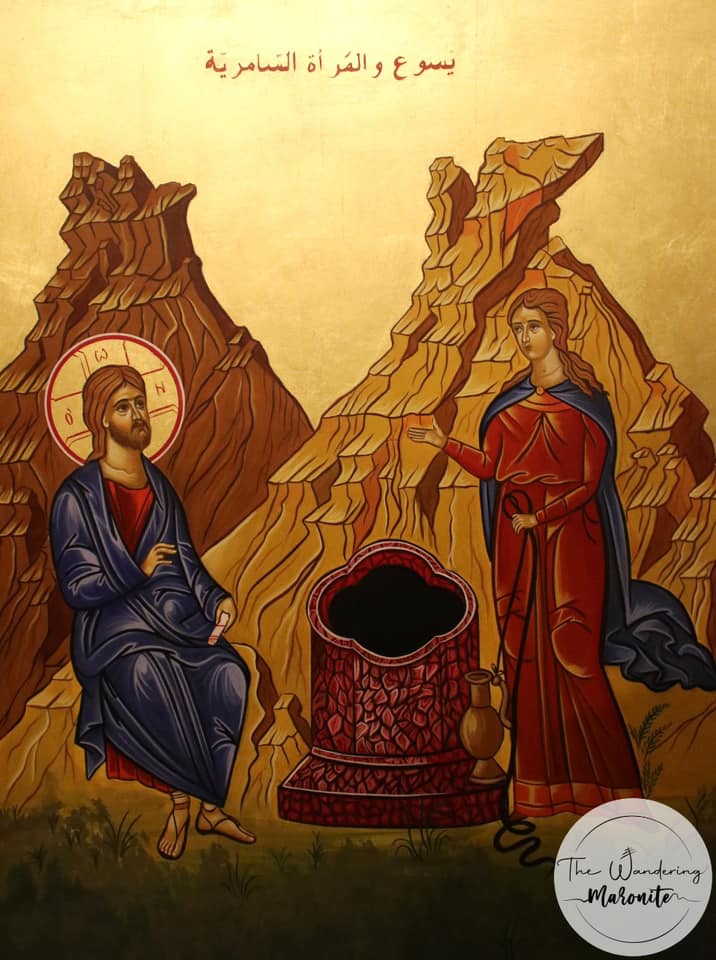
بُنيت الكنيسة الأولى بالقرب من قناة جرًّ للمياه، كانت نساء القرية يغسلن ثيابهنّ بقربها أيّام السبوت، لذلك سمّي الموضع الغسّالة وحملت الكنيسة إسم سيّدة الغسّالة. بُنيت الكنيسة الحاليّة سنة ١٩٢٧ بمسعى من أبناء البلدة المغتربين. تتميّز الكنيسة أنّها مكسوّة الداخل بالكامل بالنقوش، تحوي عدّة جداريّات فريدة كجداريّة الذبيحة الإلهيّة حيث يظهر الكأس يعلوه النجم، وجداريّة الصدقة.

The church of Our Lady of Ghassala - Kobayat
The first church was built on a site near an aqueduct where the village’s ladies used to wash their laundry hence the name in Arabic Ghessele invoking laundry washing. The first church held the name of the site. In 1927 the new church was built with donations made by Kobayaty expats. The church is covered on the inside with painted stucco. The church holds distinctive unique frescoes such as the fresco of the Holy Sacrifice with the distinctive oriental liturgical altar paraments, and the fresco of the alm.

Sahel Alma – The monastery of Our Lady of the milk

sahel aalma

دير سيّدة البزاز

Sahel Aalma

Keserwan

Mount Lebanon

دير سيّدة البزاز - ساحل علما

بنى الدّير الشيخ عاد صخر الخازن سنة ١٧٢٠ وجعله للراهبات العابدات. واتّبعت عابداته قانون الراهبة هنديّة قبل إلغاء رهبانيّتها. بقي الدّير حتّى منتصف القرن العشرين يضمّ بنات وأرامل العائلة الخازنيّة اللواتي خصّصن حياتهنّ للصلاة. واليوم هو وقفٌ خاص للعائلة. كنيسته صغيرة بعقدٍ مصالب، تضمّ لوحة العذراء المُرضعة وهي رومانيّة المصدر.

The monastery of Our Lady of the milk - Sahel Alma

The monastery was built by Sheikh Aad Sakher el Khazen in 1720, who gave it to the cloistered nuns that followed the rules of Mother Hendiyé Ajaimi before her order was dissolved. The monastery housed until the mid XXth century the daughters and the widows of the Khazen family who consecrated their lives to religion. The monastery is now a private possession of the Khazen family. The church is a crossed vault structure holding a roman painting depicting the blessed mother feeding the Lord.