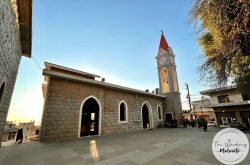
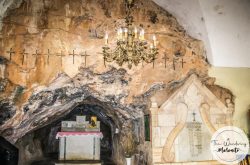
Hassroun – The church of St Laby the Apostle

St. Jude Church, Hasroun, Lebanon

Other Details

كنيسة مار لابي الرسول

Hasroun

Bcharre

North

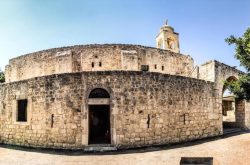
كنيسة مار لابي الرسول - حصرونبحسب أحد التقاليد بنى الملك حصرائيم (الذي منه اسم بلدة حصرون) قصرًا وهيكلًا في هذا الموضع تحوّل في الجيل الرابع إلى كنيسةٍ على اسم مار لابي وهو اللقب السريانيّ ليهوذا الرسول. بني القسم الشرقيّ من الكنيسة في القرن الثالث عشر، وأضيف سنة ١٧٧٠ القسم الغربيّ. أخذت الكنيسة شكلها مع الصليبيّين، وهي عقد سريريّ منخفض بحنية واحدة. تضمّ الكنيسة مجموعةً من اللوحات التي تعود للقرن الثامن عشر وهي مزيج بين الأيقونة المشرقيّة وفنّ عصر النهضة.The church of St Laby the Apostle - HassrounAccording to a folk tale, king Hassraym (from whom derived the name Hassroun) built a palace and a temple that was converted in the IVth century into a church dedicated to the apostle Laby (the syriac title given to Thaddeus or Jude). The eastern aisle was built in the XIIIth century. In 1770 the western aisle was built. During the crusaders era the church took its form, a single nave crib vaulted structure beneath the road. The church holds many XVIIth century paintings that are a representation of the local iconography being influenced by the art of the renaissance.

Visited 3653 times, 2 Visits today
Reviews are disabled, but trackbacks and pingbacks are open.

Related Listings

Eddeh el Batroun – St Sabba’s church

كنيسة مار سابا الأثريّة St.Saba church, Edde, Lebanon

كنيسة مار سابا

Edde El-Batroun

Batroun

North

كنيسة مار سابا - اده البترون
بناها الصليبيون في القرن الثاني عشر. كانت قديمًا مغطات بالكامل بجداريات بيزنطيّة لم يسلم منها سوى القليل رممت سنة ٢٠١٢.
كنيسة مار سابا هذه، سبق للبطريرك إسطفان الدويهي أن أشار اليها عندما إستطاع ان يقرأ فيها مدوَّنةً سريانية تَصِف إنتصاراً احرَزَهُ الموارنة عندما ردّ وا هجومًا شنَّه السلطان بيبرس على طرابلس في العام 1266، مما أتاح للدويهي ان يحدّد العهد الذي تعود اليه جدرانيات هذه الكنيسة ومما يفسر الهندسة الدفاعية والنشابيات.
ويتابع الدويهي قائلاً أن الموارنة شيَّدوا عندئذٍ عدَّة كنائس إحتفالاً بإنتصارهم هذا، ورسموا صوراً تخليداً له. وهناك مقطع لا يزال مرئياً في الاطار الذي يعلو صورة رقاد العذراء. ومن ذلك العهد العائد الى ما بعد العام 1266 يمكننا ان نرى صورةً للعذراء جالسةً وحاملةً طفلها. هذه القصة سردها الدويهي في كتاب تاريخ الازمنة.

St Sabba’s church - Eddeh el Batroun
Built by the Crusaders during the twelve century and covered entirely by byzantine frescoes (few remain today) and restored in 2012.
This church was mentioned by patriarch Al Douaihy, in his book Tarikh Alazmina when he depicted syriac engravings on the frescoes narrating a Maronite victory over the Mamluk sultan named Bybars upon his assult on Tripoli in 1266, this information allowed Douwaihy to date the frescoes, and explains the military structure of the church. This event is still visible in the frame of the Madona’s fresco dedicating the church to the great victory of the Maronites.

Hemlaya – The church of St Elijah

Saint ELIE CHURCH كنيسة مار الياس, Hemlaya, Lebanon

كنيسة مار الياس

Himlaya

Metn

Mount Lebanon

كنيسة مار الياس - حملايا

سنة ١٩٠٤ قُسِّمت كنيسة مار جرجس بين آل الراعي وآل الريّس. فقرّر يوسف الريّس البقاء مع أخواله في الكنيسة القديمة، لكنّه عاد سنة ١٩٠٦ وقرّر إنشاء كنيسة جديدة لمار جرجس مع عددٍ من عائلات البلدة. بقيت هذه الكنيسة مًقفلة حتّى ستينيّات القرن العشرين حين أّعيد افتتاحها وتكريسها على إسم مار الياس. الكنيسة مسقوفة وتحوي ثلاث حنايا. تضمّ الكنيسة ساعة طنّانة، وتحوي لوحةُ من عمل حبيب سرور.

The church of St Elijah - Hemlaya

In 1904 the old St George’s church was divided between the Rahi and the Rayess families. Back then Youssef El Rayess decided to stay with his uncles, yet in 1906 he decided to build a new church dedicated to St George with a number of the village’s families. This church remained closed until the sixties when it was rededicated to St Elijah. The church is a roofed structure with three apses, it holds a clocktower and contains a painting of St Elijah by Habib Srour.

Qannoubine valley – St Marina’s Grotto

St. Marina the Monk, Wadi Qannoubine, Lebanon

مغارة القدّيسة مارينا

Ouadi Qannoubine

Bcharre

North

مغارة القدّيسة مارينا - وادي قنّوبين

بالأصل هذه المحبسة مغارة طبيعيّة بقرب دير قنّوبين، قصدها الحبساء
للخلوة. الى هذه المغارة لجأت القديسة مارينا والولد اللقيط الذي ربّته واهتمّت به بعد طردها من الدّير، وفيها ماتت ودفنت. بحسب البطريرك الدويهيّ أخذ الصليبيّون جثمانها الى البندقيّة وبقيت يدها اليسرى في المغارة. أصبحت هذه المغارة محجًّا ومدفنًا لسبعة عشر بطريركًا سكنوا في دير قنّوبين، من يوحنّا الجاجيّ الى يوحنّا الحلو. سنة ١٩٠٩ خلال حبريّة البطريرك الياس الحويّك ، رُمّم المدفن، وبنيت للمغارة واجهة حجريّة، ووضع في داخله مذبح رخاميّ جديد.

St Marina’s Grotto - Qannoubine valley

The cave was a hermitage dependent of the monastery of Qannoubine. In this cave St Marina took refuge with the bastard child she raised after her unfair expulsion from the monastery. She was buried in the same cave that became a pilgrimage site. The Crusaders transferred her relics to Venice leaving only her left hand in the cave according to patriarch Douweihy. The cave became the patriarchal necropolis, a total of 17 patriarchs were buried there from John of Jaj to John El Helou. In 1909 during the pontificate of Patriarch Elias Howayek the necropolis was restored, a stone facade was built to the west, and a new marble altar was brought in.