كابيلّات مار نقولا (مار زخيا) وسيدة البزاز - بحديدات
Behdaydat
Jbeil
Mount Lebanon
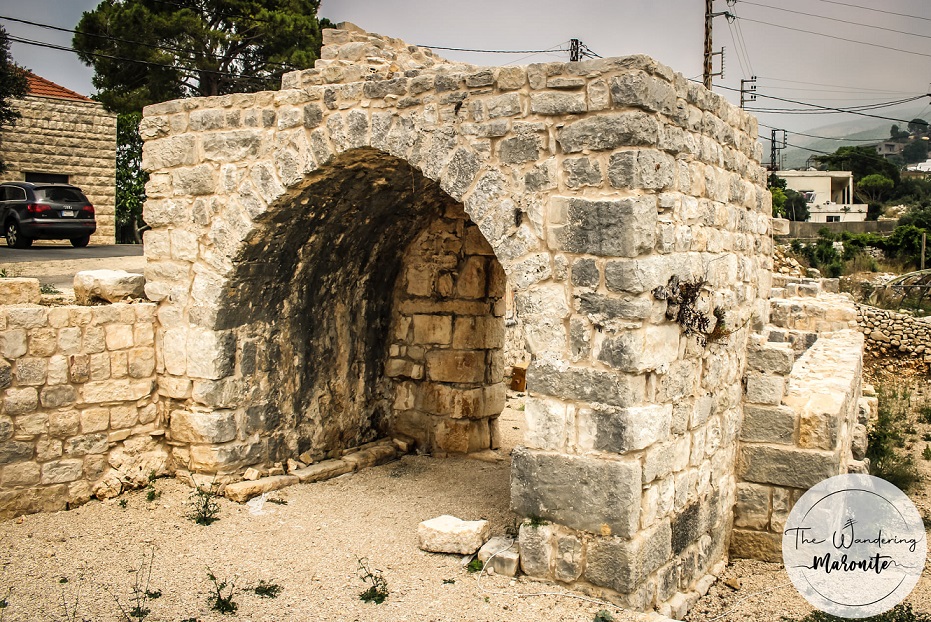
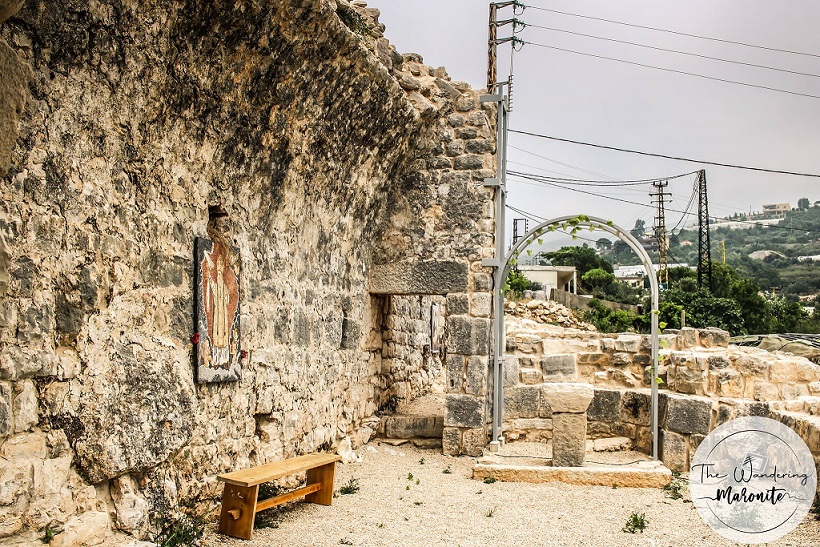
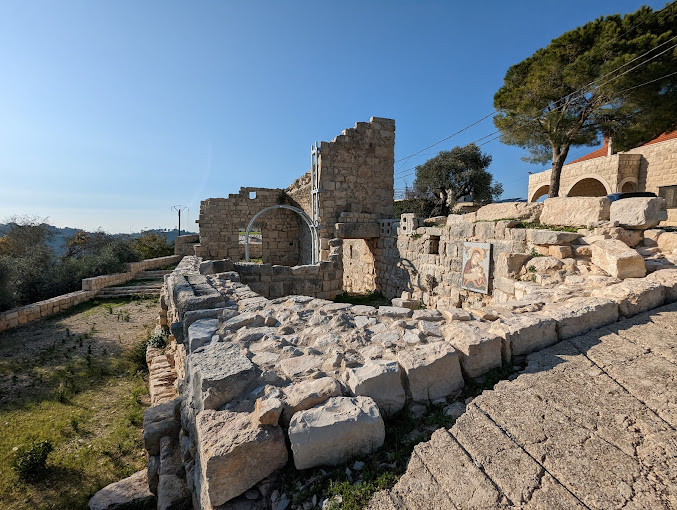
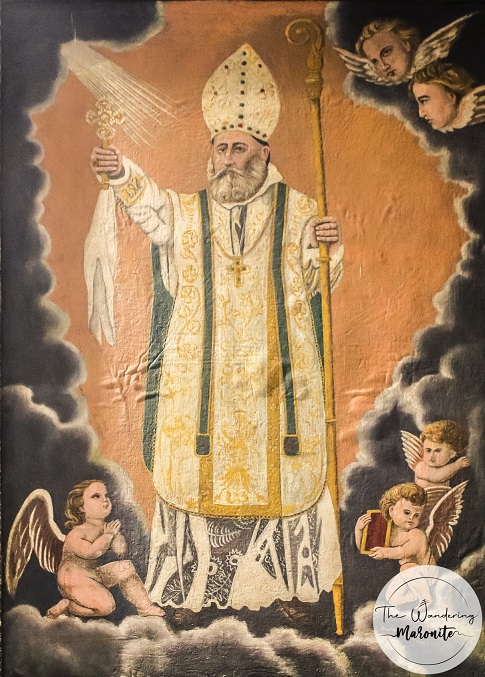
كنائس مار نقولا (مار زخيا) و سيّدة البزاز كابيلَّتان مُهدَّمتان متلاصقتان، تعودان للقرن الثاني عشر. رُمِّمتا مؤخرًّ, واحتفلت رعيّة مار تيودوروس بحديدات بتبريك واعلان انتهاء اعمال الترميم في عام ٢٠١٩. لوحة مار نقولا في كنيسة الرعيّة تعود للقرن التاسع عشر وهي من عمل الرسّام البولوني بول شلافاك.The chapels of St Nicholas (Zakhya) and our Lady of milk, are two adjacent medieval ruins of chapels dating back to the twelfth century. They were restored lately and reconsecrated in 2019. The painting of St Nicholas dates back to the ninetieth century and is the work of the polish painter Paul Shlavak
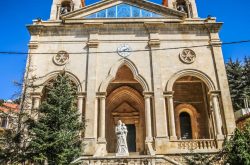
بُنيت هذه الكنيسة على أنقاض كنيسة أقدم تعود للقرن الثامن. بوشر البناء سنة ١٨٧٠ وتمّ سنة ١٩٢١ فكانت أكبر كنيسة في لبنان آنذاك. رُمّمت سنة ١٩٧٩ وأظهر الترميم العقد المصنوع من خشب الأرز. سنة ١٩٩٦ إستُقدمت الساعة من إيطاليا.
The church of Our Lady of Assumption - Tannourin el Fawqa
The church was built over an older church dating back to the VIIIth century. The construction began from 1870 until 1921, becoming the biggest church in Lebanon at that time. The church was restored in 1979 and the cedar wood roof was revealed. A bell tower imported from italy was added to the structure in 1996.
Saint Francis Convent Bed & Breakfast, ST Francis Street, Mina, Lebanon
دير مار فرنسيس الأسيزيّ
Mina N:1
Tripoli
North
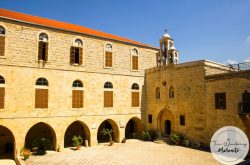
يعود وجود الفرنسيسكان حرّاس الأراضي المقدّسة في مدينة طرابلس الى القرن سنة ١٢١٧. أقاموا ديرهم الأوّل في هذه البقعة، وأعيد البناء مع الكنيسة سنة ١٨٦٠. رُمّم الدّير سنة ١٩٤٧ وبنيت شرفة فوق الكنيسة. كذلك بنيت مدرسة بقيت الى سنة ٢٠١٤. يقوم الدّير اليوم برسالة في قلب مدينة طرابلس مع كافة أطياف المجتمع المحليّ.
The Friary of St Francis of Assisi - El Mina Tripoli
The presence of the Franciscains Custodians of the Holy Land in Tripoli goes back to 1217. Their first friary was built on this site, and rebuilt in the current structure in 1860. The building was restored in 1947 and a balcony was added over the church. The friary housed a school that remained open until 2014. Today the friary is a Franciscan mission in the heart of Tripoli working with all the people of the local society.
يروي التقليد أنّ القدّيس يوحنّا مارون، بنى الدير على أنقاض بيتٍ سكنه العبّاد يوم سيم اسقفًا على البترون في العام ٦٧٦، ونقل إليه هامة مار مارون وسمّاه ريش موران أي رأس مارون، وجعله كرسيّه بعد انتخابه بطريركًا سنة ٦٨٥. أقام في الدّير، البطاركة الموارنة المتعاقبون إلى دانيال الشاماتي. آل الدّير إلى الخراب بعد أن دمّره يوسف سيفا سنة ١٦٣٤. أعاد بناؤه البطريرك يوسف أسطفان سنة ١٧٨٧ وكرّسه على إسم مار يوحنّا مارون، وجعل فيه مدرسةً لتعليم الأحداث ما لبثت أن تحوّلت لإكليريكيّة سنة ١٨١٨ بأمر البطريرك يوحنّا الحلو. الديّر اليوم كرسيّ أساقفة البترون، وهو الشاهد على تاريخ الموارنة في لبنان.
The monastery of St John Maroun - Kfarhay
According to tradition, St John Maroun built the first monastery when he was the bishop of Batroun in 676 over a hermitage, and brought to it the holy relic of the forehead of St Maroun and named it Rish Moran or the head of St Maroun. He made the monastery his patriarcal seat when he was elected in 685. The succeeding patriarchs lived in the monastery until Daniel el Shamaty. The monastery was destroyed by Youssef Sayfa in 1634. Patriarch Youssef Estfen rebuilt it with a school and consecrated it to St John Maroun, the school was transformed into a seminary in 1818 by a decree of Patriarch Youhanna el Helo. The monastery is now the seat of the bishops of Batroun, and the witness to the Maronite history.




Reviews are disabled, but trackbacks and pingbacks are open.