
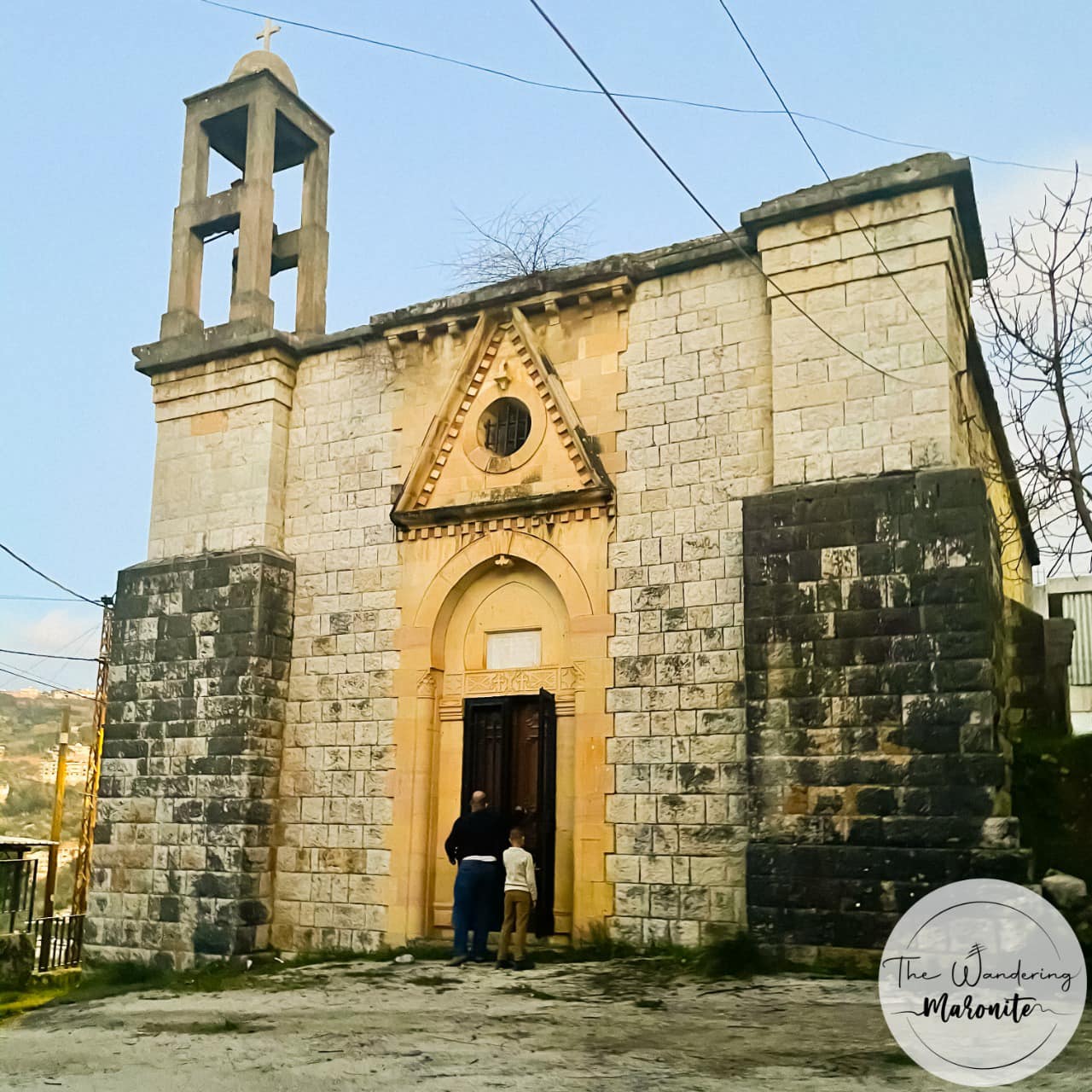
Hasbaya – The church of St George

Hasbaiyya, Lebanon

Other Details

كنيسة مار جرجس

Hasbaiya

Hasbaya

Nabatieh

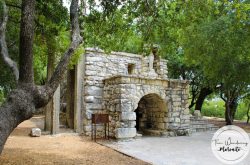
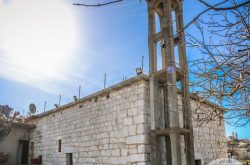
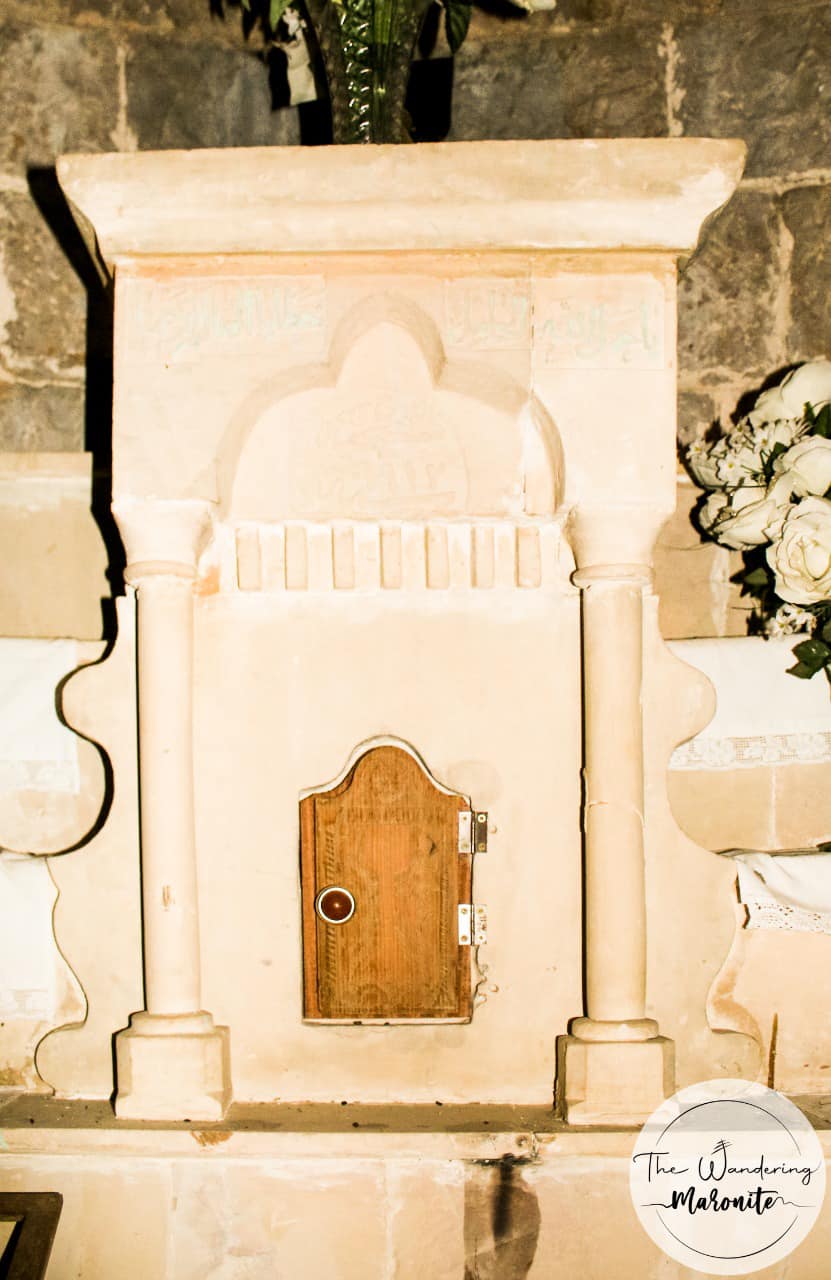
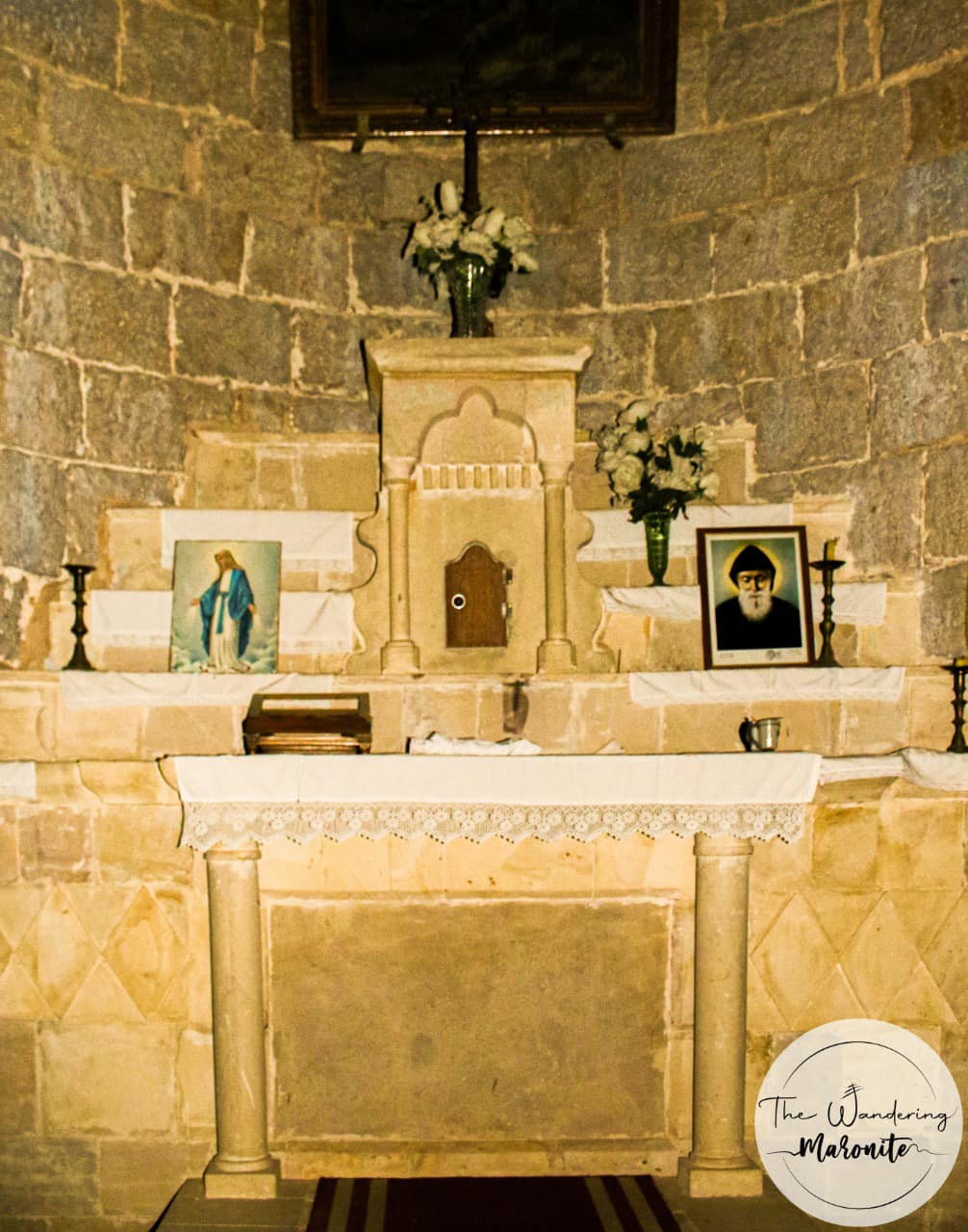
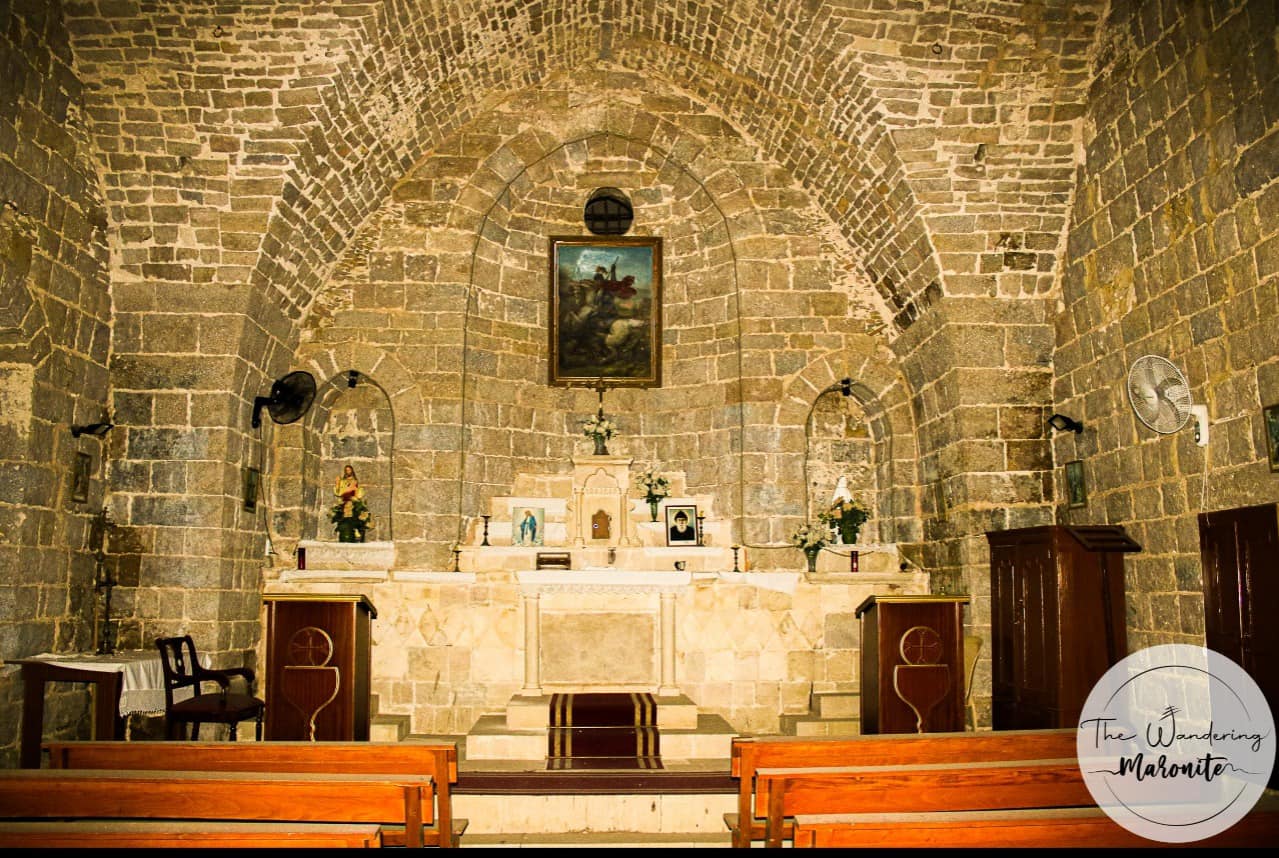
كنيسة مار جرجس - حاصبيّابُنبيت الكنيسة الأولى أوائل القرن التاسع عشر، وأُعيد بناء الحاليّة سنة ١٩١٠. الكنيسة كناية عن عقدٍ مُصالبٍ ينتهي بحنية نصف دائريّة. مذبح الكنيسة من الحجر الأصفر مبنيّ سنة ١٩١٢. بعد الحرب الأهليّة اللبنانيّة نزح القسم الأكبر من مسيحيّي البلدة فأصبحت الكنيسة شبه مهجورة. زارها غبطة البطريرك مار بشارة بطرس الراعي صيف سنة ٢٠١١.The church of St George - HasbayaThe first church was built in the early XIXth century, and rebuilt in 1910. The structure consists of a crossed vault ending with a semi circular apse. The altar is made of a local yellow limestone in 1912. After the civil war the town’s maronite population left in great numbers and the church became partially abandoned. The Patriarch Bechara el Rai visited the church in the summer of 2011.

Visited 6474 times, 1 Visit today

Reviews are disabled, but trackbacks and pingbacks are open.

Related Listings

Bickfaya – St George’s church

Saint Georges - grecs catholiques, Ain El Rihane, Lebanon

كنيسة مار جرجس

Bickfaya

Metn

Mount Lebanon

كنيسة مار جاورجيوس - المحيدثة بكفيّا

تسلّمت الرهبانيّة الباسيليّة الشويريّة حجّة عام ١٧٢٦ لبناء كنيسة على إسم مار جرجس للروم الملكييّن الكاثوليك فشرعت بالبناء، وشهدت مراحل ترميم وتوسعة عام ١٩٠٠ و٢٠١١. تتميّز الكنيسة بالإيقونات المقدسيّة والبلديّة التي تعود للنصف الثاني من القرن الثامن عشر.
تخدم كنيسة مار جرجس كلّ أبناء المنطقة وهي أمّ الرعايا الملكيّة والأقدم بينها.

St George’s church - El Mhaydse Bikfaya

The Bassilian Choueirite order received permission to build a church in Bikfaya in 1726, and decided to dedicate the new church to St George. The church underwent major restorations in 1900 and 2011. The church holds a collection of icons from the School of Jerusalem and some other local icons. The icons date back to the XVIIIth century. The church is the mother parish of all the Melkites in the region.

Ashkout – The monastery of Sts Peter and Paul

Aachqout, Lebanon

دير مار بطرس وبولس

Aachqout

Keserwan

Mount Lebanon

دير مار بطرس وبولس - عشقوت

بنى البطريرك بولس مسعد الدّير في النصف الثاني من القرن التاسع عشر، وجعله مركزًا بطريركيًّا له إبّان حبريته. استقدم للكنيسة تمثالين رخاميّين والأواني من روما، مع مجموعة من اللوحات الصغيرة. أمّا اللوحة الكبيرة فوق المذبح وسط الكنيسة، فهي من عمل داود القرم. بعد وفاته، دُفن البطريرك في الكنيسة، وأوقف الدّير لعائلة مسعد. تحوّل في فترةٍ من الزمن إلى مدرسة، والآن يخوض عمليّة ترميم لإبراز قيمته التاريخيّة.

The monastery of Sts Peter and Paul - Ashkout

The monastery was built in the second part of the XIXth century by patriarch Boulos Massaad, and he resided in it during his pontificate. The patriarch acquired for the church two roman marble statues of Sts Peter and Paul, and many paintings. The great painting over the high altar is by Dawoud El Qorm. After the death of the patriarch the monastery became in the possession of the Masaad family, it was converted into a school for a while and now it is undergoing a restoration plan to bring out the historical value of the place.

Sarba – The Shrine of St George El Batyeh

Saint George Shrine, Sarba, Lebanon

مزار مار جرجس الباطية

Jounieh Sarba

Keserwan

Mount Lebanon

مزار مار جرجس الباطية - صربا

في أسفل الشير الصخري عند شاطىء صربا توجد مغارة طبيعية تعرف بـ"الباطية" وهي تعني "إناء للماء"، إذ تتضمّن المغارة حوضًا صخريًّ تملأه مياه البحر المحاذي للموقع.
فوق المغارة كان يوجد في السابق معبد قديم مكرّس لعبادة البعل. لقد شيّد المسيحيّون في الموقع كنيسةً كبيرةً كانت قد فُرشت أرضيتها بفسيفساء جميلة لم يبق منها سوى بعض الأجزاء. ومن ثم استُبدلت هذه العادات والتقاليد برموز مسيحيّة، فتحوّل الموقع إلى مزار للقديس جرجس، وأصبح السكان المحليّون يقصدون الموقع ويقدمون النذور للقديس جرجس لشفاء الأطفال من الأمراض المستعصية والنساء من مشاكل العقم.

The Shrine of St George El Batyeh - Sarba

Under a huge limestone cliff on the coast of Sarba there is a natural cave known as el Batyeh (meaning the water vessel) because it retains water from the neighboring sea. Over the cave, the Phoenicians erected a temple for Baal, that early christians converted to a church with mosaic flooring. Some of the mosaics are still visible. After the paleochristian era, the local pilgrimage and vitive customs attributed to the site were converted. The shrine was dedicated to St George, with an emergence of votive pilgrimage piety surrounding the place.