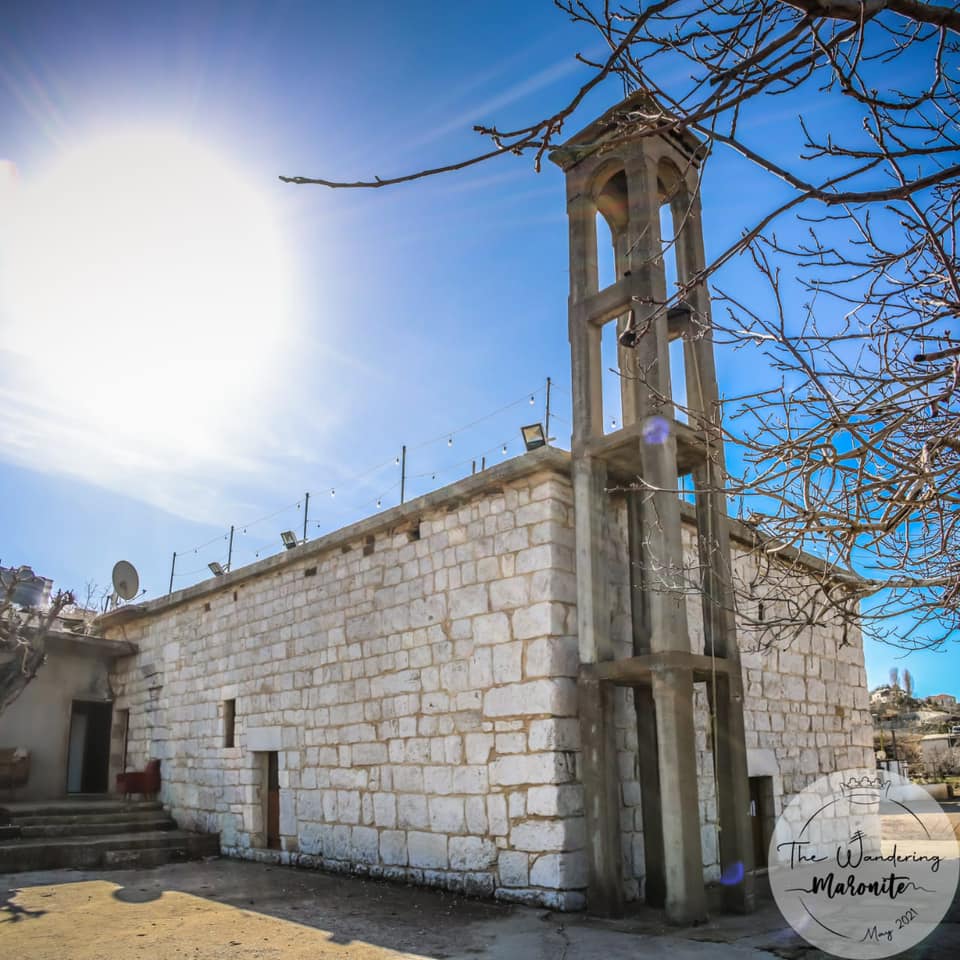
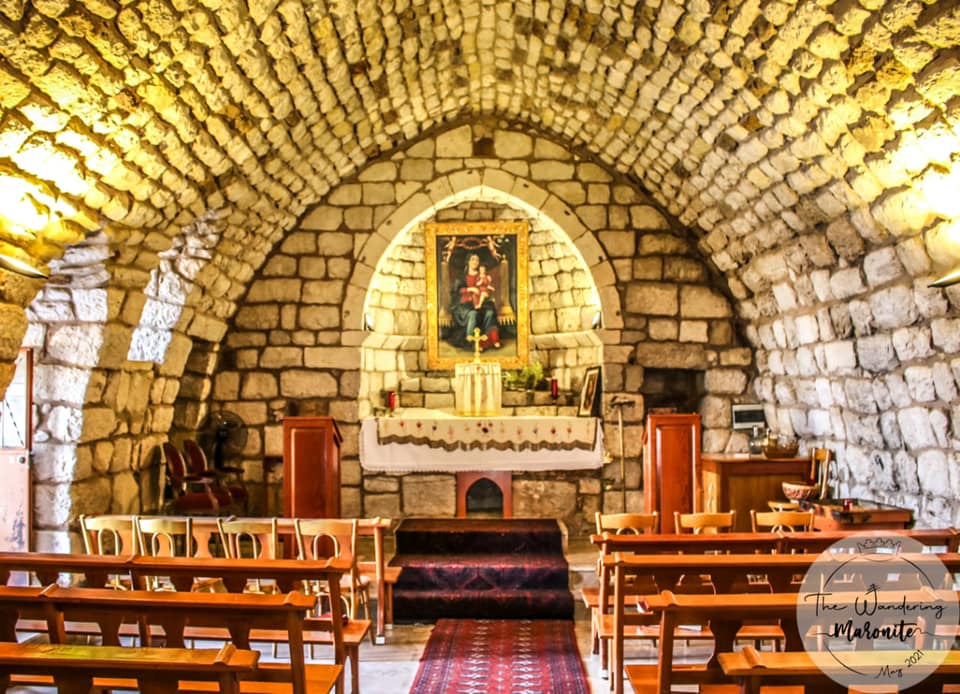
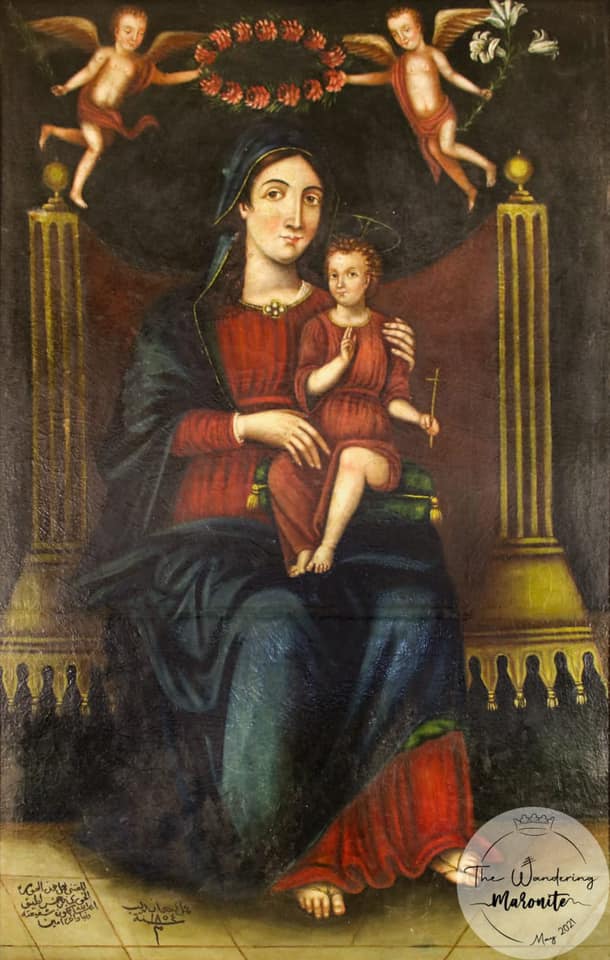
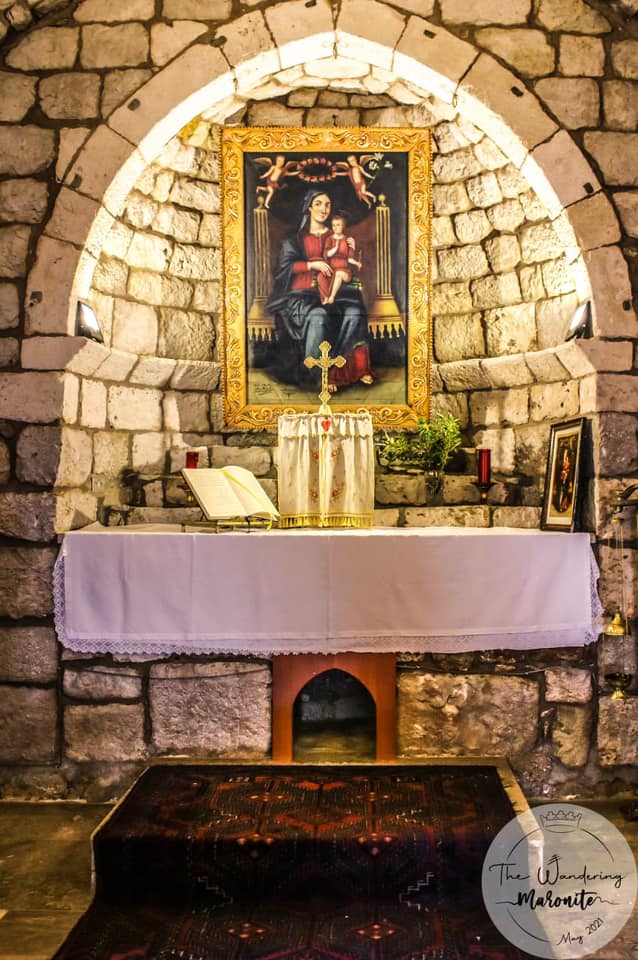
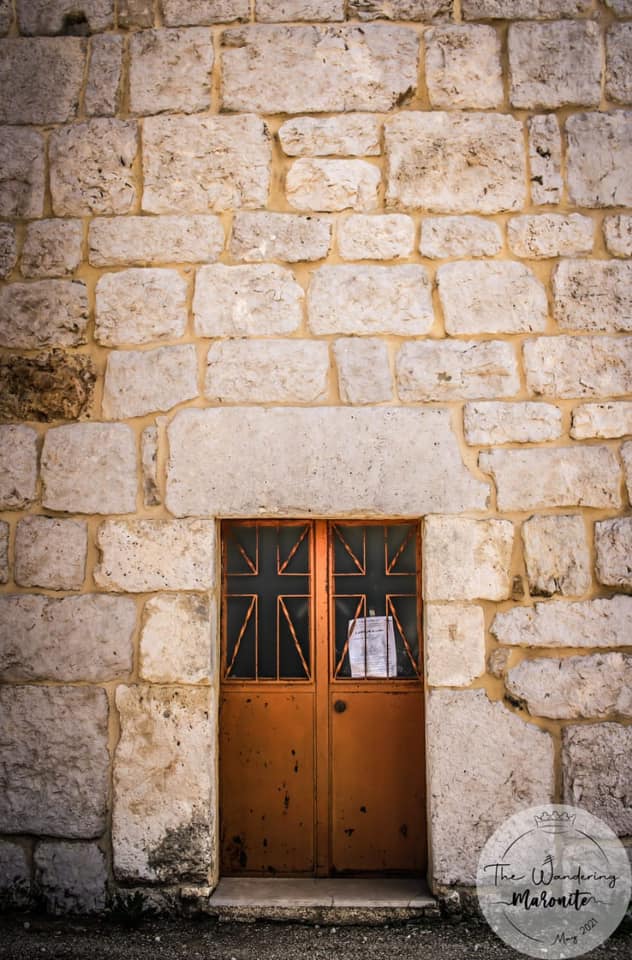
كنيسة سيّدة النجاة - عين شقيق وطى الجوزيعود تاريخ البناء إلى العام ١٧٠٦، تزامنًا مع عودة الموارنة التدريجيّة إلى أرضهم التي كانوا هُجِّروا منها بعد حملة المماليك. وقد بُنِيَت في أرض الشيخين حصن وصخر ولدا الشيخ ابو قانصوه فيّاض الخازن من غوسطا، لذلك تُعرَف بـ "عين شقيق". سكن الدير أوّلاً الرهبان الأنطونيّون سنة ١٧٢٠ الى سنة ١٧٣٩ بعدهم الرهبان الأرمن عام ١٧٥٠ ولكنّهم ما لبثوا أن تركوها بعد مدّة وجيزة. عقد فيها مجمع عين شقيق، سنة ١٧٨٦ عقب المجمع اللبنانيّ، أيّام البطريرك يوسف اسطفان، ومن أبرز المواضيع التي تداولها اعتماد دير بكركي مقرًّا للبطريركيّة، والتنسيق بين الأساقفة والأعيان ودور كلّ منهما في الأبرشيّة. كما وطرح قضيّة الراهبة هنديّة عجيمي التي حُرِمَت فيما بعد. وثبّت آباء المجمع عيد مار يوحنّا مارون، في اليوم الثاني من شهر آذار وكان يُحتَفَل به آنفًا في التاسع من شباط مع مار مارون. اختتم المجمع أعماله على عجل يوم الإثنين ١١ أيلول، بسبب وفاة المطران أرسانيوس شكري. اليوم، لم يبقَ من الدير سوى غرفتَين متلاصقتين بالكنيسة، وجدران غرفة ثالثة منفصلة. أمّا صورة السيّدة فهي بريشة كنعان ديب الدلبتاوي، قدّمها الخوري جرجس لطيف عام ١٨٥٤.The church of Our Lady of Deliverance - Ain shqaiq Wata el JawzThe church dates back to 1706, recurring with the Maronite’s return to there ancestral lands after the Mamluk’s campaign. The church was built in the land of the two lords brothers Hosn and Sakher sons of Abu Qanso Fayad el Khazen from Ghosta, hence the name Ain Shqaiq (brothers in arabic). The complex was inhabited first by the Antonine monks from 1720 to 1739 and for a short period by the Armenian monks in 1750. In this church was held the council of Ain Shqaiq in 1786, during the pontificate of Patriarch Youssef Estefan. The council decreed that the patriarchal residence should be in Bkerke, the nature of the relations between the bishops and the lords, the case of nun Hindye Ajaimy later excommunicated, and it appointed the feast day of St John Maroun on 2 March (it used to be celebrated on the same day as St Maroun.) The council came abruptly to an end on the 11th of September due to the death of bishop Arsanios Shekry. Today all what remains of the complex are two rooms adjacent to the church. The painting of the Madonna is by Kanaan Dib donated by Fr Gerges Lteif in 1854.
طحنيش بنى الموارنة الكنيسة مع قدومهم إلى البلدة سنة ١٧٠٥، وهي أقدم كنيسة مارونيّة في البقاع الغربيّ. الكنيسة صغيرة كناية عن سوقٍ واحد مسقوفة. سقف الكنيسة بغداديّ. تحوي الكنيسة على لوحةٍ للسيّدة منقولة عن موريللو تعود لأربعينات القرن العشرين. مع بداية القرن الحاليّ رُمّمت الكنيسة ورُسم على السقف لوحات تجريديّة.
The church of Our Lady of Assumption - Deir Tahnish
The maronites built the church in 1705 when they came to the village. It is the oldest maronite church in the West Bekaa region. The structure consists of a small single roofed nave. The church holds a painting copied from Murillo’s Immaculate conception dating back to the forties. The church was renovated in the last decade and the roof was decorated with abstract frescoes.
Notre Dame de l'Annonciation, Sahel Aalma, Lebanon
دير سيّدة البشارة بقلوش
Sahel Aalma
Keserwan
Mount Lebanon
دير سيّدة البشارة بقلوش - ساحل علما
يَعود إنشاء الدّير الى العام ١٧٨٠، يوم أوقَفَ الشَيخ ميلان ضِرغام الخازن، كُلَّ ما يَملُكَه لإنشاء دير تمّ بناؤه سنة ١٧٨٣. إتَخَذَه المُطران أنطون الخازن، مقراً لأبرَشيَّة بَعلبك. عام ١٨١٨، خُصِّصَ الدّير للراهِبات المُحَصَّنات، من جُملة الأديرة السِتّة التي خُصِّصَت للنِساء، ضِمن مُقَرَّرات مَجمَع اللويزة. وبَعدَ إنحِسار الدَعَوات النِسائية، هُجِرَ الدّير، وتَداعَت أبنيته، ولم يَبقَ مِنه إلا كَنيسته المَعقودة، التي ما زالت قائمة لتاريخه. تحوي الكنيسة لوحة صفدٍ مقدسيّة وبعض الأيقونات المحلية ولوحة البشارة، مع صلبوت (مجسّم للمصلوب) لرتبة السجدة. تضمّ الكنيسة مدفن المثلث الرحمات المطران أنطون نوفل حصن الخازن.
The Monastery of the Annunciation Baqloush - Sahel Alma
The construction of the monastery began in 1780 when Sheikh Milan Dergham el Khazen gave his possessions to build a monastery that was completed in 1783. Bishop Antoun el Khazen made it the episcopal residence of the bishops of Baalbeck. In 1818 the monastery was made one of the six nunneries for the contemplative maronite nuns by decree of the council of Louaizeh. The monastery fell into ruins after the nuns left, and only the church remained. The vaulted church holds a mother of peral inlayed icon with an agonizing crucifix, local icons and the painting of the Annunciation. The church also holds the sarcophagus of bishop Antoun Naufal el Khazen.
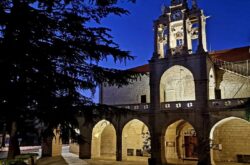
Saint Abda Church، Antelias - Bikfaiya Road, Lebanon
مار عبدا - بكفيا
1587
Bickfaya
Metn
Mount Lebanon
The Life of Mar Abda Mar Abda was born in Persia (1) in the first generation after Christ. Judas – the disciple – baptized him and bestowed priesthood upon him then raised him to bishop over the city of Babel. He preached the faith of Christ and baptized those turning to Christianity and bestowed priesthood in every country he crossed. Some of his miracles include healing the sick and the blind and expelling devils. He walked over the water of the "Big River " with two of his disciples. He was martyrized by decapitation in the city of Noa on the Indian border with seven priests and nine virgins of his disciples. After his martyrdom he became the intercessor of barren women and the guardian of children and Christian families as well as other families (1) The Syriac church spread from Persia till the Mediterranean and was divided to Eastern and Western. The followers of this church used to move from one area to another carrying with them the saints they worshiped. Some of them carried with them the worship of Mar Abda to our area.
The Ancient History of Bikfaya The name of the town comes from Armaic Syriac origin ( Beit Kfeya) the stone house – that is consecrated to worship the God "Kifa". Church historian, the German historian Roehinger, proved that the Christian peoples – later known as al-Marada have dwelled in this area and built BasKinta, Bikfaya, and Bhersaf starting at around the year 679 – short time before building Ehden in north Lebanon. Historians mention as well that Bikfaya and Bhersaf were the headquarters of the Maronite Emirs and Bishops starting from the 7th Century A.D. and the most distinguished of these was Emir Semaan who resided in Bhersaf in the 11 th Century . The residents of the old Kesrwan ( which included at the time the Metn area and its surroundings ) supported the Crusaders who stayed in this country from 1098 till 1291. When the Crusaders withdrew from these lands, the Arabs led their first Mamluk campaign in revenge under the leadership of prince Pedra in 1292. However, these harsh mountains proved resistant to Mamluk soldiers who led a second campaign in 1293 which ended in the death of their leader and the slaughter of most of their soldiers. The Marada victories filled the Mamluk with hatred. They gathered an army of fifthy thousand warriors who attacked Kesrwan in 1305. They destroyed villages, burned temples, cut trees and wiped out all traces of construction and also killed everyone they could lay hands on. Only a few of the residents of these areas survived and wandered in the mountains of North Lebanon. As such , Bikfaya and its surroundings remained uninhabited until the 16th century.
Bikfaya during the era of the Assafiyeen Emirs Feudalism in the Mamluk era was granted by the sultan in return for military services provided by individuals to the state. The Mamluk granted the Turkuman ( known as Assafiyeen ) control over the north ( Lubnan Fi al-Tarikh- Dr Philip Hitty- Dar al –Thakafa- Beirut ,1959 ) with the mission to safeguard the shoreline against intrusion by occidentals and early natives. The Assafiyeen inhabited areas they called after their notables and then moved to Ghazir. During the era of prince Mansour al-Assafy , with security spreading in the Kesrwan area, some members of the Bikfaya families- who had survived in 1305-started to return to their hometown in 1540 (Sheikh Edmond Bleybel ) . It seems that prince Mansour decided to befriend the Christians after destroying the Shiites in his area who had plotted to kill him .The Gemayels came from Jaj in 1545 and met him. He honored them and granted them control over Bikfaya and its northem suburbs and sent them immediately to it. It is told that the Gemayels came to Bikfaya carrying the picture of Mar abda. With them came to Mhaidseh the Maalouf family and the two families became even closer when a member of the Maalouf family ( today known as klink ) married the sister of father Antoun Gemayel and was blessed with two children one of whom became a priest. In 1587 father Antoun sought to build a church in Bikfaya, so he donated one thousand Kobrosy to this cause. However , this sum was not enough and the number of inhabitants of Bikfaya was little, so father Antoun resorted to his brother-in-law and nephew for help and unified the efforts of the two towns and implemented his project next to an old oak tree. The tree is estimated to be around 1000 years old and its trunk still remains visible until our present day. Antoun set in the south-eastern side of the church an altar in the name of Mar Abda for the Maronites an another in the north –eastern side in the name of Our Lady for the Greek Orthodox (Bleybel). Dweihy says in his book: the history of the Maronites page 181 :…and in the year 1587 (996H) father Antoun of Gemayel family built the church of Mar Abda in the village of Bikfaya and had it illustrated by Elias al-Hasrouny. He spent on it 1000 Kobrosy in addition to donations by the residents of Bikfaya and other philanthropists… then Patriarch Sarkis followed in the steps of his predecessors and raised father Antoun to Archbishop as a reward for his efforts.



Reviews are disabled, but trackbacks and pingbacks are open.