
Sereel – The church of St Michael

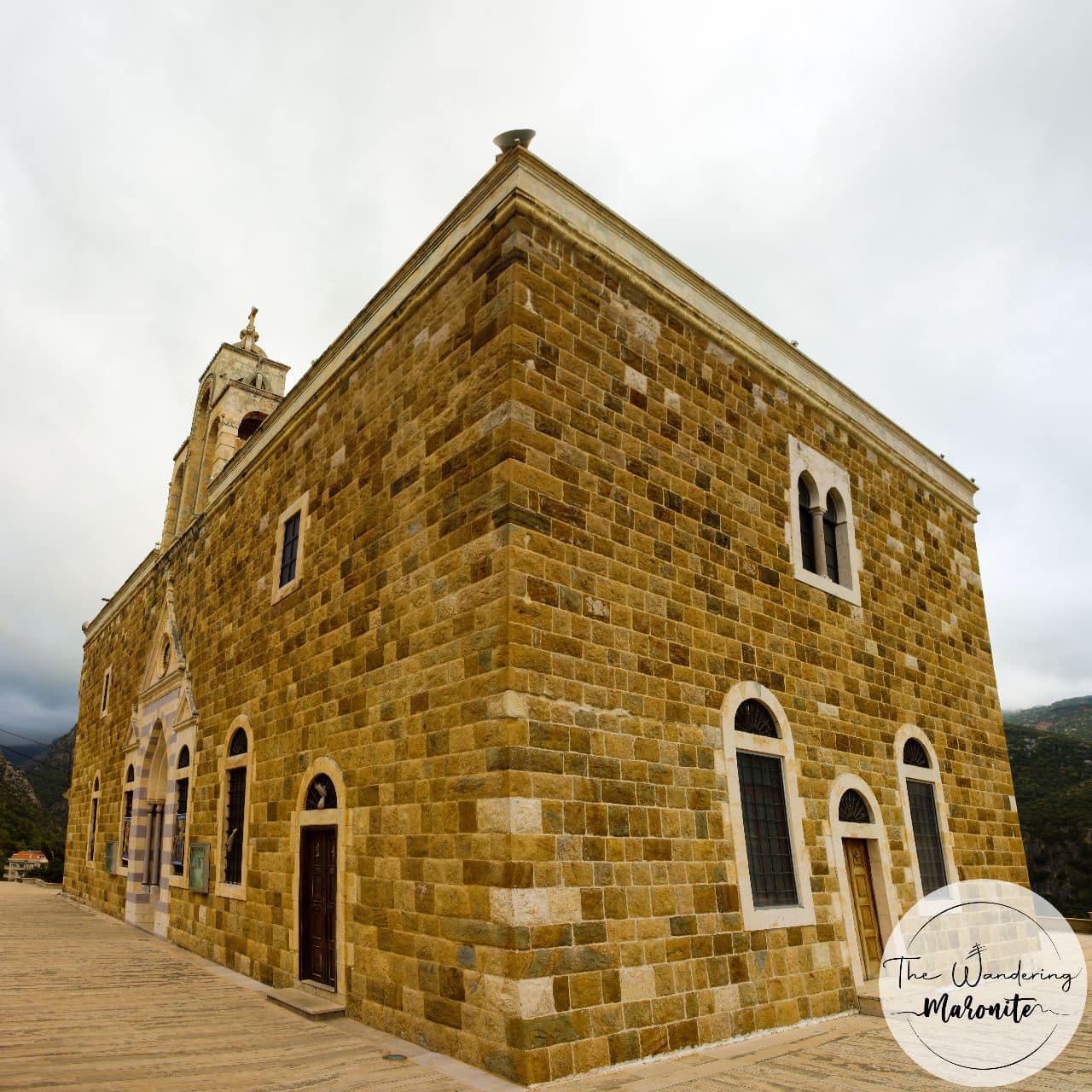
Mar Mikhael - Church, Seraal, Lebanon

Other Details

كنيسة مار ميخائيل

Seraal

Zgharta

North

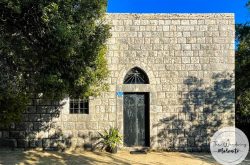
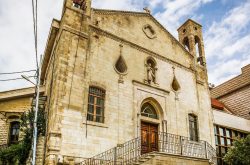
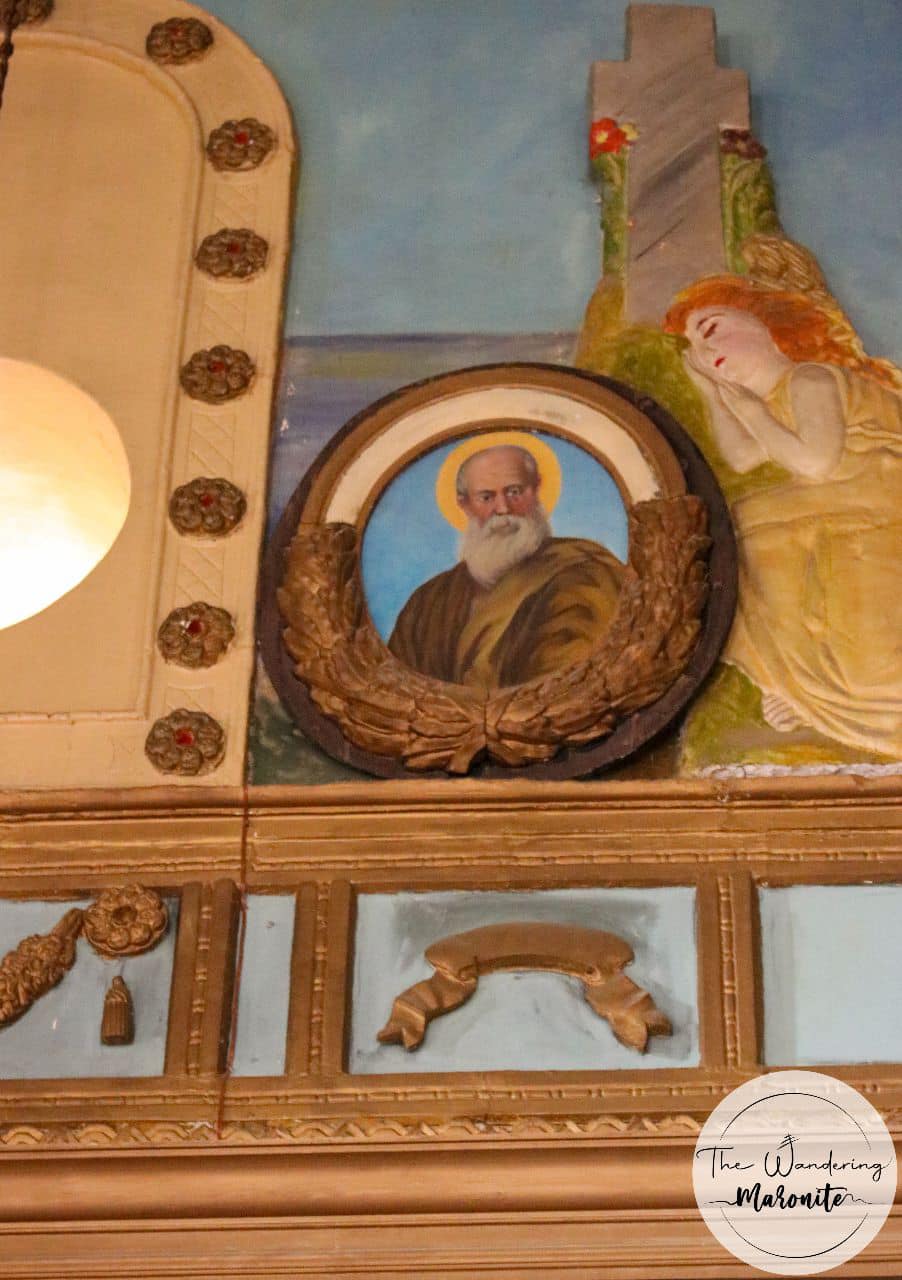
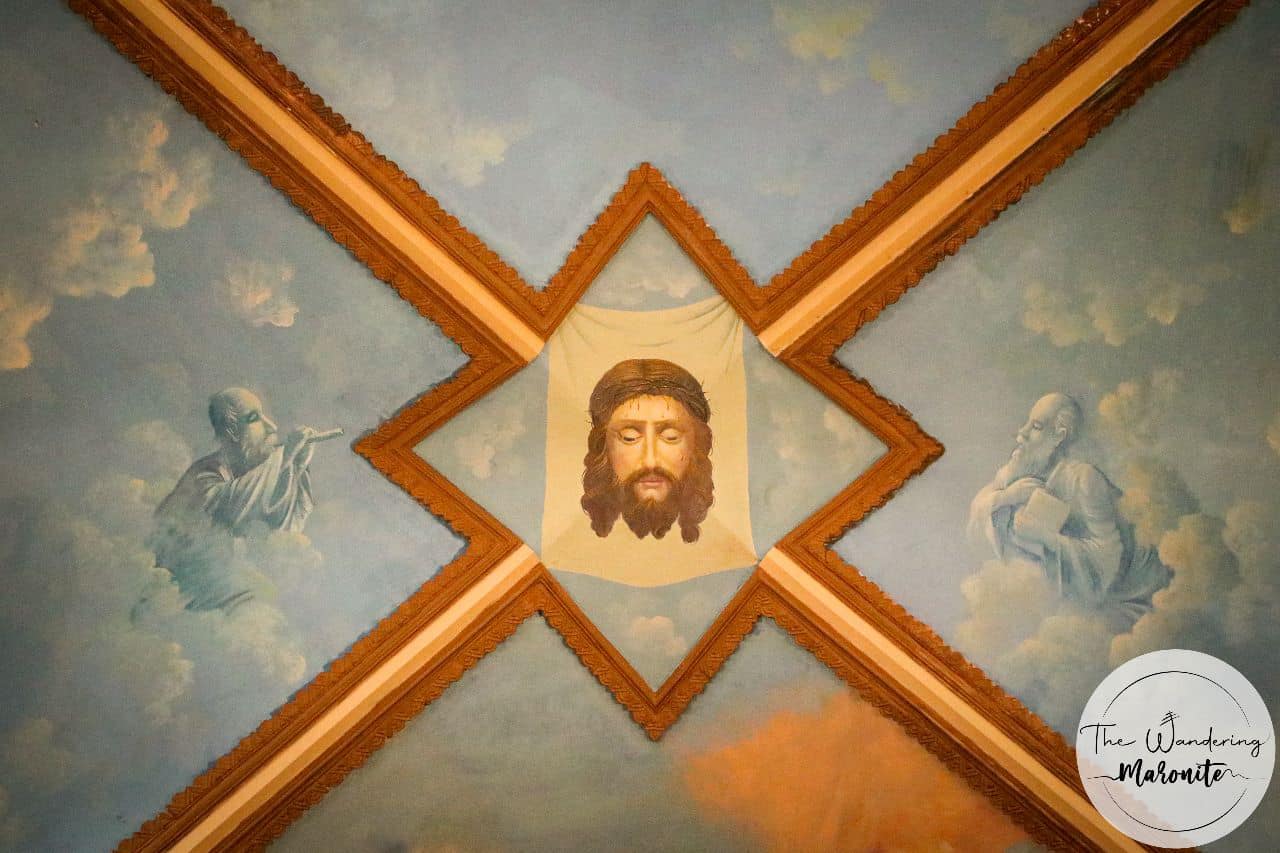
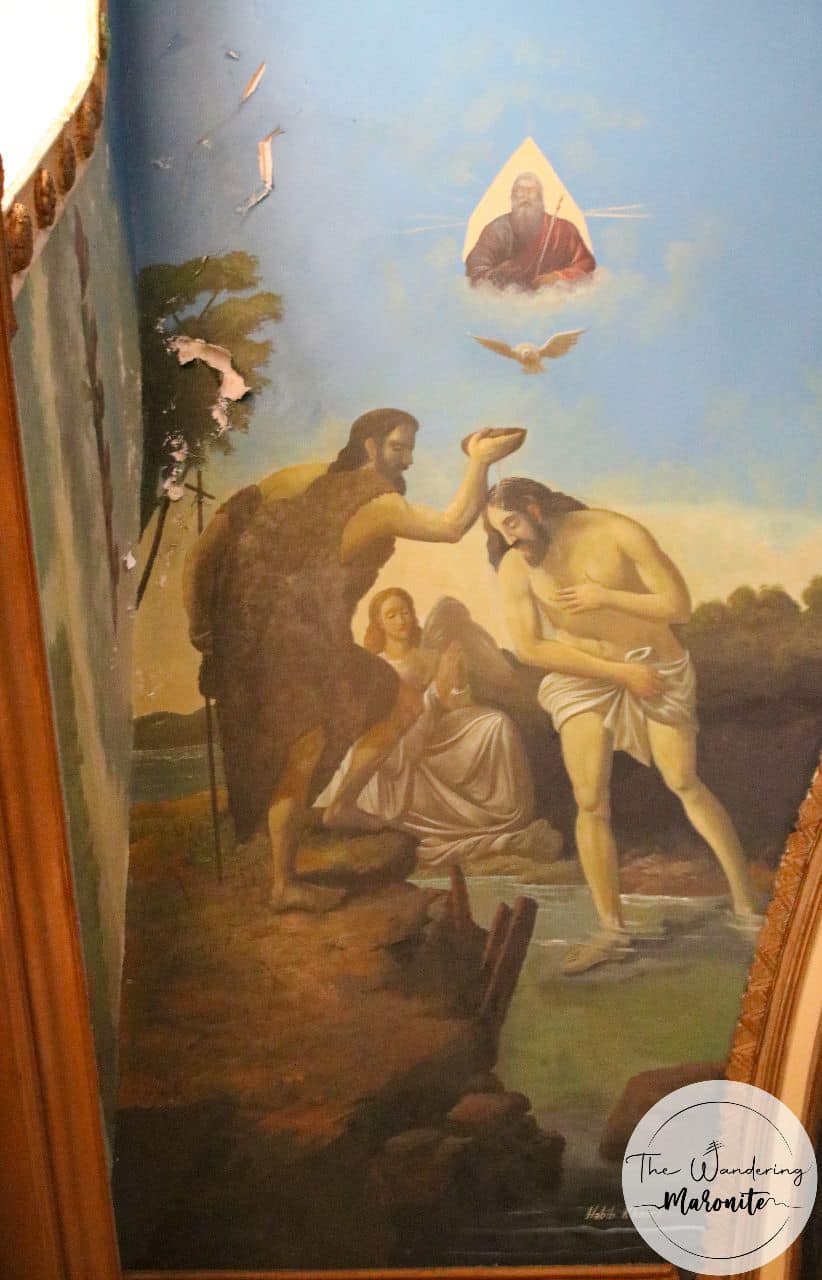
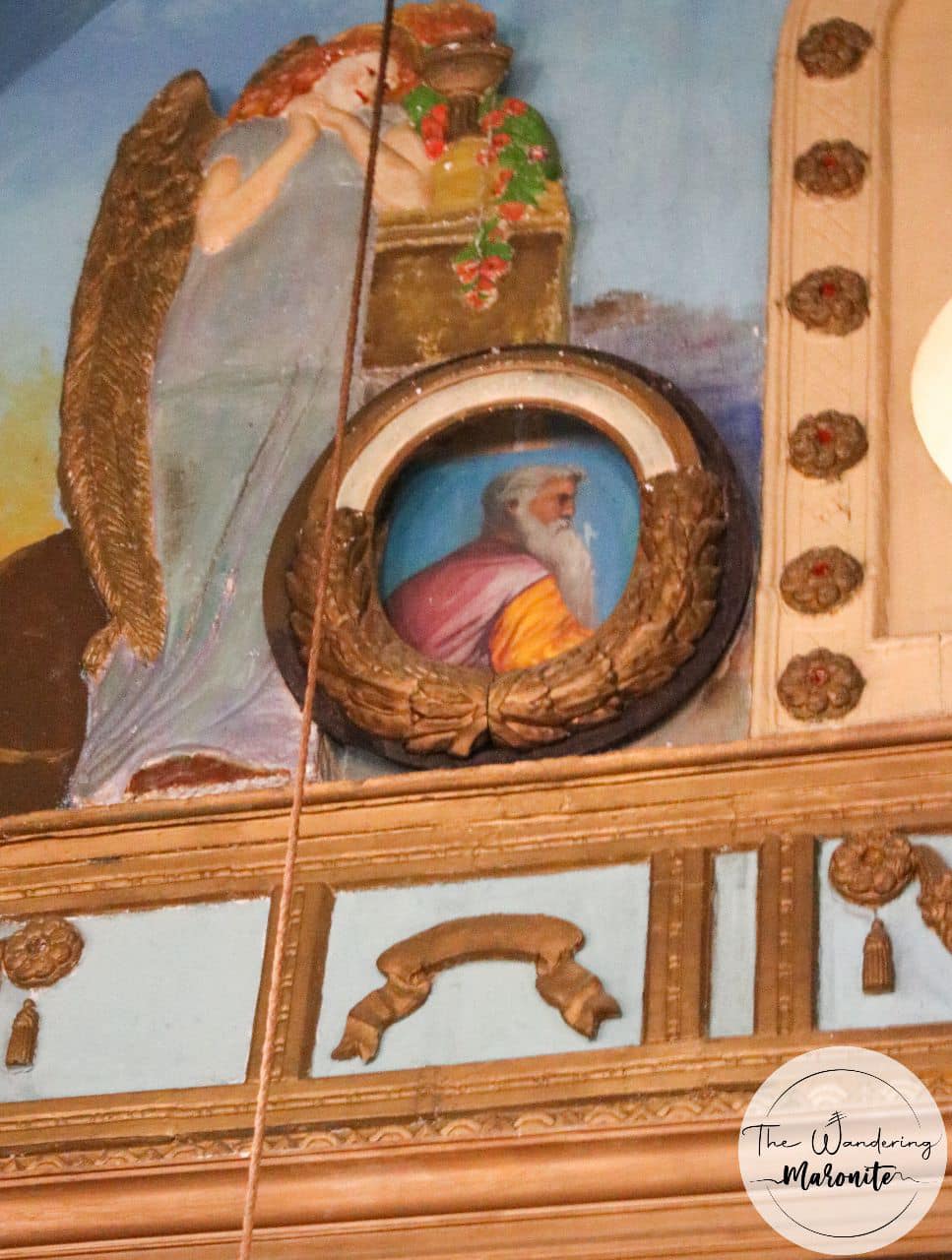
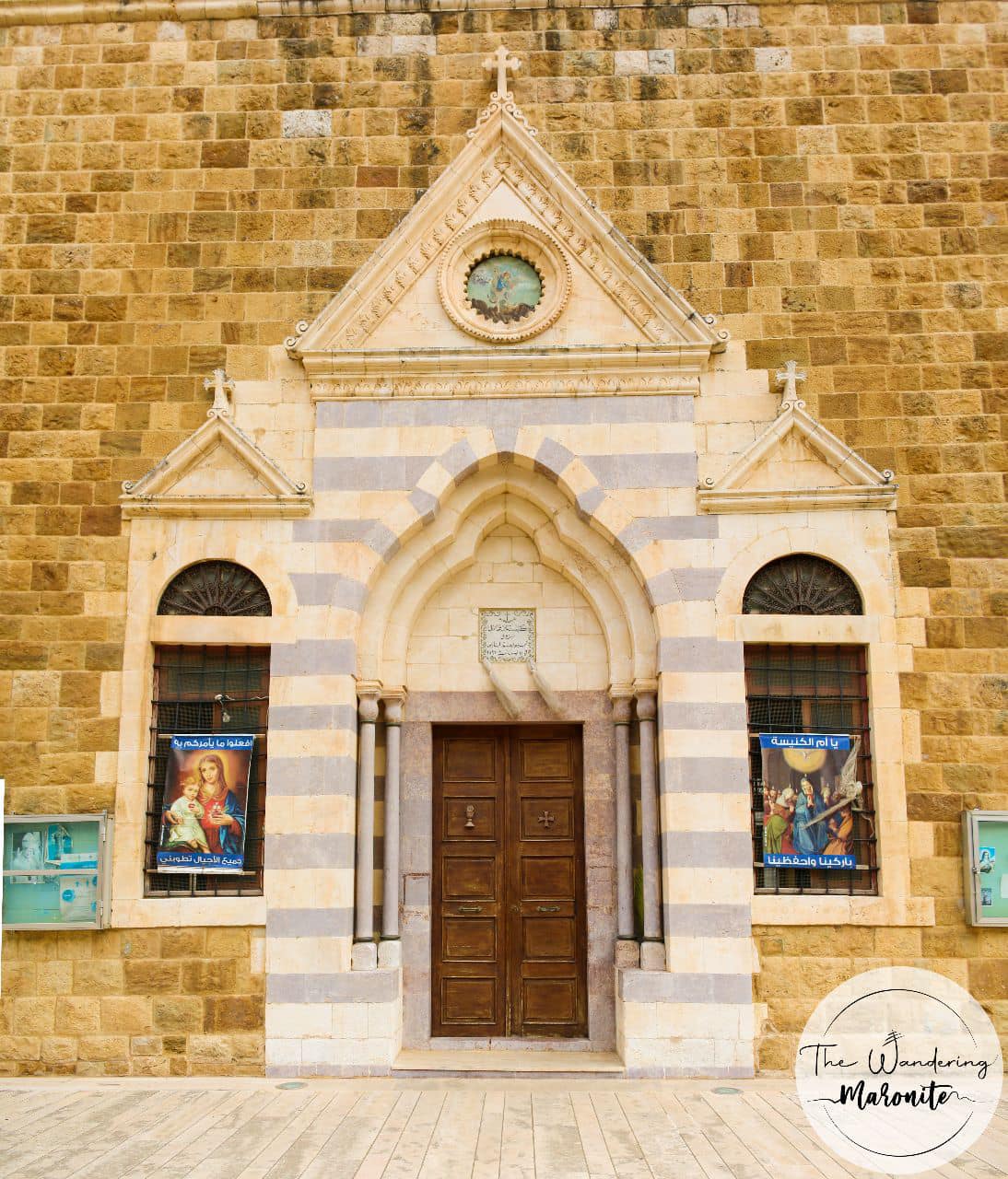
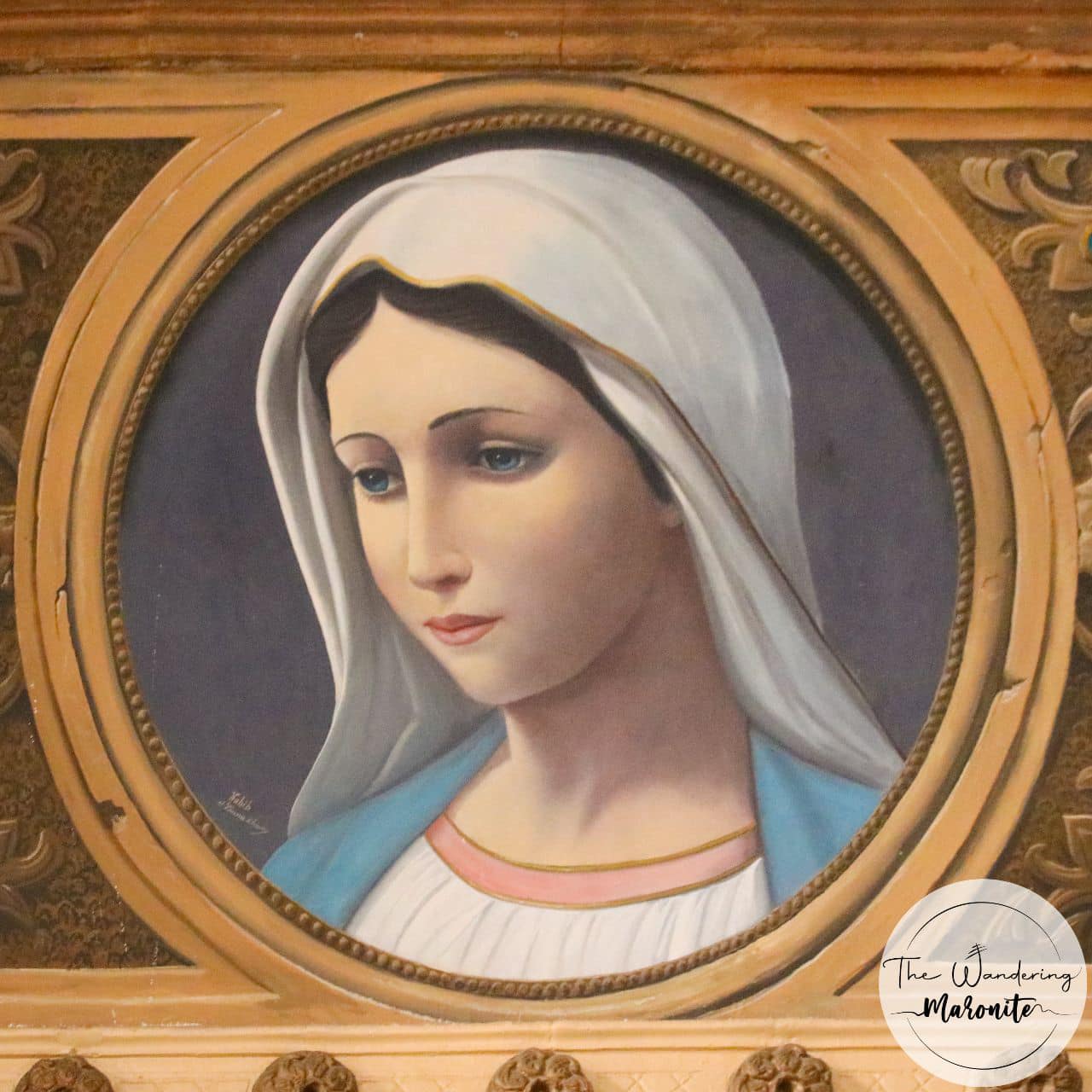
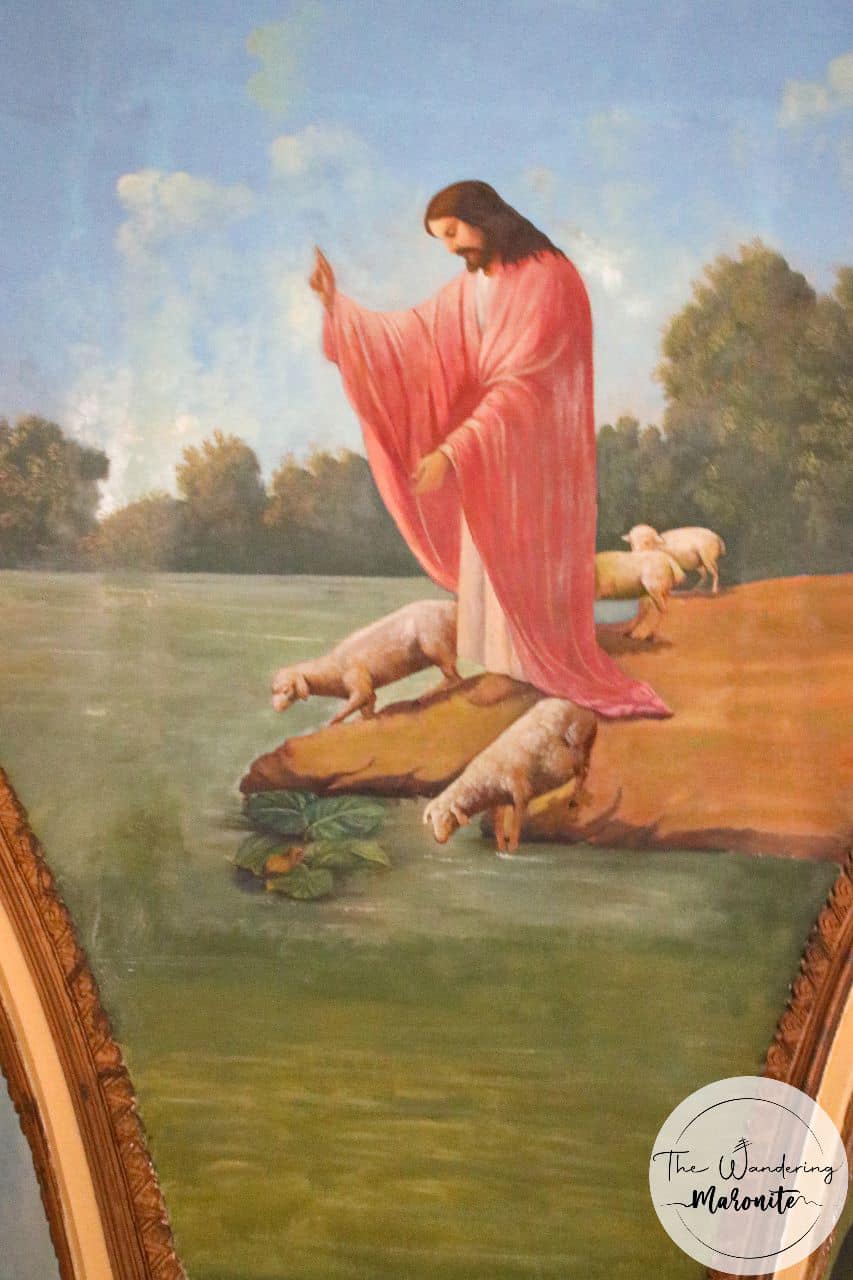
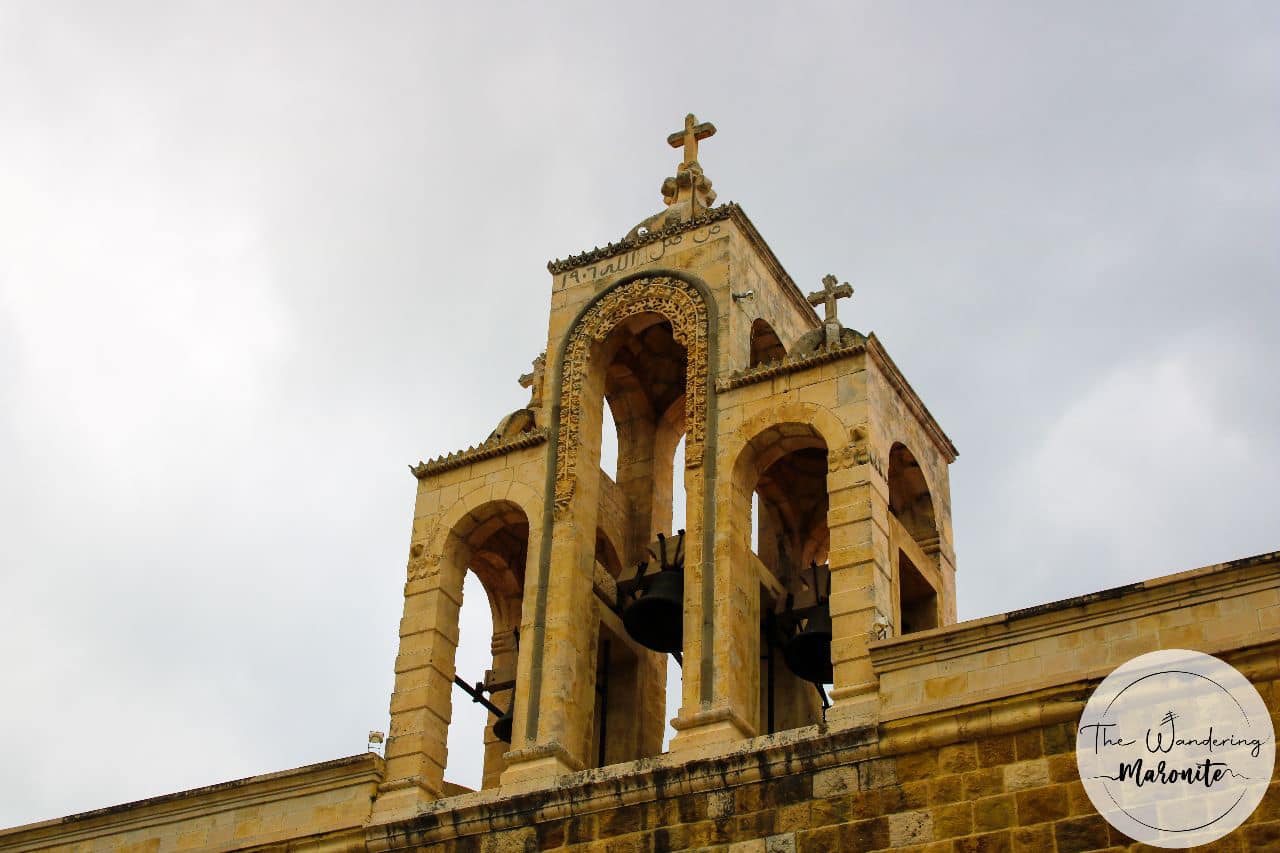
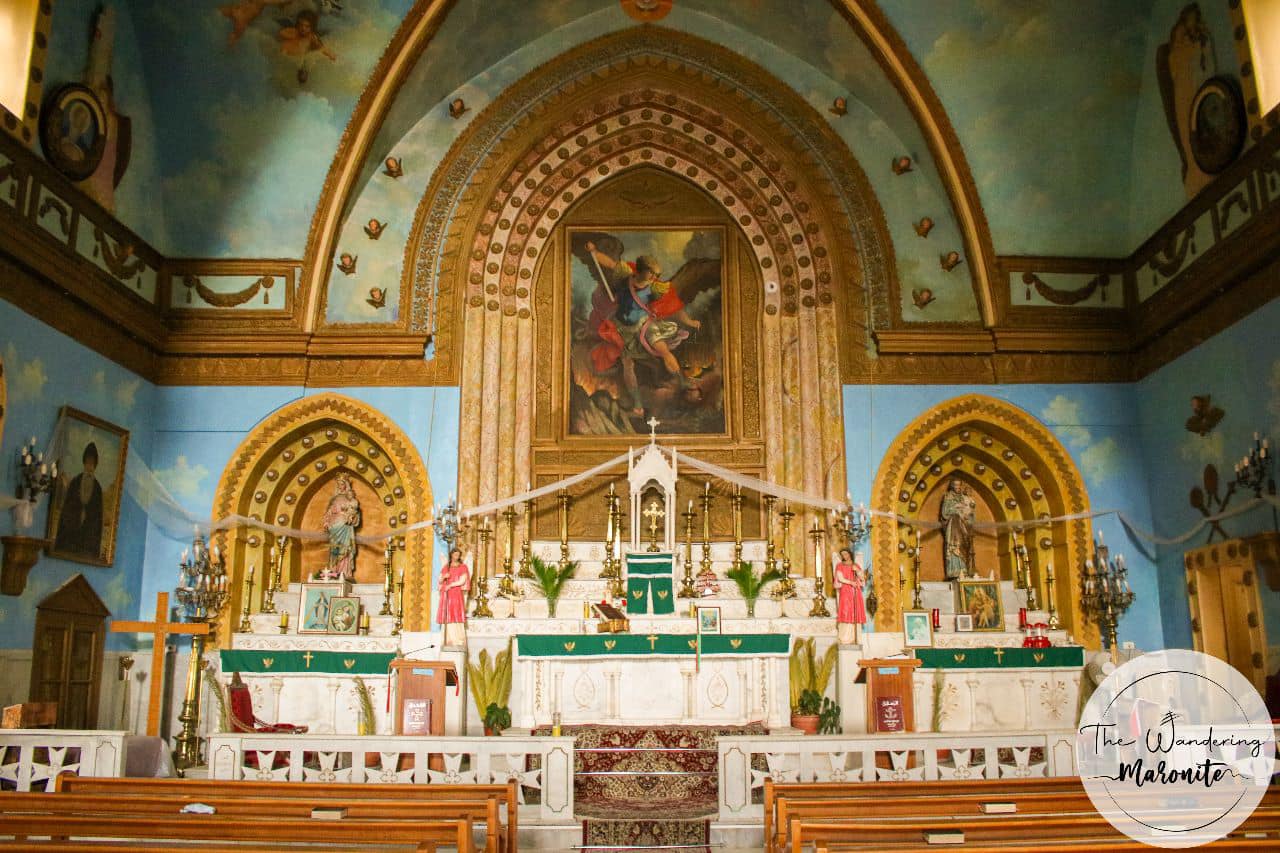
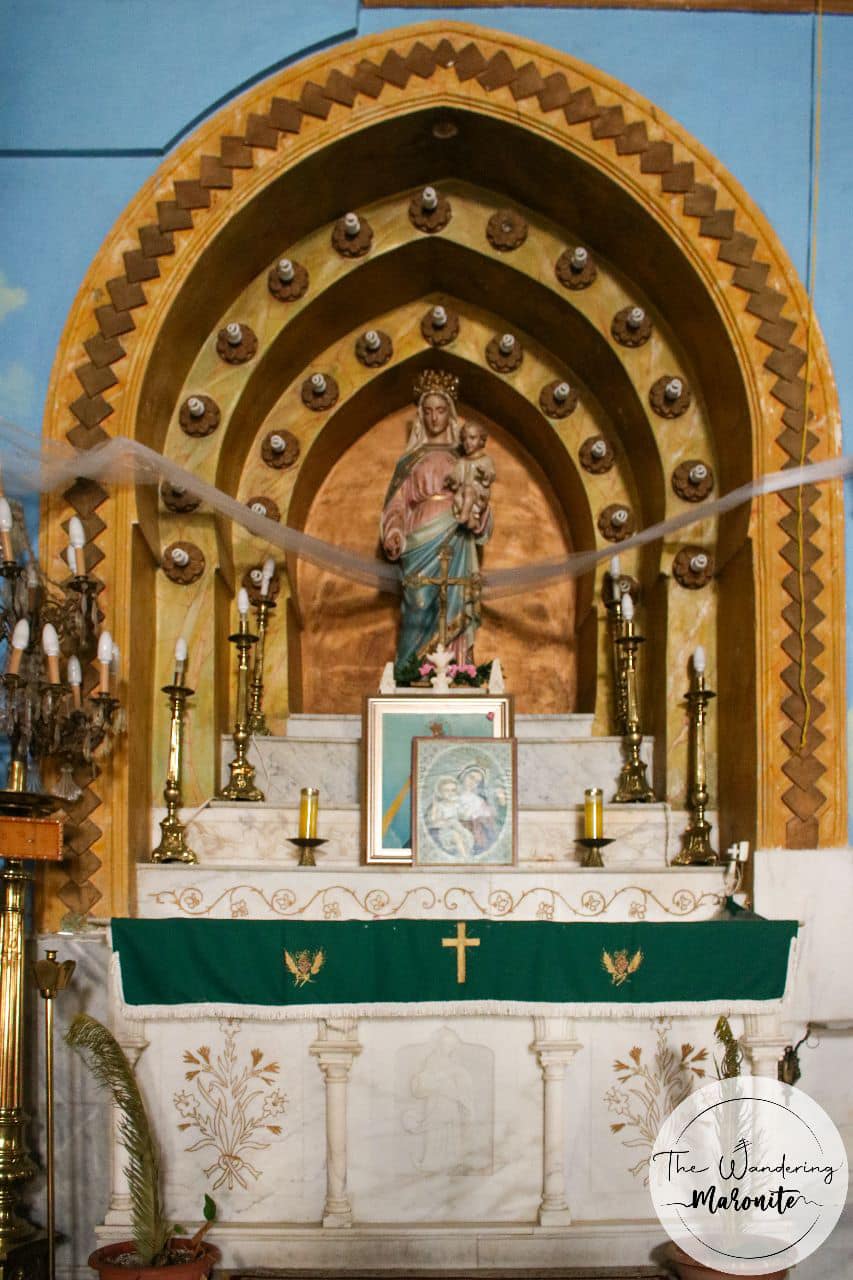
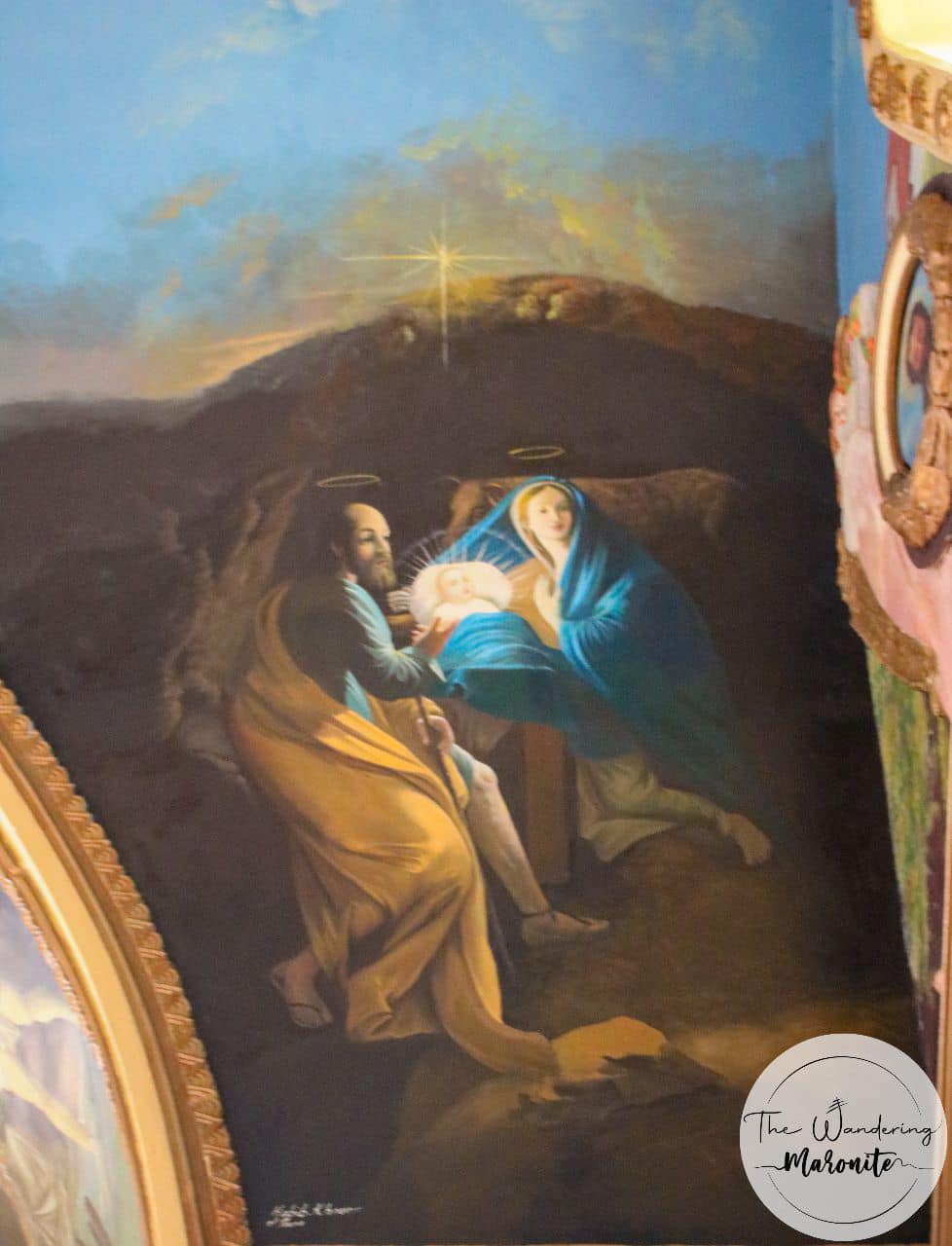
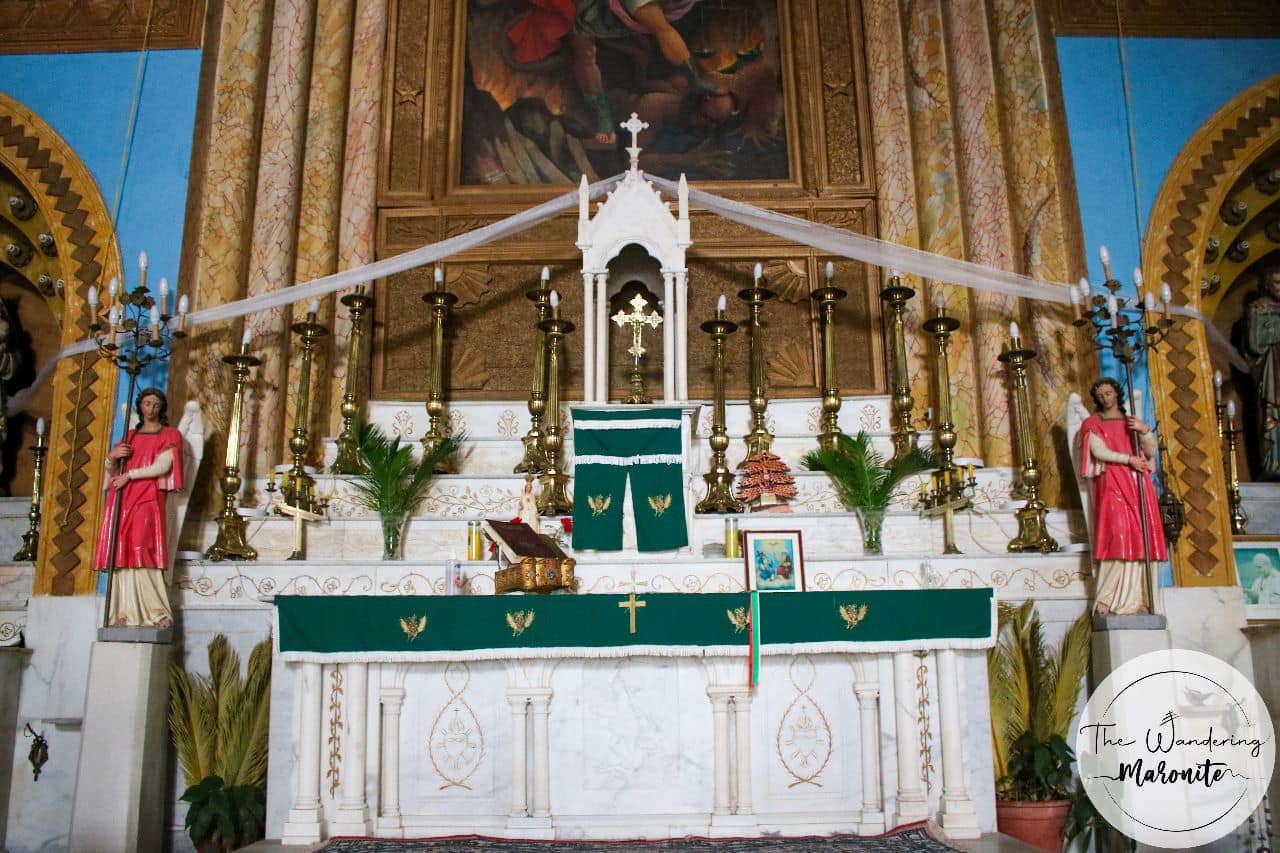
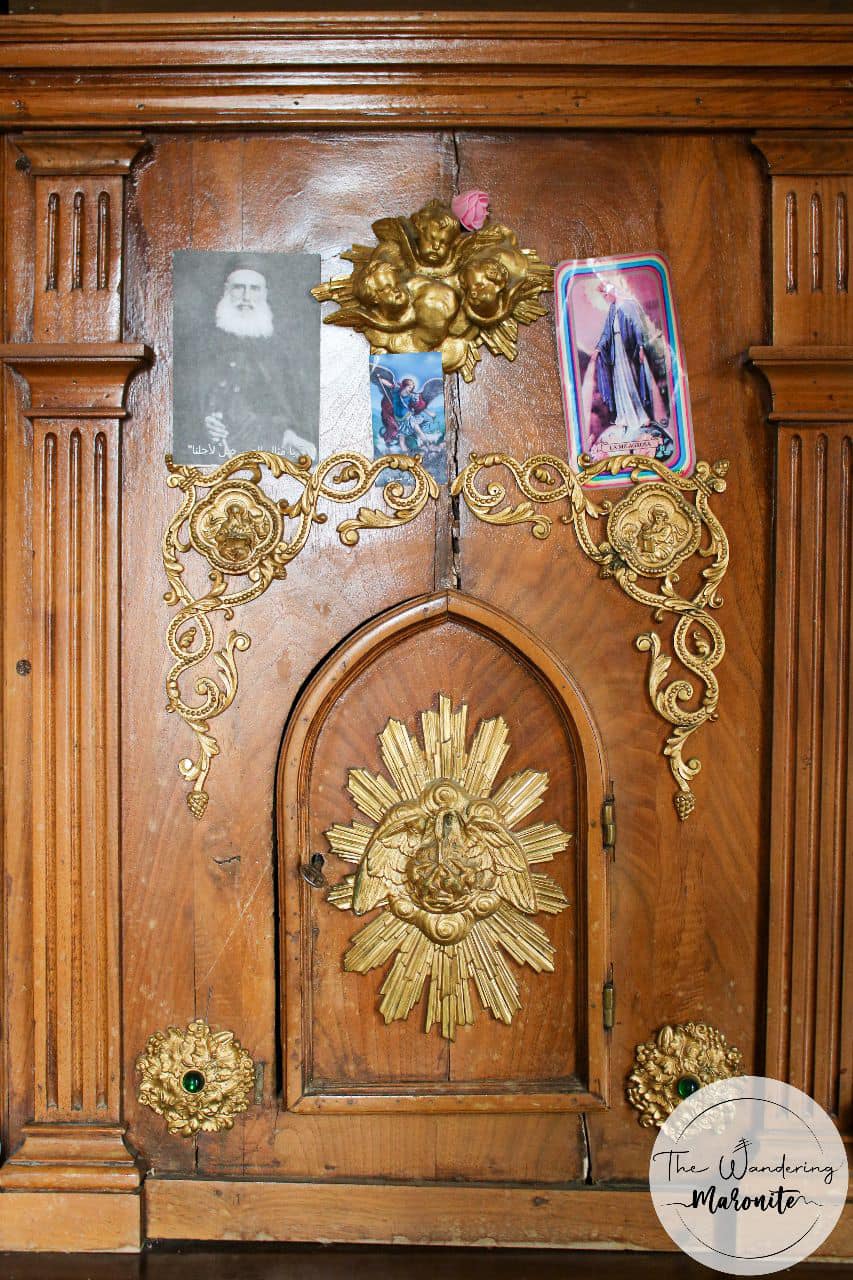
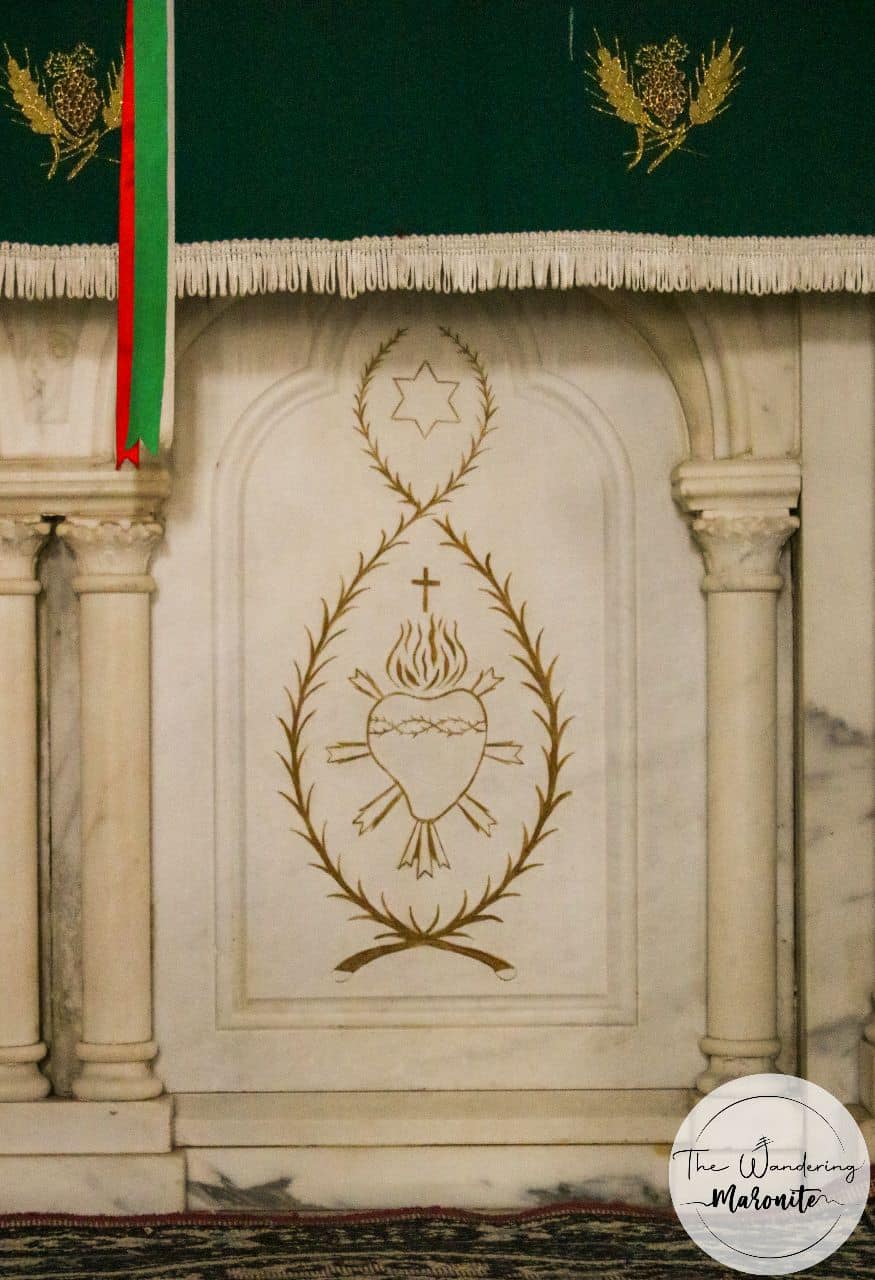
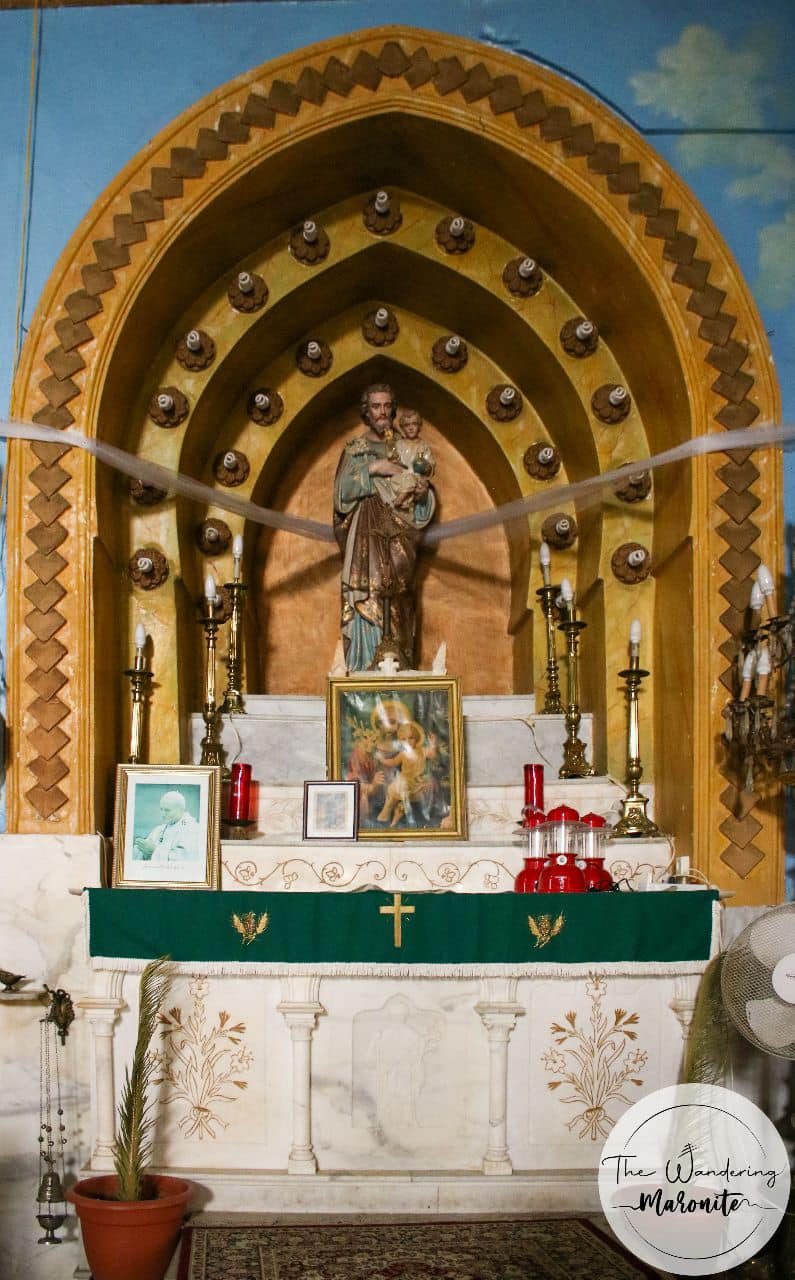
كنيسة مار ميخائيل - سرعل بُنيت الكنيسة الأولى في القرن الثاني عشر. سنة ١٨٨٥ قرر الأهالي تشييد كنيسة جديدة. سنة ١٨٩٧ إنتهى بناء الكنيسة الجديدة. زيّن الكنيسة بالجداريّات الفنّان راجي دانيال السرعلي، سنة ١٩٥٥، وسنة ٢٠٠٢ رمّم اللوحات وزاد عليها الفنان حبيب خوري. رتّلت فيها السيّدة فيروز أناشيد الفصح سنة ٢٠١٠. تضمّ الكنيسة جثمان كاهنها الخوري يوسف أبي مارون معتوق الذي اشتهر بقداسة السيرة وبقي جسده سالمًا من الفساد. The church of St Michael - Sereel The first church was built in the XIIth century, and in 1889 the new church was built on top of it. The church was decorated with frescoes in 1955 by Daniel el Seraaly. In 2002 the frescoes were renovated and added upon by Habib Khoury. In 2012 Fairouz chose the church to sing the easter hymns. The church holds the remains of Fr Youssef Abi Maroun Maatouk who was a saintly figure and his body was incorruptible.

Visited 3643 times, 1 Visit today

Reviews are disabled, but trackbacks and pingbacks are open.

Related Listings

Obeidat – The hermitage of Mar Semaan Al Amoudi

The Old Monastery of St. Semaan, Saqyet El Khayt, Lebanon

محبسة مار سمعان العاموديّ وادي البواليع - عبيدات

Aabaydat

Jbeil

Mount Lebanon

محبسة مار سمعان العاموديّ وادي البواليع - عبيدات المحبسة عبارة عن تَجوِيفٍ مَحفُورٍ فِي الصَّخر، بِدَاخِله صُوَرٌ جُدرَانِيَّةٌ تعود إِلى القَرن الثَّاني عَشَر. مِن بَينِ هِﺬهِ الجُدرَانِيّات رَسمُ الشفاعة، وَكِتَابَةٌ سِرَيَانِيَّةٌ لَم يَبقَ منهَا
وَمِن الرُّسُومِ إلّا القَلِيل بِسَبَب عَوَامِل الطَّبِيعَة وَجَهل الإِنسَان.

يَتمُّ الصُعُودُ إِلَى غُرَفِ الدَّير بِوَاسِطة سَلَالِم خَشَبِيَّةٍ وَأُخرَى حَدِيدِيَّةٍ مُستَحدَثَةٍ.تُجَاوِرُ دَيرَ مَار سِمعَان كَنِيسَة
مَارت مُورَا، وَهِيَ عِبَارَةٌ عَن نَقرٍ في الصَخرِ.بحسب الخبراء جداريّات عبيدات تعودُ لراسم جداريّات كنيسة
مار تادرس بحديدات.


The hermitage of St Simeon the stylite in Wadi al-Bouwayli'e - 'Abeydat The monastery is a hollowed-out cavity in the rock, containing frescoes dating back to the XIIth century. Among these wall paintings is the depiction of the deisis, as well as Syriac inscriptions, of which only a few remain due to natural factors and human ignorance. Access to the monastery's chambers is achieved through newly installed wooden and iron ladders. Adjacent to the Mar Simeon monastery is the St Moura's Church, which is a carved cave in the rock. According to experts, the wall paintings in 'Abeydat belong to the same artist who painted the wall paintings in the Mar Tadros Church in Behadidat.


La Ermita de San Simeón el estilita en Wadi al-Bouwayli'e - 'Abeydat El monasterio es una cavidad excavada en la roca, que contiene frescos que datan del siglo XII. Entre estas pinturas murales se encuentra la representación de la deisis, así como inscripciones siríacas, de las cuales, debido a factores naturales y la ignorancia humana, solo quedan unas pocas. Para acceder a las cámaras del monasterio se utilizan las escaleras de hierro y madera recién instaladas. Colindante al monasterio de San Simeon se encuentra la iglesia de San Moura, que es una cueva tallada en la roca. Según los expertos, las pinturas murales de 'Abeydat pertenecen al mismo artista que pintó las pinturas murales de la iglesia de San Tadros en Behadidat

Reshdebine – The church of Sts Sergius and Bacchus

St Sarkis & St Bakhos Church, Rechdebine, Lebanon

كنيسة مار سركيس وباخوس

Rechdibbine

Koura

North

كنيسة مار سركيس وباخوس - رشدبين

هي كنيسة البلدة الرعائيّة بُنيت حوالي سنة ١٩٠٥ مكان كنيسة أقدم عهدًا. رُمّمت الكنيسة على عدّة مراحل، وهي مؤلّفة من سوق واحد وعقدٍ مصالب. اللوحة القديمة من عمل كنعان ديب الدلبتاوي تعود لسنة ١٨٥٨. أمّا اللوحة الجديدة فهي من عمل هارمانديان وتعود لسنة ١٩٥٩.

The church of Sts Sergius and Bacchus - Reshdebine

The church is the parochial church of the village, built in 1905 on the site of an older church. The church was restored on several occasions, it consists of a single apse with a crossed vault. The church holds two paintings of the patron saints: the older one by Kannan Dib from 1858, and the new one by Harmanedian from 1959.

Kaftoun – Monastery of our Lady

Monastery of Our Lady of Kaftoun, Kaftoun, Lebanon

دير السيّدة - كفتون

1910

Kaftoun

Koura

North

عود تأسيس الدّير الى القرن السادس، كُتِب عنه في منشورات تعود الى القرن التاسع موجودة في مكتبة أوكسفورد. تمَّ بناؤه على عِدَّة مراحل أمّا ترميمه الأخير فيعود الى العام 1910. الوجهة الخلفية للدير ملاصقة لشيرٍ صخريٍّ ضخم، وكنيسته في قلب الشير.
كان الدير بدايةً ديرًا مارونيًّا سكنه المطران (البطريرك لاحقًا) إرميا الدملصاوي. بعد حملات المماليك تنسّك فيه الرهبان الأرثوذكس. كانت أوجّ الحياة الرهبانيّة فيه عام ١٩٠٤. وفي بداية السبعينات أضحى مهجوراً ونُهبت كافة الأيقونات والمخطوطات. تجدّدت الحياة الرهبانيّة في الدّير سنة ١٩٧٧. عام ١٩٩٧ أُعيدت إليه أيقونة سيّدة كفتون العجائبيّة. تكمن أهميّة هذه الأيقونة أنّها مرسومةٌ على الوجهتين: الأولى تعود الى القرن الحادي عشر وتُمثِّل العذراء مريم والسيّد المسيح، والثانية تعود الى القرن الثالث عشر وتُمثِّل معموديّة السيّد المسيح ومدوَّنٌ عليها باللغات الثلاث: السريانيّة والعربيّة واليونانيّة، شهادةً عريقةً للطقس السريانيّ الملكيّ. يضُمّ الدير آثارًا تاريخيّةً قديمة كأجران منحوتة بالصخر وآبار ومطحنة ومعصرة قديمة تعود للقرن السادس.

The monastery was founded in the VIth century and many documents from the IXth century attesting its existence are still present in the Library of Oxford. The building was done over time up until 1910. The monastery is built inside a rocky cliff, with the main church inside the cave. At first the monastery was served by the Maronites and was the seat of Bishop (later patriarch) Jeremiah of Dmalsa. After the Mamluk’s raids the ownership was taken by the Orthodox hermits. The monastic life saw its peak in 1904 yet it declined up to the seventies when the monastery was deserted and looted. The monastic life would be renewed in 1977. In 1997 the miraculous icon of Our Lady of Kaftoun was returned. The importance of that icon reside in its being a double sided icon: on the first side dating back to the XIth century is a depiction of the Theotokos, on the other one dating back to the XIIIth century is a Theophany with inscriptions in Arabic Greek and Syriac, a true witness to the Syriac Melkite Rite.