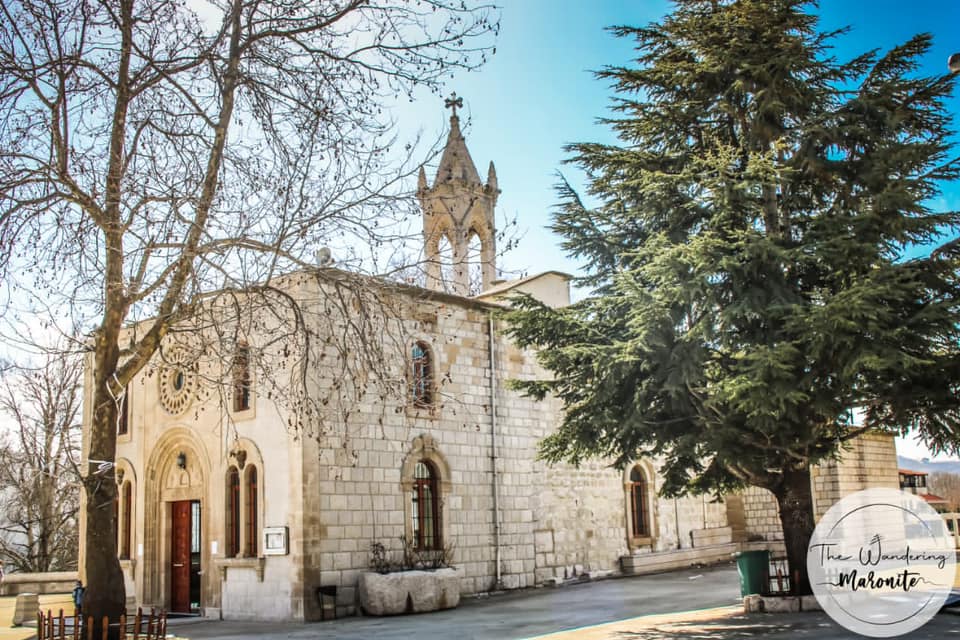
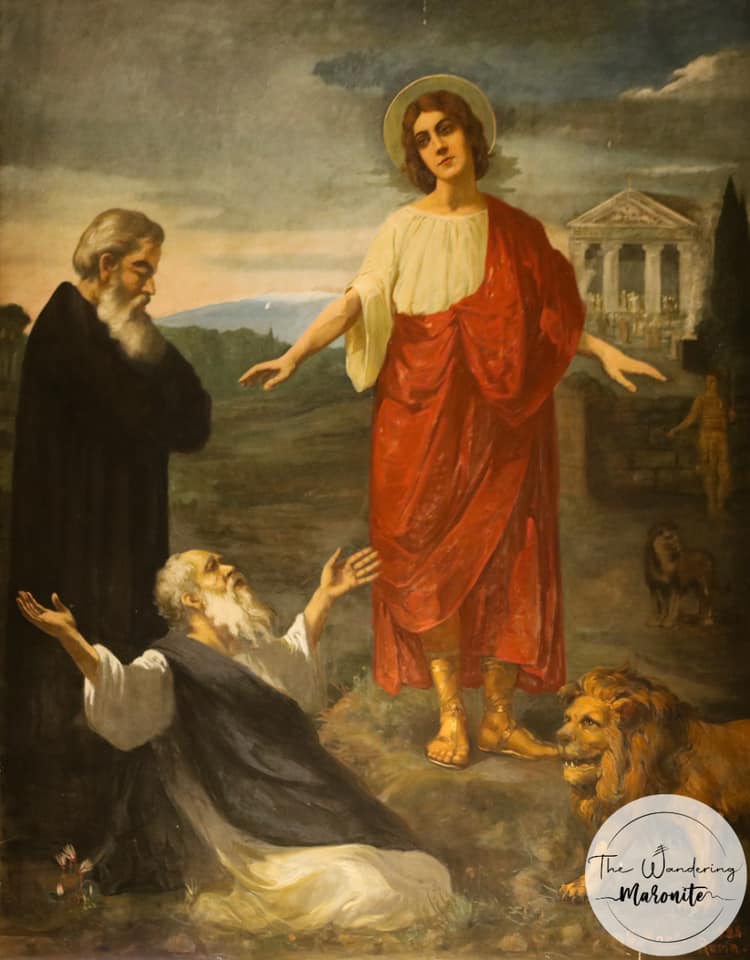
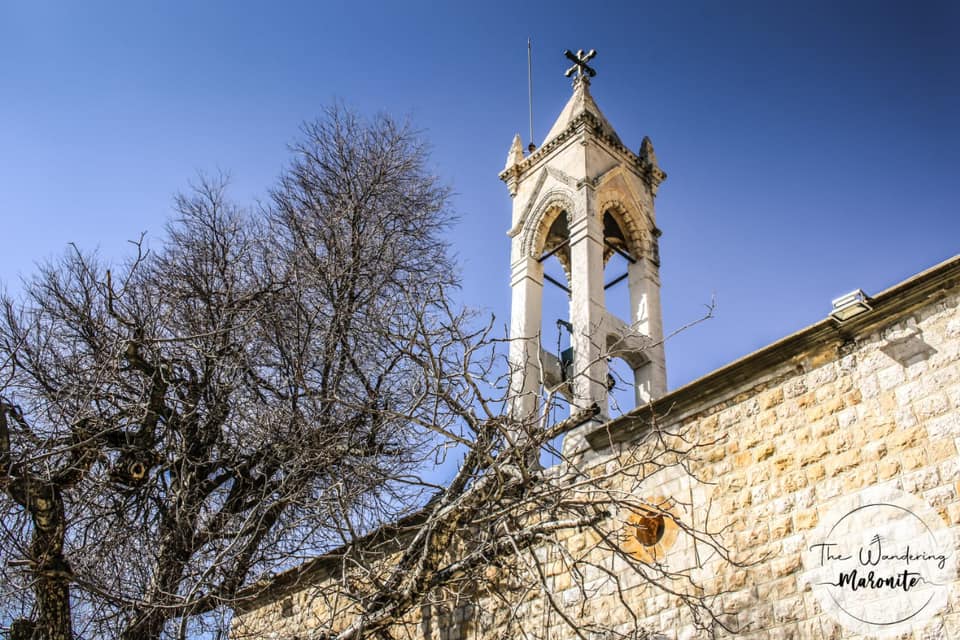
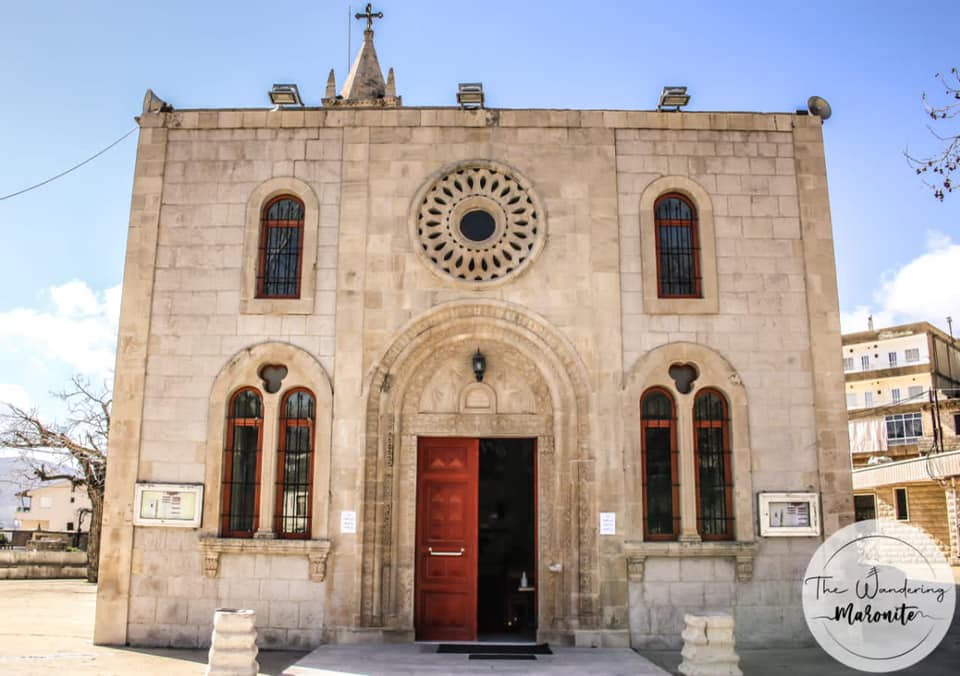
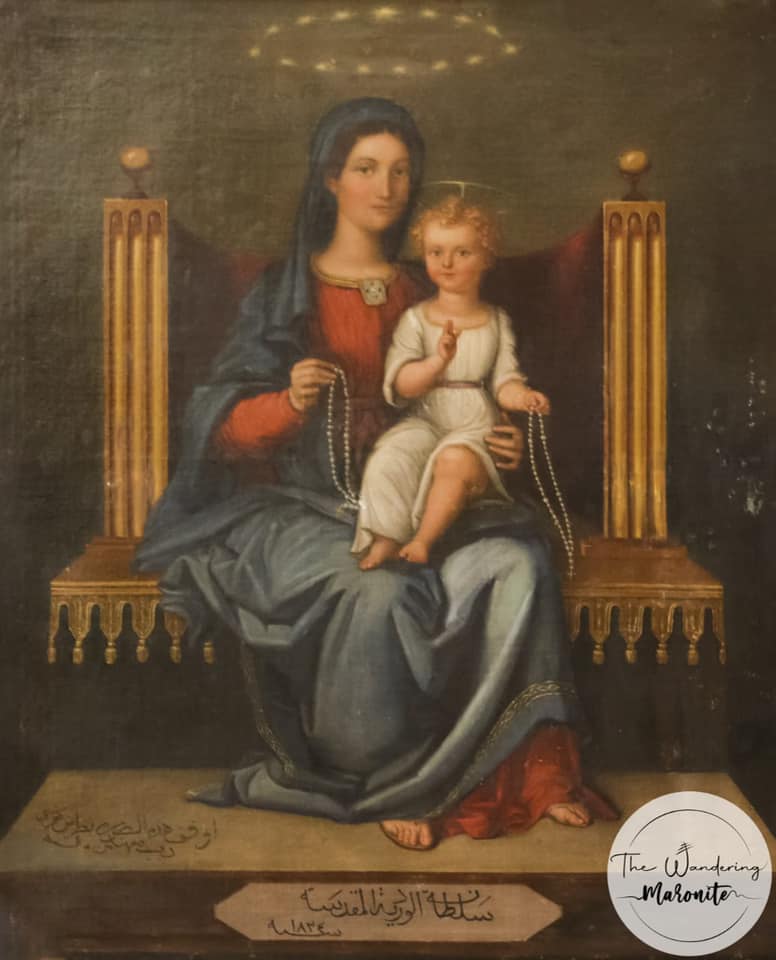
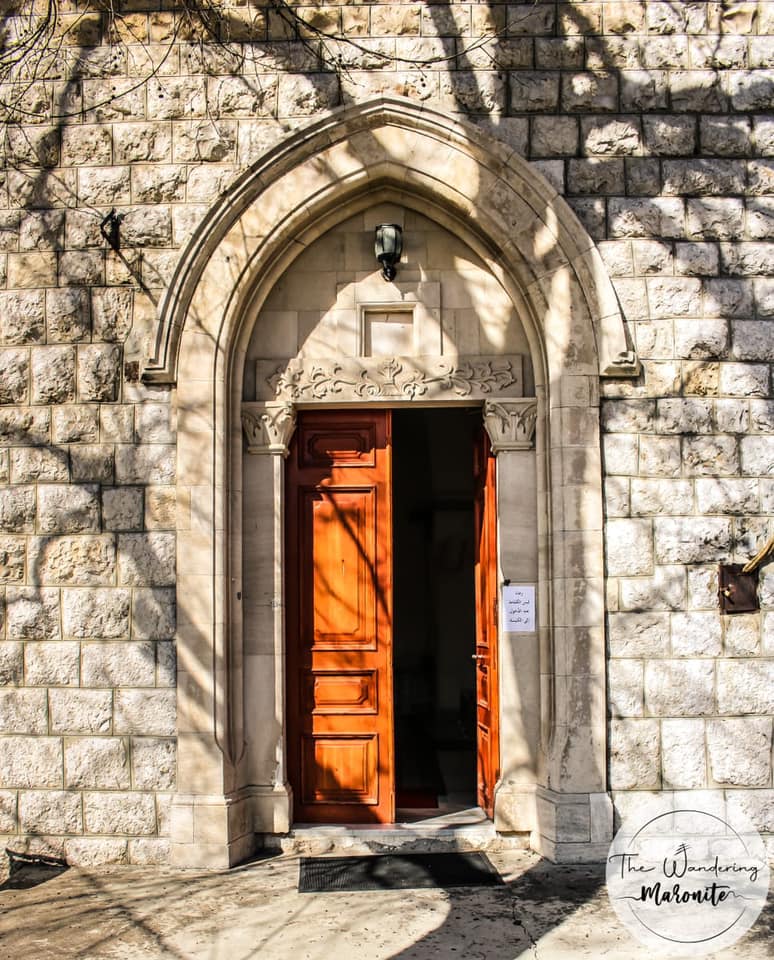
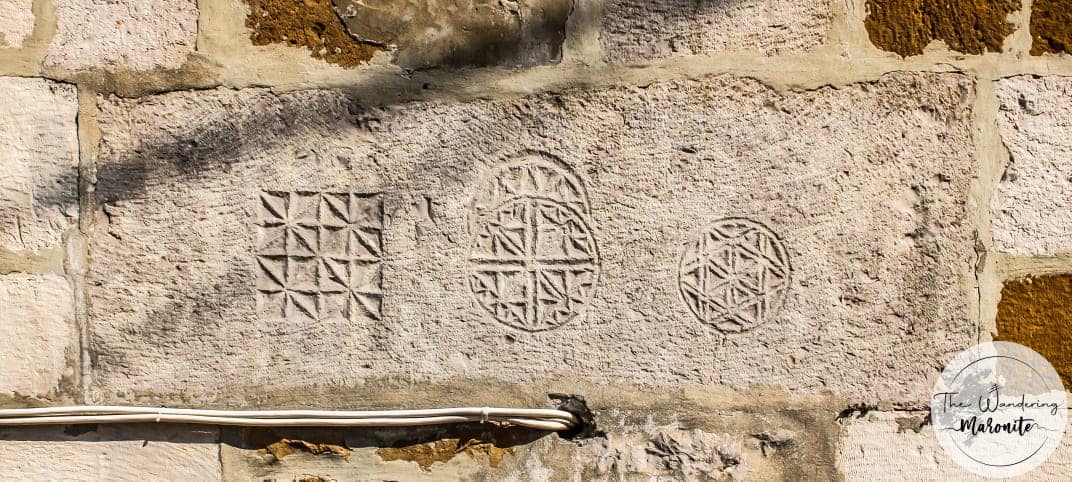
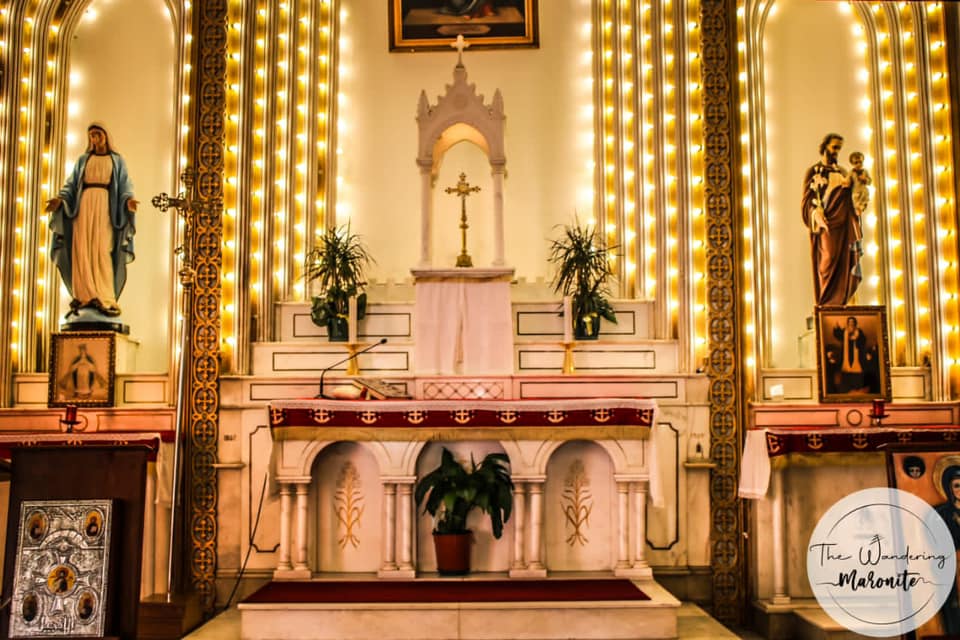
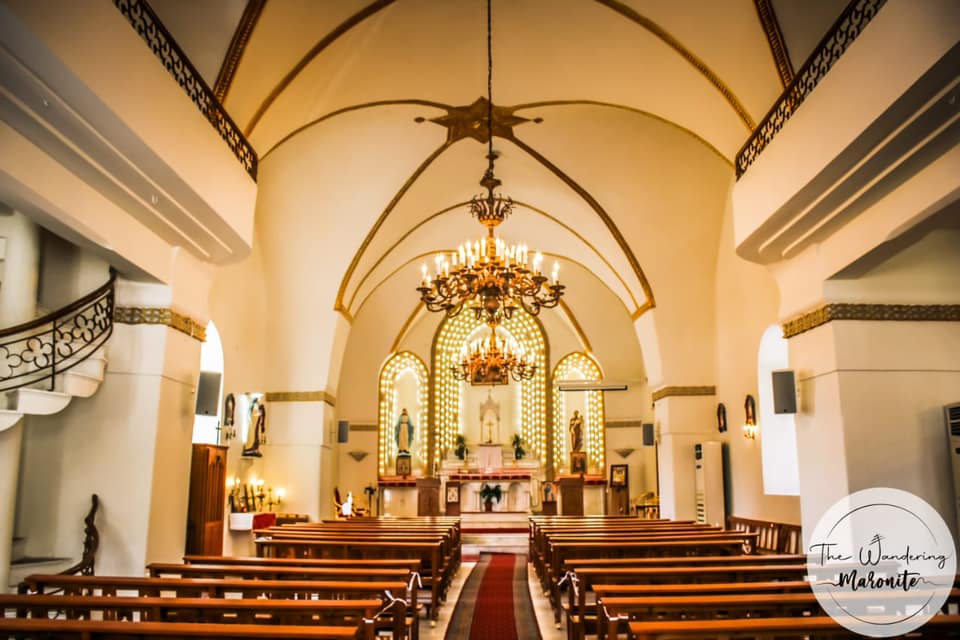
كنيسة سيّدة الورديّة - حراجلعام ١٧٢٢، بُنيَت كنيسة سيّدة الورديَّة على أنقاض معبدٍ وثنيّ. وفي العام ١٨٢١، بُنيَت كنيسةٌ أكبر حول الكنيسة القديمة. ولـمّا انتهى البناء هُدمَت الكنيسة القديمة، وكان ذلك في العام ١٨٦٢. العام ١٩٥٥ وُسِّعت الكنيسة وأُضيف عليها قسمٌ جديدٌ وأصبَحَتْ على ما هي عليه اليوم. اللوحة التصويريّة من عمل كنعان ديب الدلبتاوي.The church of Our Lady of the Rosary - HrajelIn 1722 the first church was built over the ruins of a pagan temple. In 1821 a bigger structure surrounded the old church and totally replaced it in 1862. In 1955 the church took its final form. The painting over the main altar is the work of Kanaan Dib.
يعود بنا هذه الكنيسة إلى القرون الوسطى وتتألف من كنيستين: الكنيسة القديمة جدرانها مكسوة بالجداريات. هي من النوادر في العمارة الكنيسة لأن فيها حنيتان يتوسطهم رسم المصلوب. مواضيع الجداريات: الشفاعة، العذراء على العرش محاطة بمار بطرس وبولس، ذبيحة النبي ابراهيم، آثار لجدرانيات أخرى باتت مندثرة. اما الكنيسة الثانية فهي أحدث عهداً ملاصقة للأولى، مبنية على النمط البازيليكي بثلاث اسواق، وامامها رواق بالحجر المعقود. بقيت الكنيسة مستخدمة الى القرن التاسع عشر حين نزح آخر موارنة البلدة. ومنذ عام ٢٠١٢ انطلق مشروع ترميم الكنيسة.
This church is built in the medieval ages, and is composed of two parts: The old church has walls filled with frescoes. It is one of the very rare churches in which you can see the crucified drawn between two naves. The drawings are as follows: The Deisis, Mary the throne of wisdom, surrounded by Saints Peter and Paul, Abraham's sacrifice, in addition to different frescoes that are damaged and can hardly be seen now. The second church is just next to the first, but built in a later era, in a basilical form with three aisles. The church was still in use by the maronite community until the 19th century. Since 2012 a project to renew the church was launched.
Monastery of Saint Anthony the Great Zahleh Lebanese maronite order (saint antoine le grand), Zahlé, Lebanon
دير مار أنطونيوس الكبير
Zahlé Mar Antonios
Zahle
Bekaa
دير مار أنطونيوس الكبير - زحلة
تأسّس الدير في عام 1771 من قِبل مجموعة من الرهبان الموارنة الذين كانوا يسعون إلى إنشاء مكان للعبادة ل في قلب مدينة زحلة لخدمة المجتمع المارونيّ المحلي. نما دير القديس أنطونيوس على مرّ القرون في الحجم والأهميّة وأصبح مركزًا للعلم والروحانيّة. ورغم تعرّضه للحروب والغزوات والزلازل، إلّا أنه تم إعادة بنائه وترميمه عدة مرّات. تُعدّ كنيسة القديس أنطونيوس نقطة المحور في الدير، حيث تم بناؤها في منتصف القرن العشرين فوق الكنيسة الأصلية. ويتميّز الداخل بلوحات جداريّة رائعة ونوافذ زجاجية ملونة برسوم الفنان اللبناني أسعد رنّو. في الكنيسة مقام جانبي صغير مخصص للقديسة تيريزا. تشتهر مكتبة الدير كذلك بمجموعتها الضخمة من الكتب والمخطوطات والتحف القديمة. وبشكل عام، يُعدّ دير القديس أنطونيوس موقعًا ثقافيًا وروحيًا مهمًّا في زحلة، له تراث غنيّ يجذب الزوار من جميع أنحاء العالم.
The monastery of St. Anthony the great - Zahle
The monastery was established in 1771 by a group of Maronite monks with the intention of creating a place of worship and reflection for the local Maronite community in Zahle. Throughout the years, it has grown in both size and significance, developing into a hub for learning and spirituality. Despite experiencing wars, invasions, and earthquakes, the monastery has been reconstructed and renovated multiple times. The focal point of the monastery is the church of St. Anthony, which was built in the mid XXth century over the original church. The interior is decorated with stunning frescoes, stained glass windows created by the Lebanese artist Assaad Renno, and intricate altars. The church has a small lateral chapel dedicated to St. Therese of Lisieux. Another noteworthy feature of the monastery is its library, which houses an extensive collection of books, manuscripts, and ancient artifacts. Overall, the monastery is a significant cultural and spiritual site in Zahle, Lebanon, with a rich heritage that continues to attract visitors from all over the world.




Reviews are disabled, but trackbacks and pingbacks are open.