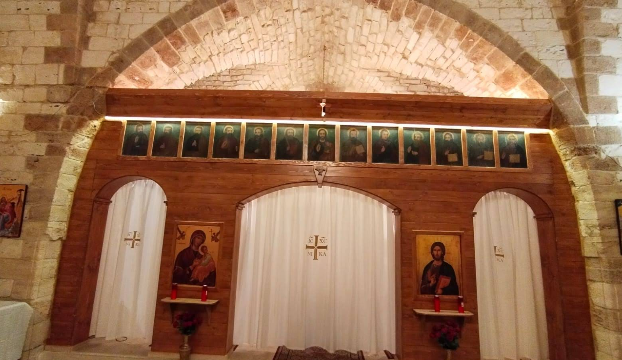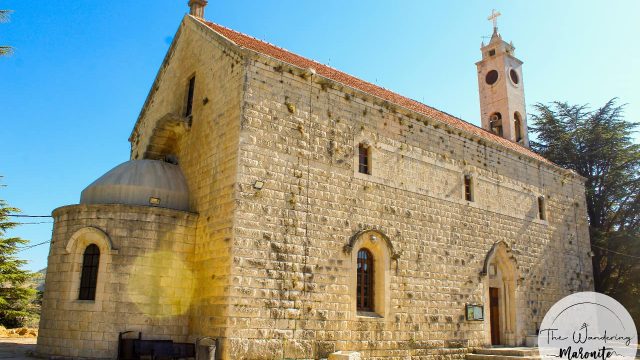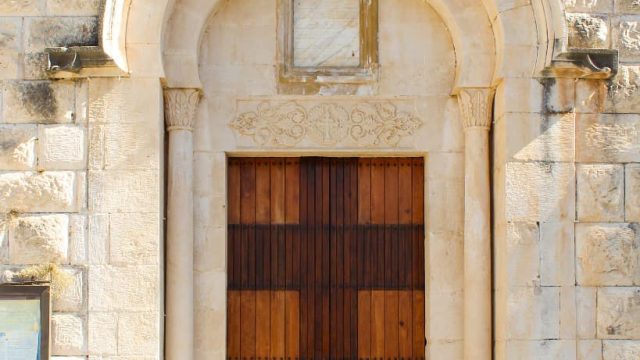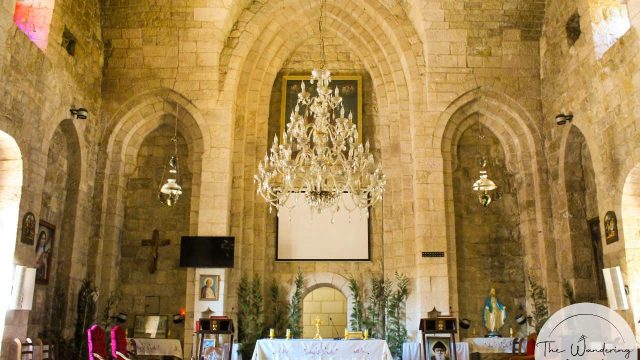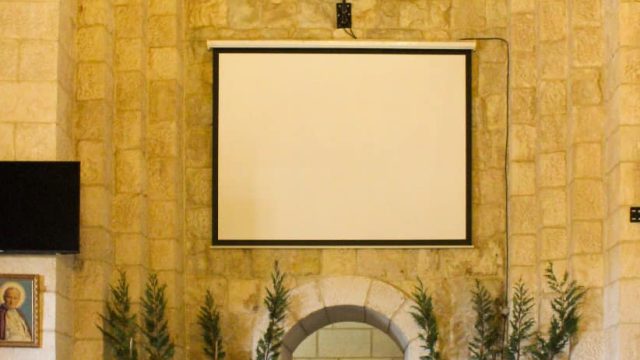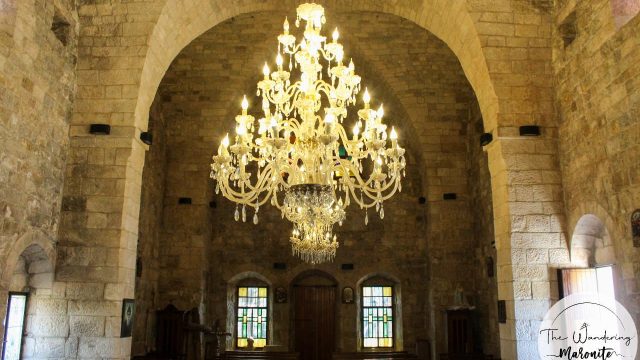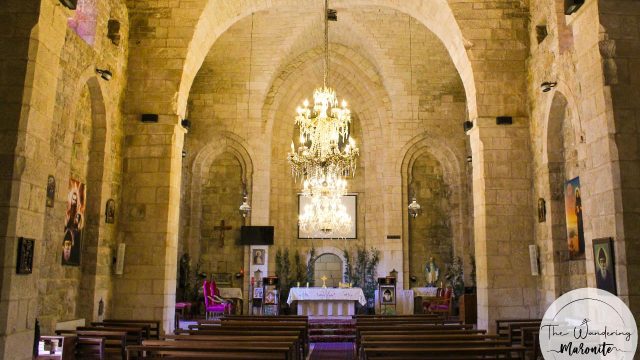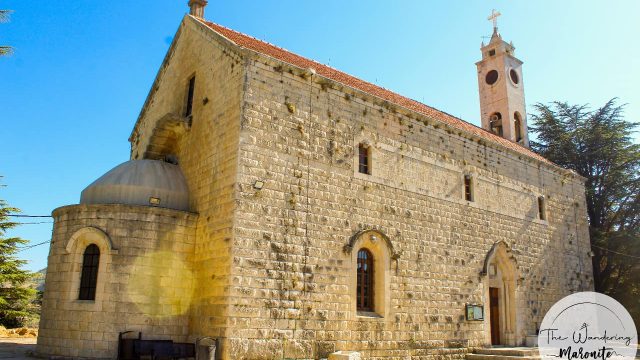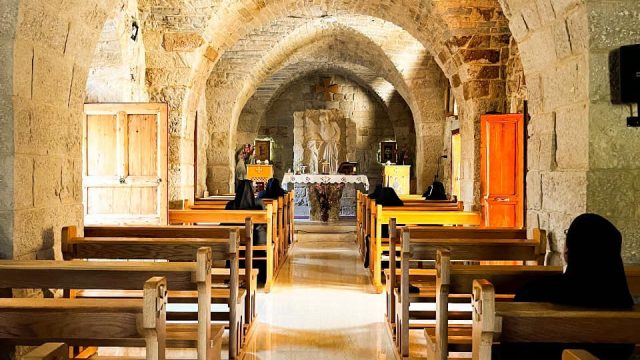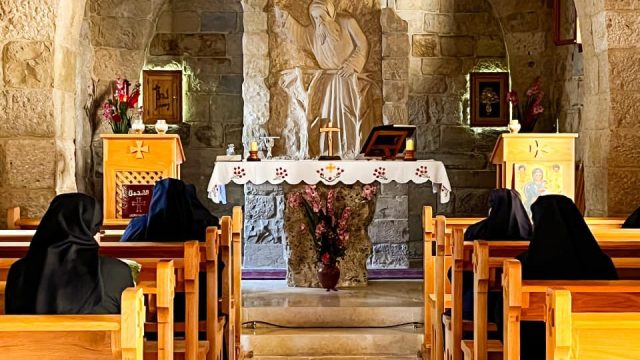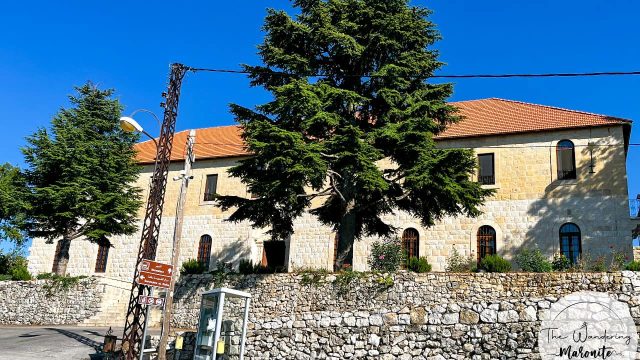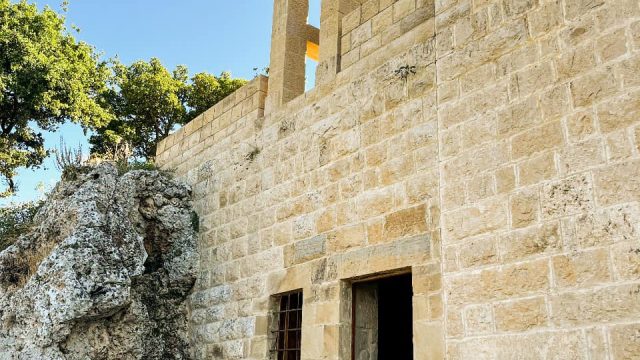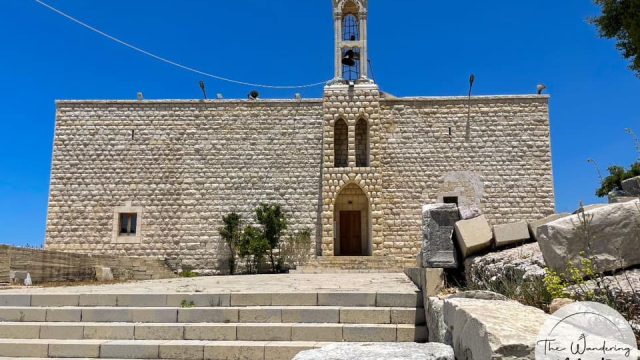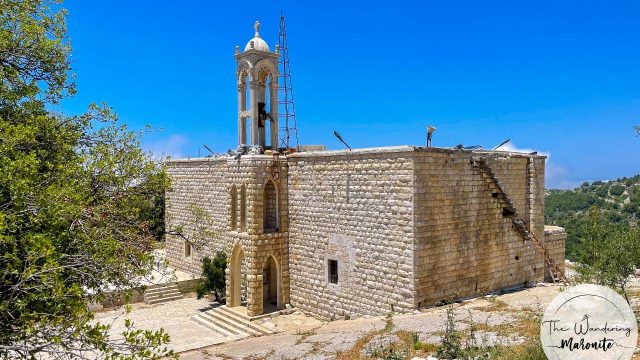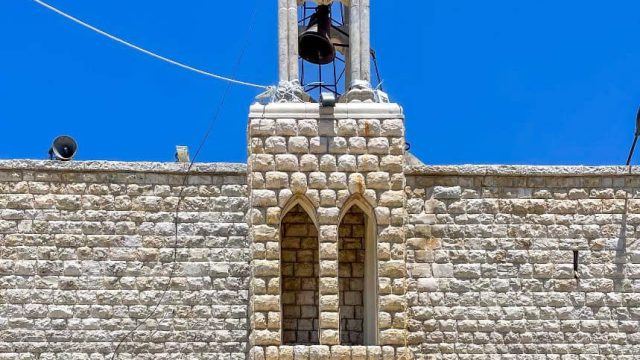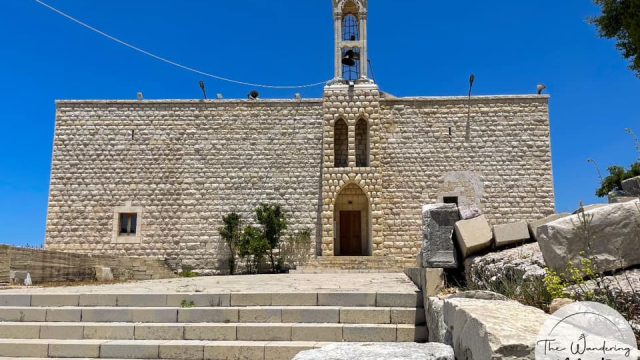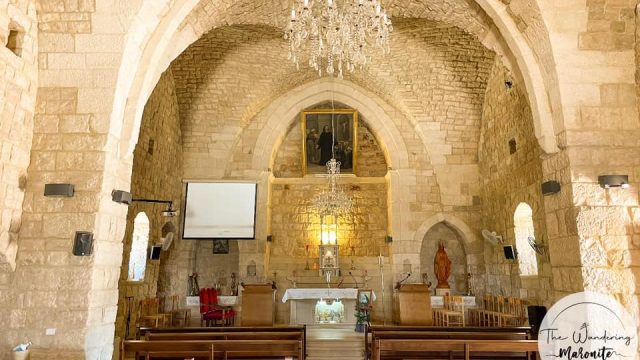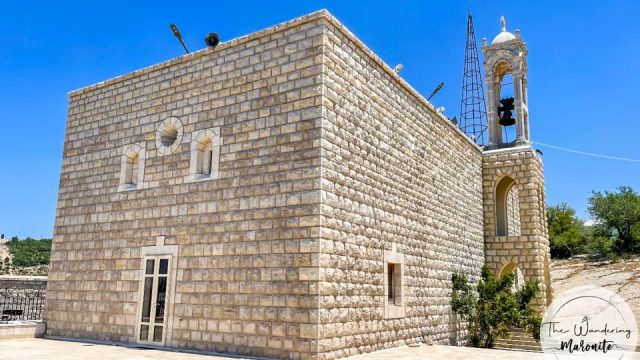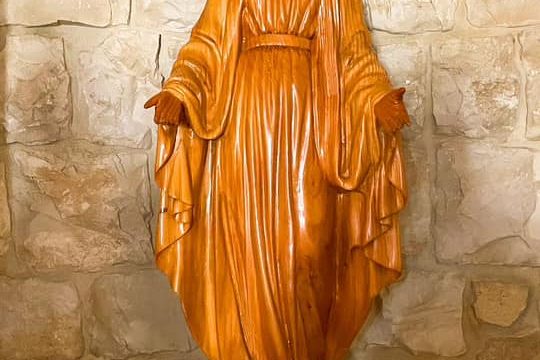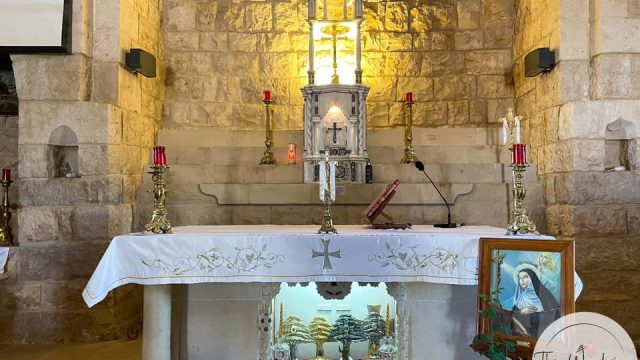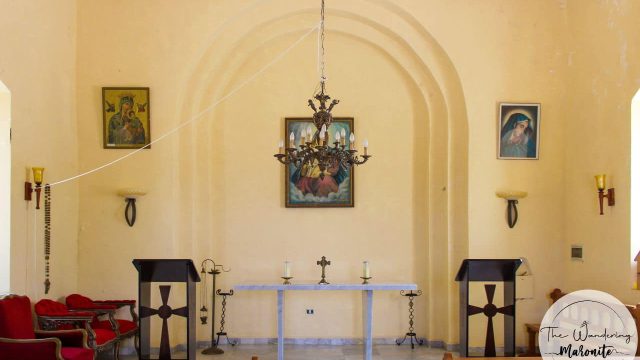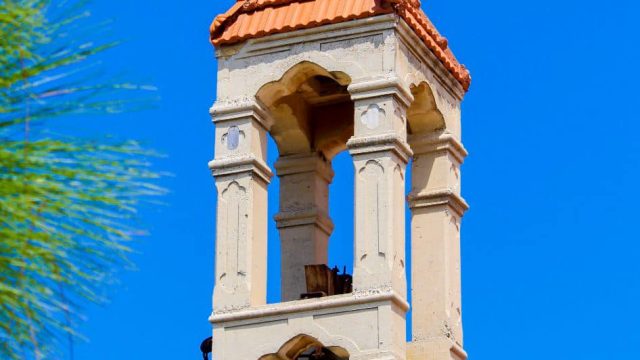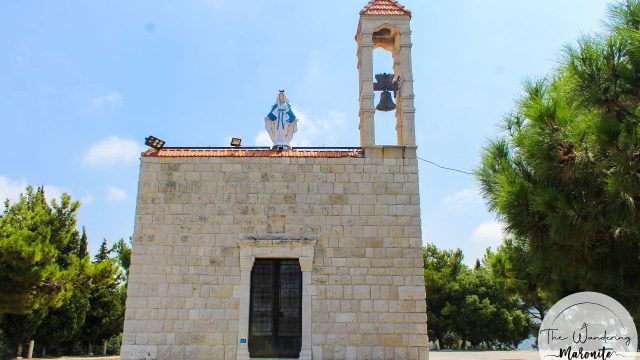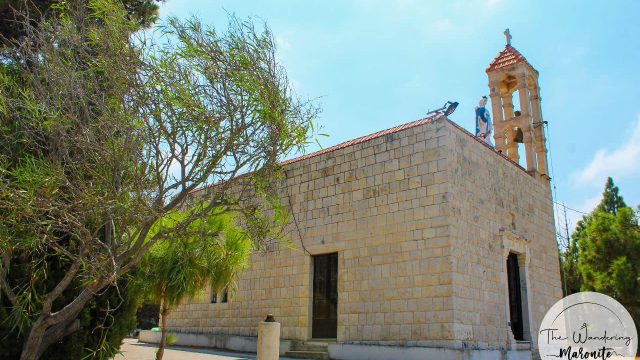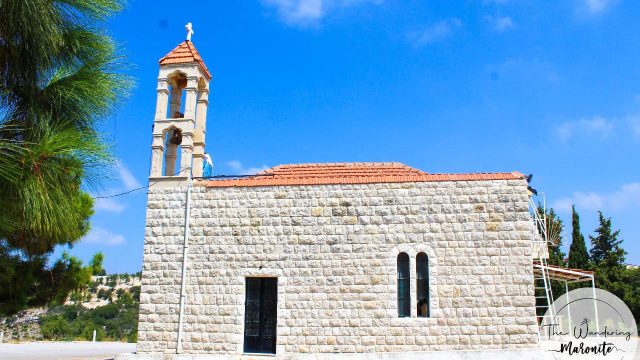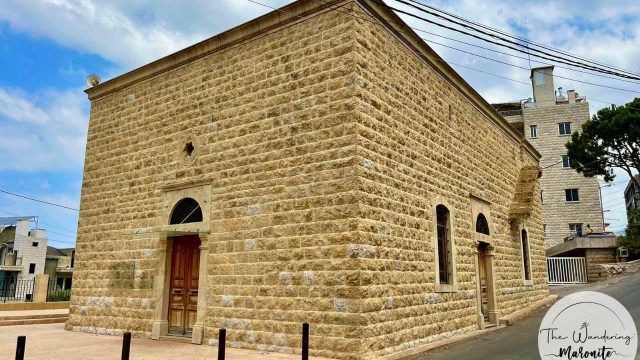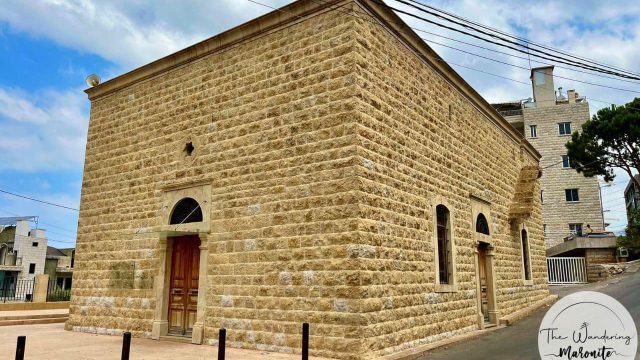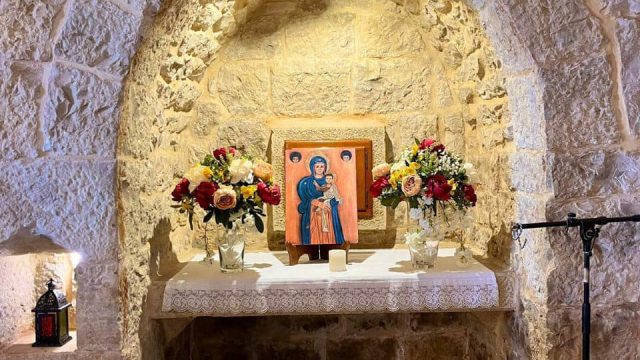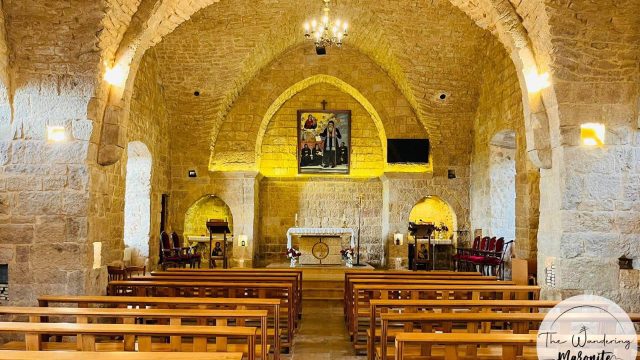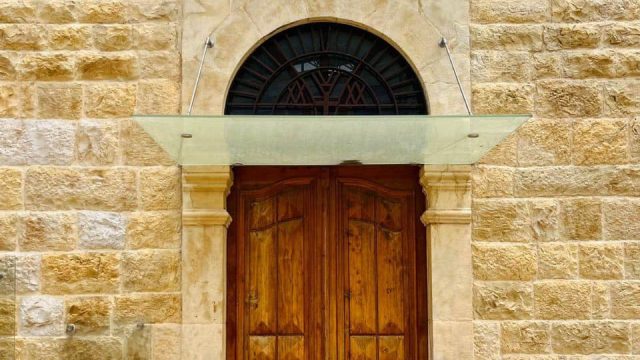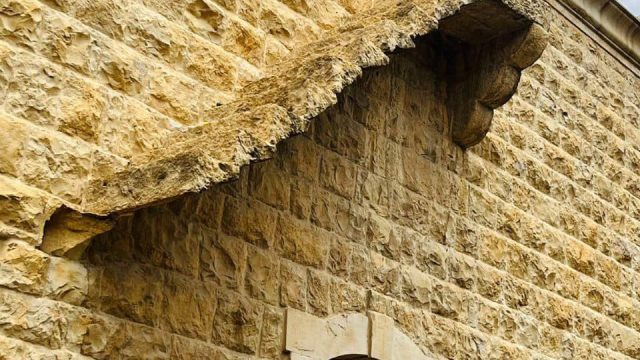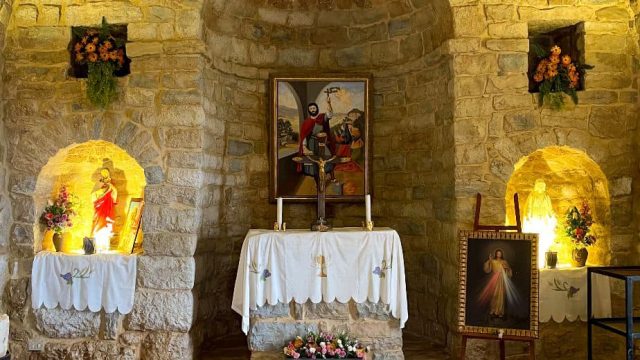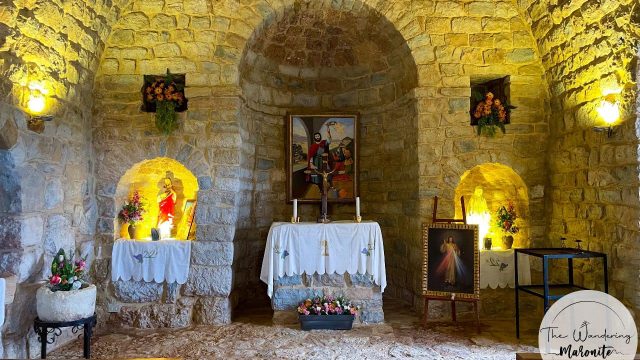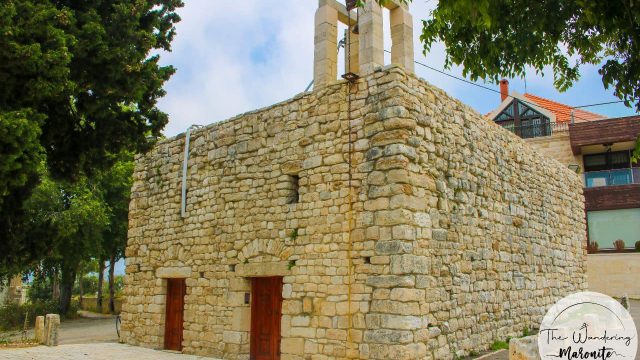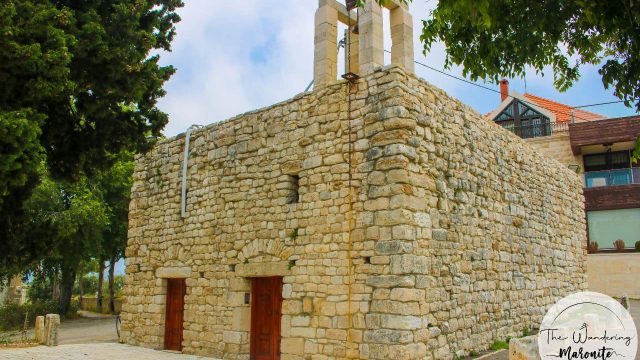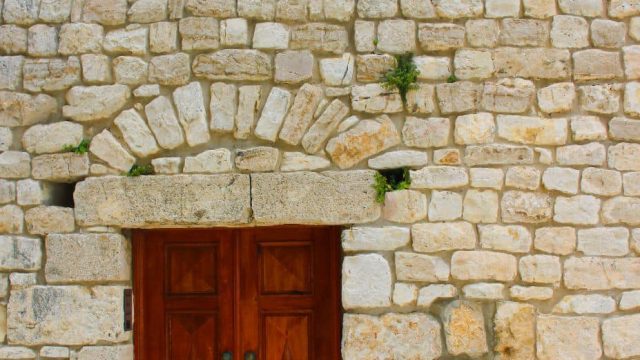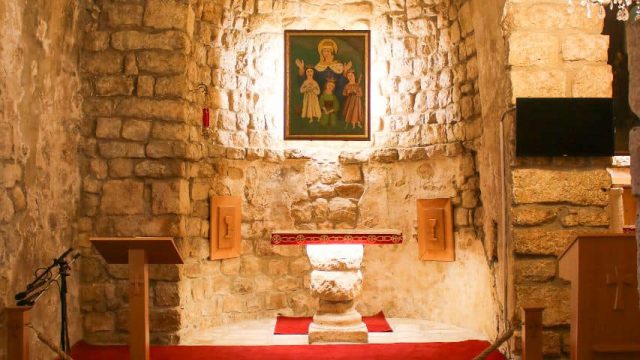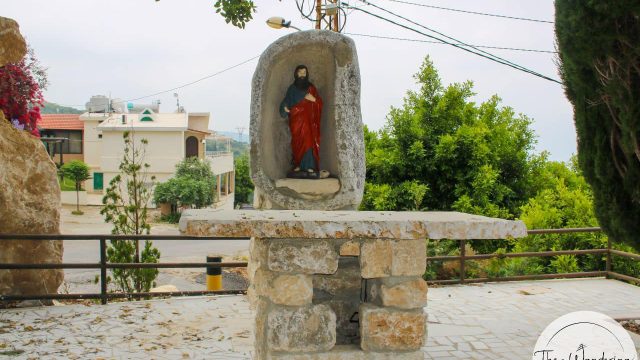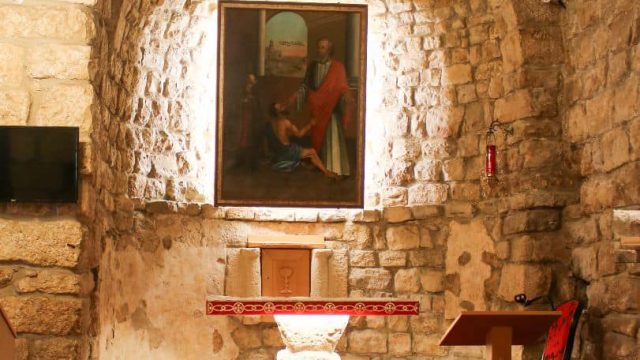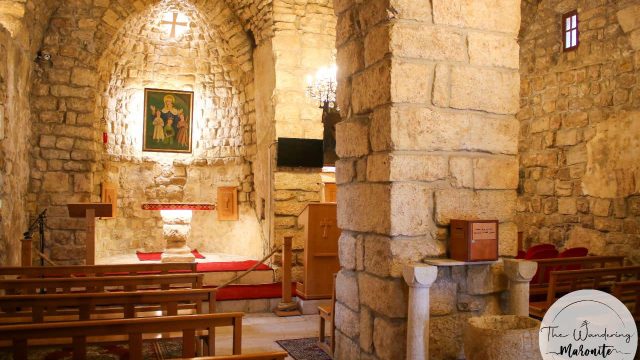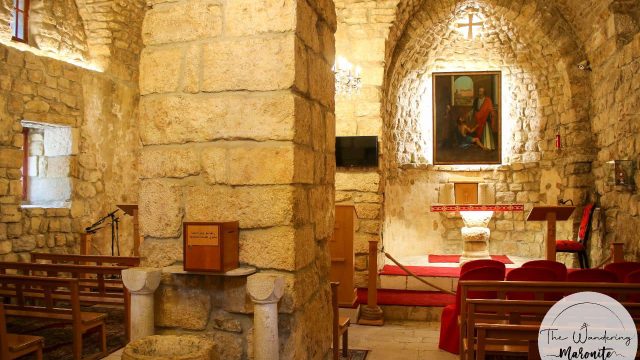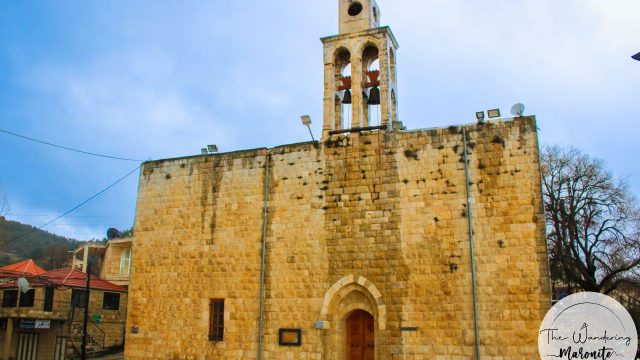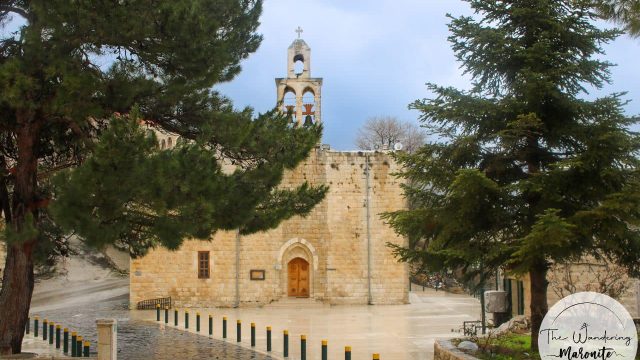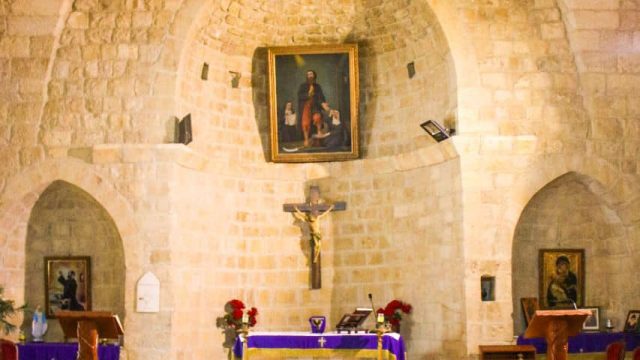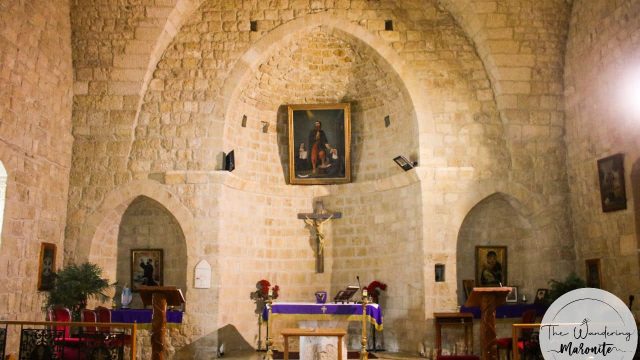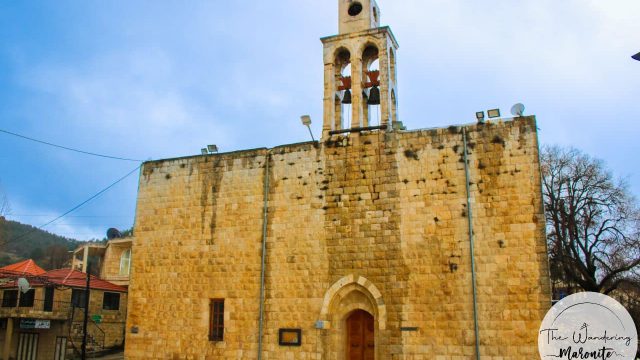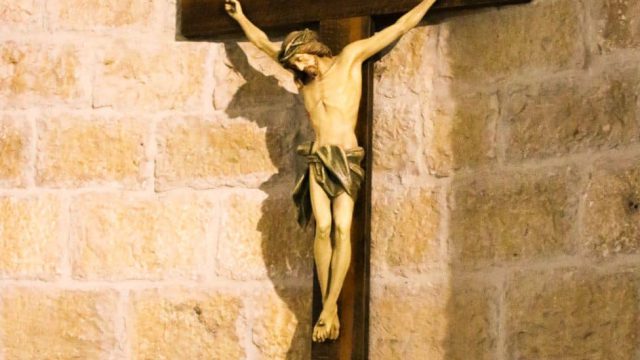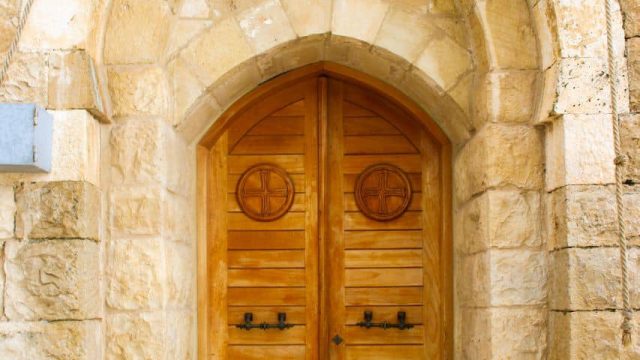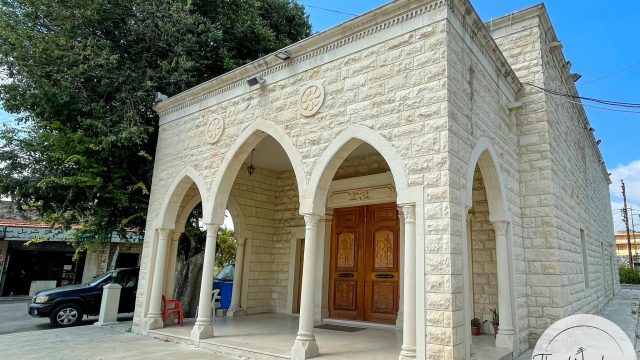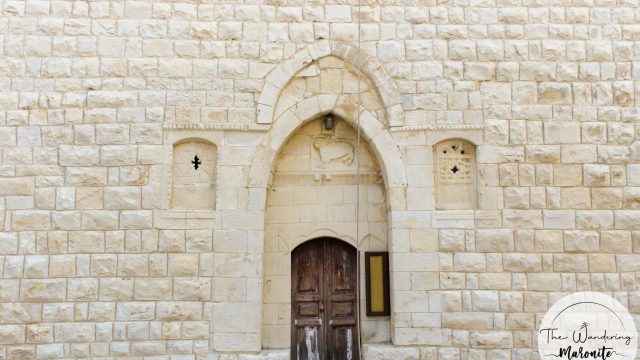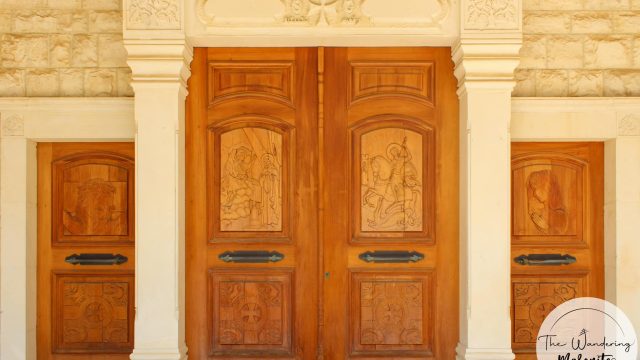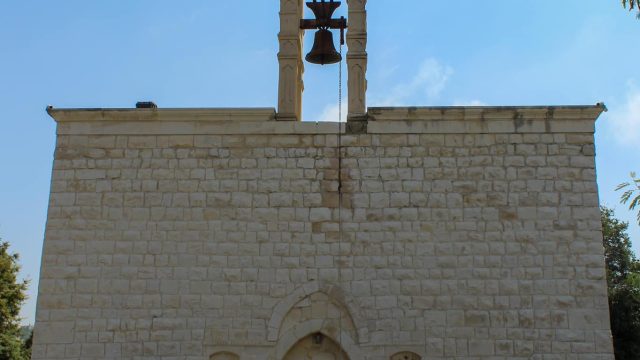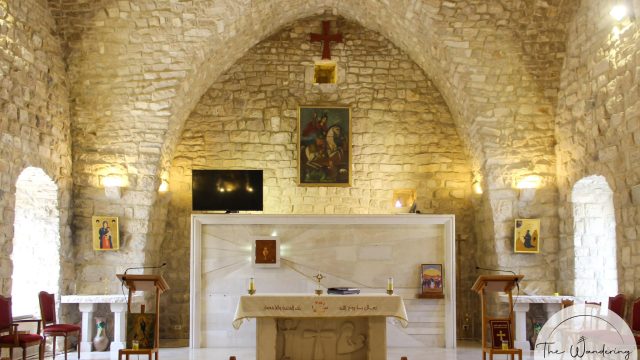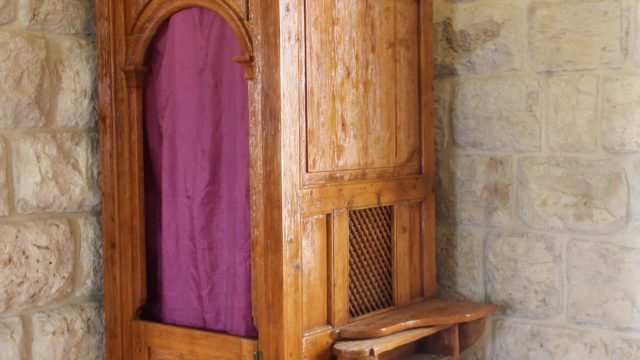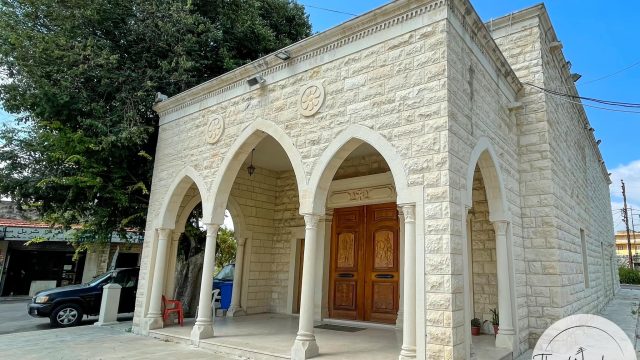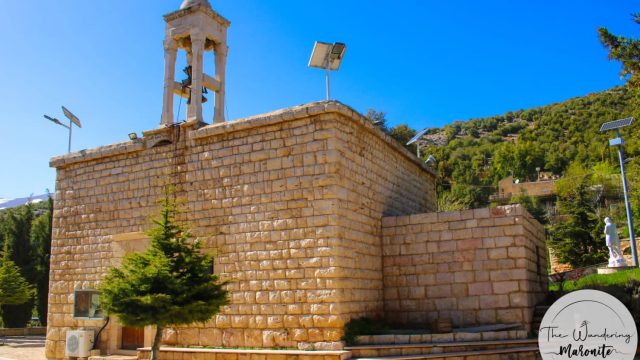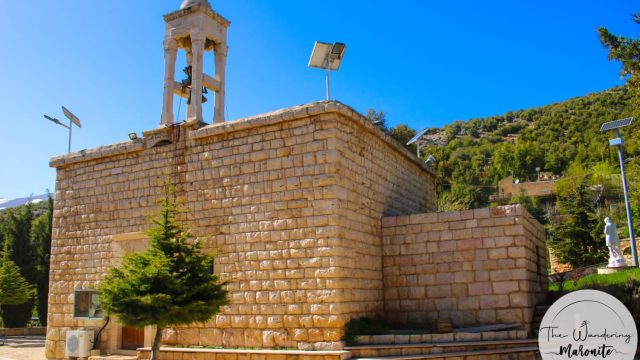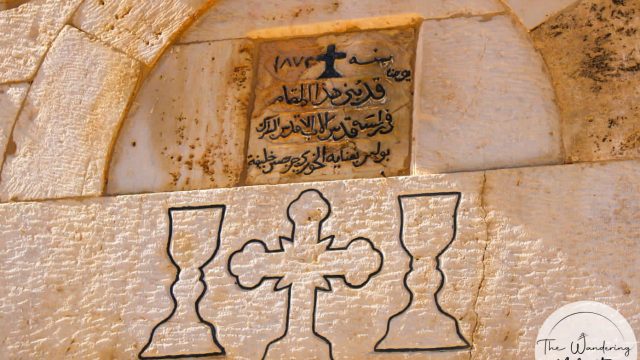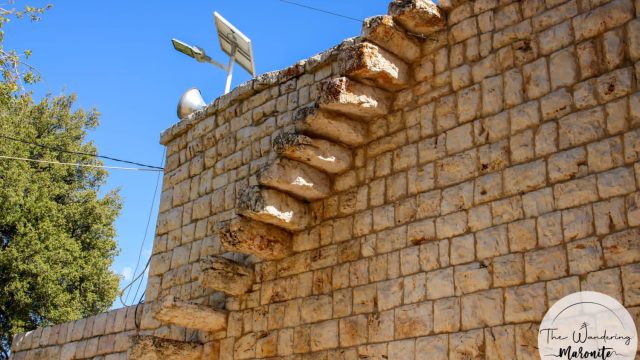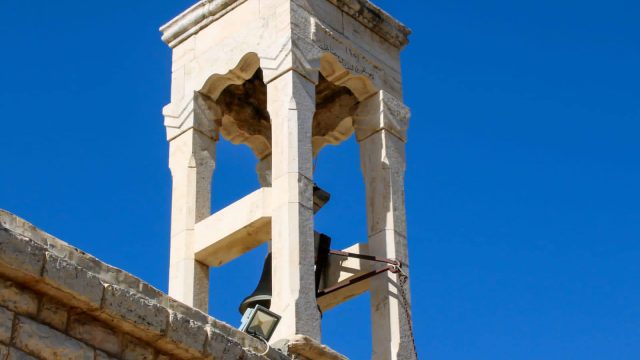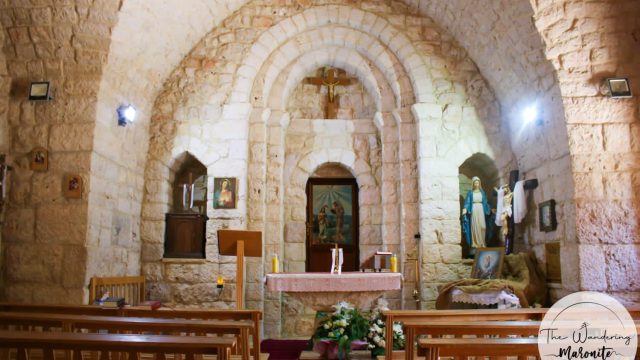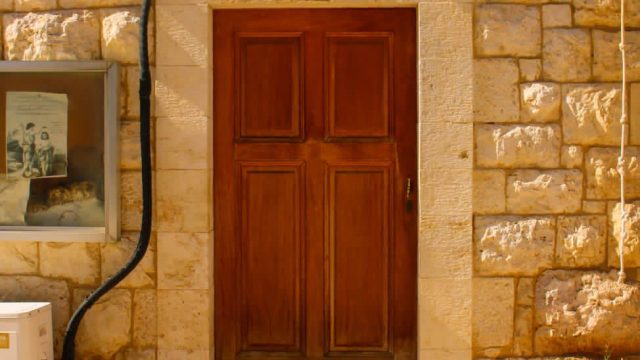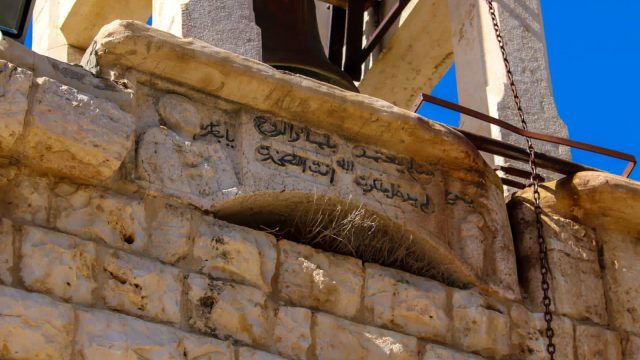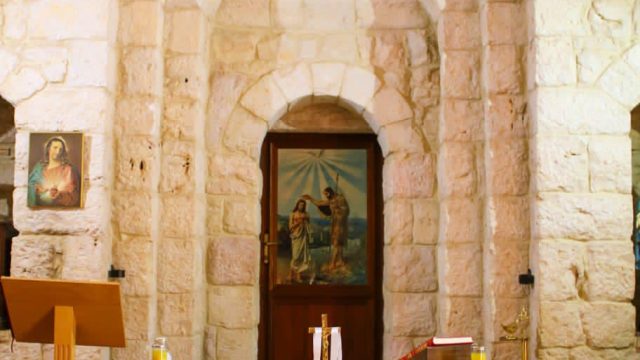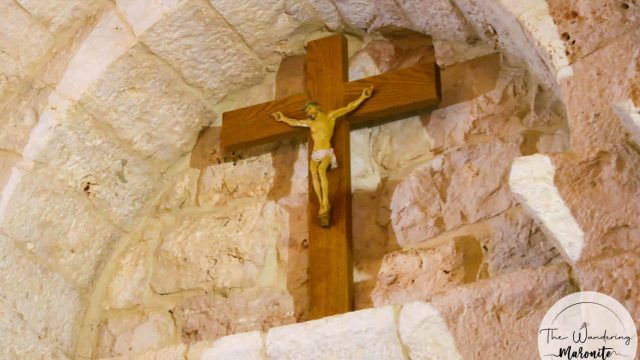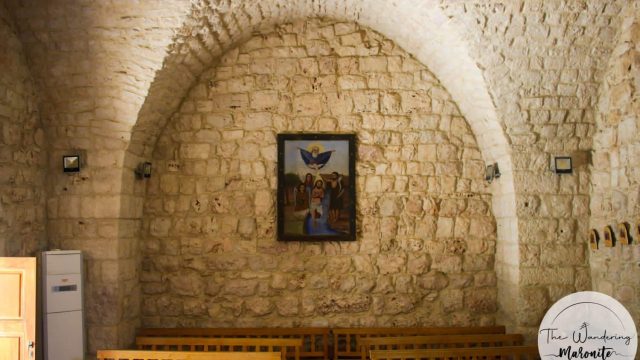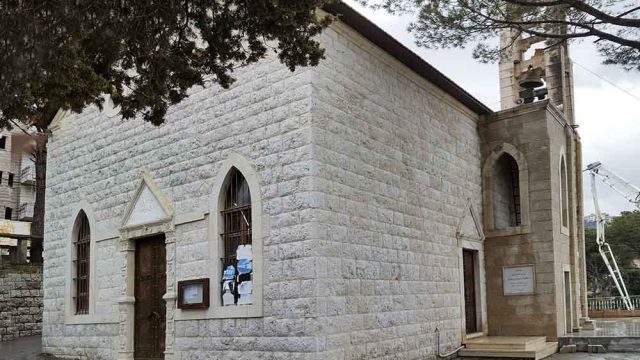
بُنيت الكنيسة سنة ١٨١٢ وكرّسها المطران الياس محاسب سنة ١٨٤١. بُنيت القبّة بسعي المغتربين سنة ١٩١٠. لوحة العذراء التي تعلو المذبح منقولة عن مادونا سيستينا لرافايل. في الكنيسة العديد من الأيقونات والسقف مكسو بالجداريات من عمل أ. روكز سنة ٢٠١٢.The church was built in 1812, and consecrated by Bishop Elias Mhaseb in 1841. The Campanile was built in 1910 with the donations of the village’s diaspora. The painting of the Madona over the high altar is a copy of the Madona Sistina of Raphael. The church is rich in icons, and the vault is covered in frescoes painted by I. Roukos in 2012.
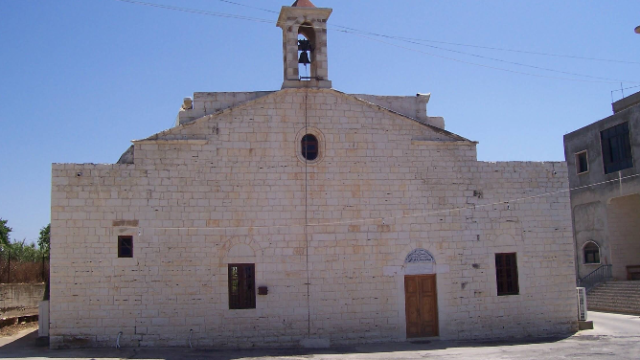
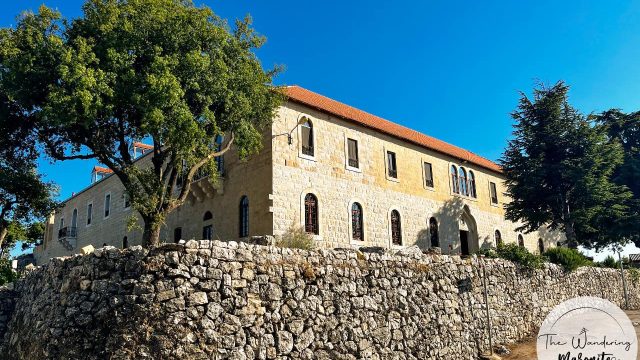
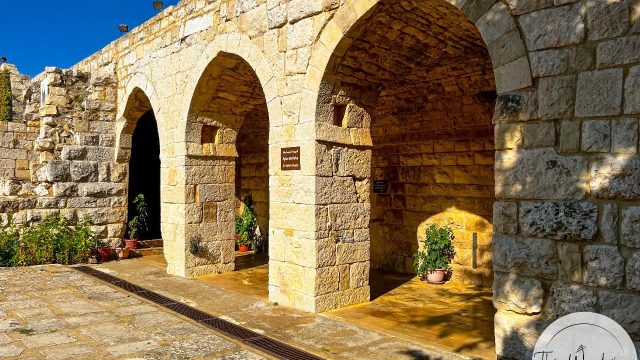
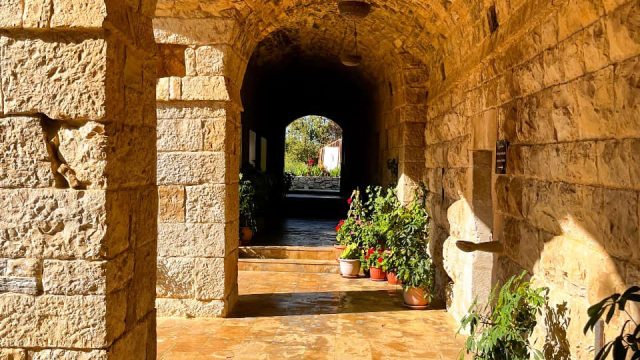
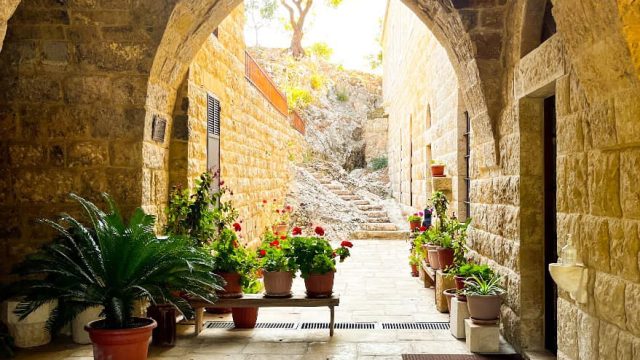
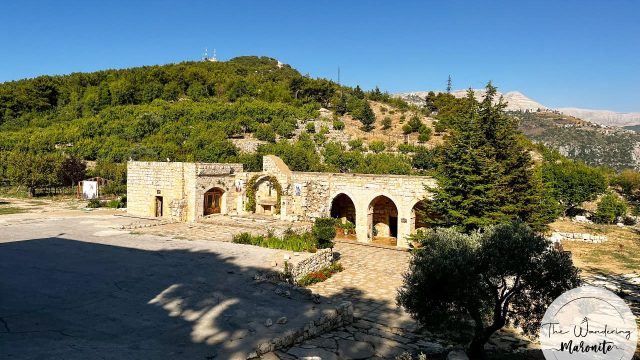
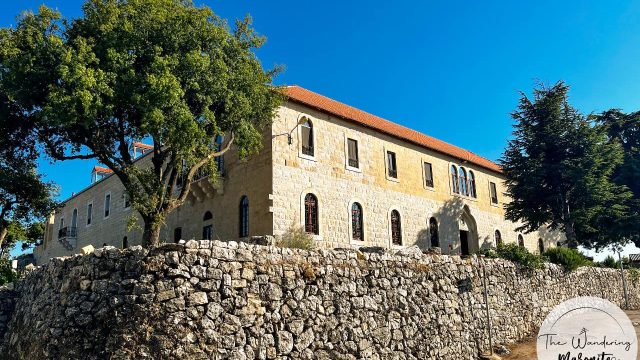
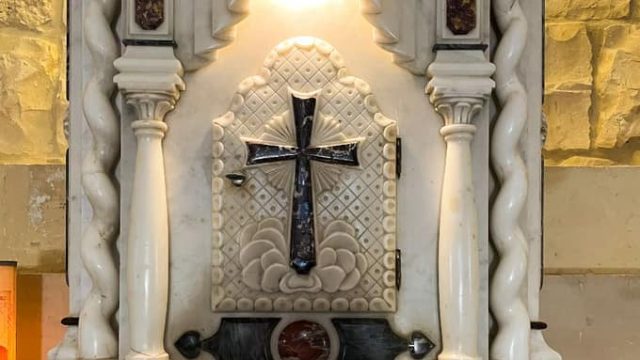
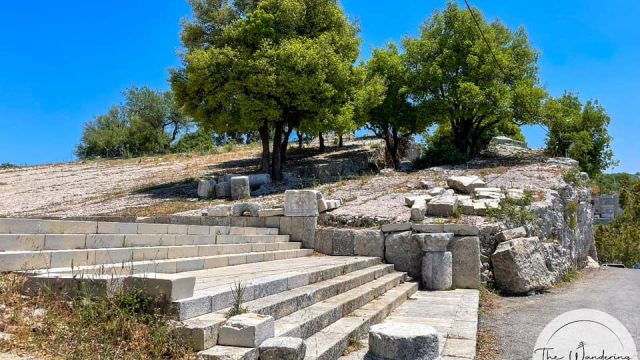
أواسط القرن السادس عشر بنى مشايخ آل الخازن دارًا واسعة في بلوّنه. في هذه الدّار أخفت الستّ نسب التنّوخيّة الأميرين فخر الدّين ويونس معن، عن أعين الدّولة العثمانيّة بعد موت والدهما قرقماز، تحت وصاية الشيخ أبا صقر إبراهيم الخازن، من سنة ١٥٨٤ إلى سنة ١٥٩٠. في ١٤ كانون الأوّل ١٧٨٥ أوقف الشيّخ عبد السلام بن عبد الملك الدّار وكنيسة مار موسى بداخله، ليصبح ديرًا وأثبت هذه الوصيّة البطريرك يوسف أسطفان. تولى رئاسة الدّير المطران يوسف اسطفان الأوّل أسطفان سنة ١٧٨٦، سافر الى روما بالسنة ذاتها، حيث قابل البابا بيوس السادس الذي أنعم بغفرانٍ كاملٍ لكلّ من يقدّس على مذبح الدير بموجب براءة بتاريخ ١٧٨٨. الجدير بالذكر أنّ الكنيسة هي مثال نادر على حفاظها على حالتها الأولى، من الزخارف والمذبح والشعريّة وبيض النعام فوق المقدس.
The Monastery of St Moses the Abyssinian - Ballouneh
During the mid XVIth century, the lords of the feudal Khazen house built an estate in Ballouneh. In this house Lady Nasab Tannoukh hid her two sons Fakher Ed Dyn and Youness Maan after the assassination of their father. The princes where under the custody of Sheikh Aba Sakr Ibrahim El Khazen from 1584 till 1590. On the 14th of December 1785, Sheikh Abdul Salam Bin Abul Malik el Khazen converted the estate and the chapel inside it, into a monastery by a decree of Patriarch Youssef Estephan. In 1786 Bishop Youssef Estfan I el Khazen was appointed superior of the monastery. He traveled to Rome and met the Pope Pius VI who gave a plenary indulgence to all who celebrate mass on the monastery’s altar in 1788. What is worth mentioning is that the church is a rare example of intact XVIth century church architecture, conserving original elements.
St. Aquilina Chapel (Aquilina the Martyr Saint of Byblos), Byblos, Lebanon
كابيلّا الشهيدة أكويلينا
Jbayl
Jbeil
Mount Lebanon
كابيلّا الشهيدة أكويلينا - جبيل
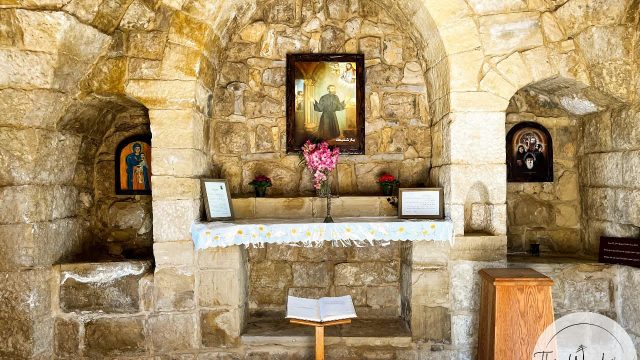
القدّيسة أكويلينا شهيدة من مدينة جبيل استشهدت فيها بعمر اثنتي عشر سنة، سنة ٢٩٣. دُفِنَت ذخائرها خارج مدينة جبيل، في المزار المُشيَّد على اسمها والواقع على تلّة قصّوبا شرقيّ المدينة بحسب المستشرق ارنست رينان. رسم لوحتها سمعان سمعان المصوّر المعروف بسمعان سارة أواخر سنة ١٩٥٣ بسعي الأب أنطونيوس زغيب الذي نشر إكرام القدّيسة. الكابيلّا بنيت أيّام رئاسة الأب يوحنّا وهبه على أنطوش جبيل في سوق جبيل القديم، سنة ١٩٨٢. وهو مزارها في قلب المدينة ومحجًّا لطلب شفاعتها.
The Chapel of St Aquilina - Byblos
St Aquilina is a twelve year old martyr from Byblos who died in 293. Her relics were buried in a small shrine on the hill of Qassouba in the vicinity of the city according to the orientalist Ernest Renan. The painting is the work of Semaan Semaan also known as Semaan Sara dating back to 1953, commissioned by Fr Antonios Zgheib who promulgated the devotion to the saint. The chapel was built when Fr Youhanna Wehbe was the rector of Byblos’s presbytery in 1982. The chapel is a pilgrimage site to all those seeking the martyr’s intercession.
Reviews are disabled, but trackbacks and pingbacks are open.