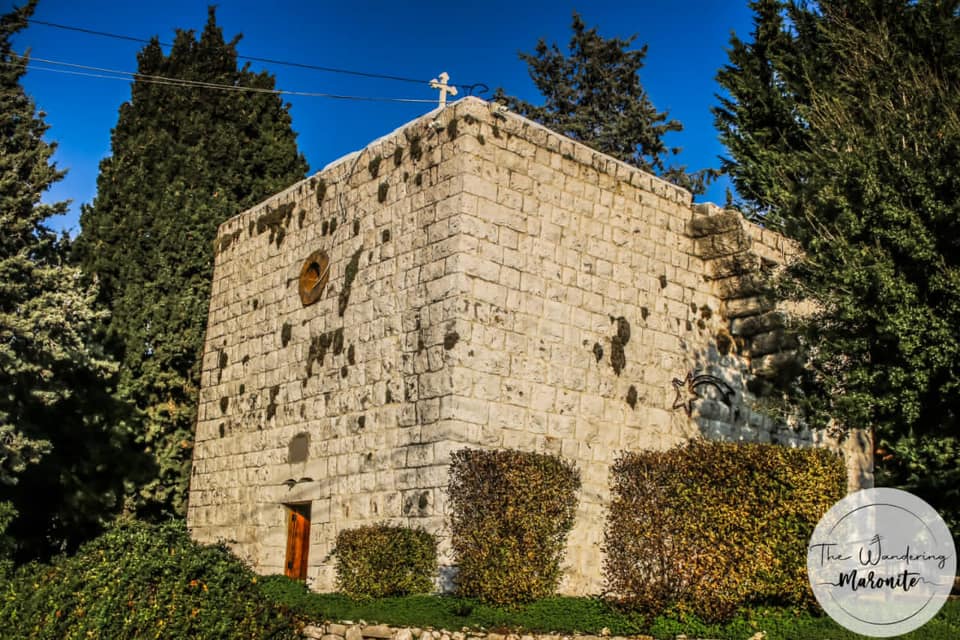
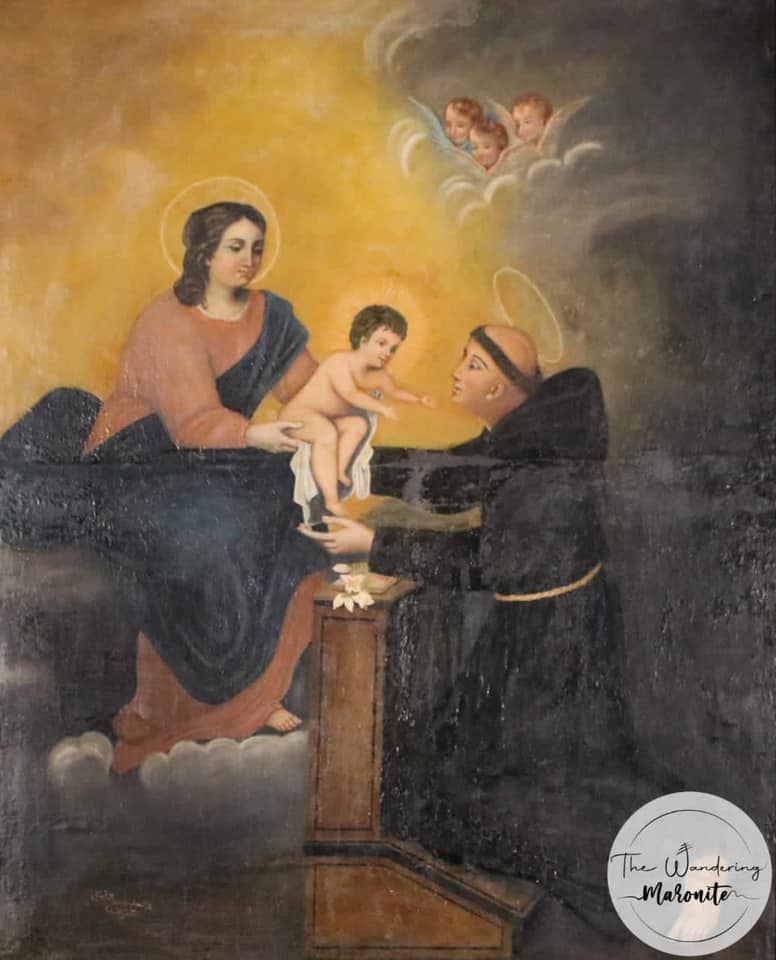
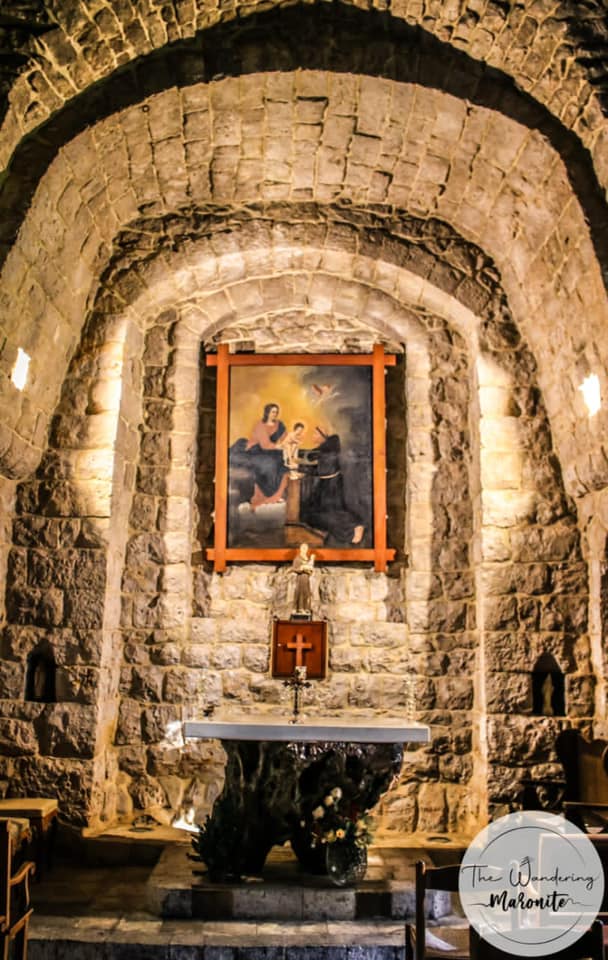
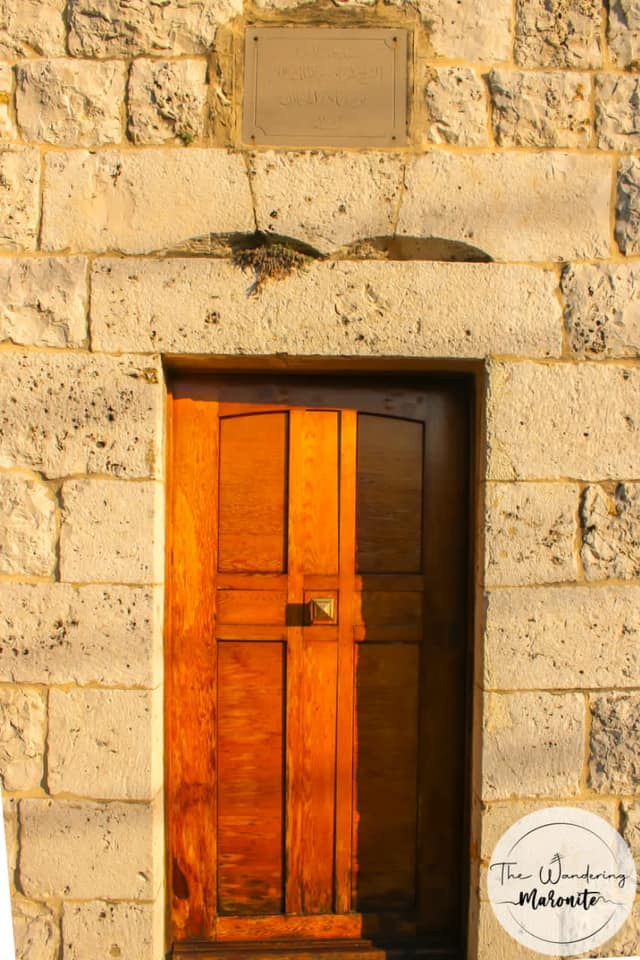
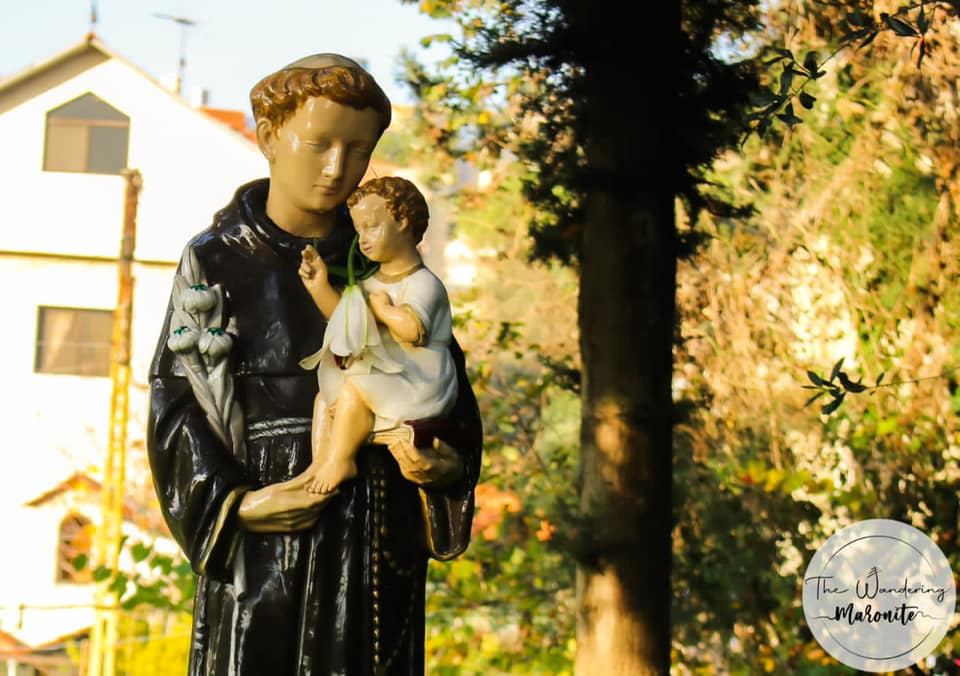
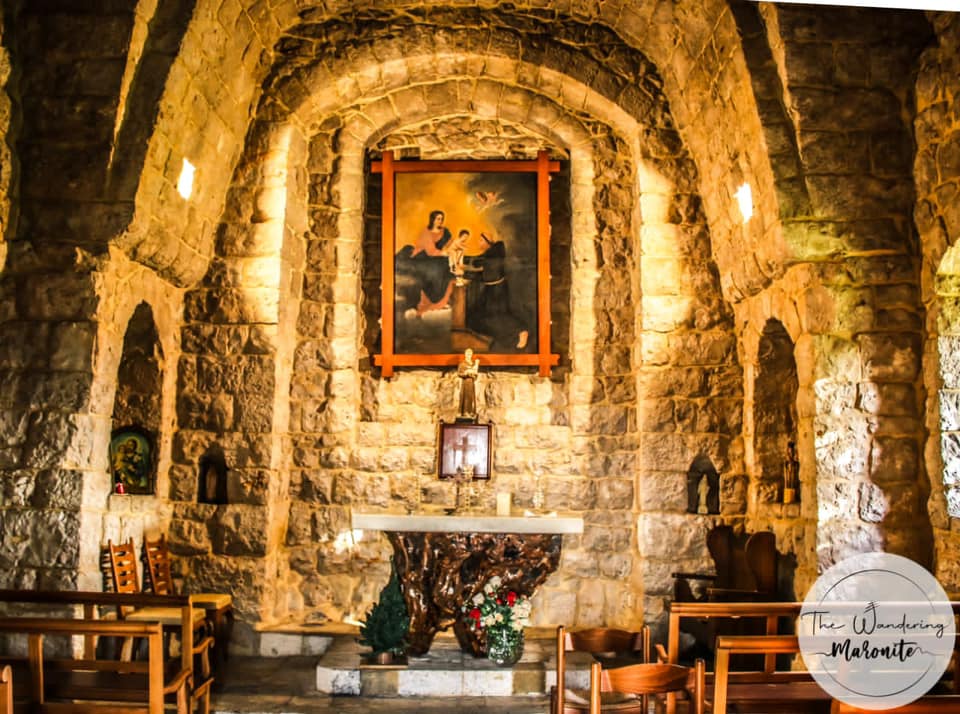
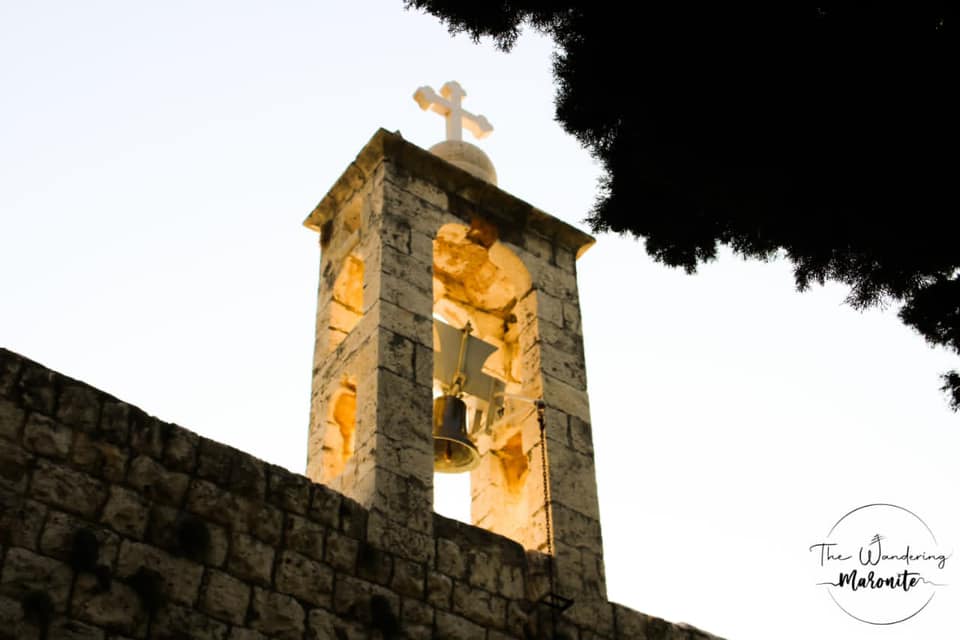
كنيسة مار أنطونيوس البادوانيّ - بلّونةبناها الشيخ فخر بن عبد الملك بن نوفل بن نادر الخازن ١٧٨٣، جُدّدت على يد أحفاد المؤسّس. هي كنيسة صغيرة ووقفيّة ذريّة لآل الخازن. اللوحة التصويريّة من عمل كنعان ديب الدلبتاويّ.The church of St Anthony of Padua - BallounehThe church was built by Sheikh Fakher son of Abdul Malek Al Khazen, in 1783. It was renewed many times by his descendants. The small church is a private familial chapel. The painting is the work of Kanaan Dib of Dlebta.
سنة ١٨٦٩ اذ كان المطران يوحنّا الحاج (البطربرك لاحقًا) أسقفًا على بعلبك، وكانت صربا تابعة له، إشترى قطعة أرضٍ من بطريركيّة الروم الملكيّين الكاثوليك. فبنيت الكاتدرائيّة بسعي الخوري بولس الأشقر البجّاني. مع موت البطريرك الحاج سنة ١٨٩٠، ضمّت صربا إلى أبرشيّة دمشق. وسنة ١٩٦٠ فصلت عن دمشق لتصبح منطقة صربا نيابةً بطريركيّةً مركزها هذه الكاتدرائيّة. يتميّز بناء الكاتدرائيّة بتصميمٍ بازيليكيّ بسوقٍ واحدة وثلاث مذابح. اللوحات التي تعلو المذابح من عمل الرسّام داوود القرم وتعود للأوائل القرن العشرين.
St George’s cathedral - Sarba
In 1869 Mgr.John el Hajj (later patriarch) archbishop of Baalbeck, since Sarba was a dependency of Baalbeck back then, bought a parcel of land from the Melkite Catholic patriarchate to build a church. The construction of the new church began with Fr Boulos al Achkar el Bejjany. When Patriarch el Hajj passed away, Sarba was transferred juridically from the see of Baalbeck to the see of Damascus. In 1860 Sarba was proclaimed an independent ecclesiastical province, a patriarchal vicariate with the cathedral at it’s center. The structure is a single nave with three apses, and three altars. The church holds three early XXth century paintings by Daoud el Qorm.
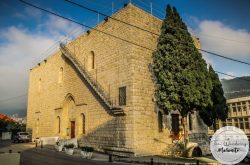
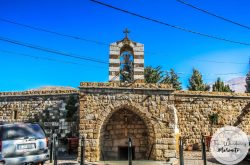
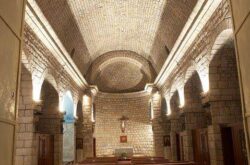
بحسب أحد التقاليد بنى الملك حصرائيم (الذي منه اسم بلدة حصرون) قصرًا وهيكلًا في هذا الموضع تحوّل في الجيل الرابع إلى كنيسةٍ على اسم مار لابي وهو اللقب السريانيّ ليهوذا الرسول. بني القسم الشرقيّ من الكنيسة في القرن الثالث عشر، وأضيف سنة ١٧٧٠ القسم الغربيّ. أخذت الكنيسة شكلها مع الصليبيّين، وهي عقد سريريّ منخفض بحنية واحدة. تضمّ الكنيسة مجموعةً من اللوحات التي تعود للقرن الثامن عشر وهي مزيج بين الأيقونة المشرقيّة وفنّ عصر النهضة.
The church of St Laby the Apostle - Hassroun
According to a folk tale, king Hassraym (from whom derived the name Hassroun) built a palace and a temple that was converted in the IVth century into a church dedicated to the apostle Laby (the syriac title given to Thaddeus or Jude). The eastern aisle was built in the XIIIth century. In 1770 the western aisle was built. During the crusaders era the church took its form, a single nave crib vaulted structure beneath the road. The church holds many XVIIth century paintings that are a representation of the local iconography being influenced by the art of the renaissance.
سنة ١٨٣٣ بنى الرهبان اليسوعيّون الدير على انقاض محبسة للأنطونيّين، وجلبوا أيقونة سيدة النجاة بعد سنة وهي رسم ساسو فيراتو. في هذه الكنيسة بدأت الأخويات المريميّة الاحتفال بالشهر المريمي سنة ١٨٣٧. سنة ١٨٥٦ كان بناء الكنيسة الكبيرة، التي كان مقرّرًا أن تكون على اسم مار يوحنا فرنسيس رجيس، فما برح الشعب يرتل ترنيمةً مريميّة فجاءت هذه الحادثة كرسالة دفعت لتكريس الكنيسة على اسم السيدة. حمت السيدة اهالي بكفيا من مجازر سنة ١٨٦٠ وداء الهواء الأصفر سنة ١٨٦٧، واليها تنسب العديد من المعجزات. سنة ١٨٧٣ أُسّست فيها جمعية راهبات القلبين الأقدسين. كذلك بزغت فيها دعوة القديسة رفقا، بطرسية الريّس التي كانت ابنة الأب كليم الجميّل اليسوعيّ، وسمعت في هذه الكنيسة نداء "بتترهبي" الذي دفعها لدخول الحياة الرهبانية في ٩شباط ١٨٥٥ في هذا الدير.
The Jesuit order started the mission in Bikfaya in 1833 building the monastery over an old Antonine hermitage, and brought an icon of Our Lady painted by Sasso Ferrato the very next year. In this church the Marian confraternities began celebrating the month of Mary in 1838. The church was built in 1856, during the consecration the church was planned to be dedicated to St John Francis Regis, yet the people began singing a Marian hymn, the superiors read that as a sign and dedicated the church to Our Lady. The Miraculous Virgin protected the villagers from the massacres of 1860, and the cholera pandemic in 1867, and she is known for her miraculous interventions. The congregation of The Blessed Hearts was inaugurated In this church in 1873. And in it the young St Rafqa, Boutrsye el Rayes, who was the spiritual daughter of the jesuit Fr. Kalim el Gemayel, heard the calling of The Madona telling her “you will become a nun”, which lead her to enter the monastic life on the 9th of march 1855.



Reviews are disabled, but trackbacks and pingbacks are open.