كنيسة سيّدة المزرعة - بجّة
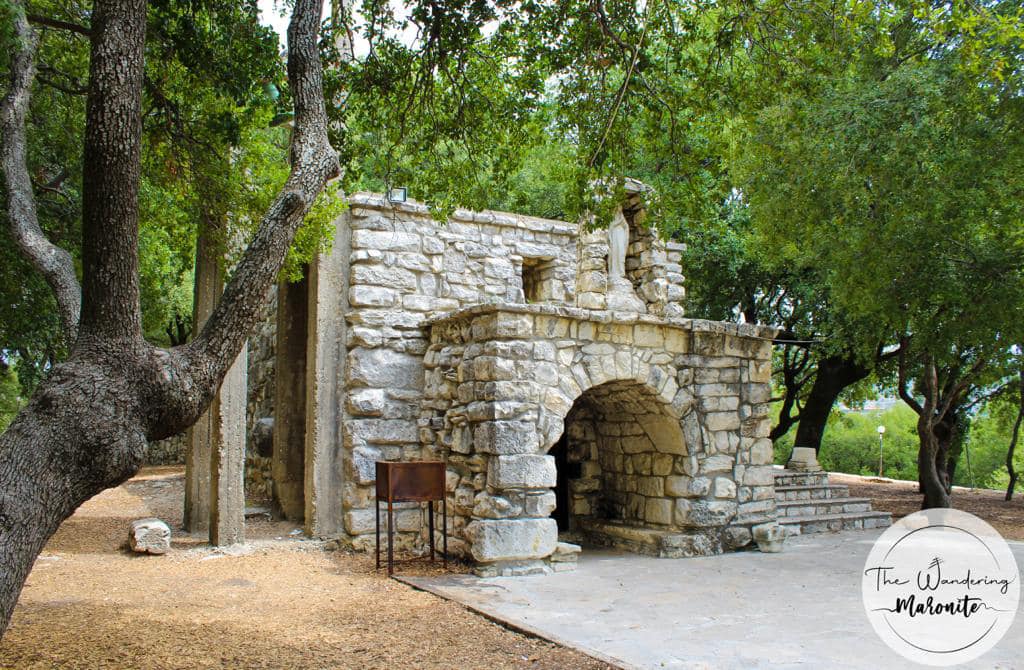
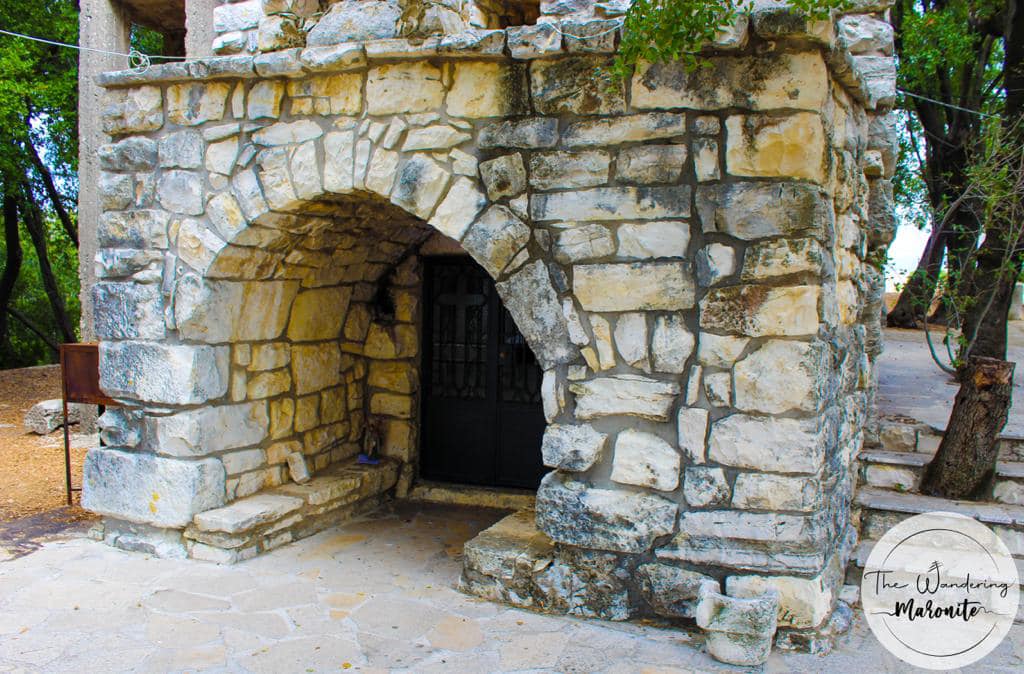
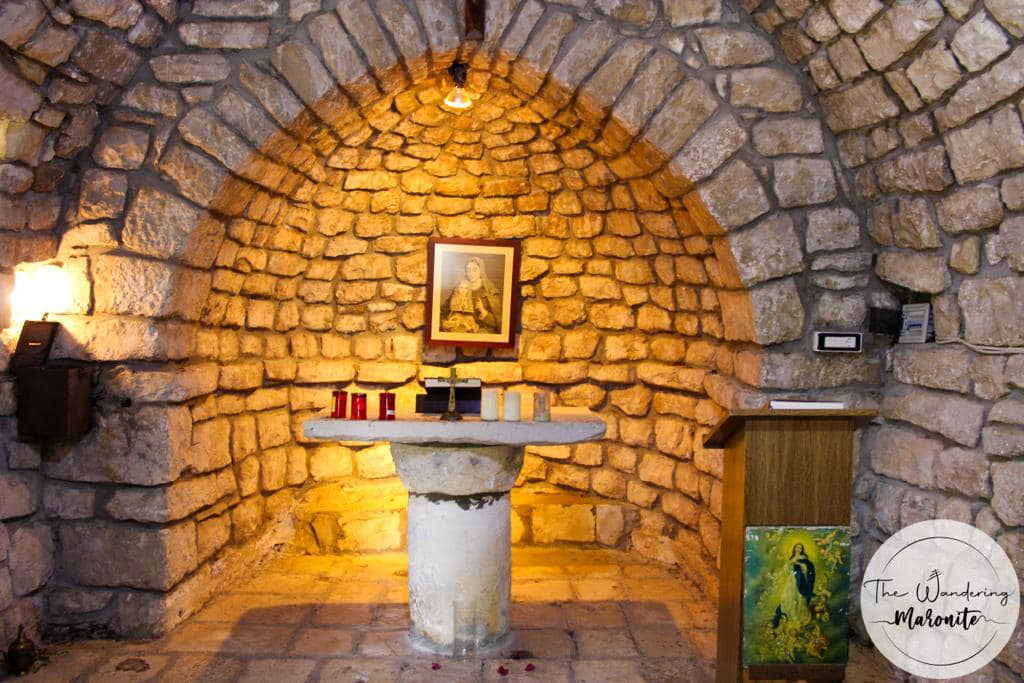
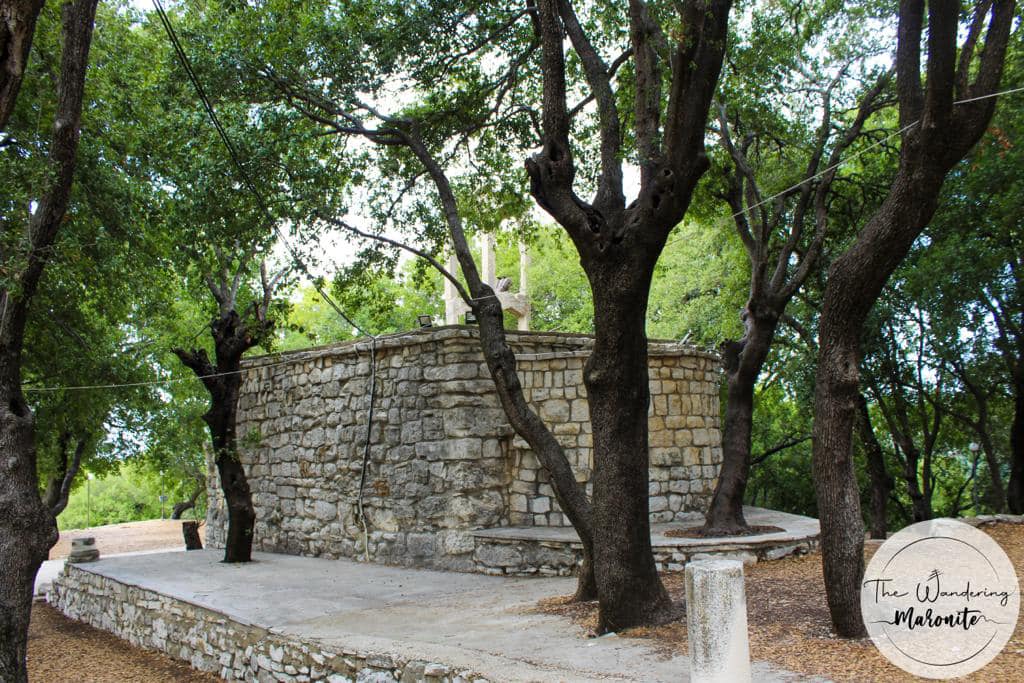
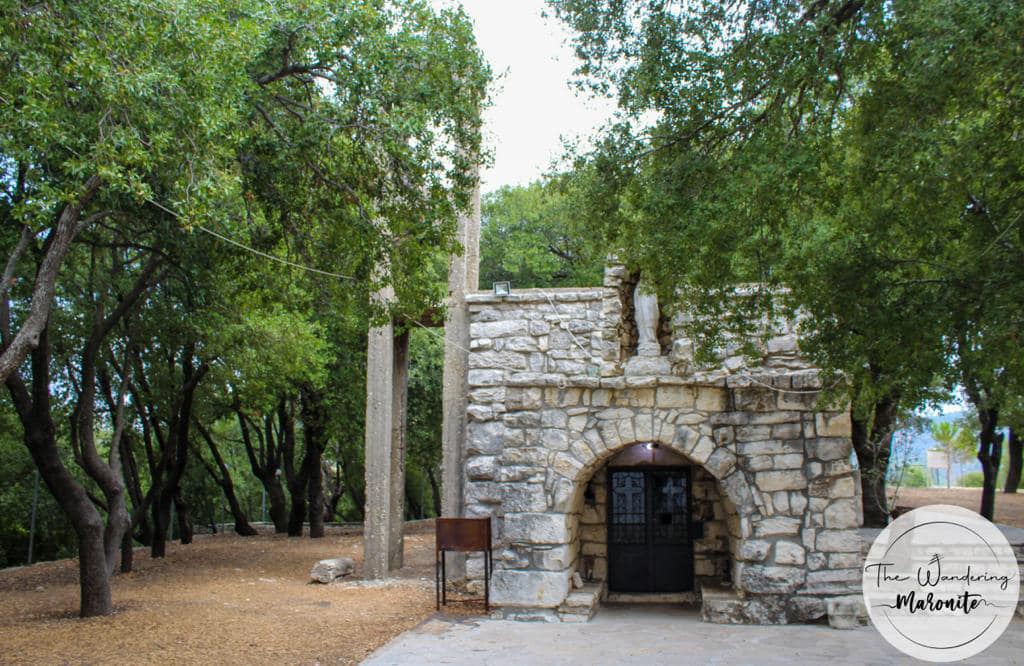
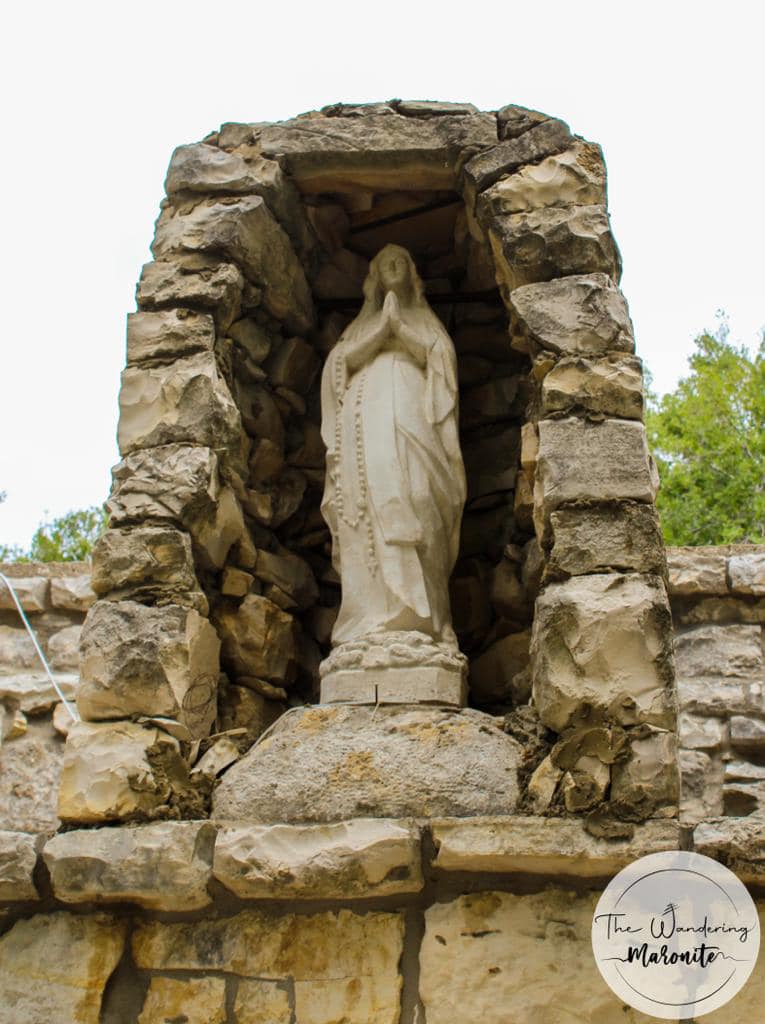
كنيسةٌ بيزنطيّة بعقدٍ سريريّ وحنية نصف دائريّة، مبنيّة فوق أنقاضٍ رومانيّة. تقع الكنيسة في موضعٍ أثريّ غنيّ بالنواويس والآثار. رمّمت الكنيسة في القرن العشرين وأُضيفت إليها قبّة جرسٍ.
The Church of Our Lady of the Farm - Bejjeh
The church is a Byzantine church, with its structure consisting of a rib vault and a semicircular apse. The church was built over Roman ruins in a historic necropolis. It was renovated in the 20th century, and a bell tower was added.
كنيسة بربارة - عمشيت St Barbara Church z Amshit, Qataah, Lebanon
كنيسة القدّيسة بربارة
Aamchit
Jbeil
Mount Lebanon
كنيسة القدّيسة بربارة - عمشيت
كُرّست الكنيسة سنة ١٨٤٧، وهي بالأصل بقايا معبدٍ رومانيّ. البناء كناية عن عقدٍ سريريّ. وُسّعت سنة ١٩٠٤ ورُمّمت سنة ١٩٨٨. تضمّ أيقونةً أثريّة محليّة للشهيدة بربارة. وبقرب الكنيسة ثلاث آبار لعائلات عمشيت الثلاث التي قدمت أوّلاً إلى البلدة
The church of St Barbra - Amshit
The structure served as a roman temple, it was consecrated in 1847. The church is a crib vault, it was enlarged in 1904 and restored in 1988. The church holds a local icon for the martyr. Near the church are three wells for the three families that came first to Amshyt.
Saint Abda Church، Antelias - Bikfaiya Road, Lebanon
مار عبدا - بكفيا
1587
Bickfaya
Metn
Mount Lebanon
The Life of Mar Abda Mar Abda was born in Persia (1) in the first generation after Christ. Judas – the disciple – baptized him and bestowed priesthood upon him then raised him to bishop over the city of Babel. He preached the faith of Christ and baptized those turning to Christianity and bestowed priesthood in every country he crossed. Some of his miracles include healing the sick and the blind and expelling devils. He walked over the water of the "Big River " with two of his disciples. He was martyrized by decapitation in the city of Noa on the Indian border with seven priests and nine virgins of his disciples. After his martyrdom he became the intercessor of barren women and the guardian of children and Christian families as well as other families (1) The Syriac church spread from Persia till the Mediterranean and was divided to Eastern and Western. The followers of this church used to move from one area to another carrying with them the saints they worshiped. Some of them carried with them the worship of Mar Abda to our area.
The Ancient History of Bikfaya The name of the town comes from Armaic Syriac origin ( Beit Kfeya) the stone house – that is consecrated to worship the God "Kifa". Church historian, the German historian Roehinger, proved that the Christian peoples – later known as al-Marada have dwelled in this area and built BasKinta, Bikfaya, and Bhersaf starting at around the year 679 – short time before building Ehden in north Lebanon. Historians mention as well that Bikfaya and Bhersaf were the headquarters of the Maronite Emirs and Bishops starting from the 7th Century A.D. and the most distinguished of these was Emir Semaan who resided in Bhersaf in the 11 th Century . The residents of the old Kesrwan ( which included at the time the Metn area and its surroundings ) supported the Crusaders who stayed in this country from 1098 till 1291. When the Crusaders withdrew from these lands, the Arabs led their first Mamluk campaign in revenge under the leadership of prince Pedra in 1292. However, these harsh mountains proved resistant to Mamluk soldiers who led a second campaign in 1293 which ended in the death of their leader and the slaughter of most of their soldiers. The Marada victories filled the Mamluk with hatred. They gathered an army of fifthy thousand warriors who attacked Kesrwan in 1305. They destroyed villages, burned temples, cut trees and wiped out all traces of construction and also killed everyone they could lay hands on. Only a few of the residents of these areas survived and wandered in the mountains of North Lebanon. As such , Bikfaya and its surroundings remained uninhabited until the 16th century.
Bikfaya during the era of the Assafiyeen Emirs Feudalism in the Mamluk era was granted by the sultan in return for military services provided by individuals to the state. The Mamluk granted the Turkuman ( known as Assafiyeen ) control over the north ( Lubnan Fi al-Tarikh- Dr Philip Hitty- Dar al –Thakafa- Beirut ,1959 ) with the mission to safeguard the shoreline against intrusion by occidentals and early natives. The Assafiyeen inhabited areas they called after their notables and then moved to Ghazir. During the era of prince Mansour al-Assafy , with security spreading in the Kesrwan area, some members of the Bikfaya families- who had survived in 1305-started to return to their hometown in 1540 (Sheikh Edmond Bleybel ) . It seems that prince Mansour decided to befriend the Christians after destroying the Shiites in his area who had plotted to kill him .The Gemayels came from Jaj in 1545 and met him. He honored them and granted them control over Bikfaya and its northem suburbs and sent them immediately to it. It is told that the Gemayels came to Bikfaya carrying the picture of Mar abda. With them came to Mhaidseh the Maalouf family and the two families became even closer when a member of the Maalouf family ( today known as klink ) married the sister of father Antoun Gemayel and was blessed with two children one of whom became a priest. In 1587 father Antoun sought to build a church in Bikfaya, so he donated one thousand Kobrosy to this cause. However , this sum was not enough and the number of inhabitants of Bikfaya was little, so father Antoun resorted to his brother-in-law and nephew for help and unified the efforts of the two towns and implemented his project next to an old oak tree. The tree is estimated to be around 1000 years old and its trunk still remains visible until our present day. Antoun set in the south-eastern side of the church an altar in the name of Mar Abda for the Maronites an another in the north –eastern side in the name of Our Lady for the Greek Orthodox (Bleybel). Dweihy says in his book: the history of the Maronites page 181 :…and in the year 1587 (996H) father Antoun of Gemayel family built the church of Mar Abda in the village of Bikfaya and had it illustrated by Elias al-Hasrouny. He spent on it 1000 Kobrosy in addition to donations by the residents of Bikfaya and other philanthropists… then Patriarch Sarkis followed in the steps of his predecessors and raised father Antoun to Archbishop as a reward for his efforts.
بُنيت الكنيسة سنة ١٨٦٠ على أنقاض كنيسة أخرى أقدم عهدًا، بسعي الخوري مارون العلم، وكرّسها المطران بولس موسى رئيس أساقفة طرابلس. رُمّمت سنة ١٩٨٤. تحوي الكنيسة على ثلاث مذابح: السيّدة وفوقه لوحة لداوود القرم تعود لسنة ١٨٨٤، قلب مريم الطاهر، ومار يوسف.
The church of Our Lady - Daraya
The church was built in 1860 over an older church, with the overseeing of Fr Maroun Al Alam. It was consecrated by Boulos Moussa Archbishop of Tripoli. The structure was restored in 1884. The church holds three altars: the main one is dedicated to the Virgin Mary with a painting drawn by Dawoud el Qorm dating back to 1884, The Immaculate Heart of Mary, and St Joseph.



Reviews are disabled, but trackbacks and pingbacks are open.