
Ghazir – The Maronite Patriarchal Seminary

Maronite Patriarchal Seminary - Ghazir, Ghazir, Lebanon

Other Details

الإكليريكيّة البطريركيّة المارونيّة

Ghazir

Keserwan

Mount Lebanon

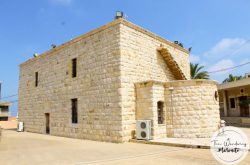
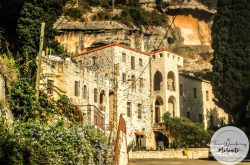
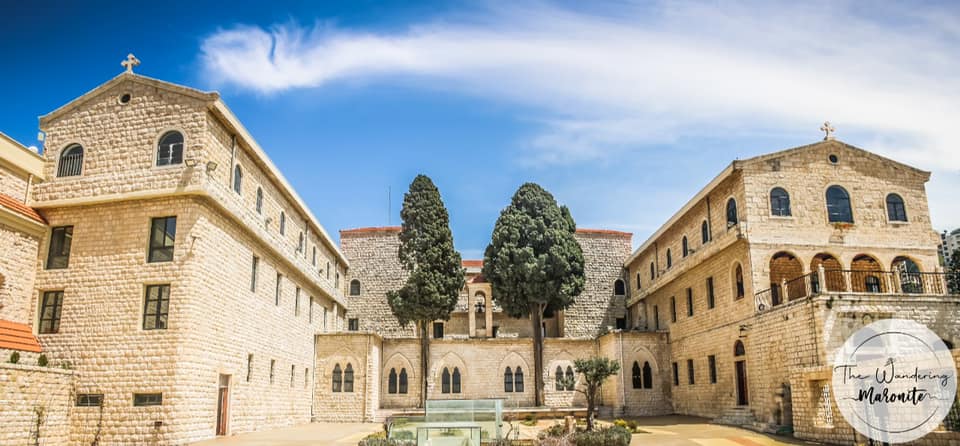
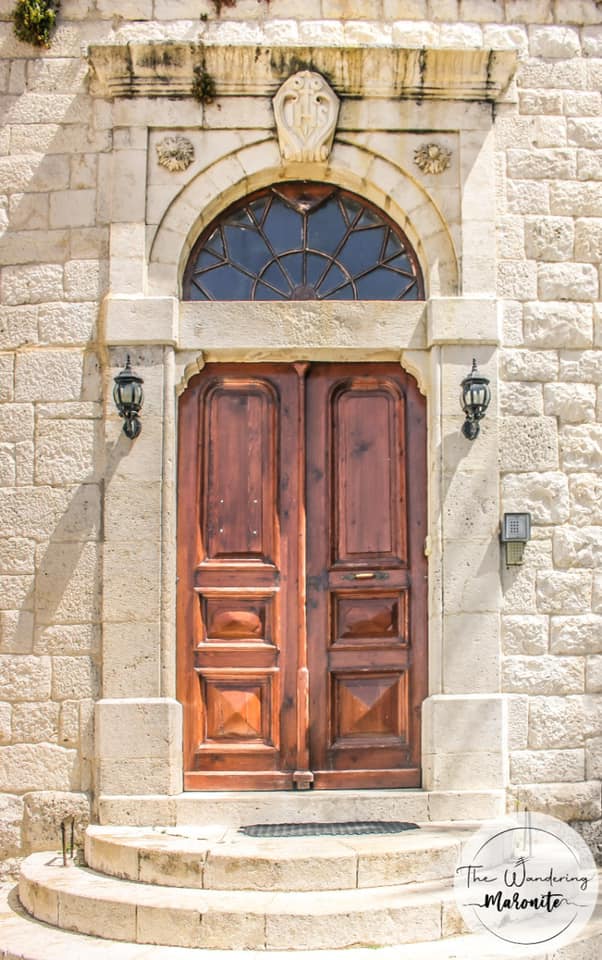
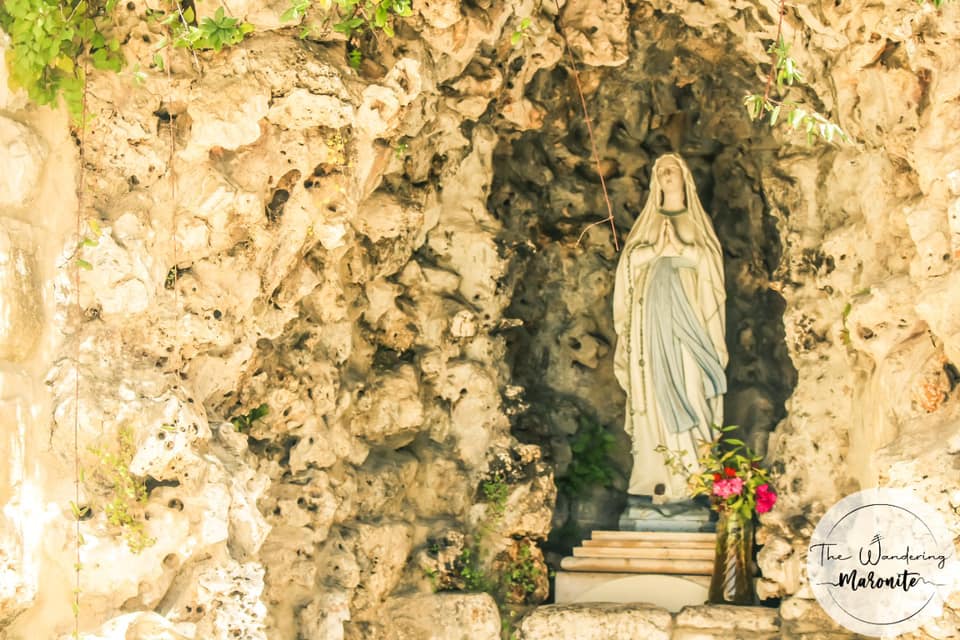
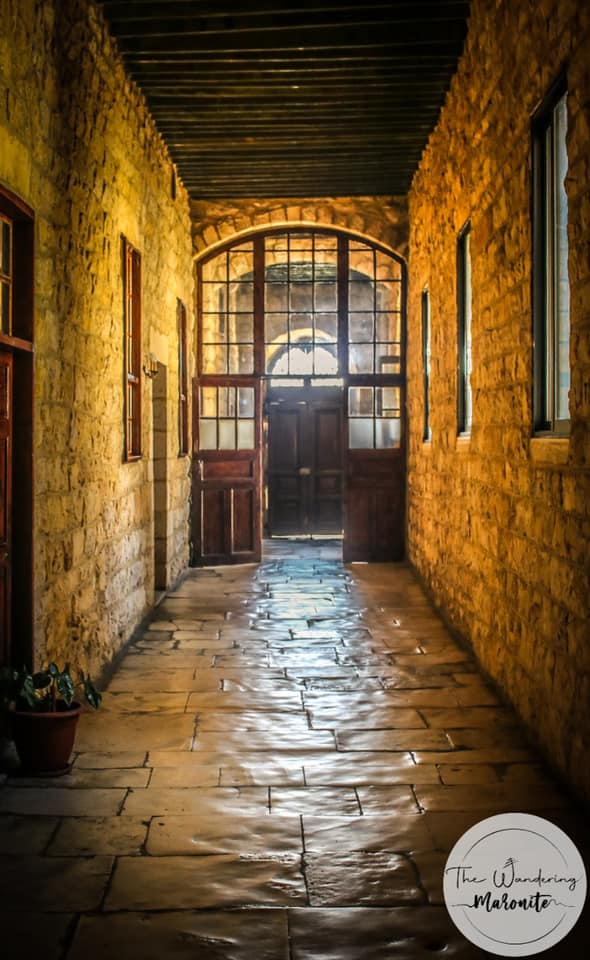
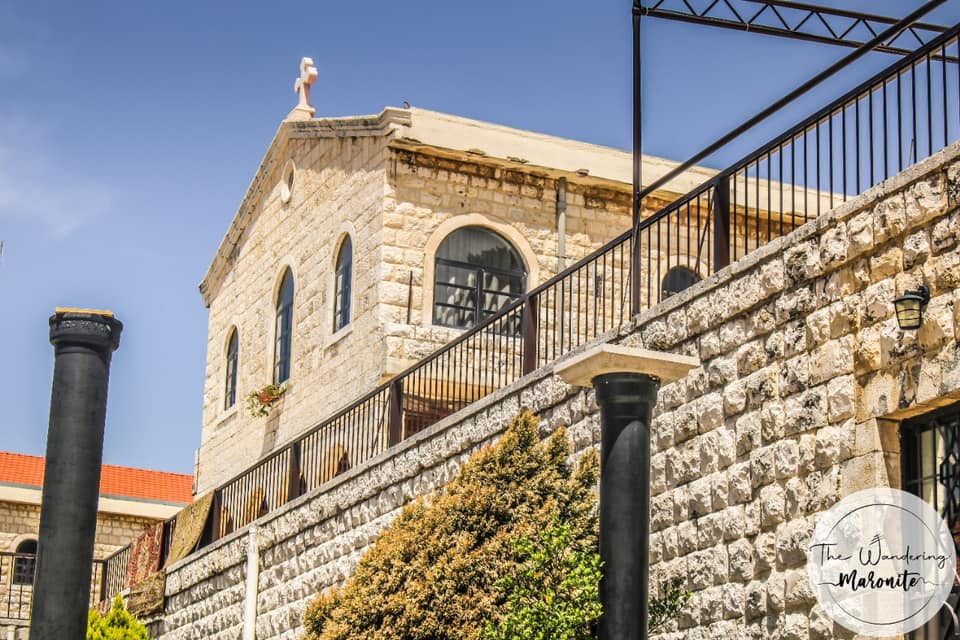
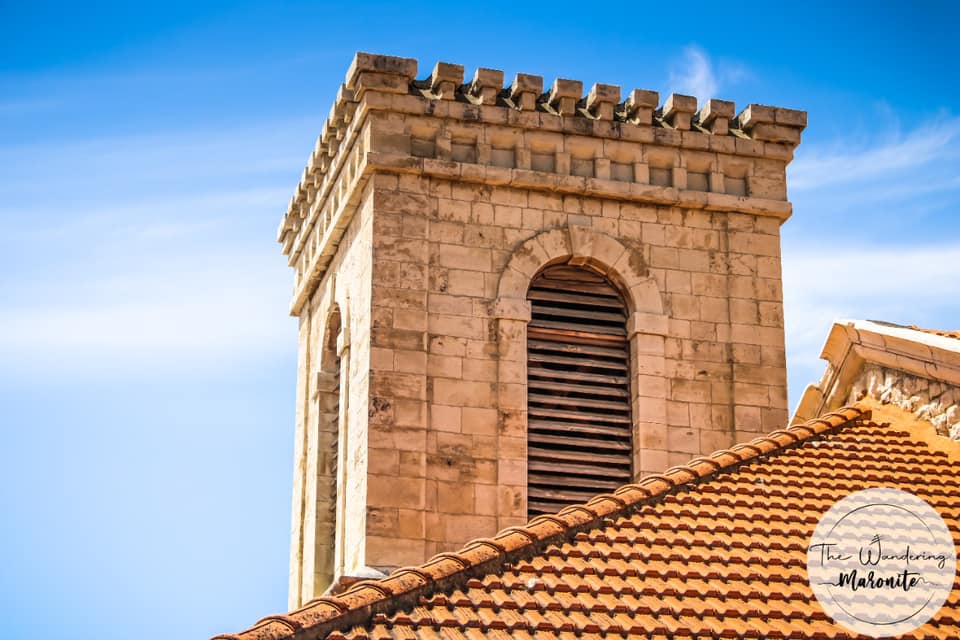
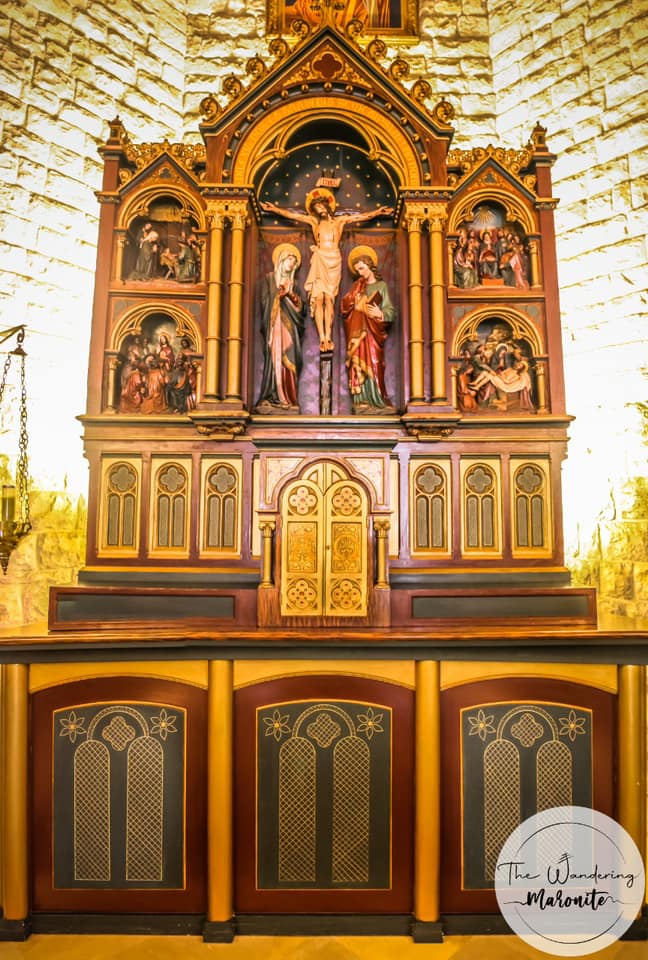
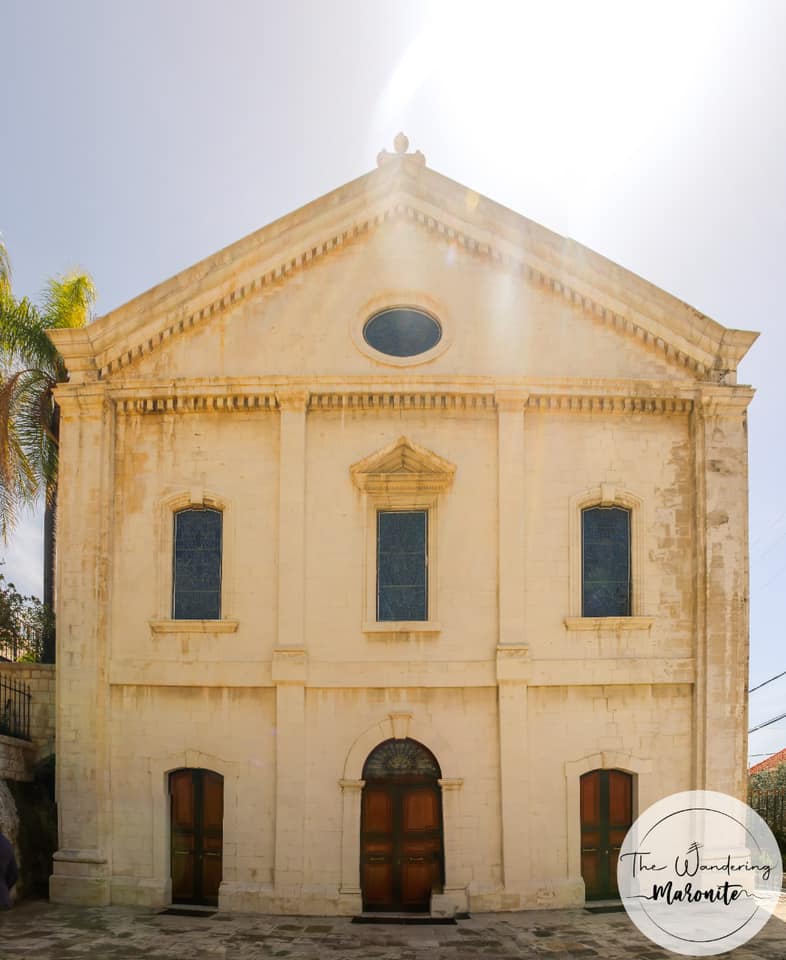
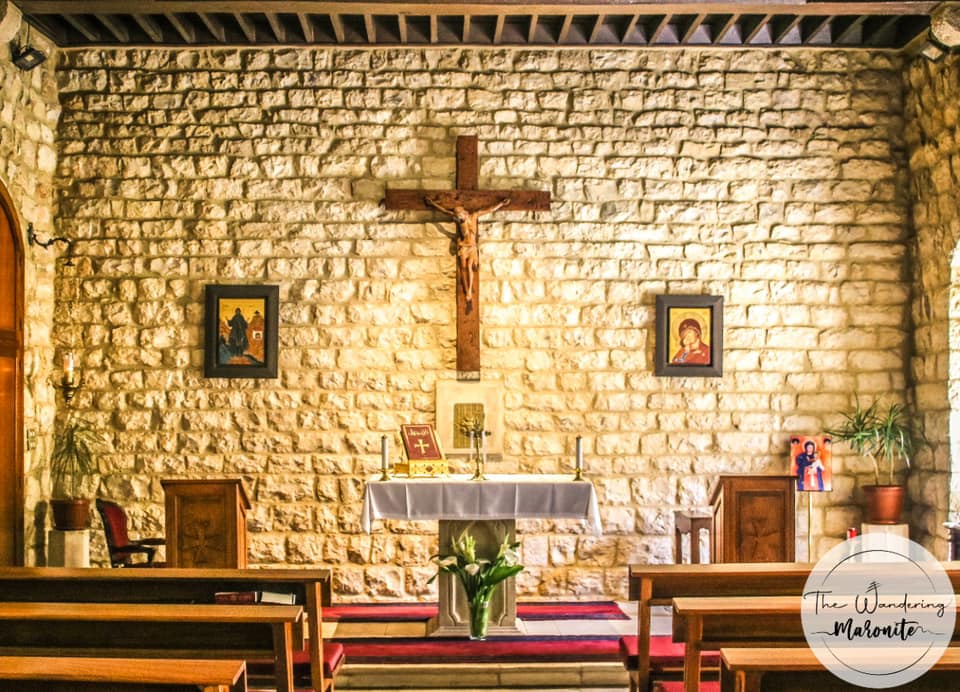
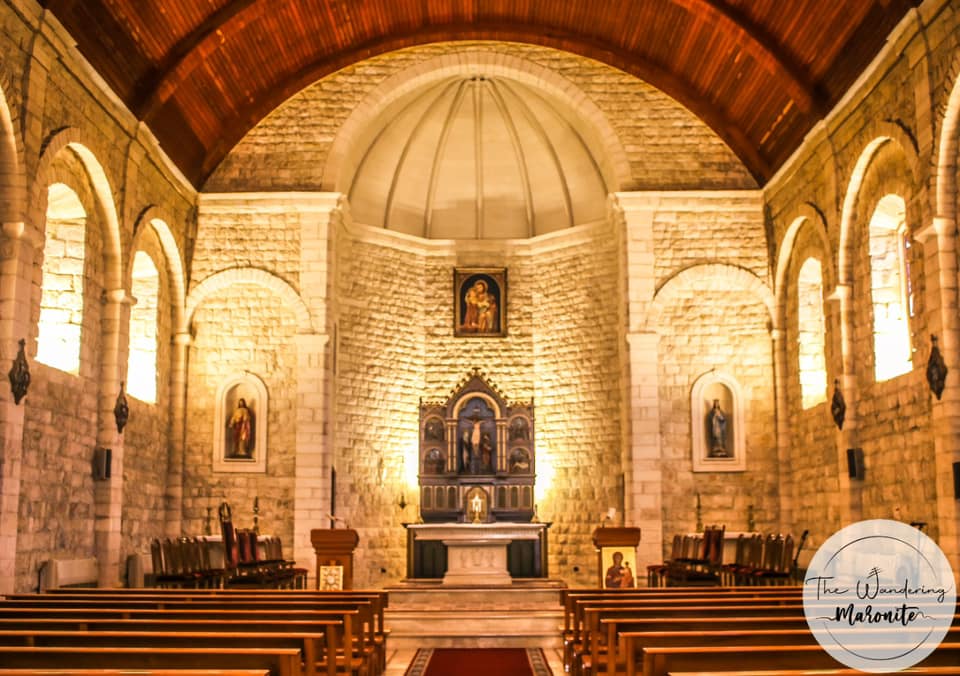
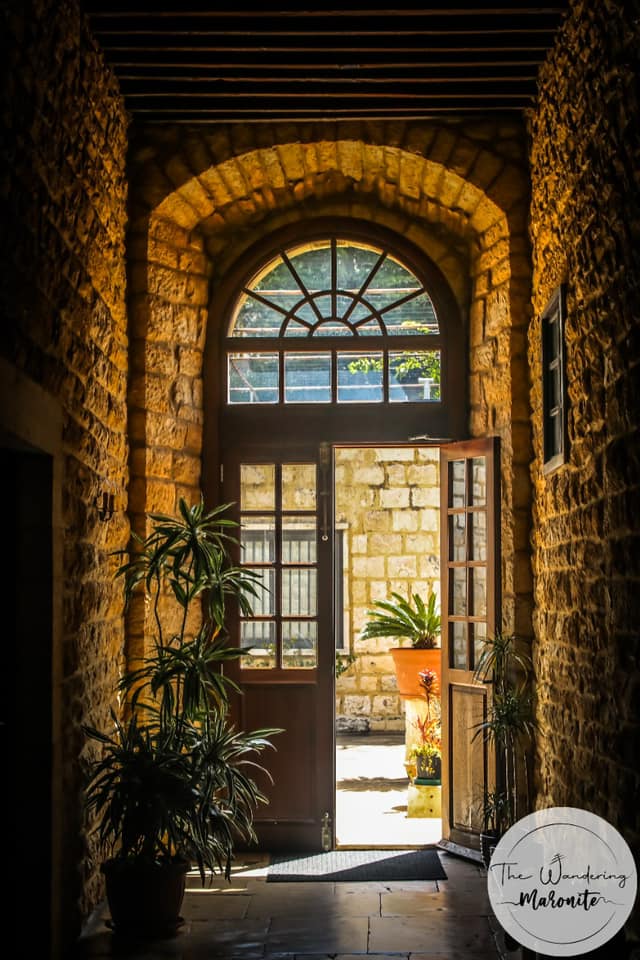
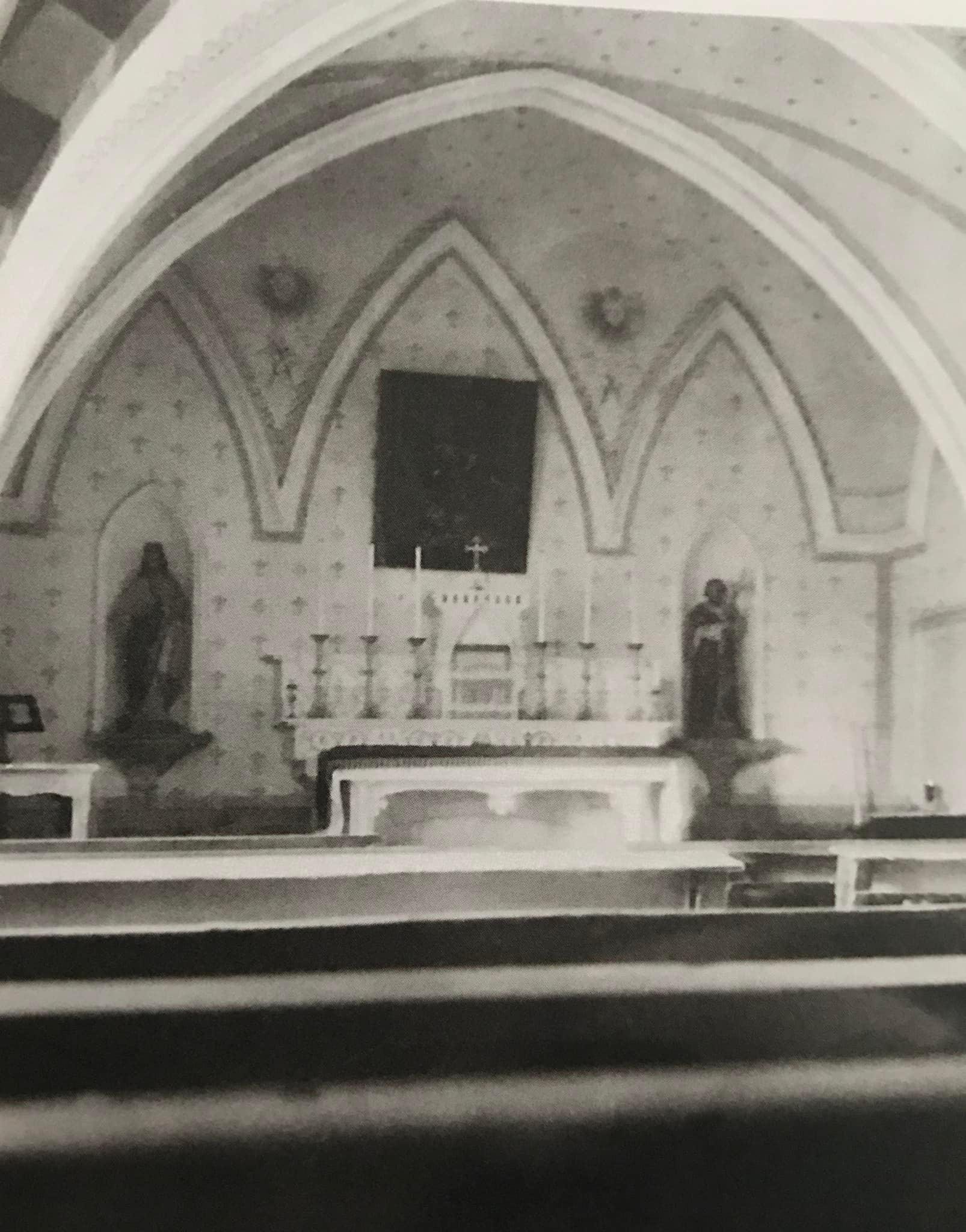
الإكليريكيّة البطريركيّة المارونيّة - غزيربنى أمراء آل شهاب قصرًا لهم في غزير مع بداية القرن التاسع عشر ما لبث أن باعه الأمير عبدالله شهاب للآباء اليسوعيّين سنة ١٨٤٣ لتأسيس مدرسة إكليريكيّة. سنة ١٨٨١ بنيت كنيسة مار يوسف الكبيرة. سنة ١٩١٤ طرد العثمانيّون الرهبان من الدّير، ليعودوا بعد الحرب ويؤسسوا ميتمًا في رحابه. سنة ١٩٣٤ أصبح الدّير إكليريكيّة بإدارة اليسوعيّين. اشترى الدّير أخيرًا البطريرك أنطونيوس خريش سنة ١٩٧٦، ليصبح شرعًا مبنى الإكليريكيّة البطريركيّة المارونيّة. عدّل بناء الدّير عدّة مرّات وأضيف عليه عدّة مبانٍ على مراحل. يحوي العديد من الأجنحة ويحوي إضافةً لكنيسته الكبرى اربعة كنائس: مار مارون شفيع الإكليريكيّة، البشارة، مار شربل، والقدّيسة رفقا التي خدمت في الدّير ردحًا من الزمن.The Maronite Patriarchal Seminary - GhazirIn the early XIXth century the Chehaby princes of Ghazir built a palace that prince Abdallah Chehab sold to the Jesuits in 1843, to build a seminary. In 1881 the grand church was built and dedicated to St Joseph. In 1914 the Ottomans occupied the seminary, it was reopened at the end of the war as a foster home. In 1934 the Jesuits reopened the seminary. In 1976 Patriarch Khoreiche bought the building from the Jesuits to house the Maronite Patriarchal Seminary. The building was renovated and repurposed many times. It holds many wings, the church of St Joseph, and four other chapels: St Maroun the patron of the seminary, St Charbel, The Annunciation, St Rafqa who served as a nun in Ghazir during her lifetime.

Visited 2215 times, 4 Visits today

Reviews are disabled, but trackbacks and pingbacks are open.

Related Listings

Kfaraabida – The church of St Anthony of Padua

Kfar Aabida, Lebanon

كنيسة مار أنطونيوس البادواني

Kfar Aabida

Batroun

North

كنيسة مار أنطونيوس البادواني - كفرعبيدا

هي كنيسة صغيرة في البلدة، بُنيت سنة ١٨١٦. البناء كناية عن عقدٍ سريريّ بسيط، يعلوه تمثال لمار أنطونيوس البادوانيّ حاملاً الطفل.

The church of St Anthony of Padua - Kfaraabida

A small church on the outskirts of the village, built in 1816. The structure is a simple crib vault, with St Anthony's statue over the building.

Salima – St. John the Baptist Ancient Church

Mar Youhana Church - كنيسة مار يوحنا, Salima, Lebanon

كنيسة مار يوحنّا المعمدان الأثريّة

Salima Baabda

Baabda

Mount Lebanon

كنيسة مار يوحنّا المعمدان الأثريّة - صليما

يعود بناء الكنيسة إلى سنة ١٦٥٨، فمع توافد الموارنة إلى البلدة شرعوا ببناء كنيسة. ساعدهم على بنائها الآباء الكبوشيّون الذين بدؤا رسالتهم في دير مار بطرس في البلدة وجلبوا لإعانة موارنة البلدة معونة ماديّة من الكاردينال ريوشوليو وزير الملك لويس الثالث عشر. سنة ١٦٨٤ كرّس المذبح البطريرك أسطفان الدويهيّ. البناء كناية عن عقدِ مُصالب، يتميّز ببابٍ فخمٍ قدّمه أمراء آل أبي اللمع. تعرضت الكنيسة للتخريب إبّان الحرب الأهليّة اللبنانيّة. ورمّمت في تسعينيّات القرن العشرين

St. John the Baptist Ancient Church - Salima

The construction of the church dates back to the year 1658 when the Maronites began to settle in the town and started building a church. The Capuchin fathers, who began their mission at the Monastery of St. Peter in the town, assisted them in its construction. They brought financial assistance from Cardinal Richelieu, the Minister of King Louis XIII, to support the Maronites of the town. In 1684, Patriarch Estephan Douaihy consecrated the altar. The building is in the shape of a crucifix and is distinguished by a magnificent door donated by the Al Abi Al Lamaa family. The church suffered damage during the Lebanese Civil War and was restored in the 1990s.

Aqoura – The church of Sts Peter and Paul

Saint Peter and Paul, Aaqoura, Lebanon

كنيسة مار بطرس وبولس

Aaqoura

Jbeil

Mount Lebanon

كنيسة مار بطرس وبولس - العاقورة

الكنيسة عبارة عن مغارة كانت مدفنًا لكهنة أدونيس وتحوي عدّة نواويس، وثلاث اعمدة تنضح الماء كانت قديمًا لنذور العواقر. وثّق المغارة العالم إرنست رينان والمفوّضيّة السّامية الفرنسيّة، لكنّ العديد من معالم المدفن خرّبت جرّاء البحث عن الطمائر. على الجدار الشرقيّ داخل الكنيسة كتابة منقوشة باللغة السريانيّة وهي مختلفة من حيث الاسلوب، لأنّها منقوشةٌ بشكلٍ عاموديٍّ وليس افقياً. وقد فسّر علماء الآثار هذه الظاهرة أنّه في القرن السابع للميلاد زمن الامويّين ذهبت بعثات نسطوريّة الى الصين. وهذا ما يفسّر الاسلوب العامودي في الكتابة الآراميّة المنقوشة، فهؤلاء تأثروا بالكتابة الصينيّة العاموديّة كالكتابات السريانيّة في شيان التي تعود للحقبة نفسها. رمّم المذبح سنة ١٨٩٥، والواجهة الأماميّة سنة ١٩٥٢.

The church of Sts Peter and Paul - Aqoura

The church was a funerary cave for the priests of Adonis, it holds many sarcophaguses and three columns that pour water. The cave was studied by Ernest Renan and the archeologists of the French high commissariat. The church holds a VIIth century Syriac calligraphy that is distinct since it was written vertically, which relates to the Nestorian monks who went to missions during the Umayyad era and reached China. There they were influenced by the mandarin calligraphy and began writing Syriac in this manner. The stella of Xian uses the same type of writing and dates back to that era. The church was plundered by tomb raiders, the high altar was restored in 1895, and the entrance in 1952.