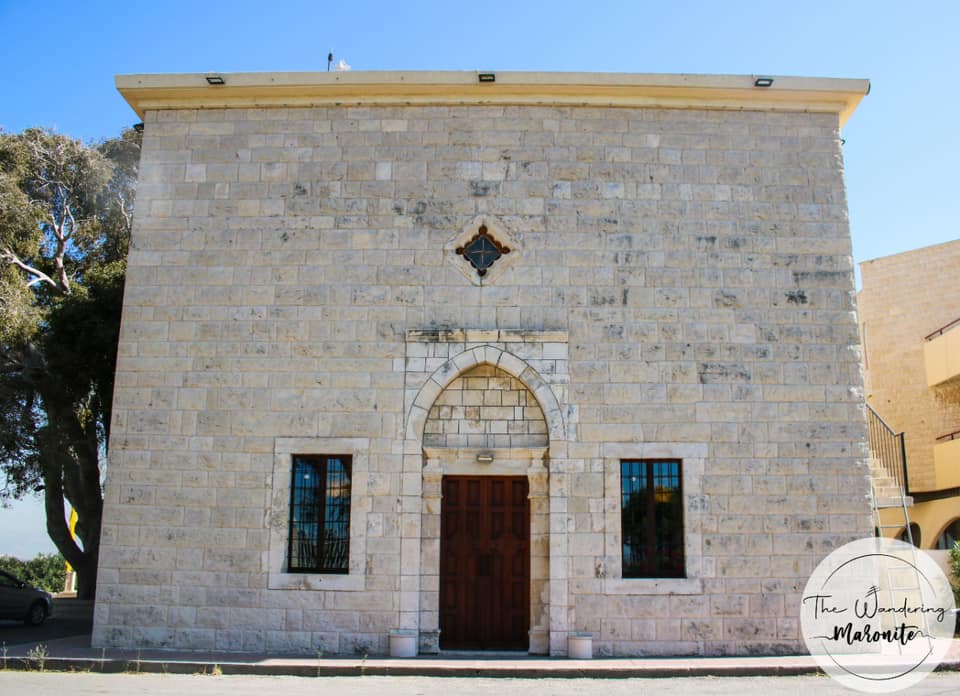
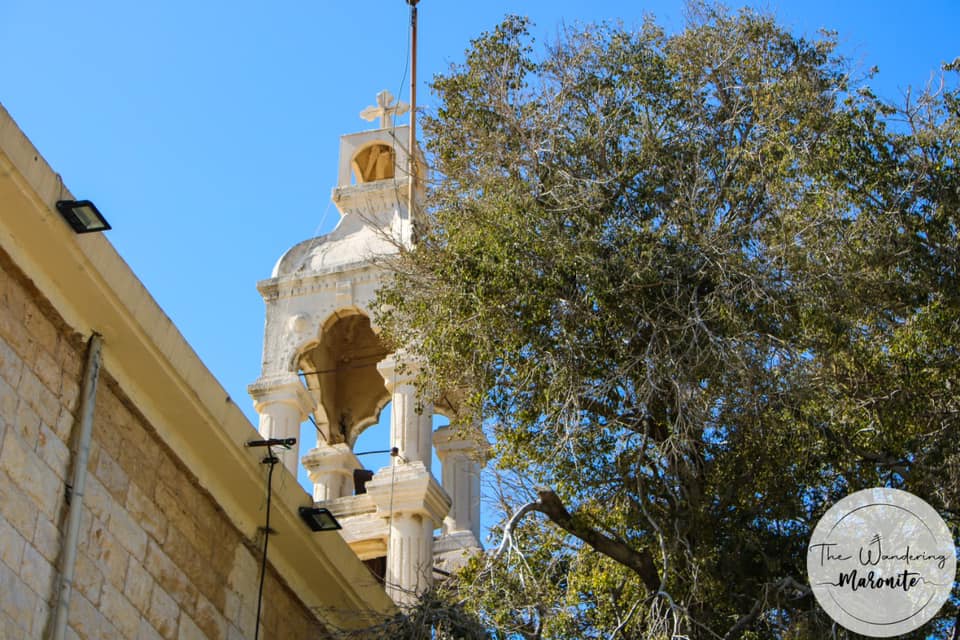
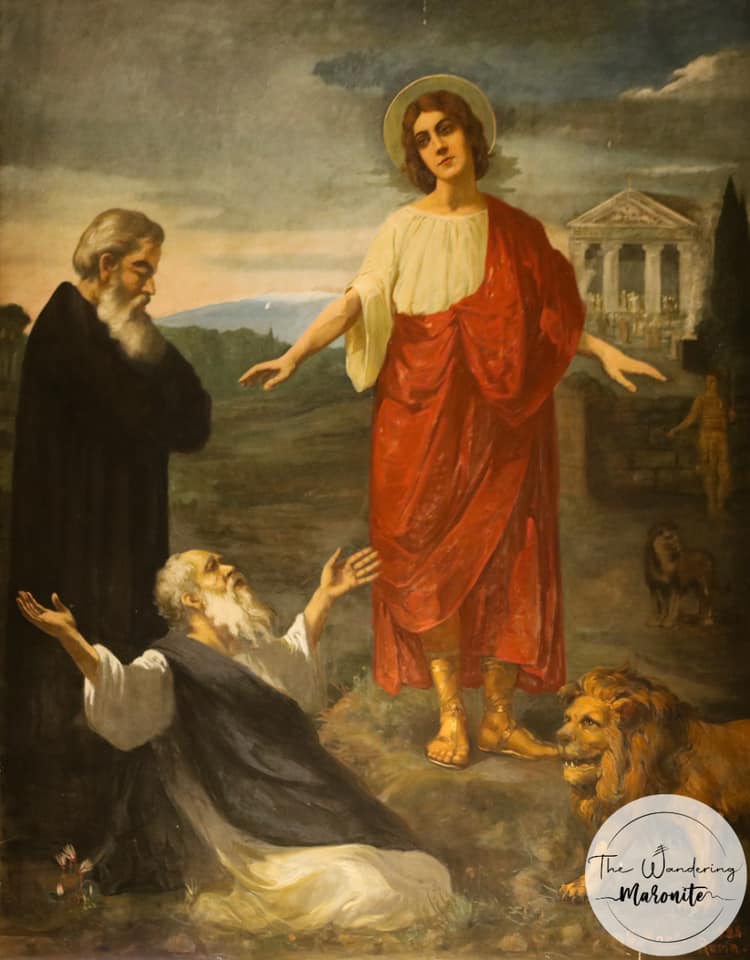
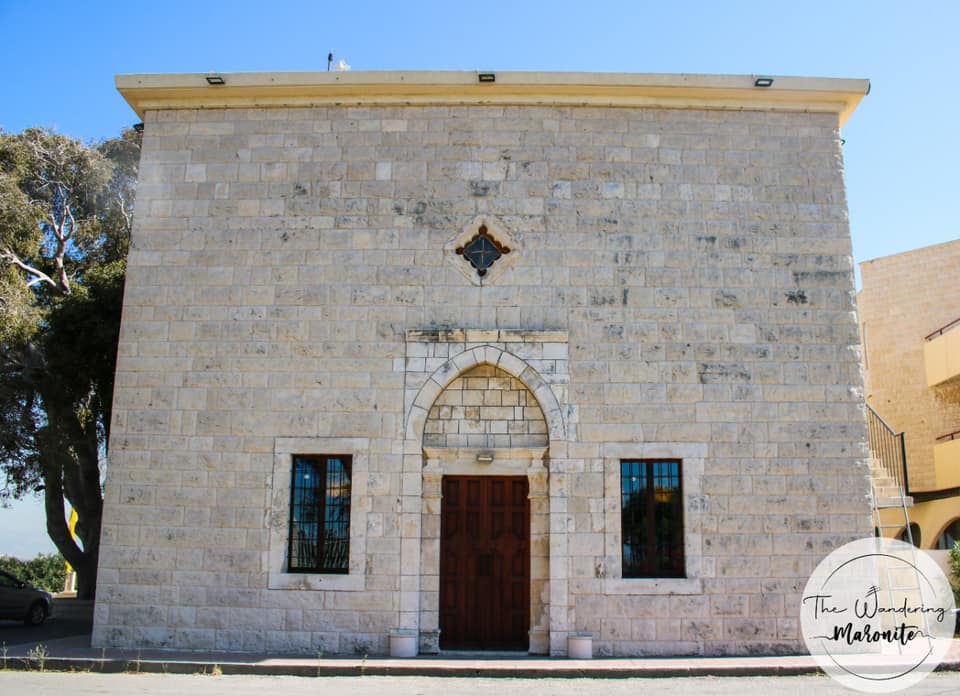
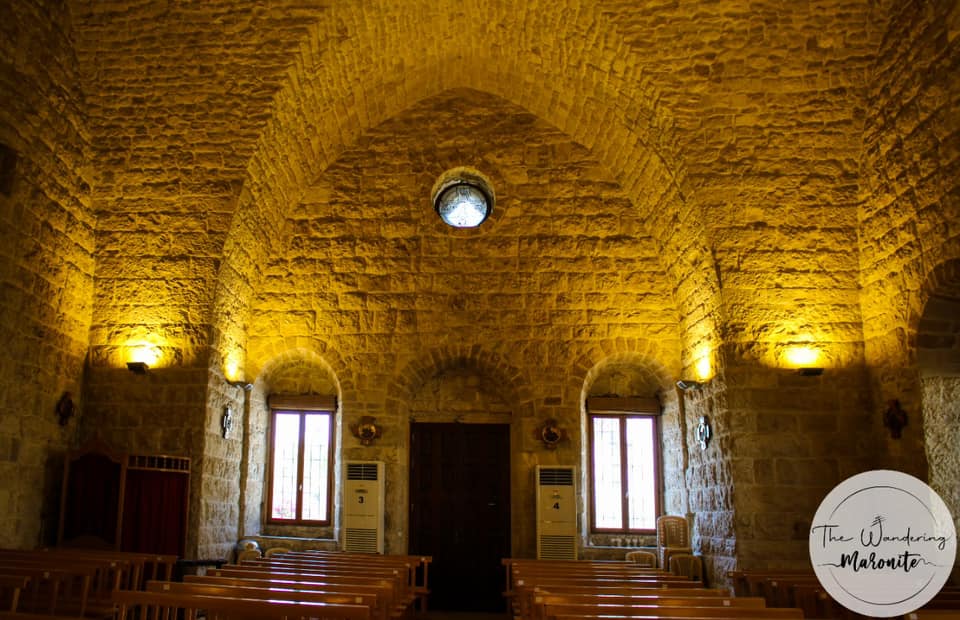
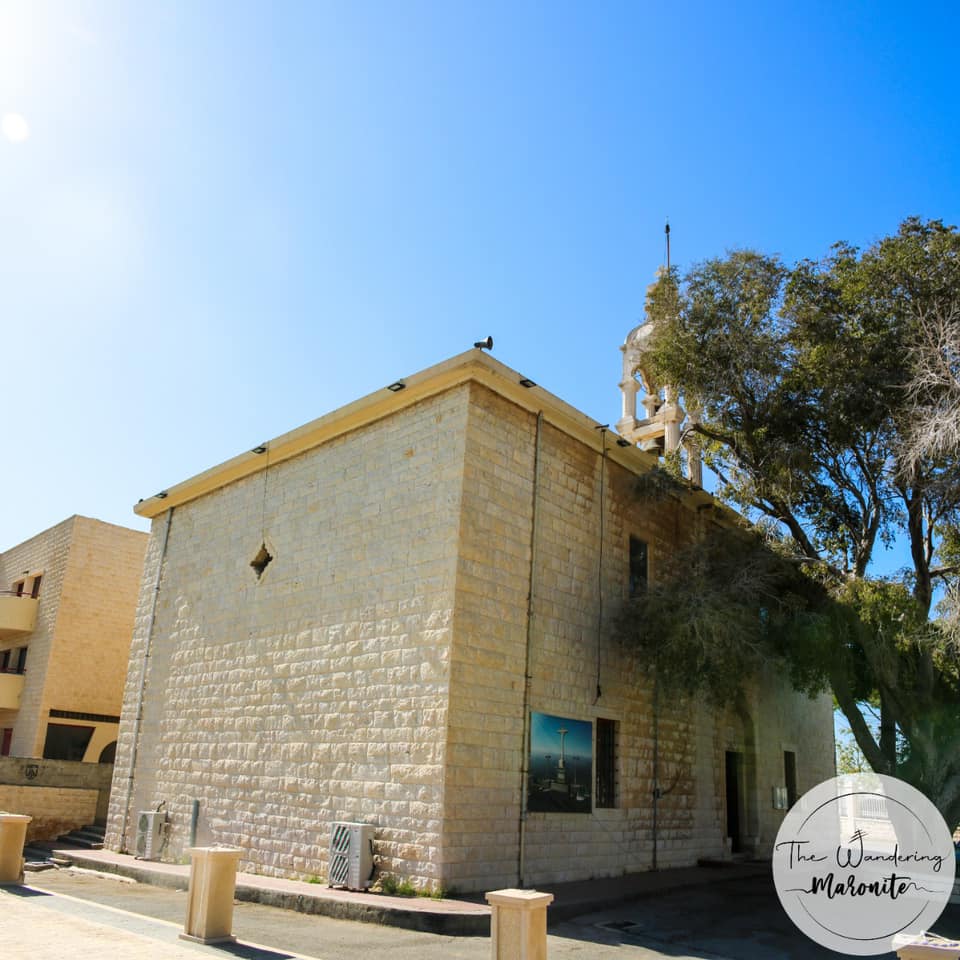
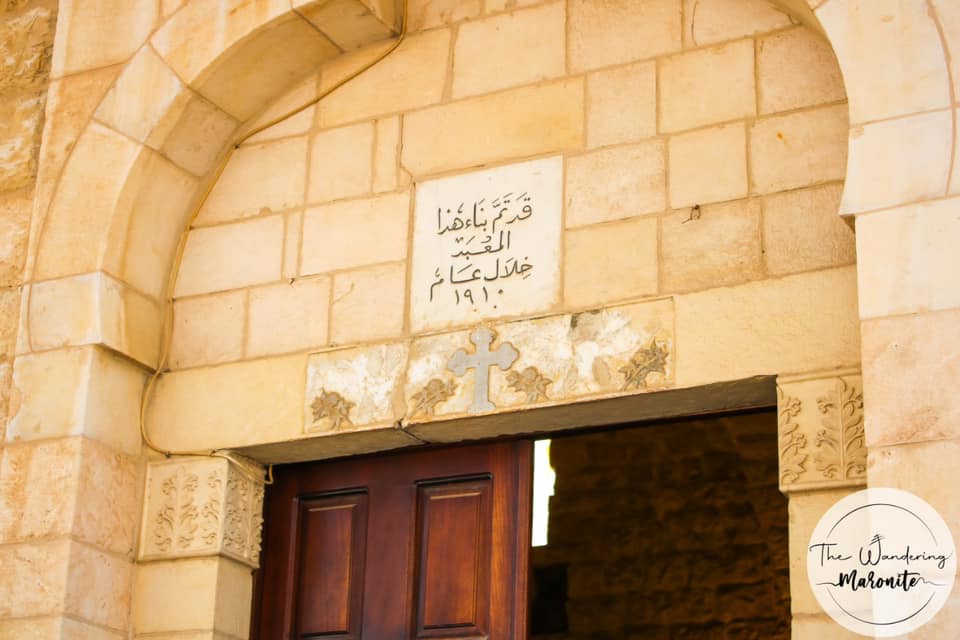
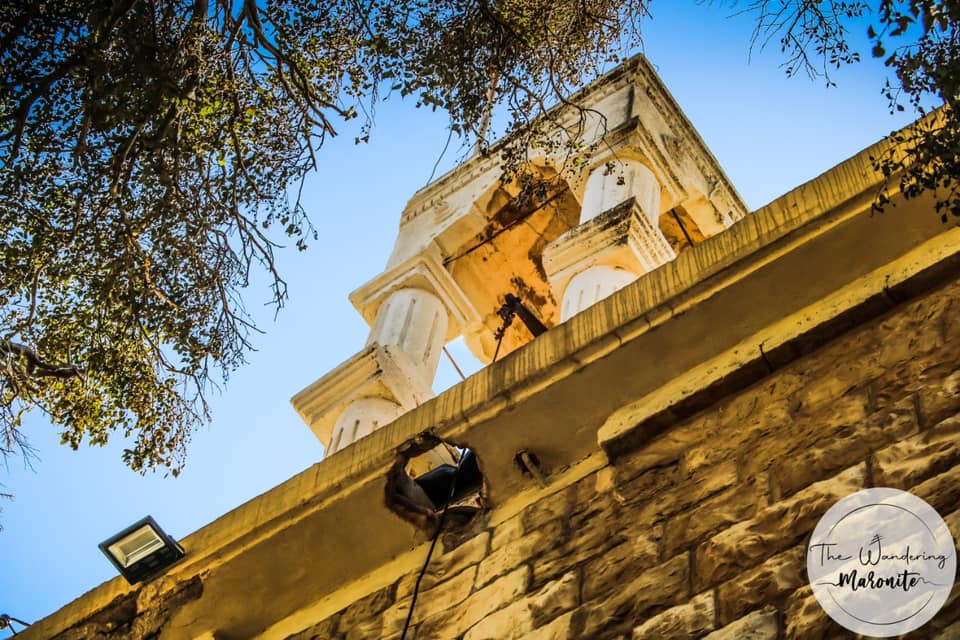
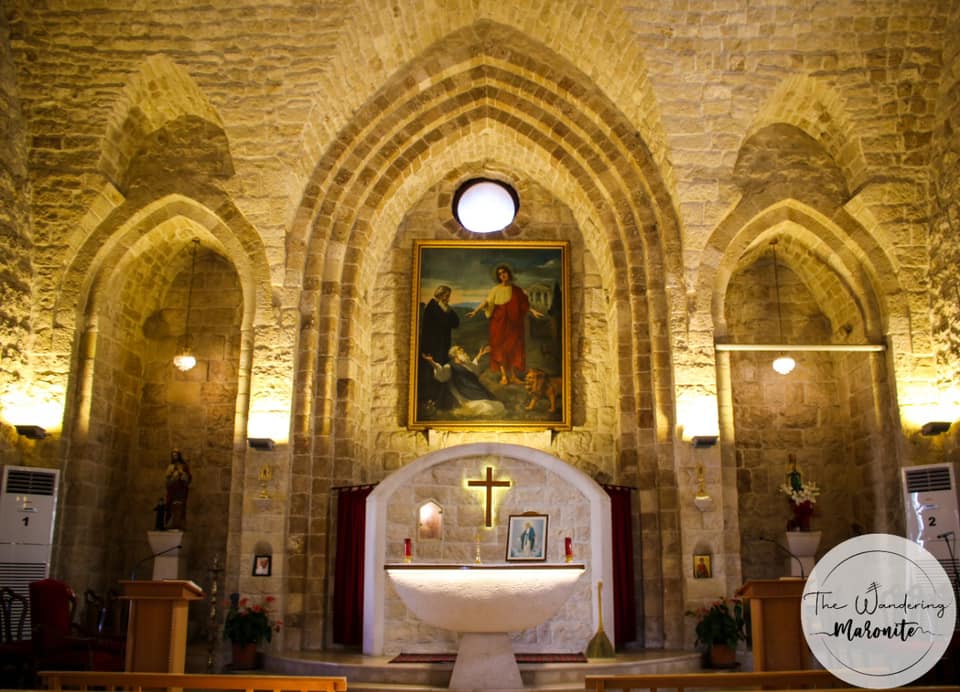
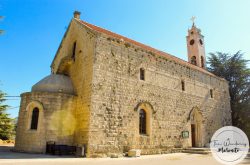
كنيسة مار بنديليمون - بجدرفلبُنيت الكنيسة سنة ١٩١١، وهي الكنيسة الرعائيّة لبلدة بجدرفل. هي على إسم مار بنديليمون أو آسيا الصدّيق كما عرفه السّريان، وهو الطبيب الشافي. تشتهر الكنيسة كونها عجائبيّة، تقصدها للنذر العواقر. اللوحة التصويريّة مجلوبة من روما سنة ١٩٢٣، وهي من عمل جيورجيو مونتي.The church of St Pandeleimon - BejdarfelThe church was built in 1911 as the village’s parish and consecrated to St Pandeleimon also known as St Asia the just in the syriac tradition, as he was a doctor. The church is a pilgrimage site for barren women. The painting is brought from Rome, dates back to 1923, and is the work of Giorgio Monti.
Old twin church St Takla & Stephan, Chamat, Lebanon
كنيسة مار تقلا ومار أسطفان شامات
1230
Chamate
Jbeil
Mount Lebanon
هي كنيسة مزدوجة، قديمة جدٍّا، تقوم على أنقاض هيكلٍ وثنيّ، على إسم مار تقلا ومار إسطفان. لا يمكن تحديد زمن تحوُّلها من هيكلٍ وثنيّ ٍالى كنيسة، إنّما نستطيع ان نردّ هذه المرحلة تقريبيًّا الى العهد البيزنطيّ، إستنادًا إلى طريقة تنسيق الفسيفساء التي وُجدت في أرضها. وقد بقي من آثار الهيكل الوثنيّ أعمدة ذات أطنافٍ من الطراز الأيوني والدُوري قائمة داخلَ الكنيسة وخارجَها. وقد وُجد في هذه الكنيسة أحد الكتب البيعيّة الذي كُتب على هامشه أنّ البطريرك دانيال الشاماتي(1230-1239) قد كرَّس هذه الكنيسة، وحفر رسم الصليب على احد حجارتها تذكارًا لهذا التكريس. الكنيسة عبارة عن سوقَين تفصل بينهما قنطرتان، وفي كل سوقٍ منهما حنيَّة. وفيها مذبحان هما عبارة عن لوحٍ حجريّ يقوم على قاعدة عامودٍ ضخم. فلوحة مار تقلا ترتفع فوق الإفريز الحجريّ، وهي مرسومة بيد كنعان ديب، مؤرّخة سنة 1863. امّا اللوحة التي تمثّل مار إسطفان فهي من دون تاريخ، وترتفع على الحائط الجنوبي للكنيسة لوحة زيتية للسيّدة العذراء تحملها الملائكة، وهي من دون توقيع ولا تاريخ. وفي الماضي كان هناك رواق حجريّ ذو عقدَين يغطّي مسافةً أمام الكنيسة ولا تزال بقاياه بارزة. ولهذه الكنيسة بابان يقومان في جهتها الغربية. أما أعتابهما فهي عبارة عن اجزاء من أغطية نواويس حجرية يبرز في احدها حفرٌ متقنٌ لرأسَي عجلَينَ.
It is a rare double church, built over the ruins of a pagan temple, dedicated to St Thekle and St Stephen. It is hard to pinpoint the exact time of the conversion, yet the mosaic can help us date the church back to the Byzantine era. The leftovers of the pagan temple are some ionic and doric columns. The Maronite Patriarch Daniel of Chamat (1230-1239) dedicated the church and inscribed his dedication with a cross on the wall. The church consists of two naves separated by a set of columns ending with apses with two altars dedicated to both saints respectively. In the shrine of St Thekle stands her painting by the famous Kanaan Dib and dates back to 1863. Two other paintings adourne the church, both not signed and not dated, one for our lady the other for St Stephen. In front of the church stood once a narthex now in ruins. On the western wall are the two main doors over one of them is an old sarcophagus covered with two intercately carved bulls.
House and the Church of St. God's grace (Neamtallah) Hardini Lebanese Maronite Order, Hardine, Lebanon
بيت وكنيسة القديس نعمة الله الحرديني
Hardine
Batroun
North
Hardine’s name is derived from the Syriac language meaning ‘pious’, Witness of justice, Ardent in faith and Square of religion.
It is located about 1100m. above sea level. A large area of very thick forests surrounds it and the following ruins of its inveterate past decorate its mountain terraces:
-The «rocky tile of Hardine» with its marine fossils and its unique length of 350 m along a slope to the west and its width of nearly l00m. Some one said, «The three most beautiful in Mount Lebanon are the valley of Kannoubine, The Palace of Beit Eddine and the tile of Hardine».
–The Temple of God Mercury With 30 majestic pillars built according to the rare ionic style. This temple known as «the roman Palace of Hardine». It’s a really fantastic one; it goes back to the time of Emperor Hadrian Augustus (117-137 A.D).
-“St Fawka’s” monastery (6th century)
-“Patriarchal monastery” since the Maronites came to Lebanon, known as “St. Sergios Alkarn”.
-“St John Alchakf” monastery, since the days of the Crusaders.
-“St Taqla” church in Beit Kassab square. It was the father of St Hardidni, who first started its renovation in the 19th Century.
-The church and hermitage of “St Stephan” in a hollow in a light rock over the Plain of Al Jawz River.
-The ruins of “St Richa’s” monastery, where the Syriac Diocese was moved between 1384 and 1598.
-The hermitages of “St Joseph”, “Ste Anne”, “St Ephram” the Syriac, “St Jacob Jesus’ brother” and “the pottery monastery” in the hollows of Kfarshira, and “the Lady of the Castle” in the hollow of the water spring.
-The Church of “St. Georges and Edna” which is distinguished Christian inscriptions (fish and cross).
-The churches of “St Elias”, “St Challita and Nohra” in the hollows engraved in the rocks, the old parish churches, like “St. Sergios and Bacchus” (rebui1t in 1932). “the Lady of deliverance” (rebuilt in 1948). The current one is St. Shayna” (1844), and finally the church of “St. Tadros” with its maronite alter, The two rebuilt churches of “St. Antonios of Padova” (1907), “St. Thomas” (1950) and the church of “Ste Theresa of the Baby Jesus” (1946).
-The monastery of St. Hardini» built with the donations of the people from Hardine in Lebanon and all over the world.
– Hardine is the hometown of one of Lebanon’s four saints, Saint Nimatullah Hardini (1808-58) who was canonised by Roman Catholic Pope John Paul II in 2004.
The village is naturally protected by the valleys and the rocky mountains around it making it an ideal place for the then new religion (Christianity) to flourish.
Legend has it that in 270AD, a Roman official imprisoned his daughter in Hardine for converting to Christianity. She converted many others in Hardine to the Christian faith.



Reviews are disabled, but trackbacks and pingbacks are open.