
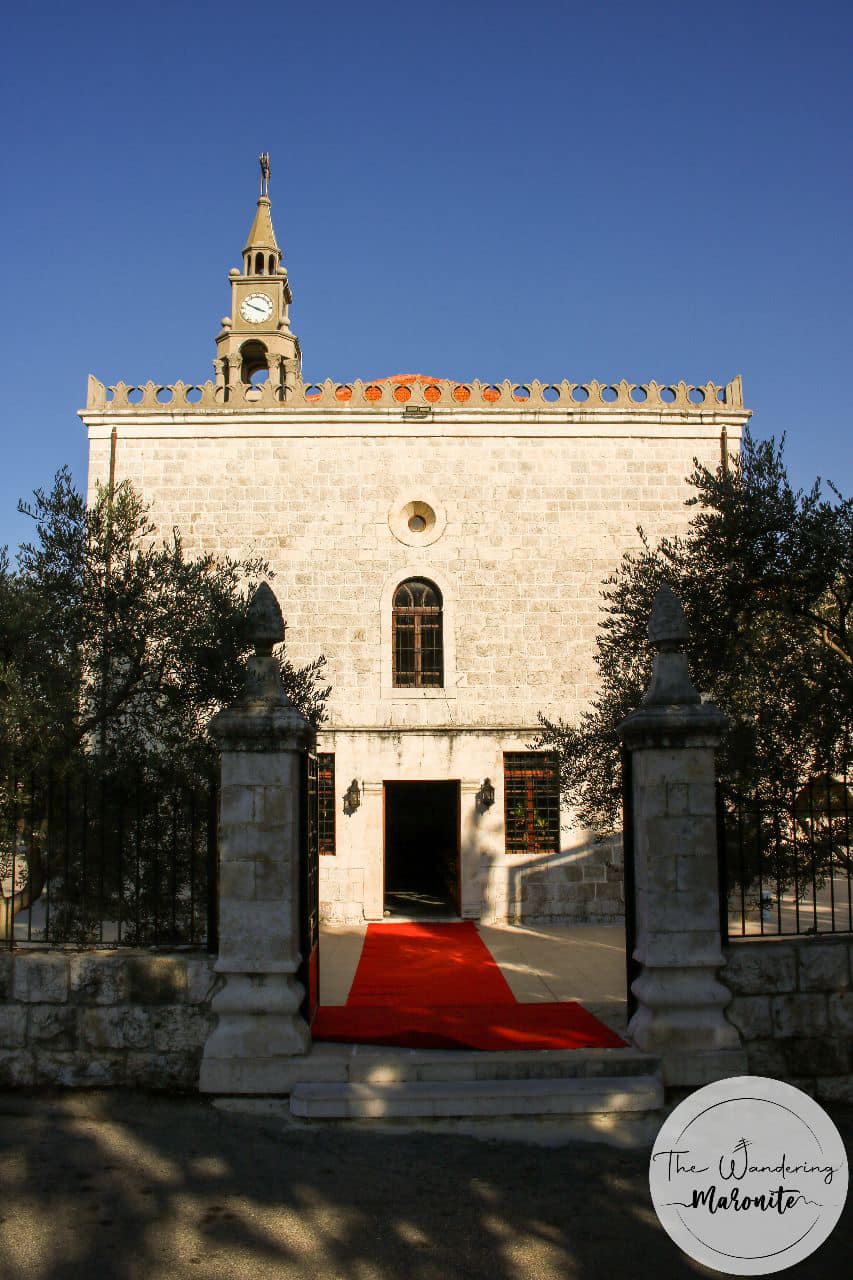
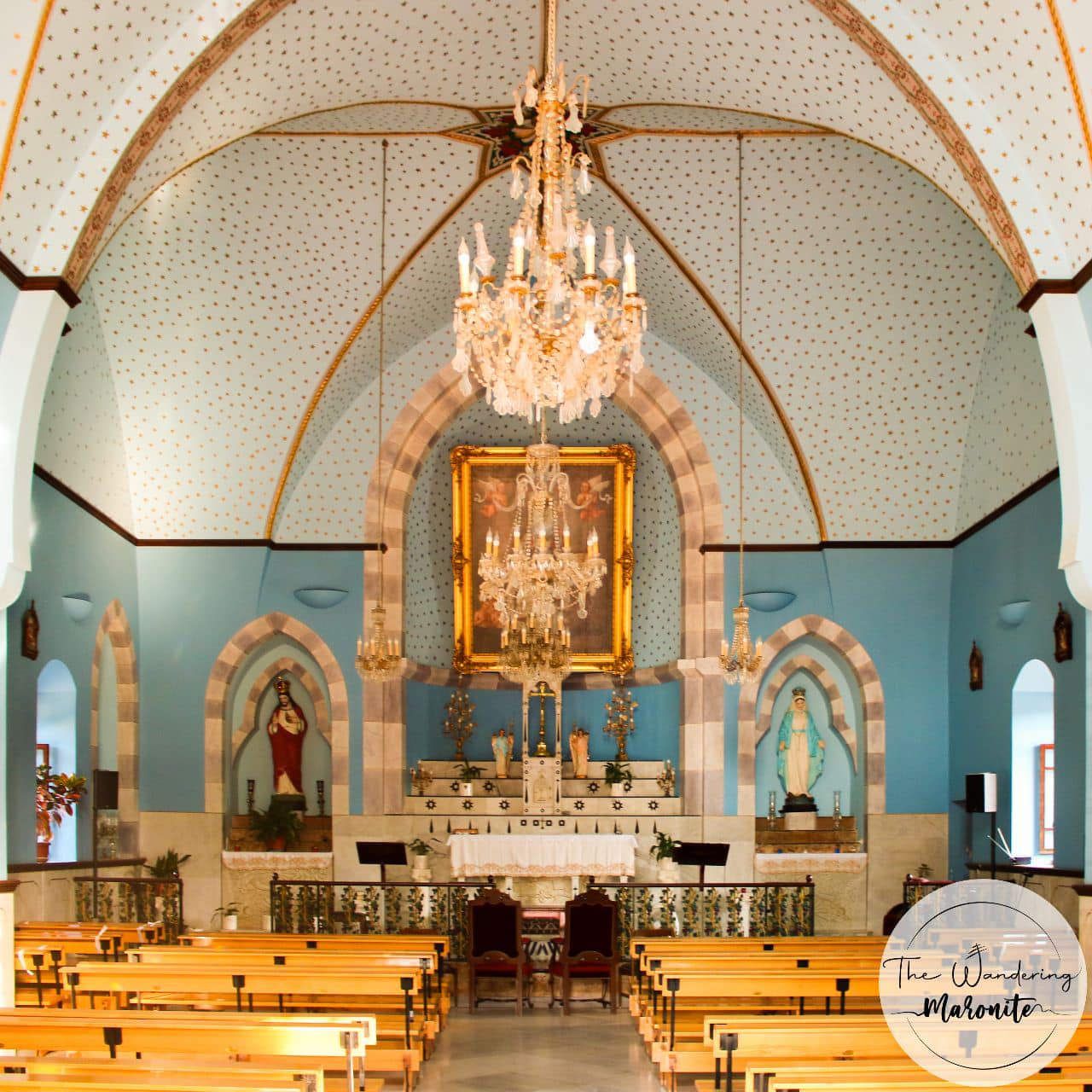
Ajaltoun – The church of St Zakhia (St Nicolas)

Saint Zakhia's Cathedral, Ajaltoun, Lebanon

Other Details

كنيسة مار زخيا القديمة

Aajaltoun

Keserwan

Mount Lebanon

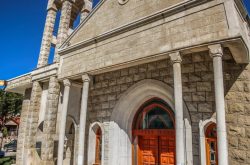
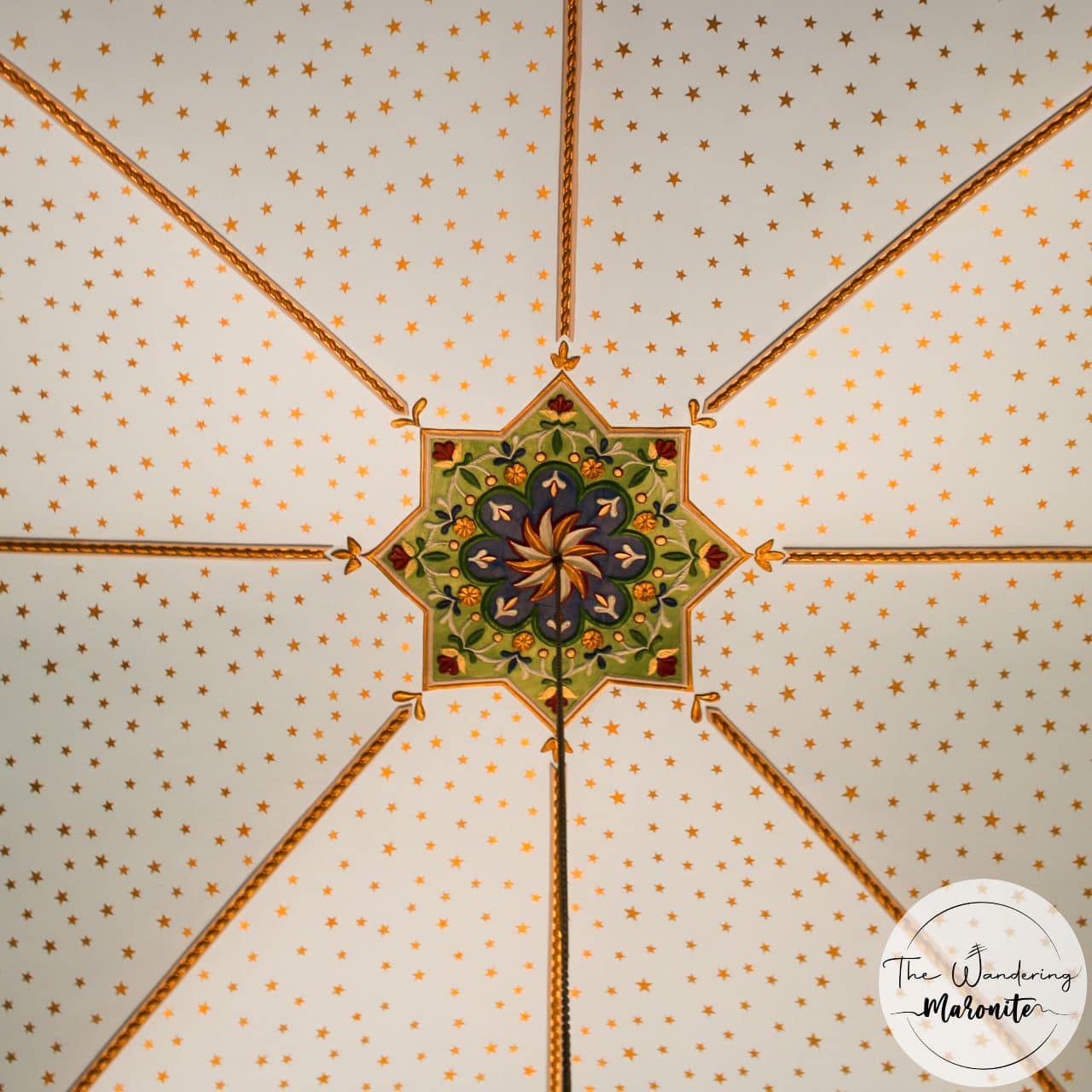
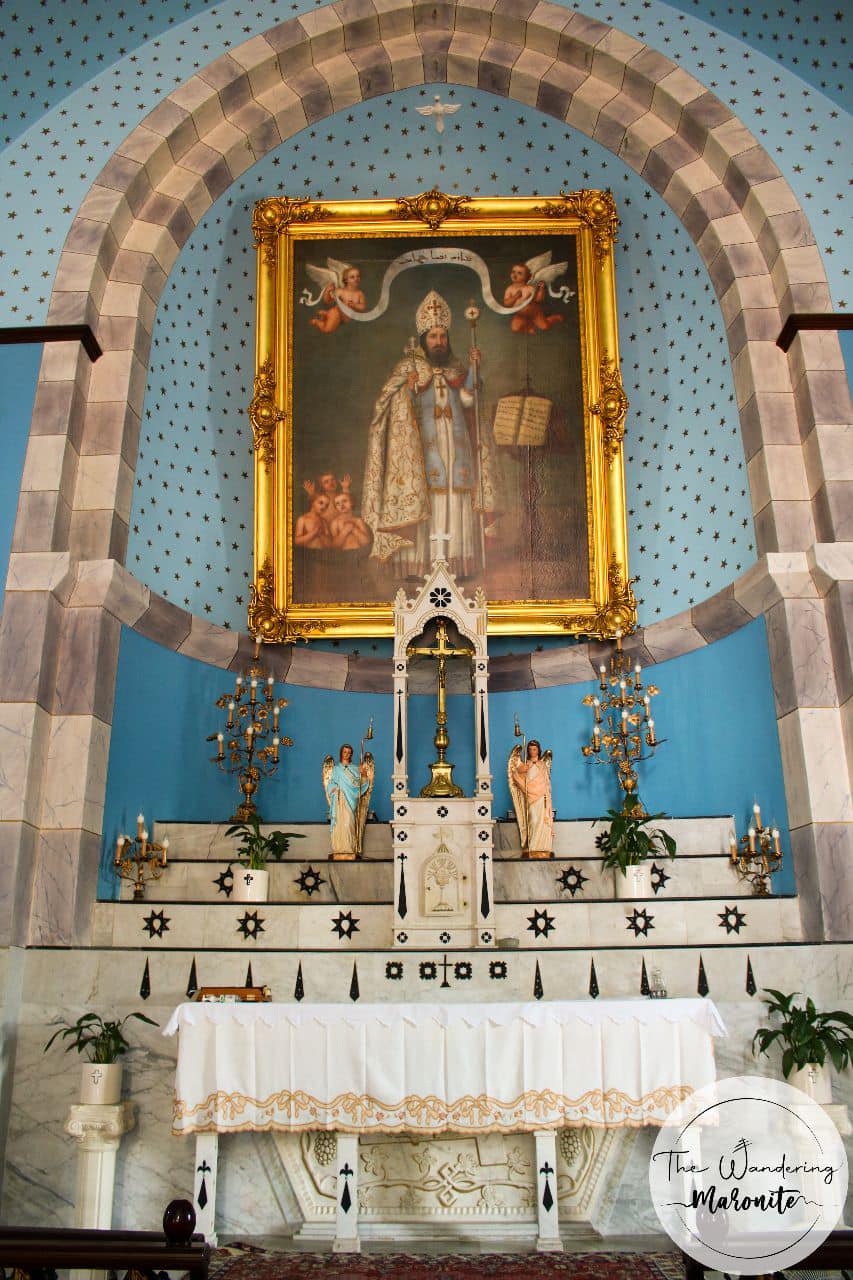
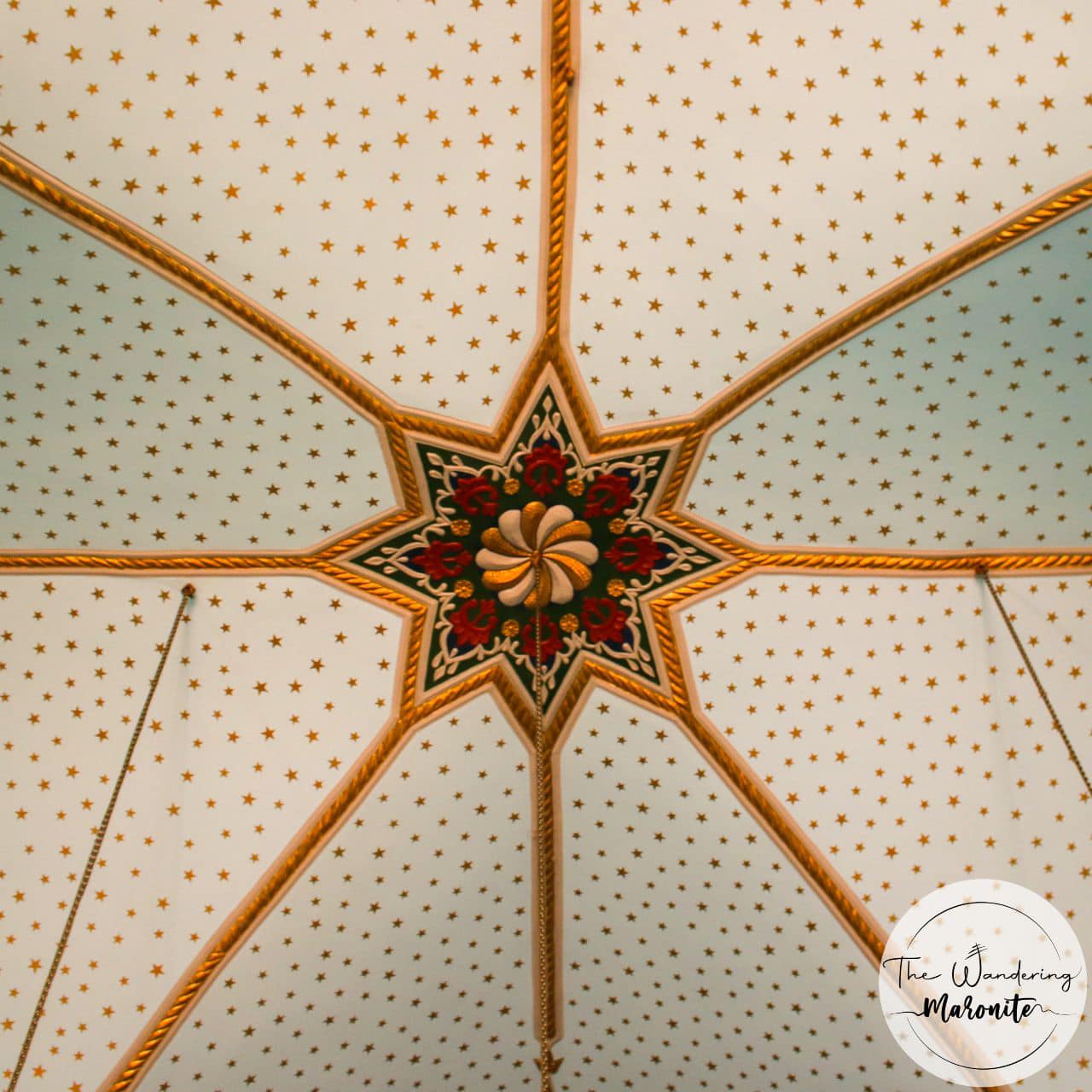
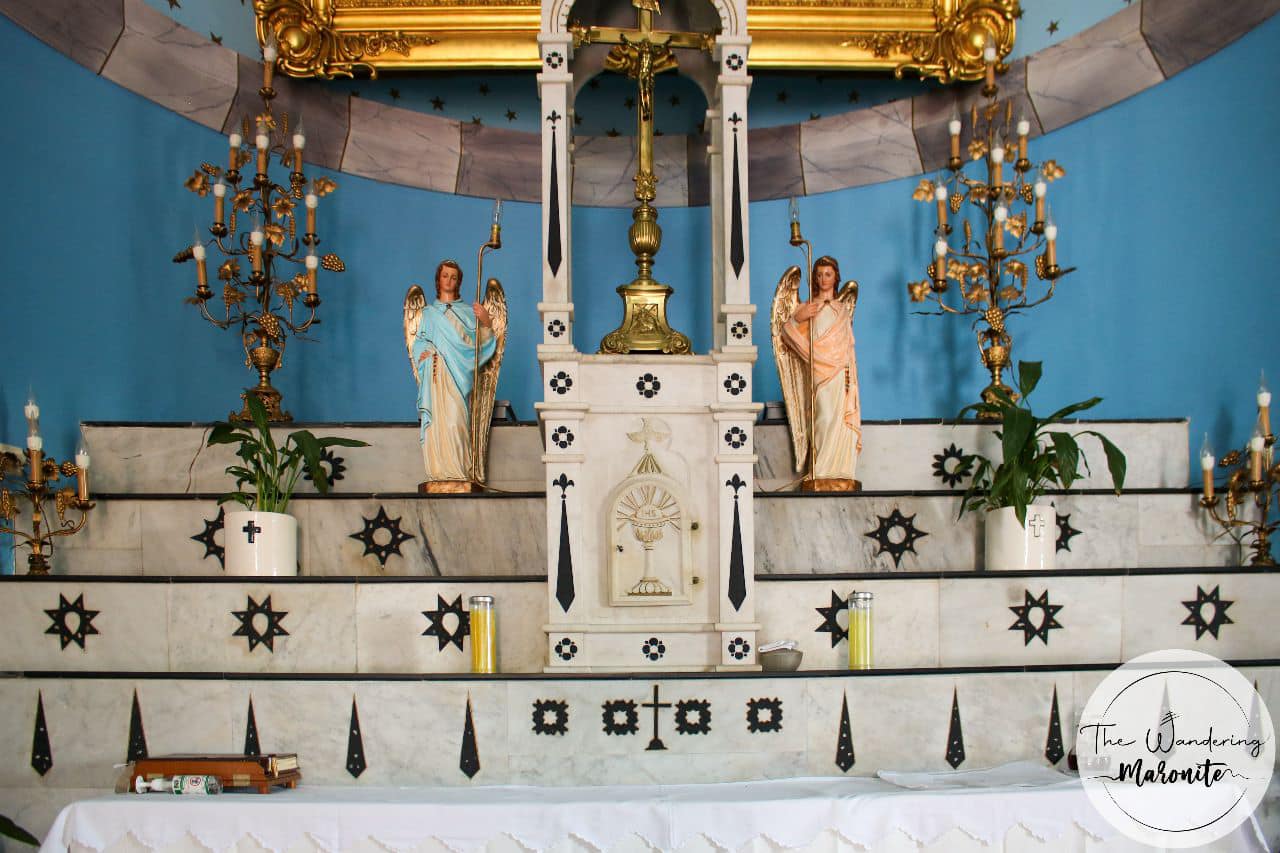
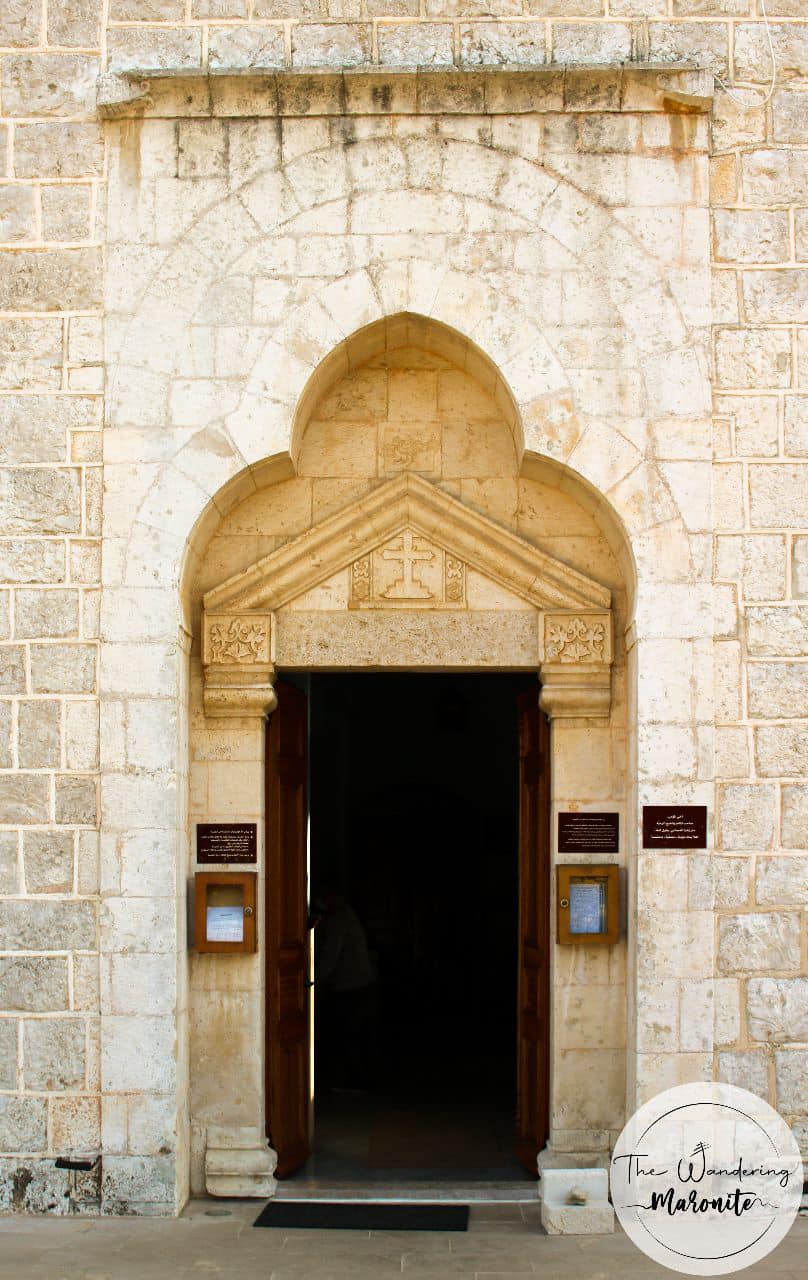
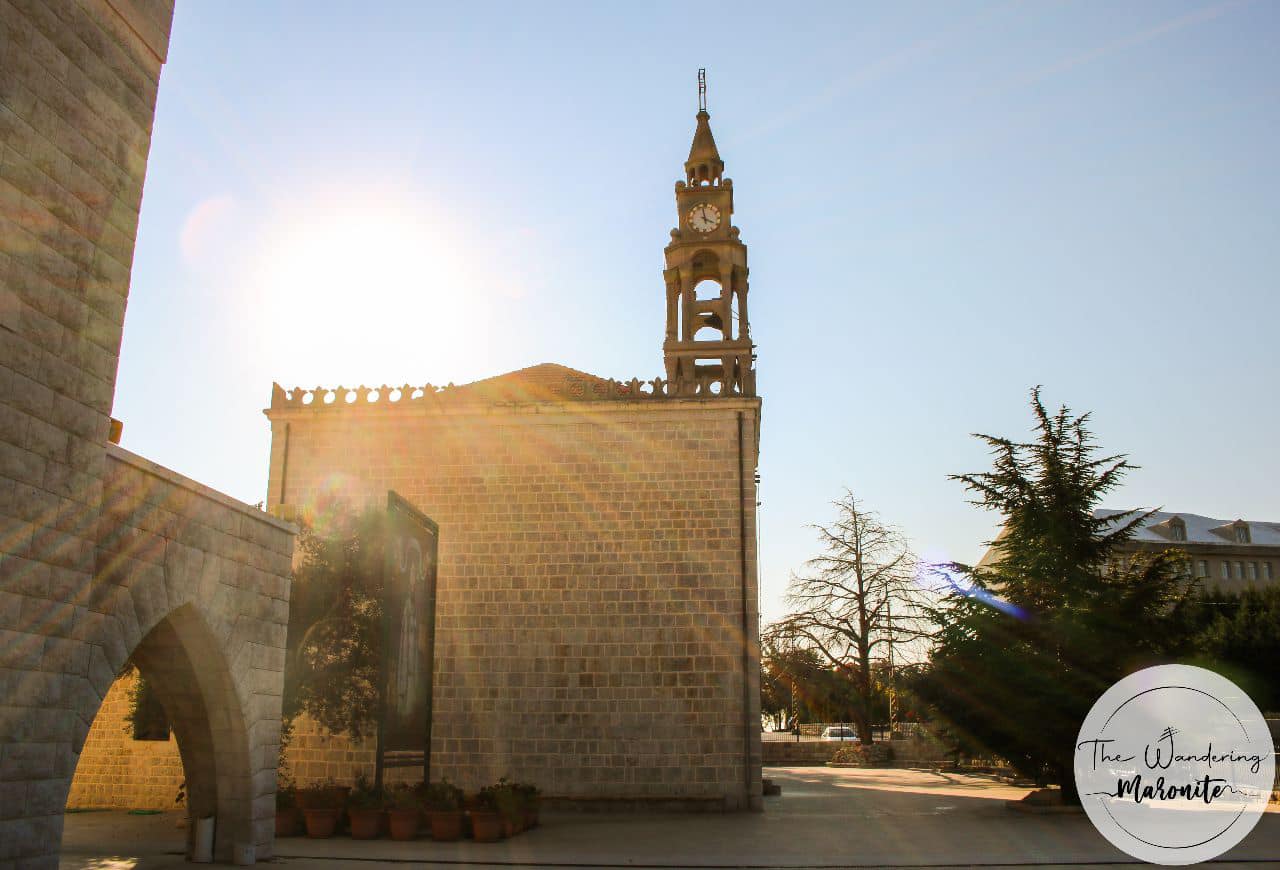
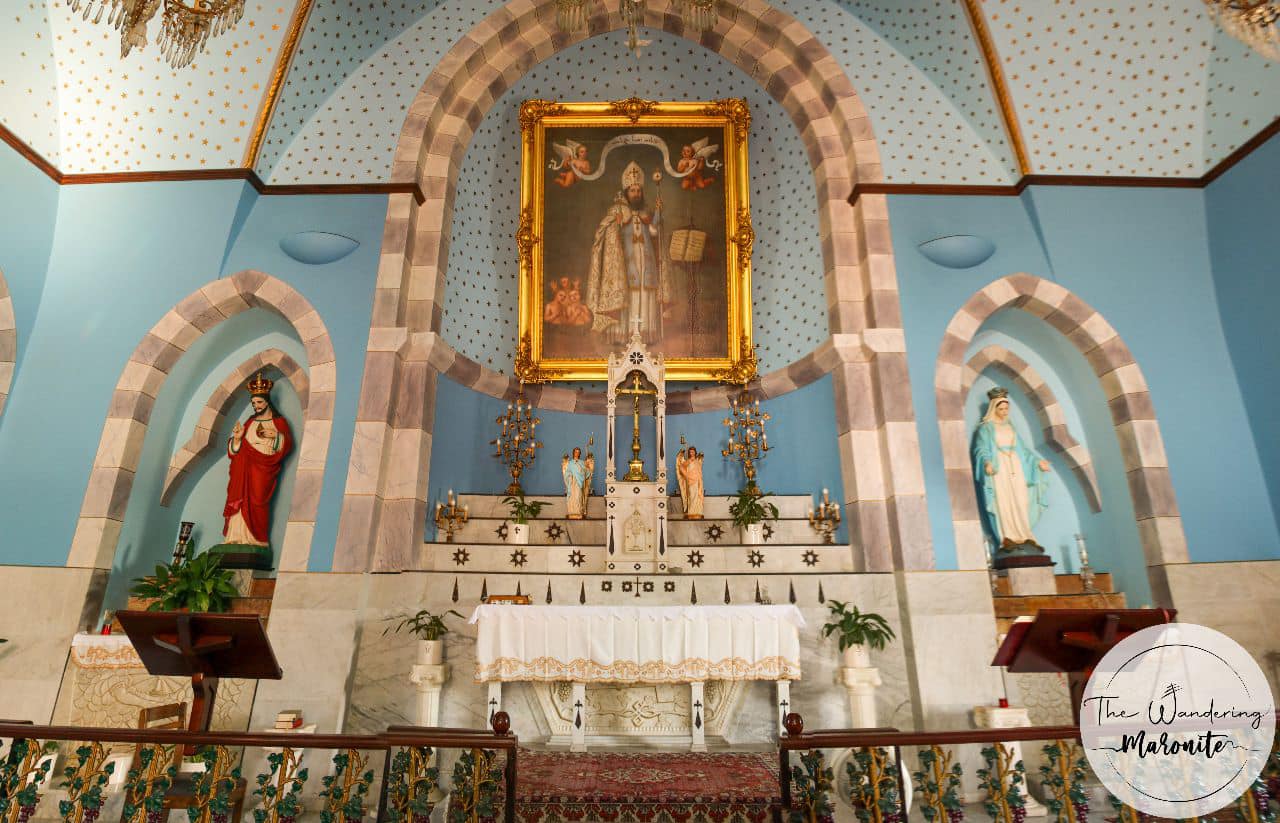
كنيسة مار زخيا القديمة - عجلتون بُنيت الكنيسة الأولى سنة ١٦٧٢، وكرّسها البطريرك إسطفان الدويهيّ. سنة ١٨٢٨ كانت الكنيسة أصبحت ضيّقة، فأُخذت جحارتها، بالإضافة إلى حجارة كنيسةٍ قديمةٍ مهجورةٍ على اسم مار عبدا، كانت تخصّ آل الشمالي قبل نزوحهم إلى بلدة سهيلة. كان البناء بسعي الخوري نقولا صفير. الكنيسة كناية عن عقدٍ مُصالب ينتهي بحنية. تضمّ أربعة مذابح: مار زخيا، السيّدة، القلب الأقدس، مار يوسف. الكنيسة تحافظ على طابعها الأصليّ بنقوشها وزخرفتها الملوّنة والأشكال الهندسيّة على الجدران والأسقف. The church of St Zakhia (St Nicolas) - Ajaltoun The first church was built in 1672, and dedicated by Patriarch Estefan el Douwaihy. In 1828 the church became too small for the increasing number of villagers. With the help of Fr Nkoula Sfeir, two old churches were dismantled: the old St Zakhia and an old ruined chapel dedicated to St Abda that belonged to the Chemaly family that moved to Shaileh. The stones were used to build the new church. The structure is a crossed vault, with four altars: St Zakhia, the Madonna, the Sacred Heart, and St Joseph. The church still conserves its original decorum with colored floral motifs and arabesques.

Visited 2723 times, 6 Visits today

Reviews are disabled, but trackbacks and pingbacks are open.

Related Listings

Tannourin el Fawka – The monastery of St Challita

Saint Challita Church, Tannourine El Faouqa, Lebanon

دير مار شلّيطا

Tannourine El-Faouqa

Batroun

North

دير مار شلّيطا - تنوّرين الفوقا

من أقدم كنائس تنّورين، يرجّح البعض أن يكون البناء في الأصل هيكلاً وثنيًّا. الكنيسة مزدوجة بمذبحين: مار شليطا ومار جرجس، دلالة على أنّ الكنيسة تعود لأواسط العصر البيزنطيّ. دير مار شليطا يحوي نقوشًا مميّزة: صليب العاموديّين، الصليب الورديّ، والنجوم المثمّنة والمسدّسة. جرسها من عمل فارس النفّاع سنة ١٩٤٤. في الكنيسة لوحتين غير موقّعتين لمار جرجس ومار شليطا تعودا لما قبل القرن السادس عشر.

The monastery of St Challita - Tannourin el Fawka

It is one of the oldest churches in Tannourin, and used to be a pagan temple according to some sources. The double choir indicates that the structure dates back to the mid Byzantine era. The monastery of St Chalyta is finely built with rare encrypted geometric shapes on the apses : the rose cross, the cross of the stylite, the six and the eight pointed stars... The bell is done by of Fares el Nafah in 1944. In the church are two paintings for St Challita and St George dating back to the XVIth century and not signed.

Kfarhelda – Our lady of Kfarmalkoun, or Our lady of ruins

كنيسة سيدة كفرملكون الأثرية - كفرحلده, Kfar Helda, Lebanon

كنيسة سيّدة كفرملكون (سيّدة الخرايب)

Kfar Hilda

Batroun

North

كنيسة سيّدة كفرملكون (سيّدة الخرايب) - كفرحلدا
ترقى الكنيسة الى القرن الثالث عشر ، في أعالي بلدة كفرحلدا وكانت قد بنيت هذه الكنيسة بالطريقة البدائية التقليدية كما كان قائماً في القرون الوسطى، أما قبة الجرس فهي حديثة الصنع.
هذه الكنيسة كانت جزءاً من قرية كفرملكون الواردة في السجلات العثمانية. مع مرور الزمن هُجّرت القرية وبدأت الابنية بالتفكك والانهيار خاصة بعد حدوث زلزال كان قد ضرب المنطقة أدى الى خرابها فسُميت بسيّدة الخرايب. أما السواد الذي يغطي بعضاً من معالم الرسومات داخل جدران الكنيسة، فكان بسبب ان بعض الرعاة كانوا يرتادون المكان ويشعلون النار للتدفئة.
في حنية الكنيسة جدارية الشفاعة مع كتابة يسوع المسيح بالخط السرياني الملكي في الوسط.
على الجدار الشمالي رسماً لأسقف أصلع الرأس، هو القديس يوحنا الذهبي الفم. وعلى الجدار نفسه نقرأ اسم ضومطيوس باللغة اليونانية.
أما على الجدار الجنوبي بقايا مشهد الميلاد مع أربع ملائكة وراعٍ يعزف على الناي وبجانبه حملان.

Our lady of Kfarmalkoun, or Our lady of ruins - Kfarhelda
Dating back to the 13th century, and laying on the high hills of Kfarhelda, this church was built following the traditional medieval style.
This church is located in the old Kfarmalkoun village that is found in the Ottoman records. With time, the villagers had left their village and the buildings started to fall apart, especially after it was hit by an earthquake. Thus the name: Our Lady of the Ruins.
Some of the Church walls are covered with a black layer caused by the fires that the pastors lit when they were cold.
On the Church's apse, one can find the Deisis fresco, surrounded by the words Jesus Christ written in a royal syriac font.
On the northen wall, we can see the drawing of a bald bishop, St. John Chrysostom. On the same wall, we can find the words Domtius written in Greek.
On the sourhern wall, on can find the remains of a fresco depicting the Nativity scene with four angels and a pastor playing on the flute next to some sheep.

Qozhaya – The Monastery of St. Anthony the Great

دير مار أنطونيوس الكبير قزحيا - الرهبانية اللبنانية المارونية, دير مار أنطونيوس قزحيا، Aarbet Qozhaiya, Lebanon

دير مار أنطونيوس الكبير

Aarbet Qozhaiya

Zgharta

North

دير مار أنطونيوس الكبير – قزحيَّا

يقع الدير في وادي قزحيَّا (الكنز الحيّ). يرجِّح المؤرِّخون تأسيس هذا الدير، في أوائل القرن الرابع. في الدّير آثار من تأسيسه أهمّها عصا رعاية من الملك لويس التاسع. سنة ١٢١٥ بعث البابا إينوشنسيوس الثالث، براءة إلى البطريرك إرميا العمشيتيّ تذكِّر بأنَّ دير قزحيَّا هو أوَّل كرسيّ أسقفيّ مارونيّ. كان الدير، منذ القديم، ركيزة الحياة النسكيَّة في الكنيسة المارونيَّة. بقربه قامت عدّة محابس تابعة له. وتجدر الإشارة إلى أنَّ أوَّل مطبعة وصلت إلى الشرق كانت في دير قزحيّا سنة ١٦١٠. تَسلَّمت الرهبانيَّة اللبنانيَّة الدير، سنة ١٧٠٨. حَلَّت بالدير نَكبات من الطبيعة؛ ونكبات من جور المضطهِدين. سنة ١٨٢٨ بُنيت كنيسة الدّير الحاليّة. في أثناء الحرب العالميَّة الأولى، قام الدير بإيواء جميع الوافدين إليه وإعالتهم. يضم الدّير العديد من الآثار، أخذ شكله الحاليّ في عشرينيّات القرن الماضي ورمّم في آخره. هو من أهمّ الأديار المارونيّة، ومركزًا للحجّ والخلوة

The Monastery of St. Anthony the Great - Qozhaya.

The Monastery sits on a cliff in the valley of Qozhaya (meaning the treasure of life). According to archeologists, the monastery dates back to the 4th century. Evidence of its importance includes a cross given by King Louis IX and a bull from Pope Innocent III, dating back to 1250, which granted Qozhaya precedence over other Maronite monasteries. Qozhaya had a hermitical tradition, and as a result, many hermitages were built near it. In 1610, the first printing press of the Middle East was brought to Qozhaya. In 1708, the Lebanese Maronite Order acquired the monastery. The monastery has suffered from natural disasters and the despotism of rulers. In 1828, a great church was built. During World War I, the monastery served as a refuge. In the 1920s, the monastery took on its current structural shape, and was restored in the 1990s. It is considered a major pilgrimage site for Maronites around the world.