
Mrouj – The church of St Thecla

Mar Takla Church, Mrouj, Lebanon

Other Details

كنيسة مارت تقلا

Mrouj

Metn

Mount Lebanon

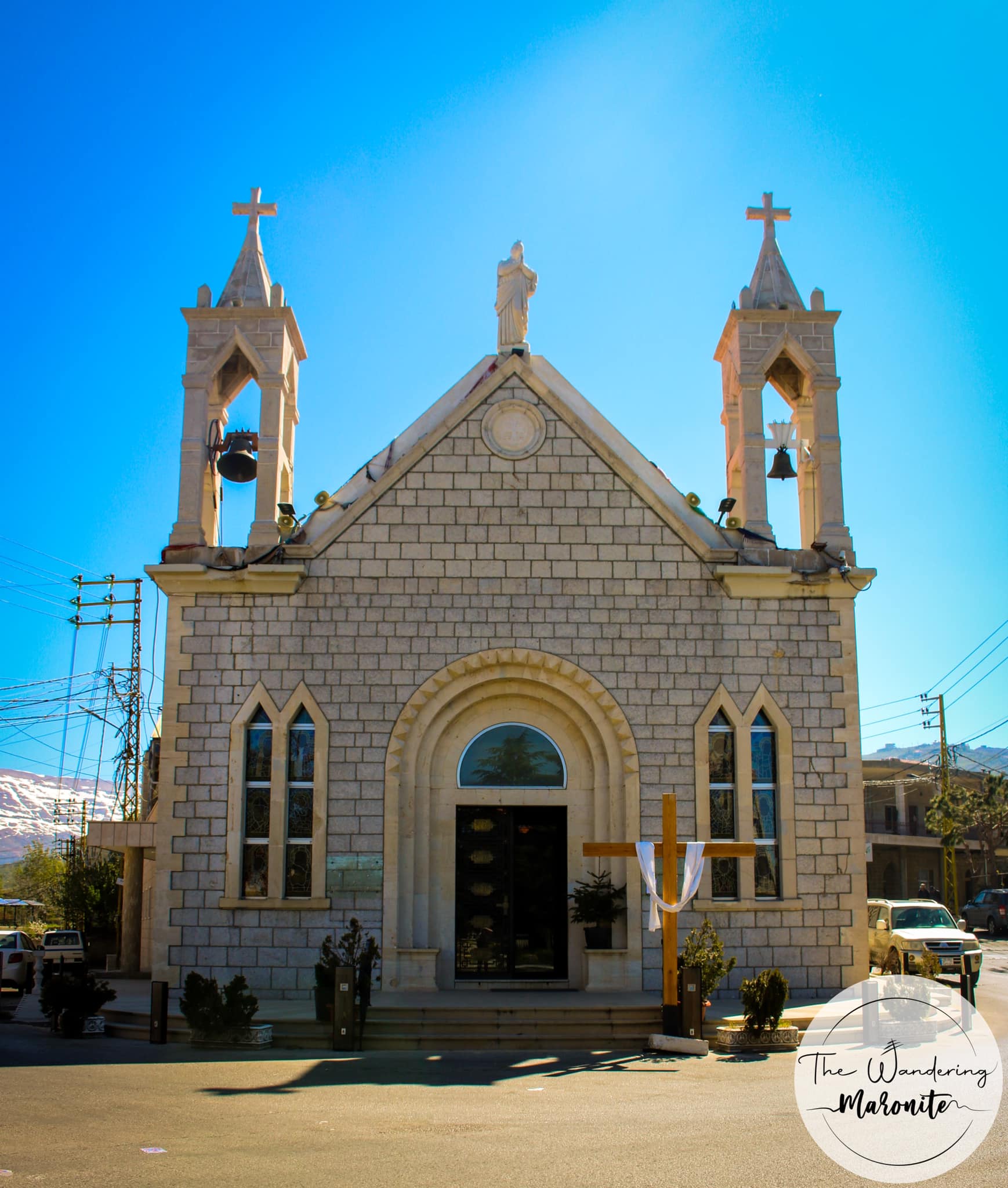
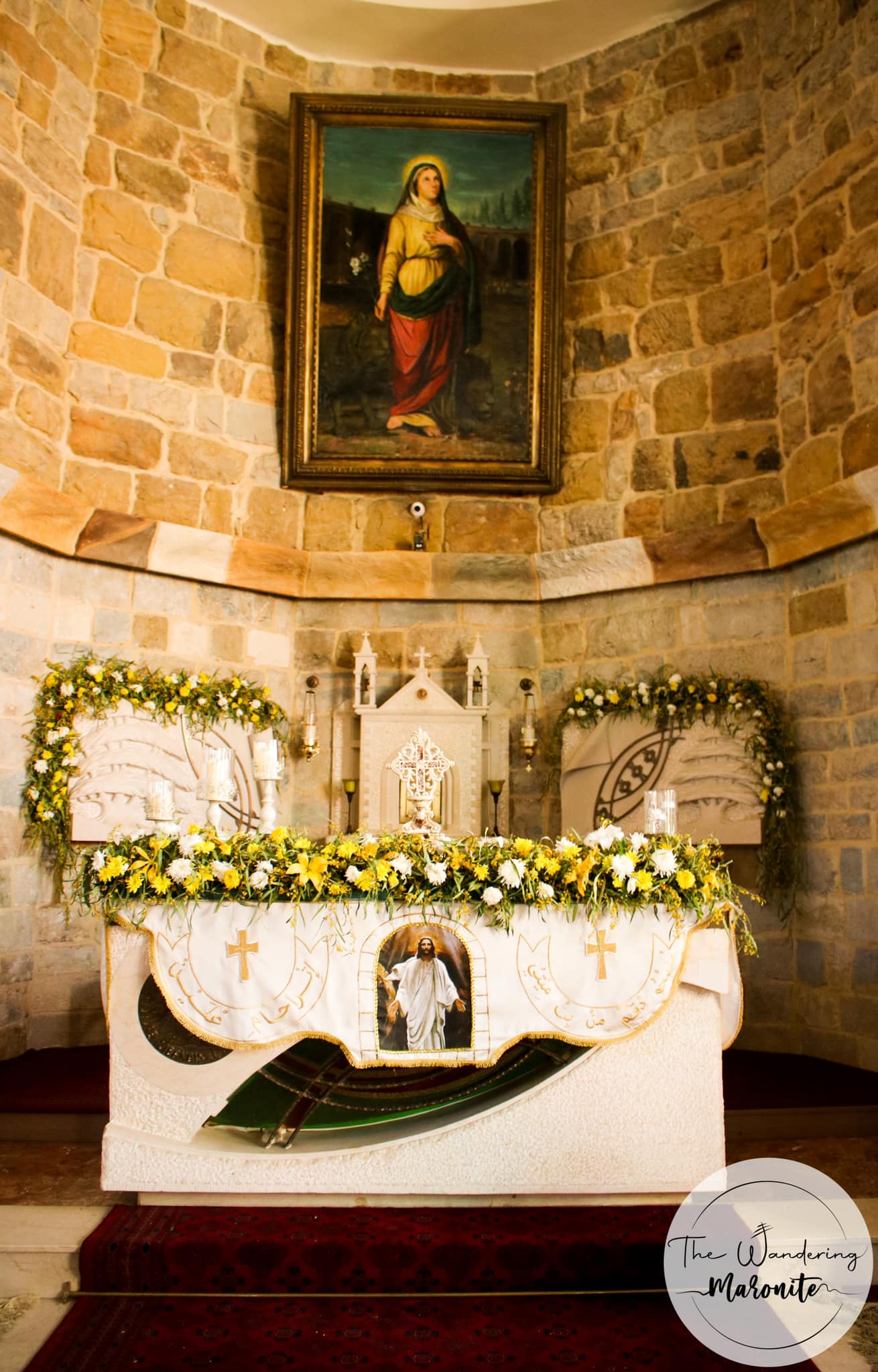
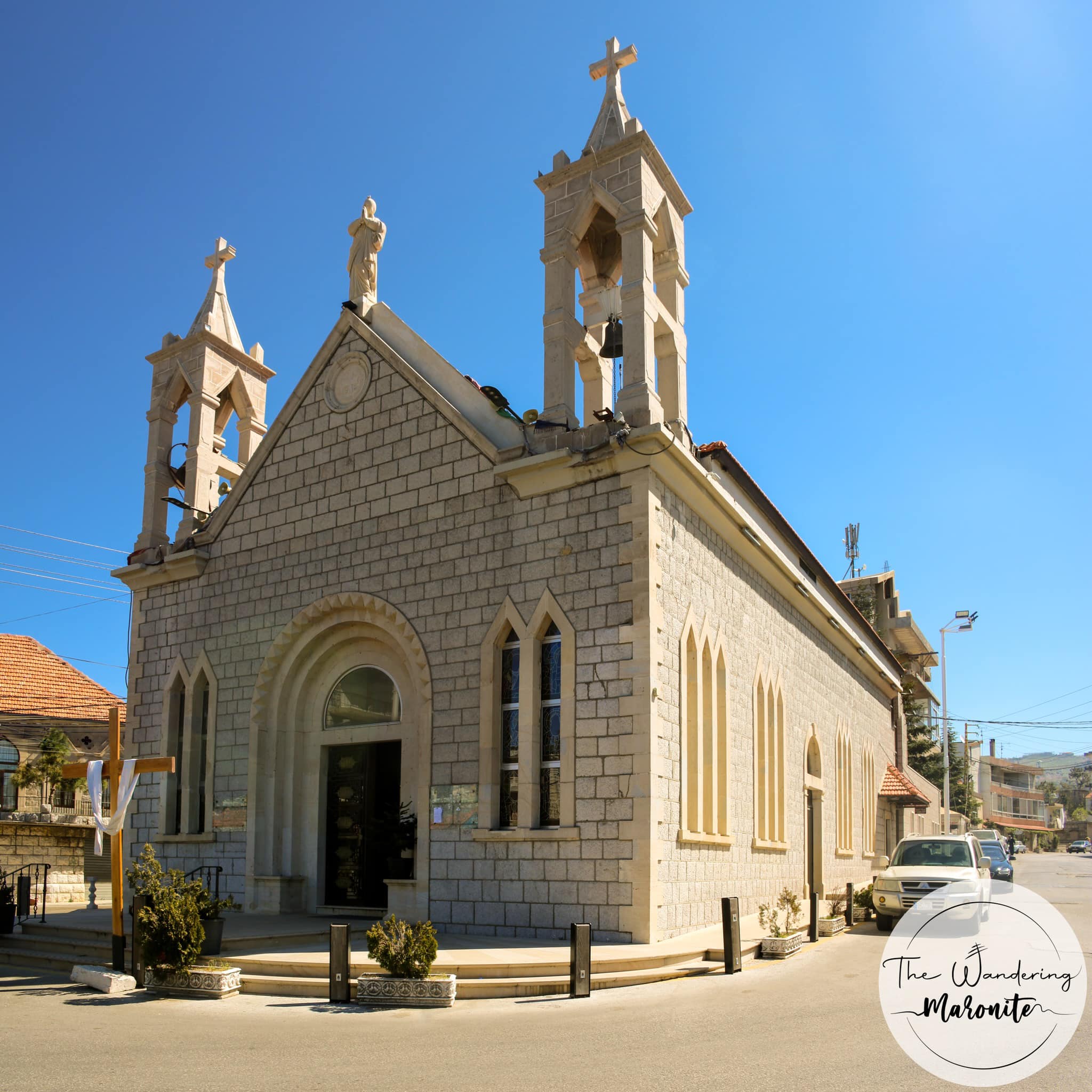
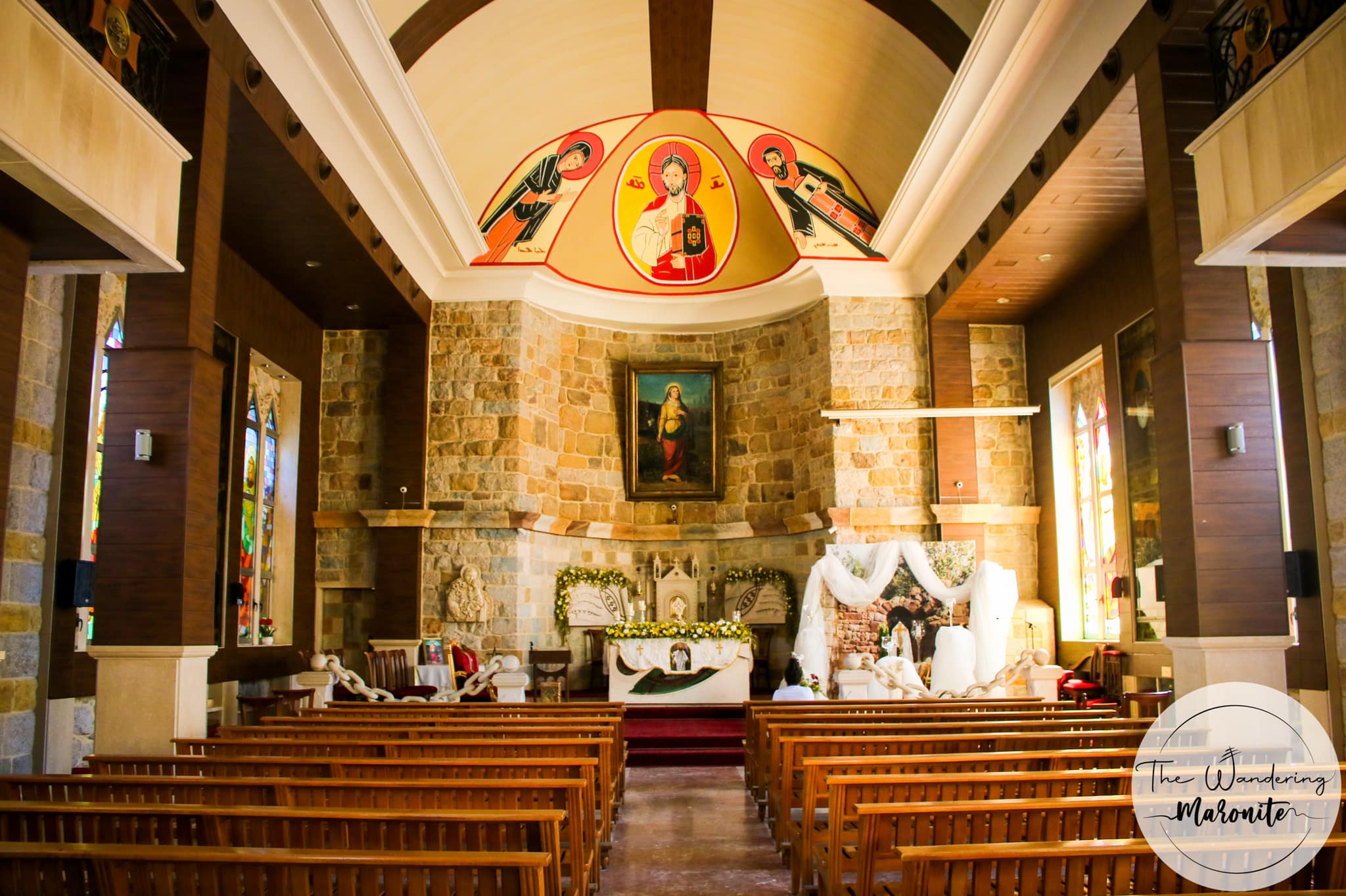
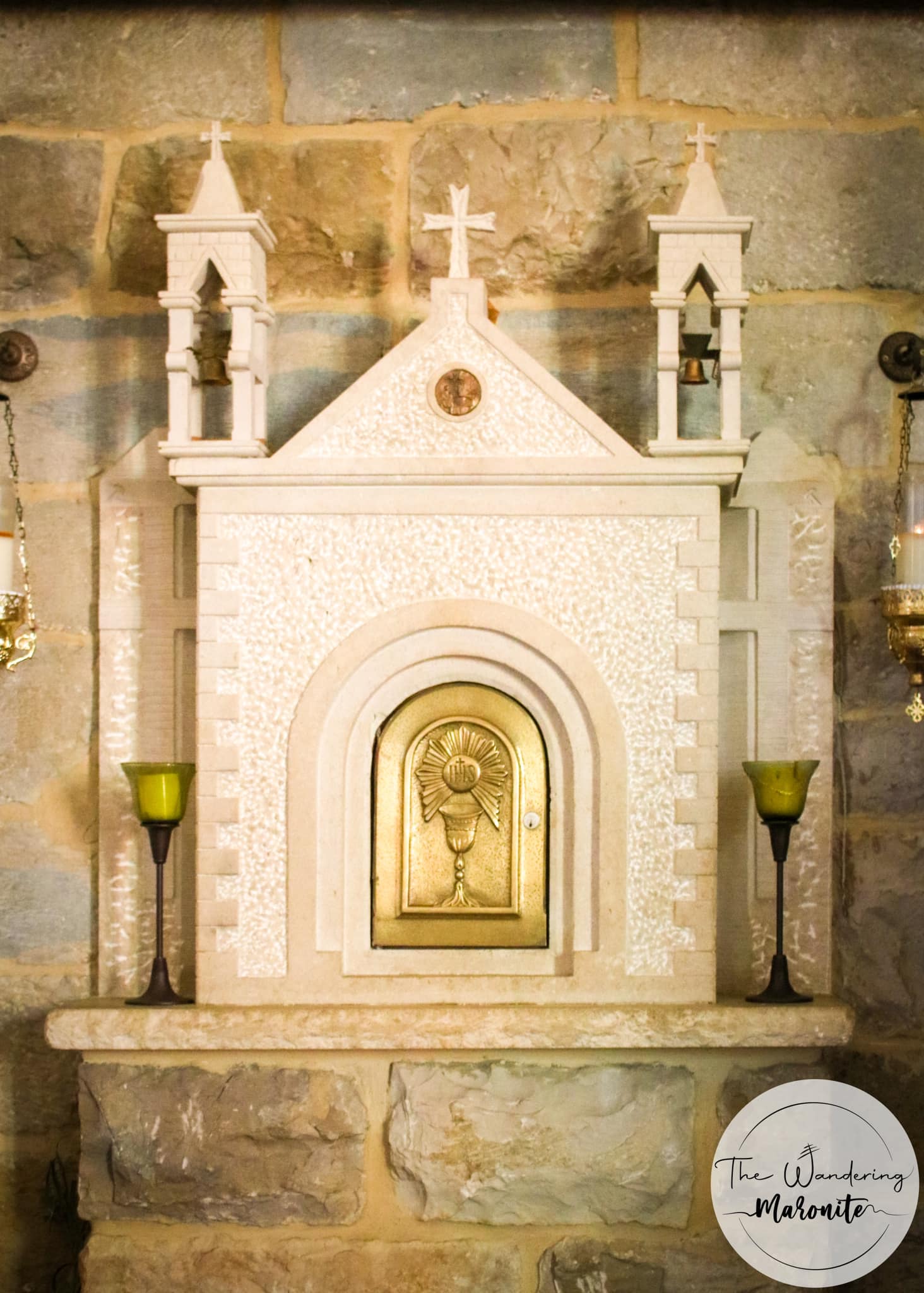
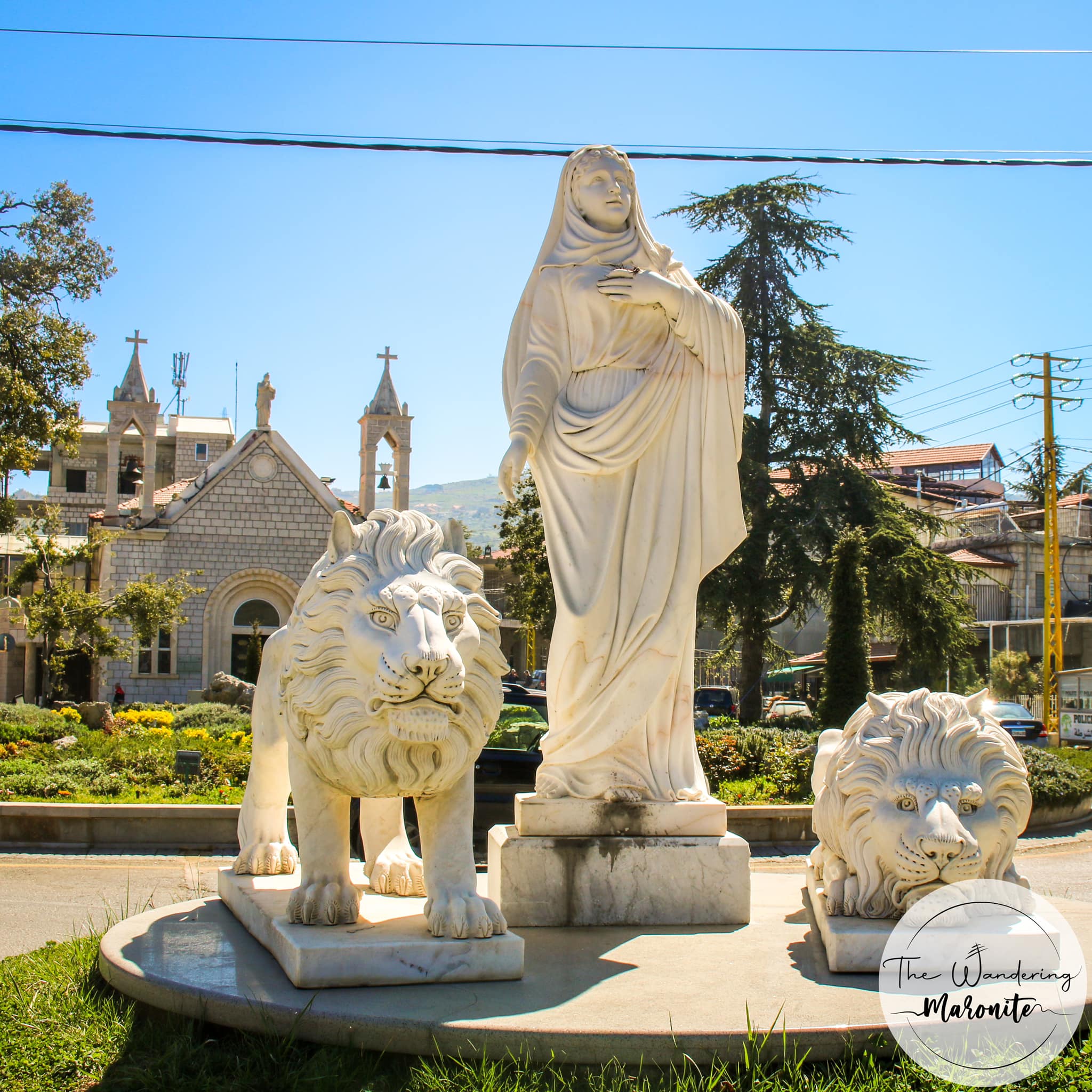
كنيسة مارت تقلا - المروجالكنيسة مبنيّة أوائل القرن الثامن عشر، تسلّمتها الرهبانيّة اللبنانيّة المارونيّة سنة ١٧٩٢، وكانت الكنيسة متهدّمة فرممّتها، وقامت بخدمة شركاء آل أبي اللمع المسيحيّين. سنة ١٨٢٩ وسّع الرهبان بناء الكنيسة التي أخذت شكلها الحاليّ سنة ١٩٢٩: نمط بازيليكيّ مسقوف بسوقٍ واحد. للرهبانيّة أنطش بالقرب من الكنيسة تتابع من خلاله النشاط الرعويّ والرسوليّ. تضمّ الكنيسة العديد من اللوحات والأعمال الفنيّة القديمة والحديثة من مدارس مختلفة، أهمّها لوحة القدّيسة تقلا لحبيب سرور.The church of St Thecla - MroujThe first church was built in the early XVIIIth century, and was given as a donation to the Lebanese Maronite Order in 1792 to restore it and give pastoral care to the maronite subjects of the Abi Al Lamah lords. In 1829 the monks enlarged the church and it took its current form in 1929: a single roofed nave basilical plan. The Order built a presbytery near the church and serves the parish spiritual needs. The church is decorated with many old and new works of art from different schools, the most important being the painting of St Thecla behind the altar.

Visited 3670 times, 2 Visits today

Reviews are disabled, but trackbacks and pingbacks are open.

Related Listings

Kobayat – The church of Our Lady of Ghassala

Saydet el Ghassalet, Qoubaiyat, Lebanon

كنيسة سيّدة الغسّالة

Qbaiyat Aakkar

Akkar

Akkar

كنيسة سيّدة الغسّالة - القبيات
بُنيت الكنيسة الأولى بالقرب من قناة جرًّ للمياه، كانت نساء القرية يغسلن ثيابهنّ بقربها أيّام السبوت، لذلك سمّي الموضع الغسّالة وحملت الكنيسة إسم سيّدة الغسّالة. بُنيت الكنيسة الحاليّة سنة ١٩٢٧ بمسعى من أبناء البلدة المغتربين. تتميّز الكنيسة أنّها مكسوّة الداخل بالكامل بالنقوش، تحوي عدّة جداريّات فريدة كجداريّة الذبيحة الإلهيّة حيث يظهر الكأس يعلوه النجم، وجداريّة الصدقة.

The church of Our Lady of Ghassala - Kobayat
The first church was built on a site near an aqueduct where the village’s ladies used to wash their laundry hence the name in Arabic Ghessele invoking laundry washing. The first church held the name of the site. In 1927 the new church was built with donations made by Kobayaty expats. The church is covered on the inside with painted stucco. The church holds distinctive unique frescoes such as the fresco of the Holy Sacrifice with the distinctive oriental liturgical altar paraments, and the fresco of the alm.

Yammouneh – The Fountain of the Forty Martyrs

Yammouneh, Lebanon

نبع الأربعين شهيد

Yammouneh

Baalbek

Baalbek-Hermel

نبع الأربعين شهيد - اليمّونة

هو نبعُ ماءٍ طبيعيّ بقربه آثار رومانيّة. هذه الآثار تحوّلت إلى كنيسةٍ وديرٍ في العهد البيزنطيّ، وحافظ المكان على الإسم الذي يشير إلى شهداء سبسطية الأربعون. "

The Fountain of the Forty Martyrs - Yammouneh"

The fountain is a natural water source. Near the source, the Romans built some structures that were later converted into a church and a monastery during the Byzantine era. The ruins of the buildings are still visible, and the place has retained its dedication to the forty martyrs of Sebastopolis.

El Mina – The presbytery of Our Lady of Deliverance

El Mina, Lebanon

أنطوش سيّدة النجاة

Mina N:1

Tripoli

North

أنطوش سيّدة النجاة - المينا

بُنيت الكنيسة الأولى للموارنة في مدينة الميناء أوائل القرن التاسع عشر، وكانت قبوًا مُعتمًا تحت الأرض. كانت الرعيّة آنذاك فقيرة جدًّا وعُهدت خدمتها للرهبان الأنطونيّين، فكان طعام خادم الرعيّة يصله من دير مار سركيس وباخوس إهدن. سنة ١٨٥٠ بُني الأنطوش، وسنة ١٨٨٩ كرّس المطران أسطفان عوّاد الكنيسة الحاليّة، فكان بناؤها بشكل عقدٍ مُصالب بحجرٍ رمليّ. رُمّمت أواخر القرن العشرين.

The presbytery of Our Lady of Deliverance - El Mina

The first maronite church was built in the Mina in the beginning of the XIXth century. It was then a small underground cellar. The parish was really poor, it was entrusted to an Antonine monk who’s food was brought from the monastery of Sts Sergius and Bacchus Ehden. In 1850 the presbytery was built, and in 1889 the current church was consecrated by Mgr. Estefan Awad Archbishop of Tripoli. The structure is a sandstone crossed vault, restored in the latter half of the XXth century.