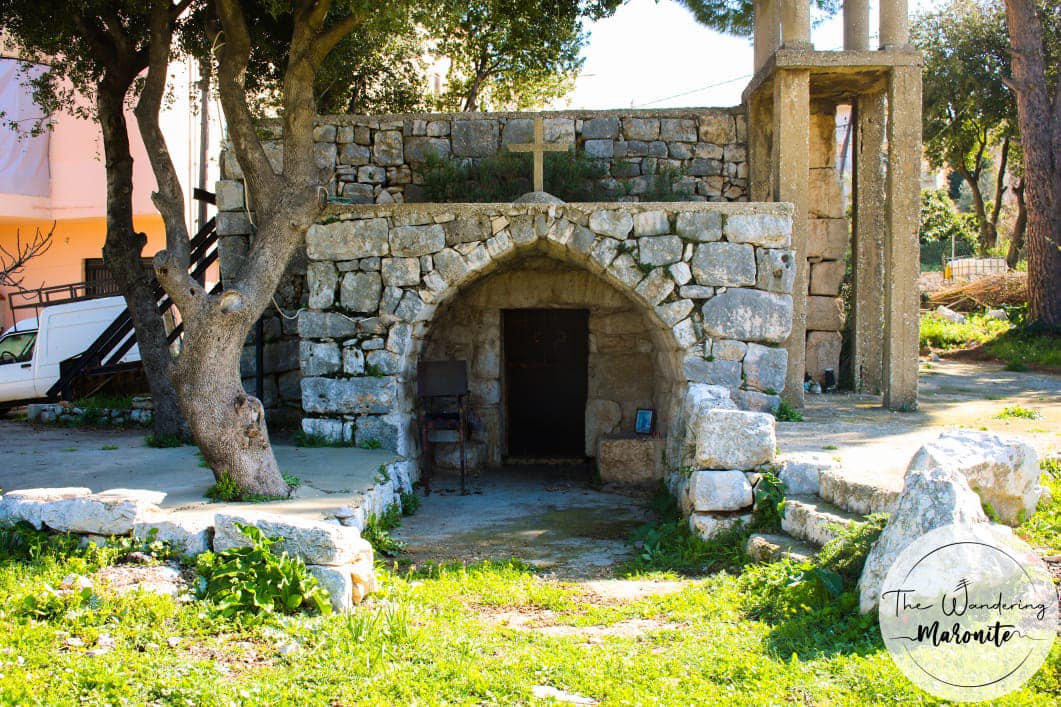
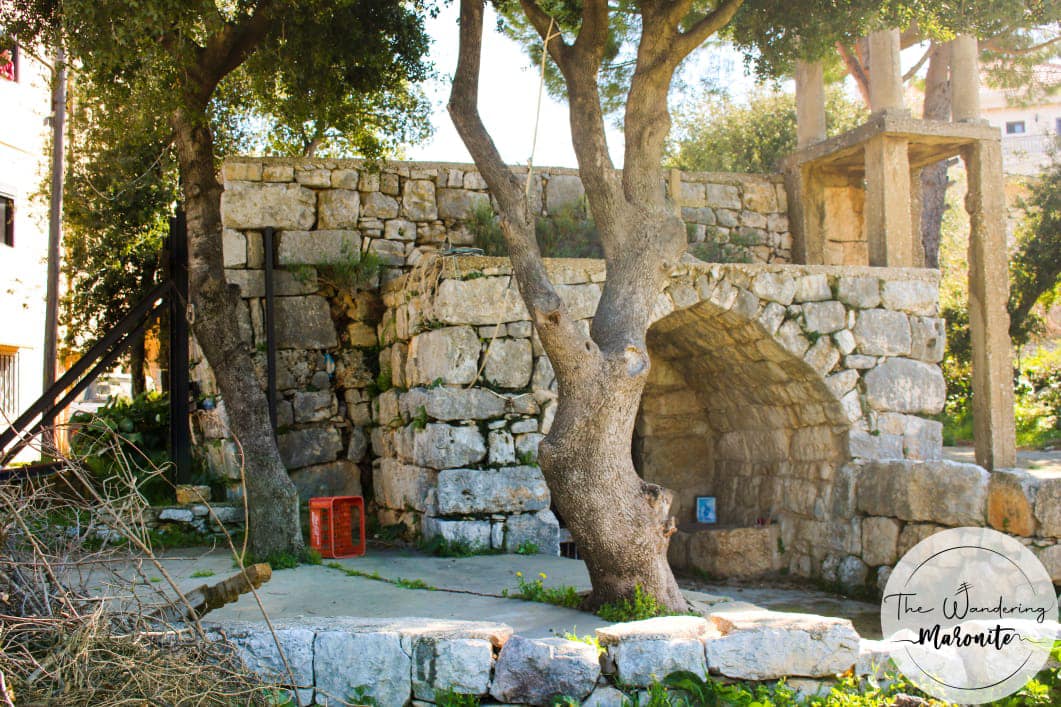
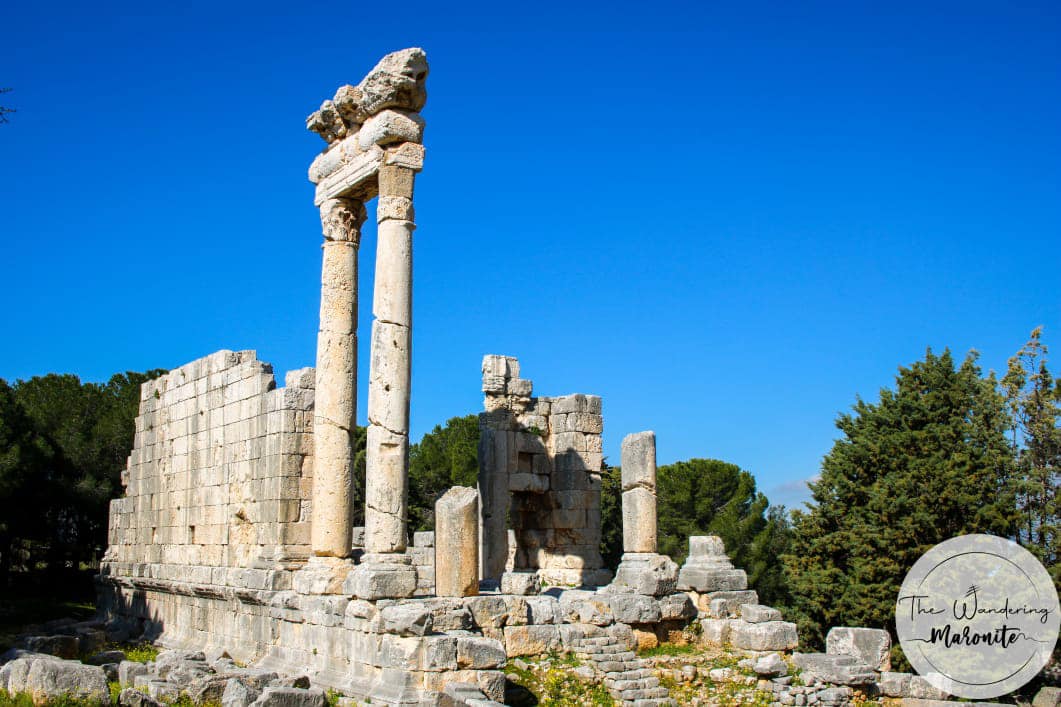
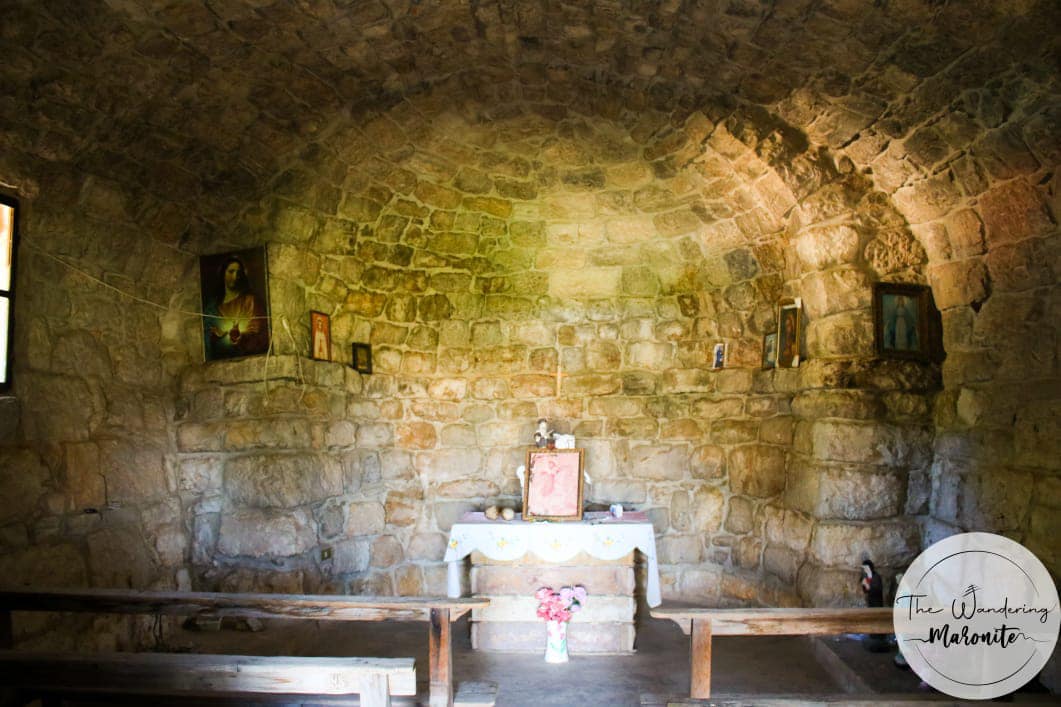
كنيسة مار يعقوب المقطّع - رشدبّينكنيسة صغيرة تعود من حيث الهندسة والشكل إلى العصر البيزنطيّ وتقع بقرب المعبد الرومانيّ. تتألف من عقد سريريّ بحنيةٍ واحدة. يشكّل الجزء الأماميّ من الكنيسة قسم للموعوظين. ومار يعقوب هو قديّس فارسيّ من القرن الرابع، كان فارسًا نبيلاً، ولم يجحد إيمانه فنال إكليل الشهادة.The church of St Jacob the Persian - ReshdebbinA small church near the old roman temple. It dates back to the Byzantine era according to its architecture. The church consists of a crib vaulted ceiling ending with a single apse. The frontal part is occupied by a narthex. St Jacob was a Persian third century noble knight who suffered martyrdom so he wouldn’t recant his faith.
الكنيسة عبارة عن مغارة كانت مدفنًا لكهنة أدونيس وتحوي عدّة نواويس، وثلاث اعمدة تنضح الماء كانت قديمًا لنذور العواقر. وثّق المغارة العالم إرنست رينان والمفوّضيّة السّامية الفرنسيّة، لكنّ العديد من معالم المدفن خرّبت جرّاء البحث عن الطمائر. على الجدار الشرقيّ داخل الكنيسة كتابة منقوشة باللغة السريانيّة وهي مختلفة من حيث الاسلوب، لأنّها منقوشةٌ بشكلٍ عاموديٍّ وليس افقياً. وقد فسّر علماء الآثار هذه الظاهرة أنّه في القرن السابع للميلاد زمن الامويّين ذهبت بعثات نسطوريّة الى الصين. وهذا ما يفسّر الاسلوب العامودي في الكتابة الآراميّة المنقوشة، فهؤلاء تأثروا بالكتابة الصينيّة العاموديّة كالكتابات السريانيّة في شيان التي تعود للحقبة نفسها. رمّم المذبح سنة ١٨٩٥، والواجهة الأماميّة سنة ١٩٥٢.
The church of Sts Peter and Paul - Aqoura
The church was a funerary cave for the priests of Adonis, it holds many sarcophaguses and three columns that pour water. The cave was studied by Ernest Renan and the archeologists of the French high commissariat. The church holds a VIIth century Syriac calligraphy that is distinct since it was written vertically, which relates to the Nestorian monks who went to missions during the Umayyad era and reached China. There they were influenced by the mandarin calligraphy and began writing Syriac in this manner. The stella of Xian uses the same type of writing and dates back to that era. The church was plundered by tomb raiders, the high altar was restored in 1895, and the entrance in 1952.
Saint ELIE CHURCH كنيسة مار الياس, Hemlaya, Lebanon
كنيسة مار الياس
Himlaya
Metn
Mount Lebanon
كنيسة مار الياس - حملايا
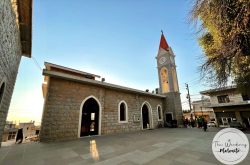
سنة ١٩٠٤ قُسِّمت كنيسة مار جرجس بين آل الراعي وآل الريّس. فقرّر يوسف الريّس البقاء مع أخواله في الكنيسة القديمة، لكنّه عاد سنة ١٩٠٦ وقرّر إنشاء كنيسة جديدة لمار جرجس مع عددٍ من عائلات البلدة. بقيت هذه الكنيسة مًقفلة حتّى ستينيّات القرن العشرين حين أّعيد افتتاحها وتكريسها على إسم مار الياس. الكنيسة مسقوفة وتحوي ثلاث حنايا. تضمّ الكنيسة ساعة طنّانة، وتحوي لوحةُ من عمل حبيب سرور.
The church of St Elijah - Hemlaya
In 1904 the old St George’s church was divided between the Rahi and the Rayess families. Back then Youssef El Rayess decided to stay with his uncles, yet in 1906 he decided to build a new church dedicated to St George with a number of the village’s families. This church remained closed until the sixties when it was rededicated to St Elijah. The church is a roofed structure with three apses, it holds a clocktower and contains a painting of St Elijah by Habib Srour.
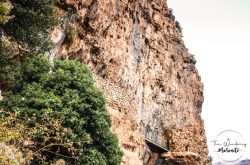
هذه المحبسة المبنيّة في حرف شيرٍ صخريّ، تعود للقرون الوسطى. بحسب البطريرك الدويهيّ بنتها سنة ١١١٢ تقلا إبنة الخوري باسيل البشرّاني على إسم مار جرجس ومار ضوميط، وما برحت وتحوّلت على اسم مار سمعان العاموديّ. يشهد على ذلك كتاب الريش قُريان السريانيّ الخاص بالمحبسة، الذي يعود لسنة ١٢٤٢، وهو محفوظ في جامعة السلامانكا.
St Simon the stylite hermitage - Bqorqasha
The hermitage is built on the slope of a rocky cliff in the holy valley of Qannoubin. It dates back according to patriarch Stephen Al Douwaihy to year 1112 when Thekle the daughter of a priest named Basil of Bsharre built a hermitage dedicated to Sts George and Doumith, that was rededicated to St Simon the stylite. A Syriac lectionary proper to the hermitage, the Rish Qoryan, dating back to 1242, that was discovered and conserved in Salamanca’s university, attests this story.



Reviews are disabled, but trackbacks and pingbacks are open.