Hassroun – The church of St Laby the Apostle

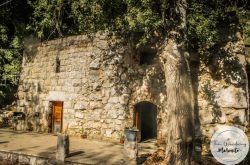
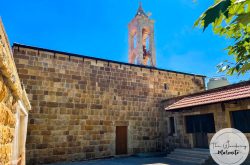
St. Jude Church, Hasroun, Lebanon

Other Details

كنيسة مار لابي الرسول

Hasroun

Bcharre

North

كنيسة مار لابي الرسول - حصرونبحسب أحد التقاليد بنى الملك حصرائيم (الذي منه اسم بلدة حصرون) قصرًا وهيكلًا في هذا الموضع تحوّل في الجيل الرابع إلى كنيسةٍ على اسم مار لابي وهو اللقب السريانيّ ليهوذا الرسول. بني القسم الشرقيّ من الكنيسة في القرن الثالث عشر، وأضيف سنة ١٧٧٠ القسم الغربيّ. أخذت الكنيسة شكلها مع الصليبيّين، وهي عقد سريريّ منخفض بحنية واحدة. تضمّ الكنيسة مجموعةً من اللوحات التي تعود للقرن الثامن عشر وهي مزيج بين الأيقونة المشرقيّة وفنّ عصر النهضة.The church of St Laby the Apostle - HassrounAccording to a folk tale, king Hassraym (from whom derived the name Hassroun) built a palace and a temple that was converted in the IVth century into a church dedicated to the apostle Laby (the syriac title given to Thaddeus or Jude). The eastern aisle was built in the XIIIth century. In 1770 the western aisle was built. During the crusaders era the church took its form, a single nave crib vaulted structure beneath the road. The church holds many XVIIth century paintings that are a representation of the local iconography being influenced by the art of the renaissance.

Visited 3550 times, 1 Visit today

Reviews are disabled, but trackbacks and pingbacks are open.

Related Listings

Ballouneh – The Monastery of St Moses the Abyssinian

Mar Musa al-Habashi Church, Ballouneh, Lebanon

دير مار موسى الحبشيّ

Balloune

Keserwan

Mount Lebanon

دير مار موسى الحبشيّ - بلّونه

أواسط القرن السادس عشر بنى مشايخ آل الخازن دارًا واسعة في بلوّنه. في هذه الدّار أخفت الستّ نسب التنّوخيّة الأميرين فخر الدّين ويونس معن، عن أعين الدّولة العثمانيّة بعد موت والدهما قرقماز، تحت وصاية الشيخ أبا صقر إبراهيم الخازن، من سنة ١٥٨٤ إلى سنة ١٥٩٠.
في ١٤ كانون الأوّل ١٧٨٥ أوقف الشيّخ عبد السلام بن عبد الملك الدّار وكنيسة مار موسى بداخله، ليصبح ديرًا وأثبت هذه الوصيّة البطريرك يوسف أسطفان.
تولى رئاسة الدّير المطران يوسف اسطفان الأوّل أسطفان سنة ١٧٨٦، سافر الى روما بالسنة ذاتها، حيث قابل البابا بيوس السادس الذي أنعم بغفرانٍ كاملٍ لكلّ من يقدّس على مذبح الدير بموجب براءة بتاريخ ١٧٨٨.
الجدير بالذكر أنّ الكنيسة هي مثال نادر على حفاظها على حالتها الأولى، من الزخارف والمذبح والشعريّة وبيض النعام فوق المقدس.

The Monastery of St Moses the Abyssinian - Ballouneh

During the mid XVIth century, the lords of the feudal Khazen house built an estate in Ballouneh. In this house Lady Nasab Tannoukh hid her two sons Fakher Ed Dyn and Youness Maan after the assassination of their father. The princes where under the custody of Sheikh Aba Sakr Ibrahim El Khazen from 1584 till 1590.
On the 14th of December 1785, Sheikh Abdul Salam Bin Abul Malik el Khazen converted the estate and the chapel inside it, into a monastery by a decree of Patriarch Youssef Estephan.
In 1786 Bishop Youssef Estfan I el Khazen was appointed superior of the monastery. He traveled to Rome and met the Pope Pius VI who gave a plenary indulgence to all who celebrate mass on the monastery’s altar in 1788.
What is worth mentioning is that the church is a rare example of intact XVIth century church architecture, conserving original elements.

Kfaraabida – The church of St Anthony of Padua

Kfar Aabida, Lebanon

كنيسة مار أنطونيوس البادواني

Kfar Aabida

Batroun

North

كنيسة مار أنطونيوس البادواني - كفرعبيدا

هي كنيسة صغيرة في البلدة، بُنيت سنة ١٨١٦. البناء كناية عن عقدٍ سريريّ بسيط، يعلوه تمثال لمار أنطونيوس البادوانيّ حاملاً الطفل.

The church of St Anthony of Padua - Kfaraabida

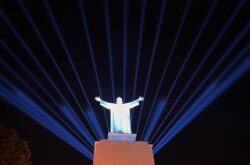
A small church on the outskirts of the village, built in 1816. The structure is a simple crib vault, with St Anthony's statue over the building.

Obeidat – The hermitage of Mar Semaan Al Amoudi

The Old Monastery of St. Semaan, Saqyet El Khayt, Lebanon

محبسة مار سمعان العاموديّ وادي البواليع - عبيدات

Aabaydat

Jbeil

Mount Lebanon

محبسة مار سمعان العاموديّ وادي البواليع - عبيدات المحبسة عبارة عن تَجوِيفٍ مَحفُورٍ فِي الصَّخر، بِدَاخِله صُوَرٌ جُدرَانِيَّةٌ تعود إِلى القَرن الثَّاني عَشَر. مِن بَينِ هِﺬهِ الجُدرَانِيّات رَسمُ الشفاعة، وَكِتَابَةٌ سِرَيَانِيَّةٌ لَم يَبقَ منهَا
وَمِن الرُّسُومِ إلّا القَلِيل بِسَبَب عَوَامِل الطَّبِيعَة وَجَهل الإِنسَان.

يَتمُّ الصُعُودُ إِلَى غُرَفِ الدَّير بِوَاسِطة سَلَالِم خَشَبِيَّةٍ وَأُخرَى حَدِيدِيَّةٍ مُستَحدَثَةٍ.تُجَاوِرُ دَيرَ مَار سِمعَان كَنِيسَة
مَارت مُورَا، وَهِيَ عِبَارَةٌ عَن نَقرٍ في الصَخرِ.بحسب الخبراء جداريّات عبيدات تعودُ لراسم جداريّات كنيسة
مار تادرس بحديدات.


The hermitage of St Simeon the stylite in Wadi al-Bouwayli'e - 'Abeydat The monastery is a hollowed-out cavity in the rock, containing frescoes dating back to the XIIth century. Among these wall paintings is the depiction of the deisis, as well as Syriac inscriptions, of which only a few remain due to natural factors and human ignorance. Access to the monastery's chambers is achieved through newly installed wooden and iron ladders. Adjacent to the Mar Simeon monastery is the St Moura's Church, which is a carved cave in the rock. According to experts, the wall paintings in 'Abeydat belong to the same artist who painted the wall paintings in the Mar Tadros Church in Behadidat.


La Ermita de San Simeón el estilita en Wadi al-Bouwayli'e - 'Abeydat El monasterio es una cavidad excavada en la roca, que contiene frescos que datan del siglo XII. Entre estas pinturas murales se encuentra la representación de la deisis, así como inscripciones siríacas, de las cuales, debido a factores naturales y la ignorancia humana, solo quedan unas pocas. Para acceder a las cámaras del monasterio se utilizan las escaleras de hierro y madera recién instaladas. Colindante al monasterio de San Simeon se encuentra la iglesia de San Moura, que es una cueva tallada en la roca. Según los expertos, las pinturas murales de 'Abeydat pertenecen al mismo artista que pintó las pinturas murales de la iglesia de San Tadros en Behadidat