
Hasroun – The Church of Our Lady

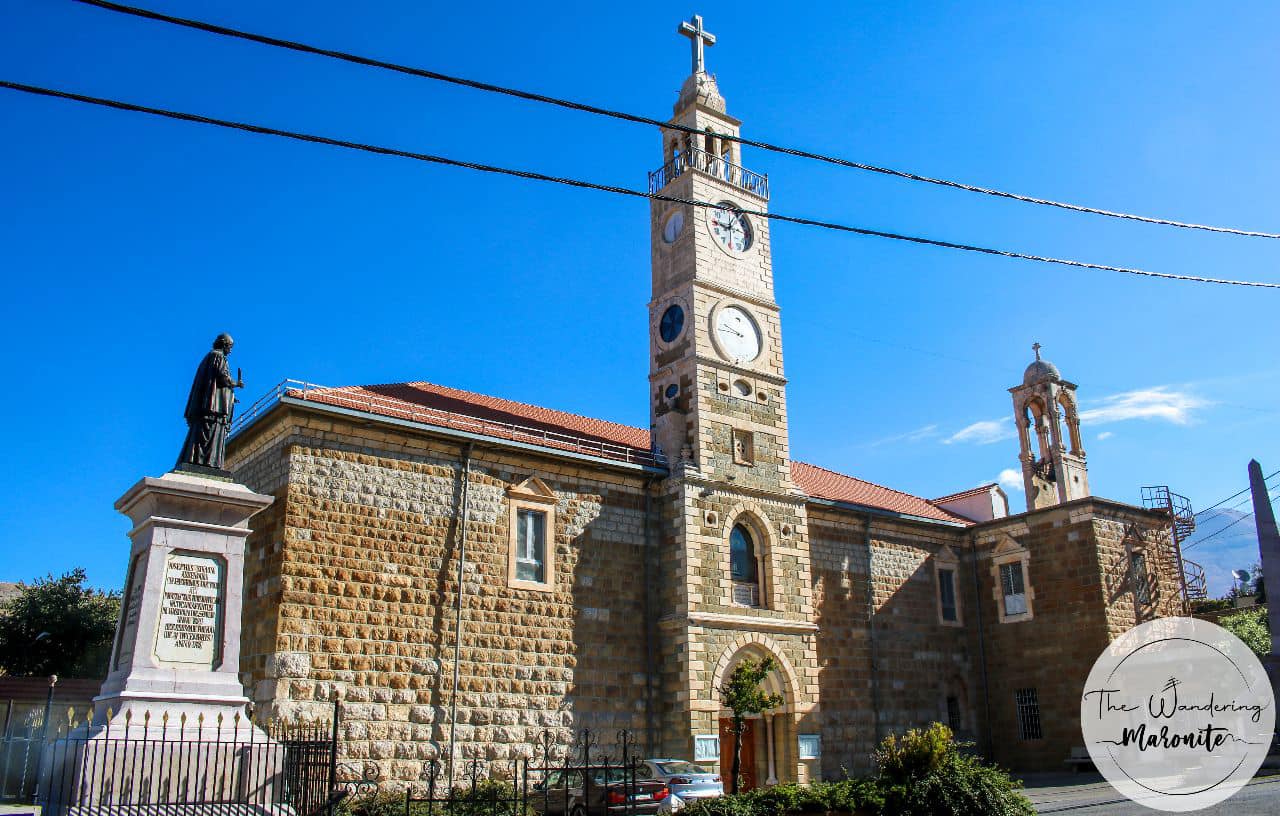
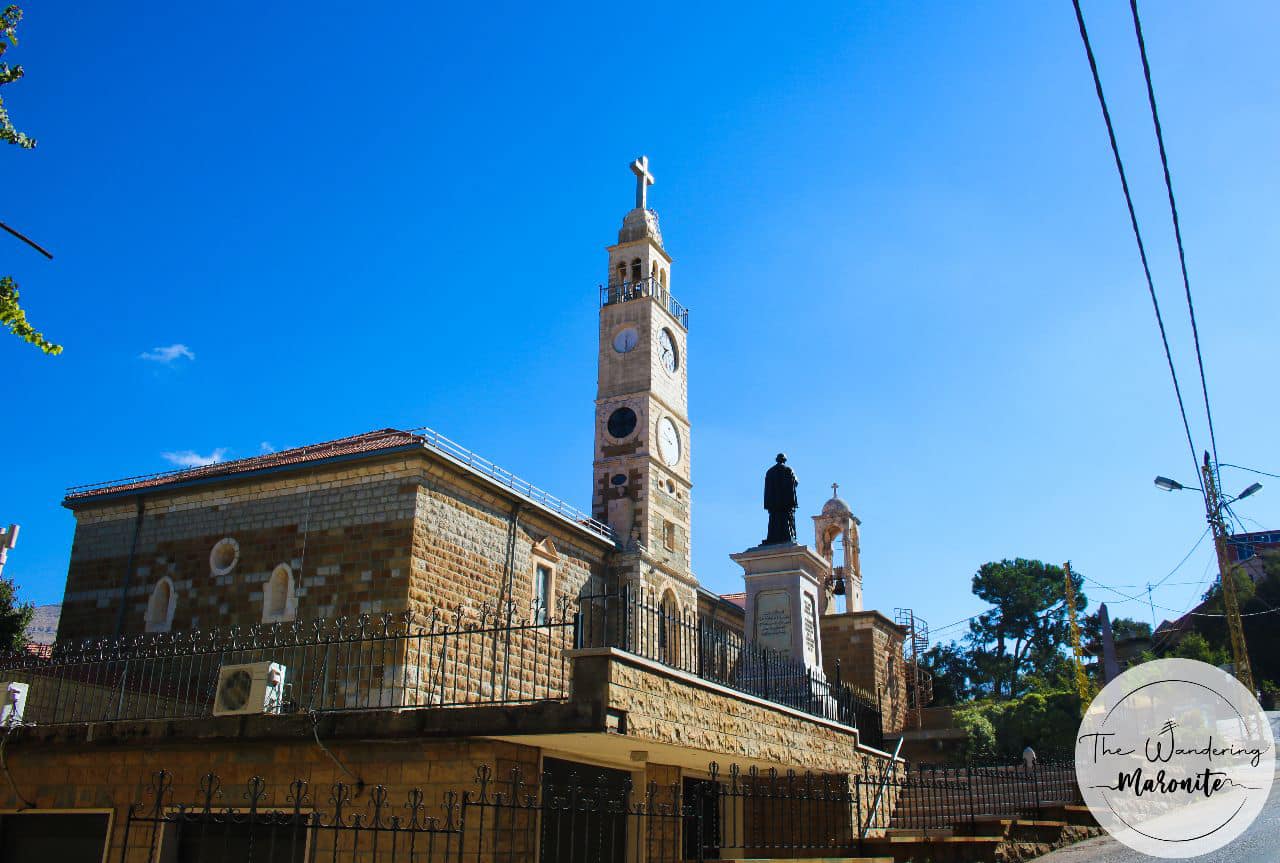
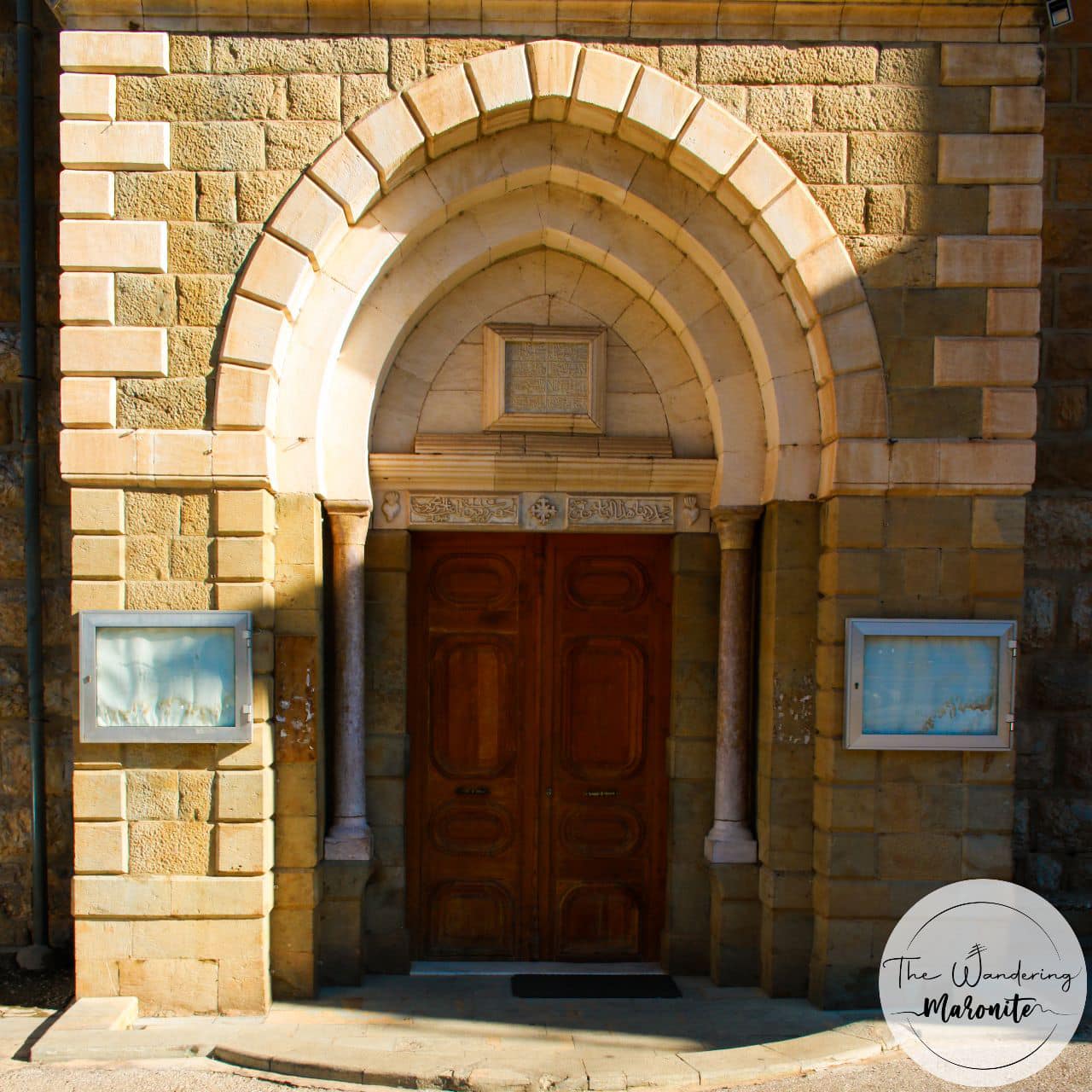
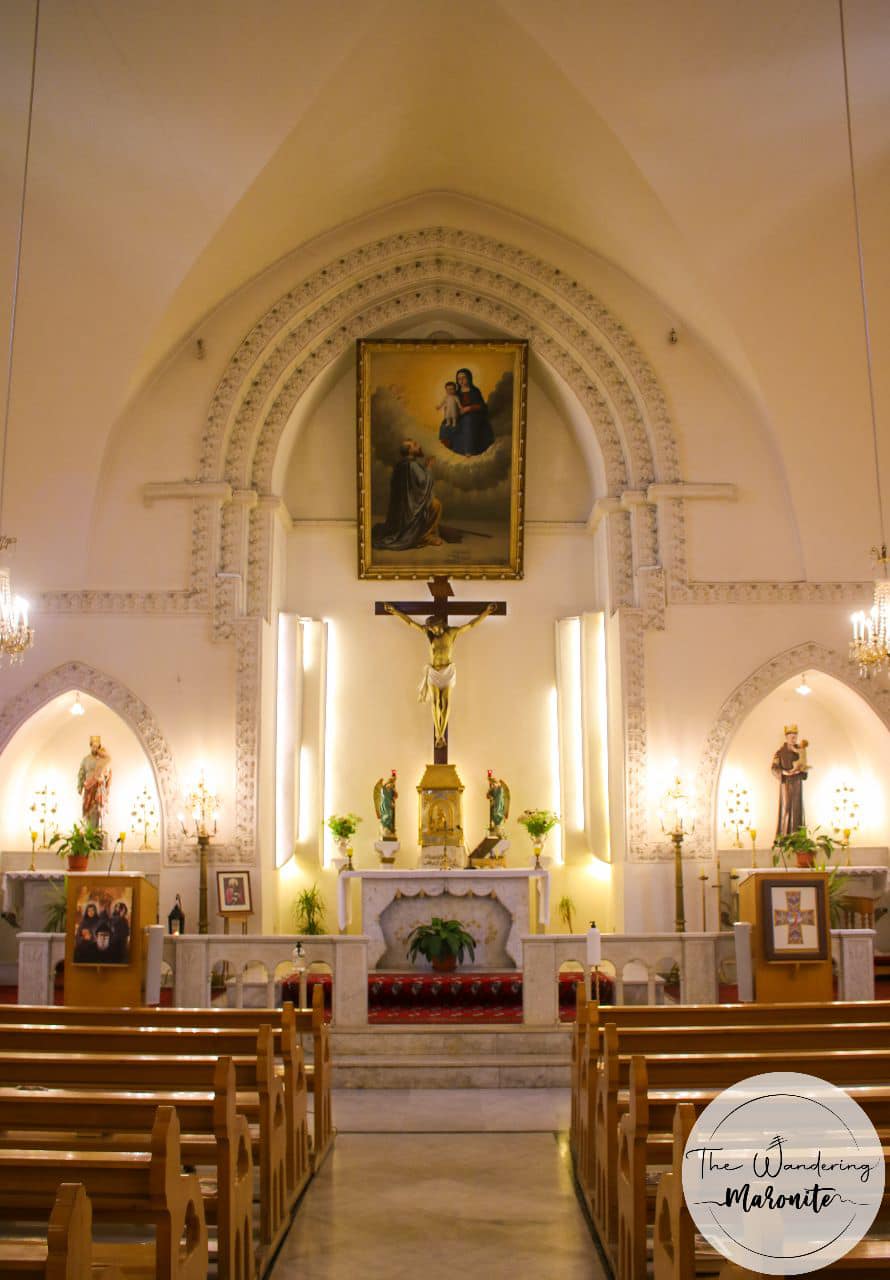
St. Mary Church, Hasroun, Lebanon

Other Details

كنيسة السيدة

Hasroun

Bcharre

North

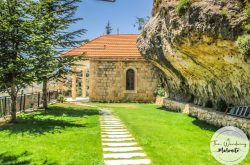
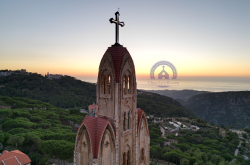
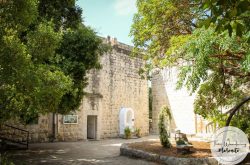
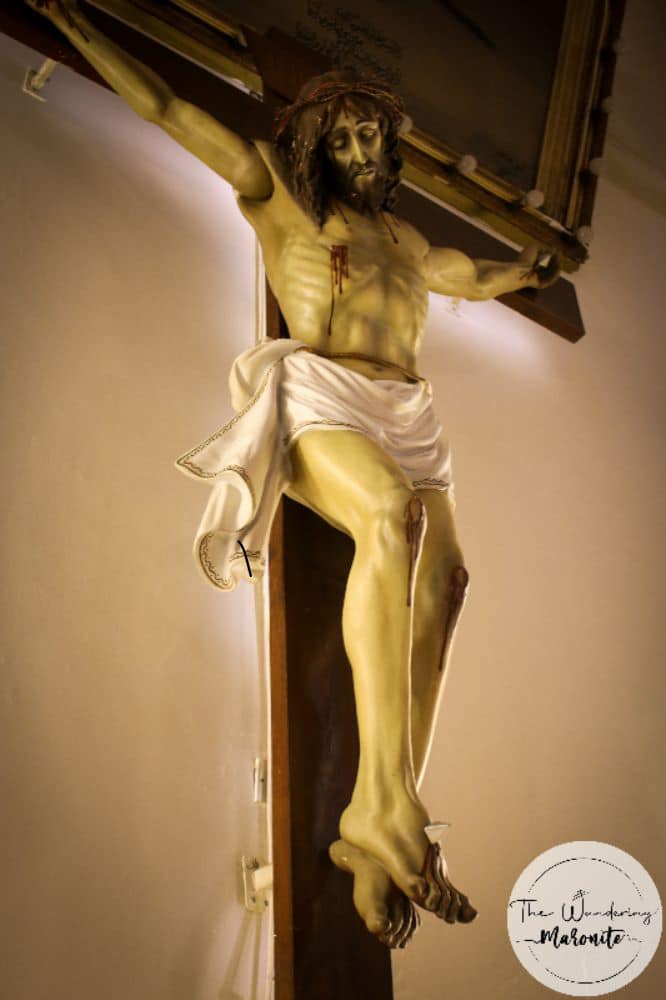
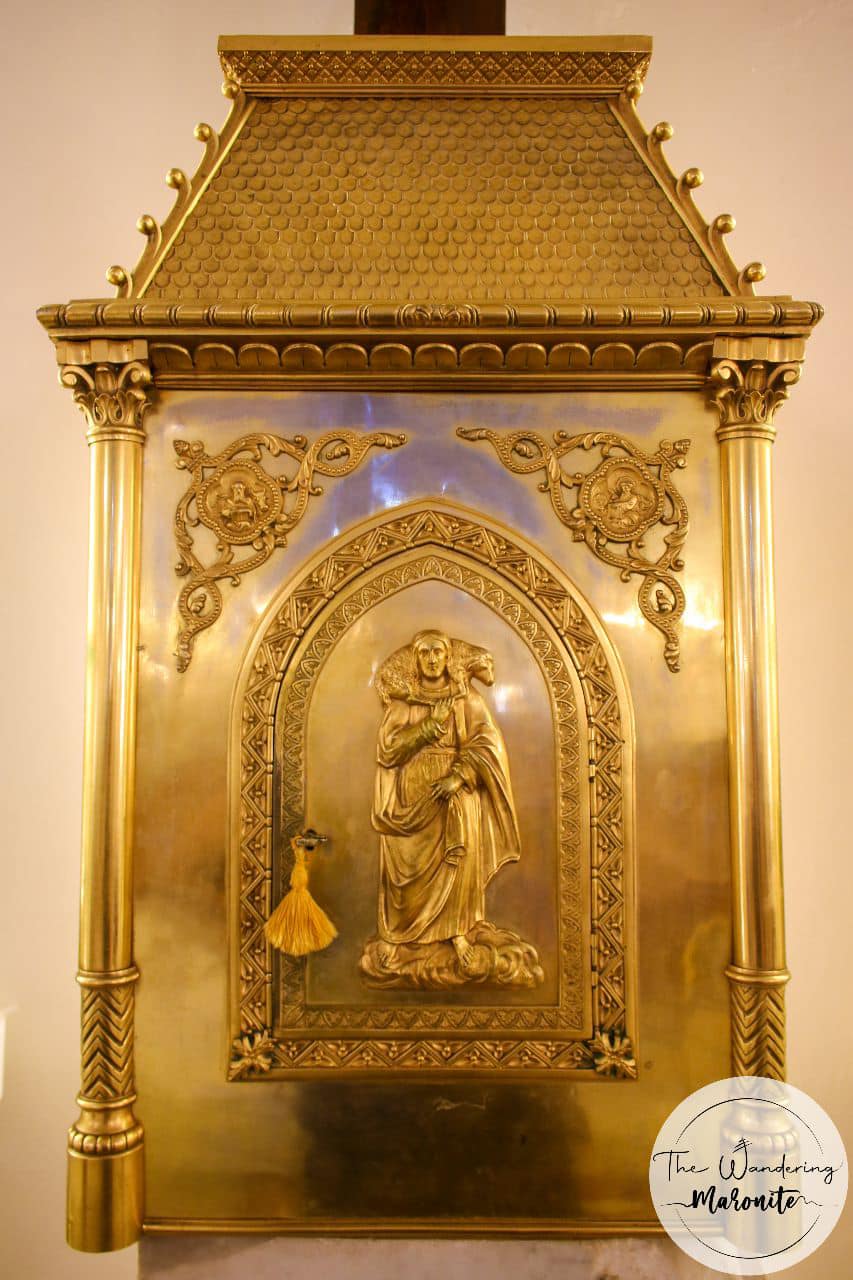
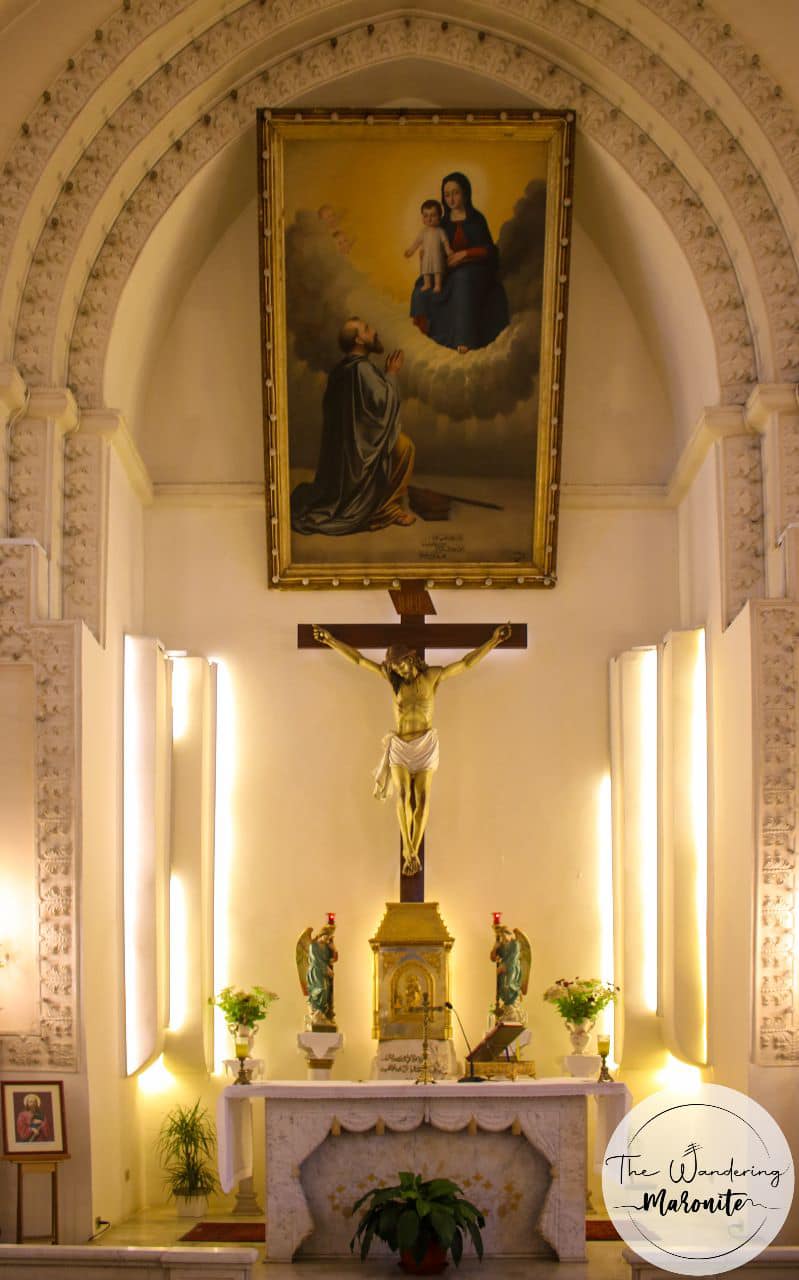
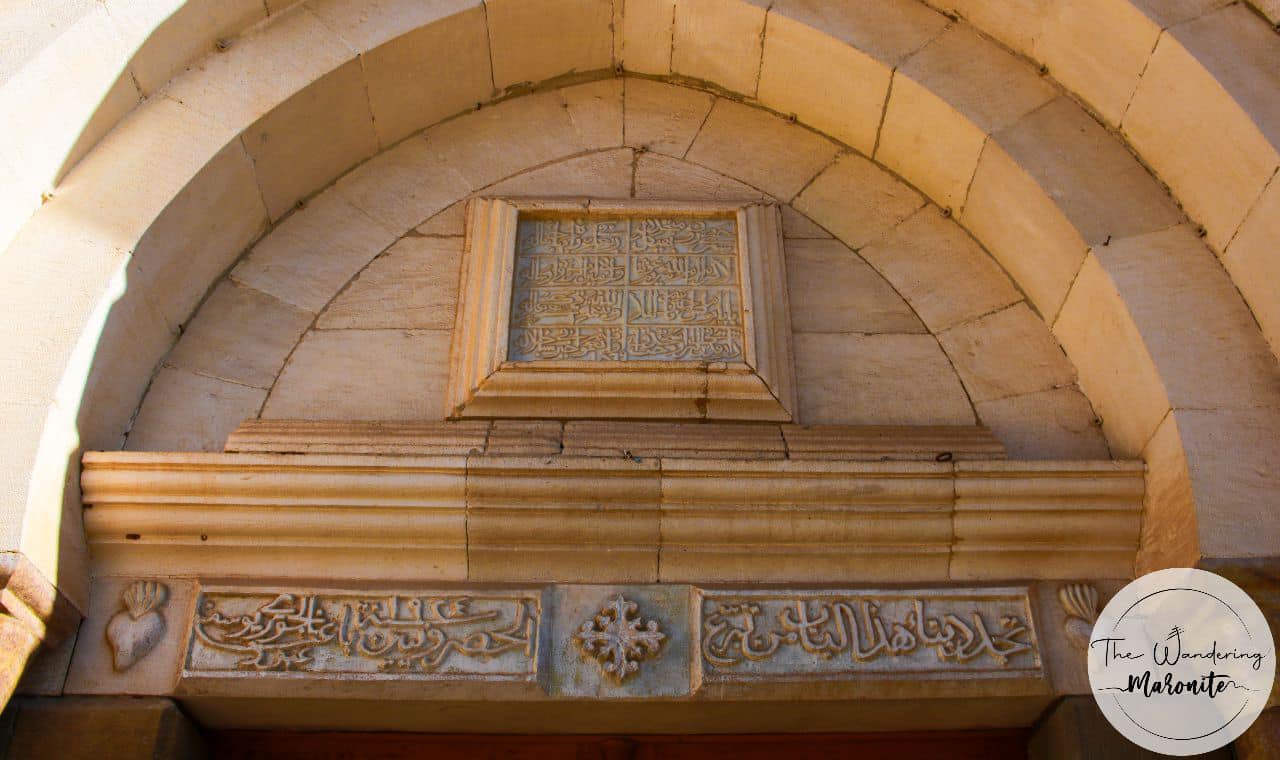
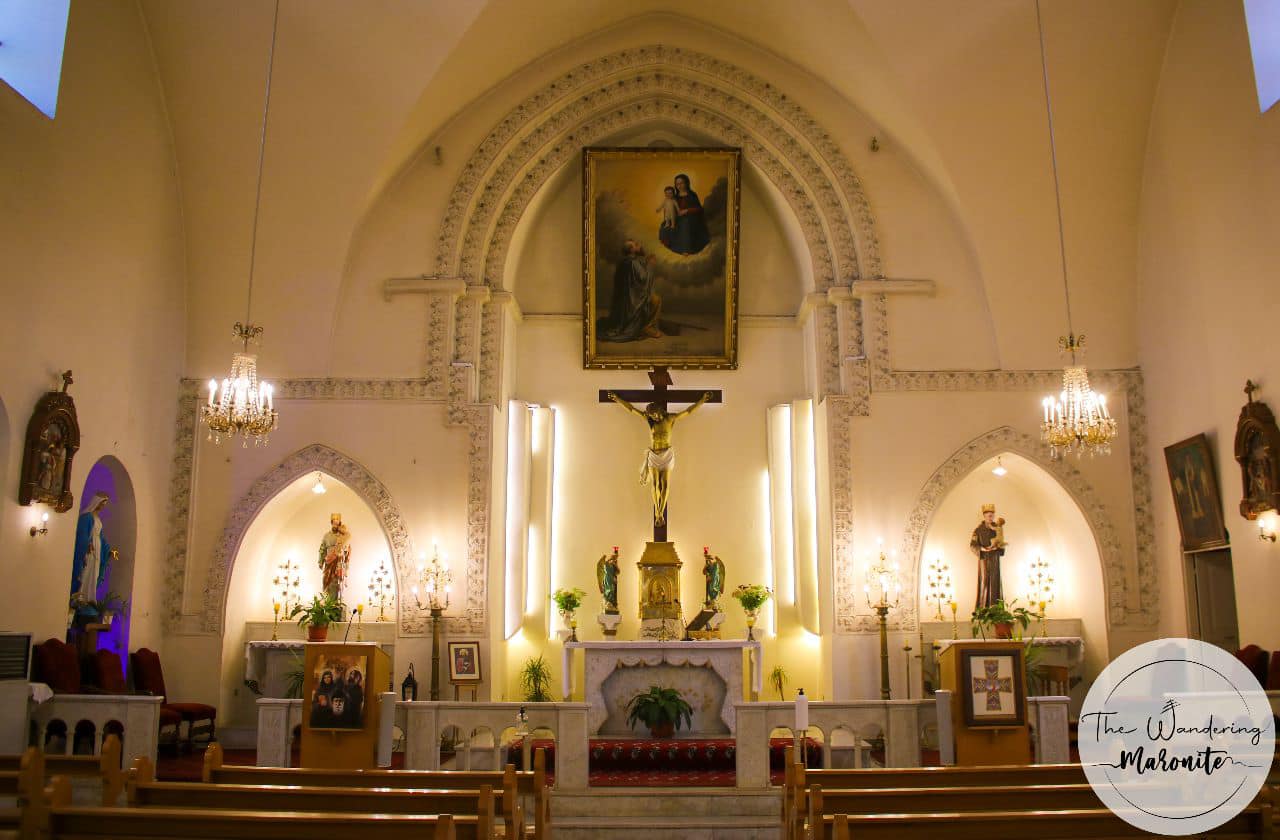
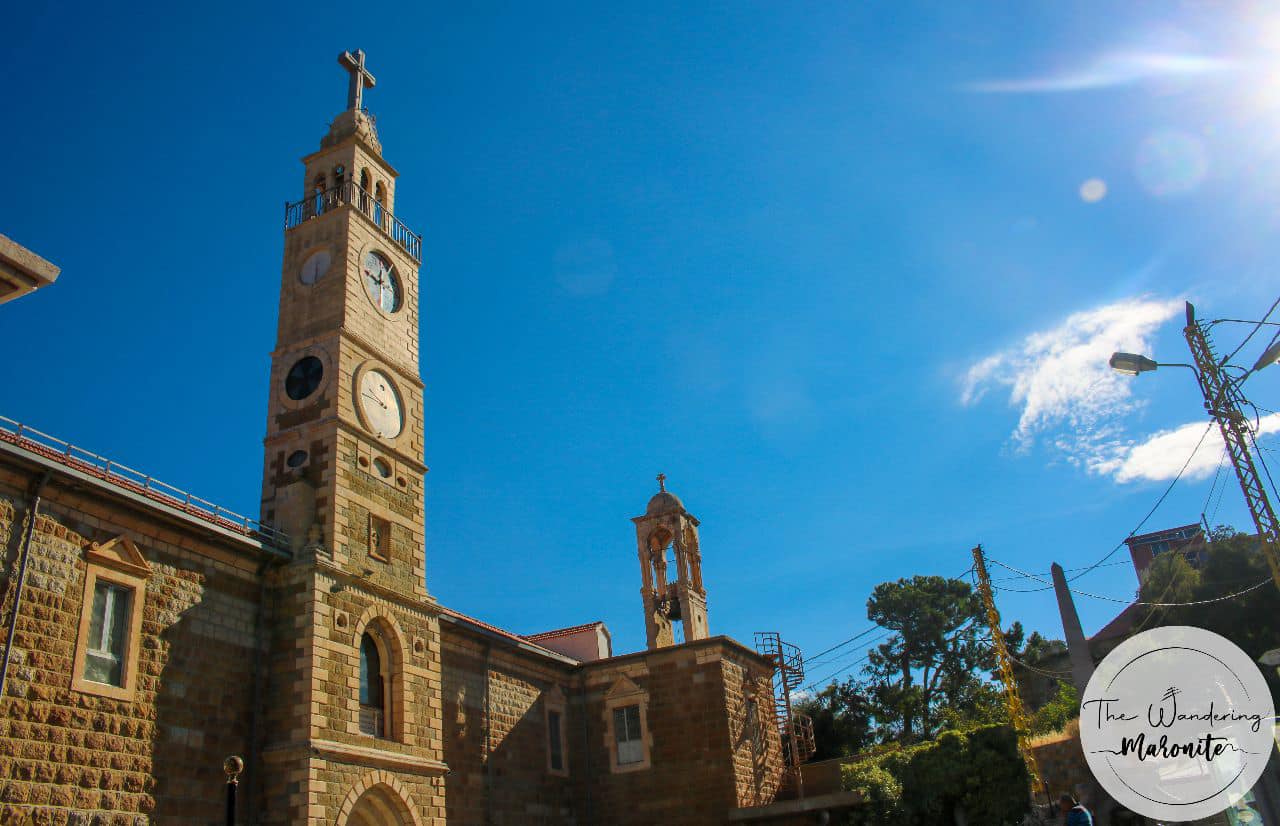
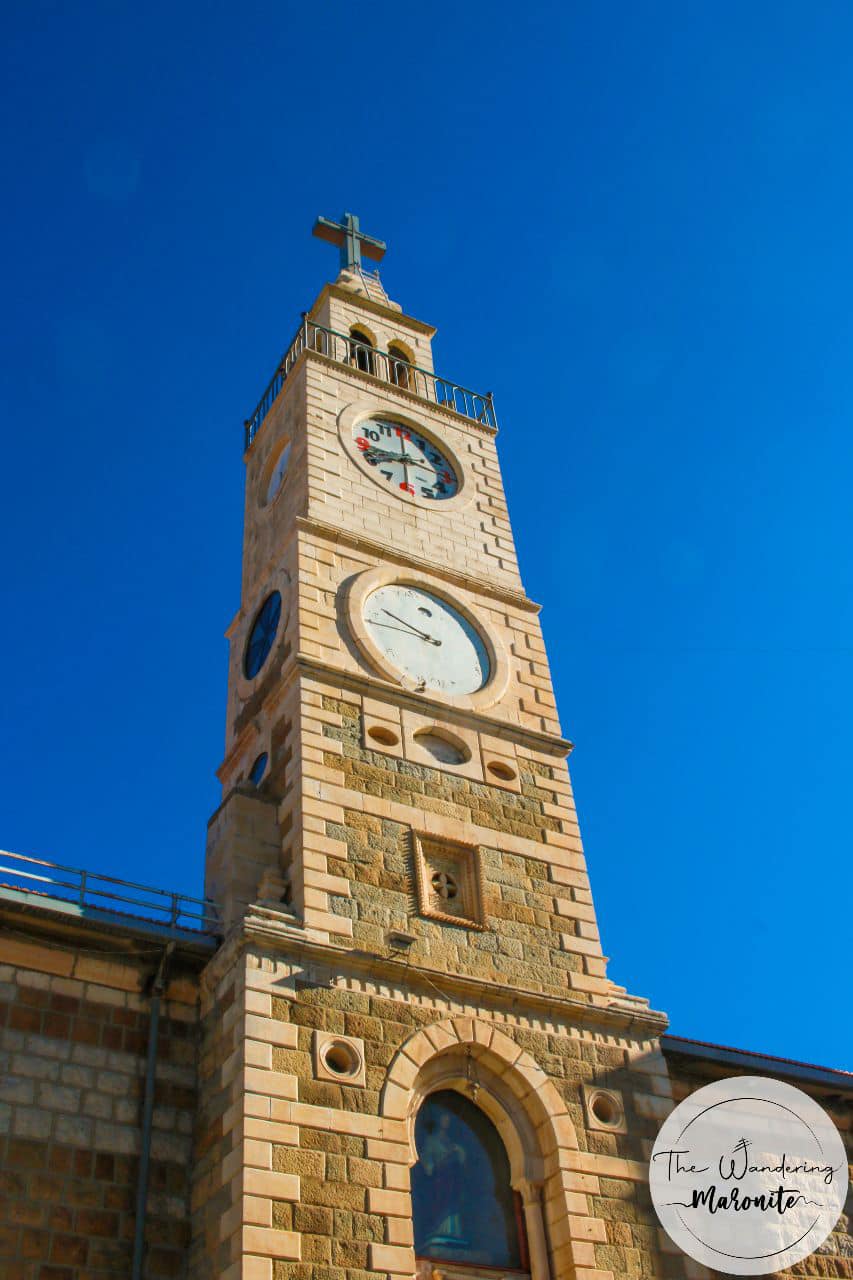
كنيسة السيدة - حصرون‎ تمّ بناء الكنيسة سنة ١٨٦٩. هي كناية عن عقد مصالب، ولها ثلاث حنايا مستديرة، تحتها ثلاثة مذابح، الكبير منها في الوسط وهو من الرخام، على إسم السيّدة العذراء والقدّيس لابي الرسول شفيع البلدة. اللوحة الكبيرة رسمها داوود القرم عام ١٨٩٥. أمّا المذبحان الآخران، علي اليمين للقديس أنطونيوس البادواني، وعلى اليسار وللقدّيس يوسف. كُرّست الكنيسة في ٢٢ ايلول ١٩٠١ على يد المطران بولس عبود. يعلو الكنيسة برج ساعةٍ طنّانة بني عام ١٩٢٤. تحافظ الكنيسة على طابعها الأصليّ، ورُمّمت سنة ١٩٩٩. The Church of Our Lady - Hasroun It was built in 1869 and features a crossed vault with three semi-circular apses. Inside the apses are three altars dedicated to Our Lady and St. Jude, St. Anthony of Padua, and St. Joseph. The main painting in the church is a depiction of Our Lady and St. Jude, created by Dawoud al Qorm in 1895. The church was consecrated on September 22, 1901, by Mgr. Boulos Abboud. In 1924, a bell tower was added to the church. Despite its age, many of the church's original elements have been preserved, and the building was restored in 1999.

Visited 3302 times, 1 Visit today

Reviews are disabled, but trackbacks and pingbacks are open.

Related Listings

Aqoura – The church of Sts Peter and Paul

Saint Peter and Paul, Aaqoura, Lebanon

كنيسة مار بطرس وبولس

Aaqoura

Jbeil

Mount Lebanon

كنيسة مار بطرس وبولس - العاقورة

الكنيسة عبارة عن مغارة كانت مدفنًا لكهنة أدونيس وتحوي عدّة نواويس، وثلاث اعمدة تنضح الماء كانت قديمًا لنذور العواقر. وثّق المغارة العالم إرنست رينان والمفوّضيّة السّامية الفرنسيّة، لكنّ العديد من معالم المدفن خرّبت جرّاء البحث عن الطمائر. على الجدار الشرقيّ داخل الكنيسة كتابة منقوشة باللغة السريانيّة وهي مختلفة من حيث الاسلوب، لأنّها منقوشةٌ بشكلٍ عاموديٍّ وليس افقياً. وقد فسّر علماء الآثار هذه الظاهرة أنّه في القرن السابع للميلاد زمن الامويّين ذهبت بعثات نسطوريّة الى الصين. وهذا ما يفسّر الاسلوب العامودي في الكتابة الآراميّة المنقوشة، فهؤلاء تأثروا بالكتابة الصينيّة العاموديّة كالكتابات السريانيّة في شيان التي تعود للحقبة نفسها. رمّم المذبح سنة ١٨٩٥، والواجهة الأماميّة سنة ١٩٥٢.

The church of Sts Peter and Paul - Aqoura

The church was a funerary cave for the priests of Adonis, it holds many sarcophaguses and three columns that pour water. The cave was studied by Ernest Renan and the archeologists of the French high commissariat. The church holds a VIIth century Syriac calligraphy that is distinct since it was written vertically, which relates to the Nestorian monks who went to missions during the Umayyad era and reached China. There they were influenced by the mandarin calligraphy and began writing Syriac in this manner. The stella of Xian uses the same type of writing and dates back to that era. The church was plundered by tomb raiders, the high altar was restored in 1895, and the entrance in 1952.

Daraya – The church of Our Lady

Daraya, North Governorate, Lebanon

كنيسة السيّدة

Daraiya Zgharta

Zgharta

North

كنيسة السيّدة - داريّا

بُنيت الكنيسة سنة ١٨٦٠ على أنقاض كنيسة أخرى أقدم عهدًا، بسعي الخوري مارون العلم، وكرّسها المطران بولس موسى رئيس أساقفة طرابلس. رُمّمت سنة ١٩٨٤. تحوي الكنيسة على ثلاث مذابح: السيّدة وفوقه لوحة لداوود القرم تعود لسنة ١٨٨٤، قلب مريم الطاهر، ومار يوسف.

The church of Our Lady - Daraya

The church was built in 1860 over an older church, with the overseeing of Fr Maroun Al Alam. It was consecrated by Boulos Moussa Archbishop of Tripoli. The structure was restored in 1884. The church holds three altars: the main one is dedicated to the Virgin Mary with a painting drawn by Dawoud el Qorm dating back to 1884, The Immaculate Heart of Mary, and St Joseph.

Hermel – The monastery of St Maroun on the Orontes

Hermel, Lebanon

دير مار مارون على نهر العاصي

Hermel

Hermel

Baalbek-Hermel

The monastery of St Maroun on the Orontes - Hermel

The monastery was originally a natural cave consisting of three sections, it was expanded by Roman builders working in nearby stone quarries. It is situated above Ain El Zarqa, one of the sources of the Orontes River, and connected to the river via a corridor carved into the mountainside. This was used to fetch water and provide a hiding place during enemy attacks. In the VIth century, Maronite monks sought refuge in the cave after facing persecution in northern Syria, where their monastery was destroyed and its contents dispersed. The monks expanded the cave and carved an altar, turning the cave into a new monastery. This marked the beginning of the Maronite migration to the mountains of Lebanon along the Orontes River. Over time, the monastery was neglected and became an abandoned farm. In 2011, it was visited by Patriarch Bechara Boutros Al-Rahi and has since been restored in 2018, returning to the Maronite Church. The monastery serves as a testament to the spread and perseverance of the Maronite Church in the Levant.