
Maad – Saint Charbel of Edessa feast day

Saint Charbel Church, Unnamed Road, Lebanon

Other Details

كنيسة مار شربل الرّهاوي

Maad

Jbeil

Mount Lebanon

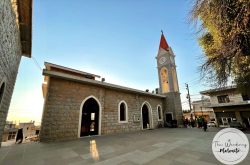
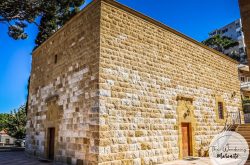
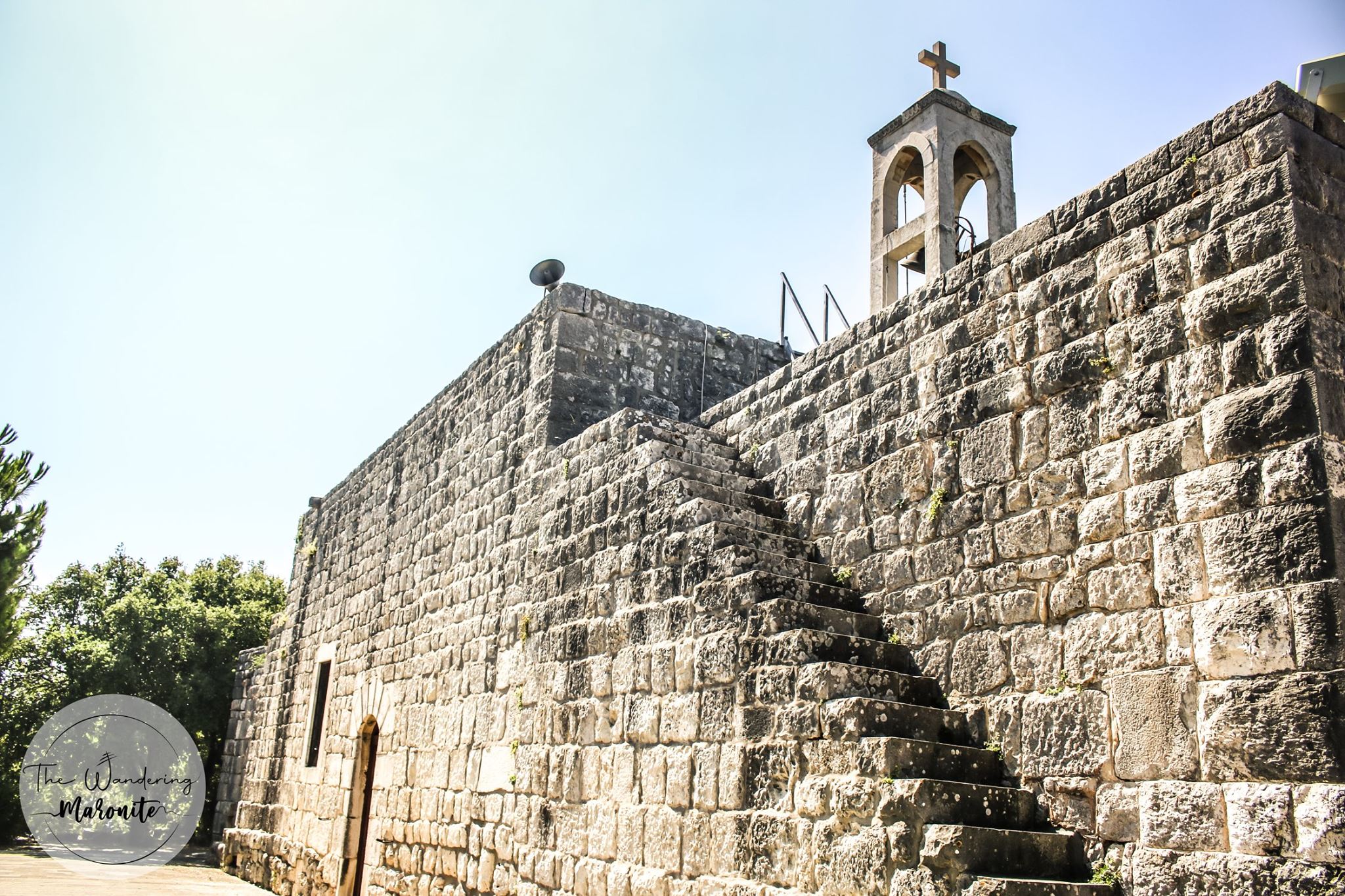
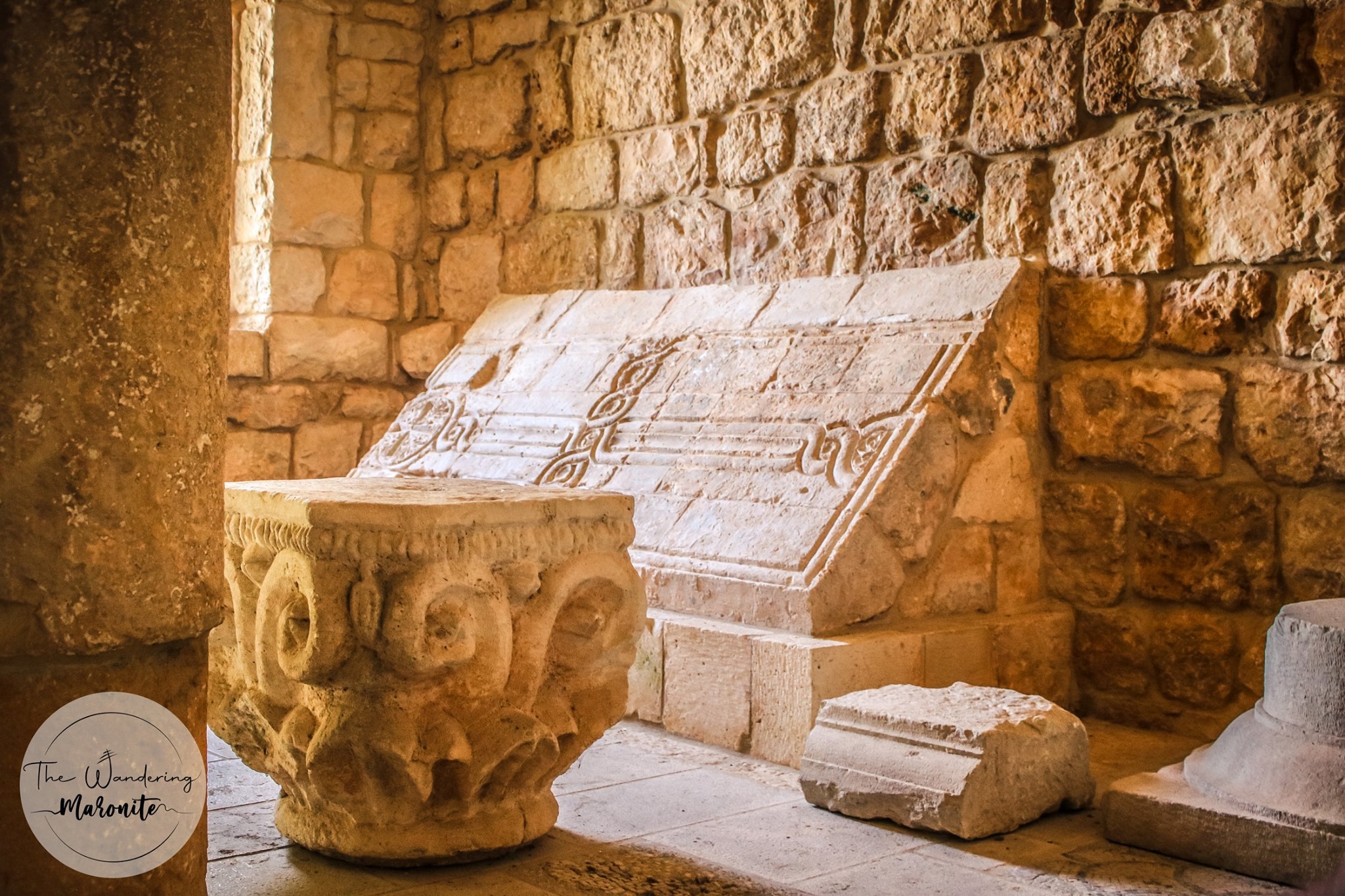
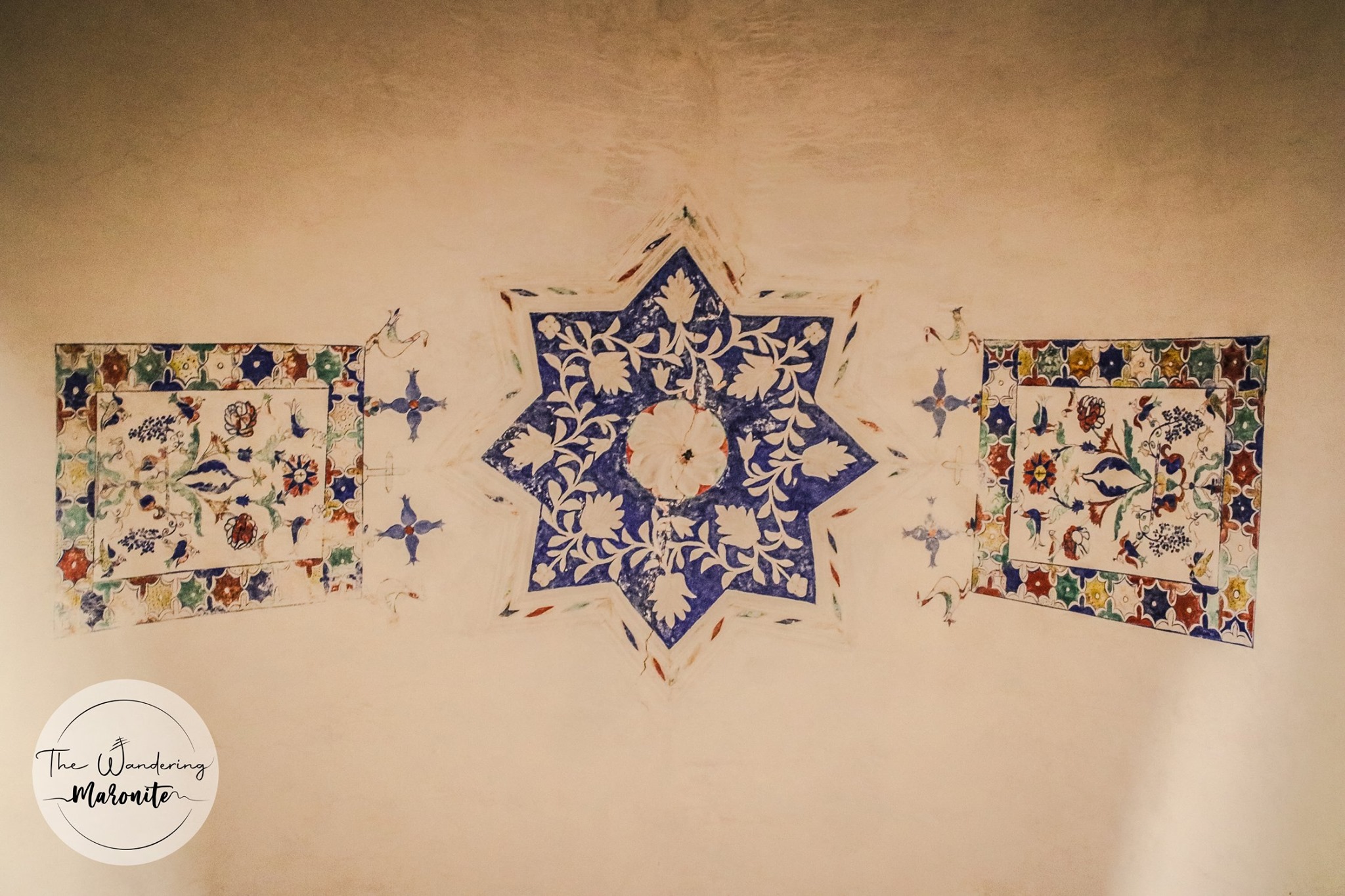
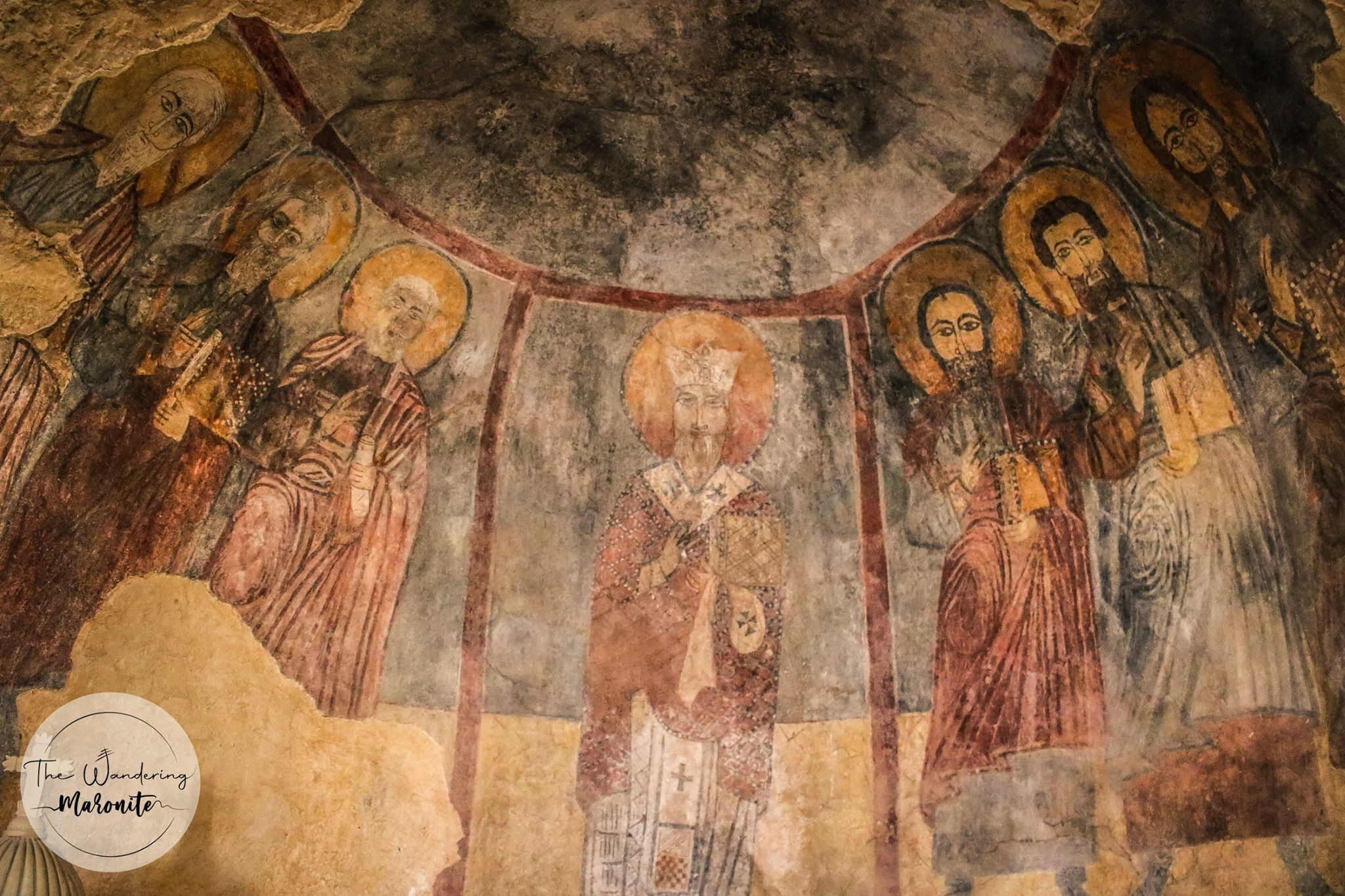
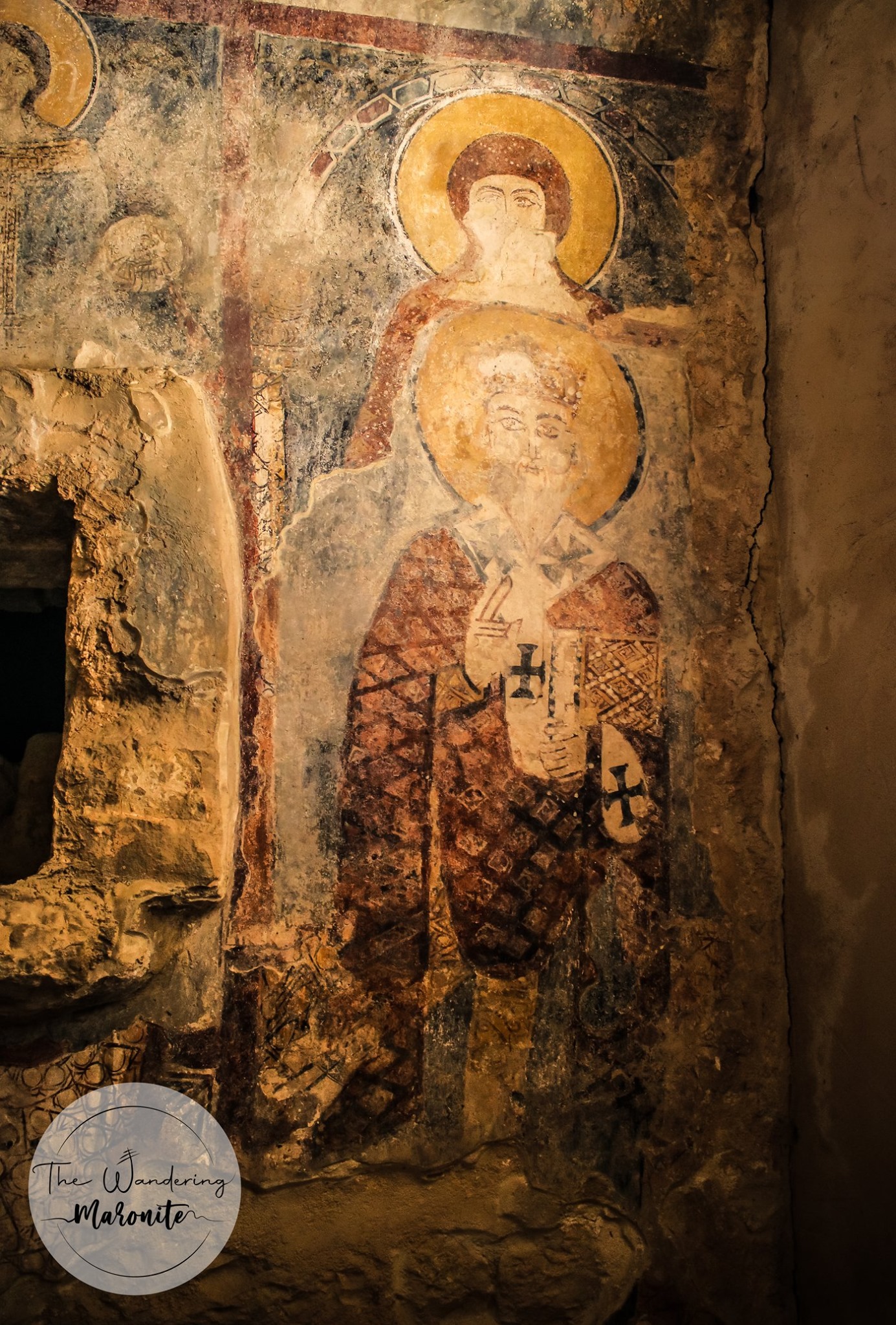
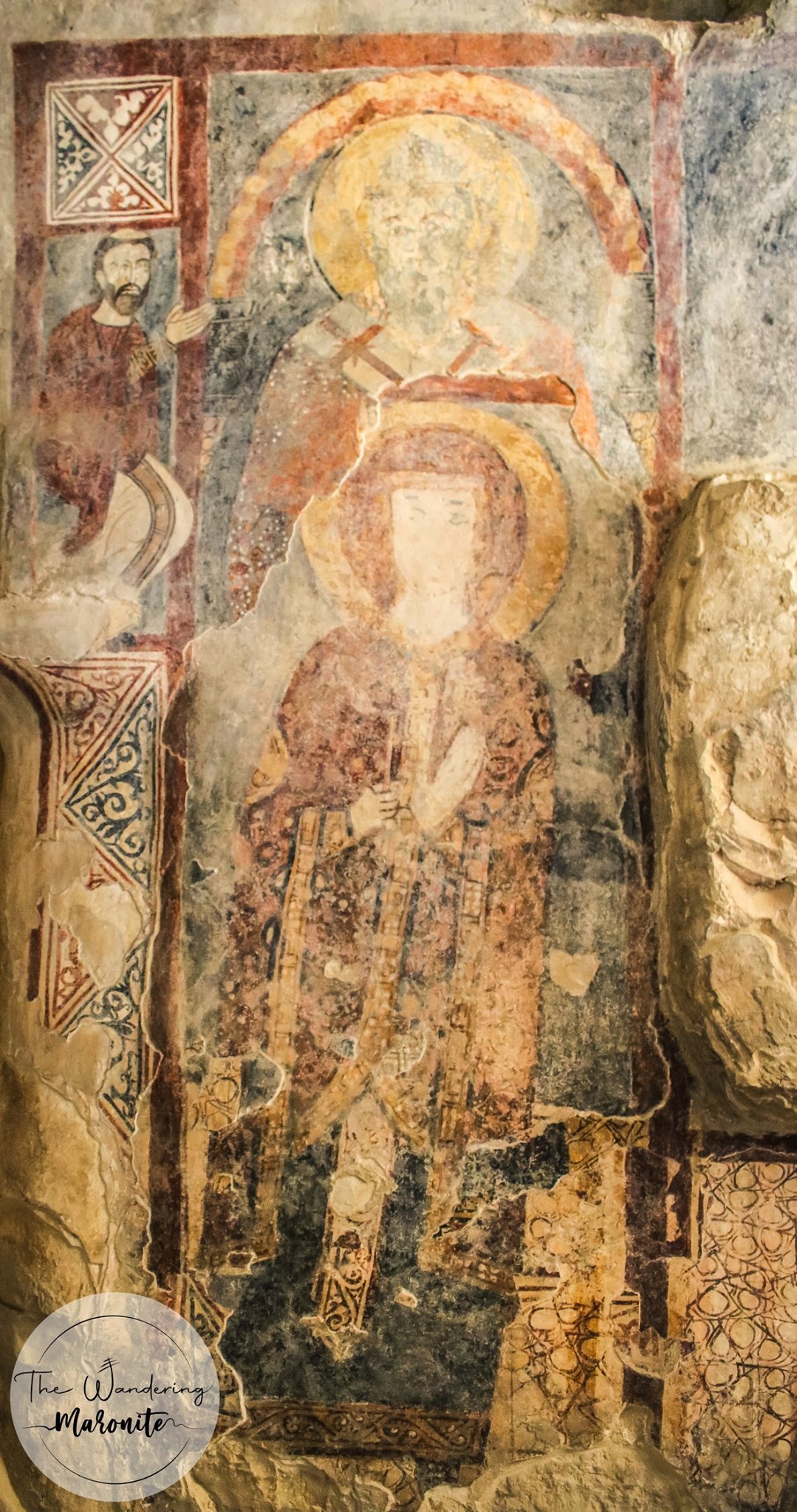
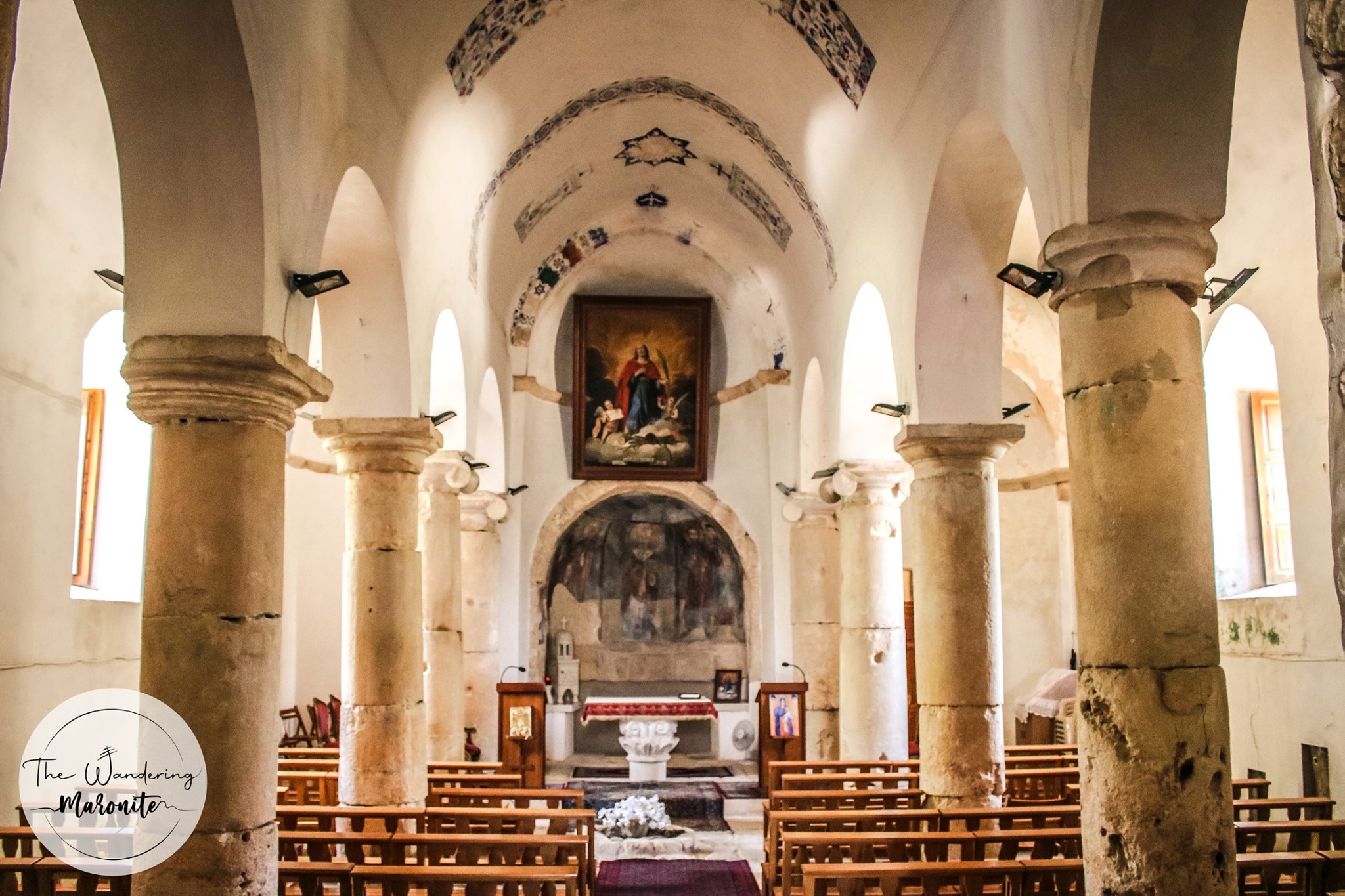
كنيسة مار شربل الرّهاوي - معادكان شربل الرهاوي كاهنًا وثنيًّا في مدينة الرّها. تحوّل الى المسيحيّة هو واخته بارابيا واستشهد في عهد الامبراطور الروماني ديسيوس (236-250).تقوم الكنيسة على أنقاض سابقة تعود لمعبد وثنيّ، أُنشأت عليه كنيسة بيزنطيّة؛ ثمّ أعيد بناؤها على أيام الصليبيين (القرن 12 و 13). رُمِّمت في نهاية القرن التاسع عشر.قُسم الموعوظين هو عبارة عن مدخل أو رواق. يحوي اليوم قطعًا أثرية.الكنيسة في الداخل مبنيّة على نمط بازيليكي يقسم صفّان من القناطر المساحة الداخليّة. قسم من البلاط قديم يعود الى المعبد الروماني كما وفتحة البئر المستديرة التي تتوسط الرواق. أمّا العقد المركزي فمزيّن برسوم زخرفية تعود الى العهد العثماني.تنتمي الحنية السفلى الى الكنيسة الأقدم، وتحتوي على جدرانيّة تمثل مجموعة من سبعة قديسين: على جانبي الأسقف الوسطي، يمثل الرسول بطرس الى اليسار وبولس الى اليمين؛ يرافقهما الانجيليون الأربعة.كنيسة مار شربل الرّهاوي - معادكان شربل الرهاوي كاهنًا وثنيًّا في مدينة الرّها. تحوّل الى المسيحيّة هو واخته بارابيا واستشهد في عهد الامبراطور الروماني ديسيوس (236-250).تقوم الكنيسة على أنقاض سابقة تعود لمعبد وثنيّ، أُنشأت عليه كنيسة بيزنطيّة؛ ثمّ أعيد بناؤها على أيام الصليبيين (القرن 12 و 13). رُمِّمت في نهاية القرن التاسع عشر.قُسم الموعوظين هو عبارة عن مدخل أو رواق. يحوي اليوم قطعًا أثرية.الكنيسة في الداخل مبنيّة على نمط بازيليكي يقسم صفّان من القناطر المساحة الداخليّة. قسم من البلاط قديم يعود الى المعبد الروماني كما وفتحة البئر المستديرة التي تتوسط الرواق. أمّا العقد المركزي فمزيّن برسوم زخرفية تعود الى العهد العثماني.تنتمي الحنية السفلى الى الكنيسة الأقدم، وتحتوي على جدرانيّة تمثل مجموعة من سبعة قديسين: على جانبي الأسقف الوسطي، يمثل الرسول بطرس الى اليسار وبولس الى اليمين؛ يرافقهما الانجيليون الأربعة. Saint Charbel of Edessa feast dayA church dedicated to him in MaadCharbel was a pagan priest in Edessa. He was then converted to Christianity with his sister Barabia and martyred in the days of Emperor Disios (236-250 A.D).The church was built over an old pagan temple ruins. It was first a Byzantine church. The Crusades built it again in the 12th century. Renovations took place at the end of the 19th century.As one enters the Church, he'll find a nartex with some artifacts. The church is built in a basilical form, divided into two rows of arches. Some of the tiles along with a circular well belong to a roman temple. Some decorative elements that date back to the Ottoman period fill the main vault.The main apse belongs to the old church, and it contains a fresco depicting a bishop surrounded by Saints Peter and Paul and the four Evangelists.

Visited 2983 times, 2 Visits today

Reviews are disabled, but trackbacks and pingbacks are open.

Related Listings

Aqoura – St Simon the Stylite church

Saint Semaan, Aaqoura, Lebanon

كنيسة مار سمعان العاموديّ

Aaqoura

Jbeil

Mount Lebanon

كنيسة مار سمعان العاموديّ - العاقورة

في أعالي العاقورة طريق شقّها الفينيقيّون ورمّمها الرومان، بدليل كتابة لاتينيّة بقرب الكنيسة. ويفيد المؤرّخون أن دوميسيانوس قيصر الامبراطور الرومانيّ مرّ في بلدة العاقورة سنة ٨٢ بعد المسيح ووسّع الطريق شرقيّ البلدة، كما تشير الكتابة: IMP DOMITIANIA, S.V.T. حين نزح الموارنة في القرن السابع إلى البلدة، حوّلوا البناء الرومانيّ بقرب الشير إلى مزار لمار سمعان العاموديّ لتأثرهم بمار سمعان في سوريا. رُمّمت الكنيسة وأخذت شكلها الحاليّ بداية القرن العشرين.

St Simon the Stylite church - Aqoura

In the mountains east of Aqoura, the Phoenicians built a road that was enlarged by the Romans. Empror Domician passed by this road during his visit to Aqoura in 82 AD, and left a latin inscription near the church that says: IMP DOMITIANIA SVT. When the Maronites came to Aqoura in the VIIth century they converted the old roman building to a shrine church dedicated to St Simon the Stylite since they were influenced by the Stylites of Syria. The church took its final shape after restoration works in the early XXth century.

Kobayyat – The monastery of Chalita

Saint Challita church, Qatlabah, Lebanon

دير مار شليطا

Qbaiyat Aakkar

Akkar

Akkar

دير مار شليطا - القبيات

يقع الدّير في منطقة وادي حلسبان، في الأصل كان البناء معبدًا رومانيًّا للإله بان إله الرعيان والمواشي. حوّله الأهالي إلى كنيسةٍ بيزنطيّة على اسم القدّيس شليطا (أرتاميوس) شفيع الحيوانات والمواشي، إشارةً إلى تحوّلهم من الوثنيّة. بقي الدّير مُهملاً فترةً طويلةً، فآل إلى الخراب. خلال تسعينيّات القرن العشرين رُمّم الدّير، لكنّ الترميم أزال قسمًا كبيرًا من معالمه. أصبح الدّير اليوم مقصدًا للسيّاح ومحجًّا.

The monastery of Chalita - Kobayyat

The monastery is located in the valley of Helesban. The building was a roman temple dedicated to Pan the god of shepherds. The temple was converted into a church during the byzantine era and was dedicated to St Chalita (Arthemius) the patron saint of animals and heards. After the middle ages, the monastery fell into ruins for along time. The structure was restored in the last decade of the XXth century, yet the restoration destroyed many of the original elements. The monastery became a pilgrimage site.

Salima – St. John the Baptist Ancient Church

Mar Youhana Church - كنيسة مار يوحنا, Salima, Lebanon

كنيسة مار يوحنّا المعمدان الأثريّة

Salima Baabda

Baabda

Mount Lebanon

كنيسة مار يوحنّا المعمدان الأثريّة - صليما

يعود بناء الكنيسة إلى سنة ١٦٥٨، فمع توافد الموارنة إلى البلدة شرعوا ببناء كنيسة. ساعدهم على بنائها الآباء الكبوشيّون الذين بدؤا رسالتهم في دير مار بطرس في البلدة وجلبوا لإعانة موارنة البلدة معونة ماديّة من الكاردينال ريوشوليو وزير الملك لويس الثالث عشر. سنة ١٦٨٤ كرّس المذبح البطريرك أسطفان الدويهيّ. البناء كناية عن عقدِ مُصالب، يتميّز ببابٍ فخمٍ قدّمه أمراء آل أبي اللمع. تعرضت الكنيسة للتخريب إبّان الحرب الأهليّة اللبنانيّة. ورمّمت في تسعينيّات القرن العشرين

St. John the Baptist Ancient Church - Salima

The construction of the church dates back to the year 1658 when the Maronites began to settle in the town and started building a church. The Capuchin fathers, who began their mission at the Monastery of St. Peter in the town, assisted them in its construction. They brought financial assistance from Cardinal Richelieu, the Minister of King Louis XIII, to support the Maronites of the town. In 1684, Patriarch Estephan Douaihy consecrated the altar. The building is in the shape of a crucifix and is distinguished by a magnificent door donated by the Al Abi Al Lamaa family. The church suffered damage during the Lebanese Civil War and was restored in the 1990s.