
El Qattara Mayfouk – The Monastery of St Challita

دير القطارة, Qattarah, Lebanon

Other Details

دير مار شليطا

Maad

Jbeil

Mount Lebanon

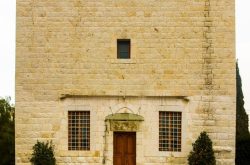
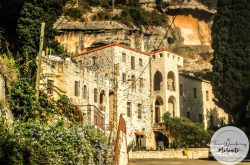
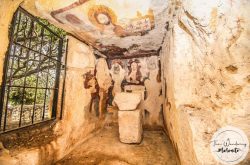
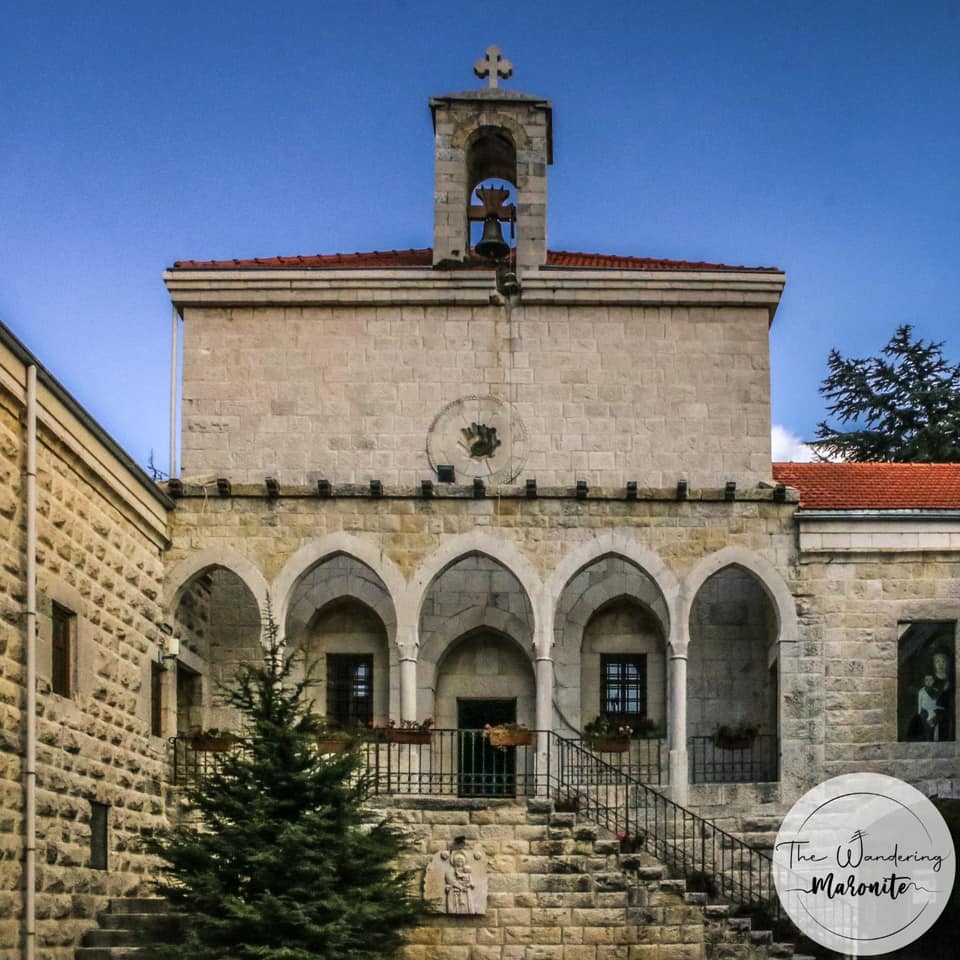
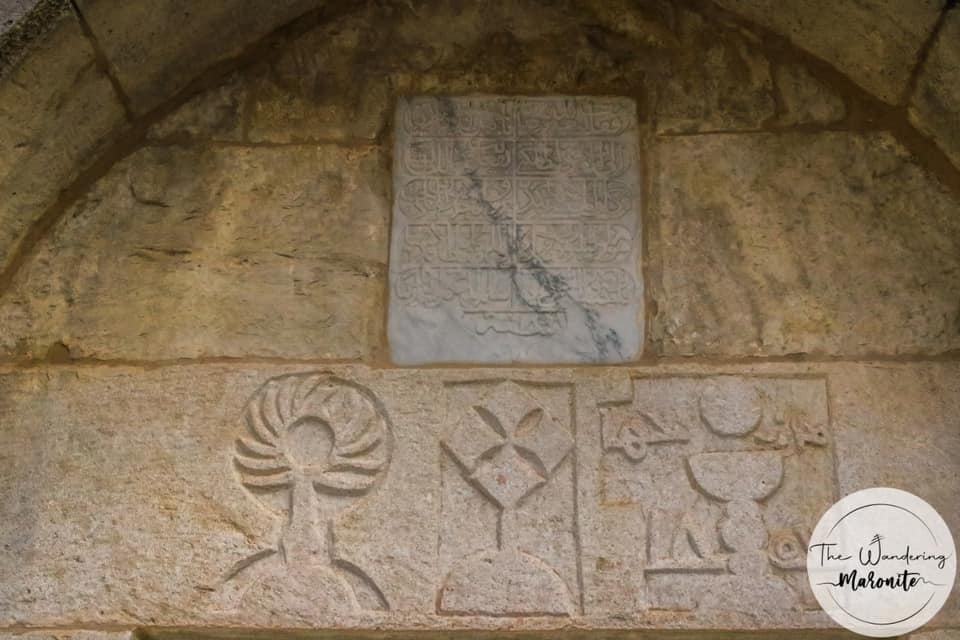
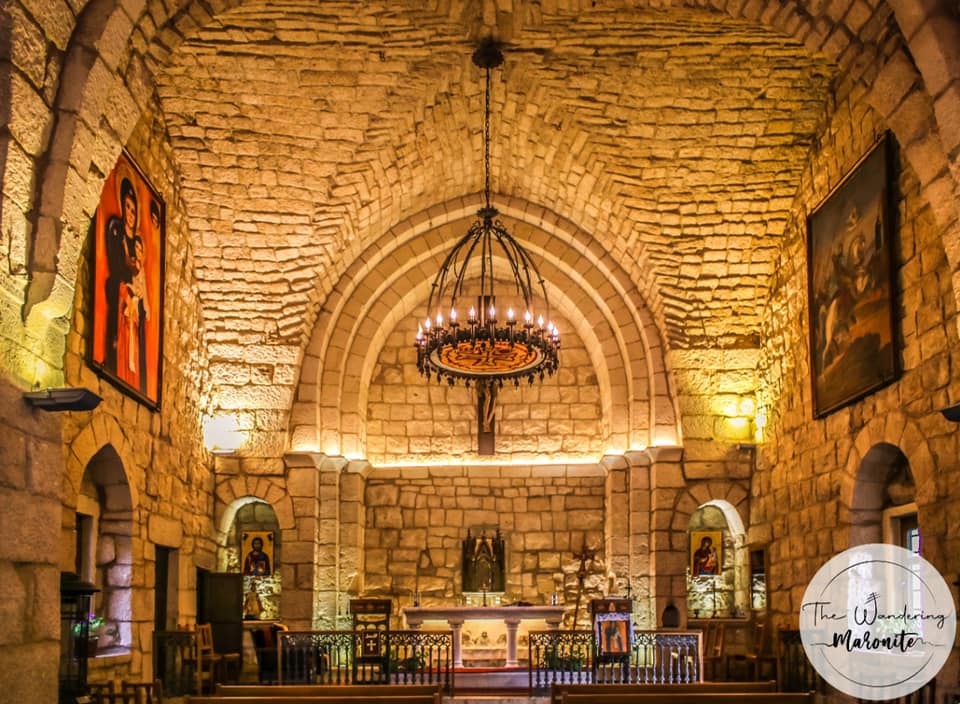
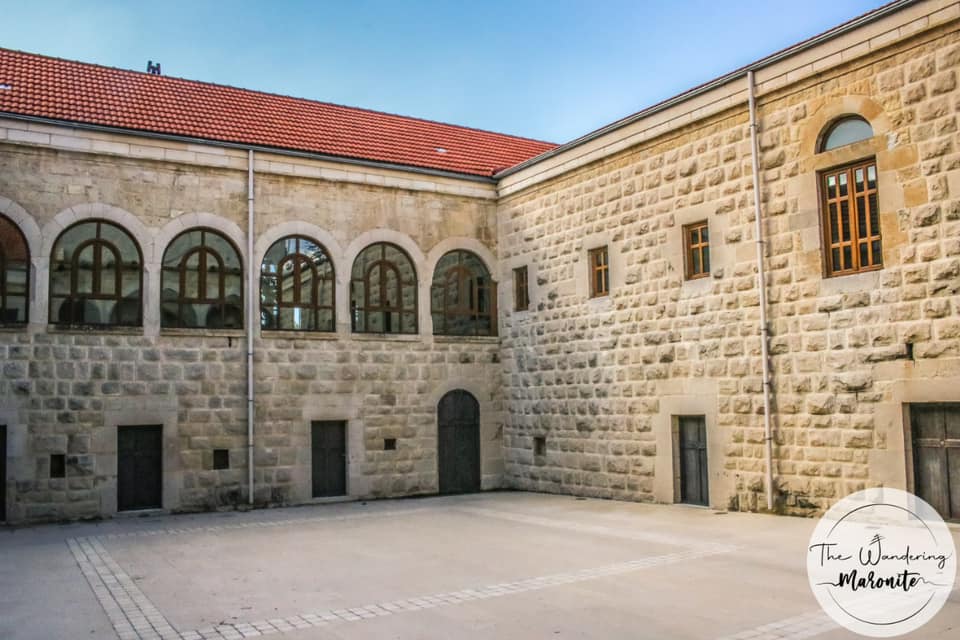
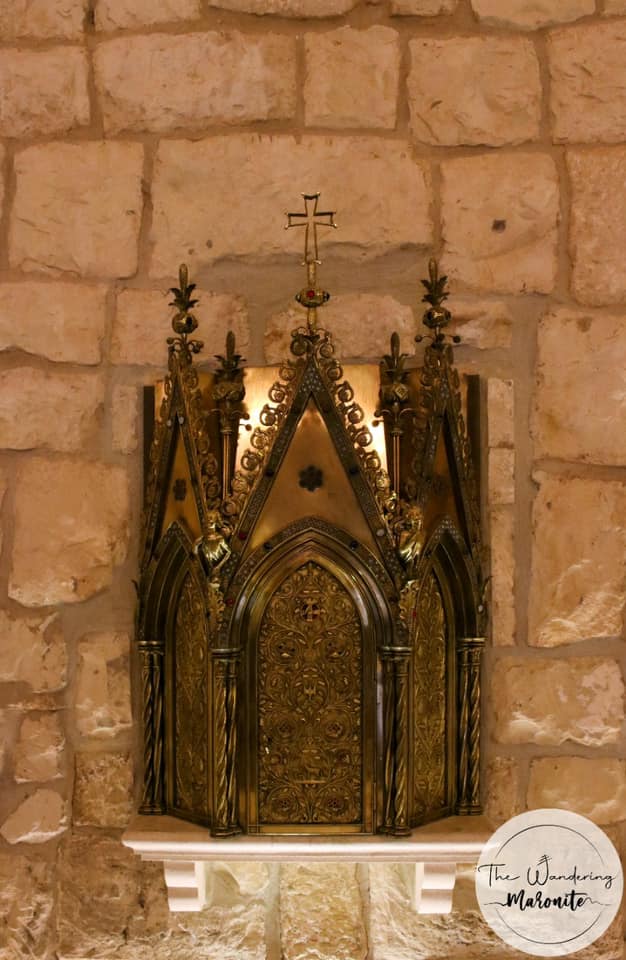
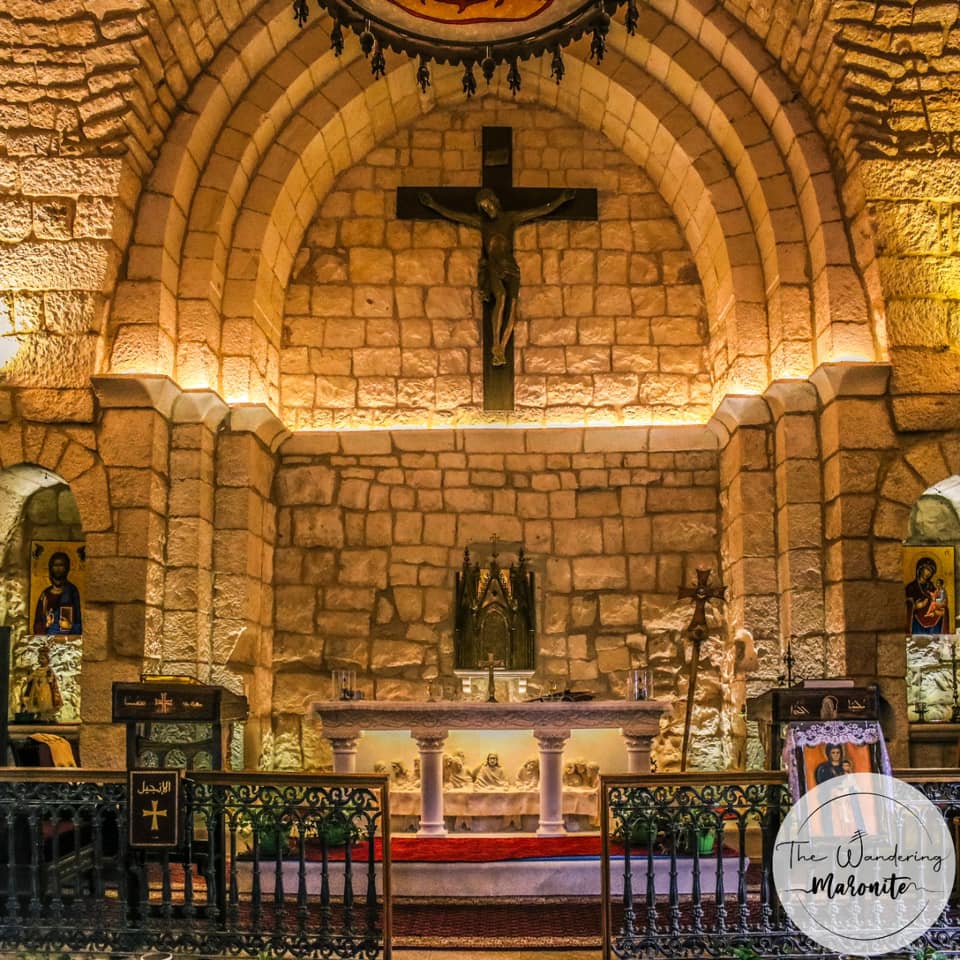
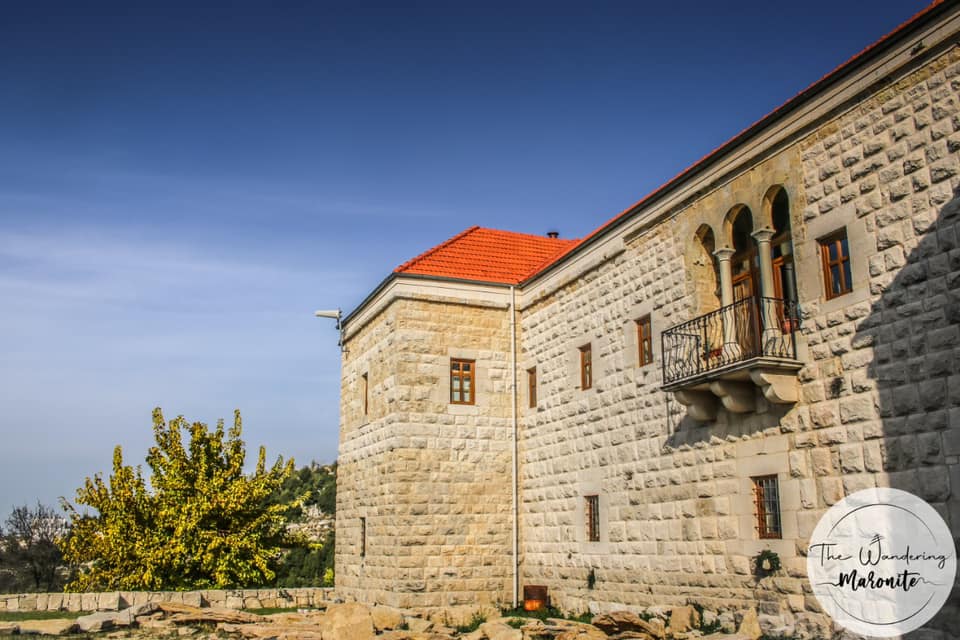
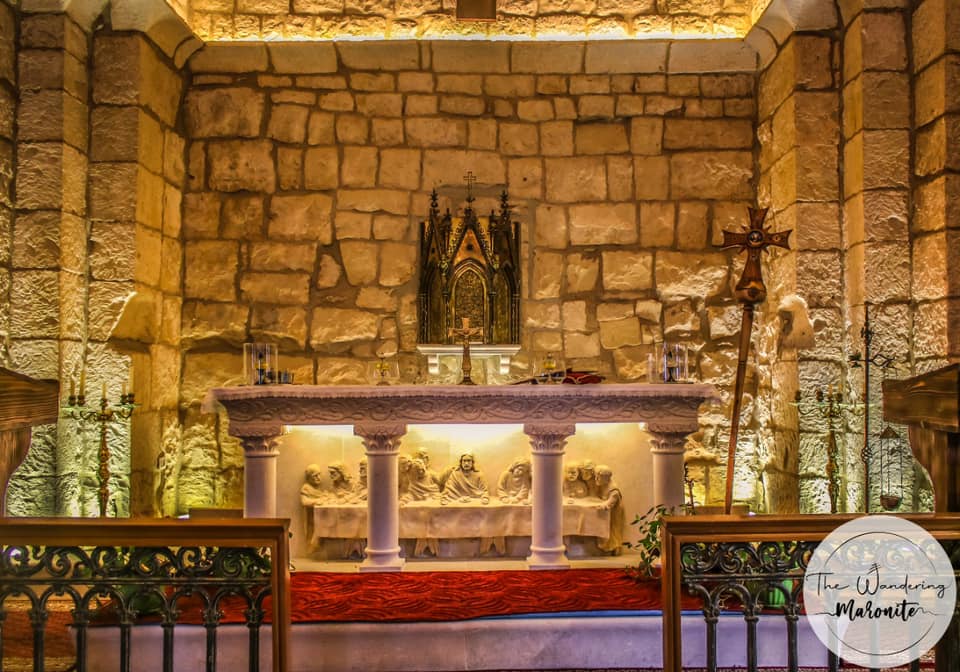
دير مار شليطا - القطّارة ميفوقتَقَرَّر في مجمع الرهبانيَّة اللبنانيّة المارونيّة العام المنعقد في ١٦ تشرين الثاني ١٨٤٧، في عهد الأب العام عمَّانوئيل الأشقر، وبرضى البطريرك يوسف راجي الخازن، فَصل بعض أرزاق من دير سيِّدة ميفوق لإنشاء دير في محلَّة القطَّارة شرقيِّ ميفوق، على اسم القدِّيس شلِّيطا. سنة ١٨٥٠، بدء بناء الدّير وكان إتمام بناء الكنيسة سنة ١٨٦١، فَكَرَّسها البطريرك بولس مسعد. عُيِّن هذا الدير، سنة ١٨٧٠، مدرسةّ لتعليم اللغات الأجنبيّة، وكان يضمُّ أيضًا عددًا من المبتدئين. وتجدر الإشارة إلى أنَّ هذا الدير لا يزال حتَّى أيَّامنا يقوم بزراعة أشجار التوت واستخدامها في إنتاج مواسم الحرير. كما يضمّ الدّير محبسة.The Monastery of St Challita - El Qattara Mayfouk.On the 16th of October 1848 the monastic chapter of the Lebanese Maronite Order decided to separate some lands from the monastery of our Lady of Mayfouk to found a monastery dedicated to St Challita, during the mandate of Abbot Emmanuel El Achkar. In 1850, works on the monastery began and were concluded in 1861 when Patriarch Boulos Massad consecrated the church. The monastery was made a school for foreign languages and a novitiate. The monastery still has a great traditional silk production - a rare preservance in Lebanon. The monastery holds also a hermitage.

Visited 3345 times, 4 Visits today

Reviews are disabled, but trackbacks and pingbacks are open.

Related Listings

El Fraykeh – The church of St Joseph

Saint Joseph Church - Freikeh, Fraikeh, Lebanon

كنيسة مار يوسف

Fraikeh

Metn

Mount Lebanon

كنيسة مار يوسف - الفريكة

بنيت الكنيسة سنة ١٨٧٦ وكانت وقفًا خاصًا لآل الهاشم. في ٢٦ تشرين الثاني سنة ١٩٠٠ إشتراها الأهالي بمصادقة المطران نعمة الله سلوان فأصبحت كنيسةً رعائيّة. الكنيسة كناية عن عقدٍ مصالبٍ ينتهي بحنية. لوحة مار يوسف تعود لسنة ١٩٢٨.

The church of St Joseph - El Fraykeh

The church was built in 1876 as a private chapel for the Al Hashem family. On the 26th of November 1900, the locals bought the church, and it was created a parish with the approbation of Mgr. Nemtallah Selwan Bishop of Cyprus. The church is a cross vaulted structure ending with a nave. The painting of St Joseph dates back to 1928.

Smar Jbeil – The church of St Takla

Saint Takla Church - Smar Jbeil, Smar Jbeil, Lebanon

كنيسة مارت تقلا

Smar Jbayl

Batroun

North

كنيسة مارت تقلا - سمار جبيل
هي كنيسة صغيرة بجوار كنيسة مار نوهرا الرعائيّة، مؤلّفة من سوق واحد ينتهي بحنية. بحسب التقليد المحليّ يعود وجود كنيسة لتكريم مارت تقلا بالقرب من كنيسة مار نوهرا، لأنّ شقيقة القديس نوهرا كانت تدعى تقلا، وقد تبعت أخاها في تبشيره، واستشهدت مثل شفيعتها ثم دفنت هي ايضاً في سمار جبيل. إلا أنّه لا دلائل تاريخيّة حتى الآن تثبت هذه المقولة. الكنيسة تعود لأواخر القرن الثامن عشر.

The church of St Thecla - Smar Jbeil

The church is a small chapel near the parish church of St Nohra. It consists of a single aisle ending with an apse. According to local traditions the church is dedicated to the patroness of St Nohra’s sister also called Thecla and also a martyr, yet no historical records show that. The church dates back to the late XVIIIth century.

Aqoura – St Simon the Stylite church

Saint Semaan, Aaqoura, Lebanon

كنيسة مار سمعان العاموديّ

Aaqoura

Jbeil

Mount Lebanon

كنيسة مار سمعان العاموديّ - العاقورة

في أعالي العاقورة طريق شقّها الفينيقيّون ورمّمها الرومان، بدليل كتابة لاتينيّة بقرب الكنيسة. ويفيد المؤرّخون أن دوميسيانوس قيصر الامبراطور الرومانيّ مرّ في بلدة العاقورة سنة ٨٢ بعد المسيح ووسّع الطريق شرقيّ البلدة، كما تشير الكتابة: IMP DOMITIANIA, S.V.T. حين نزح الموارنة في القرن السابع إلى البلدة، حوّلوا البناء الرومانيّ بقرب الشير إلى مزار لمار سمعان العاموديّ لتأثرهم بمار سمعان في سوريا. رُمّمت الكنيسة وأخذت شكلها الحاليّ بداية القرن العشرين.

St Simon the Stylite church - Aqoura

In the mountains east of Aqoura, the Phoenicians built a road that was enlarged by the Romans. Empror Domician passed by this road during his visit to Aqoura in 82 AD, and left a latin inscription near the church that says: IMP DOMITIANIA SVT. When the Maronites came to Aqoura in the VIIth century they converted the old roman building to a shrine church dedicated to St Simon the Stylite since they were influenced by the Stylites of Syria. The church took its final shape after restoration works in the early XXth century.