
Ghosta – The church of St Simon the Stylite

Saint Simon Church Ghosta - كنيسة مار سمعان, Lebanon

Other Details

كنيسة مار سمعان العاموديّ

Ghosta

Keserwan

Mount Lebanon

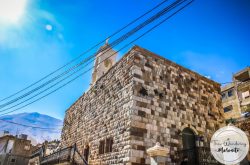
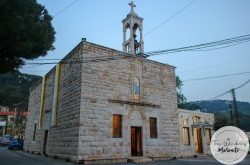
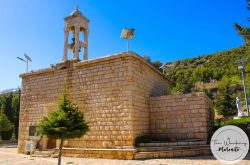
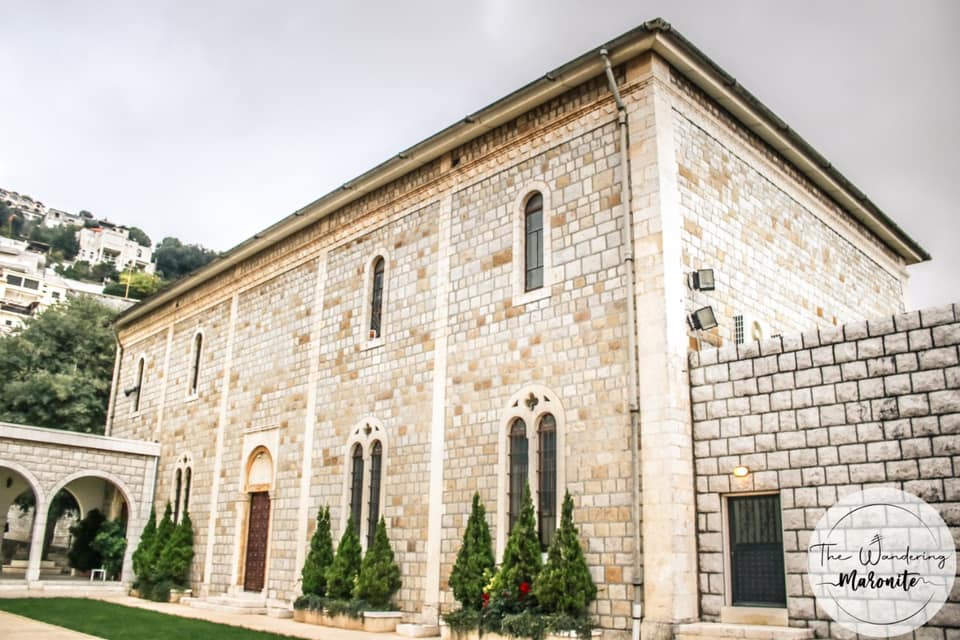
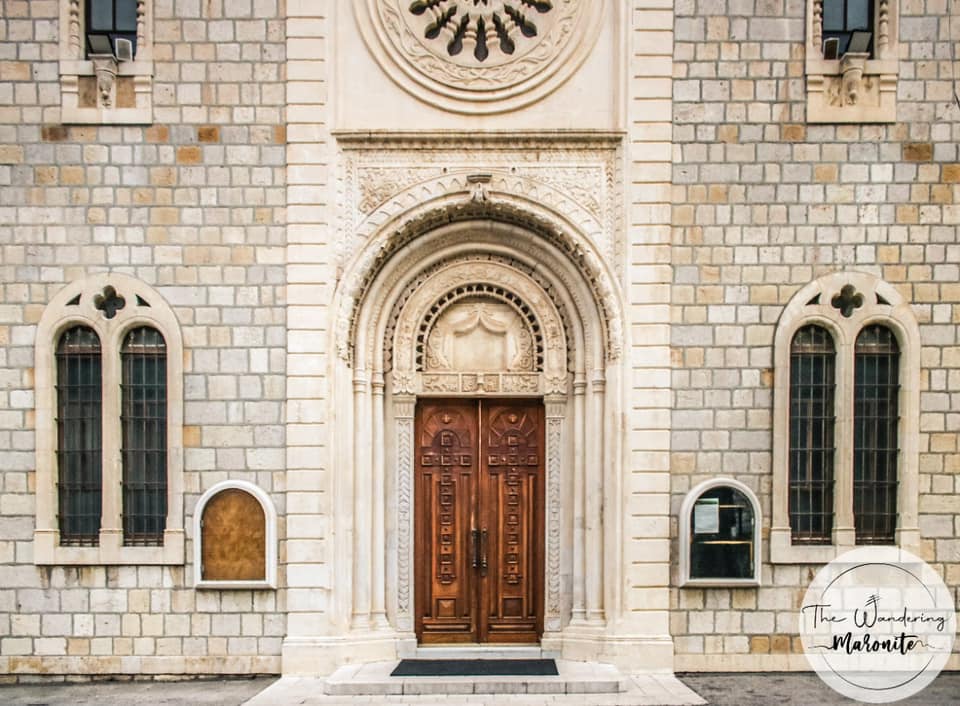
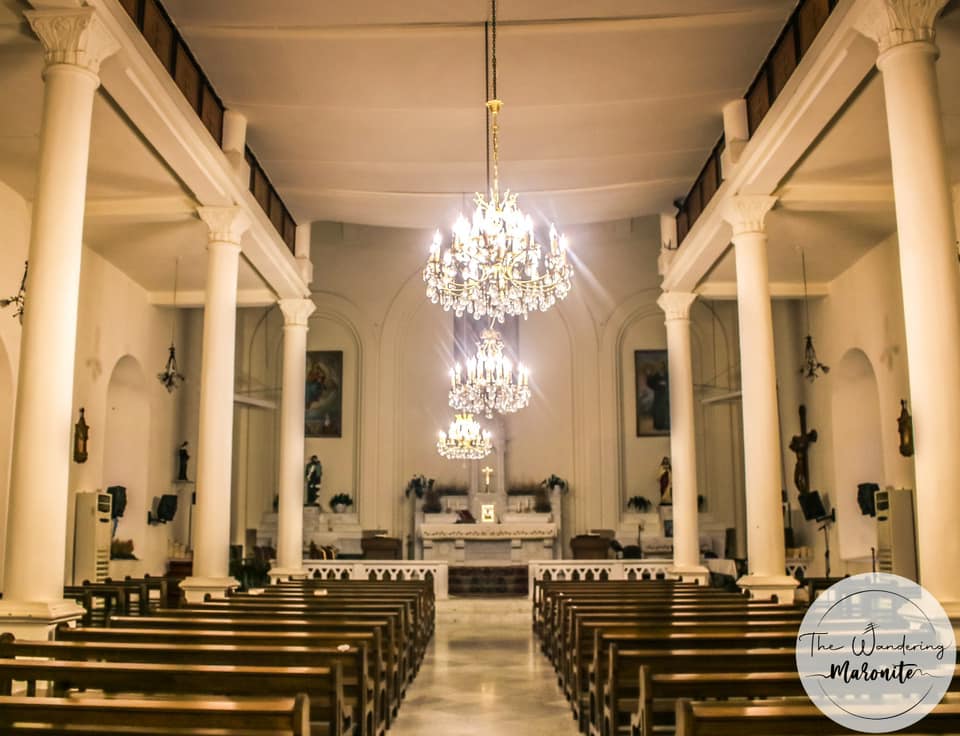
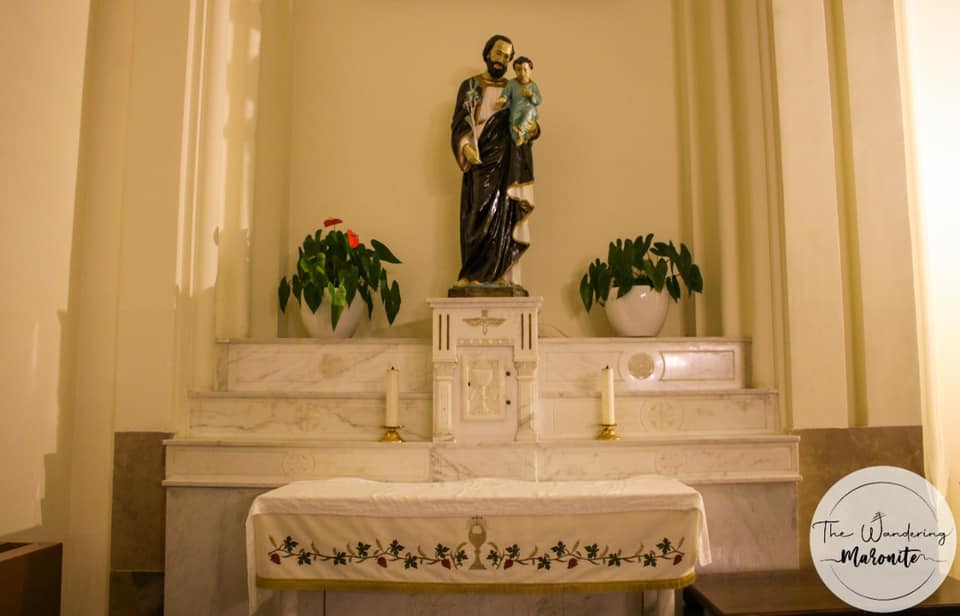
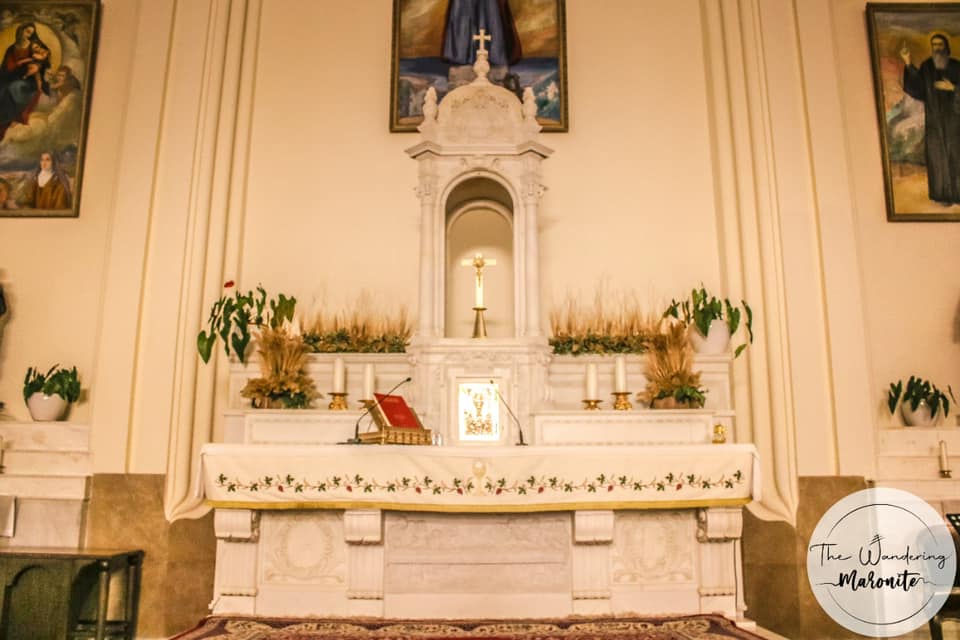
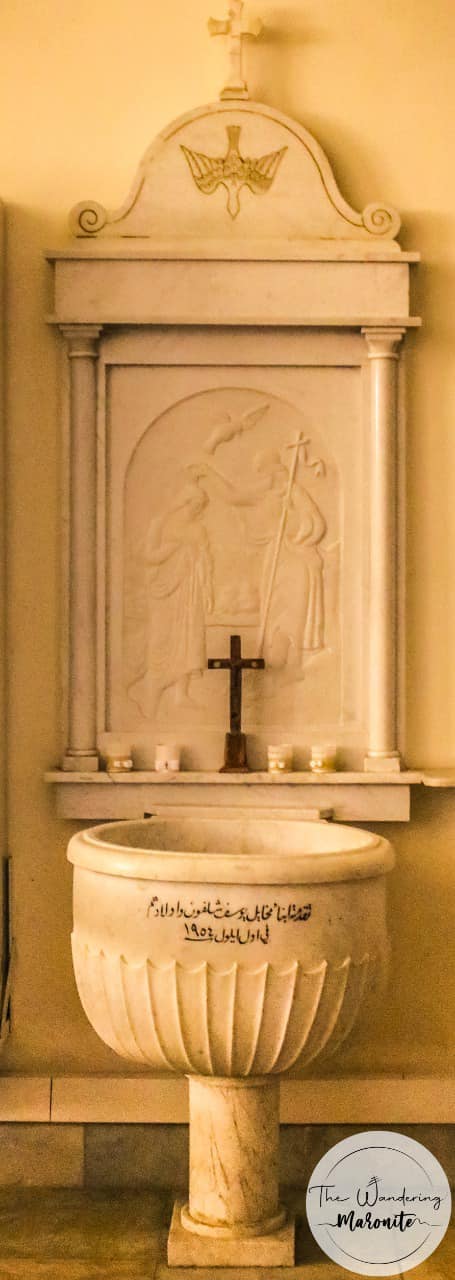
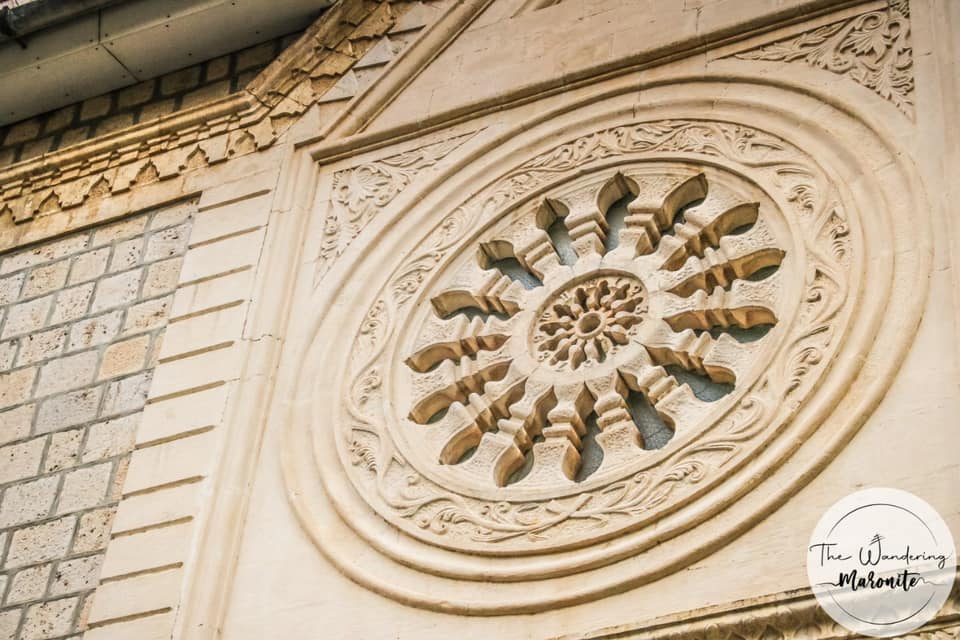
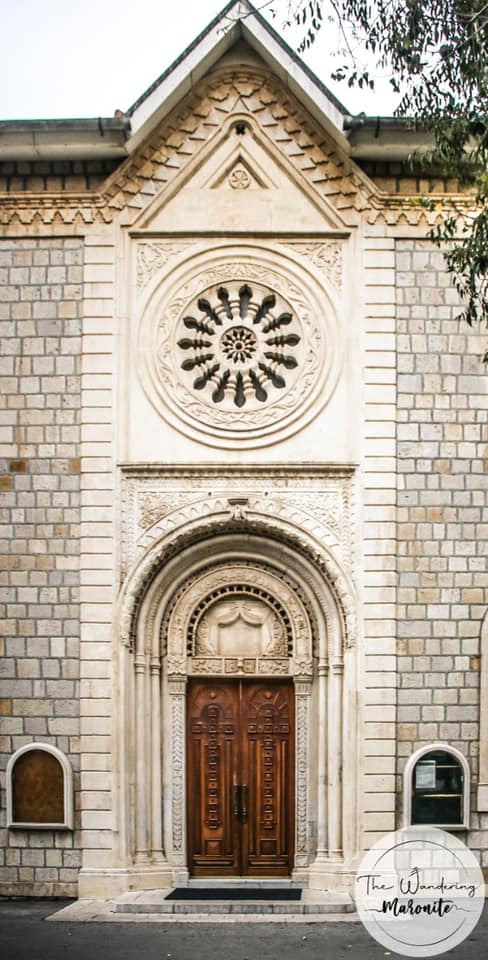
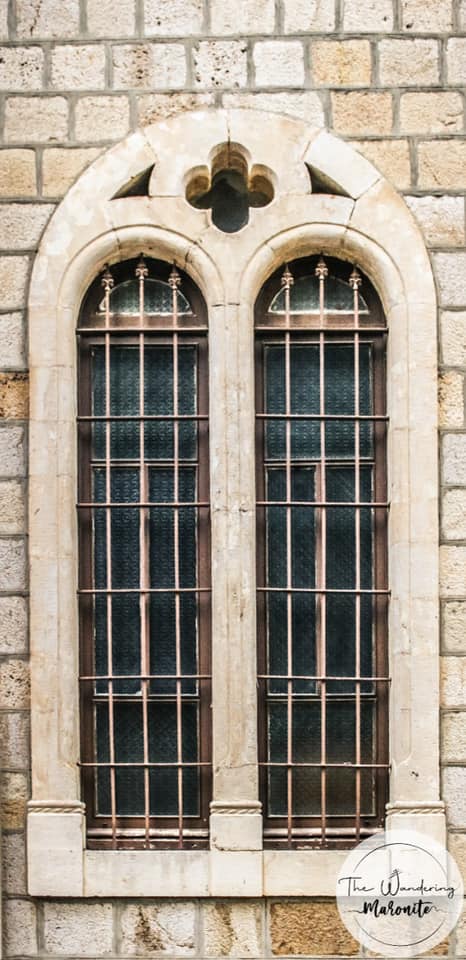
كنيسة مار سمعان العاموديّ - عوسطاهي كنيسة البلدة الرعائيّة. أُتِمّت بسعي رئيس الجمهوريّة آنذاك الشيخ بشارة الخوري في خمسينيّات القرن العشرين. نمط البناء بازيليكيّ بسيط، مع واجهة نيوغوطيّة. تتميّز الكنيسة بمذابحها الثلاث وجرن عمادها من الرخام الأبيض المنحوت، كذلك ثلاث لوحات تعود لمدرسة الأرت ديكو.The church of St Simon the Stylite - GhostaThe church is Ghosa’s parish church. It was built with the aid of then president Sheikh Bechara el Khoury in the fifties of the XXth century. Its style is basilical with a neo gothic facade. The church holds three ornate white marble altars and a baptistery, with three art deco paintings.

Visited 3380 times, 1 Visit today

Reviews are disabled, but trackbacks and pingbacks are open.

Related Listings

Enfeh – Deir Saydet el Natour

Deir Saydet el Natour, Hraiche, Lebanon

سيدة الناطور

Enfeh

Koura

North

The convent’s ancient origin is attached to a legend. A rich man of the region committed adultery; filled with remorse, he attached a padlocked iron chain to his ankle and threw the key into the sea-shore and survived on the fish brought to him by local fishermen, who called him the guardian of the cavern. One day, a fisherman brought him a fish, in whose entrails the hermit found the key of the padlock. He knew then that God had delivered him from his suffering, and he built a convent above the cavern. He dedicated it to The Mother of God, but it also took the name of the Guardian.

The daily life of the convent is regulated by the flow of visitors who come to fulfill vows and make prayers. Sister Catherine al-Jamal is the principal resident of Dayr al-Natour, and she has done everything within her power to restore it.

According to the Crusader document, the Monastery of the Presentation of Our Lady Natour was built by Cistercians. Indeed, the Church interior resembles that of the Cistercian Church of Balamand, built in 1157. Otherwise, the history of Dayr al-Natour is hidden in obscurity, although it is said that the local Orthodox community took it over after the departure of the Crusaders. Its name is almost unmentioned by historical sources during the Mamluk and most of the Ottoman period, although it is reported that French corsairs attacked the Monastery at the beginning of the eighteenth century and killed a monk.

In 1838, the Ottoman authorities gave permission to the Monastery to be rebuilt. In the second half of the nineteenth century, it contained several monks and a superior, and it possessed fifteen dunums of land. During the First World War, it was bombarded by a Russian ship. A few years later, the Monastery lost its last Superior, Basilios Debs, who became Archbishop of Akkar. After his departure, monastic life ended at Dayr al-Natour.

During the twentieth century, the deserted monastery became a refuge for shepherds from the neighboring regions. In 1973, Sister Catherine al-Jamal moved to Dayr al-Natour and began to restore it from its ruin.

Ghazir -The church of Our Lady the Habshiyeh

Notre Dame Habchiyeh, Ghazir, Lebanon

كنيسة سيّدة الحبشيّة

Ghazir

Keserwan

Mount Lebanon

كنيسة سيّدة الحبشيّة - غزير

بحسب التقليد بنى رهبان أحباش الكنيسة الأولى سنة ١٤٤٦ وأتوا بصورة العذراء: هذه الكنيسة القديمة بحنيتين هي اليوم السكرستيا ومدفن الكهنة. سنة ١٦٤٠ إستَحصَل آل حبيش على فرمان من السُلطان العُثماني لِتَرميم كنيسة السيّدة في غزير، وشيَّدوا بِموجب هذا الفَرمان كنيسة السيّدة المَدعوَّة الآن "الحبشية" وكرَّسها البطريرك إسطفان الدويهي في ١٣ آذار سنة ١٦٦٣. الكنيسة بازيليكيّة الطراز، تعرّضت للتخريب سنة ١٩٠٥، رُمّمت في ثمانينات القرن العشرين. تضمّ الكنيسة العديد من اللوحات والعديد من الشواهد.
The church of Our Lady the Habshiyeh - Ghazir

According to tradition the church was first built by Abyssinian monks from Nabak in 1446 and they brought with them the icon of the Madonna. The old church is now the sacristy and the prelates necropolis. In 1640 the Hobeish family got an accord from the Ottoman sultan to build the new church that was named Habshiyeh. Patriarch Estephan El Douwaihy consecrated the church on the 13th of March 1663. The church is a basilical structure, it was sabotaged in 1905 and renewed in the 80s. The church holds many paintings and epitaphs.

Edde Jbeil – Saint Georges

Saint George Church, Byblos, Lebanon

مار جرجس اده جبيل

Eddeh Jbayl

Jbeil

Mount Lebanon

The church dates back to the Phoenician era with a high vault. The great frensh orientalist Ernest Renan retraced its history with its huge stone pillars. The church had a great Phoenician tympant with two snakes revolving around a globe. The huge stone was taken to the Louvre museum by Renan.
The final stage and most recent construction dates back to 1870 when the church was rededicated by bishop Yousef el Marid.
St George’s painting over the altar is the work of Paul Shlavek


تعود الى العهد الفينيقي لأنها مبنيّة بعقد قصبة مرتفعة وكانت معبدًا وثنيًّا.
أشار إرنست رينان الى وجود اعمِدة أثريّة استُعملت في مداميك البناء. رُمّمت وزيد عليها مع تعاقب المراحل التاريخيّة.
رينان انتزع عتبة الكنيسة وأرسلها الى متحف اللوفر في باريس، وهي تحمل نقشًا من الرموز التي كانت شائعةً في الدين الفينيقي يمثّل كرةً تلتفُّ حولها حيّاتٌ مجتمعة الأذناب في أعلاها
رُمِّمت هذه الكنيسة عدَّة مرّات، وكُرِّست عام 1870 بيد المطران يوسف المريض. وصورة مار جرجس فيها هي بريشة الرسّام بولس شلافك