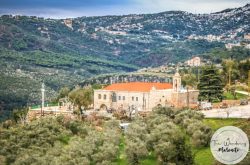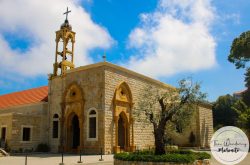

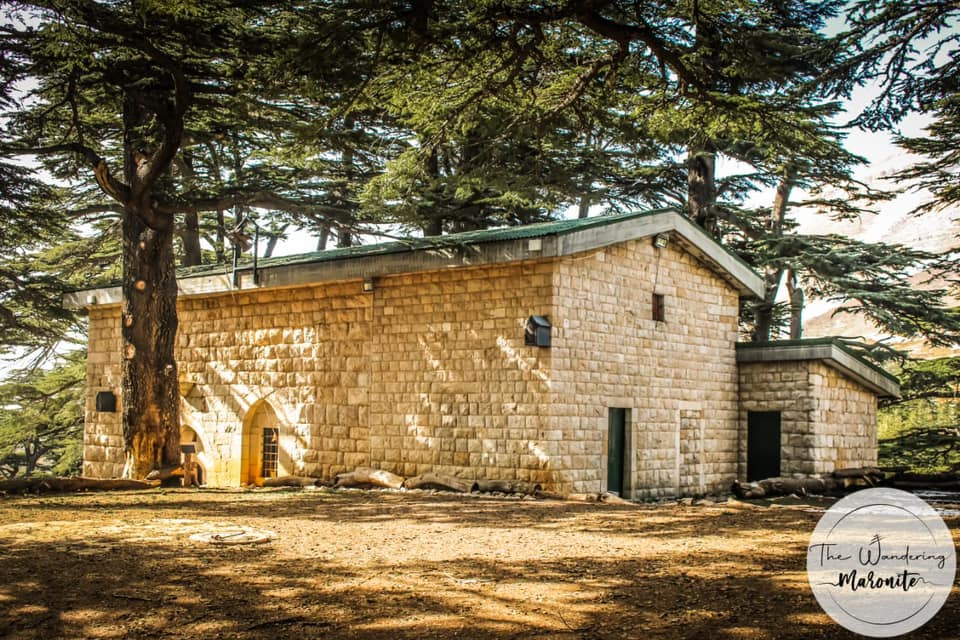
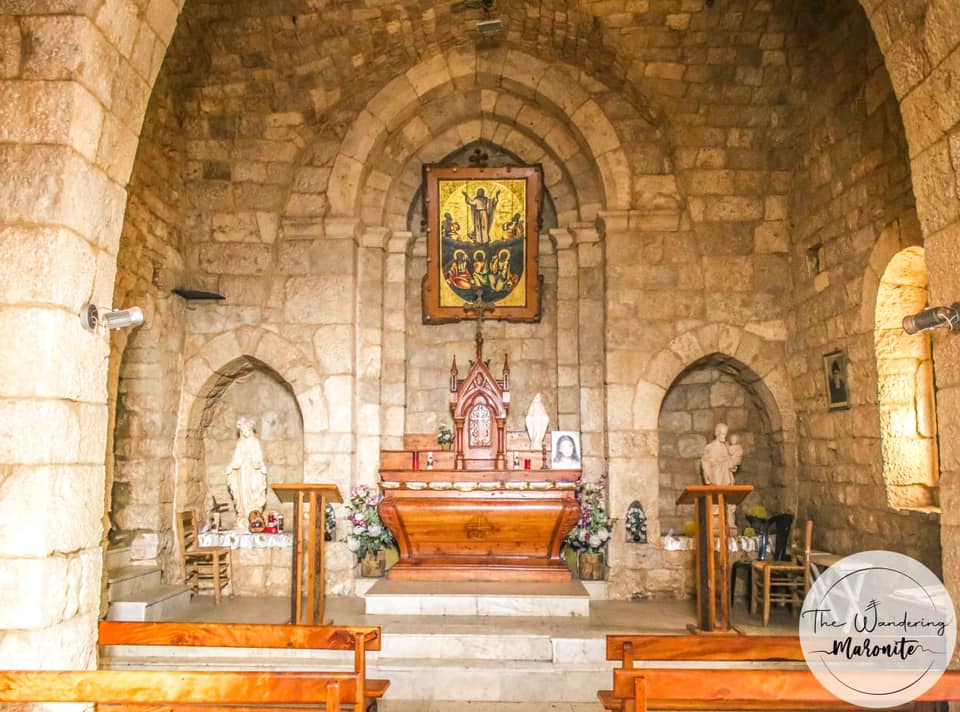
The Cedar forest – The church of the Transfiguration of the Lord

Cedars of God Bsharri, Bsharri, Lebanon

Other Details

كنيسة تجلّي الربّ

Bcharreh

Bcharre

North

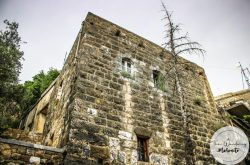
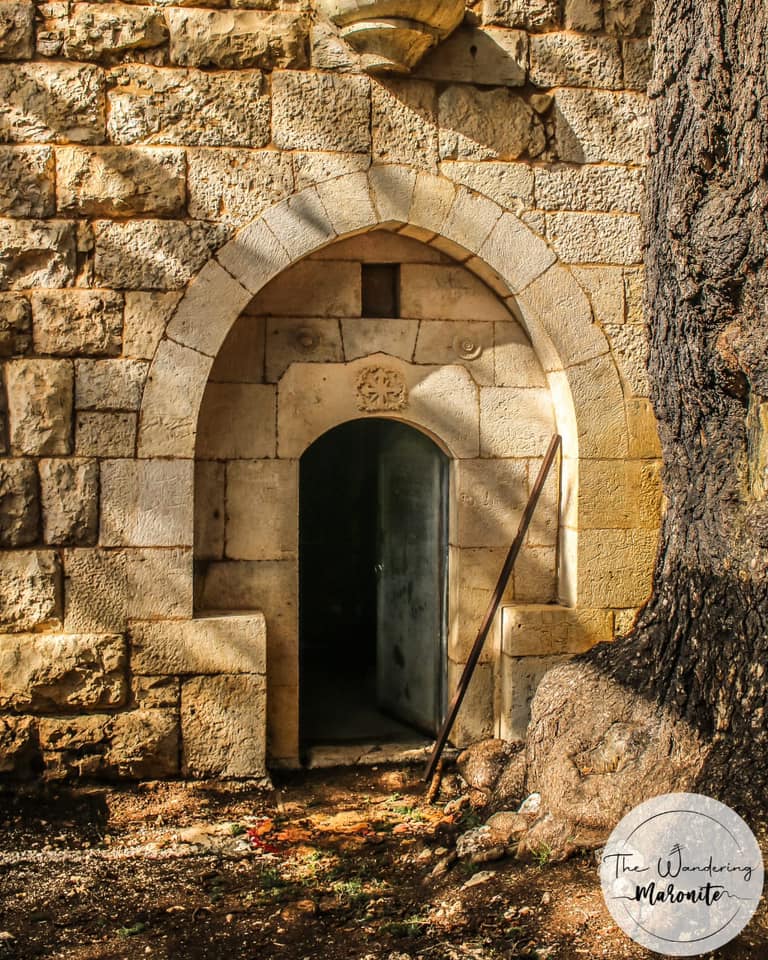
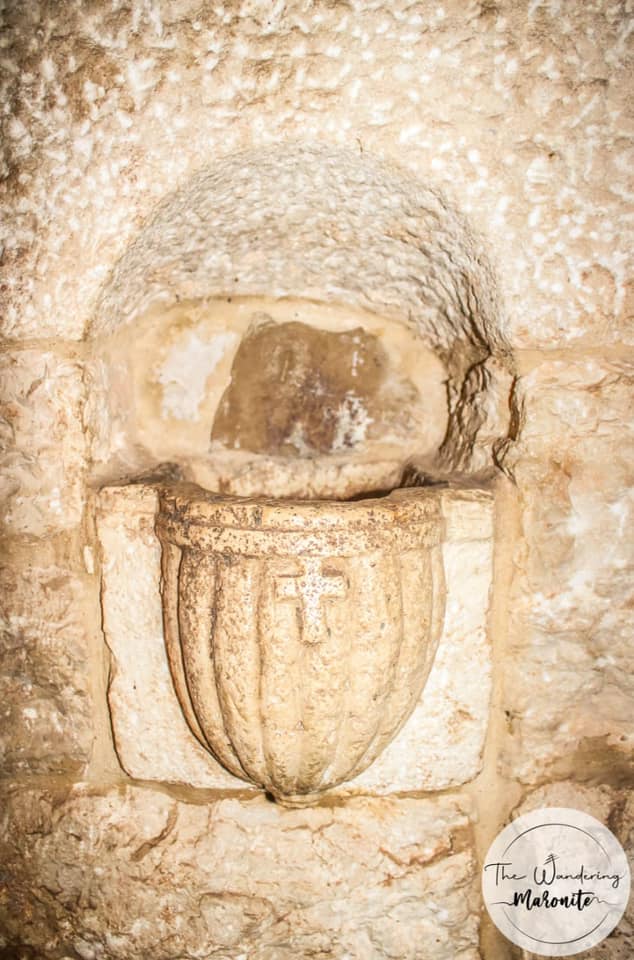
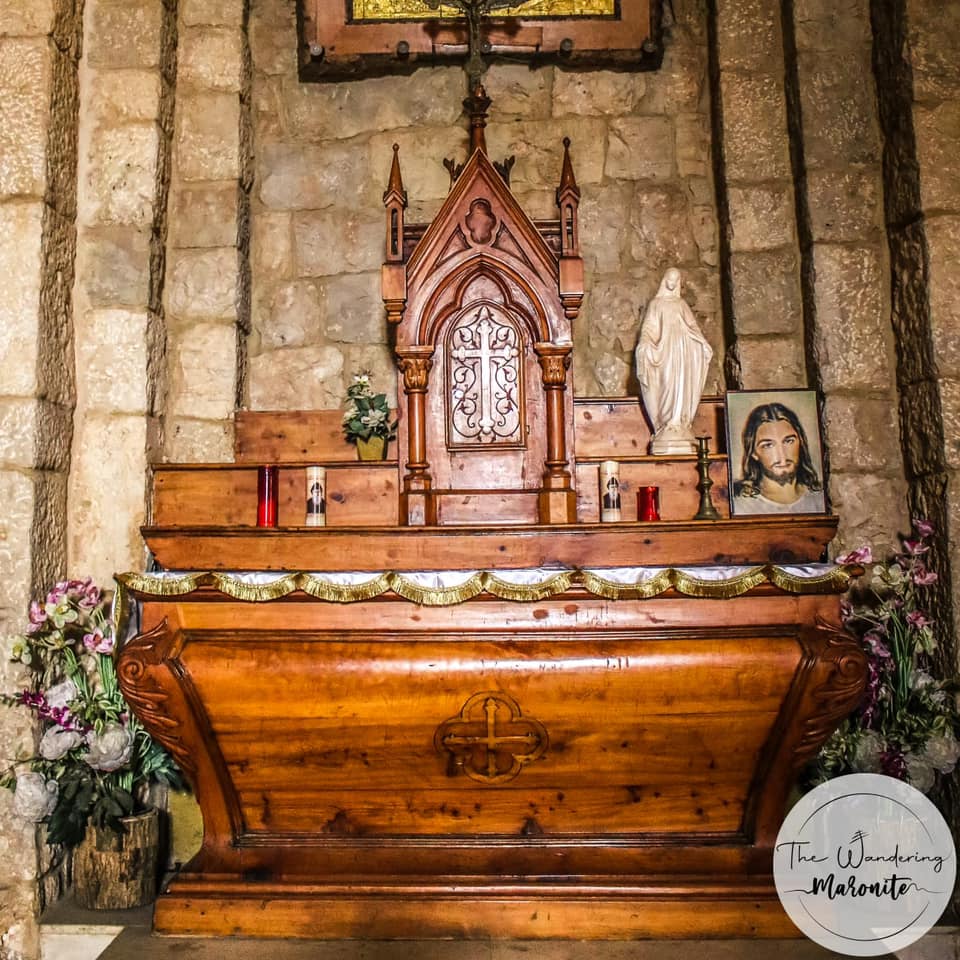
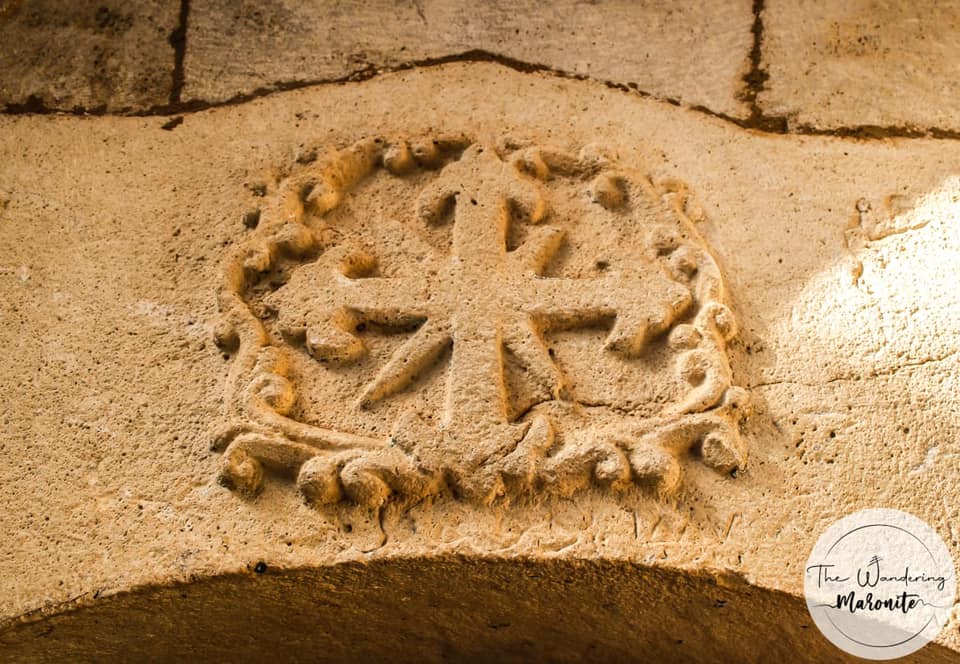
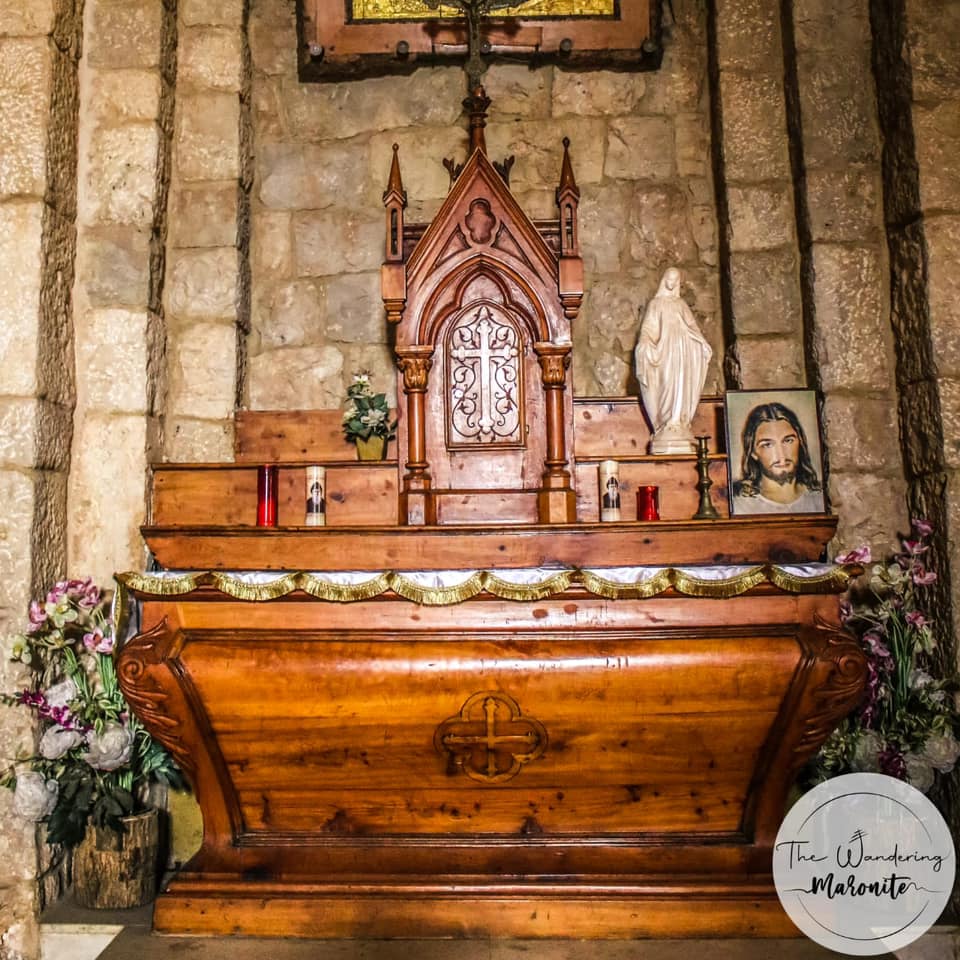
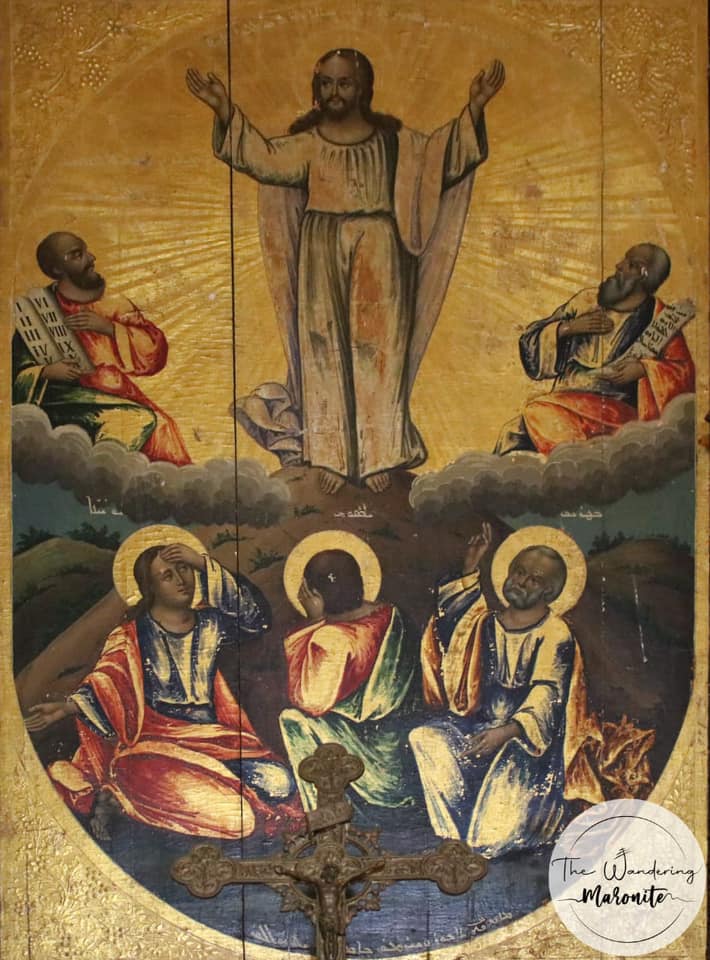
كنيسة تجلّي الربّ - غابة الأرزبدأ البناء سنة ١٨٤٤ مع الخوري يوحنا شبيعا، بموجب مرسوم بطريركيّ في عهد البطريرك يوسف حبيش. أُكمل البناء على مراحل سنتي ١٩٣٦ و١٩٨٣، وُرمّمت سنة ١٩٩٠. المذبح مصنوع من خشب الأرز المحفور من عمل الحرفيّ سليم أبي قبلان جعجع. أيقونة التجليّ تنتمي للمدرسة المقدسيّة.The church of the Transfiguration of the Lord - The Cedar forestThe church was first built in 1844 by Fr Youhanna Shebaiaa, with a decree from Patriarch Youssef Hobeich. The construction was reworked in 1936 and 1983. The church was restored in 1990. The high altar is made of cedar wood by the craftsman Selim Abi Qabalaan Geagea. The icon of the Transfiguration is an issue from the school of Jerusalem.

Visited 3137 times, 2 Visits today

Reviews are disabled, but trackbacks and pingbacks are open.

Related Listings

Zahle – The Church of St. Rafqa

Saint Rafka, Zahlé, Lebanon

كنيسة القديسة رفقا

Zahlé Saydet En-Najat

Zahle

Bekaa

كنيسة القديسة رفقا - زحلة

في أواخر القرن التاسع عشر، بدأت الإرسالية الأميركية الإنجيلية مهمّتها في مدينة زحلة. قامت هذه البعثة ببناء كنيسة بتصميم يشبه بيوت المدينة في تلك الحقبة الزمنية. في بداية القرن الحادي والعشرين، بعدما بدأ عدد المؤمنين بالانخفاض، تم شراء الكنيسة من قبل دير مار أنطونيوس الكبير التابع للرهبنة اللبنانية المارونية، وتحويلها إلى كنيسة مخصصة للقديسة رفقا.

The Church of St. Rafqa - Zahle

In the last decades of the 19th century, an American evangelical mission was established in Zahle. This mission built a church in the local architectural style of houses during that time. In the beginning of the 21st century, after the number of evangelicals began to dwindle, the church was bought by the Monastery of St. Anthony the Great of the Lebanese Maronite Order, who converted it into a chapel dedicated to St. Rafqa. Iglesia de Santa Rafka - Zahle En las últimas décadas del siglo XIX se estableció en Zahle una misión evangélica estadounidense. Esta misión construyó una iglesia según el estilo arquitectónico local de las casas de la época. A principios del siglo XXI, después de que el número de evangélicos empezara a disminuir, la iglesia fue comprada por el Monasterio de San Antonio el Grande de la Orden Libanesa Maronita, que la convirtió en una capilla dedicada a San Rafka.

Mar Moussa – The monastery of St Moses of Abyssinia

Mar Moussa El Douar, Lebanon

دير مار موسى الحبشيّ

Mar Moussa Ed-Douar

Metn

Mount Lebanon

دير مار موسى الحبشيّ - مار موسى

بناء الدير يعود إلى سنة ١٦٥٦، سكنه أوّلاً رهبانًا عبّادا. إنضمّ هؤلاء الرهبان المتنسّكون سنة ١٧٥٧، إلى الرهبانيّة اللبنانيّة، وسلّموها الدير بموجب صكّ مكتوب، في عهد الأب العام جرجس قشّوع. كان للدير بعض أملاكٍ حين تسلّمته الرهبانيّة. أمّا بقيّة أملاكه فاتّصلت إلى الرهبانيّة بوجه الشراء من أعيان الطائفة الدرزيّة بعناية الأب العام إغناطيوس بليبل. في السنة ذاتها عقدت الرهبانيّة مجمعها في ربوعه وانتخب الرهبان الأب اقليموس المزرعاني رئيسا لهم على الرغم من معارضة البطرك طوبيا الخازن، وقد ادى هذا الإنتخاب الى انقسام الرهبانية الى بلدية وحلبية في العام ١٧٧٠ وكان دير مار موسى من نصيب الرهبانية البلدية التي تعرف اليوم بالرهبانية اللبنانية. اشترى الدير سنة ١٧٨٩ مطبعة نقلها من روما وعليها طُبعت الشحيمة وخدمة القداس الإلهي. تعرّض دير مار موسى الى النهب والحرق على يد جيش الحملة المصرية عام ١٨٤٠ ثم على يد الدروز اثناء مجازر الستين. عام ١٨٦٣ باشر الأب ليباوس المتيني ترميم الدير وبناء الطابق الثاني والكنيسة الحالية التي انتهى بنيانها عام ١٨٧١. على مرّ التاريخ، عرف الدير حقباتٍ زاهرةٍ. عيّنته الرهبانيّة ديرا للإبتداء، ثمّ مدرسةً للرهبان الدارسين. وعلاوةً على تعليم الفلسفة واللاهوت إعدادًا للكهنوت، كان الدير يؤمّن تعليم السريانيّة والعربيّة واللاتنيّة والفرنسيّة والحساب.

The monastery of St Moses of Abyssinia - Mar Moussa

The monastery was built in 1656, my contemplative monks. In 1757 the monastery was given to the Lebanese Order during the pontificate of Abbot Geryes Qashouh. The monastery had some lands when it was acquired, however most of its lands were bought from local Druze lords during the pontificate of Fr. Abbot Ignatius Bleibel. In 1770 the order had an assembly in the monastery and elected Fr. Abbot Clementis Mazraany against the will of Patriarch Tobias el Khazen, an election that lead to the split of the order into two: Lebanese and Aleppan. The Lebanese order acquired the monastery. The monastery housed a printing press in 1789 and printed the breviary and the missal. The monastery was devastated during the Egyptian campaign in 1840 and during the civil war of 1860. It was then restored by Fr. Abbot Lebaos el Mteiny in 1863 and a new church was built in 1871. During its long history, the monastery became a noviciate and a grammar school.

Hassroun – The church of St Laby the Apostle

St. Jude Church, Hasroun, Lebanon

كنيسة مار لابي الرسول

Hasroun

Bcharre

North

كنيسة مار لابي الرسول - حصرون

بحسب أحد التقاليد بنى الملك حصرائيم (الذي منه اسم بلدة حصرون) قصرًا وهيكلًا في هذا الموضع تحوّل في الجيل الرابع إلى كنيسةٍ على اسم مار لابي وهو اللقب السريانيّ ليهوذا الرسول. بني القسم الشرقيّ من الكنيسة في القرن الثالث عشر، وأضيف سنة ١٧٧٠ القسم الغربيّ. أخذت الكنيسة شكلها مع الصليبيّين، وهي عقد سريريّ منخفض بحنية واحدة. تضمّ الكنيسة مجموعةً من اللوحات التي تعود للقرن الثامن عشر وهي مزيج بين الأيقونة المشرقيّة وفنّ عصر النهضة.

The church of St Laby the Apostle - Hassroun

According to a folk tale, king Hassraym (from whom derived the name Hassroun) built a palace and a temple that was converted in the IVth century into a church dedicated to the apostle Laby (the syriac title given to Thaddeus or Jude). The eastern aisle was built in the XIIIth century. In 1770 the western aisle was built. During the crusaders era the church took its form, a single nave crib vaulted structure beneath the road. The church holds many XVIIth century paintings that are a representation of the local iconography being influenced by the art of the renaissance.