
Bcharreh – The Carmelite Convent of St Joseph

Saint Georges Church And Park, Bsharri, Lebanon

Other Details

دير مار يوسف للآباء الكرمليّبن

Bcharreh

Bcharre

North

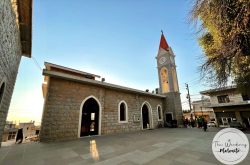
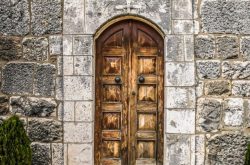
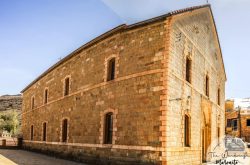
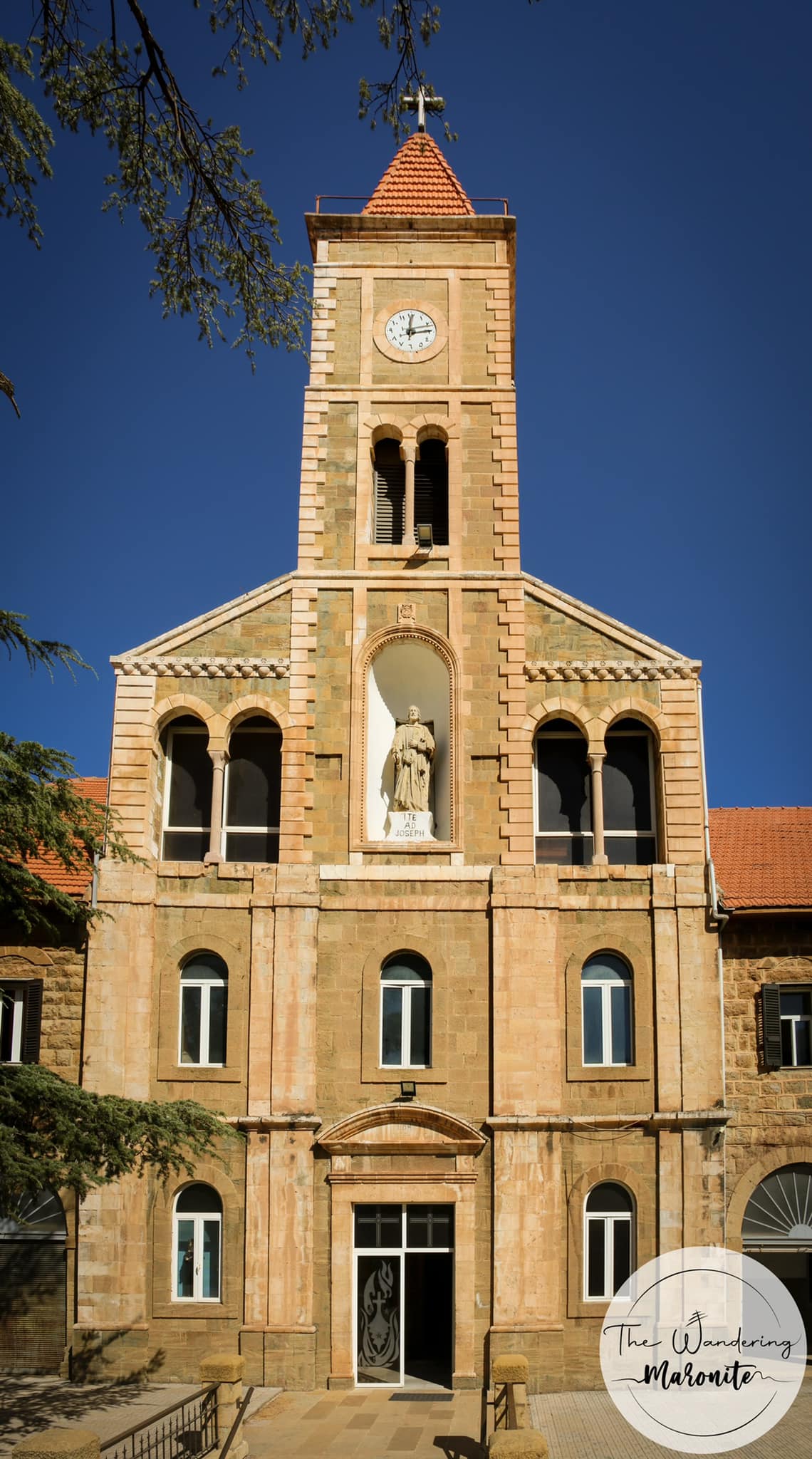
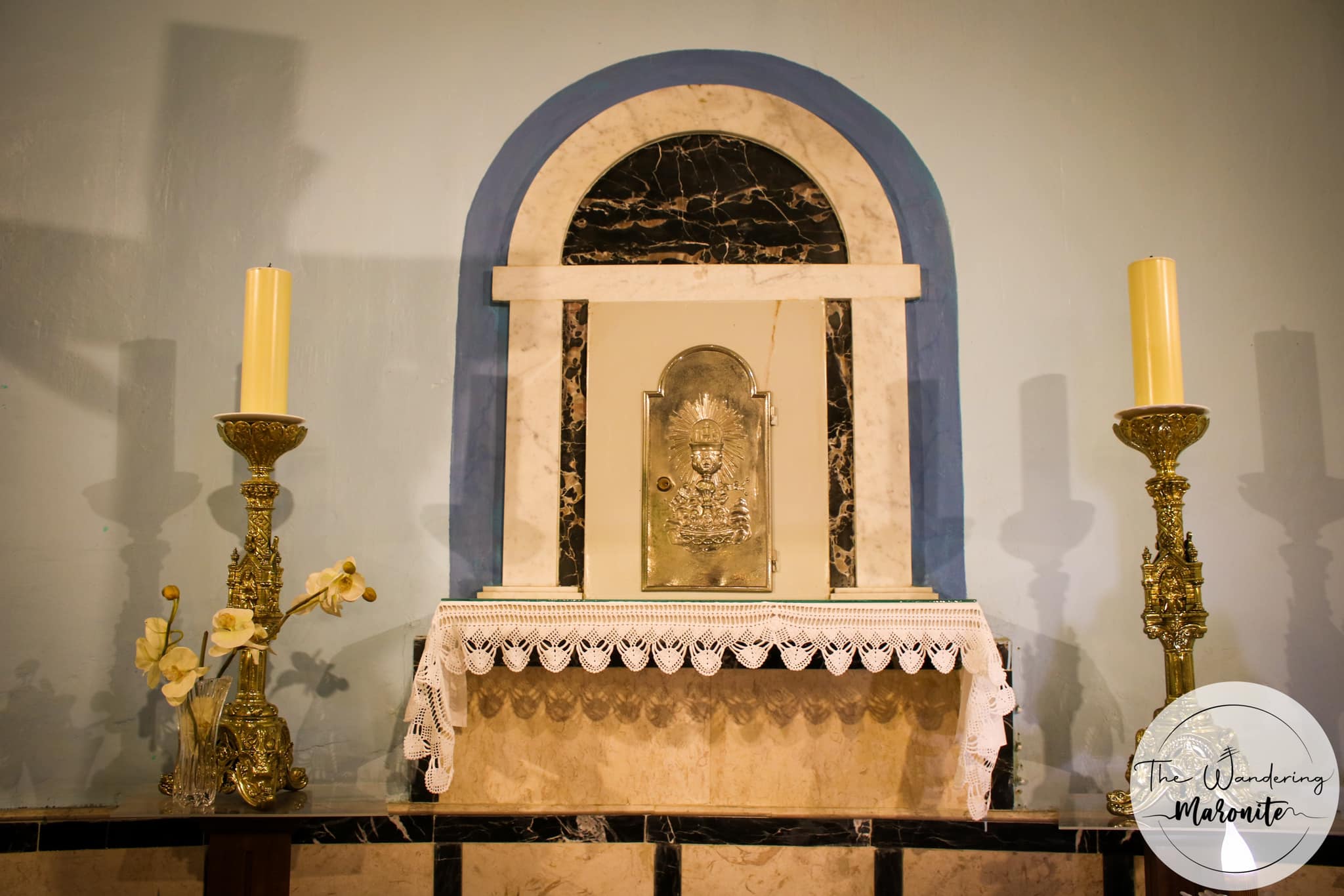
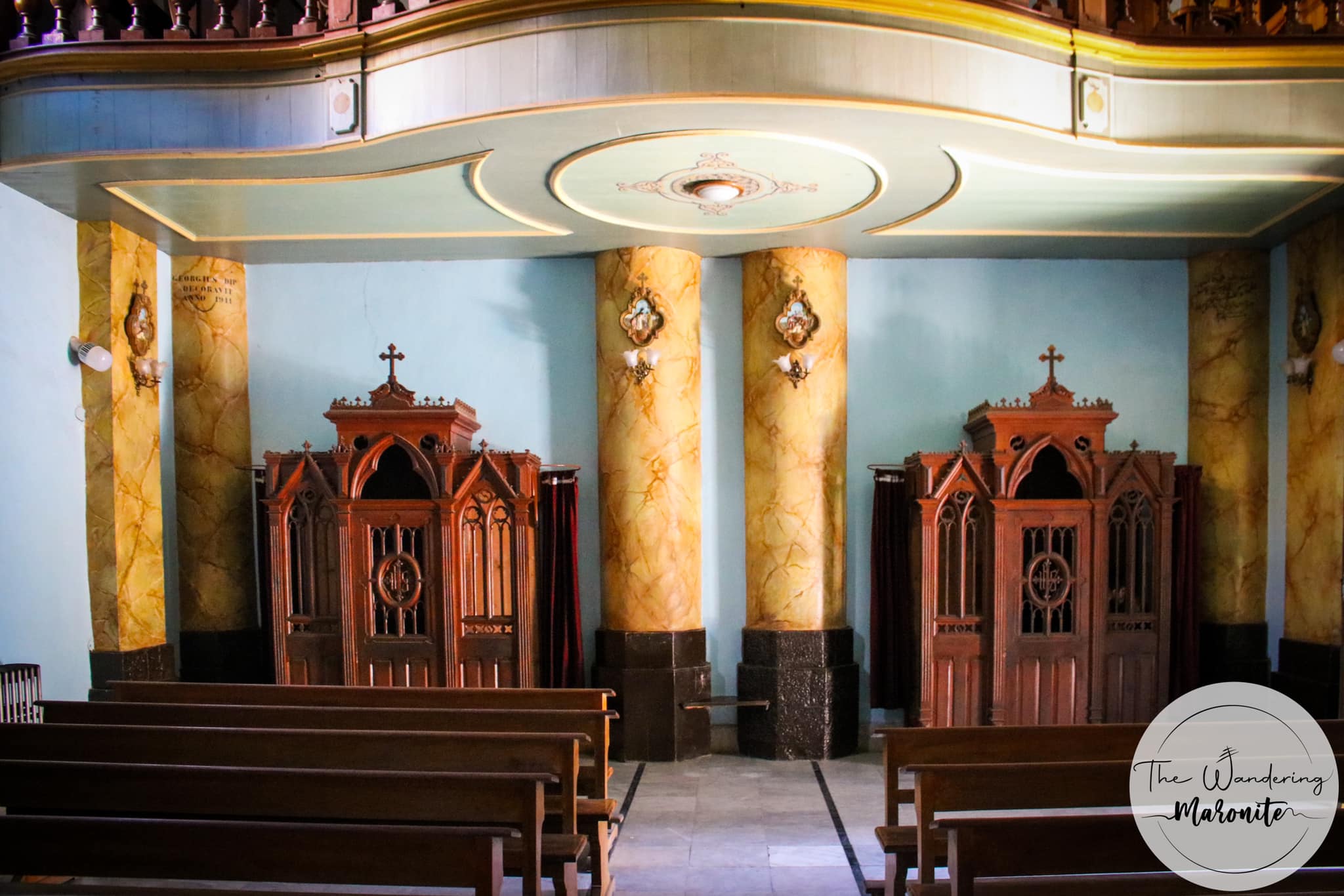
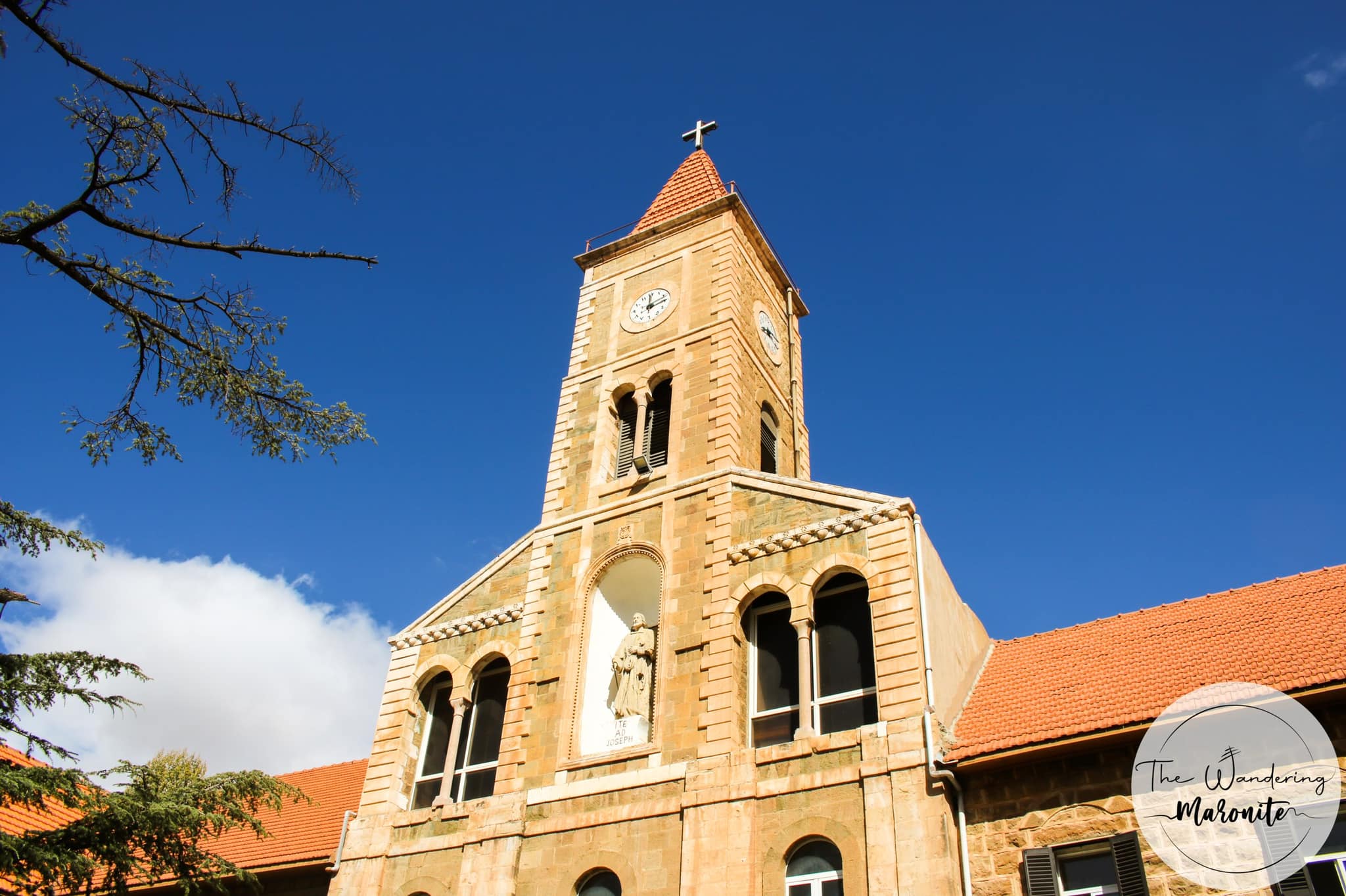
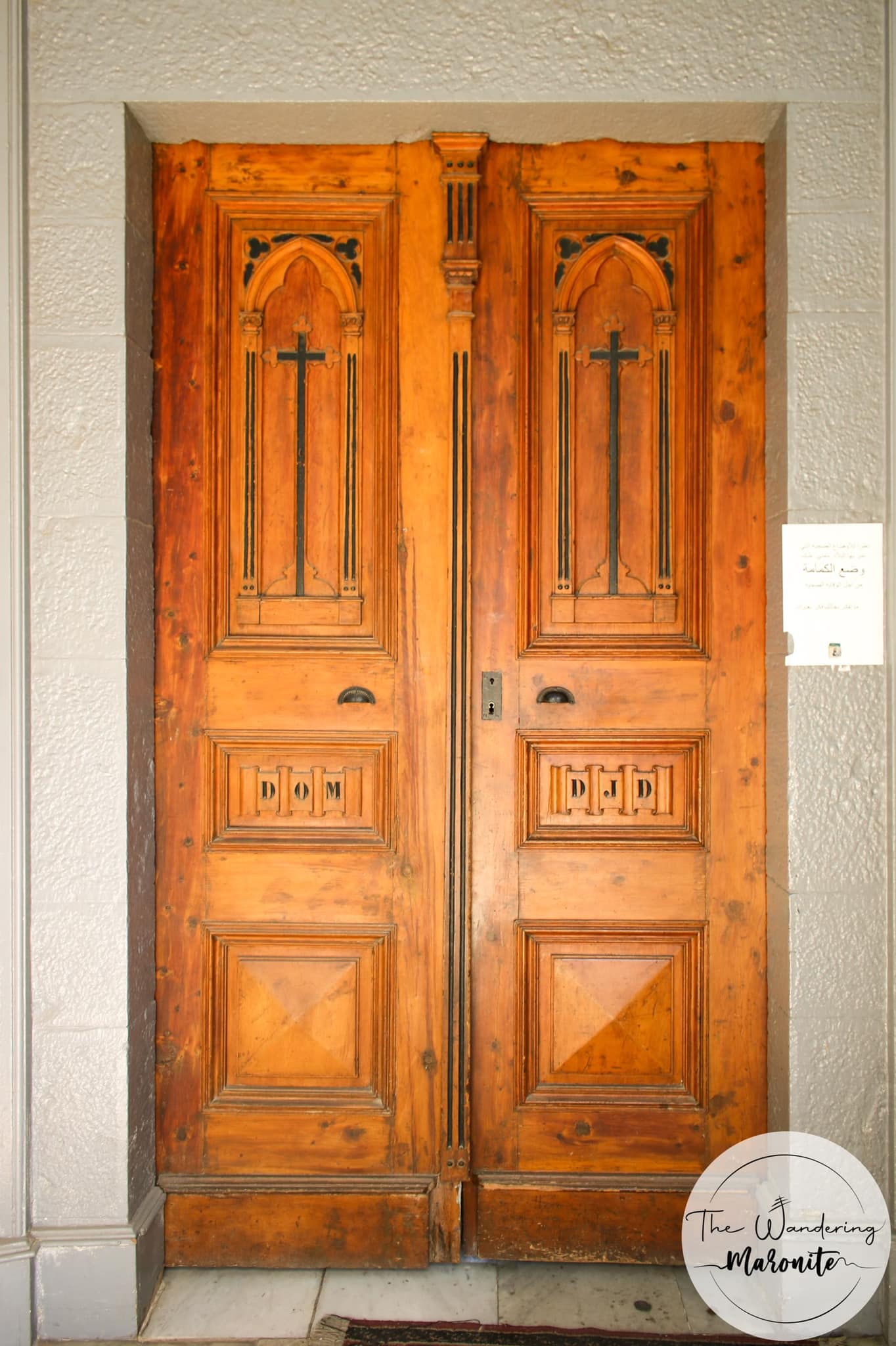
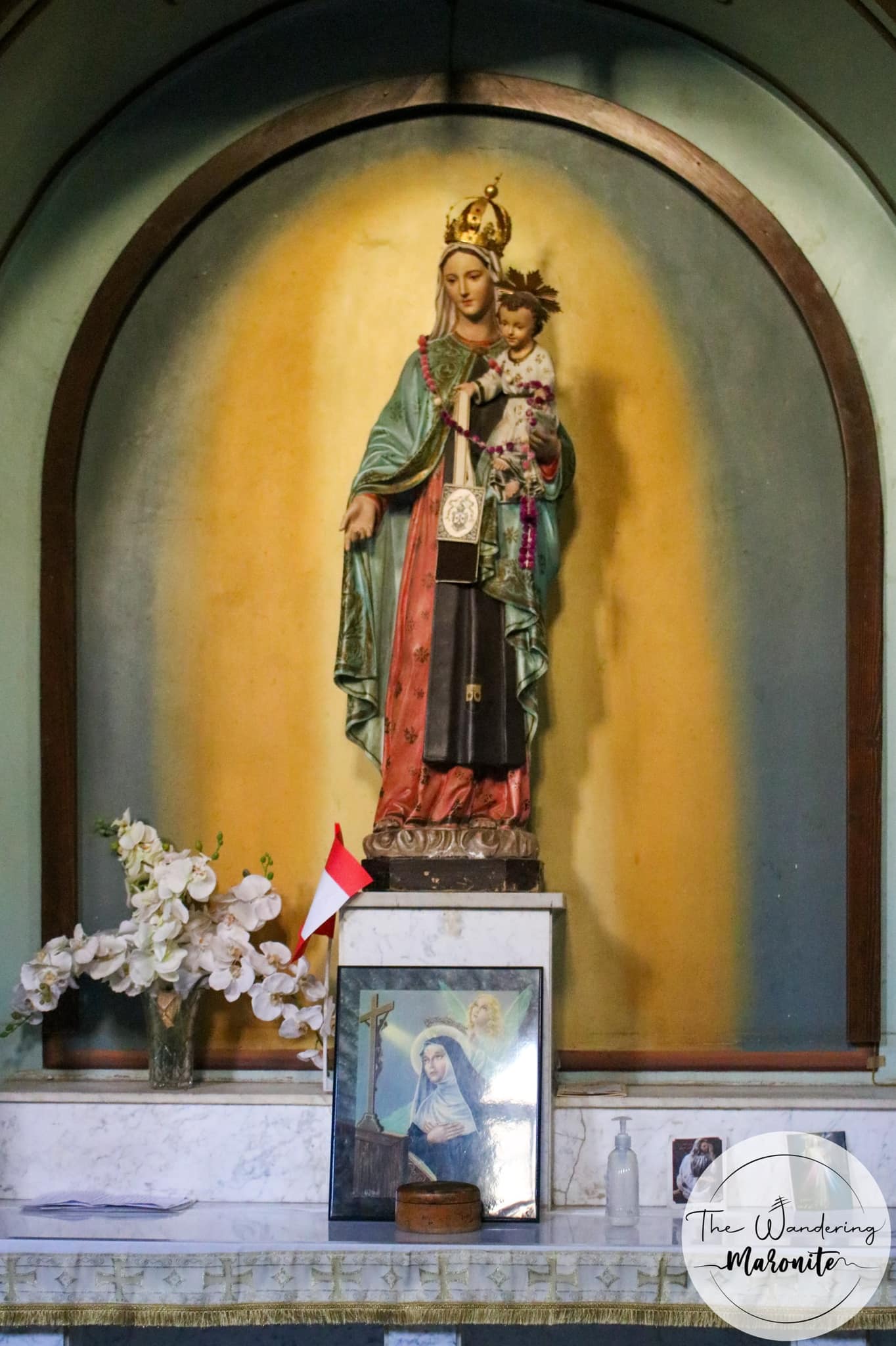
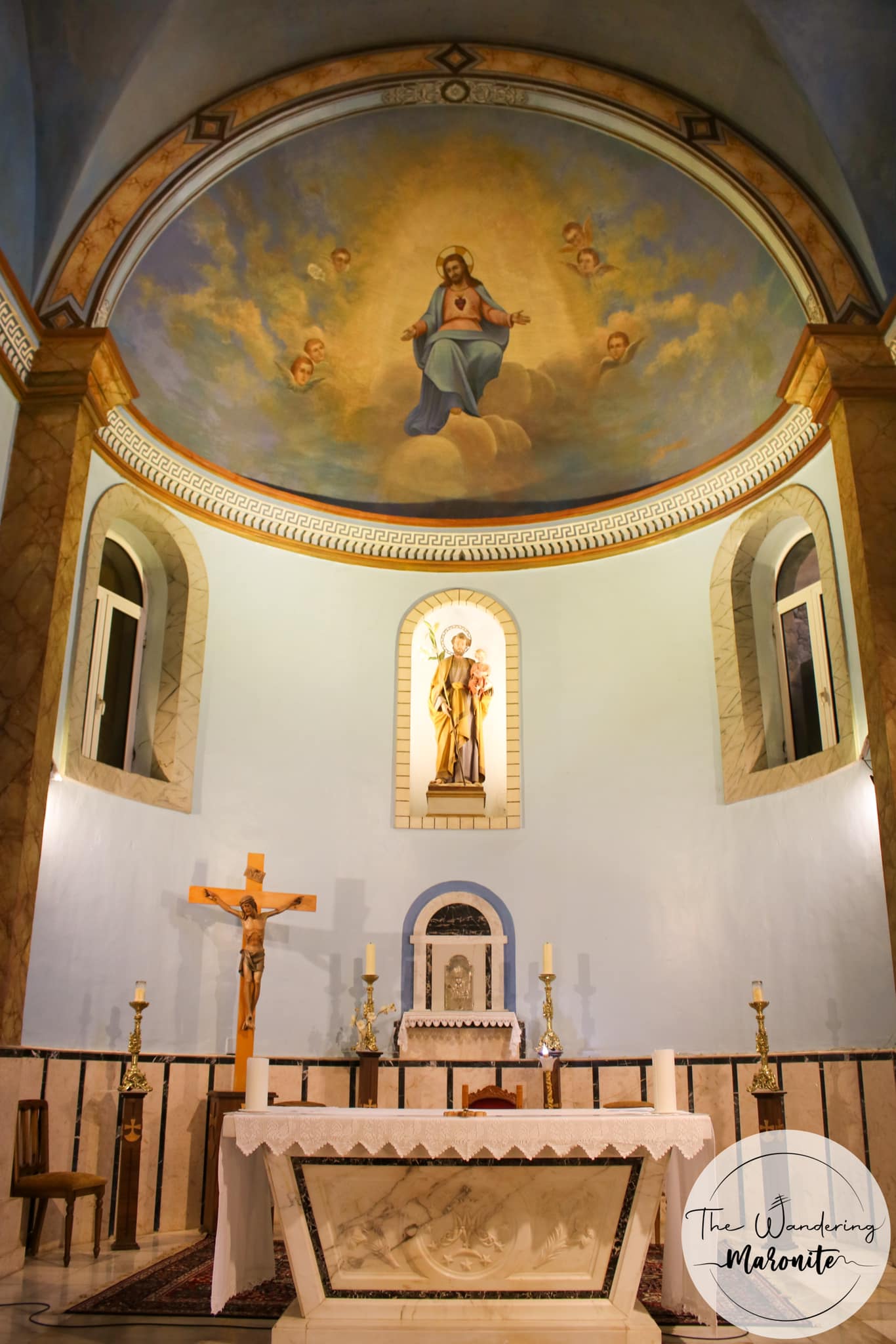
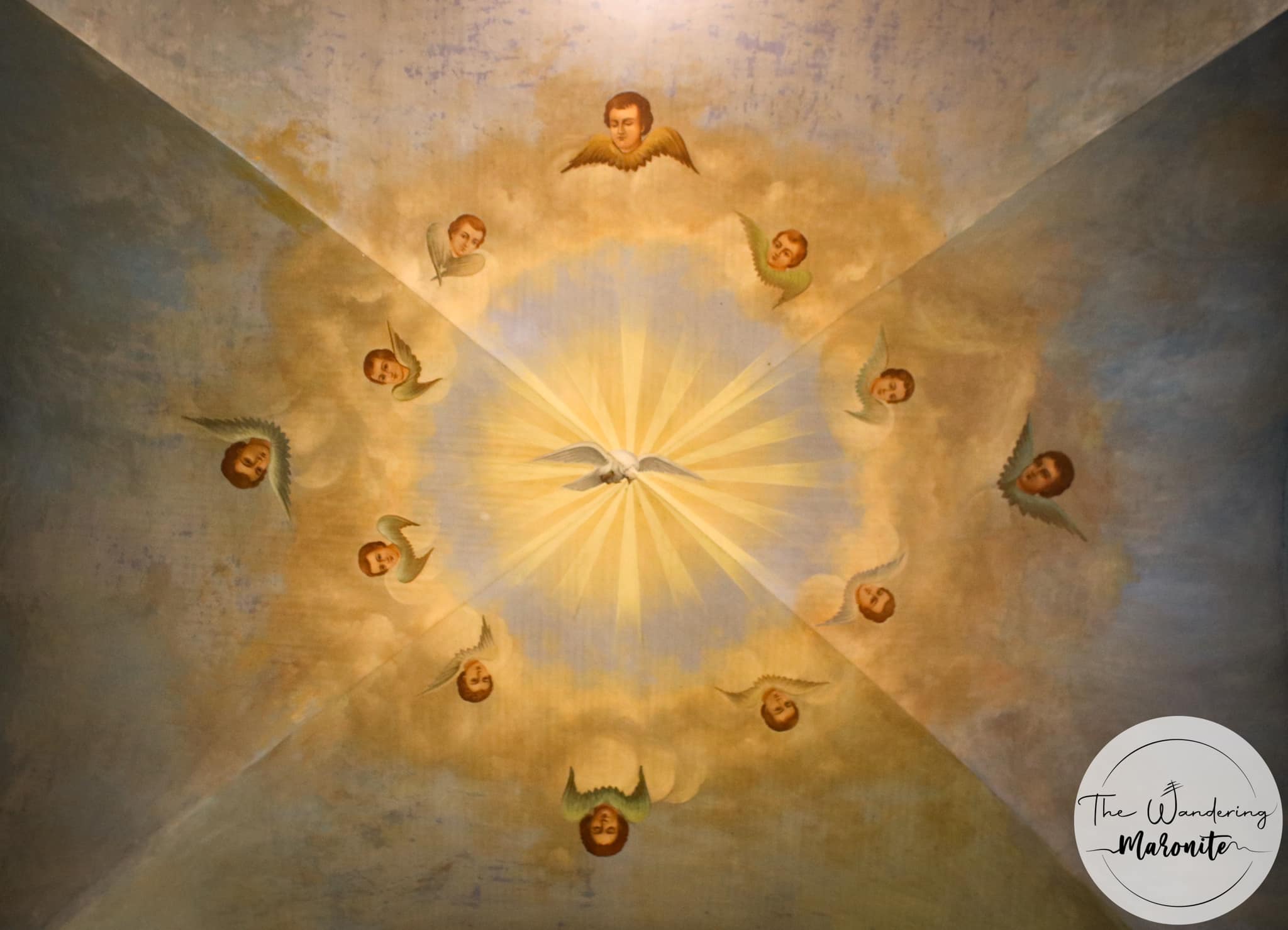
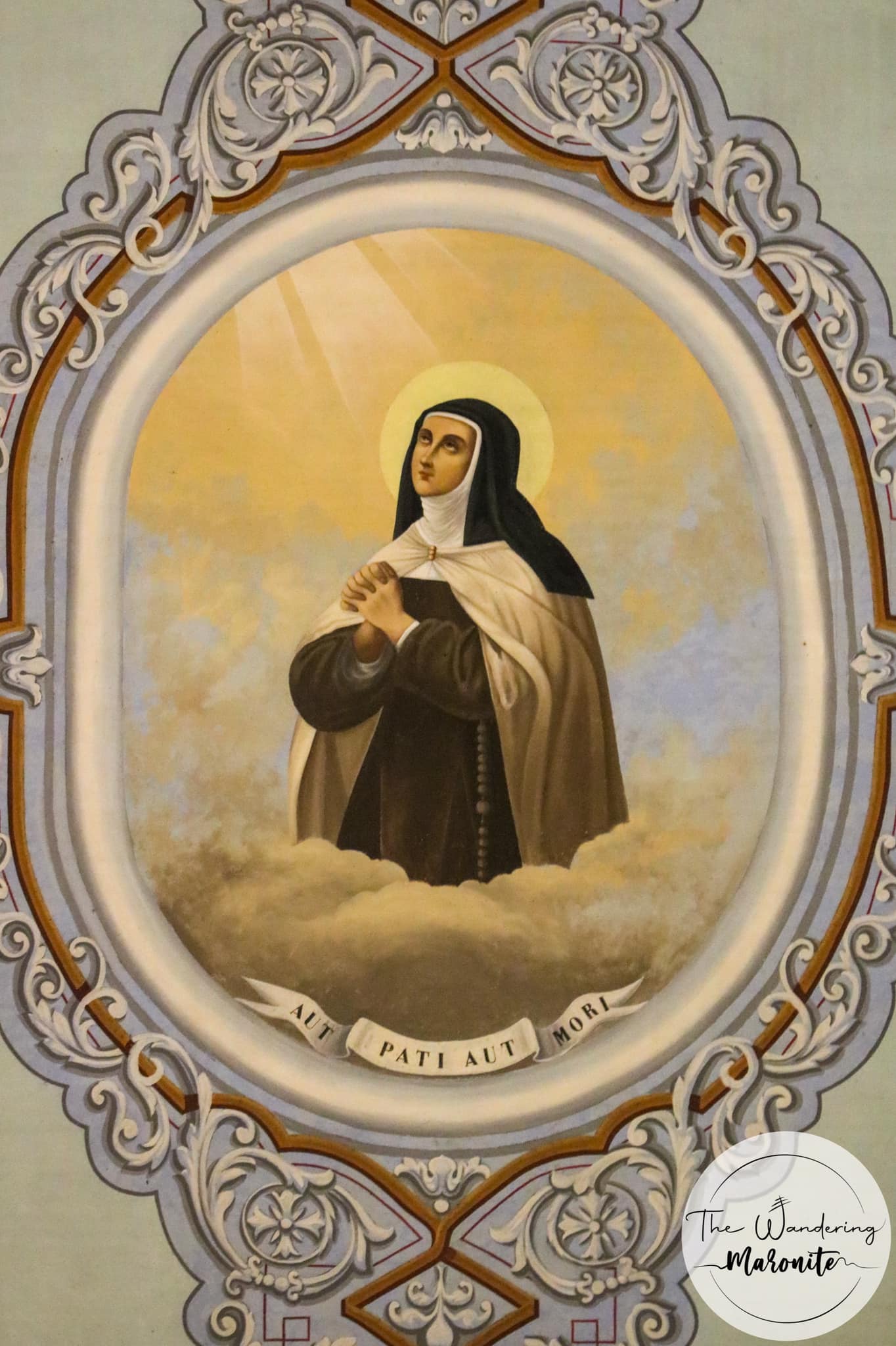
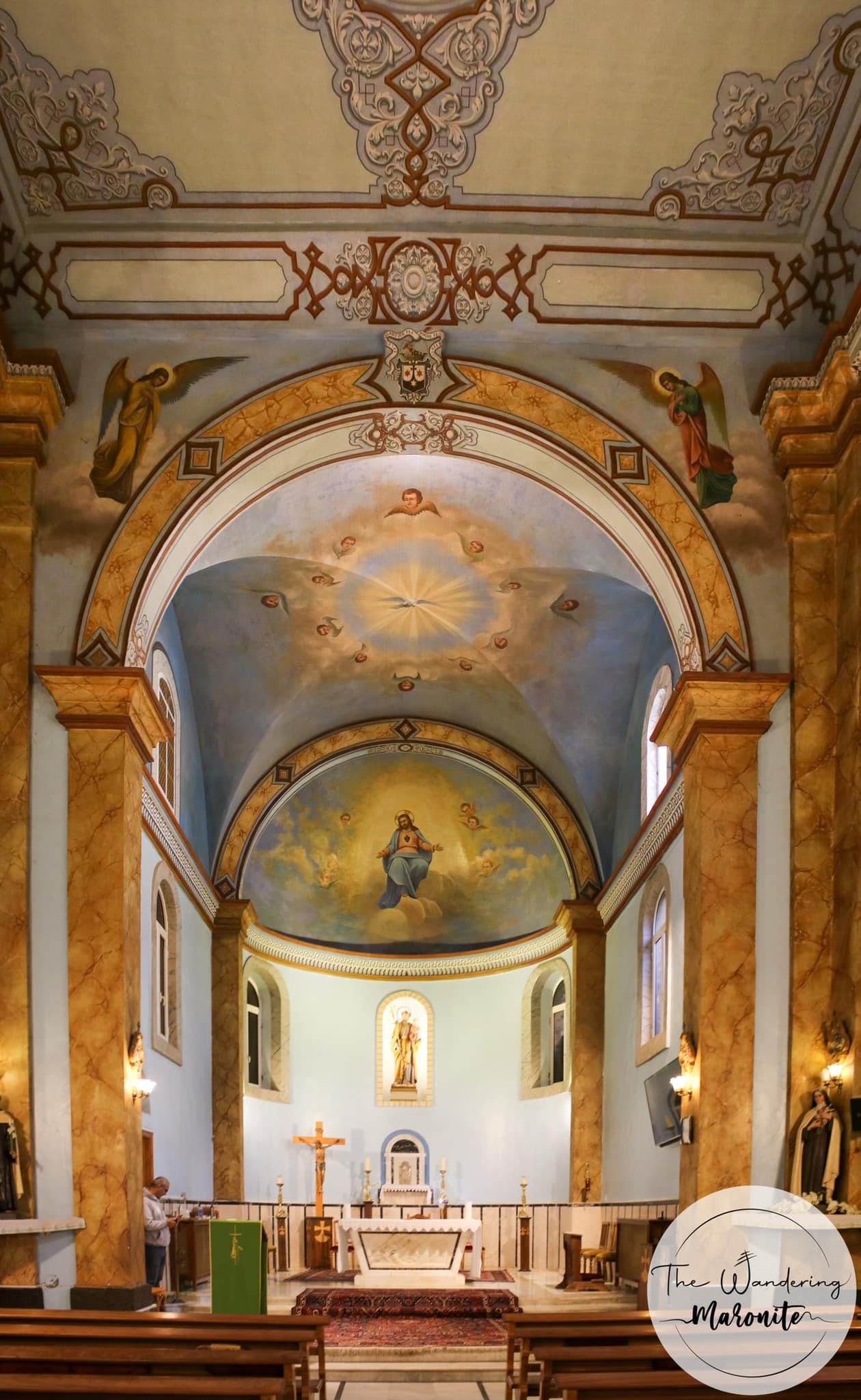
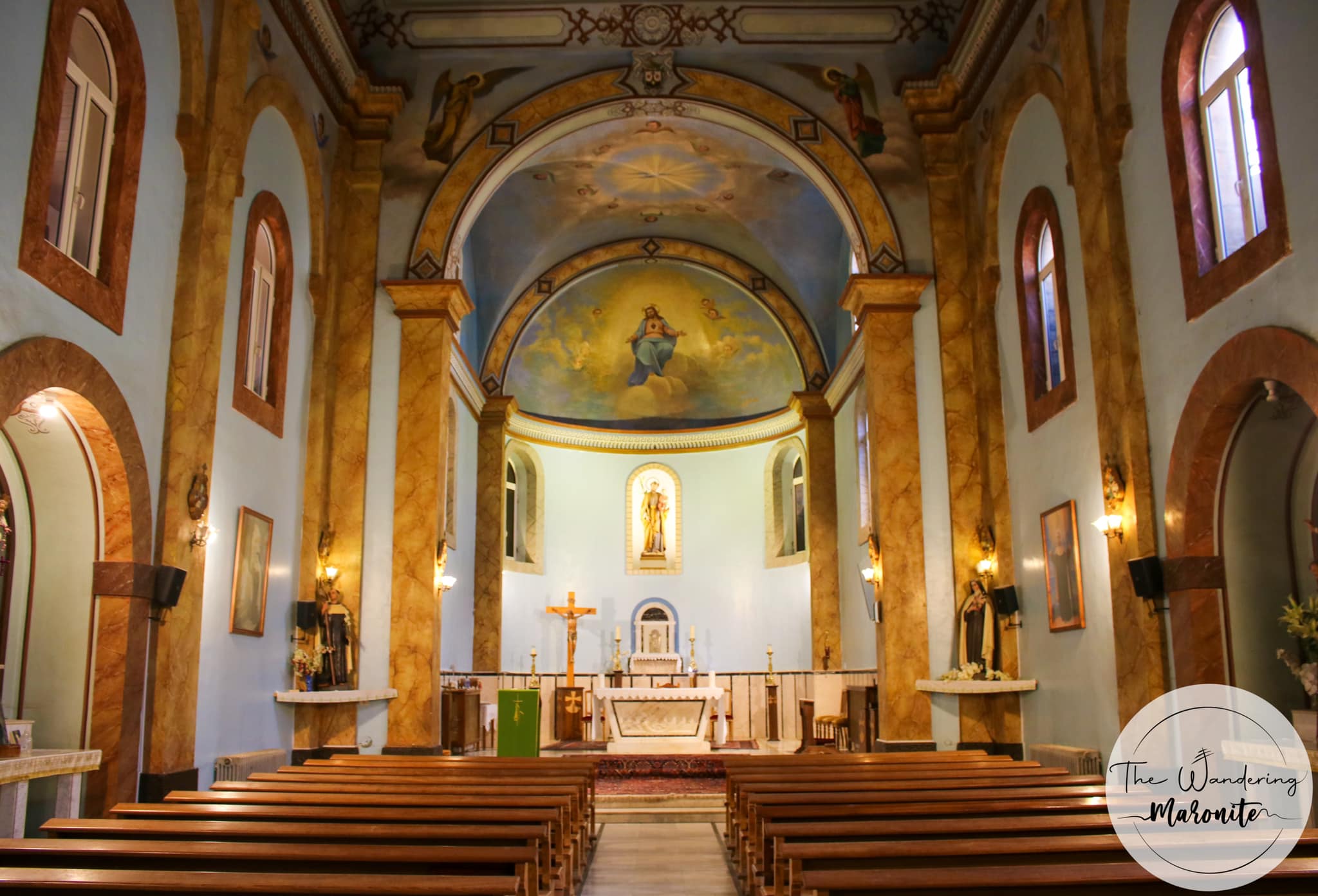
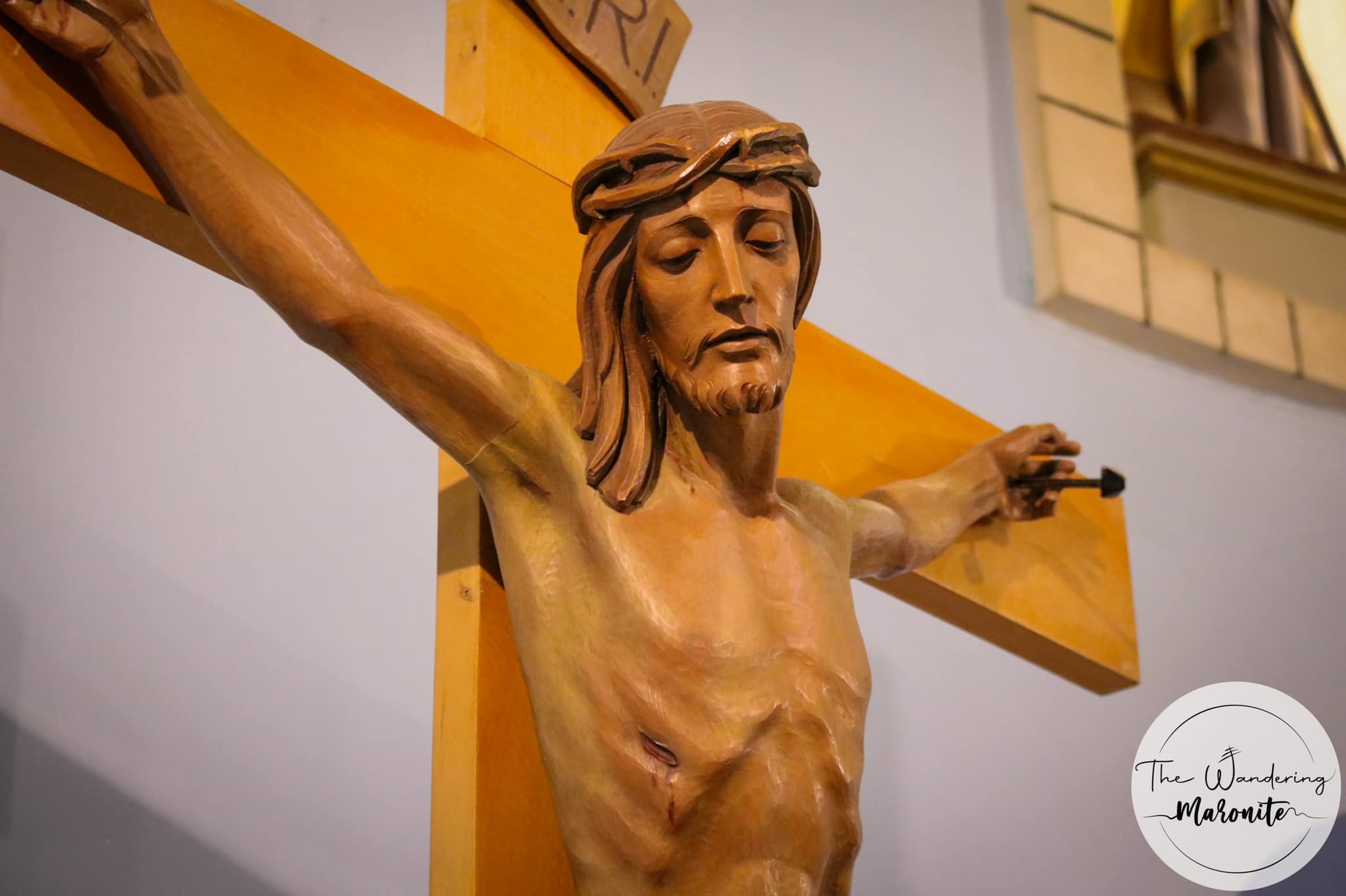
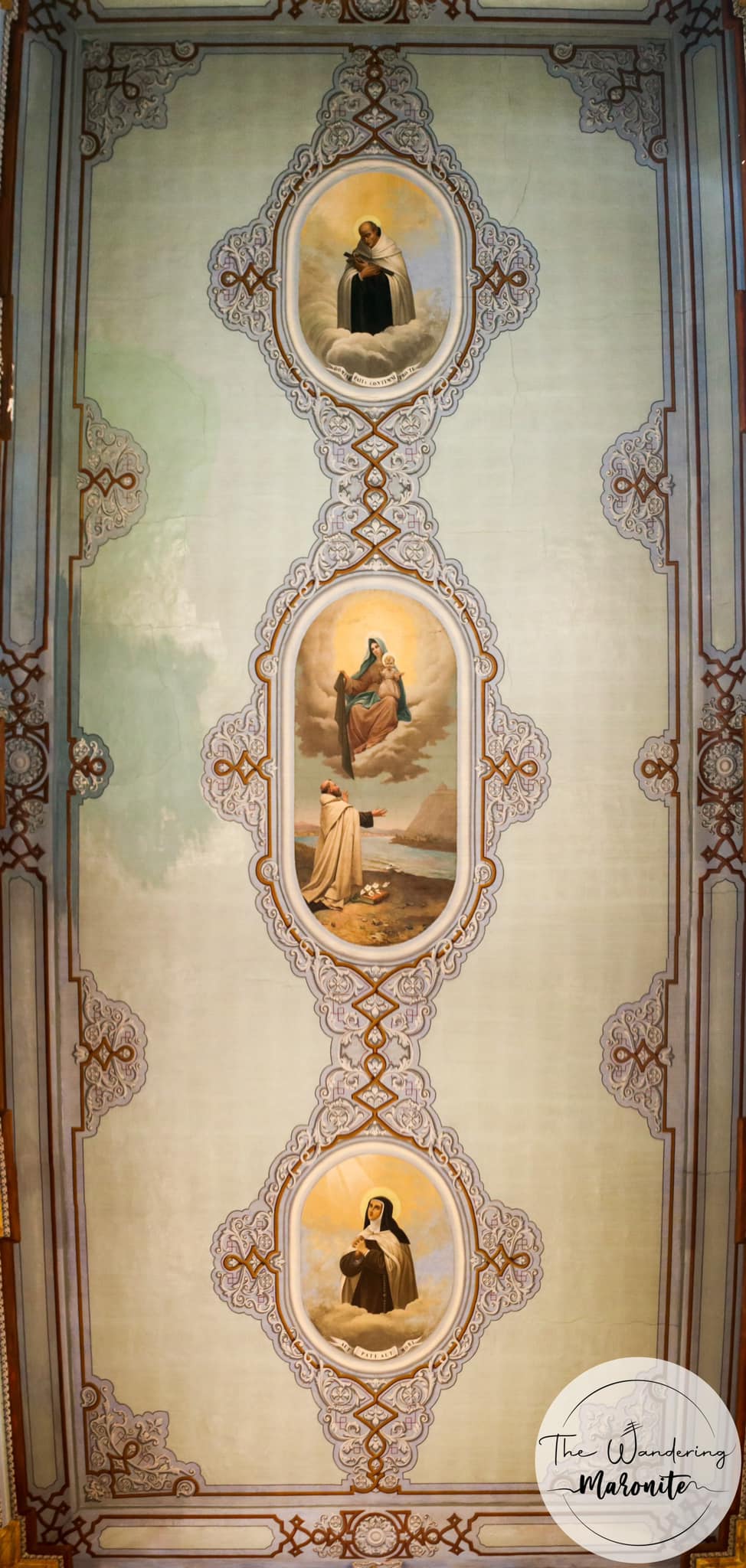
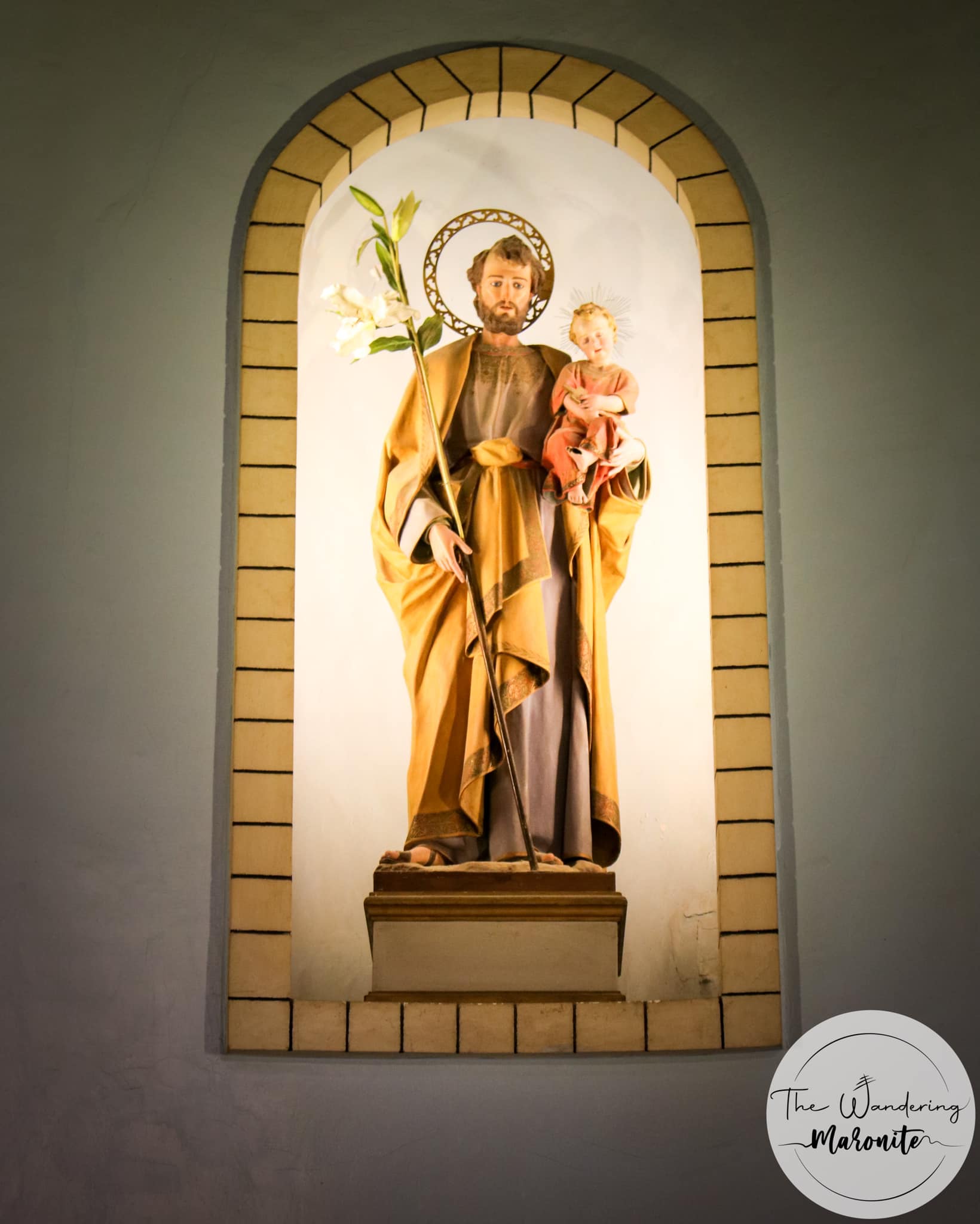
دير مار يوسف للآباء الكرمليّبن – بشرّي تعود رسالة الآباء الكرمليّين في منطقة بشرّي إلى أواخر القرن السابع عشر. سكنوا أوّلاً دير مار أليشاع القديم وانتقلوا سنة ١٧٠٤ إلى دير مار سركيس. في ٩ آذار سنة ١٩٠٥، قام الأب سيريل دي سانتا ماريا، النائب الرسولي لجبل الكرمل، بزيارة بشرّي فاستقبله الأهالي وطالبوه بتوسيع الرسالة وإقامة مدارس. بدأ أبناء بشرّي البناء بمساعدات من فرنسا وبلجيكا وألمانيا سنة ١٩٠٨. سنة ١٩١٠ أكمل الأب جيوسيبي داربينو الجناح بناء الدّير والكنيسة، بمساعدة الكاردينال غوتي. الكنيسة كناية عن سوقٍ واحد بحنية نصف دائريّة وسقفٍ بغداديّ. الكنيسة مزيّنة بجدرانيّات للرسّام جرجس ديب الأورشليميّ وتمثل عدّة مشاهد من وحي روحانيّة الكرمل. يُعرف الدّير محليًّا "بالبادريّة" وهي تعريب لكلمة بادري أي الأب. The Carmelite Convent of St Joseph - Bcharreh The Carmelite mission Bcharreh goes back to the late XVIIth century. The fathers resided in St Elishah and moved in 1704 to St Sergius. On the 9th of March 1905 the Carmelite provincial Cyril Da Santa Maria visited the town and was demanded by the locals to enlarge the mission and build schools. After that the locals began building with financial help from France, Belgium, and Germany in 1908. Construction was completed in 1910 with Padre Joseppe Darbino who completed the building with the church with the help of Cardinal Gotti. The church consists of a single roofed nave with a semi circular apse. The church is decorated with frescoes by Gerges Dib from Jerusalem.

Visited 3069 times, 1 Visit today

Reviews are disabled, but trackbacks and pingbacks are open.

Related Listings

Serjbel – The church of St Anthony the great

Ste Antoine Church, Sirjbal, Lebanon

كنيسة مار أنطونيوس الكبير

Sirjbal

Chouf

Mount Lebanon

كنيسة مار أنطونيوس الكبير - سرجبال

هي كنيسة صغيرة مبنيّة وسط البلدة أواخر القرن التاسع عشر. البناء مسقوف ينتهي بحنية نصف دائريّة. تعرضت الكنيسة للتخريب خلال الحرب الأهليّة سنة ١٩٨٣. أُعيد ترميمها مع عودة المسيحيّين الى البلدة في تسعينيّات القرن العشرين.

The church of St Anthony the great - Serjbel

The small parochial church was built in the village’s square in the latter half of the XIXth century. The structure is roofed ending with a semi circular apse. The church was sabotaged during the Lebanese civil war in 1983. It was restored in the nineties.

Hermel – The monastery of St Maroun on the Orontes

Hermel, Lebanon

دير مار مارون على نهر العاصي

Hermel

Hermel

Baalbek-Hermel

The monastery of St Maroun on the Orontes - Hermel

The monastery was originally a natural cave consisting of three sections, it was expanded by Roman builders working in nearby stone quarries. It is situated above Ain El Zarqa, one of the sources of the Orontes River, and connected to the river via a corridor carved into the mountainside. This was used to fetch water and provide a hiding place during enemy attacks. In the VIth century, Maronite monks sought refuge in the cave after facing persecution in northern Syria, where their monastery was destroyed and its contents dispersed. The monks expanded the cave and carved an altar, turning the cave into a new monastery. This marked the beginning of the Maronite migration to the mountains of Lebanon along the Orontes River. Over time, the monastery was neglected and became an abandoned farm. In 2011, it was visited by Patriarch Bechara Boutros Al-Rahi and has since been restored in 2018, returning to the Maronite Church. The monastery serves as a testament to the spread and perseverance of the Maronite Church in the Levant.

Yanouh – The church of the Theotokos our Lady Mary

Church of Mary mother of god, Yanouh, Lebanon

كنيسة أم الله السيّدة مريم

Yanouh Jbayl

Jbeil

Mount Lebanon

كنيسة أم الله السيّدة مريم - يانوح

بعد محاولته العودة إلى أنطاكيا ورجوعه الى جبل لبنان سنة ٧٥٠، سكن البطريرك الرابع يوحنّا مارون الثاني و من بعده خلفائه البطاركة دير مار جرجس الأزرق يانوح لخمسمئة سنة إلى سنة ١٢٧٧. يُعزى ذلك بحسب المؤرخين لثلاثة أسباب : كون يانوح منطقة جبليّة عاصية، قربها من معبر المنيطرة القريب الى البقاع، وتقوى أهل يانوح بحسب البطريرك الدويهيّ. في القرن الثامن بُنيت كنيسة أم الله في الصرح البطريركيّ لجهة الشمال، وجدّدت في أيّام الصليبيّين. سنة ١٢١٥ صدر أمر البابا اينوشنسيوس الثالث الى الأساقفة الموارنة بالخضوع للبطريرك في كرسيّ يانوح. ضمّت هذه الكنيسة مخطوط إنجيل رابولا. بعد القرون الوسطى خرب الدّير والكرسيّ. رمّمت الكنيسة بسعي البطريرك بشارة بطرس الراعي وأعيد تكريسها سنة ٢٠١٧. تضمّ العرش البطريركيّ القديم، وعلى زواياها نقشت الصلبان المثنية الأطراف.

The church of the Theotokos our Lady Mary - Yanouh

After his failed attempt to go back to Antioch the fourth Maronite patriarch John Maroun II move his seat to the monastery of St George the blue in Yanouh in 1750. The patriarchal seat remained there for 500 years until 1277. The main reasons that Yanouh was chosen was because of the mountainous nature of the region, the closeness to the pass of Mneitra and to the region of Bekaa, and the locals piety described by patriarch Douwaihy. In the VIIIth century the church of the Theotokos was built north of the patriarchal seat, and renewed during the crusades. In 1215 an edict by pope Innocent III ordered the maronite bishops to obey the patriarch in the sear of Our Lady of Yanouh. This church held the Codex Rabbula. After the middle ages the church fell into despair, it was renewed by order of Patriarch Bechara Boutros el Rai in 2017 and reconsecrated. The church holds the old patriarcal throne and has two egged crosses on the four sides of the structure.