
Kfarhelda – Our lady of Kfarmalkoun, or Our lady of ruins

كنيسة سيدة كفرملكون الأثرية - كفرحلده, Kfar Helda, Lebanon

Other Details

كنيسة سيّدة كفرملكون (سيّدة الخرايب)

Kfar Hilda

Batroun

North

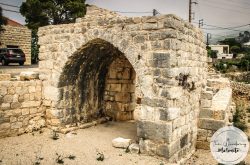
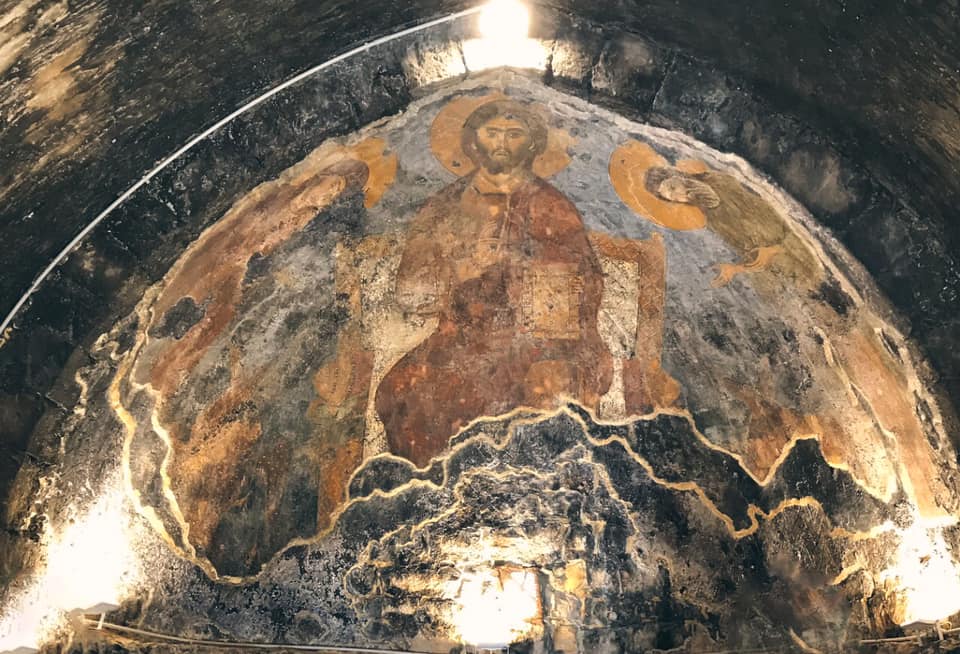
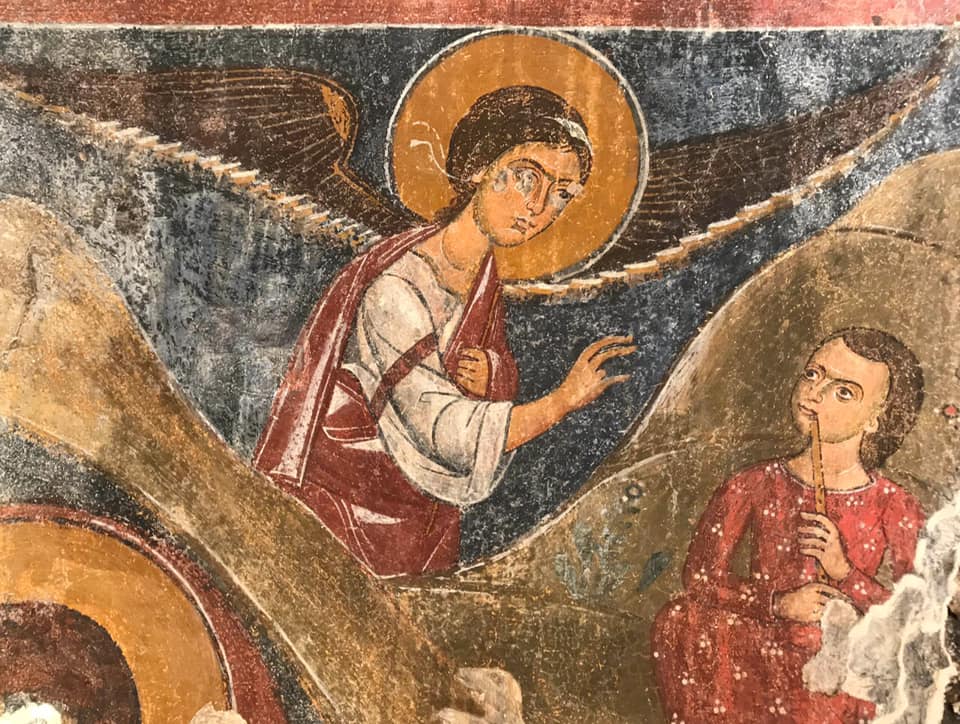
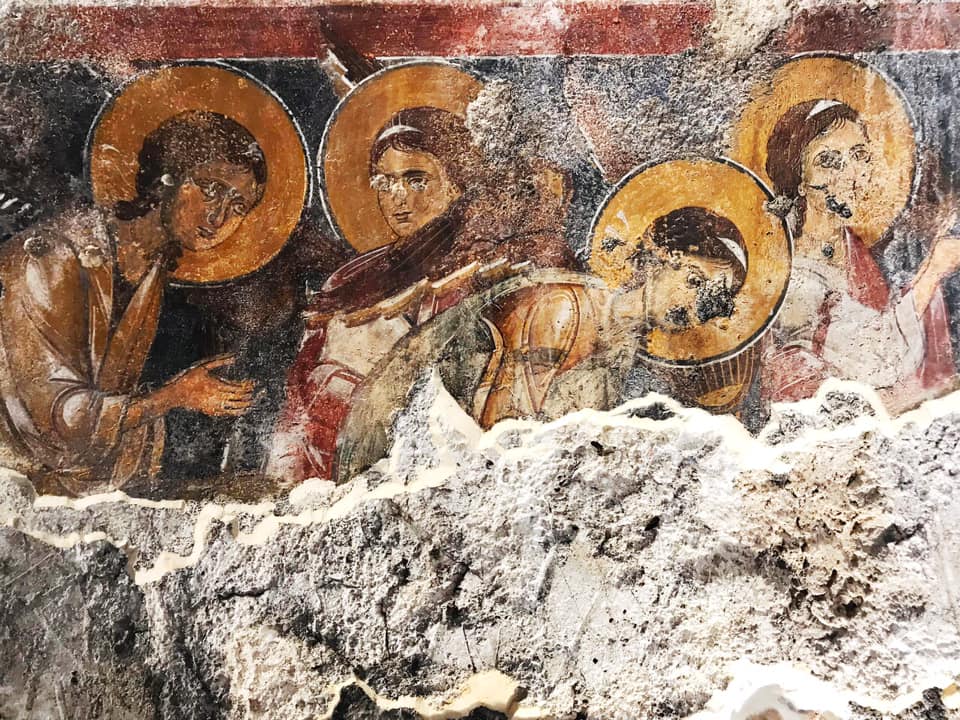
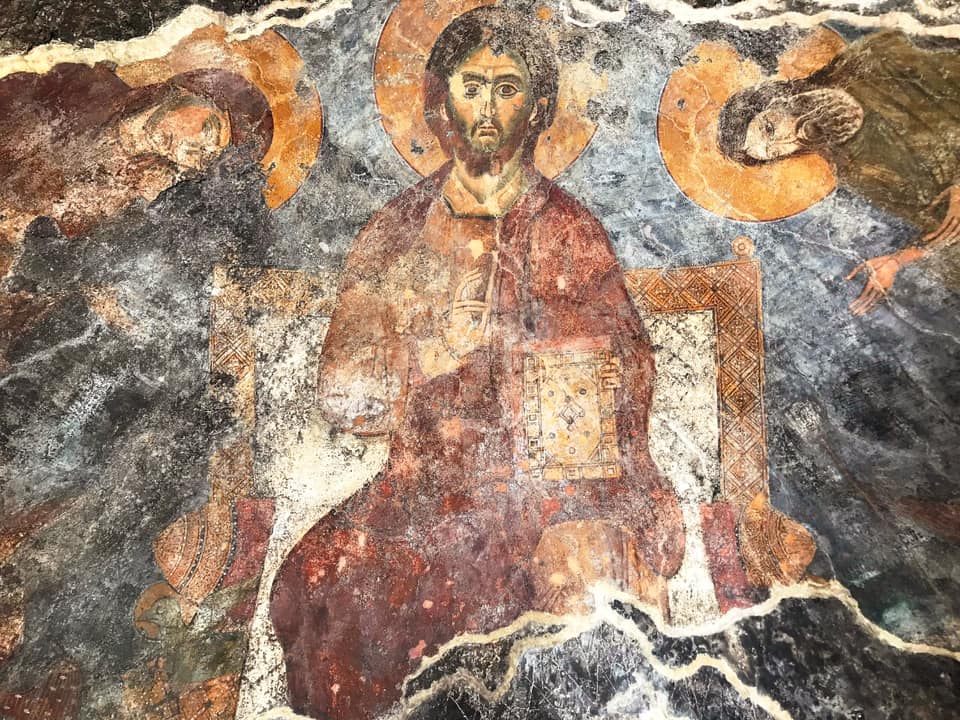
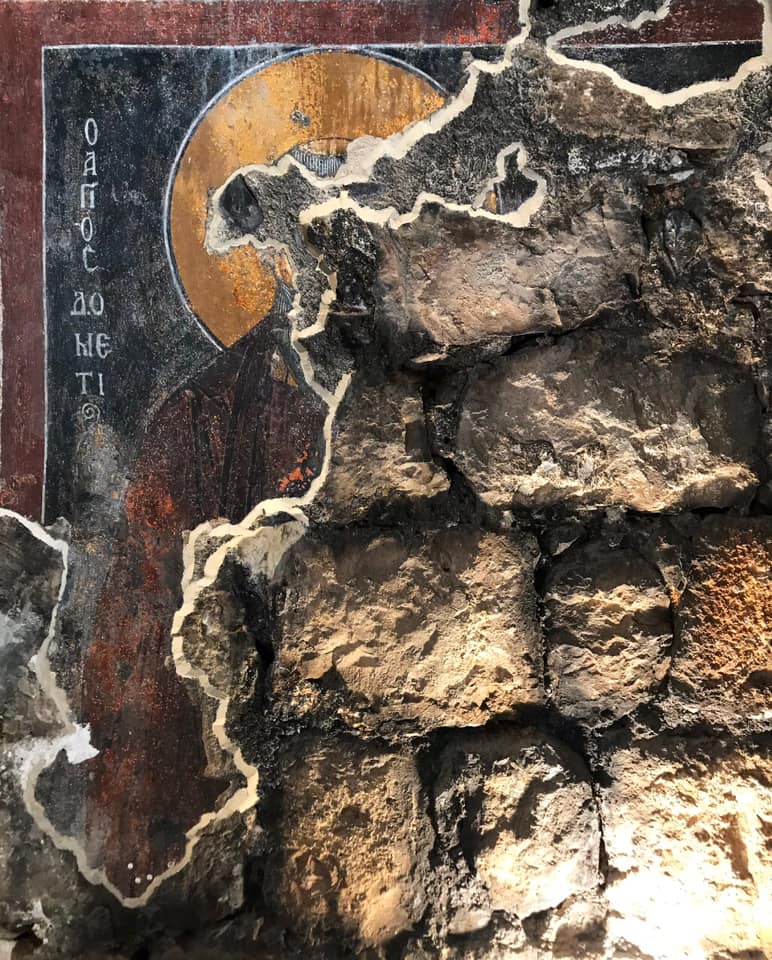
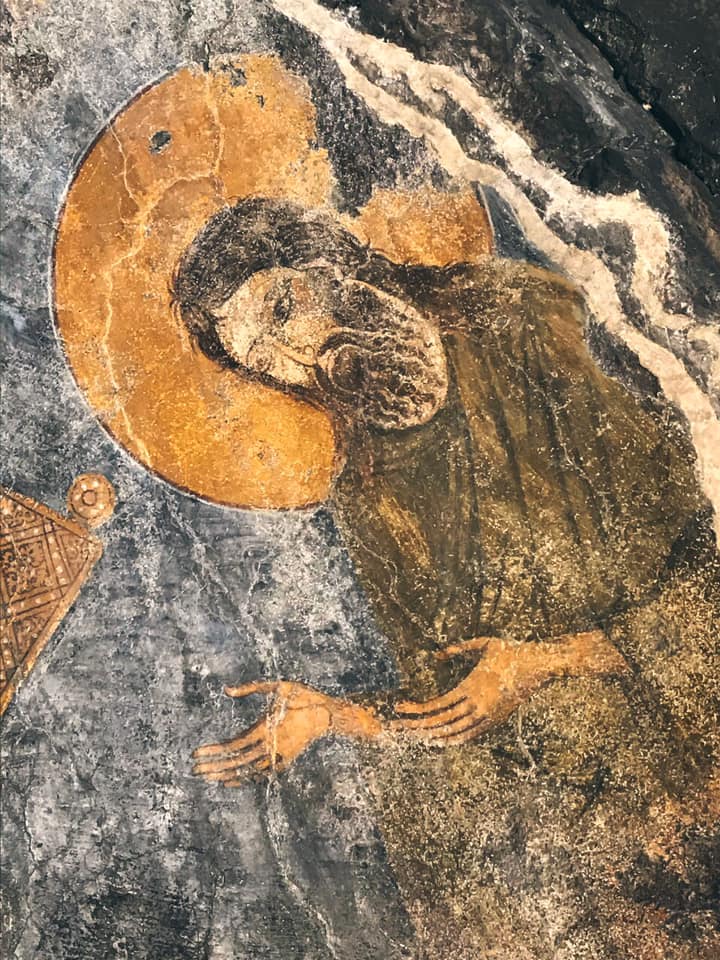
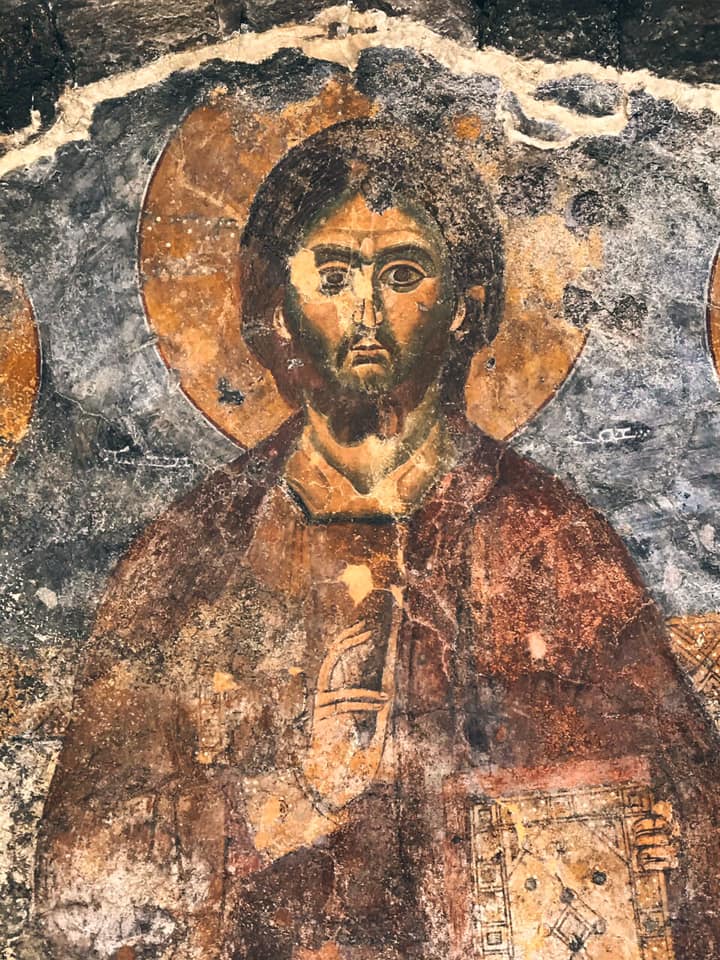
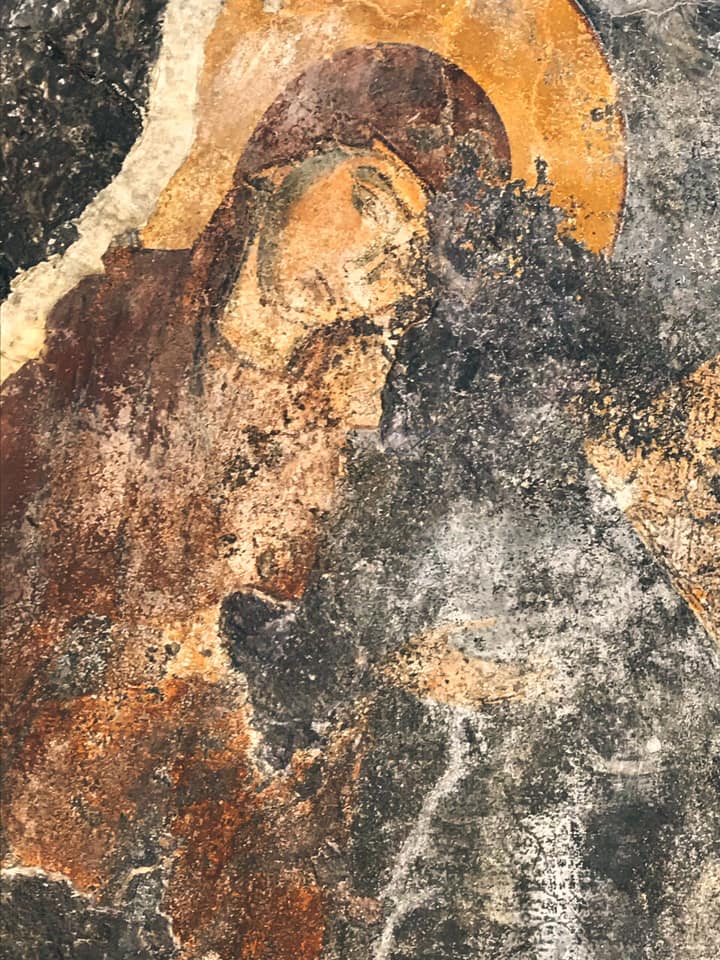
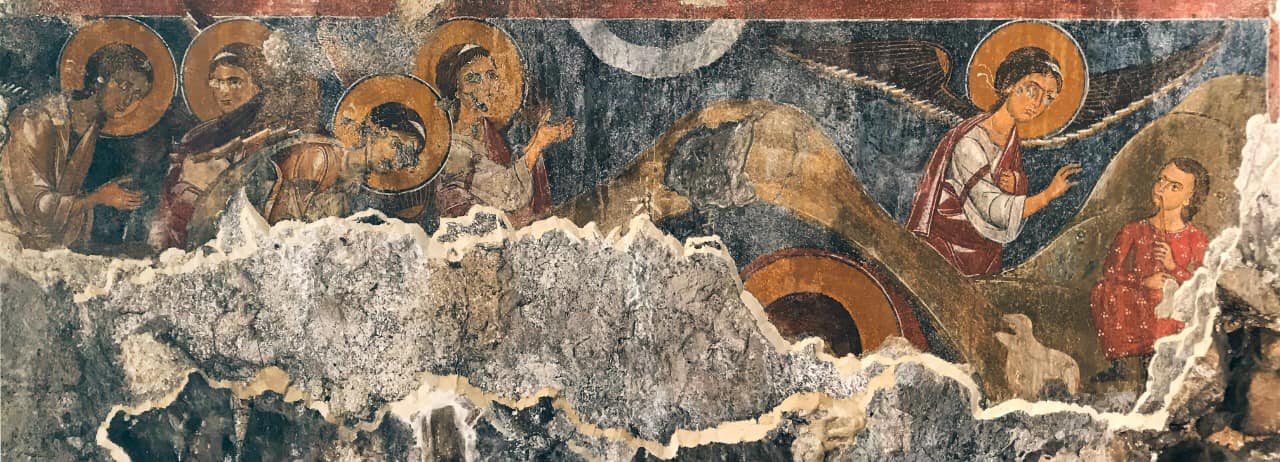
كنيسة سيّدة كفرملكون (سيّدة الخرايب) - كفرحلداترقى الكنيسة الى القرن الثالث عشر ، في أعالي بلدة كفرحلدا وكانت قد بنيت هذه الكنيسة بالطريقة البدائية التقليدية كما كان قائماً في القرون الوسطى، أما قبة الجرس فهي حديثة الصنع.هذه الكنيسة كانت جزءاً من قرية كفرملكون الواردة في السجلات العثمانية. مع مرور الزمن هُجّرت القرية وبدأت الابنية بالتفكك والانهيار خاصة بعد حدوث زلزال كان قد ضرب المنطقة أدى الى خرابها فسُميت بسيّدة الخرايب. أما السواد الذي يغطي بعضاً من معالم الرسومات داخل جدران الكنيسة، فكان بسبب ان بعض الرعاة كانوا يرتادون المكان ويشعلون النار للتدفئة.في حنية الكنيسة جدارية الشفاعة مع كتابة يسوع المسيح بالخط السرياني الملكي في الوسط.على الجدار الشمالي رسماً لأسقف أصلع الرأس، هو القديس يوحنا الذهبي الفم. وعلى الجدار نفسه نقرأ اسم ضومطيوس باللغة اليونانية.أما على الجدار الجنوبي بقايا مشهد الميلاد مع أربع ملائكة وراعٍ يعزف على الناي وبجانبه حملان.Our lady of Kfarmalkoun, or Our lady of ruins - KfarheldaDating back to the 13th century, and laying on the high hills of Kfarhelda, this church was built following the traditional medieval style.This church is located in the old Kfarmalkoun village that is found in the Ottoman records. With time, the villagers had left their village and the buildings started to fall apart, especially after it was hit by an earthquake. Thus the name: Our Lady of the Ruins.Some of the Church walls are covered with a black layer caused by the fires that the pastors lit when they were cold.On the Church's apse, one can find the Deisis fresco, surrounded by the words Jesus Christ written in a royal syriac font.On the northen wall, we can see the drawing of a bald bishop, St. John Chrysostom. On the same wall, we can find the words Domtius written in Greek.On the sourhern wall, on can find the remains of a fresco depicting the Nativity scene with four angels and a pastor playing on the flute next to some sheep.

Visited 6995 times, 5 Visits today
Reviews are disabled, but trackbacks and pingbacks are open.

Related Listings

Maghdouhe – Our Lady of Awaiting

Basilica of Our Lady of Mantara - بازيليك سيدة المنطرة, Maghdoucheh, Lebanon

مقام سيدة المنطرة العجائبي مغدوشة

Maghdoucheh

Saida

South

Our Lady of Mantara is a Melkite Greek Catholic Marian shrine in Maghdouché, Lebanon, discovered on 8 September 1721 by a young shepherd. The grotto, which according to a legend dates to ancient times, was subsequently cared after by Monsignor Eftemios Saïfi, Melkite Catholic bishop of the Melkite Greek Catholic Archeparchy of Sidon. The shrine consists of a tower crowned with the statue of the Virgin and Child, a cathedral, a cemetery and a sacred cave believed to be the one where the Virgin Mary rested while she waited for Jesus while he was in Tyre and Sidon. (Women were not allowed in some cities). Since its discovery, it has been steadily visited by families particularly each year on the occasion of the feast of the Nativity of Mary on 8 September.

Ancient era
Many historians agree that the devotion to the Virgin Mary in Lebanon replaced the Phoenician worship of Astarte. Temples and shrines to Astarte were converted to Christian places of worship, honoring the Virgin. This is also true in Maghdouché where within the vicinity of Our Lady of Awaiting are the remains of a shrine to Astarte.

Middle Ages
During the reign of Emperor Constantine, his mother, Saint Helena of Constantinople, requested in 324 the destruction of all pagan temples and idols dedicated to Astarte. The Astarte shrine in Maghdouché was probably destroyed at that time and converted to a place of devotion to the Holy Mother.

Since the early Christian era, the inhabitants of Maghdouché have venerated the cave where the Virgin Mary rested while she waited for her son, Jesus to finish preaching in Sidon. Saint Helena asked the Bishop of Tyre to consecrate a little chapel at the cave in Maghdouché. She sent the people of Maghdouché an icon of the mother and child and some altar furnishings. Historians believe that Saint Helena asked the people to name the chapel, and they named it "Our Lady of Awaiting" because it was there that the holy mother waited for her son.[4] Mantara is derivative of the Semitic root ntr, which means “to wait."

Saint Helena provided funds from the imperial treasury for the maintenance of the chapel. The funding continued for three centuries of Byzantine rule in Phoenicia until Khalid ibn al-Walid defeated Emperor Heraclius at the Battle of the Yarmuk.[4] While the caliph Omar, who became ruler of Jerusalem, was a pious and humble man, sparing Christendom's holiest shrines and being tolerant of his Christian subjects, the Arab rulers of the rest of Byzantium were less tolerant of the Christians, especially in the maritime cities of Tyre, Sidon, Beirut, Byblos, and Tripoli.[4] After the majority of the Sidonians converted to Islam to receive promised privileges and immunities, the people of Maghdouché withdrew to higher elevation up Mount Lebanon. The caliphate had recognised the Christians of Mount Lebanon as autonomous communities, paying a fixed tax. Before abandoning their village, they concealed the entrance to the cave of Our Lady of Awaiting with stones, earth and vines. The people left the village through obscure mountain paths to the strongholds of Christian Lebanon. The legend of Our Lady of Awaiting was passed down to the exiled generations of Maghdouché for one thousand years.

The people of Maghdouché did not return to their ancestral home despite the arrival of the Crusaders in Sidon. The Crusaders spent most of the 12th and 13th centuries in the shadow of Maghdouché without ever suspecting the sacred cave's existence even though they built a small fort, called La Franche Garde, within meters of the hidden entrance to the cave.

Modern era
The people of Maghdouché only returned to their ancestral village during the reign of the Druze Prince Fakhreddin II (1572-1635). The prince, who was considered a tolerant and enlightened ruler of his day and age, believed in equality amongst the diverse religious followers of his Lebanon. To demonstrate this equality, he appointed a Maronite Catholic as Prime Minister, a Muslim as Minister of the Interior, a Druze as Army Commander and a Jew as Finance Minister. His reign was a rare example of non-sectarianism, and it soon became the most prosperous principality in the Ottoman Empire.

It was not easy to relocate the sacred cave even though the men of Maghdouché worked for hundreds of years near the grotto, pulling down the stones of the Crusader fort for building material for their new homes. The cave was finally rediscovered on 8 September 1721 by a young shepherd when one of his goats fell in a well-like opening in the porous limestone. Wanting to save his goat, the shepherd made a rope from vine twigs, tied it to a tree, and descended into the hole, but the rope broke and he fell. When his eyes became accustomed to the darkness of the grotto, the boy saw a soft glimmer of a golden object, which turned out to be Saint Helena’s icon of the Mother and Child. The boy climbed up the stone walls and ran to the village to tell his discovery.

Greek Catholic

Kobayyat – The monastery of Chalita

Saint Challita church, Qatlabah, Lebanon

دير مار شليطا

Qbaiyat Aakkar

Akkar

Akkar

دير مار شليطا - القبيات

يقع الدّير في منطقة وادي حلسبان، في الأصل كان البناء معبدًا رومانيًّا للإله بان إله الرعيان والمواشي. حوّله الأهالي إلى كنيسةٍ بيزنطيّة على اسم القدّيس شليطا (أرتاميوس) شفيع الحيوانات والمواشي، إشارةً إلى تحوّلهم من الوثنيّة. بقي الدّير مُهملاً فترةً طويلةً، فآل إلى الخراب. خلال تسعينيّات القرن العشرين رُمّم الدّير، لكنّ الترميم أزال قسمًا كبيرًا من معالمه. أصبح الدّير اليوم مقصدًا للسيّاح ومحجًّا.

The monastery of Chalita - Kobayyat

The monastery is located in the valley of Helesban. The building was a roman temple dedicated to Pan the god of shepherds. The temple was converted into a church during the byzantine era and was dedicated to St Chalita (Arthemius) the patron saint of animals and heards. After the middle ages, the monastery fell into ruins for along time. The structure was restored in the last decade of the XXth century, yet the restoration destroyed many of the original elements. The monastery became a pilgrimage site.

Daaroun – Our Lady of Deliverance

Monastery of our lady of deliverance- El Cherfeh DAroun harissa, Harissa, Lebanon

دير سيّدة النجاة الشرفة - درعون

Daraaoun

Keserwan

Mount Lebanon

كانت قمّة الشرفة تخصّ مشايخ آل خازن. وقد باعوها عام ١٧٥٤ إلى القس يوسف مارون الطرابلسي بشرط أن يبني مدرسة. بعد إنتخابه بطريركًا سريانيًّا في ماردين وهربه من الإضهاد إثر إعلانه الشركة مع الكنيسة الكاثوليكيّة، إشترى البطريرك إغناطيوس جروة دير الشرفة عام ١٧٨٦ وجعله كرسيًّا له ونقل إليه أيقونة سيّدة النجاة المقدسيّة التي رافقته في ترحاله. يُعدّ هذا الدير المقر البطريركيّ للسريان الكاثوليك، كما ويضمّ مدرسة لتعليم الأولاد وإكليريكيّة.

The hill of Sharfe was a property of the Khazen feudal lords. In 1754 the parcel of land was sold to the monk Joseph Maroun from Tripoli to build a school. After he was elected Syriac patriarch in Mardin, Mor Ignatius Jarwe proclaimed communion with the Roman Catholic Church. For this, he was then persecuted and obliged to leave his homeland. He finally settled in Charfe and bought the old school transforming it into a patriarcal seat bringing in an icon of Our Lady of Deliverance from Jerusalem. Since then the monastery became a patriarcal seat with a school and a seminary.