Batroun – St Stephen’s cathedral

Saint Stephen Cathedral, 1400، Batroun, Lebanon

Other Details

كاتدرائيّة مار اسطفان

Batroun

Batroun

North

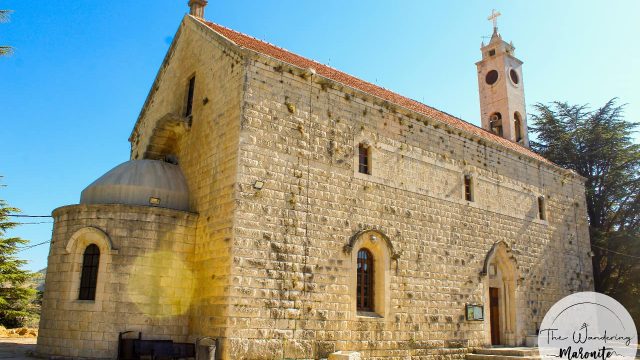
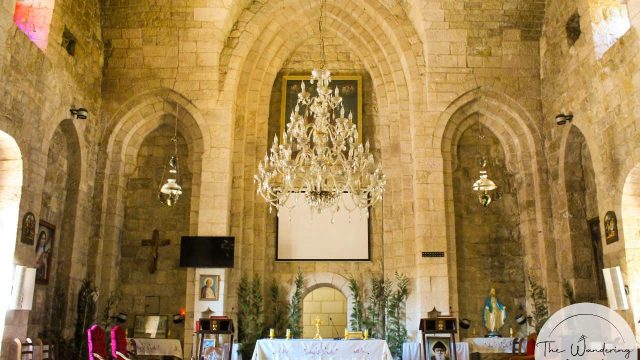
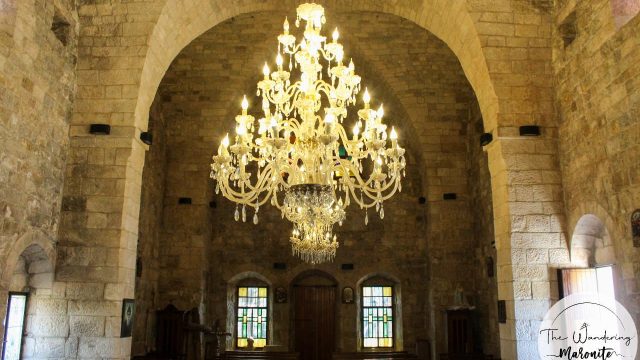
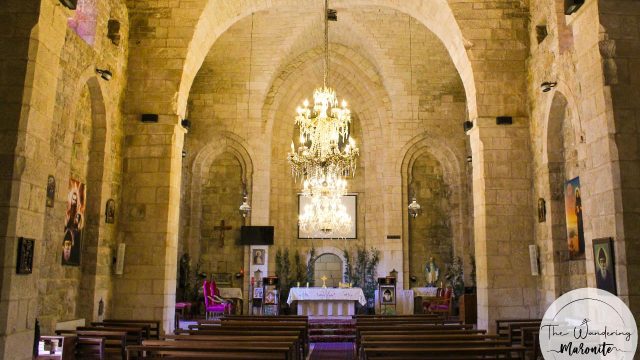
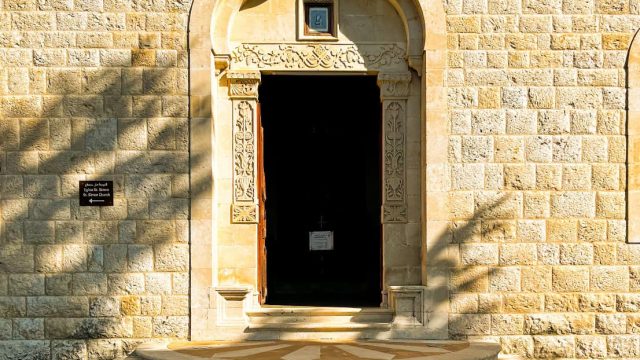
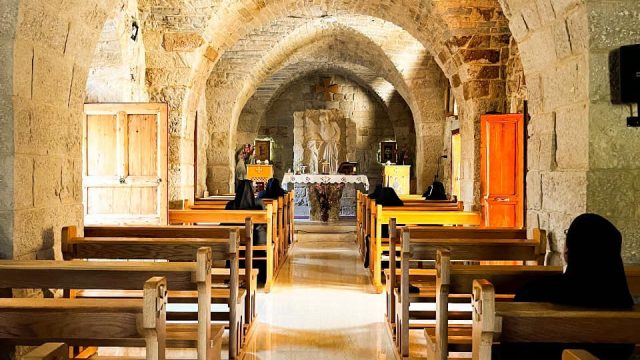
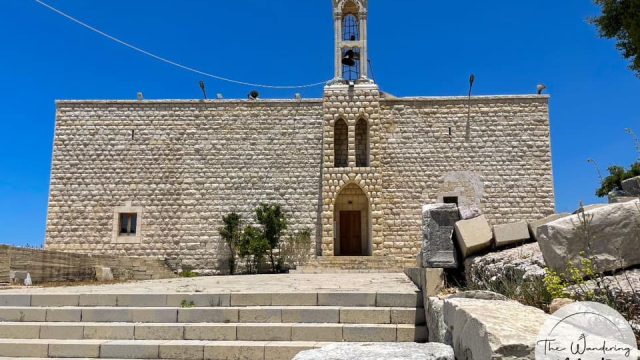
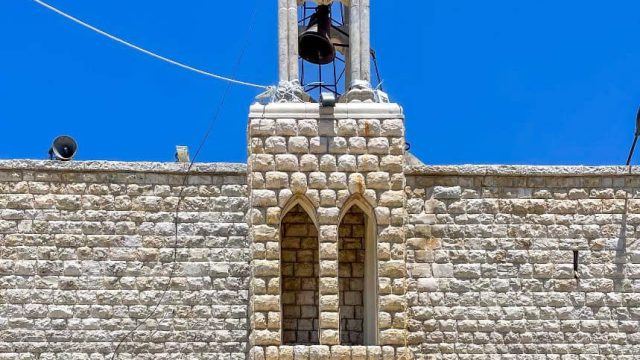
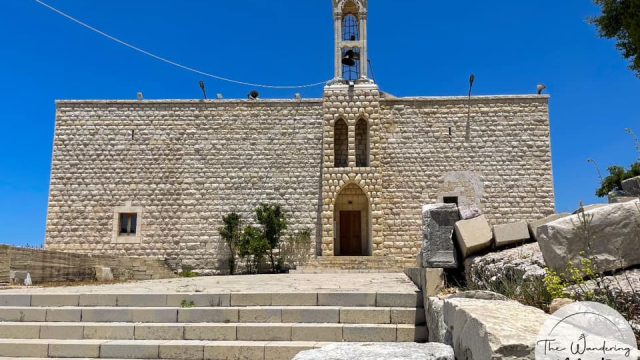
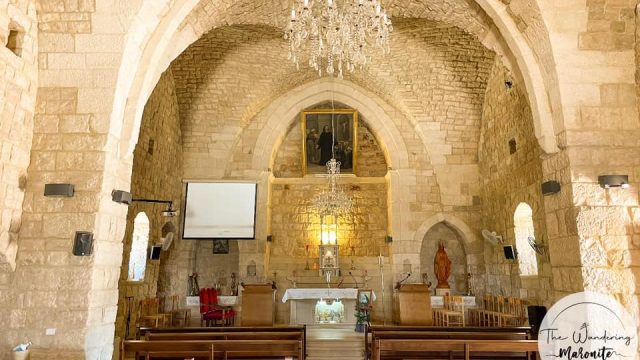
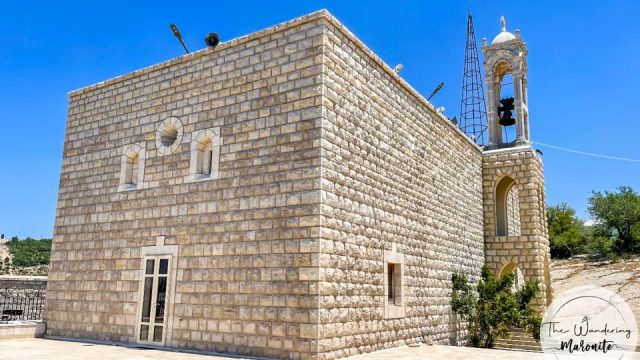
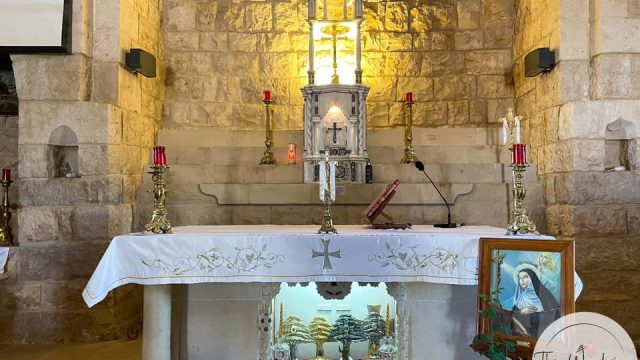
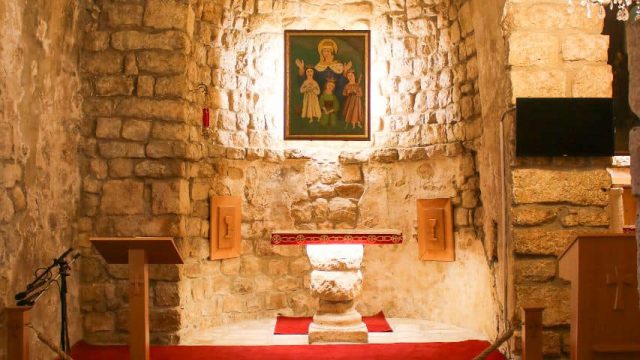
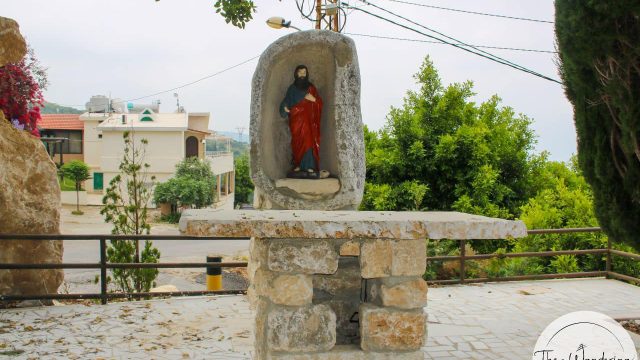
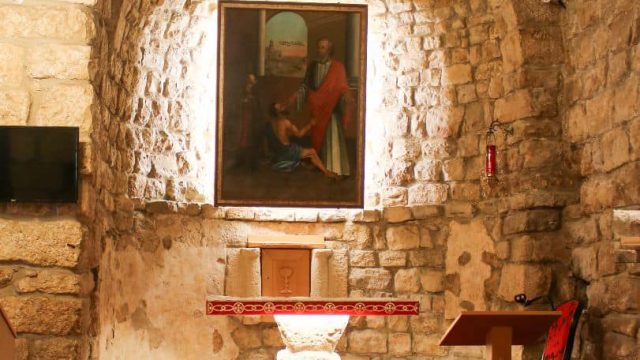
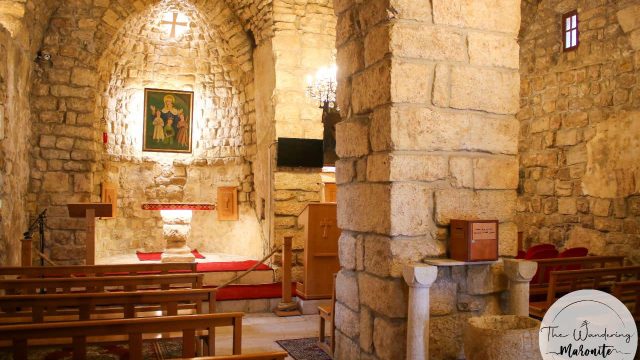
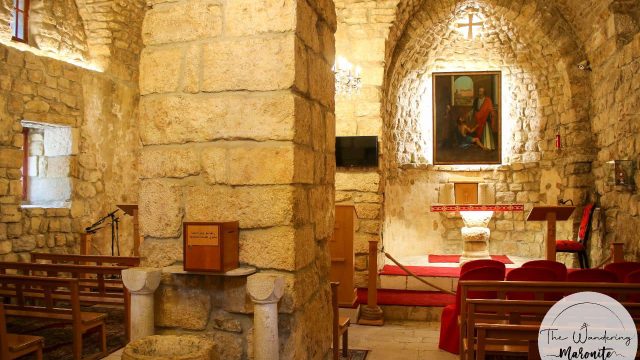
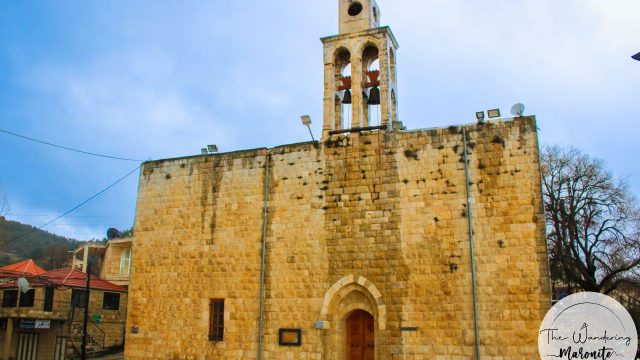
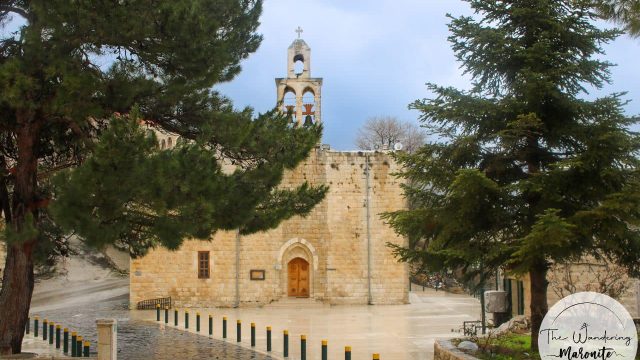
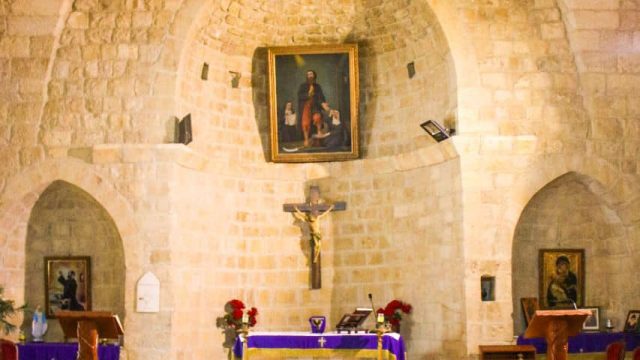
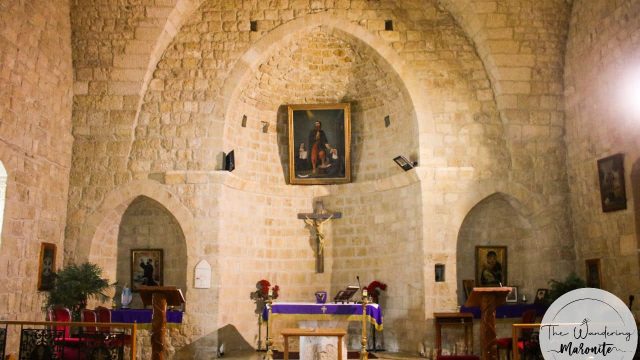
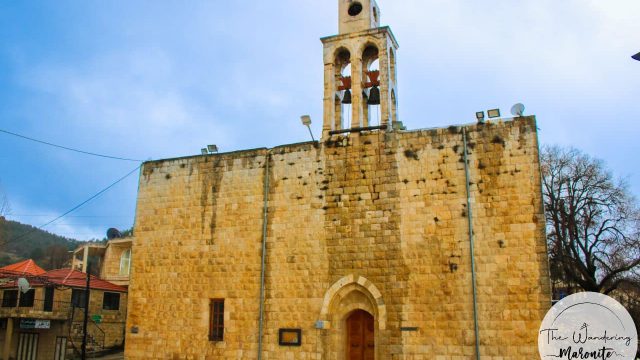
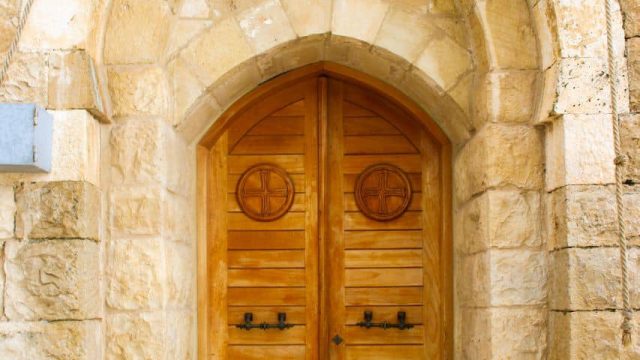
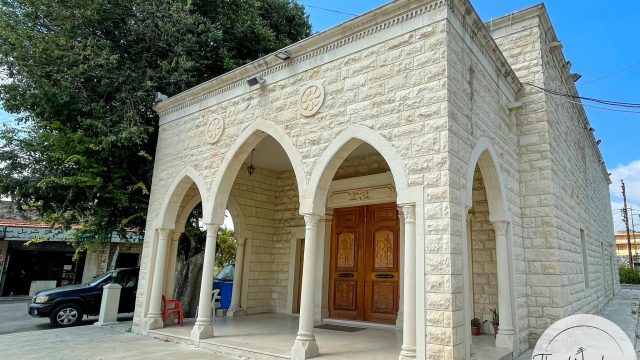
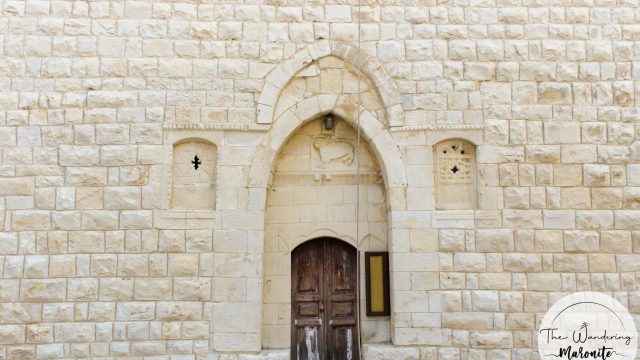
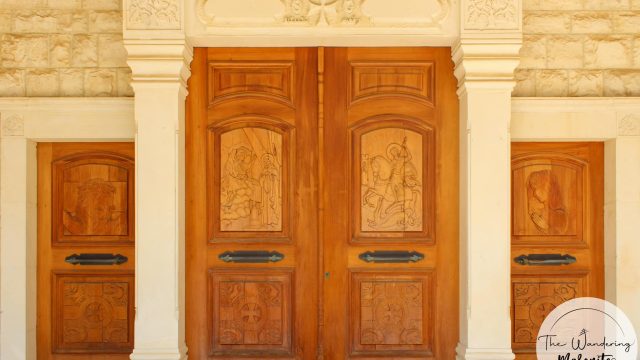
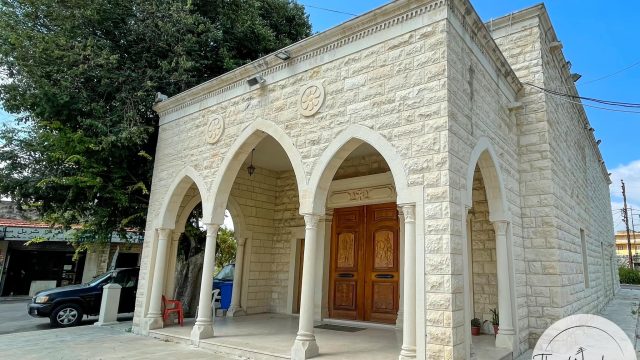
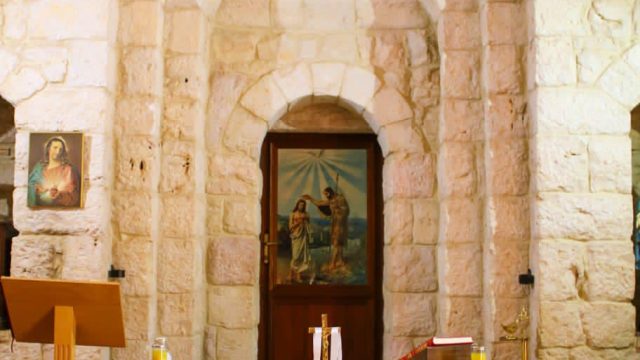
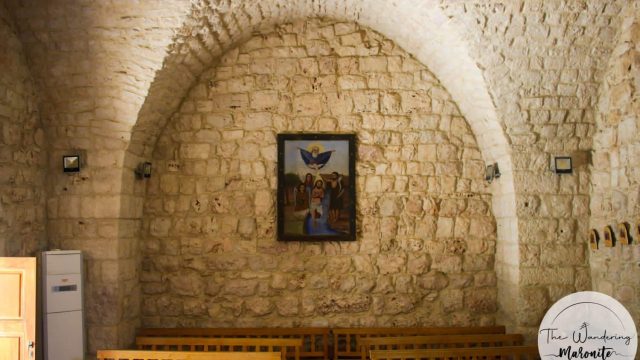
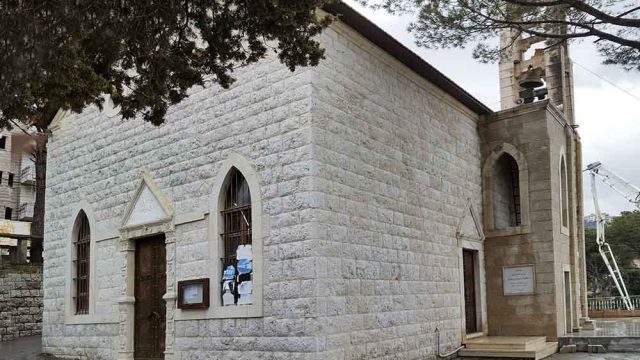
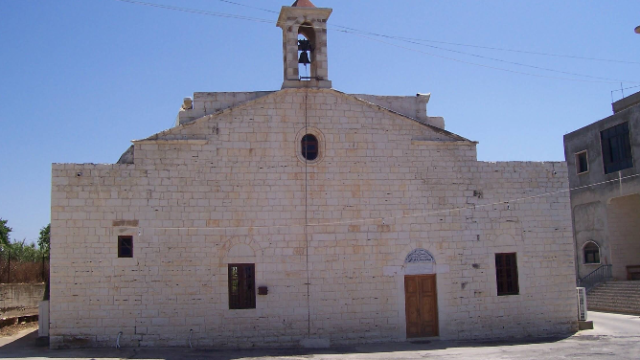
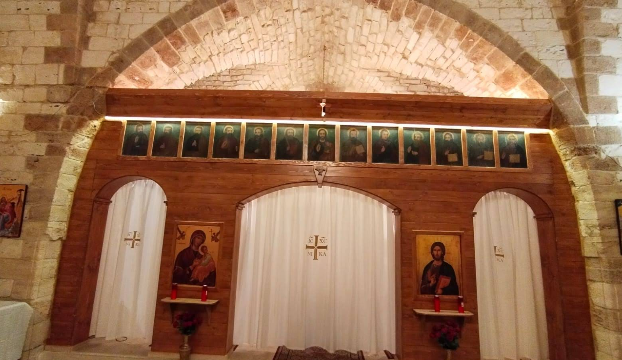
كاتدرائيّة مار اسطفان - البترونبُنيت كاتدرائية مار أسطفان على أنقاض كنيسةٍ أقدم عهدًا سنة ١٩١٠، يوم كانت المدينة في أوجّ نموّها. تتميّز الكاتدرائيّة أنّها تجمع الطراز النيوكلاسيكيّ والنيوبيزطيّ. مبنيّة على نمطٍ بازيليكيّ بثلاث أسواقٍ تنتهي بثلاث حنايا وفيها ثلاث مذابح. تحوي الكنيسة كرسيّ الأسقف، لوحة غربيّة الصنع لمار أسطفان، بيما للوعظ، وجرن للعماد ذات قبّة. واجهتها الغربيّة تطلّ على المرفأ وتتميّز بقبابها التي يتوسطها تمثال مار اسطفان.St Stephen’s cathedral - BatrounThe cathedral was built over an older church in 1910, during the city’s economical peak. The chuch combines neoclassical and neo Byzantine styles, according to a basilical plan with three naves and three semi circular apses with altars. The cathedral holds the episcopal chair, a western painting of St Stephen, a pulpit, and a western style domed baptisimal font. The western facade of the church overlooks the city’s port, with two domes ans St Stephen’s statue between them.
Visited 3505 times, 9 Visits today

Reviews are disabled, but trackbacks and pingbacks are open.

Related Listings

Ghazir – The Maronite Patriarchal Seminary

Maronite Patriarchal Seminary - Ghazir, Ghazir, Lebanon

الإكليريكيّة البطريركيّة المارونيّة

Ghazir

Keserwan

Mount Lebanon

الإكليريكيّة البطريركيّة المارونيّة - غزير

بنى أمراء آل شهاب قصرًا لهم في غزير مع بداية القرن التاسع عشر ما لبث أن باعه الأمير عبدالله شهاب للآباء اليسوعيّين سنة ١٨٤٣ لتأسيس مدرسة إكليريكيّة. سنة ١٨٨١ بنيت كنيسة مار يوسف الكبيرة. سنة ١٩١٤ طرد العثمانيّون الرهبان من الدّير، ليعودوا بعد الحرب ويؤسسوا ميتمًا في رحابه. سنة ١٩٣٤ أصبح الدّير إكليريكيّة بإدارة اليسوعيّين. اشترى الدّير أخيرًا البطريرك أنطونيوس خريش سنة ١٩٧٦، ليصبح شرعًا مبنى الإكليريكيّة البطريركيّة المارونيّة. عدّل بناء الدّير عدّة مرّات وأضيف عليه عدّة مبانٍ على مراحل. يحوي العديد من الأجنحة ويحوي إضافةً لكنيسته الكبرى اربعة كنائس: مار مارون شفيع الإكليريكيّة، البشارة، مار شربل، والقدّيسة رفقا التي خدمت في الدّير ردحًا من الزمن.

The Maronite Patriarchal Seminary - Ghazir

In the early XIXth century the Chehaby princes of Ghazir built a palace that prince Abdallah Chehab sold to the Jesuits in 1843, to build a seminary. In 1881 the grand church was built and dedicated to St Joseph. In 1914 the Ottomans occupied the seminary, it was reopened at the end of the war as a foster home. In 1934 the Jesuits reopened the seminary. In 1976 Patriarch Khoreiche bought the building from the Jesuits to house the Maronite Patriarchal Seminary. The building was renovated and repurposed many times. It holds many wings, the church of St Joseph, and four other chapels: St Maroun the patron of the seminary, St Charbel, The Annunciation, St Rafqa who served as a nun in Ghazir during her lifetime.

Hermel – The monastery of St Maroun on the Orontes

Hermel, Lebanon

دير مار مارون على نهر العاصي

Hermel

Hermel

Baalbek-Hermel

The monastery of St Maroun on the Orontes - Hermel

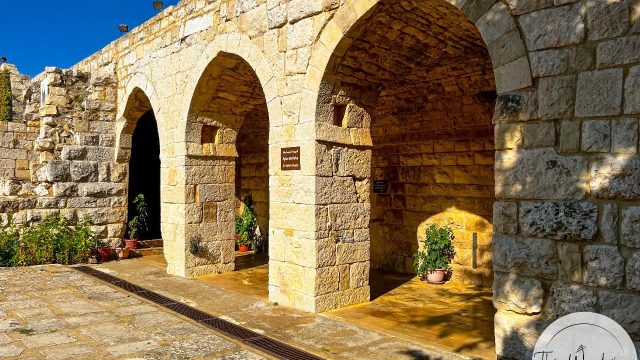
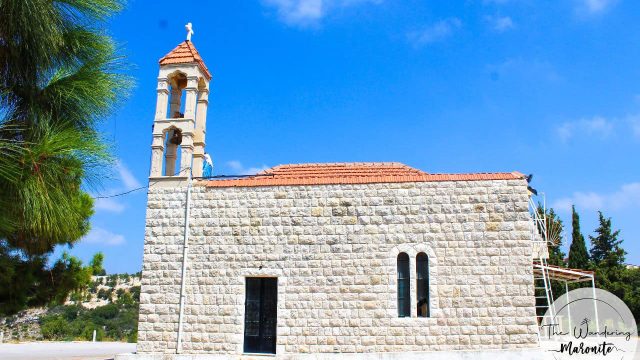
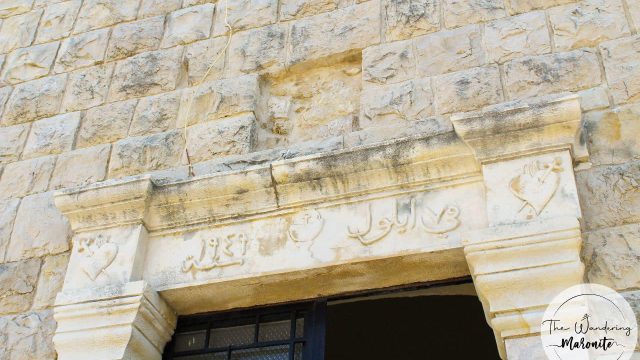
The monastery was originally a natural cave consisting of three sections, it was expanded by Roman builders working in nearby stone quarries. It is situated above Ain El Zarqa, one of the sources of the Orontes River, and connected to the river via a corridor carved into the mountainside. This was used to fetch water and provide a hiding place during enemy attacks. In the VIth century, Maronite monks sought refuge in the cave after facing persecution in northern Syria, where their monastery was destroyed and its contents dispersed. The monks expanded the cave and carved an altar, turning the cave into a new monastery. This marked the beginning of the Maronite migration to the mountains of Lebanon along the Orontes River. Over time, the monastery was neglected and became an abandoned farm. In 2011, it was visited by Patriarch Bechara Boutros Al-Rahi and has since been restored in 2018, returning to the Maronite Church. The monastery serves as a testament to the spread and perseverance of the Maronite Church in the Levant.
Hassroun – The church of St Laby the Apostle

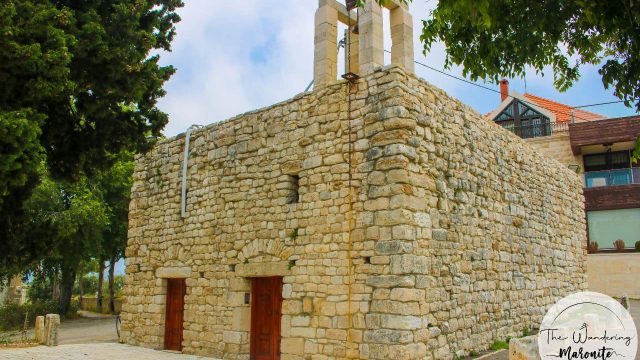
St. Jude Church, Hasroun, Lebanon

كنيسة مار لابي الرسول

Hasroun

Bcharre

North

كنيسة مار لابي الرسول - حصرون

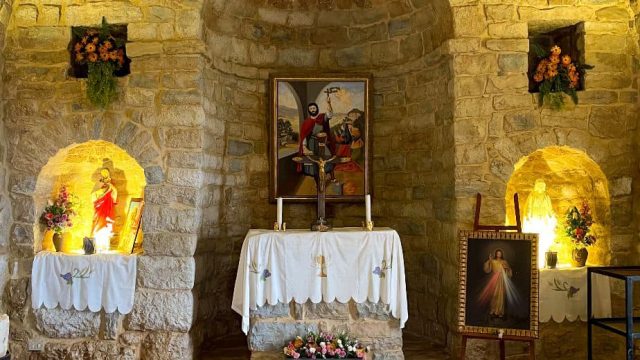
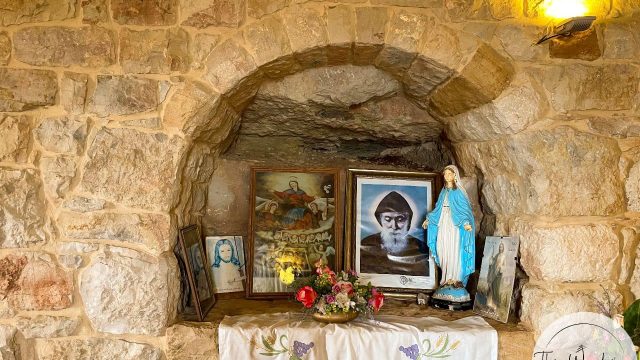
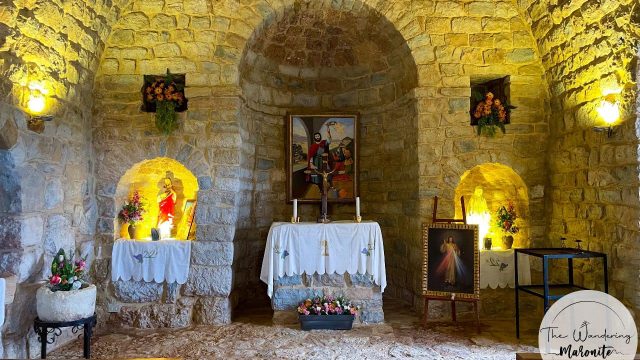
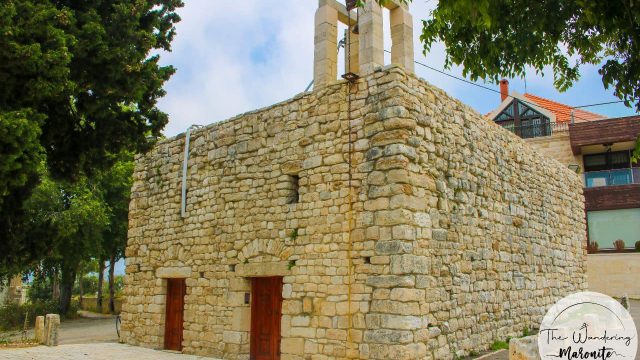
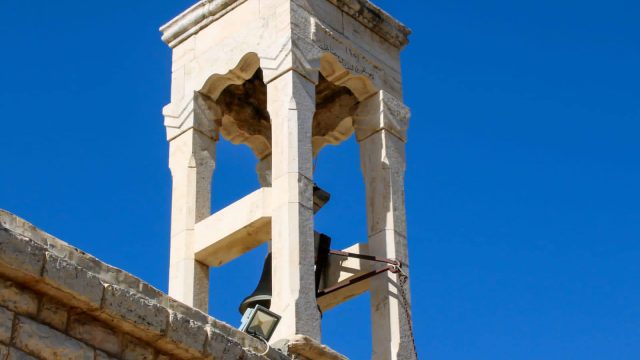
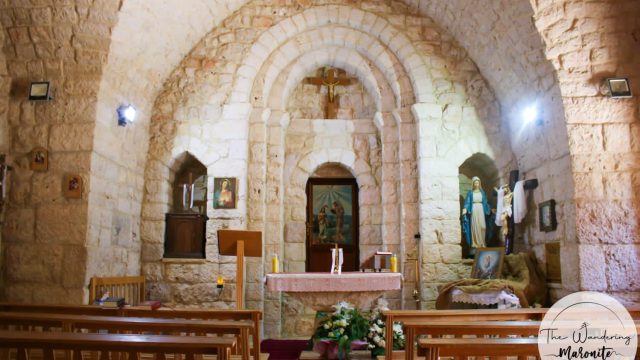
بحسب أحد التقاليد بنى الملك حصرائيم (الذي منه اسم بلدة حصرون) قصرًا وهيكلًا في هذا الموضع تحوّل في الجيل الرابع إلى كنيسةٍ على اسم مار لابي وهو اللقب السريانيّ ليهوذا الرسول. بني القسم الشرقيّ من الكنيسة في القرن الثالث عشر، وأضيف سنة ١٧٧٠ القسم الغربيّ. أخذت الكنيسة شكلها مع الصليبيّين، وهي عقد سريريّ منخفض بحنية واحدة. تضمّ الكنيسة مجموعةً من اللوحات التي تعود للقرن الثامن عشر وهي مزيج بين الأيقونة المشرقيّة وفنّ عصر النهضة.

The church of St Laby the Apostle - Hassroun

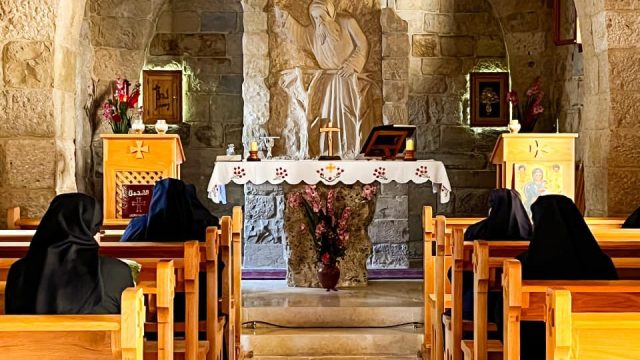
According to a folk tale, king Hassraym (from whom derived the name Hassroun) built a palace and a temple that was converted in the IVth century into a church dedicated to the apostle Laby (the syriac title given to Thaddeus or Jude). The eastern aisle was built in the XIIIth century. In 1770 the western aisle was built. During the crusaders era the church took its form, a single nave crib vaulted structure beneath the road. The church holds many XVIIth century paintings that are a representation of the local iconography being influenced by the art of the renaissance.