
Batroun – The Church of Our Lady of the Saha

Our Lady of the Yard Church - كنيسة سيدة الساحة, Lebanon

Other Details

كنيسة سيّدة الساحة

Batroun

Batroun

North

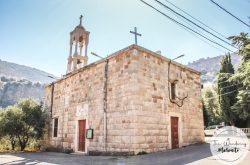
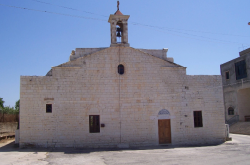
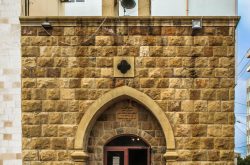
كنيسة سيّدة الساحة - البترونشيّدت الكنيسة على أنقاض كنيسةٍ قديمةٍ نهاية القرن التاسع عشر. سعى في إتمامها آل عقل نظرًا لقرب دارتهم من الكنيسة، وكان ذلك لإستقبال البطريرك الياس الحويّك ابن حلتا البترونيّة ليقيم القدّاس فيها أثناء زياراته للمدينة. رممّت على مراحل خلال القرن العشرين.The Church of Our Lady of the Saha - BatrounThe church is located in a town square hence its name "Al Saha". It was built in the late XIXth century over an older church. The sponsors of the construction project were the Akl family since their estate was nearby and they needed a chapel for Patriarch Elias El Howayek from Helta to say mass during his visits to the city. The church was renovated many times during the XXth centur

Visited 3605 times, 4 Visits today

Reviews are disabled, but trackbacks and pingbacks are open.

Related Listings

Ajaltoun – The church of St Zakhia (St Nicolas)

Saint Zakhia's Cathedral, Ajaltoun, Lebanon

كنيسة مار زخيا القديمة

Aajaltoun

Keserwan

Mount Lebanon

كنيسة مار زخيا القديمة - عجلتون

بُنيت الكنيسة الأولى سنة ١٦٧٢، وكرّسها البطريرك إسطفان الدويهيّ. سنة ١٨٢٨ كانت الكنيسة أصبحت ضيّقة، فأُخذت جحارتها، بالإضافة إلى حجارة كنيسةٍ قديمةٍ مهجورةٍ على اسم مار عبدا، كانت تخصّ آل الشمالي قبل نزوحهم إلى بلدة سهيلة. كان البناء بسعي الخوري نقولا صفير. الكنيسة كناية عن عقدٍ مُصالب ينتهي بحنية. تضمّ أربعة مذابح: مار زخيا، السيّدة، القلب الأقدس، مار يوسف. الكنيسة تحافظ على طابعها الأصليّ بنقوشها وزخرفتها الملوّنة والأشكال الهندسيّة على الجدران والأسقف.

The church of St Zakhia (St Nicolas) - Ajaltoun

The first church was built in 1672, and dedicated by Patriarch Estefan el Douwaihy. In 1828 the church became too small for the increasing number of villagers. With the help of Fr Nkoula Sfeir, two old churches were dismantled: the old St Zakhia and an old ruined chapel dedicated to St Abda that belonged to the Chemaly family that moved to Shaileh. The stones were used to build the new church. The structure is a crossed vault, with four altars: St Zakhia, the Madonna, the Sacred Heart, and St Joseph. The church still conserves its original decorum with colored floral motifs and arabesques.

Hasbaya – The church of St George

Hasbaiyya, Lebanon

كنيسة مار جرجس

Hasbaiya

Hasbaya

Nabatieh

كنيسة مار جرجس - حاصبيّا

بُنبيت الكنيسة الأولى أوائل القرن التاسع عشر، وأُعيد بناء الحاليّة سنة ١٩١٠. الكنيسة كناية عن عقدٍ مُصالبٍ ينتهي بحنية نصف دائريّة. مذبح الكنيسة من الحجر الأصفر مبنيّ سنة ١٩١٢. بعد الحرب الأهليّة اللبنانيّة نزح القسم الأكبر من مسيحيّي البلدة فأصبحت الكنيسة شبه مهجورة. زارها غبطة البطريرك مار بشارة بطرس الراعي صيف سنة ٢٠١١.

The church of St George - Hasbaya

The first church was built in the early XIXth century, and rebuilt in 1910. The structure consists of a crossed vault ending with a semi circular apse. The altar is made of a local yellow limestone in 1912. After the civil war the town’s maronite population left in great numbers and the church became partially abandoned. The Patriarch Bechara el Rai visited the church in the summer of 2011.

Jbeil – Saint John Marcus

Monastery of Saint John Marcus Jbeil Lebanese Maronite Order, Byblos, Lebanon

مار يوحنا مرقس - جبيل

1115

Jbayl

Jbeil

Mount Lebanon

A beautiful Romanesque church, Eglise Saint Jean Marc is the cathedral church of Jbail-Byblos. The Church is dedicated to Saint Jean Mark, the patron saint of the town, who is said to have founded the first Christian community of Byblos. The church itself was built in 1115 A.D by the Crusaders, originally as the Cathedral of Saint John the Baptist. After their departure, earthquakes, invasions and other disasters have repeatedly damaged the structure, and for a few centuries it remained disused. In 1764, Emir Youssef Chehab, of the Druze dynasty that ruled a semi- autonomous Lebanon under the Ottomans, donated the church to L’Ordre Libanais Maronite (Lebanese Maronite Order) which subsequently restored and reopened in 1776 after re-dedicating it to St Jean Marc. British bombardments of Lebanon in 1840 caused further damage, but the church was restored yet again. Eglise Saint Jean Marc continues to serve the Maronite Christian community. One interesting feature in the church is its open- air domed baptistery on the northern side which dates from the original construction in 1115 A.D, The church is situated on Rue de Port, between the port and the archaeological area.