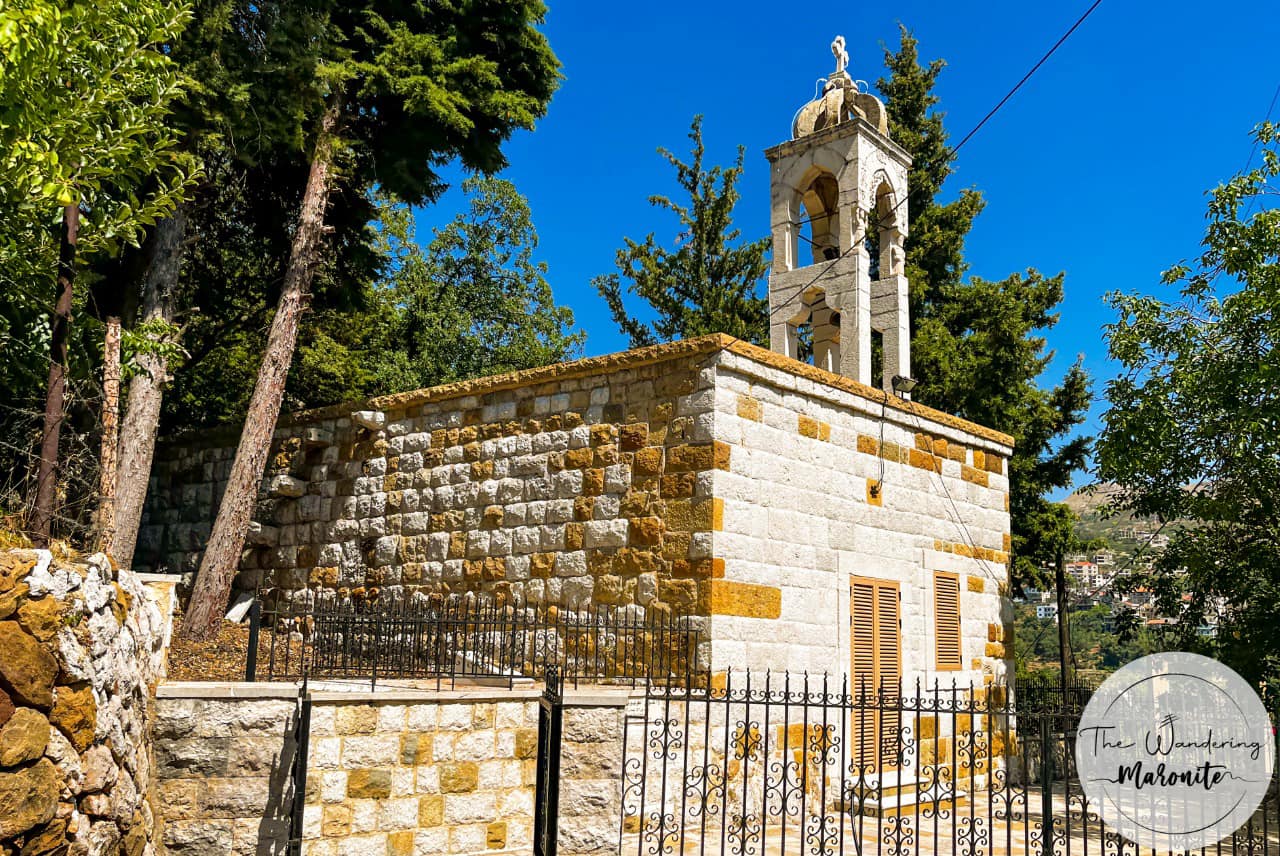
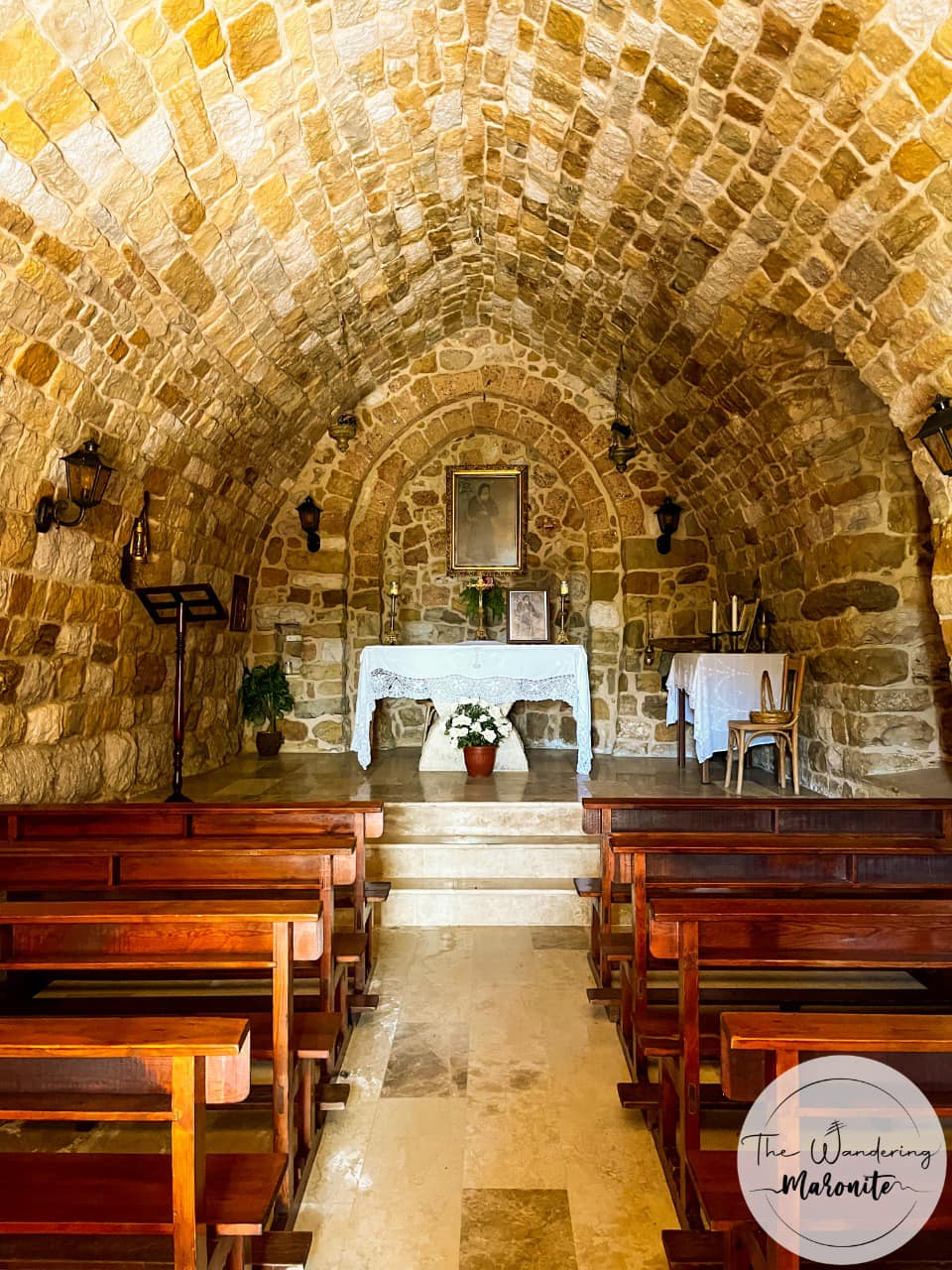
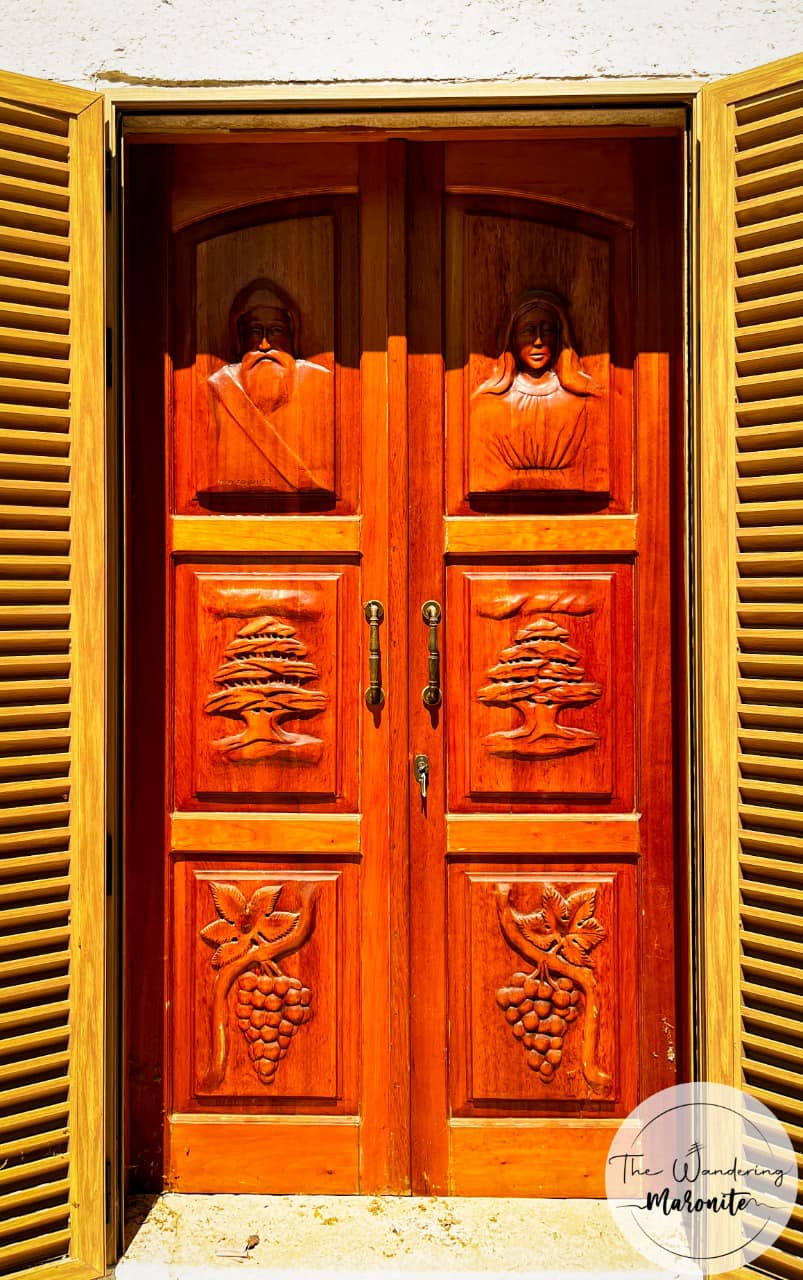
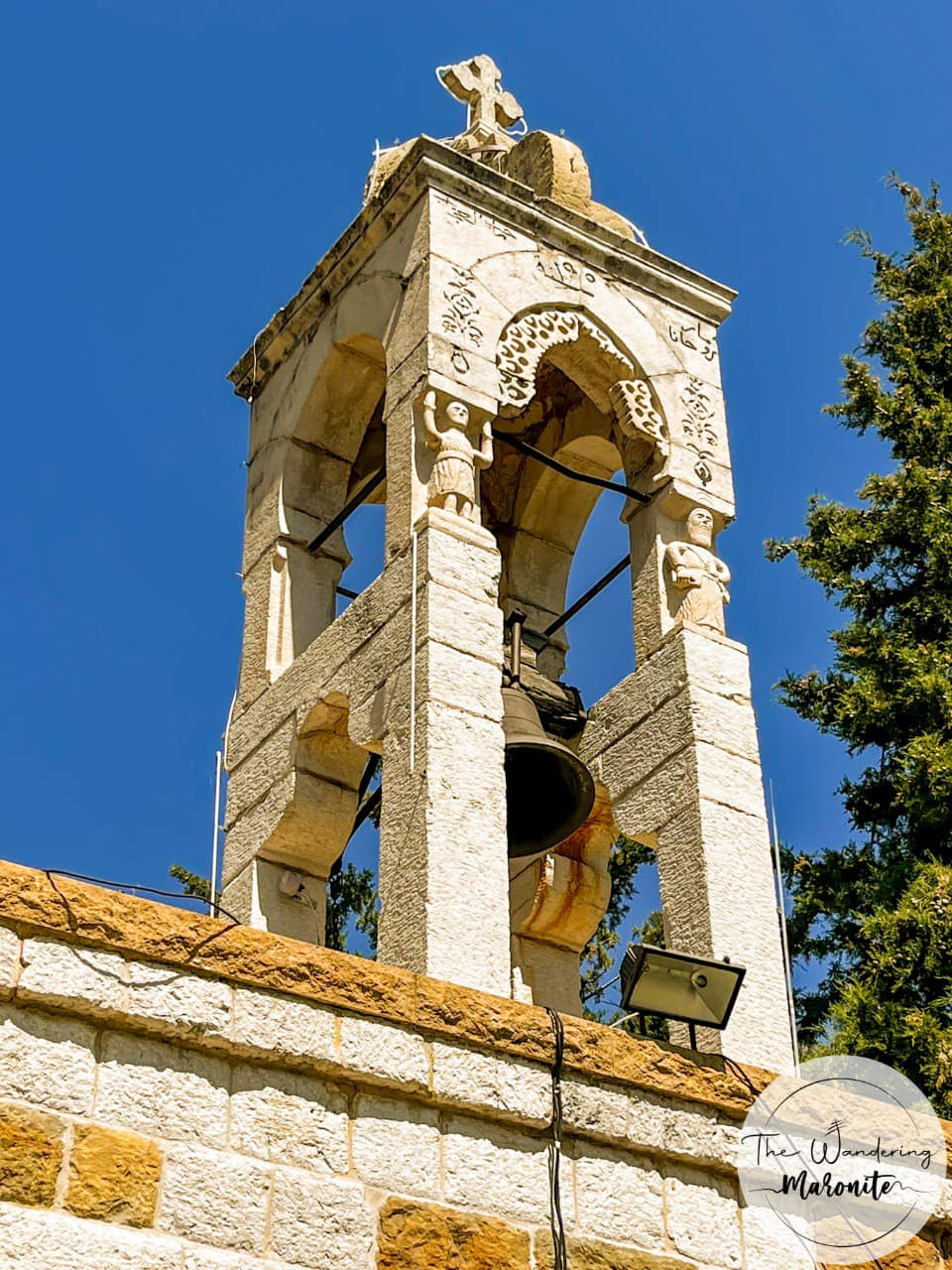
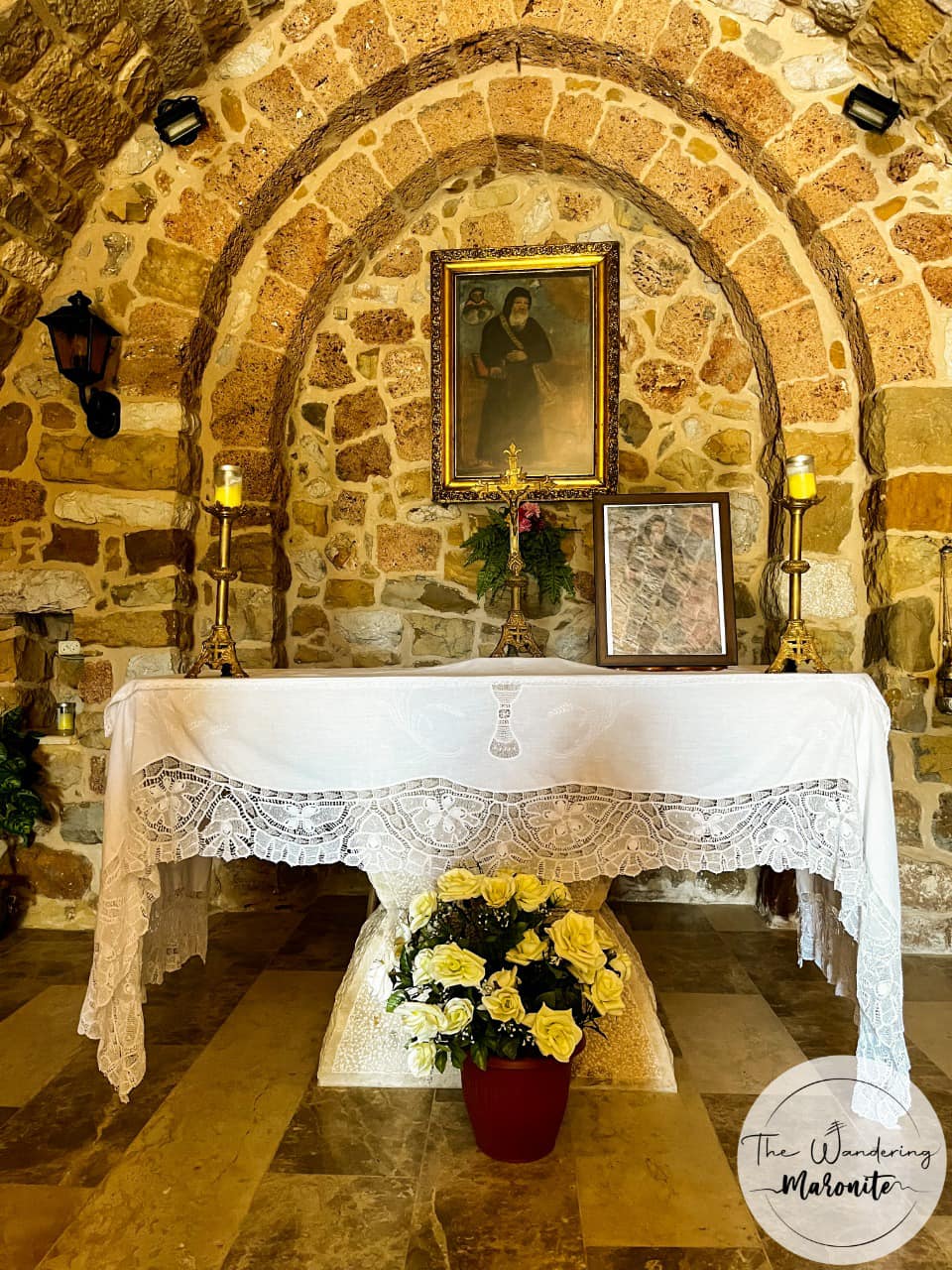
كنيسة مار روحانا - عينطورينالكنيسة قديمة العهد، بناء صغير بعقدٍ سريريّ ينتهي بحنية. زيد عليها القبّة سنة ١٩٥٠. تضمّ الكنيسة أيقونةً محليّة قديمة لمار روحانا بزيّ الشمّاس. رُمّمت الكنيسة أواخر القرن العشرين.The church of St Rouhana - AintourineThe church is an old structure consisting of a single nave crib vault ending with an apse. The bell tower was added in 1950. The church holds a rare local old icon of the saint. The building was restored in the late XXth century.
دير مار عبدا - دير القمر
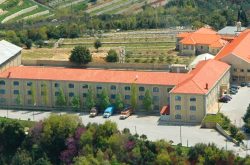
سنة ١٨٤٩، تأسّس الدير على يد الأب نعمة الله البكفاوي والأب بطرس الغزيريّ، بهدف خدمة النفوس في منطقة دير القمر. سنة ١٨٩٥، على عهد الأب العام سابا دريان، اتمّ الاب المدبّر افرام حنين الديراني بناء الدير، وأنشأ مدرسة لأبناء الرهبانية. سنة ١٩٦٣، تمّ بناء مدرسة مار عبدا. سنة ٢٠٠١، تمّ إفتتاح فرع لجامعة سيّدة اللويزة في الدير مكان الثانويّة الرسميّة وفرع للجامعة اللبنانية. سنة ٢٠٠٥، تم ترميم الدير وإصلاح غرفه والصالون والاقبية ليستقبل الرهبان والحركات الرسولية. يتميّز الدير بهندسته الفريدة وهي مزيج من فنّ العمارة اللبنانيّة والحلبيّة.
The monastery of St. Abda - Deir el Qamar
The monastery was built in 1849, to provide pastoral and spiritual assistance in Deir el Qamar. In 1895 during the mandate of Abbot Saba Derian the monastery was completed and a monastic school was erected. In 1963 the school was renewed and opened to the public. In 2001 a branch of NDU and of the Lebanese University were opened next to the monastery. In 2005 the monastery was renewed. The building is a great late 19th century witness to Lebanese architecture with elements of Aleppo’s art and arabesque.
كاتدرائيّة سيّدة البحار - صور في القرن الثامن عشر بنيت الكنيسة المارونيّة الأولى في مدينة صور. سنة ١٧٨٢ أذن النائب البطريركيّ ميخائيل الخازن بإنشاء أنطوش للرهبانيّة البلديّة. سنة ١٨١٠ جدّد المطران يوحنّا الحلو (البطريرك لاحقًا) تكريس الأنطوش وأسّس رعيّة مارونيّة في المدينة. سنة ١٨١٥ نزح قسم من موارنة عيتا الشعب إلى صور حاملين معهم صورة العذراء العجائبيّة. سنة ١٨٧٠ وُسّعت الكنيسة وأخذت شكلها الحاليّ. سنة ١٩٠٦ أقام قداسة البابا بيوس العاشر أبرشيّة صور وجُعلت كنيسة سيّدة البحار كاتدرائيّةً للأبرشيّة. رمّمت الكاتدرائيّة أواخر القرن العشرين. تضمّ الكاتدرائيّة مجموعةً من الأيقونات التي تمثل الأحداث الكتابيّة في مدينة صور، أمّا الكابيلا السفليّة فتضمّ أيقونات وذخائر شهداء المدينة القدّيسين.
Our Lady of the seas cathedral - Tyre During the XVIth century the first Maronite church was built in Tyr. In 1782 Mgr Michael El Khazen commissioned the construction of a presbytery for the Lebanese Maronite order. In 1810 Mgr Youhanna el Helou (later Patriarch) canonically established a maronite parish. In 1815 many maronites moved from Aita El Shaab to the city bringing with them the miraculous icon of the Madonna. In 1906 the archbishopric of Tyr was established by Pope Pius X making this church the cathedral. The cathedral was restored in the later half of the XXth century. The church holds many icons depicting the biblical episodes that happened in the city. The crypt under the church holds the icons and the relics of the city’s martyrs.
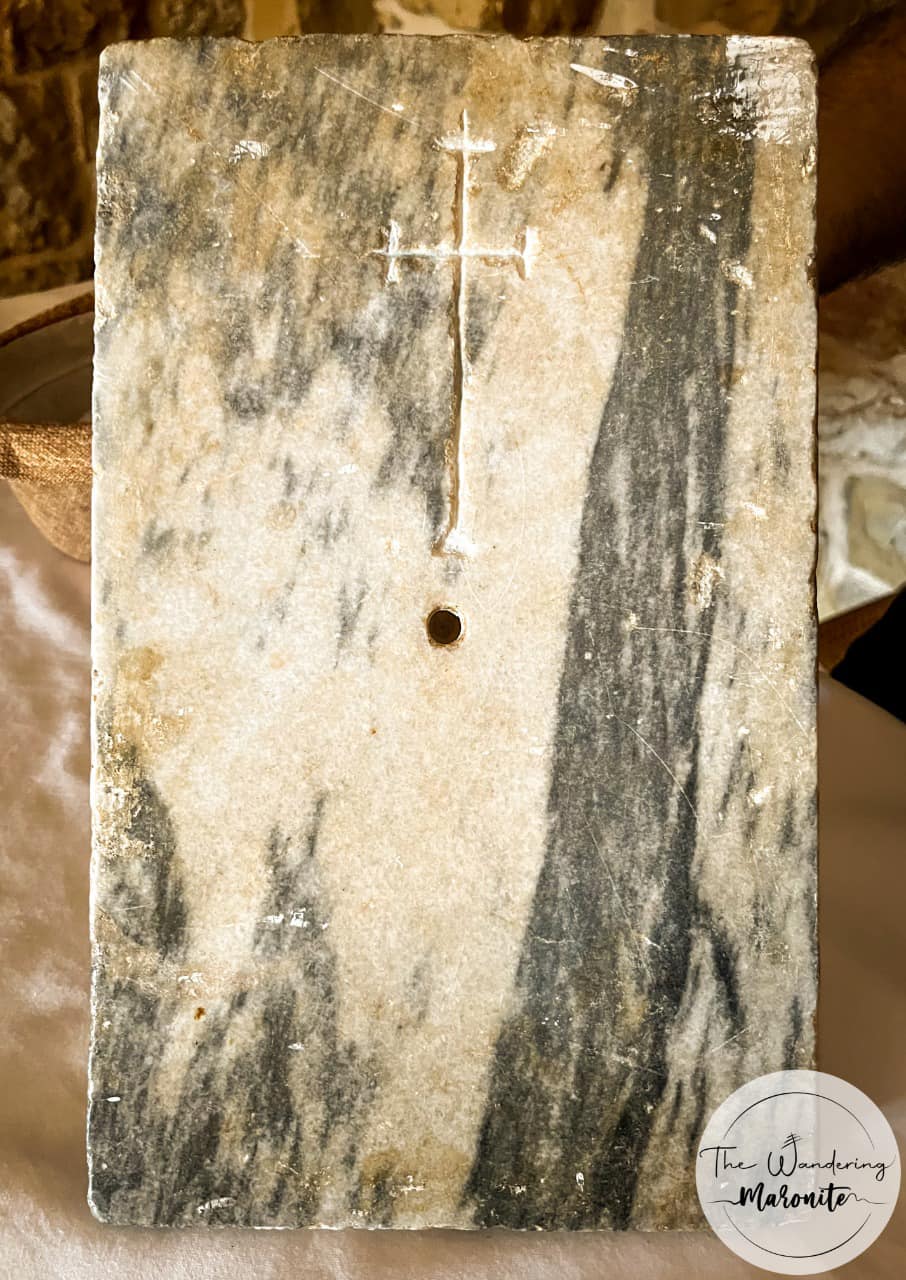
دير سيدة الحقلة - دلبتا يعود تأسيس دير سيدة الحقلة في دلبتا – لبنان إلى القرن السادس عشر على يد الخوري يوسف قصاف. عام 1755 شيدت الكنيسة الكبيرة وحفر على عتبة بابها الصليب البطريركي الماروني. راهبات سيدة الحقلة أو الراهبات الحبيسات المسؤولات عن الدير يقضين نهارهنّ في الصلاة، العمل اليدوي والزراعي. هذا الدير الذي كان يجمع الراهبات والرهبان، قصد إحدى رهبانه من حوالي ٤٠٠ سنة تقريباً النمسا بهدف البحث عن جرس جديد حيث كُسر جرس الكنيسة الأساسي على يد الراهب نفسه. وفي التفاصيل، أن ابنة الملك كانت مريضة وسمع هذا الراهب بهذا الأمر فتوجه الى البلاط الملكي وصلّى على الفتاة فشيت في الحال. فقال له الملك، ماذا تريد وكيف اردّ لك الجميل، فقال الراهب، اريد جرساً جديداً أصطحبه معي الى جبل لبنان. فأهداه الملك جرسًا وبيت قربان وكأس قربان ومذبحًا وغيرها من الأمور التي جاء بها الى الدير. ومنذ ذلك التاريخ وهذه التّحف موجودة في الدير حتى يومنا هذا.
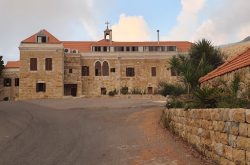
The monastery of our Lady of the fields - Dlebta The monastery was built by the priest Joseph Asaf during the sixteenth century. The main church was built in 1755 and a patriarcal cross was engraved on it’s main door. The monastery is now occupied by a patriarcal contemplative order of nuns. When it was built, the monastery was mixed with two communities: monks and nuns. 400 years ago a monk broke the church’s bell when he was ringing it, so he went to Austria where he had an audience with the emperor and asked him for a bell to be taken to Mount Lebanon. After a healing miracle with an austrian princess, the emperor donated a bell, a great tabernacle, a high altar, and a chalice to the monastery. All of these baroque artifacts are still conserved in the monastery today.



Reviews are disabled, but trackbacks and pingbacks are open.