
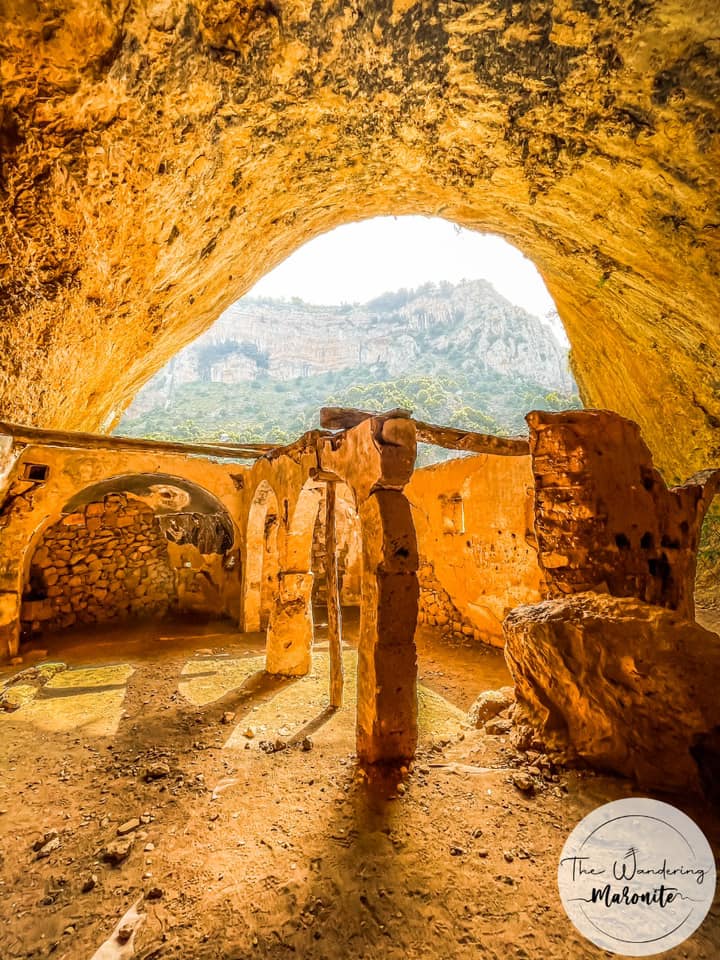
The valley of Houlat Hadsheet – The Monastery of the Holy Cross and the hermitages of Sts Beskwan and Silwan

دير مار سلوان, Hadchit, Lebanon

Other Details

دير الصليب ومحابس مار بسكوان ومار سلوان

Hadchit

Bcharre

North

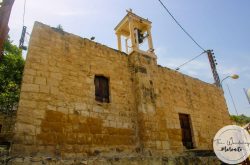
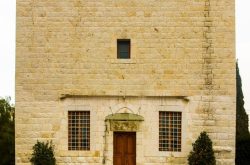
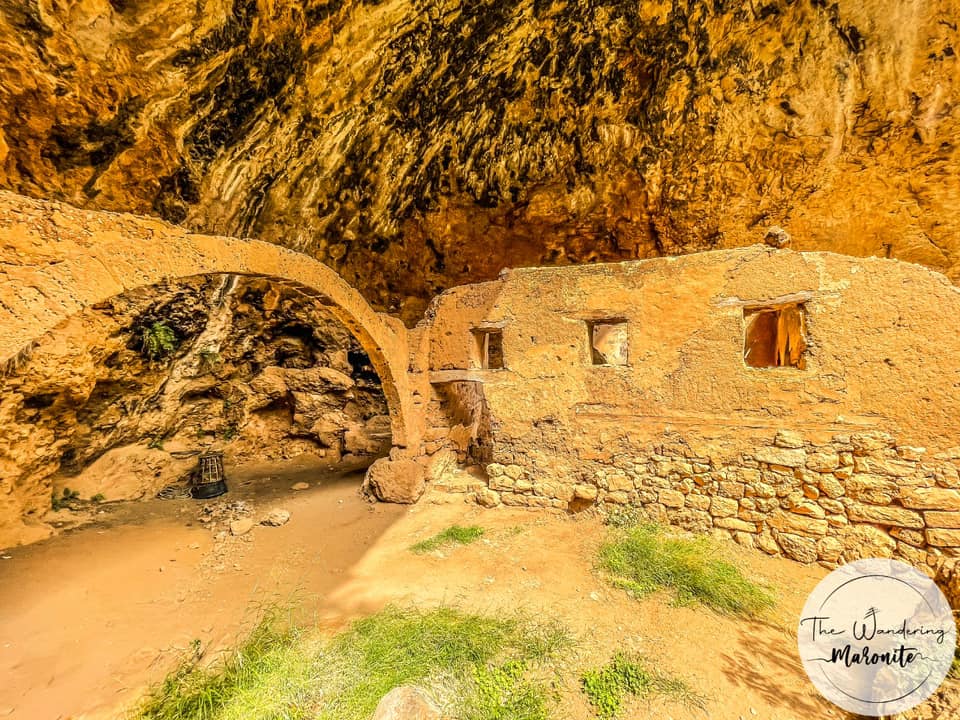
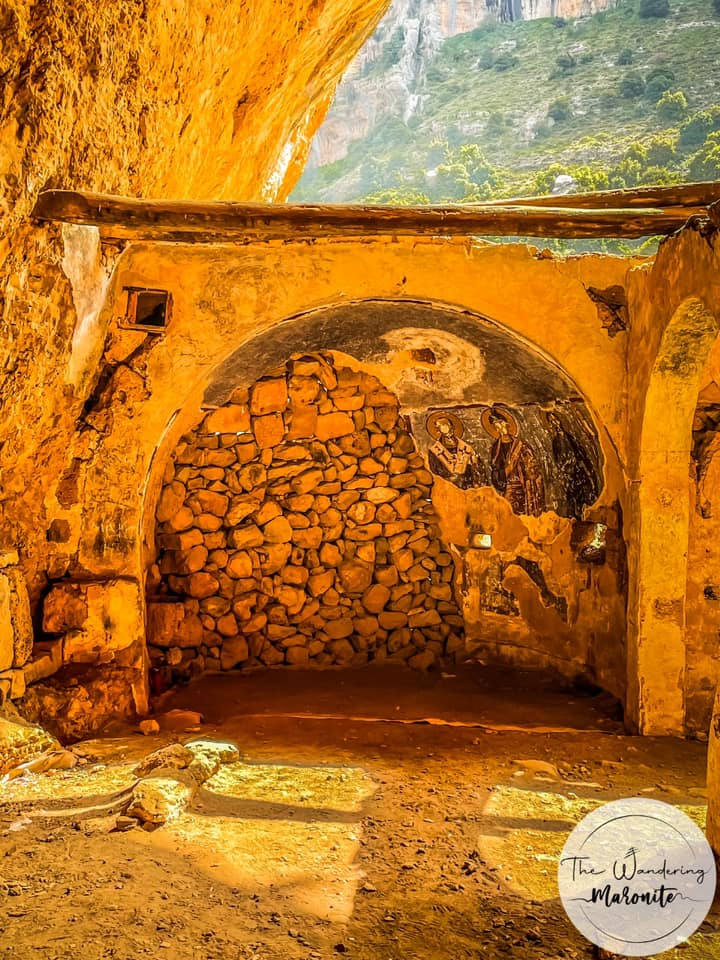
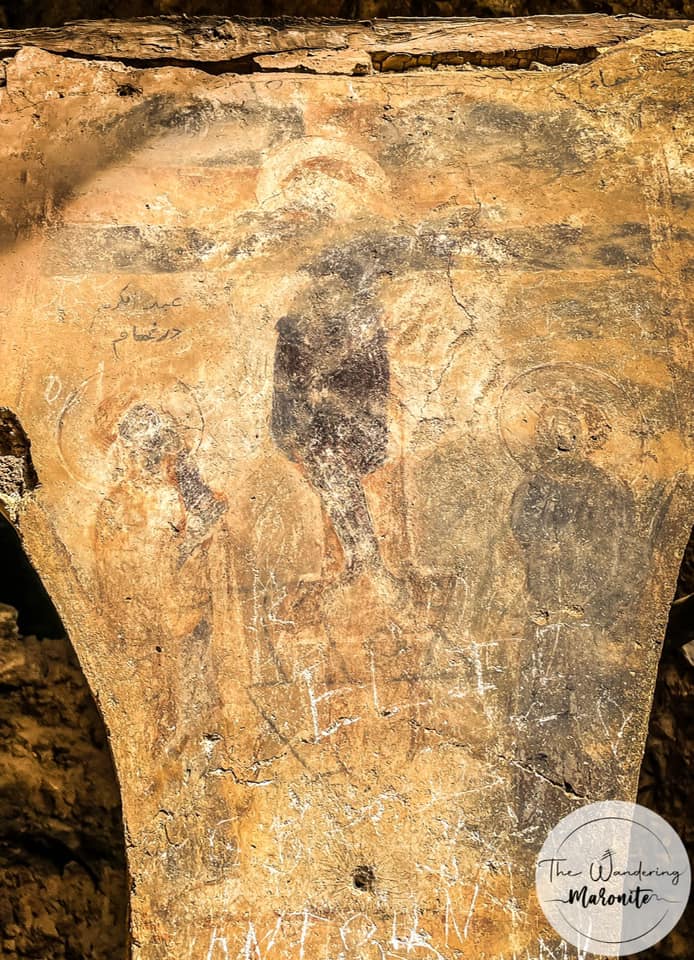
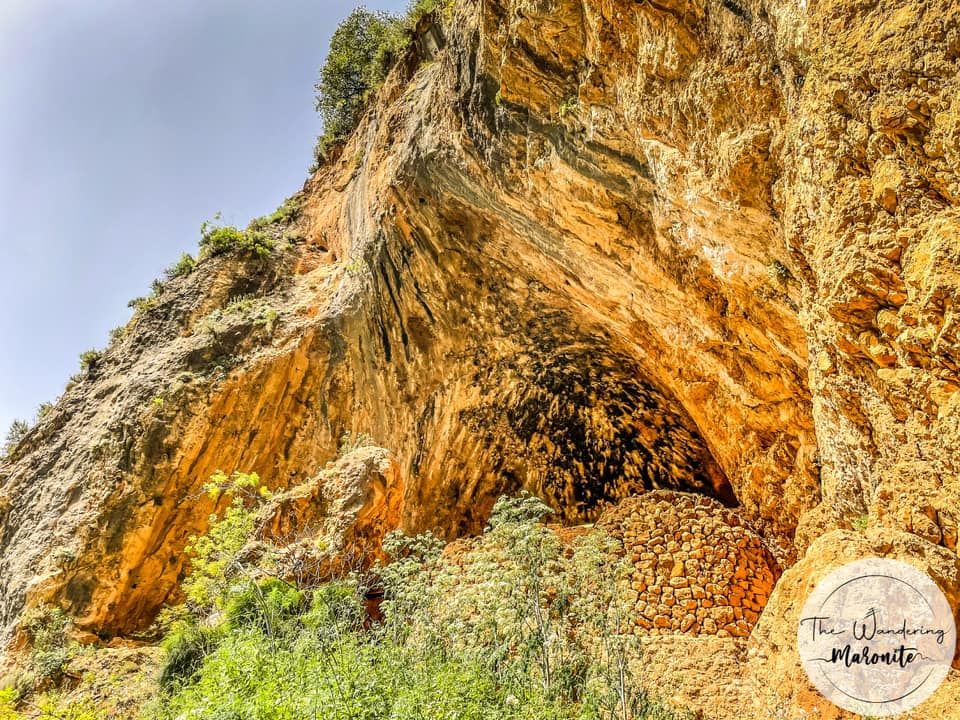
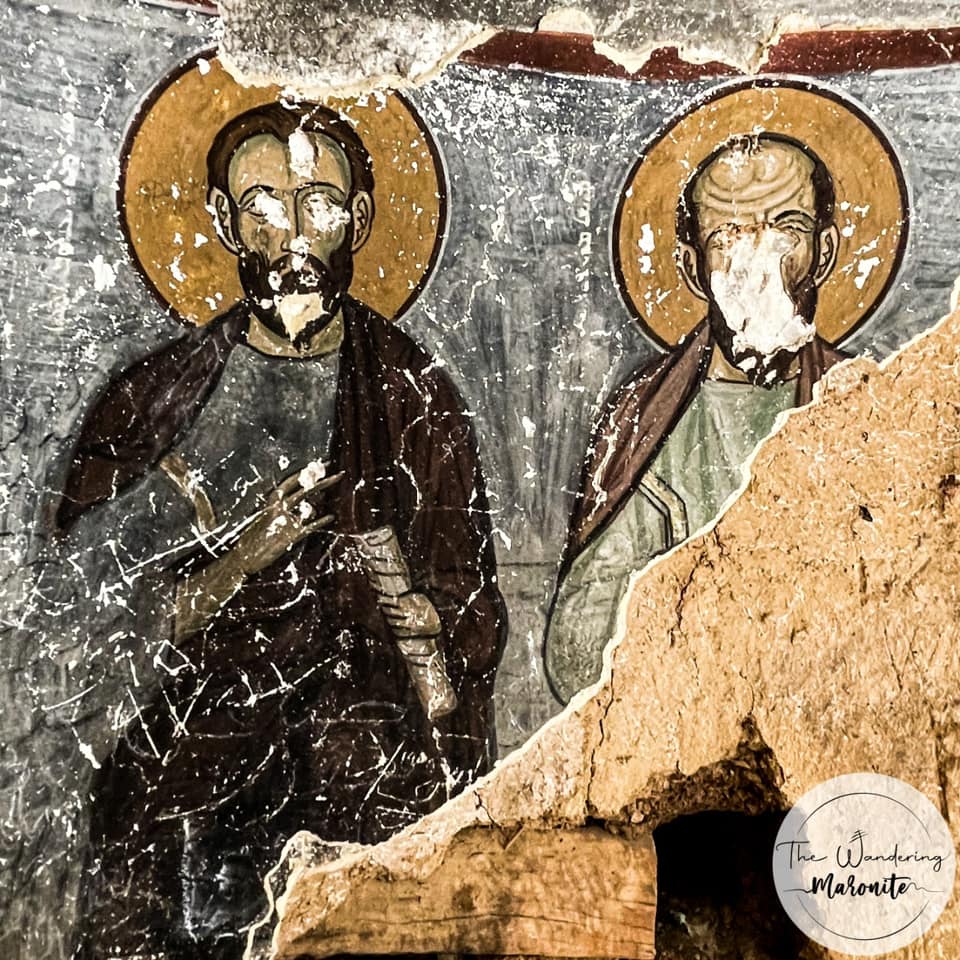
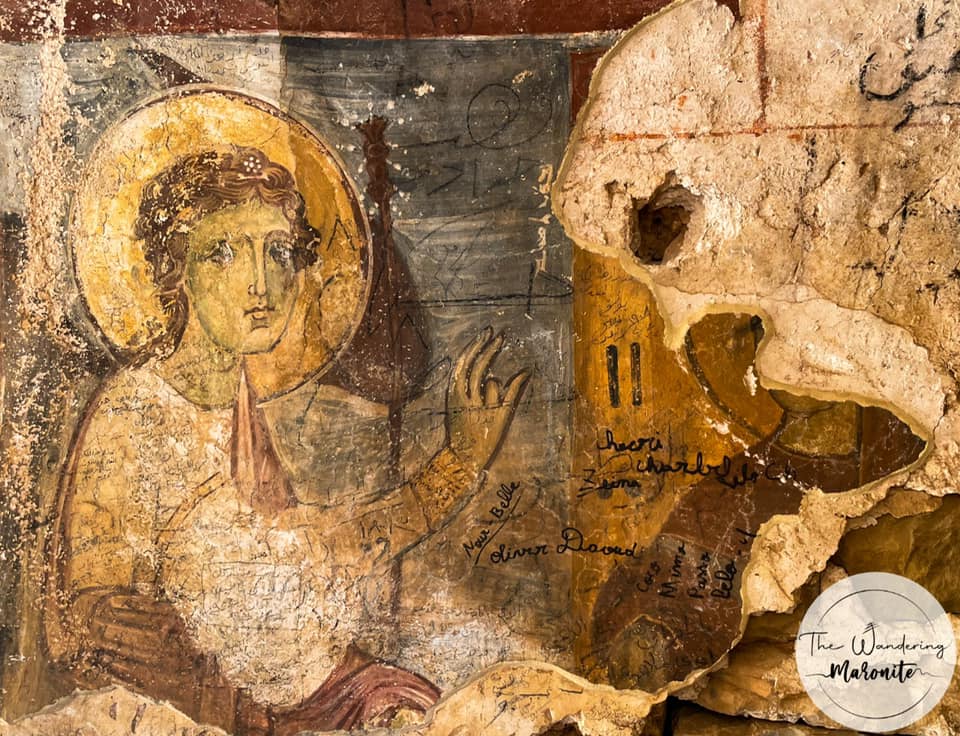
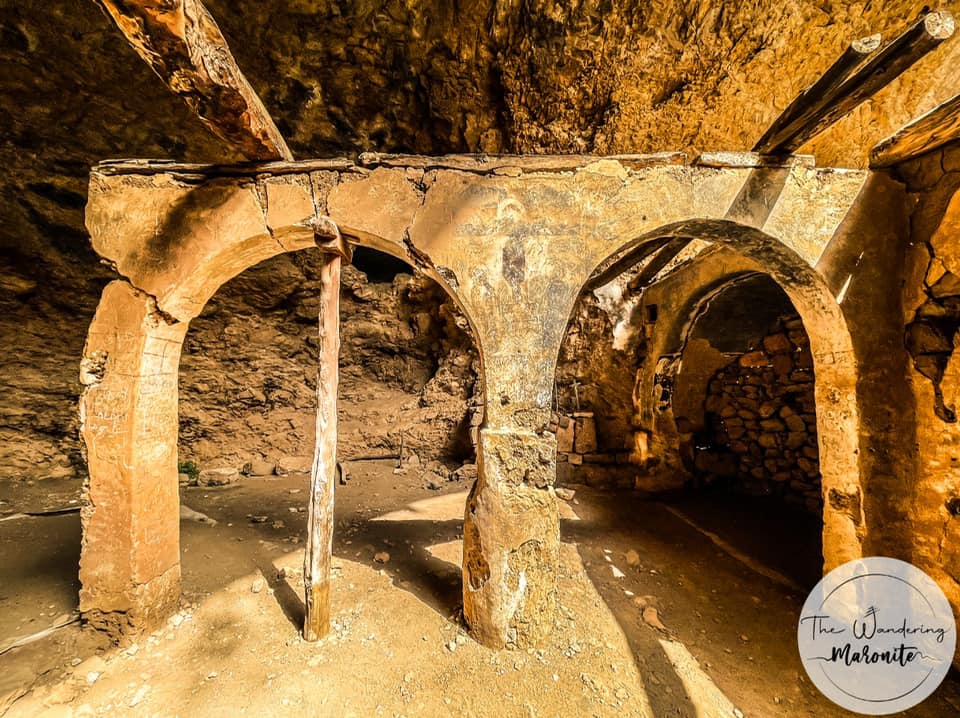
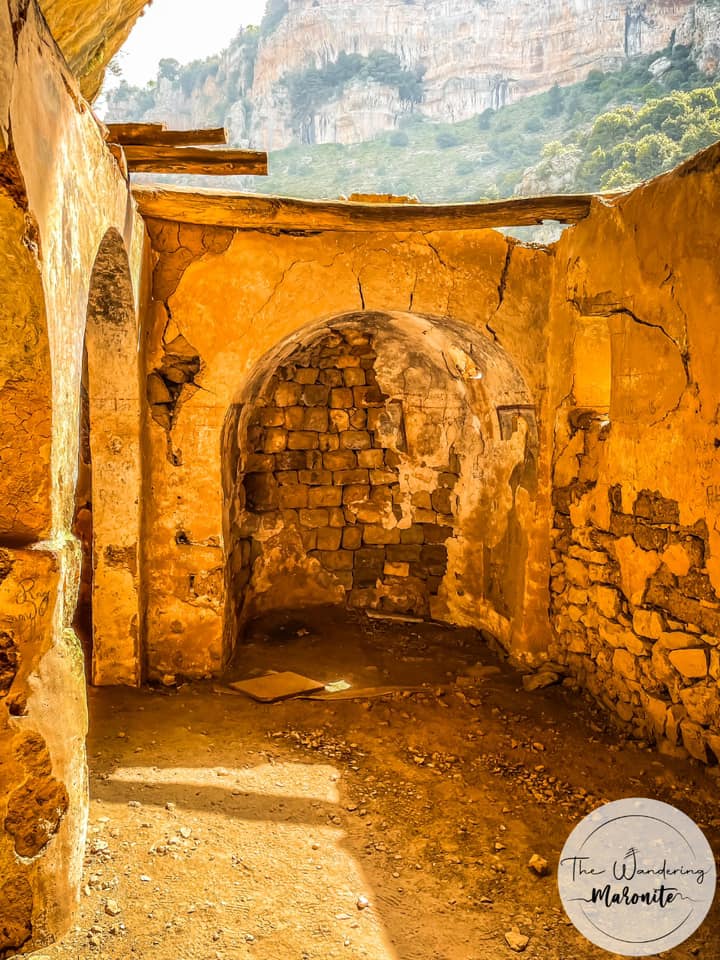
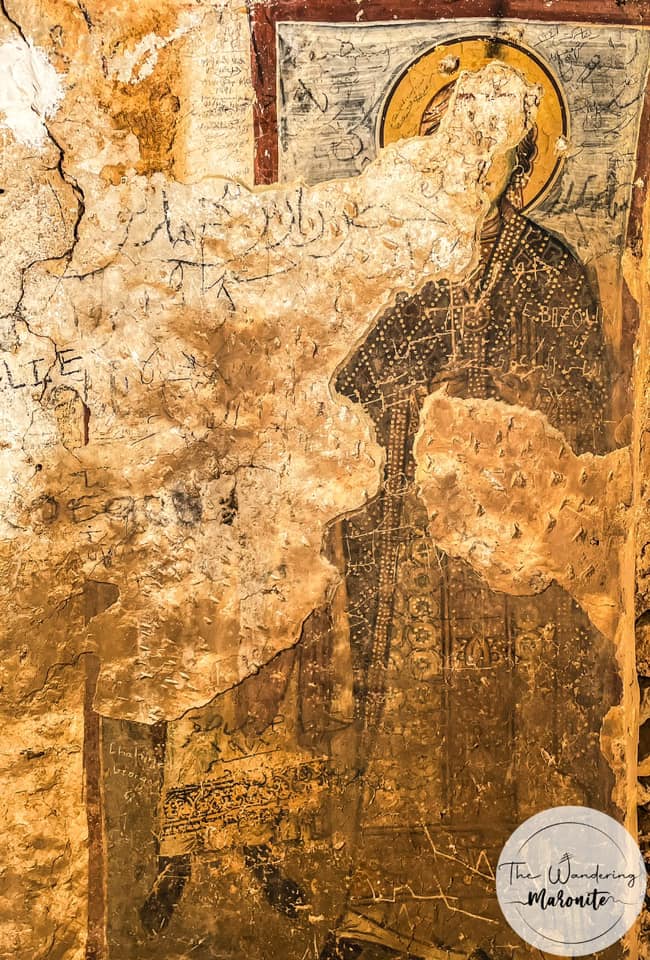
دير الصليب ومحابس مار بسكوان ومار سلوان - وادي حولات حدشيتدير الصليب يعود للقرون الوسطى، هو دير عاصٍ فيه كنيسة بخورسين. في الحنيتين جداريّات بيزنطيّة بكتابة سريانيّة تمثّل في إحداها الرسل والأخرى البشارة. على الجدار الشماليّ جداريّة الصلب وتشبه الى حدٍّ كبير منمنمة رابولا وتنتمي للمدرسة السريانيّة. وضع الجداريّات مذرٍ بفعل مرور الزمن والتخريب. في سفح الجبل قرب الدّير محبستين، الأولى لمار بسكوان وهو شفيع الإستعداد للموت عند أهالي حدشيت، والأخرى لمار سلوان.The Monastery of the Holy Cross and the hermitages of Sts Beskwan and Silwan - The valley of Houlat HadsheetThe monastery of the Holy Cross is a medieval monastery in the Holy Valley. The main church is a double apse structure decorated by byzantine frescoes with Syriac inscriptions depicting on one apse the apostles and on the other the Annunciation. On the northern wall there is a fresco of the crucifixion from the Syriac school of iconography, most probably a reproduction of Rabbula’s miniatures. The frescoes are in dire condition due to time and sabotage. In the cliff of the mountain near the monastery stand two hermitages: St Beskwan the patron of the preparation for death to the people of Hadsheet and St Silwan the athonite.

Visited 2744 times, 2 Visits today
Reviews are disabled, but trackbacks and pingbacks are open.

Related Listings

Kaftoun – Monastery of our Lady

Monastery of Our Lady of Kaftoun, Kaftoun, Lebanon

دير السيّدة - كفتون

1910

Kaftoun

Koura

North

عود تأسيس الدّير الى القرن السادس، كُتِب عنه في منشورات تعود الى القرن التاسع موجودة في مكتبة أوكسفورد. تمَّ بناؤه على عِدَّة مراحل أمّا ترميمه الأخير فيعود الى العام 1910. الوجهة الخلفية للدير ملاصقة لشيرٍ صخريٍّ ضخم، وكنيسته في قلب الشير.
كان الدير بدايةً ديرًا مارونيًّا سكنه المطران (البطريرك لاحقًا) إرميا الدملصاوي. بعد حملات المماليك تنسّك فيه الرهبان الأرثوذكس. كانت أوجّ الحياة الرهبانيّة فيه عام ١٩٠٤. وفي بداية السبعينات أضحى مهجوراً ونُهبت كافة الأيقونات والمخطوطات. تجدّدت الحياة الرهبانيّة في الدّير سنة ١٩٧٧. عام ١٩٩٧ أُعيدت إليه أيقونة سيّدة كفتون العجائبيّة. تكمن أهميّة هذه الأيقونة أنّها مرسومةٌ على الوجهتين: الأولى تعود الى القرن الحادي عشر وتُمثِّل العذراء مريم والسيّد المسيح، والثانية تعود الى القرن الثالث عشر وتُمثِّل معموديّة السيّد المسيح ومدوَّنٌ عليها باللغات الثلاث: السريانيّة والعربيّة واليونانيّة، شهادةً عريقةً للطقس السريانيّ الملكيّ. يضُمّ الدير آثارًا تاريخيّةً قديمة كأجران منحوتة بالصخر وآبار ومطحنة ومعصرة قديمة تعود للقرن السادس.

The monastery was founded in the VIth century and many documents from the IXth century attesting its existence are still present in the Library of Oxford. The building was done over time up until 1910. The monastery is built inside a rocky cliff, with the main church inside the cave. At first the monastery was served by the Maronites and was the seat of Bishop (later patriarch) Jeremiah of Dmalsa. After the Mamluk’s raids the ownership was taken by the Orthodox hermits. The monastic life saw its peak in 1904 yet it declined up to the seventies when the monastery was deserted and looted. The monastic life would be renewed in 1977. In 1997 the miraculous icon of Our Lady of Kaftoun was returned. The importance of that icon reside in its being a double sided icon: on the first side dating back to the XIth century is a depiction of the Theotokos, on the other one dating back to the XIIIth century is a Theophany with inscriptions in Arabic Greek and Syriac, a true witness to the Syriac Melkite Rite.

El Hajje – The Church of Our Lady of Mzaar

Hajjeh, Lebanon

كنيسة سيّدة المزار

Hajjeh

Saida

South

كنيسة سيّدة المزار - الحجة

بُنيت الكنيسة أواخر القرن الثامن عشر مع قدوم المسيحيّين إلى البلدة، وكانت كنيستهم الأساسيّة. تعرّضت للسلب خلال أحداث سنة ١٨٦٠. أُهملت الكنيسة بعد بناء كنيسة مار يوسف وسط البلدة، وأعيد ترميمها مؤخّرًا. الكنيسة مبنيّة بأسواقٍ ثلاث أفقيّة على نمط العليّة في البيت اللبنانيّ مسقوفة بالخشب وقد أُضيفت إليها قبّة صغيرة وقت الترميم.

The Church of Our Lady of Mzaar - El Hajje

The church is the original parochial church of the village, built during the late 18th century. It was sabotaged during the war of 1860 and remained abandoned after the construction of St. Joseph's Church in the village center. However, it has been recently restored. The structure of the church resembles that of a cenacle in a traditional Lebanese house, with three horizontal aisles. A dome was added to the structure during the restoration.

Haret el Mir, Zouk Mikael – The Church of Our Lady of Perpetual Help

Haret El Mir, Lebanon

كنيسة سيّدة المعونات حارة المير

Zouk Mkayel

Keserwan

Mount Lebanon

كنيسة سيّدة المعونات حارة المير - ذوق مكايل

سنة ١٨٥٠ إشترى الشيخ عبّاس الخازن حجارةً مقصوبةً لبناء حارته. خلال ثورة الفلاّحين صادر الثوّار الحجارة بأمر قائدهم الياس المنيّر وبنوا بها كنيسةً رعائيّةً حتّى لا تصير مُطالبة بالحجارة، فجاء البناء عقدًا سريريًّا. رُمّمت الكنيسة أواخر القرن العشرين وهي تحوي العديد من اللوحات المحليّة.

The Church of Our Lady of Perpetual Help - Haret el Mir, Zouk Mikael

It was built using building stones that were originally purchased by Sheikh Abbas el Khazen in 1850 for the construction of his mansion. However, during the peasant revolution of 1858, a group of revolutionaries led by Elias el Mnayyar confiscated the stones and used them to build a cross-vaulted church. As the stones were used to build a parochial church, no one could claim ownership over them. The church features many locally made paintings and was renovated at the end of the 20th century.