
كنيسة سيّدة المزار - الحجة
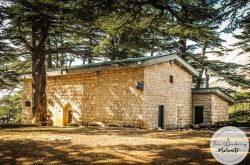
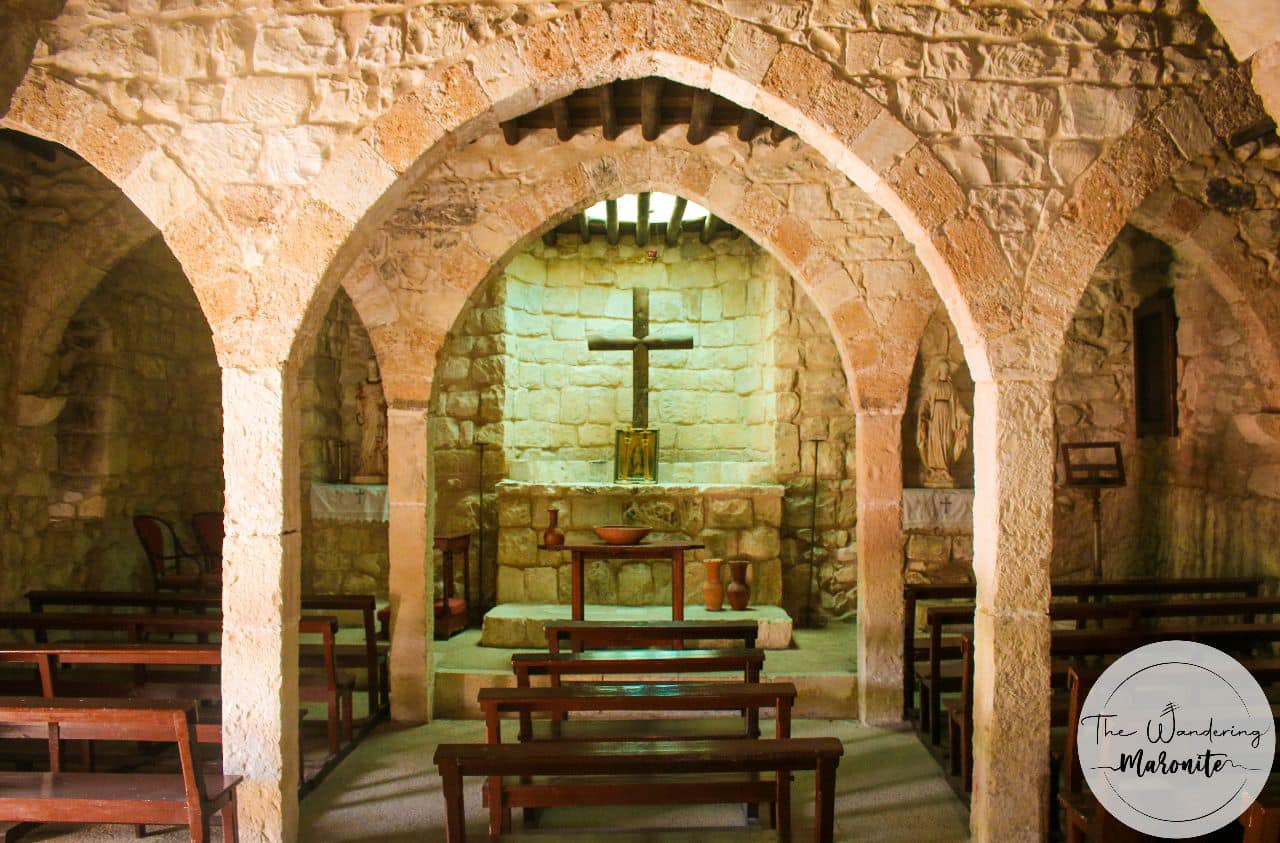
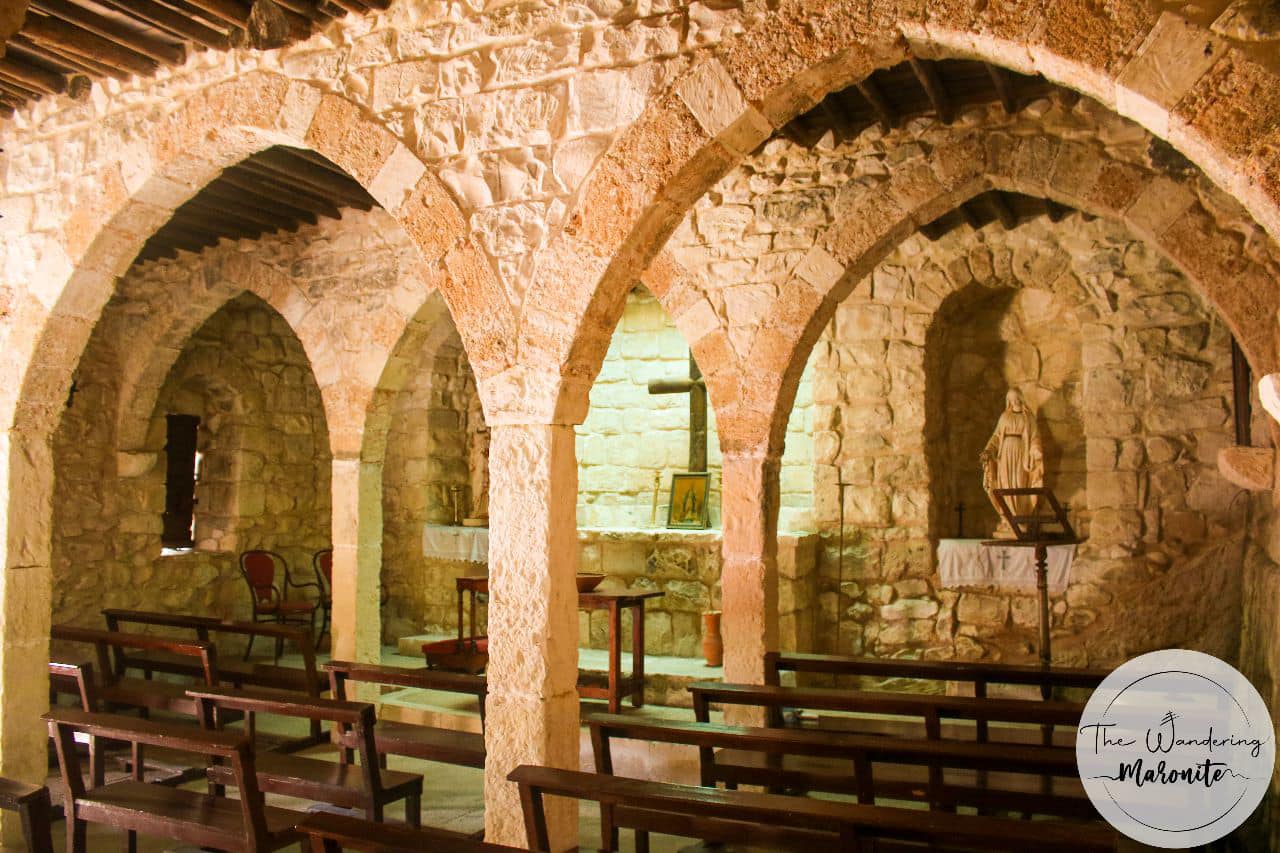
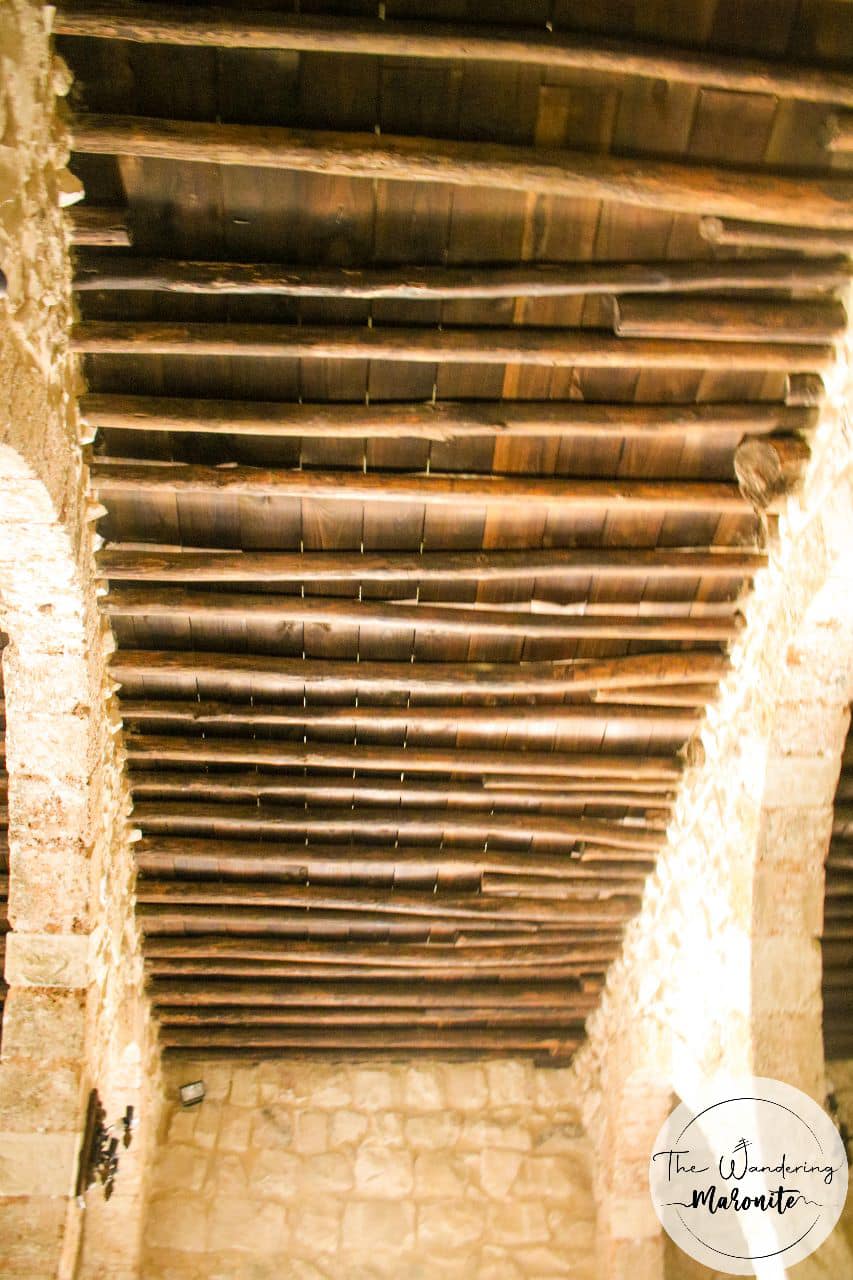
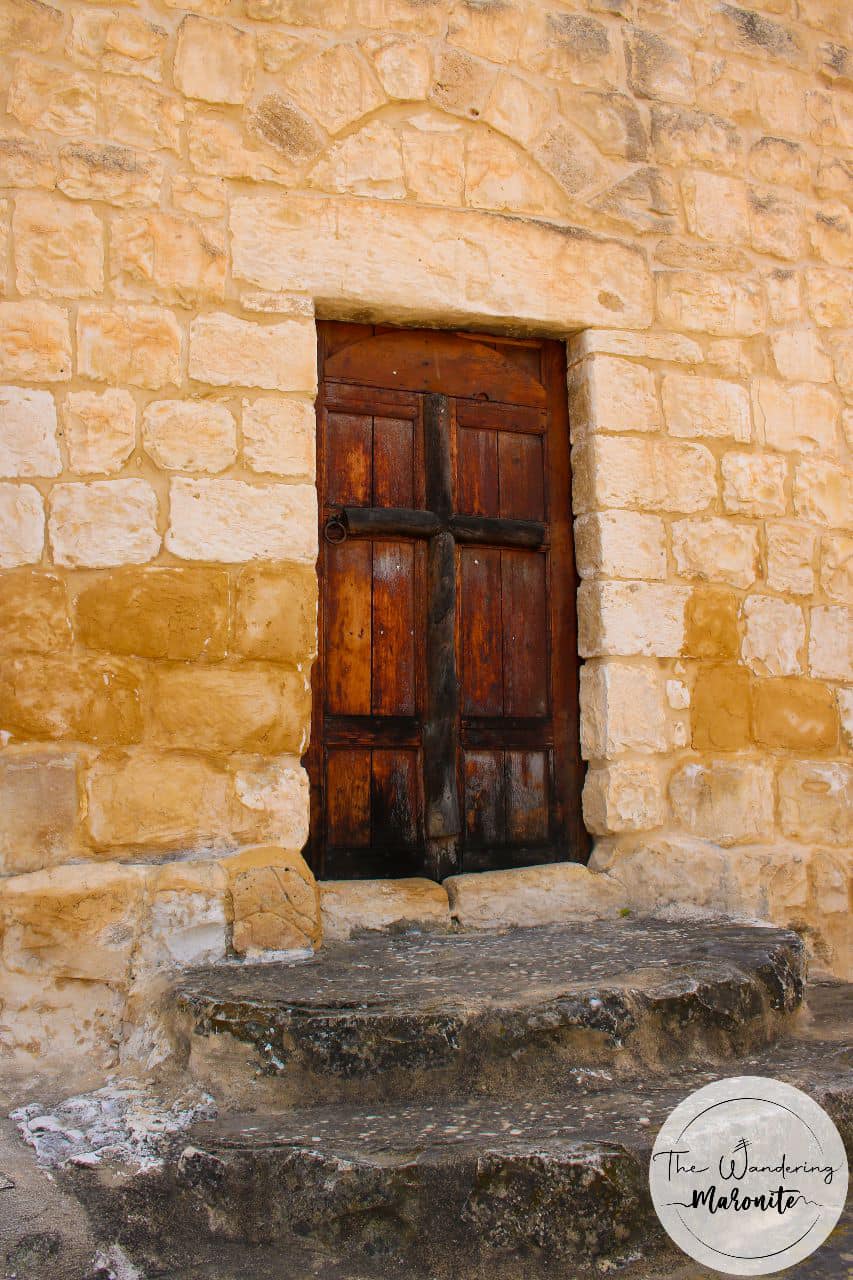
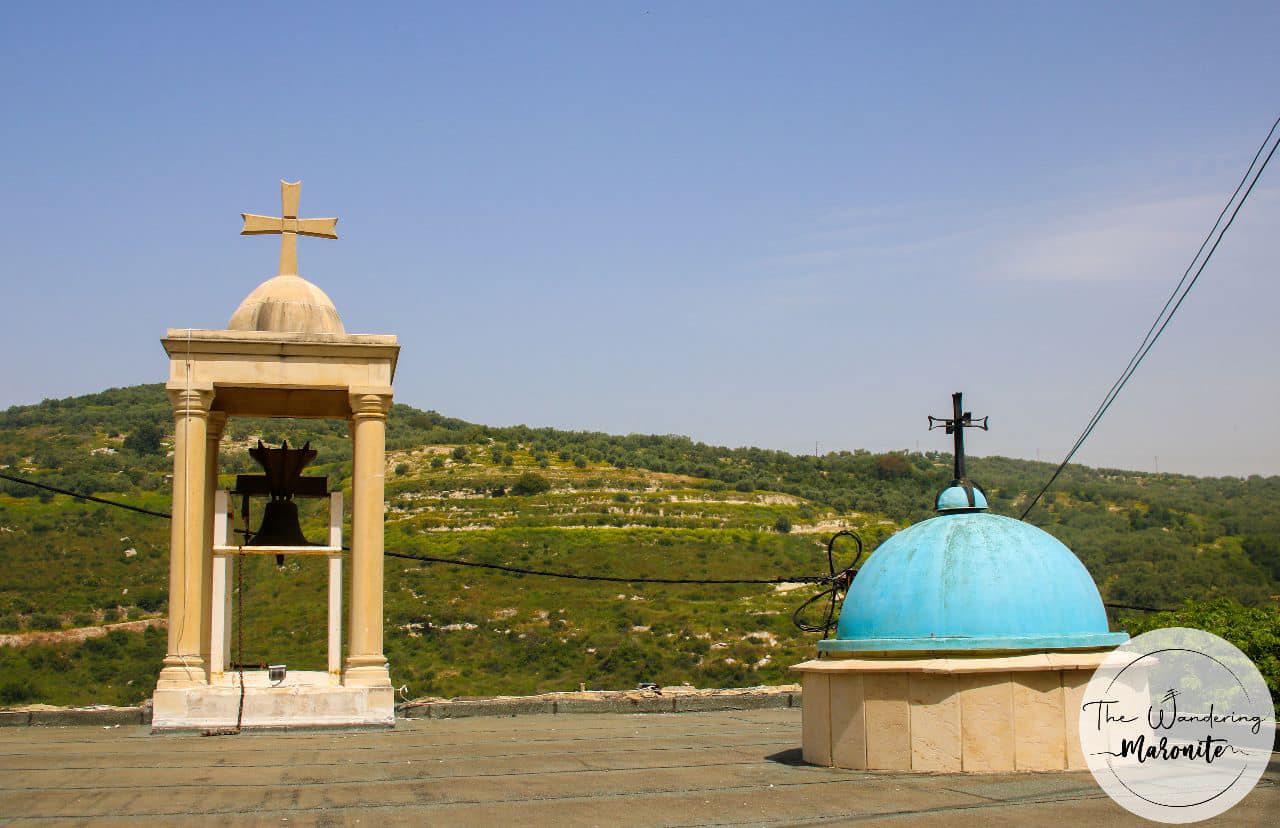
بُنيت الكنيسة أواخر القرن الثامن عشر مع قدوم المسيحيّين إلى البلدة، وكانت كنيستهم الأساسيّة. تعرّضت للسلب خلال أحداث سنة ١٨٦٠. أُهملت الكنيسة بعد بناء كنيسة مار يوسف وسط البلدة، وأعيد ترميمها مؤخّرًا. الكنيسة مبنيّة بأسواقٍ ثلاث أفقيّة على نمط العليّة في البيت اللبنانيّ مسقوفة بالخشب وقد أُضيفت إليها قبّة صغيرة وقت الترميم.
The Church of Our Lady of Mzaar - El Hajje
The church is the original parochial church of the village, built during the late 18th century. It was sabotaged during the war of 1860 and remained abandoned after the construction of St. Joseph's Church in the village center. However, it has been recently restored. The structure of the church resembles that of a cenacle in a traditional Lebanese house, with three horizontal aisles. A dome was added to the structure during the restoration.
The hermitage of St Simeon the stylite in Wadi al-Bouwayli'e - 'Abeydat
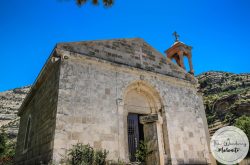
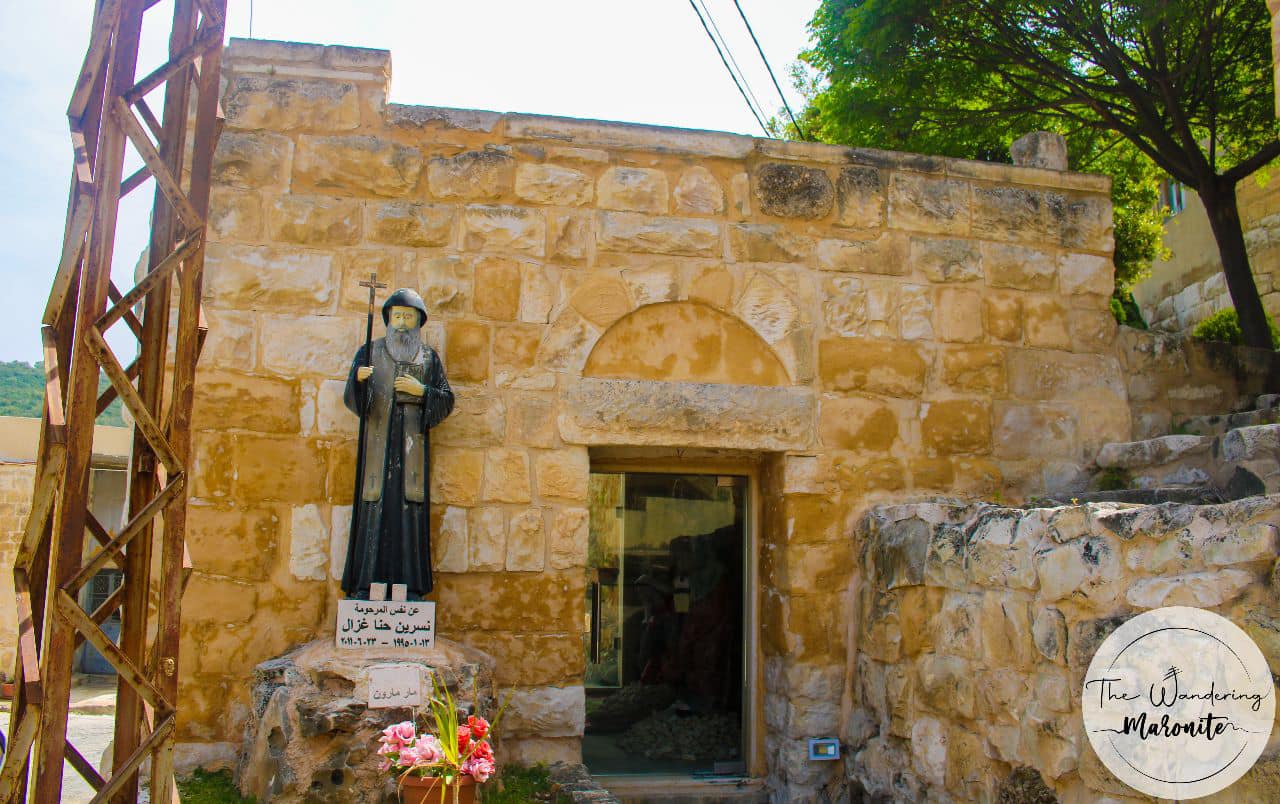
The monastery is a hollowed-out cavity in the rock, containing frescoes dating back to the XIIth century. Among these wall paintings is the depiction of the deisis, as well as Syriac inscriptions, of which only a few remain due to natural factors and human ignorance. Access to the monastery's chambers is achieved through newly installed wooden and iron ladders. Adjacent to the Mar Simeon monastery is the St Moura's Church, which is a carved cave in the rock. According to experts, the wall paintings in 'Abeydat belong to the same artist who painted the wall paintings in the Mar Tadros Church in Behadidat. La Ermita de San Simeón el estilita en Wadi al-Bouwayli'e - 'Abeydat El monasterio es una cavidad excavada en la roca, que contiene frescos que datan del siglo XII. Entre estas pinturas murales se encuentra la representación de la deisis, así como inscripciones siríacas, de las cuales, debido a factores naturales y la ignorancia humana, solo quedan unas pocas. Para acceder a las cámaras del monasterio se utilizan las escaleras de hierro y madera recién instaladas. Colindante al monasterio de San Simeon se encuentra la iglesia de San Moura, que es una cueva tallada en la roca. Según los expertos, las pinturas murales de 'Abeydat pertenecen al mismo artista que pintó las pinturas murales de la iglesia de San Tadros en Behadidat.
كنيسة سيّدة الغسّالة - القبيات بُنيت الكنيسة الأولى بالقرب من قناة جرًّ للمياه، كانت نساء القرية يغسلن ثيابهنّ بقربها أيّام السبوت، لذلك سمّي الموضع الغسّالة وحملت الكنيسة إسم سيّدة الغسّالة. بُنيت الكنيسة الحاليّة سنة ١٩٢٧ بمسعى من أبناء البلدة المغتربين. تتميّز الكنيسة أنّها مكسوّة الداخل بالكامل بالنقوش، تحوي عدّة جداريّات فريدة كجداريّة الذبيحة الإلهيّة حيث يظهر الكأس يعلوه النجم، وجداريّة الصدقة.
The church of Our Lady of Ghassala - Kobayat The first church was built on a site near an aqueduct where the village’s ladies used to wash their laundry hence the name in Arabic Ghessele invoking laundry washing. The first church held the name of the site. In 1927 the new church was built with donations made by Kobayaty expats. The church is covered on the inside with painted stucco. The church holds distinctive unique frescoes such as the fresco of the Holy Sacrifice with the distinctive oriental liturgical altar paraments, and the fresco of the alm.
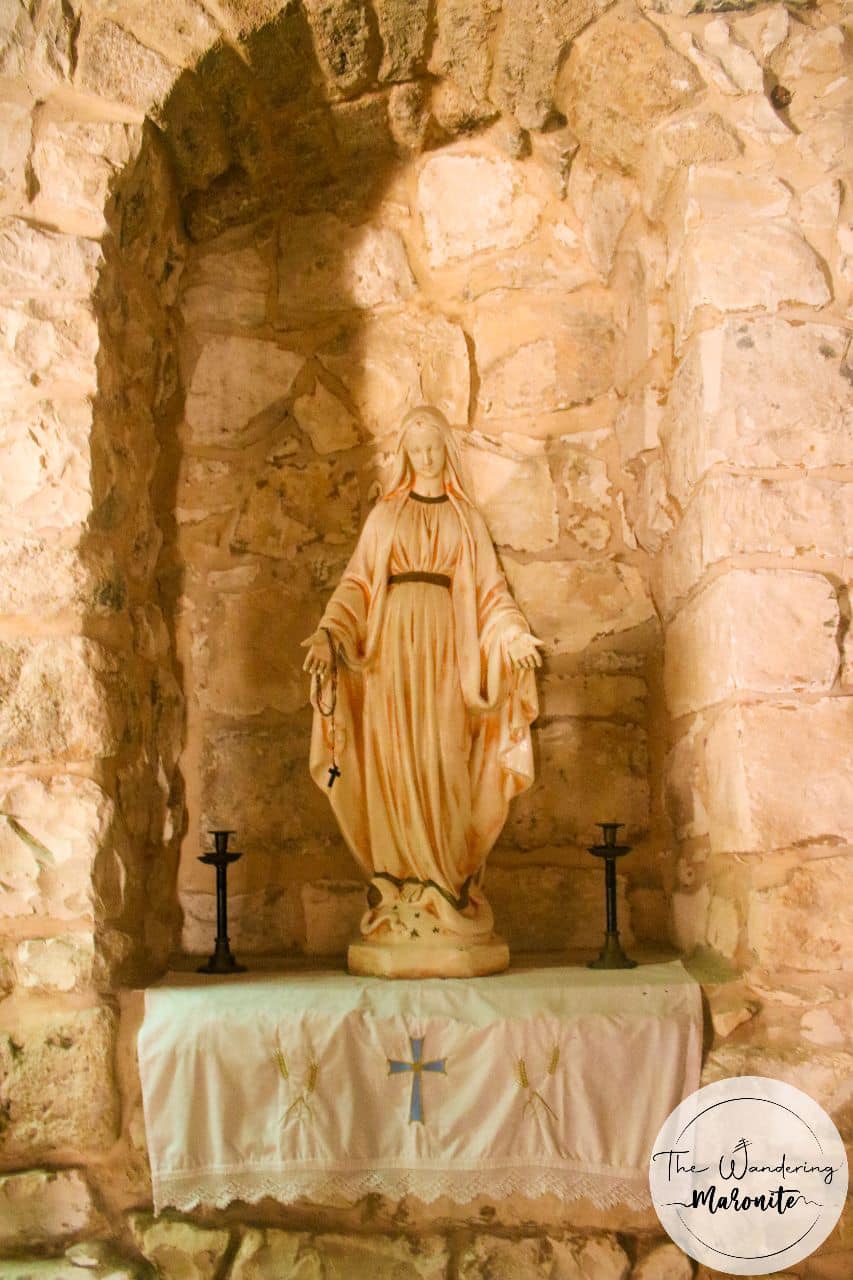
أسست الكنيسة الرعائية سنة 1731 في عهد البطريرك يعقوب عواد. الكنيسة صغيرة الحجم مبنية من عقد بسيط ينتهي بحنية. اللوحة رسم كنعان ديب الدلبتاوي وتعود لسنة ١٨٤٩.
The parish church was built in 1731 during the pontificate of patriarch Jacob Awad. The church building is rather small with a crib vault ending with an apse. The Madona’s portrait is the work on Kanaan Dib from Dlebta dating back to 1849
Reviews are disabled, but trackbacks and pingbacks are open.