
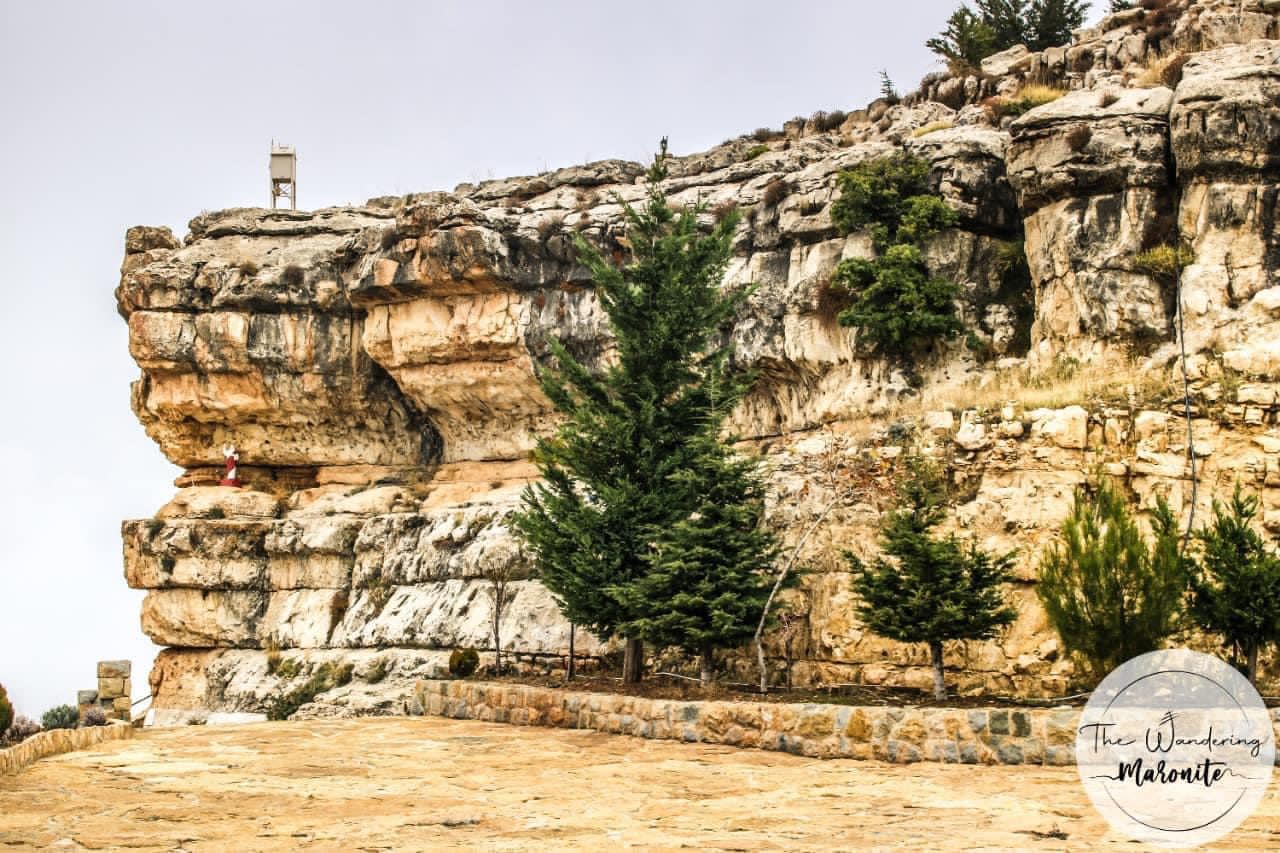
Hadshit – The monastery of the Prophet Elijah

St. Elias Monastery, Hadchit, Lebanon

Other Details

دير مار الياس

Hadchit

Bcharre

North

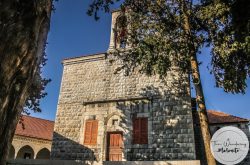
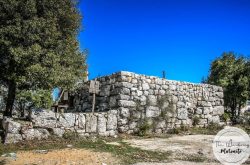
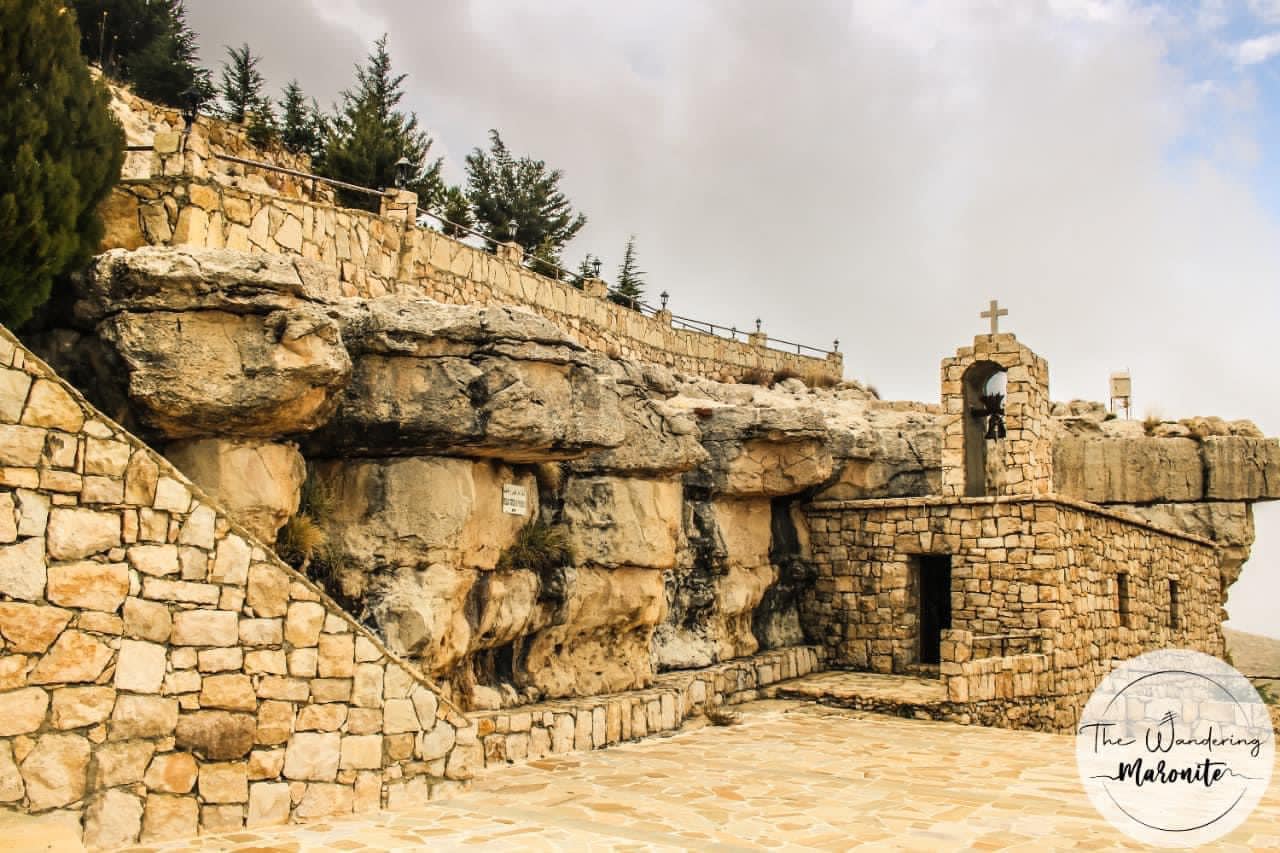
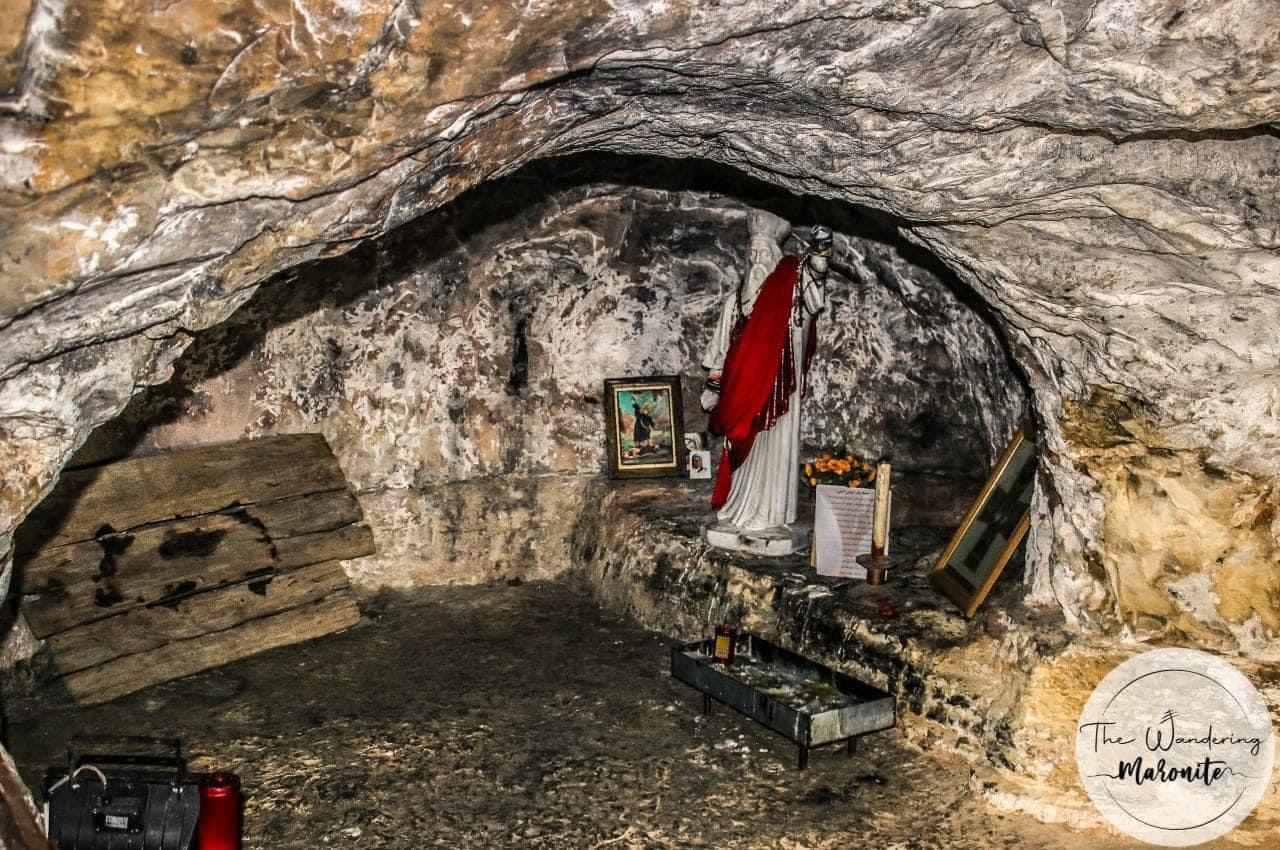
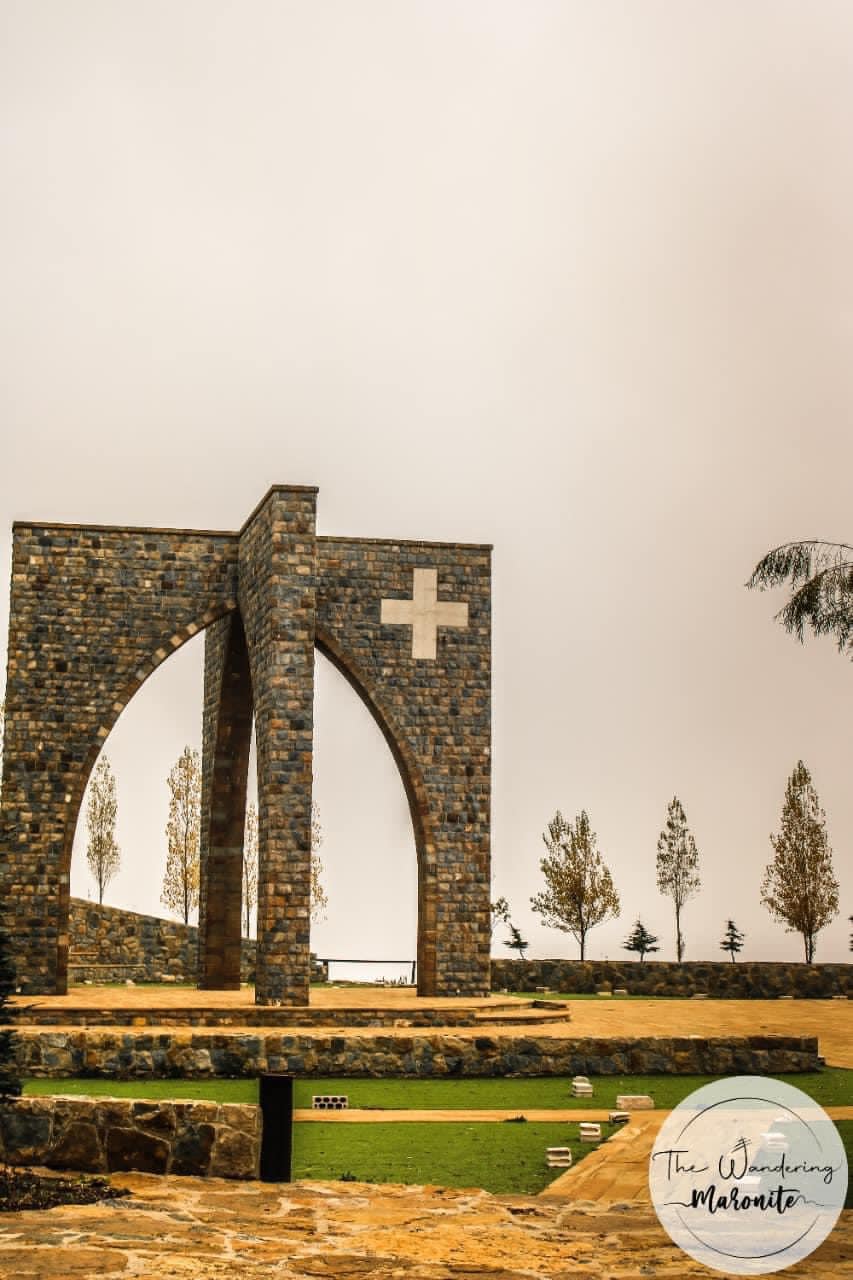
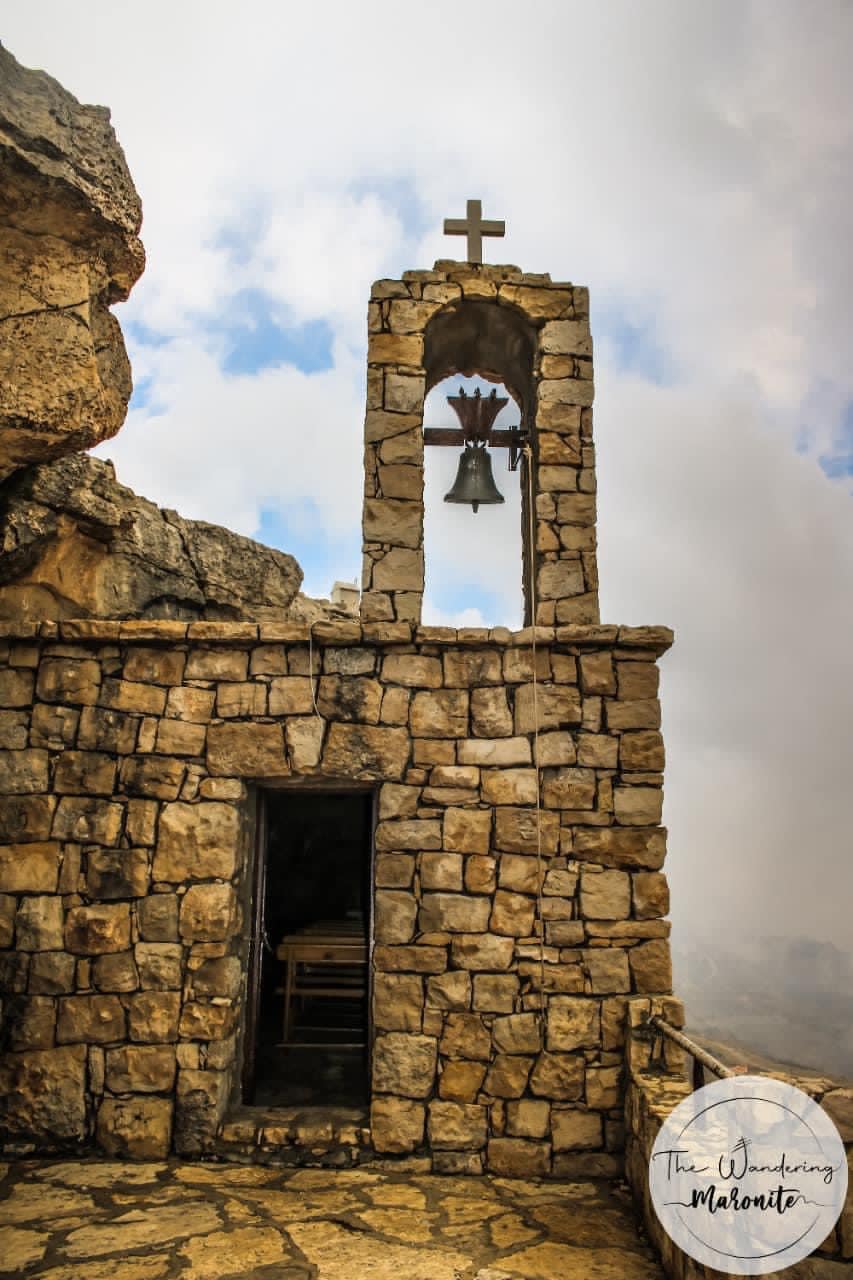
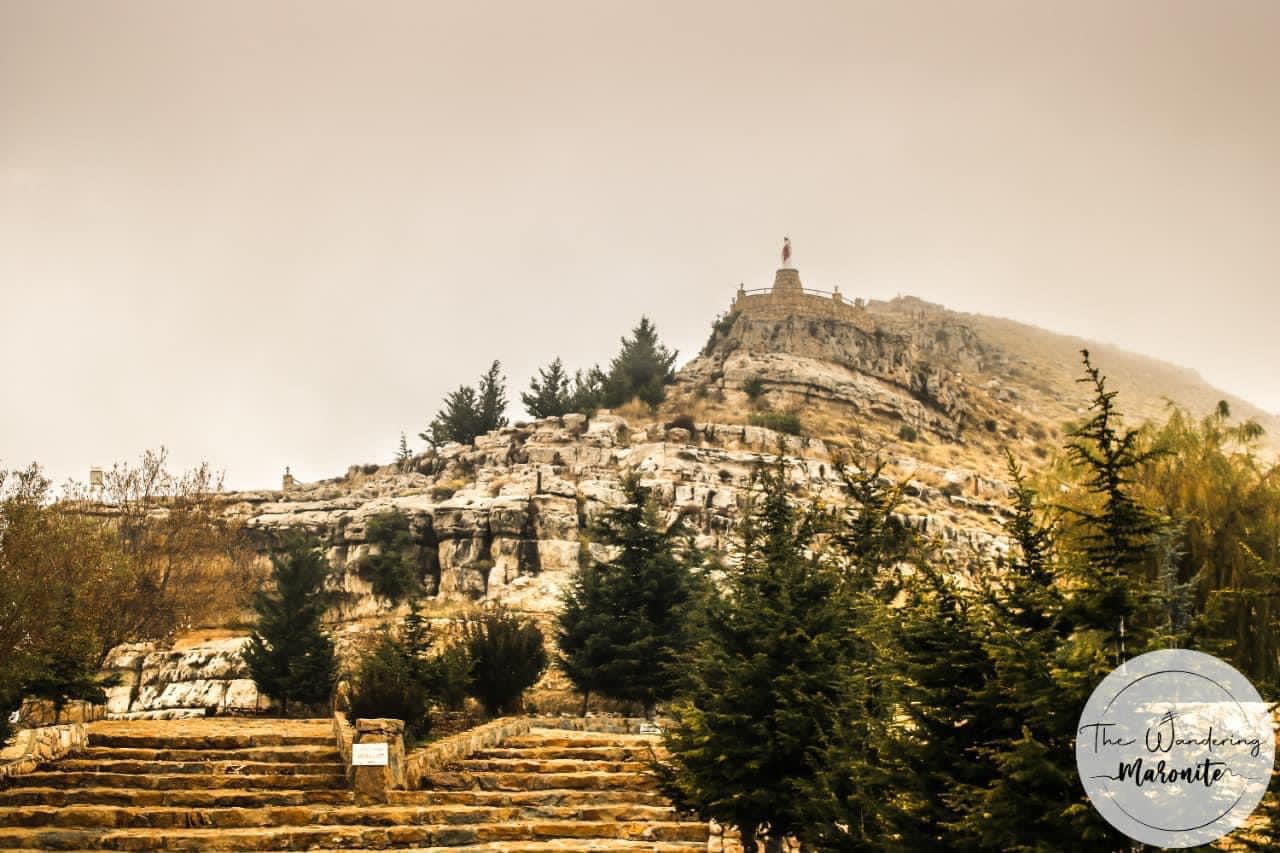
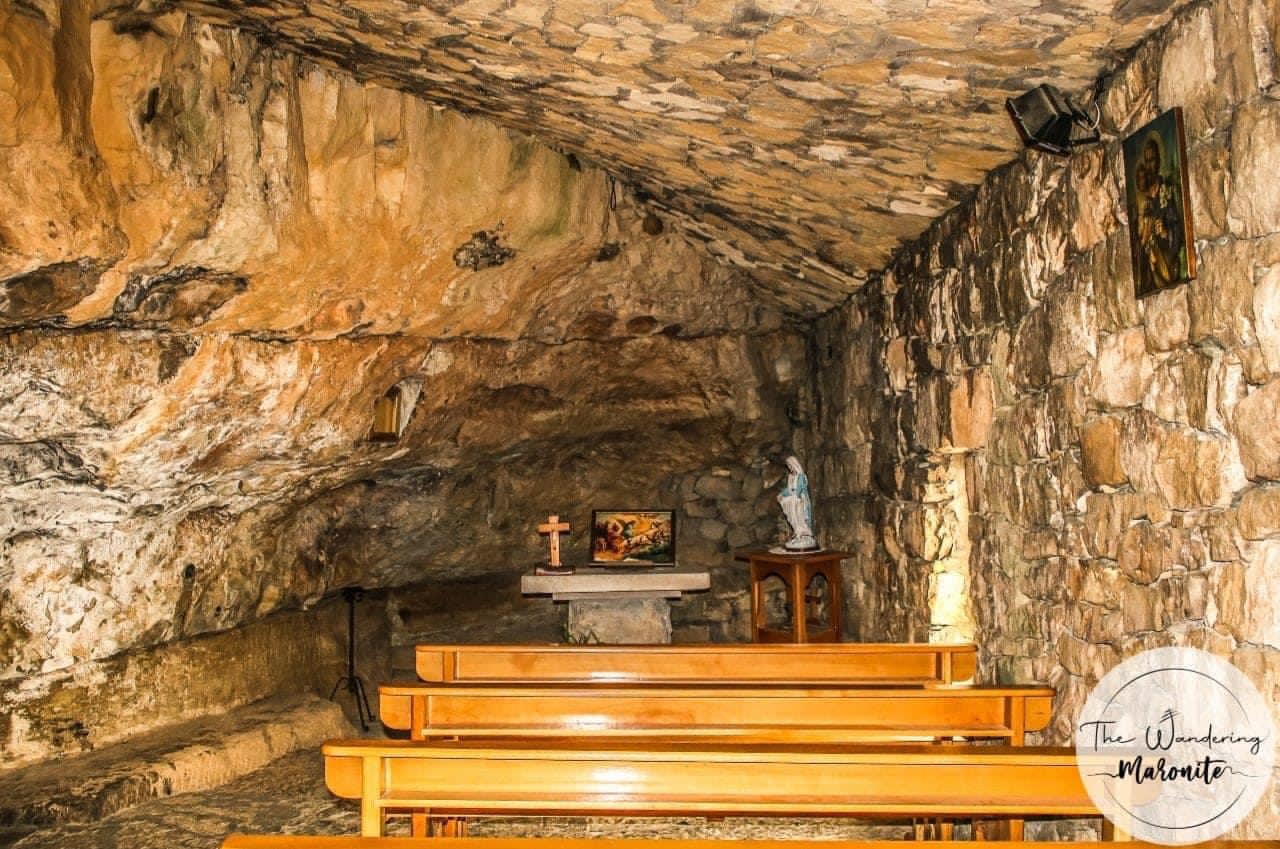
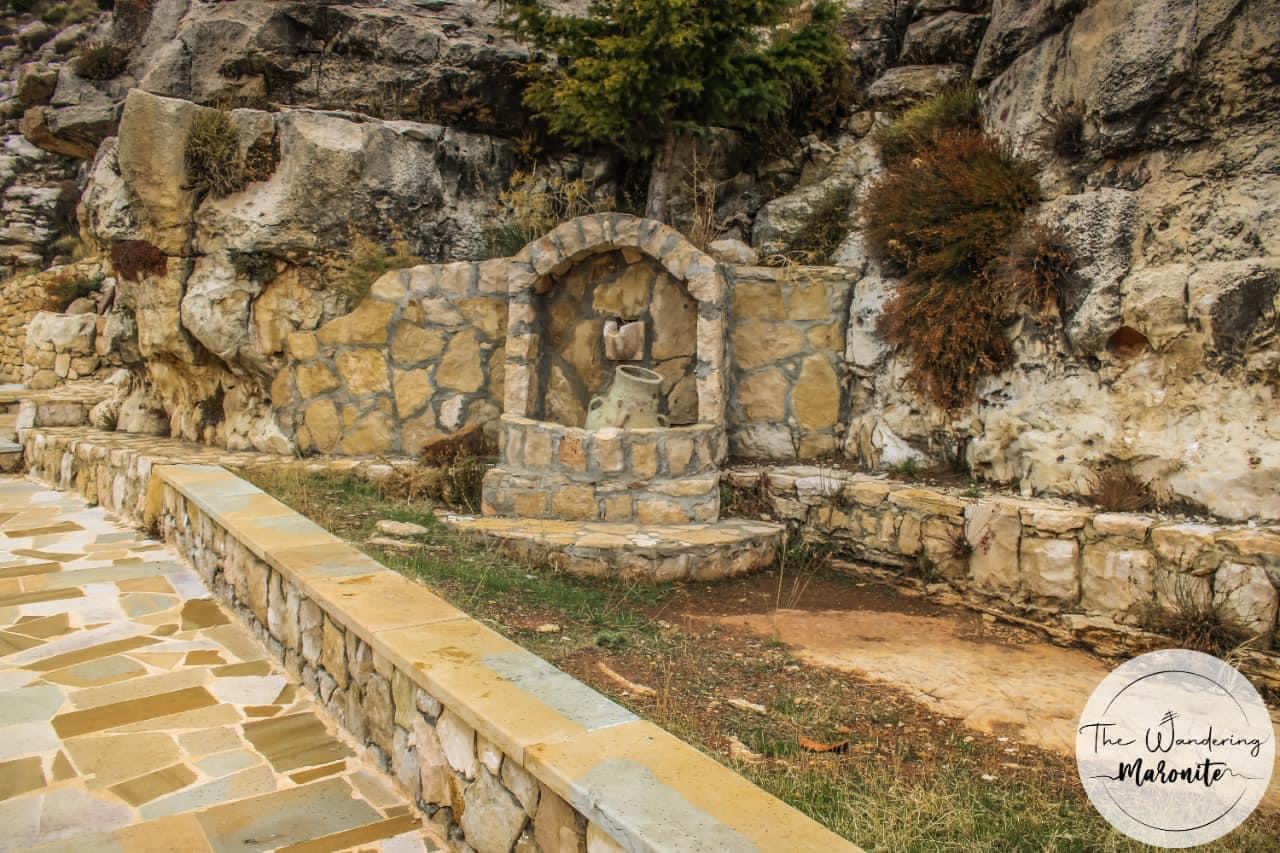
دير مار الياس - حدشيتيعود بناء الدّير إلى القرون الوسطى، لكنّ الموقع يحوي الكثير من الآثار التي تشير الى استخدامه كحصن بسبب موقعه الاستراتيجيّ. وتشير التقاليد والموروثات أن الموارنة تحصّنوا به إبّان حملة المماليك على جبّة بشرّي. بقي الدّير لمدّةٍ طويلةٍ مزارًا لأهل البلدة. رممّ الموقع سنة ٢٠١٥ وكرّسه البطريرك بشارة بطرس الراعي. يتألف الموقع من الكنيسة الأثريّة بقلب المغارة، آثار القلالي والحديقة الجديدة.The monastery of the Prophet Elijah - HadshitThe monastery dates back to the middle ages yet the site was an antique garrison due to it’s strategical location. According to tradition the maronites took refuge in the monastery during the Mamluk’s campaign on the region of Jebbe. The monastery was a shrine for a long period of time. It was restored in 2015 and consecrated by the Patriarch Bechara Boutros el Raii. The site includes the cave church, the ruins of the cells and the new garden.

Visited 3255 times, 2 Visits today

Reviews are disabled, but trackbacks and pingbacks are open.

Related Listings

Amshit – The church of Our Lady

Notre dame de amchit - كنيسة السيدة عمشيت, Aamchit, Lebanon

كنيسة السيّدة

Aamchit

Jbeil

Mount Lebanon

كنيسة السيّدة - عمشيت
بُنيت الكنيسة الأولى أواسط القرن العاشر وكان يطلق عليها إسم سيّدة البيدر. سنة ١٧٨٢ بُنيت الكنيسة الحاليّة. سنة ١٩٠٠. أُفيم في الكنيسة بيت القربان الرخاميّ ووضعت لوحة سيّدة الإنتقال. سنة ١٩٥٨ رمّمت الكنيسة ووُسّعت آخذة شكلها الحاليّ بعدما أُزيلت من داخلها الشواهد والقبور. رُمّمت الكنيسة أواخر القرن العشرين وهي كناية عن عقد مُصالب ينتهي بحنية.

The church of Our Lady - Amshit
The first church was built in the middle of the Xth century and was known by our Lady of the field. In 1782 the current church was built. In 1900 the marble tabernacle and the painting of the Assumption were brought. In 1958 the church was restored and all of the tombs and the shrines where removed. The church was renewed in the latter part of the XXth century. The structure consists of a crossed vault ending with an apse.

El Mzekke Broummana – The monastery of St Isaiah

Saint Isaiah (Mar Shaaya), Jouret El Ballout, Lebanon

دير مار شعيا

Broummana El-Matn

Metn

Mount Lebanon

دير مار شعيا - المزكه برمانا

سنة 1673 قام المطران جبرايل البلوزاني رئيس أساقفة حلب (البطريرك لاحقًا) بتأسيس حركة رهبانيّة تتبع قانون مار أنطونيوس الكبير وهدفها تبشير الدروز. سنة 1698 أُرسلت مجموعة من الرهبان لتأسيس ديرٍ في برمانا هم: سليمان الحجّة المشمشاني، وعطالله كريكر الشبابي، وموسى زمّار البعبداتي. فاشتروا أنقاض ديرٍ قديمٍ على تلّة بجوار برمانا. سنة 1700 بدأ الرهبان الأنطونيون تأسيس ديرٍ جديدٍ على اسم مار شعيا الراهب الحلبيّ. أصبح الدّير الدّير الأم للرهبانيّة الأنطونيّة الناشئة التي ثبّتها البابا أقليمنضوس الثاني عشر سنة 1740. إرتبط الأنطونيّون بدير التأسيس لدرجة أنّهم أصبحوا يتكنّون برهبان مار شعيا. أصبح الدير جسر علاقة بين الرهبانيّة وحكّام الجبل، أمراءِ آل أبي اللمع وآل شهاب الموحِّدّين ما حدا بأفرادٍ من الأسرتَين الكبيرتَين اعتناقَ الإيمانِ الكاثوليكي ونشره في مناطقَ متنيّة. تعاقبت الحروب على الدير وتركت بصماتِها الهدّامة من أحداث ١٨٤٠ و١٨٦٠، إلى الحرب العالميّة الأولى، وقد كانتِ الأشرس، فدمّر الجيش العثمانيّ الدير وأحرق مكتبته. رُمّم الدّير على مراحل عديدة وأُعيد بناؤه. كنيسة الدّير كناية عن عقدٍ مُصالبٍ ينتهي بحنية نصف دائريّة. تتميّز الكنيسة بخورسها الخشبيّ بين المذبح والسوق الرئيسيّ.كذلك تحوي الكنيسة أرغن الموسيقار الكبير الأب يوسف الأشقر أحد روّاد الموسيقى الكنسيّة المارونيّة. كذلك تحوي لوحة مار شعيا التي تعود لعام 1907، وجداريّة خلف المذبح من عمل الرسّام أسعد رنّو.

The monastery of St Isaiah - El Mzekke Broummana

In 1673 the archbishop of Aleppo Mgr. Gebrayel el Blouzany (later Patriarch), started a monastic movement according to the Rule of St Anthony the great, with the aim of evangelizing the Druze. In 1698 a small group of monks were sent to start a monastery in Broummana: Sleiman Hajje from Meshmesh, Atallah Kreiker from Beit Chabab, Moussa el Zemmar from Baabdat. In 1700 the monks bought the ruins of an old monastery on a hill in the vicinity of Broummana. The monastery was dedicated to St Isaiah the Aleppan monk, and the monastery became the motherhouse of the new order that was recognized by Pope Clement XII in 1740. The monks became commonly known as the monks of St Isaiah. The monastery became a mission hub and many Druze were converted by the monks, it was noted that many princes from the families of Shehab and Abi el Llamah became Maronites and helped spreading the catholic faith in the Metn region. The monastery suffered greatly during the wars of 1840 and 1860, it was severely damaged during World War I and its great library was burnt down. Yet it was always restored and rebuilt. The monastery's church is a crossed vault ending with a semi circular apse. The nave and the sanctuary are separated by wooden choir stalls. The church holds the organ of Fr. Boulos el Ashkar a pioneer in Maronite ecclesiastical music, a painting of St Isaiah from 1907 and a fresco of the saint by Assaad Renno.

Aqtanit – The church of St George the martyr

Historical St. Georges Maronite Church, Aaqtanit, Lebanon

كنيسة مار جرجس الشهيد

Aaqtanit

Saida

South

كنيسة مار جرجس الشهيد - عقتانيت

بنيت الكنيسة في القرن الثامن عشر، تعرّضت للتخريب خلال أحداث سنة ١٨٦٠. البناء كناية عن عقدٍ مصالبٍ بحنية واحدة. تضمّ الكنيسة أيقونتين مقدسيّيتين للسيّدة والعماد، ولوحةً لمار جرجس تعود لسنة ١٩١٦ من عمل خليل عقل. تجدّدت وأعاد تكريسها المطران مارون العمّار في ٢٤ نيسان ٢٠٢٢.
The church of St George the martyr - Aqtanit

The church was built in the XVIIIth century and sabotaged during the war of 1860. The structure consists of a crossed vault with a single nave. The church holds two icons from the school of Jerusalem: the Theophany and the Madonna and a painting of St George by Khalil Akl dating back to 1916. The church was renewed and reconsecrated by bishop Maroun Al Ammar on the 24th of April 2022.