
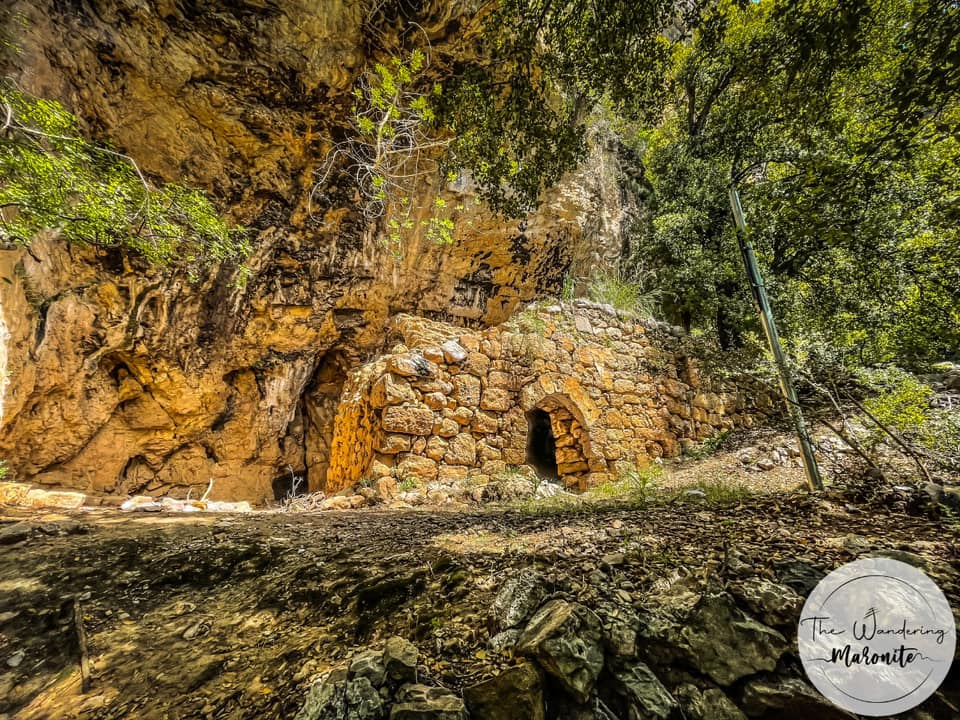
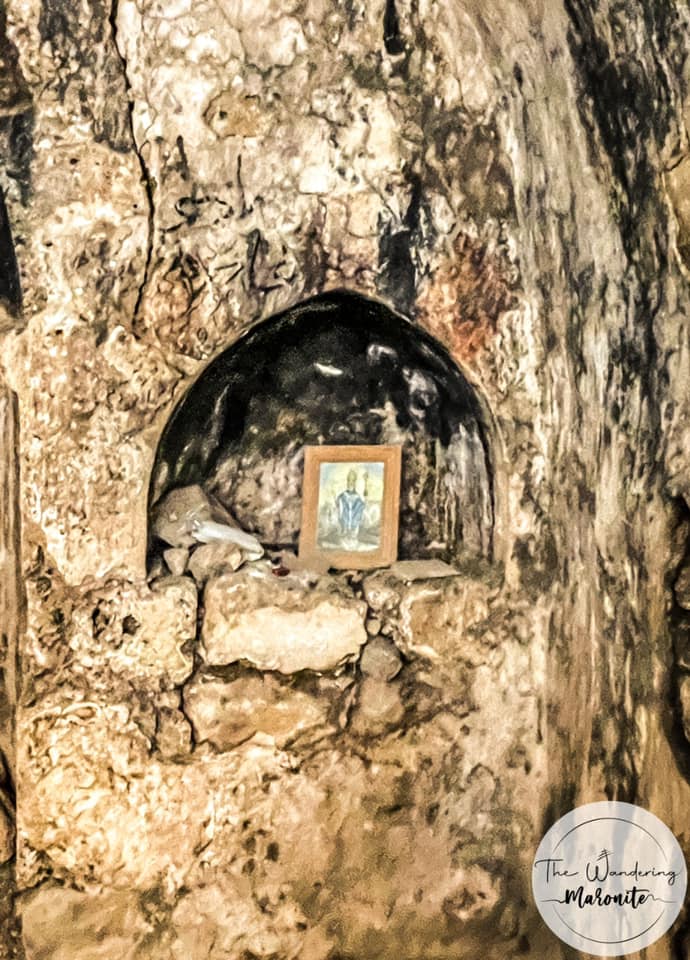
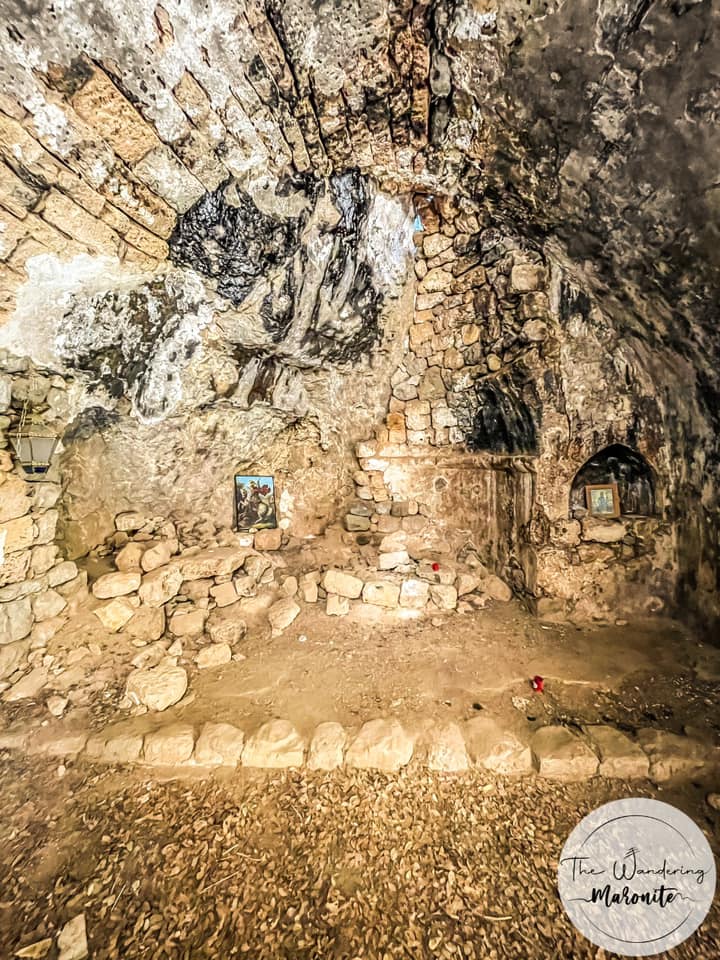
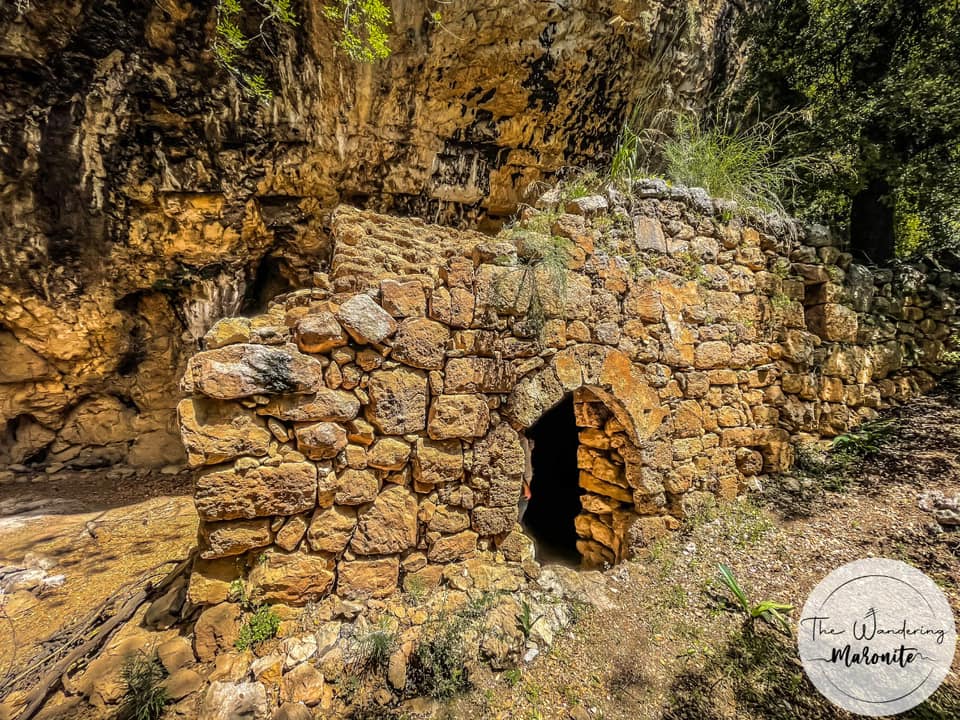
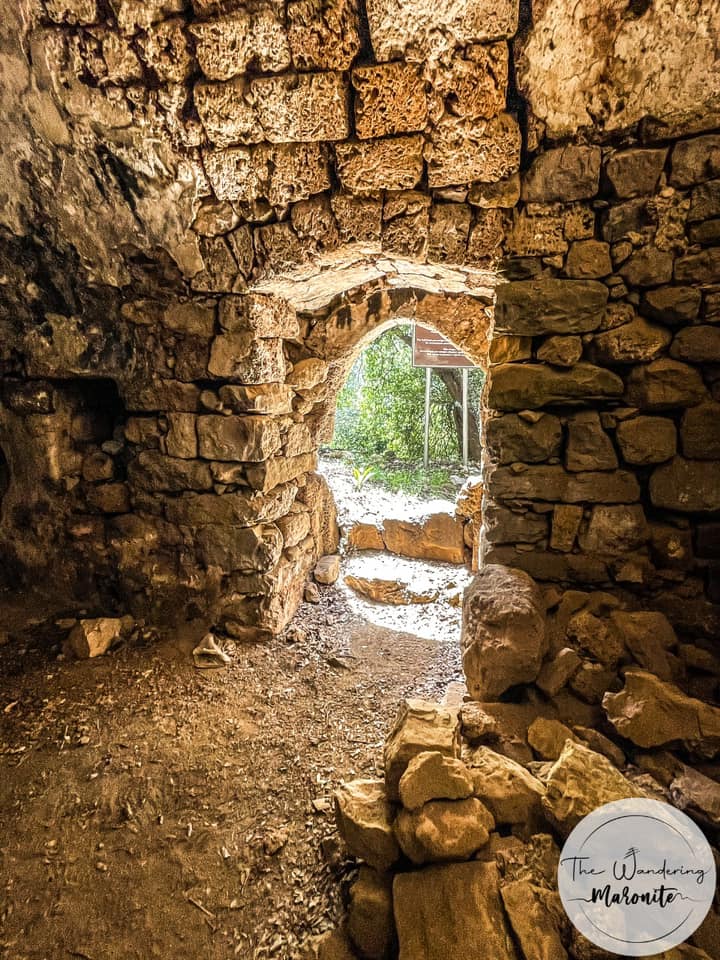
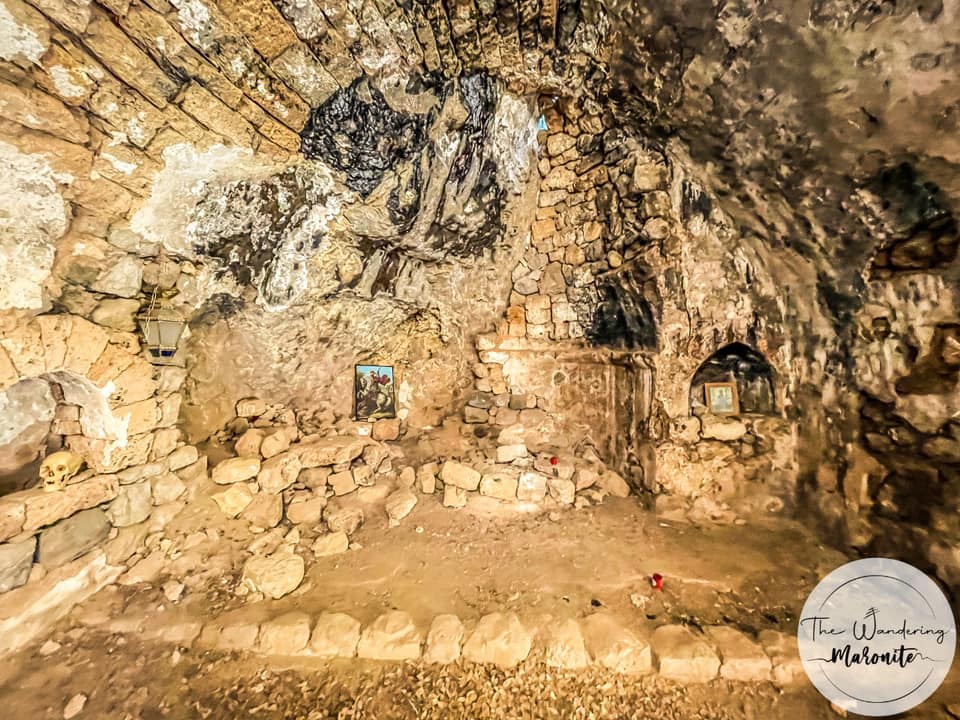
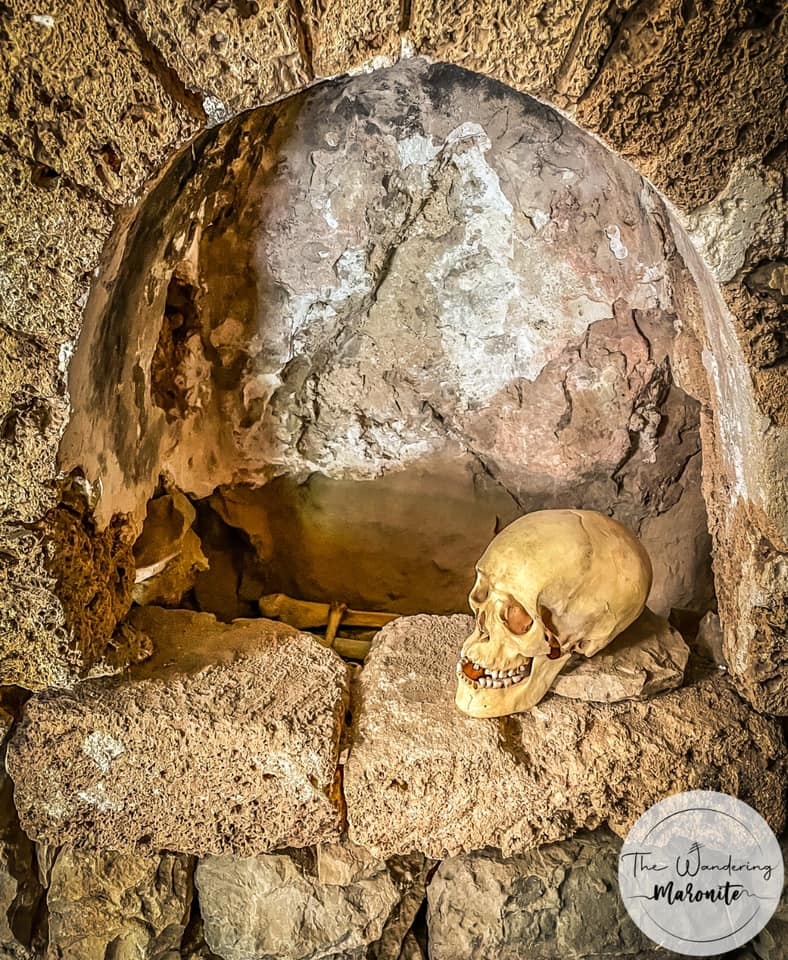
محبسة مار شلّيطا - وادي المذابح حدشيتوادي المذابح هو من روافد الوادي المقدَس، وفيه محبسة مار أرتاميوس (شليطا) وتعود للقرن الحادي عشر. مؤلّفة من عقد سريريّ ينتهي بحنية نصف دائريّة، البناء أصبح اليوم أثرًا. في الموقع بقايا عظام بشريّة.The Hermitage of St Chalita - The valley of Mazabeh HadsheetThe valley of Mazabeh is a part of the Holy Valley descending from Hadsheet. In the valley stands the hermitage of St Artemius (Chalita in syriac) dating back to the XIth century. The building is in ruins consisting of a cribbed vault ending with a semi circular apse. The church contains remains of human bones.
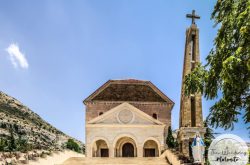
بنيت سنة ١٨٨٣ كما تشير البلاطة التذكاريّة. هي كابيلا صغيرة تابعة للرعيّة بجانب المدافن تتألف من سوق واحد ينتهي بالمذبح. زيد عليها قنطرة المدخل والقرميد أواخر القرن العشرين. لوحتها من صنع أوروبي تعود لسنة ١٩٢٣.
The church of Our Lady of the fields - Ban
The church was built in 1883 as it is shown by the epitaph. The church is a small chapel near the cemetery. It consists of one nave ending with the altar. A gateway and a tiled roof were added at the end of the XXth century. The painting is imported from Europe and dates back to 1923.
The monastery of St Maroun on the Orontes - Hermel
The monastery was originally a natural cave consisting of three sections, it was expanded by Roman builders working in nearby stone quarries. It is situated above Ain El Zarqa, one of the sources of the Orontes River, and connected to the river via a corridor carved into the mountainside. This was used to fetch water and provide a hiding place during enemy attacks. In the VIth century, Maronite monks sought refuge in the cave after facing persecution in northern Syria, where their monastery was destroyed and its contents dispersed. The monks expanded the cave and carved an altar, turning the cave into a new monastery. This marked the beginning of the Maronite migration to the mountains of Lebanon along the Orontes River. Over time, the monastery was neglected and became an abandoned farm. In 2011, it was visited by Patriarch Bechara Boutros Al-Rahi and has since been restored in 2018, returning to the Maronite Church. The monastery serves as a testament to the spread and perseverance of the Maronite Church in the Levant.
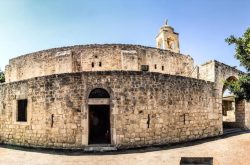
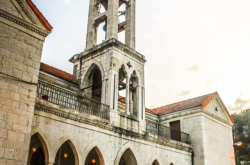
تعودُ هذه الكنيسة إلى القرن السابع بحسب التقليد، خُرّبت الكنيسة الأولى مع حملة المماليك في القرن الثالث عشر. أْعيد البناء سنة ١٦٥٠، وجُدّد سنة ١٧١٢. سنة ١٩١١ ذُهِّب المذبح الرئيسيّ. رُمّمت الكنيسة على عدّة مراحل وحقبات: ١٩٠٧ و ١٩٧٤ و ٢٠٠١. بُنيَ الرواق أمام الكنيسة سنة ١٩١٢. في الكنيسة ثلاث أروقة: السيّدة ولوحتها من عمل القسّ بطرس القبرصيّ الراهب اللبنانيّ، وهو أوّل رسّام في جبل لبنان القديم، مار جرجس، ومار يوحنّا المعمدان. هذه الكنيسة هي الأقدم في بسكنتا، وكانت أروقتها مقسومةً قديمًا بين الموارنة والروم الكاثوليك والروم الأرثوذكس، رعيّة واحدة لكنائس مختلفة!
Our Lady of the Assumption - Baskinta
The first church dates back to the VIIth century, yet it was destroyed with the Mamluk’s invasion in the XIIIth century. The church was rebuilt in 1650, and renewed in 1712. In 1911 the high altar was gilded. The church was renewed several times during its long history: 1907, 1974, and 2001. In 1912 a narthex was added with an Antipendium. The church is in a basilical plan and divided by three naves: Our Lady’s with a Madonna painting drawn by Boutros el Qobrsy the Lebanese Cypriot monk and the first known painter in Mount Lebanon, St John the baptist, and St George. This church is the oldest in Baskinta, in earlier times the naves where divided between the village's Christian communities: the Maronites, the Melkite, and the Greek Orthodox. One parish for three christian communities.
Reviews are disabled, but trackbacks and pingbacks are open.