
El Mzekke Broummana – The monastery of St Isaiah

Saint Isaiah (Mar Shaaya), Jouret El Ballout, Lebanon

Other Details

دير مار شعيا

Broummana El-Matn

Metn

Mount Lebanon

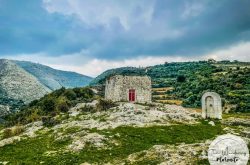
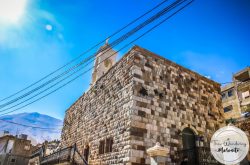
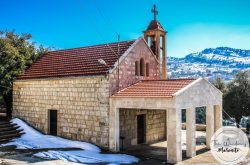
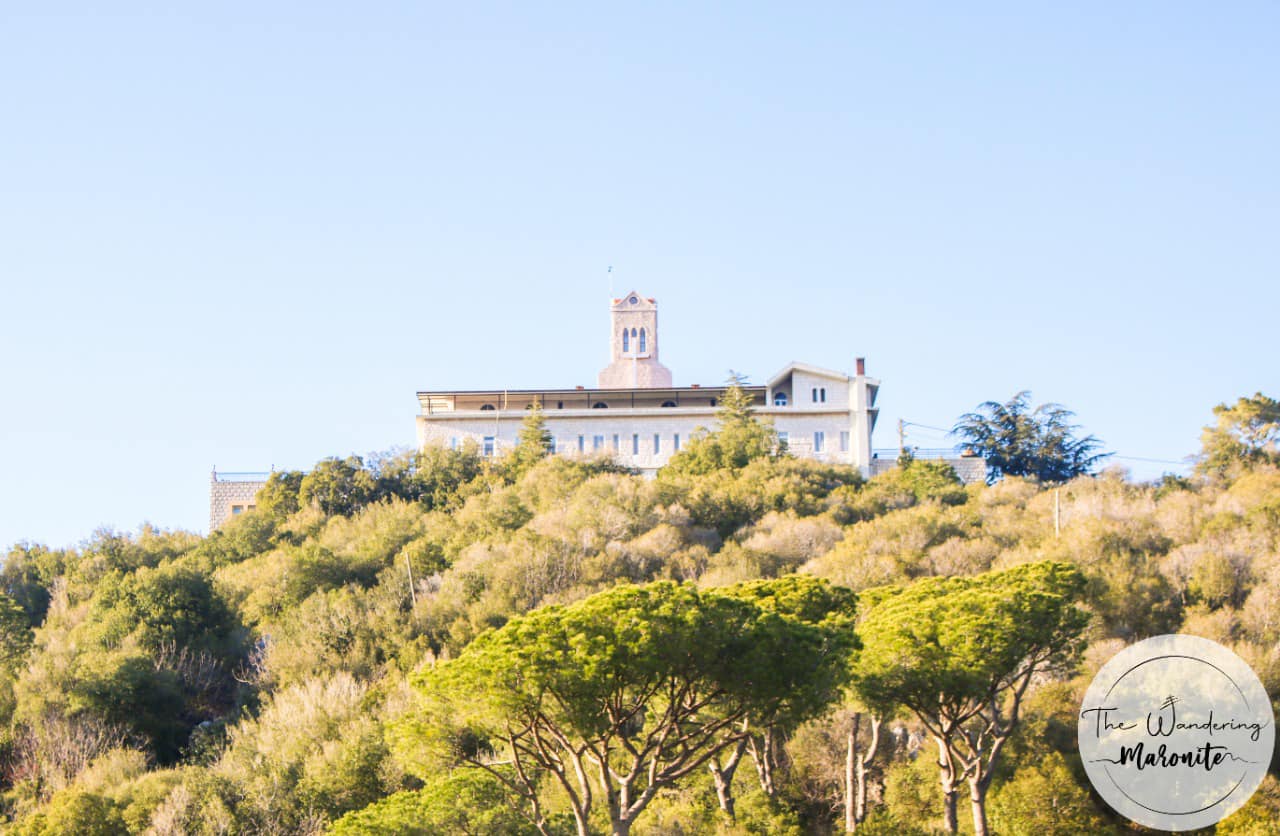
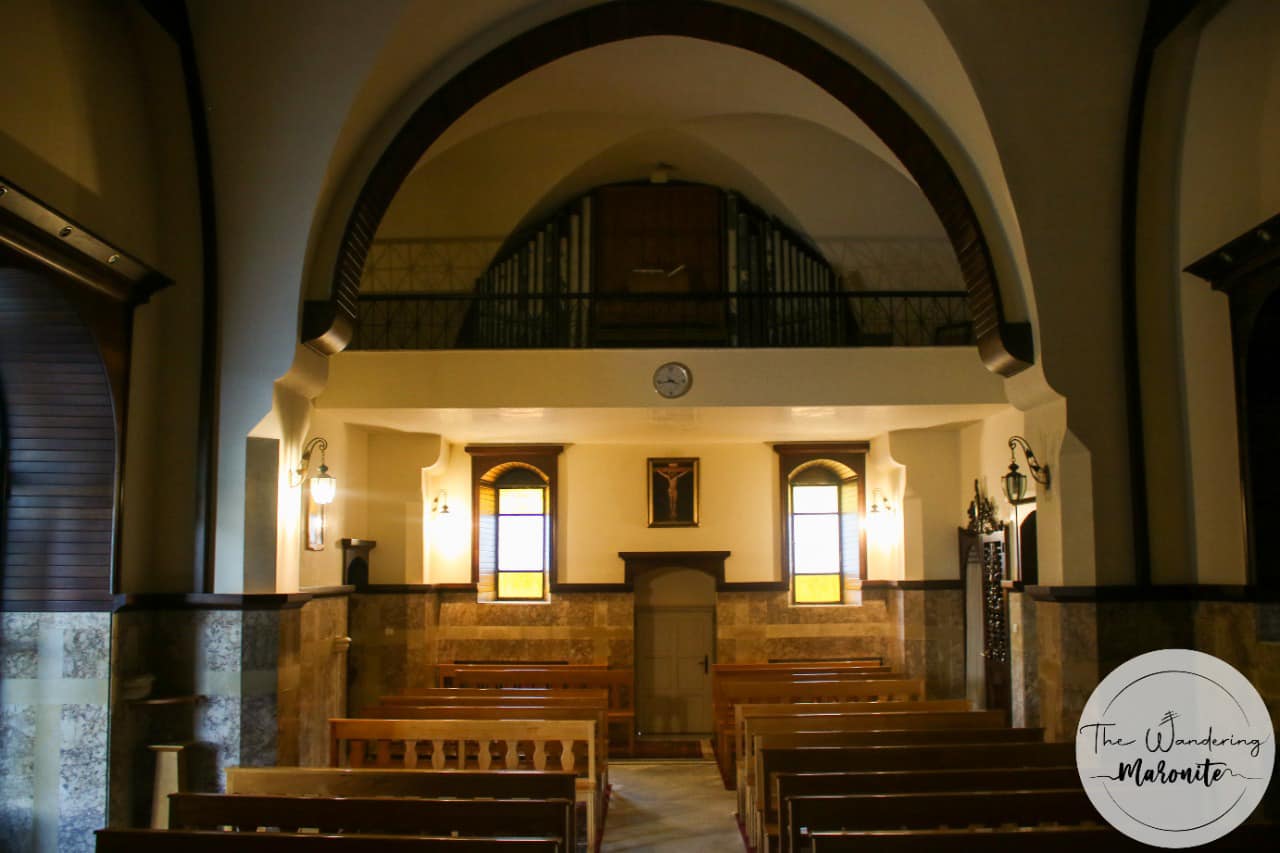
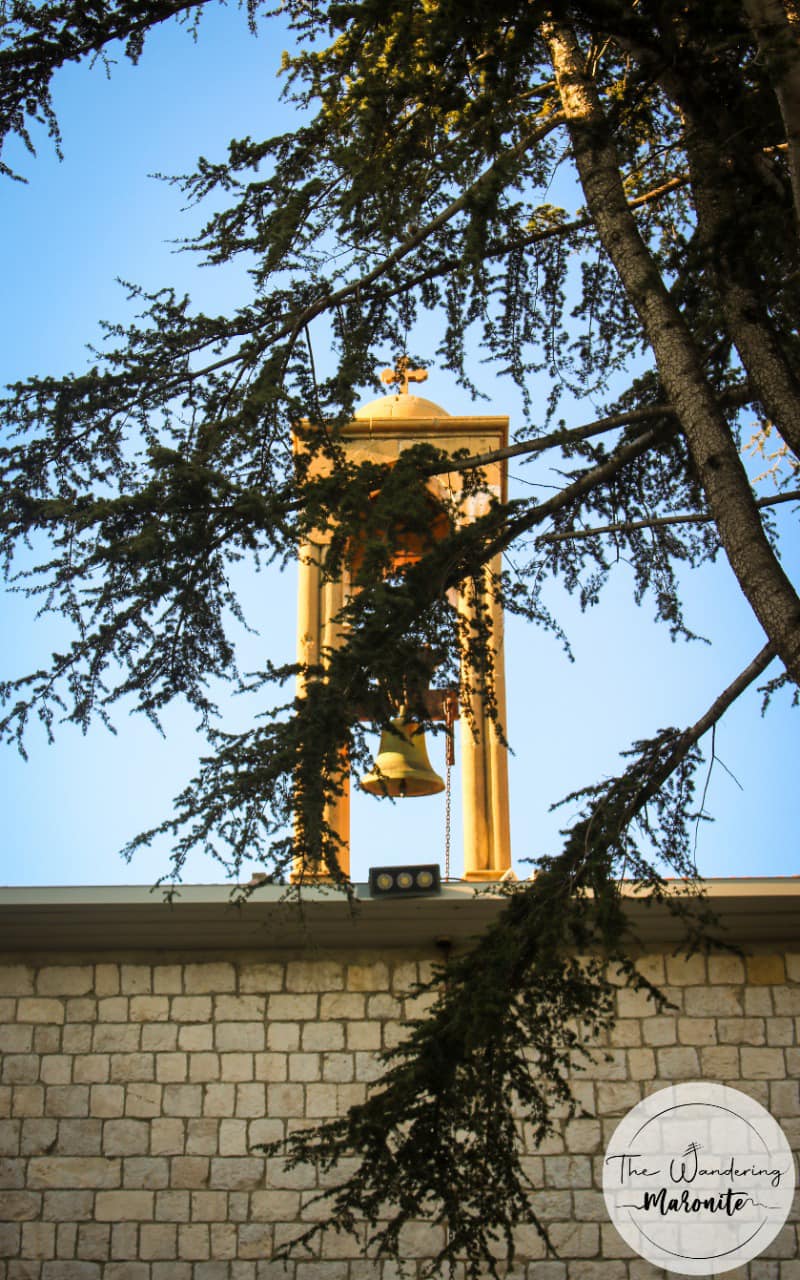
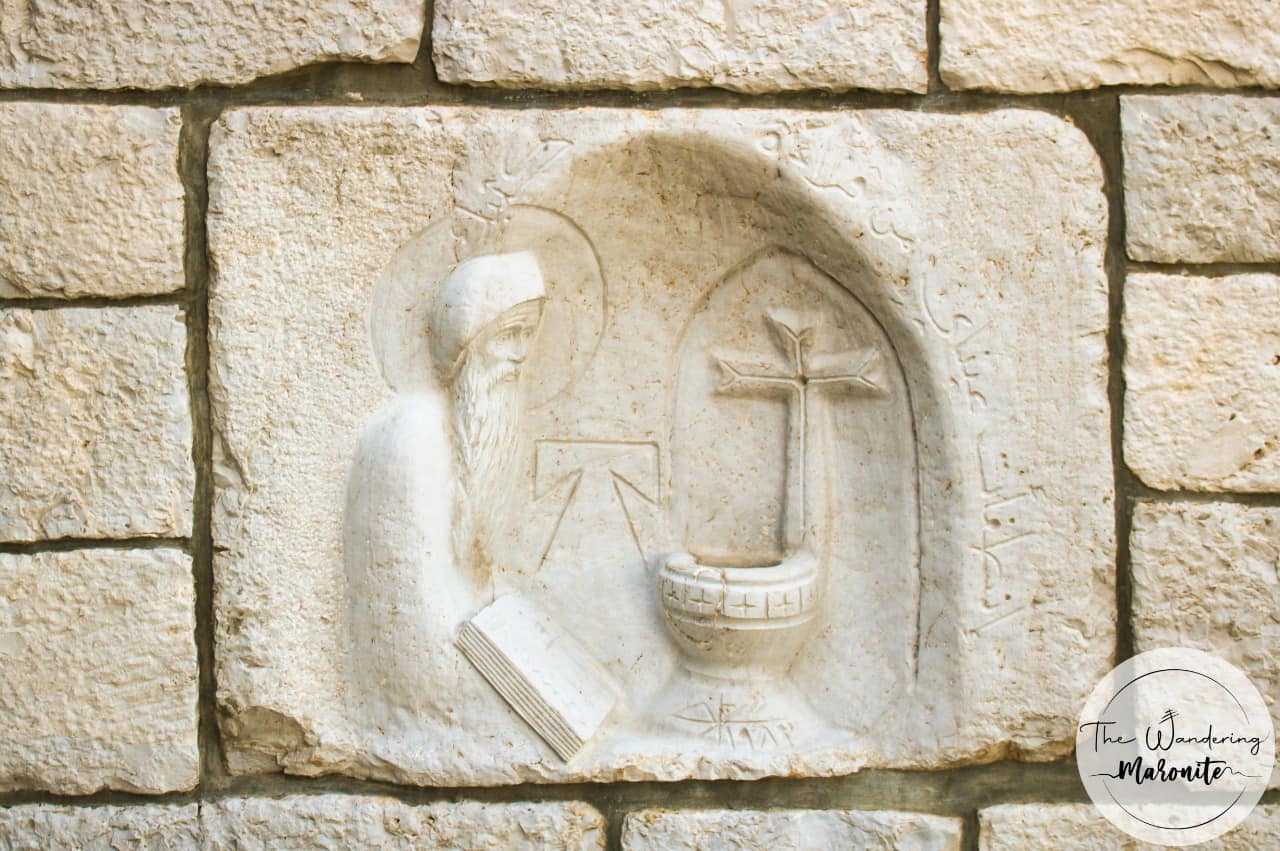
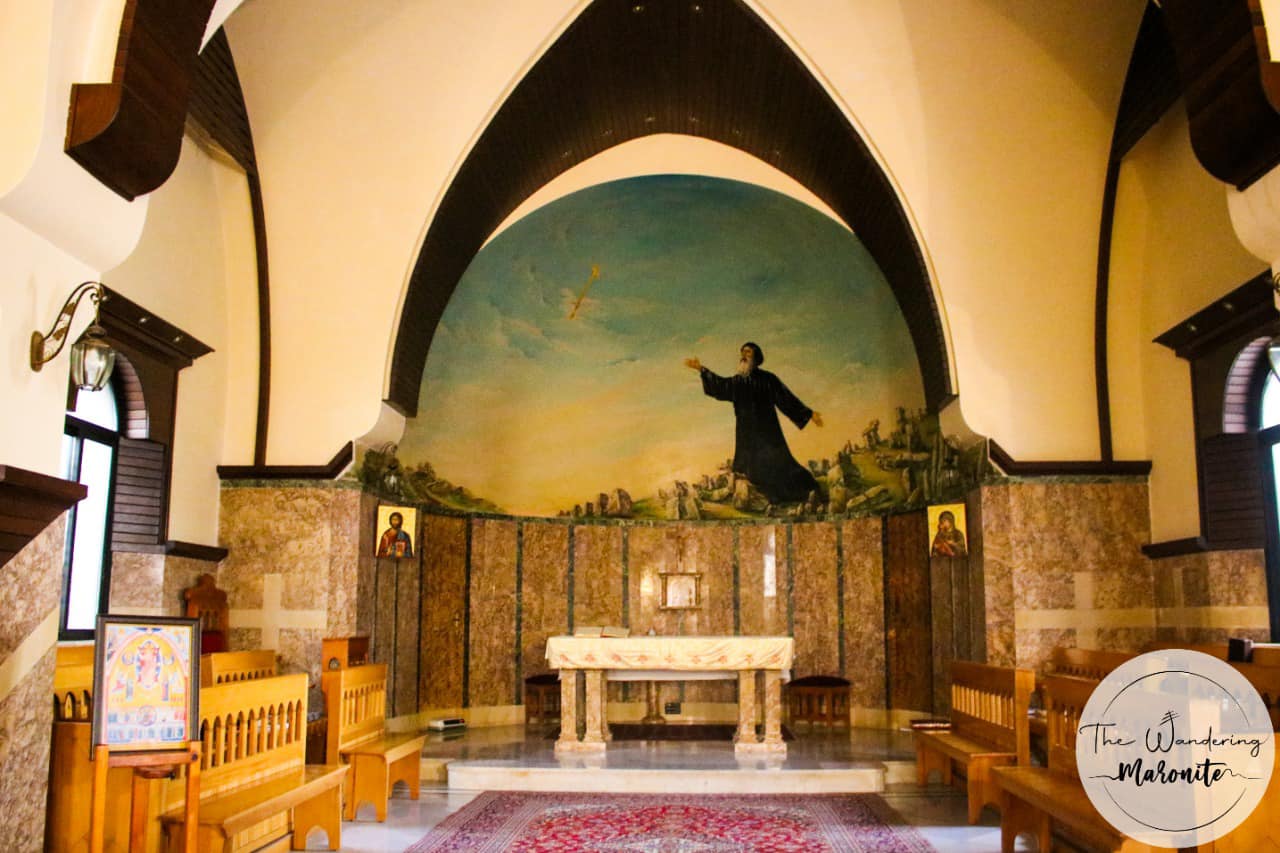
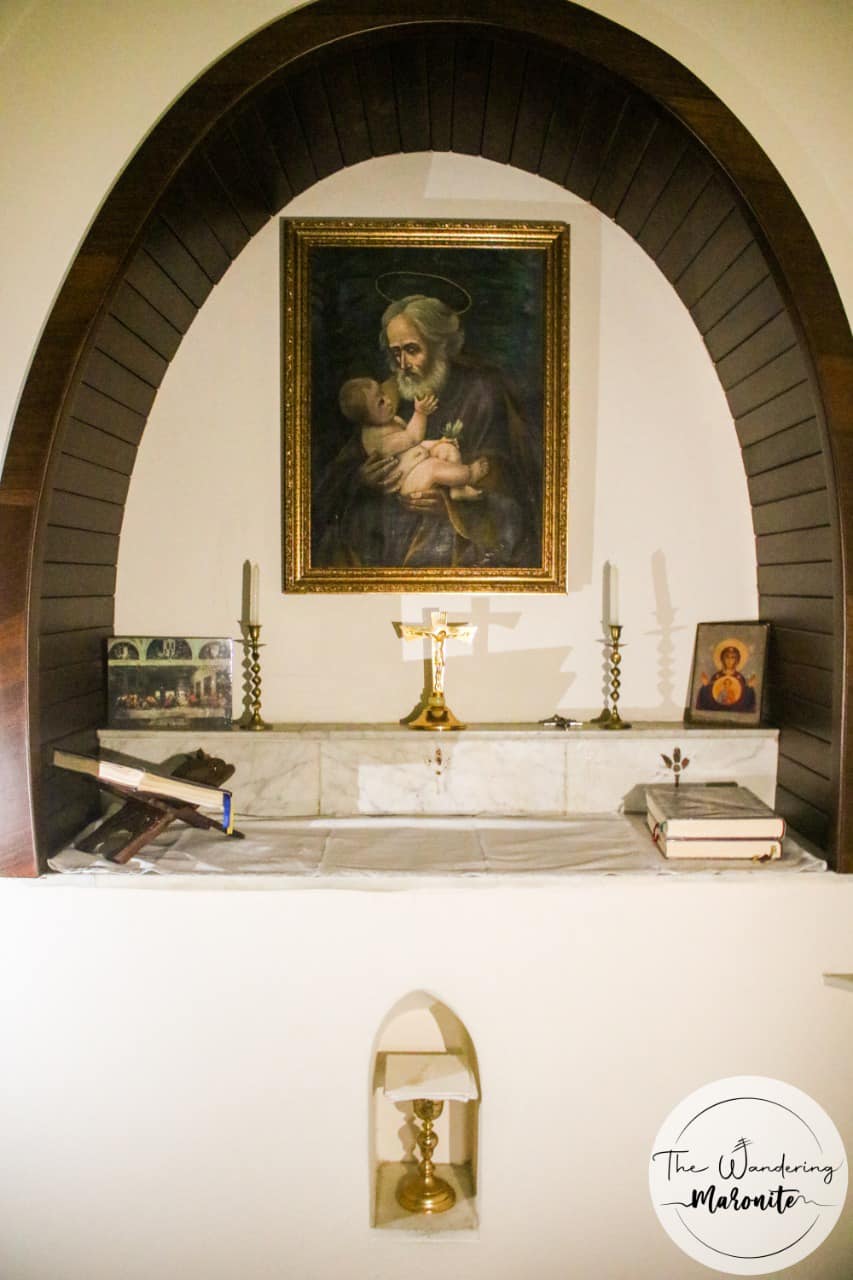
دير مار شعيا - المزكه برمانا سنة 1673 قام المطران جبرايل البلوزاني رئيس أساقفة حلب (البطريرك لاحقًا) بتأسيس حركة رهبانيّة تتبع قانون مار أنطونيوس الكبير وهدفها تبشير الدروز. سنة 1698 أُرسلت مجموعة من الرهبان لتأسيس ديرٍ في برمانا هم: سليمان الحجّة المشمشاني، وعطالله كريكر الشبابي، وموسى زمّار البعبداتي. فاشتروا أنقاض ديرٍ قديمٍ على تلّة بجوار برمانا. سنة 1700 بدأ الرهبان الأنطونيون تأسيس ديرٍ جديدٍ على اسم مار شعيا الراهب الحلبيّ. أصبح الدّير الدّير الأم للرهبانيّة الأنطونيّة الناشئة التي ثبّتها البابا أقليمنضوس الثاني عشر سنة 1740. إرتبط الأنطونيّون بدير التأسيس لدرجة أنّهم أصبحوا يتكنّون برهبان مار شعيا. أصبح الدير جسر علاقة بين الرهبانيّة وحكّام الجبل، أمراءِ آل أبي اللمع وآل شهاب الموحِّدّين ما حدا بأفرادٍ من الأسرتَين الكبيرتَين اعتناقَ الإيمانِ الكاثوليكي ونشره في مناطقَ متنيّة. تعاقبت الحروب على الدير وتركت بصماتِها الهدّامة من أحداث ١٨٤٠ و١٨٦٠، إلى الحرب العالميّة الأولى، وقد كانتِ الأشرس، فدمّر الجيش العثمانيّ الدير وأحرق مكتبته. رُمّم الدّير على مراحل عديدة وأُعيد بناؤه. كنيسة الدّير كناية عن عقدٍ مُصالبٍ ينتهي بحنية نصف دائريّة. تتميّز الكنيسة بخورسها الخشبيّ بين المذبح والسوق الرئيسيّ.كذلك تحوي الكنيسة أرغن الموسيقار الكبير الأب يوسف الأشقر أحد روّاد الموسيقى الكنسيّة المارونيّة. كذلك تحوي لوحة مار شعيا التي تعود لعام 1907، وجداريّة خلف المذبح من عمل الرسّام أسعد رنّو. The monastery of St Isaiah - El Mzekke Broummana In 1673 the archbishop of Aleppo Mgr. Gebrayel el Blouzany (later Patriarch), started a monastic movement according to the Rule of St Anthony the great, with the aim of evangelizing the Druze. In 1698 a small group of monks were sent to start a monastery in Broummana: Sleiman Hajje from Meshmesh, Atallah Kreiker from Beit Chabab, Moussa el Zemmar from Baabdat. In 1700 the monks bought the ruins of an old monastery on a hill in the vicinity of Broummana. The monastery was dedicated to St Isaiah the Aleppan monk, and the monastery became the motherhouse of the new order that was recognized by Pope Clement XII in 1740. The monks became commonly known as the monks of St Isaiah. The monastery became a mission hub and many Druze were converted by the monks, it was noted that many princes from the families of Shehab and Abi el Llamah became Maronites and helped spreading the catholic faith in the Metn region. The monastery suffered greatly during the wars of 1840 and 1860, it was severely damaged during World War I and its great library was burnt down. Yet it was always restored and rebuilt. The monastery's church is a crossed vault ending with a semi circular apse. The nave and the sanctuary are separated by wooden choir stalls. The church holds the organ of Fr. Boulos el Ashkar a pioneer in Maronite ecclesiastical music, a painting of St Isaiah from 1907 and a fresco of the saint by Assaad Renno.

Visited 4476 times, 2 Visits today

Reviews are disabled, but trackbacks and pingbacks are open.

Related Listings

Deir el Qamar – The Church of Our Lady Of Talleh

Saydet Al Talle Church, Deir El Qamar, Lebanon

كنيسة سيّدة التلّة العجائبيّة

Deir El-Qamar

Chouf

Mount Lebanon

كنيسة سيّدة التلّة العجائبيّة - دير القمر
بُنِيَتْ كنيسة سيِّدةِ التلَّة على أَنقاضِ هَيْكَلٍ وَثَنِيٍّ أُقيمَ لِعِبادَةِ الإلَهْ القَمَرْ، تَحَوَّلَ إلى مَعْبَدٍ مسيحيٍّ عَلى يَدِ النَاسك إبراهيم القورشيّ. رمّمها البيزنطيّين والفرسان التيتونيّين. خُرِّبَت الكنيسة بعد رحيل الصليبيّين. مع بِدايَةِ القَرْنِ السّادِسَ عَشَرَ، وجَدَ الأهالي حجر العتبة من الكنيسة الأصليّة وسمّوها سيّدة التلّة. كان ذلك سنة ١٥١٦. شهدت الكنيسة على تاريخ دير القمر العريق، ومذابح سنة ١٨٦٠ حيث خَلَّصت القدّيسة رفقا طفلًا من الموت بشكل عجائبيّ إذ خبّأته في ثوبها. هي كنيسة محجّ لكلّ أبناء المنطقة. معروفة بعجائبها الكثيرة وفضلها. تحوي الكنيسة على عدد كبير من اللّوحات والآثار الكنسيّة.

The Church of Our Lady Of Talleh - Deir el Qamar
The church was originally a pagan temple for a moon deity, then converted into a church by the hermit Abraham of Cyr. It was restored by the Byzantines and the Teutonian knights. The church fell into despair after the Crusaders left, up until the sixteenth century, when local christians found the historical frontal stone and named their church Our Lady of the Hilll, it was consacrated in 1516. The church is a witness on the long history of Deir el Qamar and the massacres of 1860 when St Rafqa shielded a boy miraculously with her habit. The church is a pilgrimage site known for miraculous healings. It also contains a lot of paintings and church furnishings.

انطوش ولوحات كنيسة سيّدة التلّة - دير القمر.
سنة ١٧٥٠، وهبت الستّ أمّون، والدة الأمير يوسف المعنيّ للرهبانيّة الحلبيّة اللبنانيّة، أربعة أقبية والدكاكين الموجودة فوقها والتي تقع الى جانب الكنيسة، من اجل تعليم الأولاد وفائدة الشعب الروحيّة. فأقامت الرهبانيّة أوّل مدرسة ديموقراطيّة في الشرق حيث كان يتعلّم مجّانًا أولاد الأمراء الى جانب أولاد الفلّاحين، من دروز ومسيحييّن، من بنين وبنات، على إثر قرار المجمع اللبنانيّ سنة ١٧٣٦. سنة ١٩٠١، أُعيد بناء الأنطوش. سنة ١٩٣٧، جرى أوّل إحتفال رسميّ بمناسبة عيد سيّدة التلّة في الأحد الاوّل من شهر آب، وذلك بمنشور صادر عن راعي الابرشيّة آنذاك المطران أوغسطين البستاني.

The Presbytery and the paintings of Our Lady of Talleh - Deir el Kamar
In 1750 Lady Amoun of house Maan, mother of Prince Yousef, gave the Alepine Maronite Order four crypts and some commercial stores near the church to convert them into a school and provide spiritual assistance for the locals. The new school was the first democratic school in the Levant, teaching for the first time students from all backgrounds: Christians Druze, nobles peasants, boys and girls, in accordance with the precepts of the Lebanese council held in 1736. The presbytery was rebuilt in 1901. In 1937 a new feast day of Our Lady of Talleh was celebrated for the first time on the first Sunday of august.

Jbeil – Saint John Marcus

Monastery of Saint John Marcus Jbeil Lebanese Maronite Order, Byblos, Lebanon

مار يوحنا مرقس - جبيل

1115

Jbayl

Jbeil

Mount Lebanon

A beautiful Romanesque church, Eglise Saint Jean Marc is the cathedral church of Jbail-Byblos. The Church is dedicated to Saint Jean Mark, the patron saint of the town, who is said to have founded the first Christian community of Byblos. The church itself was built in 1115 A.D by the Crusaders, originally as the Cathedral of Saint John the Baptist. After their departure, earthquakes, invasions and other disasters have repeatedly damaged the structure, and for a few centuries it remained disused. In 1764, Emir Youssef Chehab, of the Druze dynasty that ruled a semi- autonomous Lebanon under the Ottomans, donated the church to L’Ordre Libanais Maronite (Lebanese Maronite Order) which subsequently restored and reopened in 1776 after re-dedicating it to St Jean Marc. British bombardments of Lebanon in 1840 caused further damage, but the church was restored yet again. Eglise Saint Jean Marc continues to serve the Maronite Christian community. One interesting feature in the church is its open- air domed baptistery on the northern side which dates from the original construction in 1115 A.D, The church is situated on Rue de Port, between the port and the archaeological area.

Beit Shabab – The church of our Lady the Major

كنيسة السّيدة الكبرى, Beit Chabeb, Lebanon

كنيسة السيّدة الكبرى

Beit Chabab

Metn

Mount Lebanon

كنيسة السيّدة الكبرى - بيت شباب

الكنيسة الحاليّة مبنيّة على أنقاض كنيستين: الأولى مجهولة تاريخ البناء وكانت صغيرة واطئة بنيت قرب مصب الينبوع وكانت قائمة في القرن السادس عشر، الثانية وكانت تُعرف بسيّدة الجوزة، بدأ بناؤها سنة ١٧٠٣ في مكانها الحاليّ. كرّسها في ١٠ أيّار سنة ١٧١٦ البطريرك يعقوب عوّاد، جلب لوحاتها من روما الخورأسقف يوسف السمعاني. سنة ١٩٠٣ بوشر بناء الكنيسة الحاليّة، وهي بازيليكيّة الطراز بثلاث أسواق وعقدٍ بغداديّ، تحوي خمس مذابح رخاميّة. كرّسها سنة ١٩٤٠ الخورأسقف يوسف الحايك. رمّمت الكنيسة عدّة مرّات. وهي أكبر كنيسة في بيت شباب تشتهر بأبراج أجراسها.

The church of our Lady the Major - Beit Shabab

The current church was built over two older churches. The first one was built near the village’s water fountain, its history is unknown, yet it was in use during the XVIth century. The second one was in the current place, it was known as our Lady of the Walnut tree. Construction began in 1703 and it was consecrated by Patriarch Yaaqoub Awad on the 10th of May 1716. The paintings of the church were brought from Rome by Mgr Youssef el Semaani. The current church was built in 1903, it is a basilical structure with three naves and five marble altars. It was consecrated in 1940 by Mgr Youssef el Hayek. The church underwent many restorations, it is famous for the three bell towers on its facade