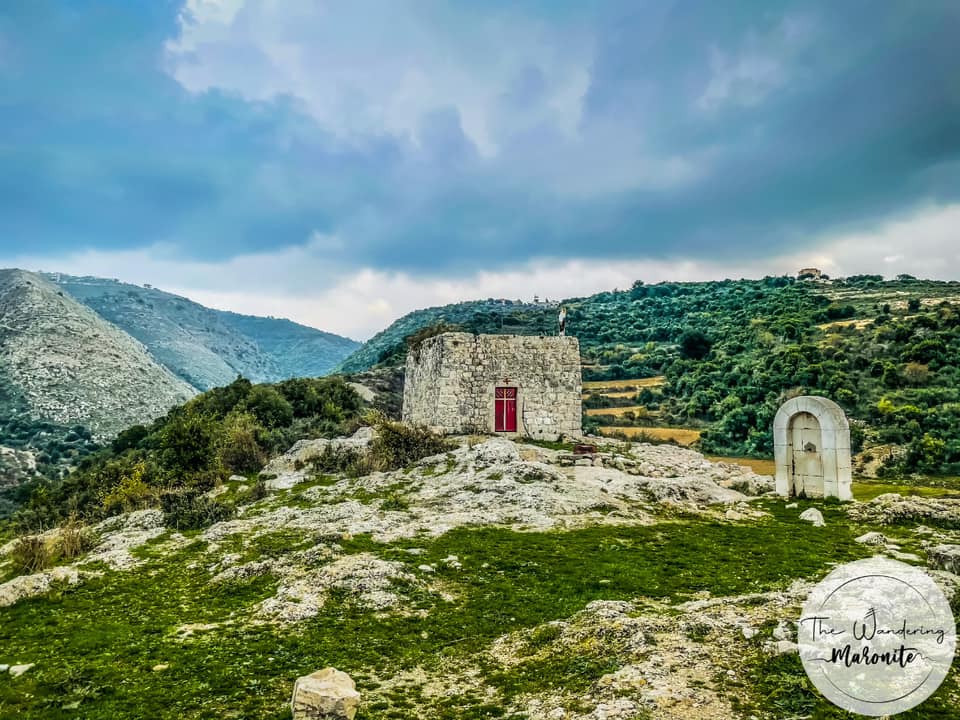
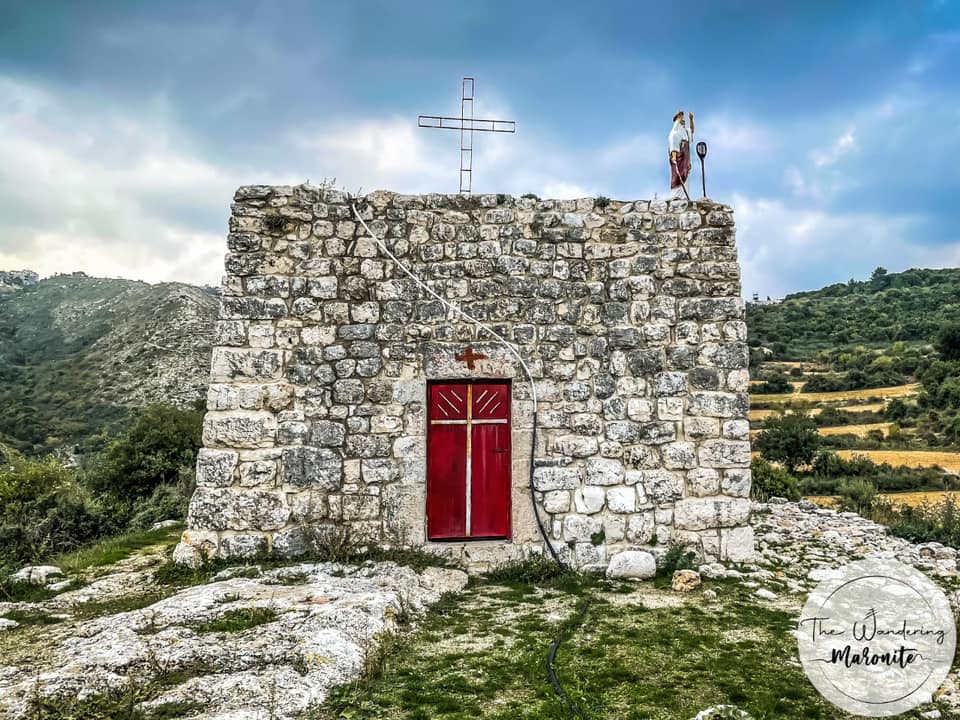
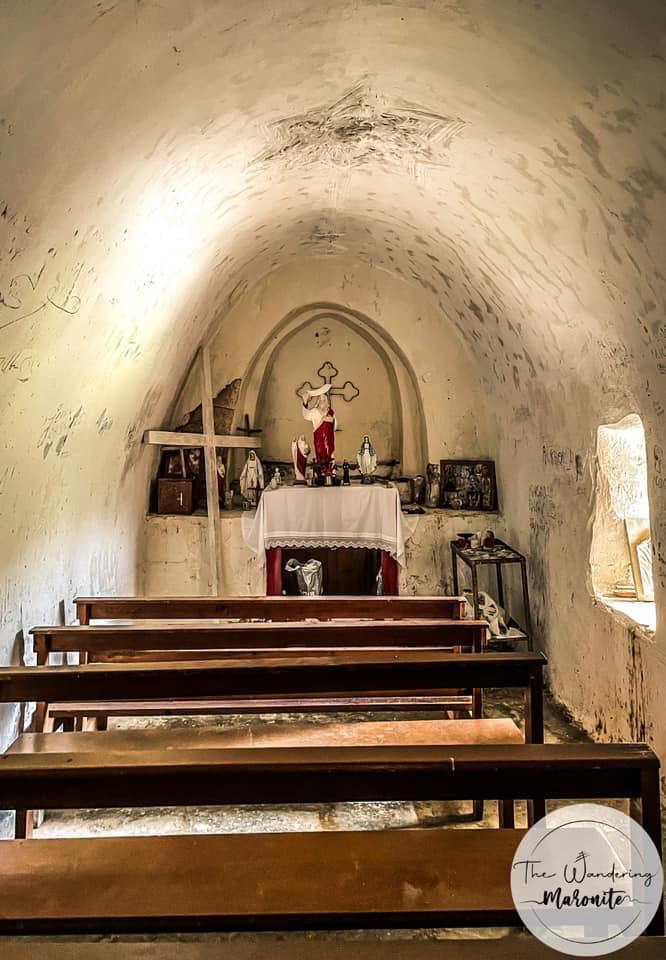
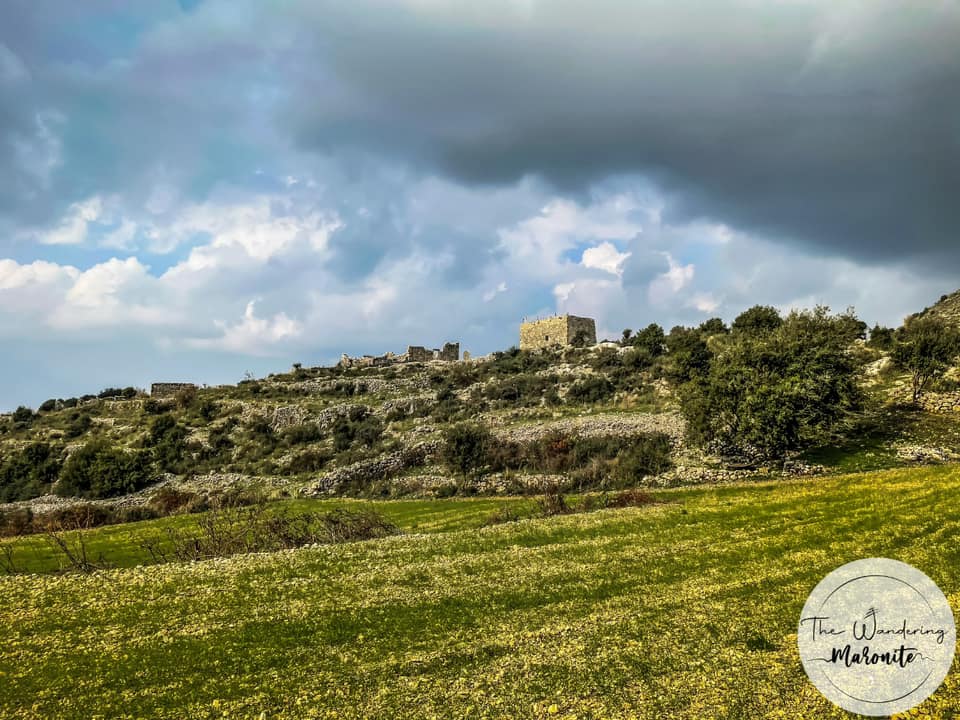
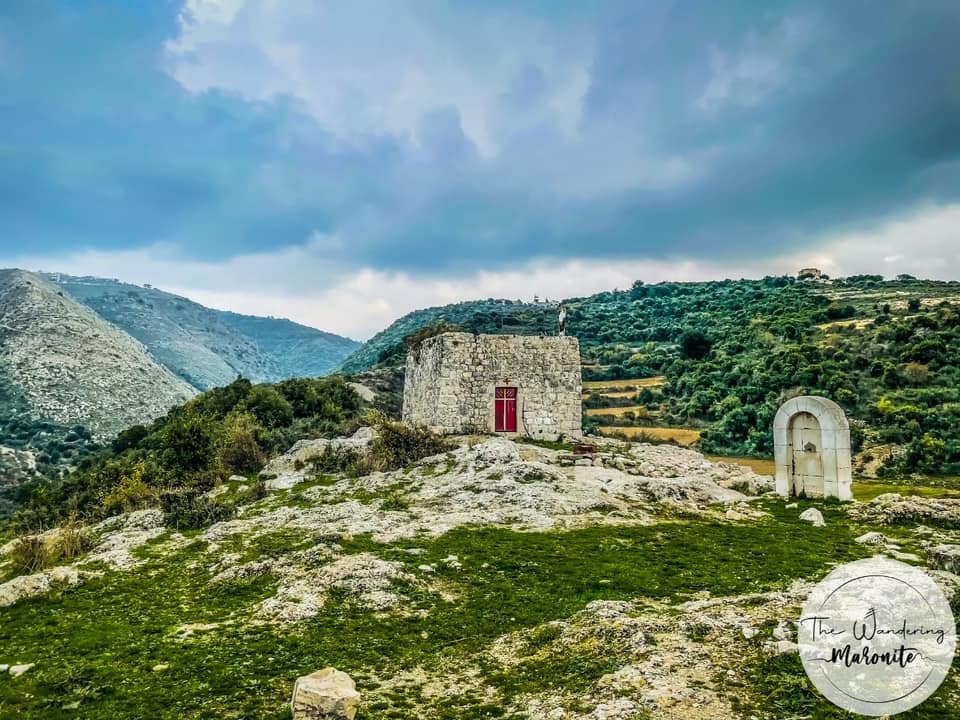
كنيسة مار الياس - بجرّينهي البناء الوحيد الباقي من قرية بجرّين التي هُجرت على إثر الحرب العالميّة الأولى. تعود للعهد الصليبيّ، وهي محافِظة على طابعها القديم فلا توجد فيها قبّة جرس. بناؤها بسيط، وتظهر على جدرانها بقايا جداريّات مخفيّة تحت طبقة الكلس.The church of St Elias - BjerrinIt is the only standing building in tbe village of Bjerrin that was abandoned after the World War I. The church dates back to the times of the Crusades, and still preserves a modest architecture without a bell tower. On the walls are visible the remains of medieval frescoes under a layer of stuco.
الكنيسة عبارة عن مغارة كانت مدفنًا لكهنة أدونيس وتحوي عدّة نواويس، وثلاث اعمدة تنضح الماء كانت قديمًا لنذور العواقر. وثّق المغارة العالم إرنست رينان والمفوّضيّة السّامية الفرنسيّة، لكنّ العديد من معالم المدفن خرّبت جرّاء البحث عن الطمائر. على الجدار الشرقيّ داخل الكنيسة كتابة منقوشة باللغة السريانيّة وهي مختلفة من حيث الاسلوب، لأنّها منقوشةٌ بشكلٍ عاموديٍّ وليس افقياً. وقد فسّر علماء الآثار هذه الظاهرة أنّه في القرن السابع للميلاد زمن الامويّين ذهبت بعثات نسطوريّة الى الصين. وهذا ما يفسّر الاسلوب العامودي في الكتابة الآراميّة المنقوشة، فهؤلاء تأثروا بالكتابة الصينيّة العاموديّة كالكتابات السريانيّة في شيان التي تعود للحقبة نفسها. رمّم المذبح سنة ١٨٩٥، والواجهة الأماميّة سنة ١٩٥٢.
The church of Sts Peter and Paul - Aqoura
The church was a funerary cave for the priests of Adonis, it holds many sarcophaguses and three columns that pour water. The cave was studied by Ernest Renan and the archeologists of the French high commissariat. The church holds a VIIth century Syriac calligraphy that is distinct since it was written vertically, which relates to the Nestorian monks who went to missions during the Umayyad era and reached China. There they were influenced by the mandarin calligraphy and began writing Syriac in this manner. The stella of Xian uses the same type of writing and dates back to that era. The church was plundered by tomb raiders, the high altar was restored in 1895, and the entrance in 1952.
بُنيت الكنيسة سنة ١٧٦٤، وهي عقد مصالب بحنية واحدة وثلاث مذابح. هي كنيسة البلدة الرعائيّة. رممّت للمرّة الأولى ما يين سنة ١٨٩٣ و١٨٩٤ وأقيم فيها المذبح الكبير. أمّا الترميم الثاني يعود لسنة ١٩٧٥. تحوي الكنيسة على مدفن المطران يوحنّا مراد رئيس أساقفة بعلبك (+١٩٣٧). كذلك على مجموعة كبيرة من اللوحات لكنعان ديب إبن البلدة تعود لأواخر القرن التاسع عشر.
The church of St Jacob the Persian - Dlebta
Built in 1764, it is the town’s parochial church. The structure is a crossed vault ending in a single apse with three altars. The church was restored between 1893 and 1894 when the current high altar was brought, and in 1975. In the church is buried Mgr. Youhanna Mrad (+1937) archbishop of Baalbek. The church holds a great number of paintings by Kanaan Dib the son of Dlebta, dating back to the late XIXth century.
الكنيسة في الأساس مبنيّة بحجارة معبدٍ رومانيّ بُني في زمان الإمبراطور انطونان التقيّ كما تشير النقوش اليونانيّة على جدرانها. تحوي الكنيسة على عدّة آثار من المعبد القديم كتمثال صنمٍ في آخرها. في القرون الوسطى تزيّنت الكنيسة بمجموعة من الجداريّات ما زال قسمٌ منها ماثل. الكنيسة كناية عن بناء بنمط بازيليكيّ بثلاث أسواقٍ وعقدٍ سريريّ. في عهد المماليك إستُعملت هذه الكنيسة كخانٍ للمُسافرين، وفي بداية العهد العُثماني إستُعملت إسطبلاً للخيل في قسمٍ منها، وفي القسم الآخر أُنشئت معصرة للزيتون. وآلت ملكيتها لمشايخ آل حمادة الشيعة. وفي أوآخر القرن الثامن عشر قَدَمَ الشيخ وهبه الدحداح الأول من كسروان وإستملك بلاط، فَحوَّل الإسطبل الذي أصبح من أملاكه الى كنيسة على إسم مار الياس وأعاد ترميمها، فكرَّسها المطران يوسف المريض في 4 كانون الأول ١٨٧٠. وفي العام ١٩١٩ ضربتها صاعقة، فأعاد الشيخ إسكندر كنعان وهبه الدحداح ترميمها. وفي العام ١٩٧٨ قامت المديريّة العامّة للآثار بترميمها على الشكل الذي تقوم عليه الآن. تضمّ الكنيسة لوحةً لمار الياس من عمل كنعان ديب الدلبتاوي.
The church of St Elias - Blat Byblos
The church was built with the spolias of an ancient roman temple built during the reign of the emperor Antoninus the pious. The church holds many remanences of the temple : greek inscriptions and an idol. The church’s structure is a three naved basilical plan with a crib vault. It used to be covered with frescoes some of them can be seen today. During the Mamluk’s era the church was converted into a caravanserai. Later on it was converted into a stable and an olive pressing mill and remained so during the Ottoman era when it became property of the Shia lords of the Hemade family. The church was bought by the Sheikh Wehbe el Dahdah when he came from Kesserwan and bought the village of Blat. The church was reconsecrated and dedicated to the Saint Elias the Prophet by bishop Youssef el Marid of the 4th of december 1870. It was damaged by a lightning stroke and restored in 1919 by Sheikh Kanaan Wehbe Dahdah. The church was renovated by the Lebanese Directorate General of Antiquities in 1978. The church holds a painting of Elias by Kanaan Dib.



Reviews are disabled, but trackbacks and pingbacks are open.