
Ghalboun – The church of St George

Saint Georges Church, Ghalboun, Lebanon

Other Details

كنيسة مار جرجس

Ghalboun

Jbeil

Mount Lebanon

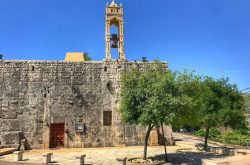
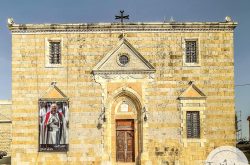
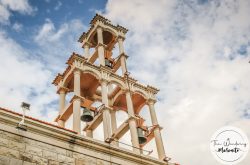
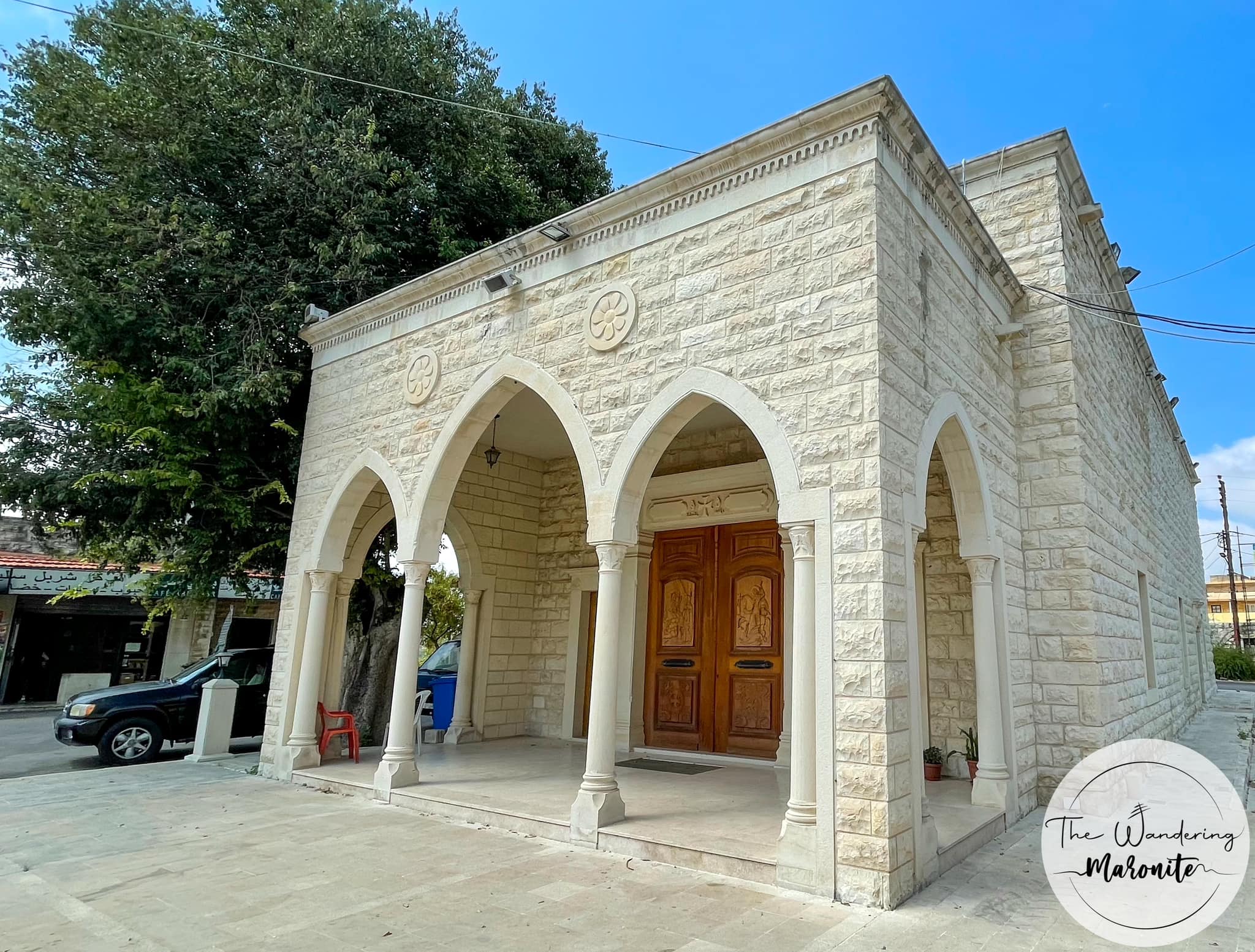
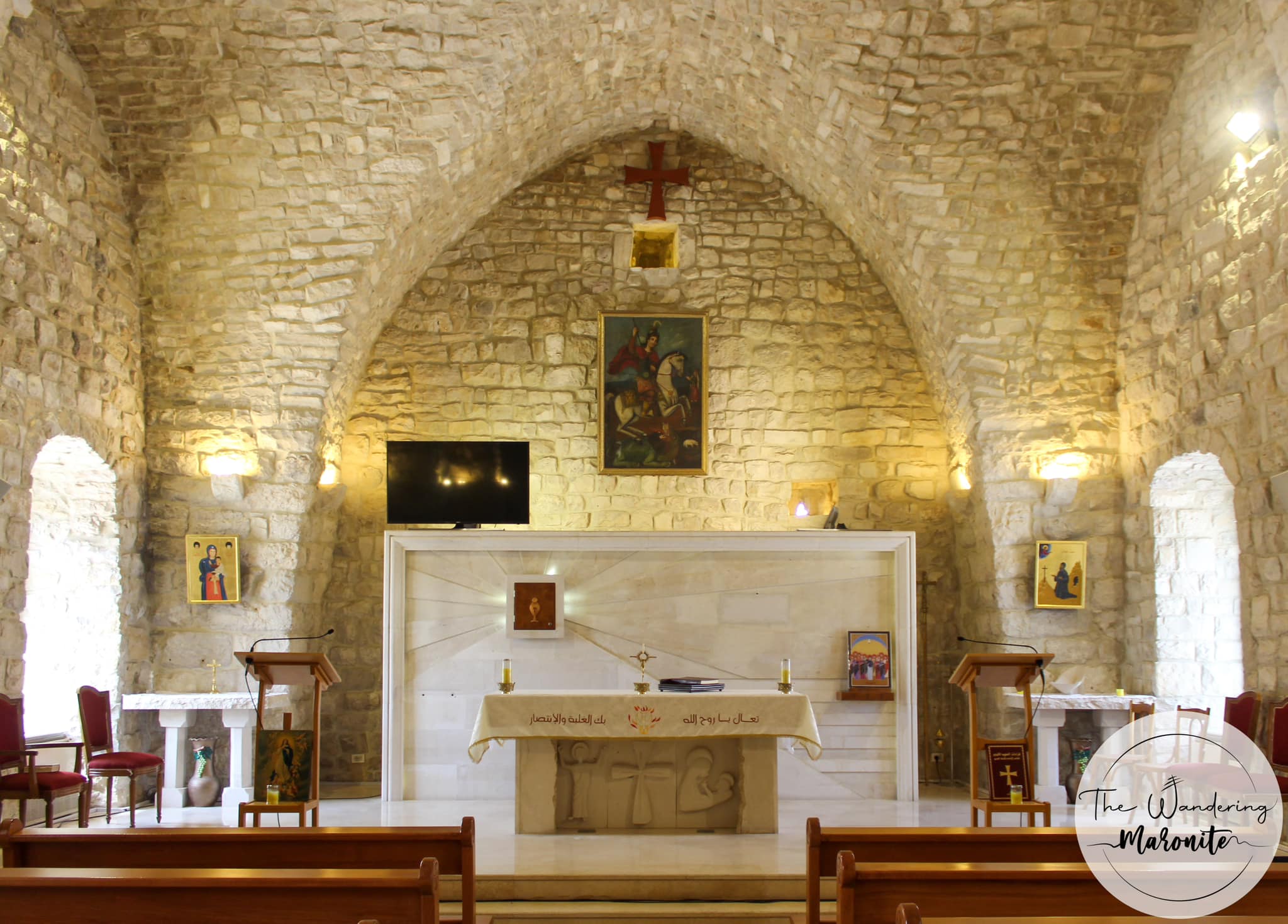
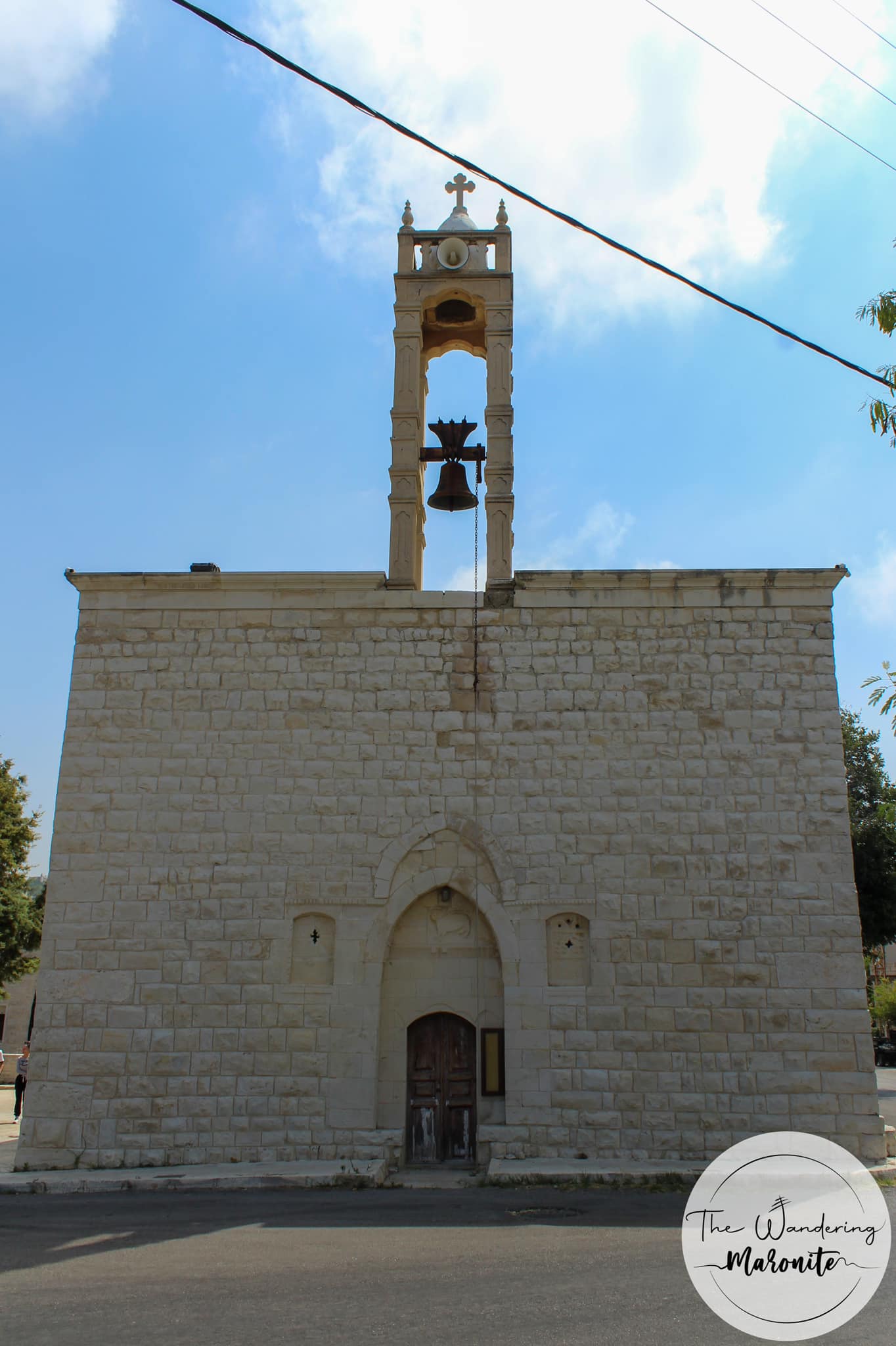
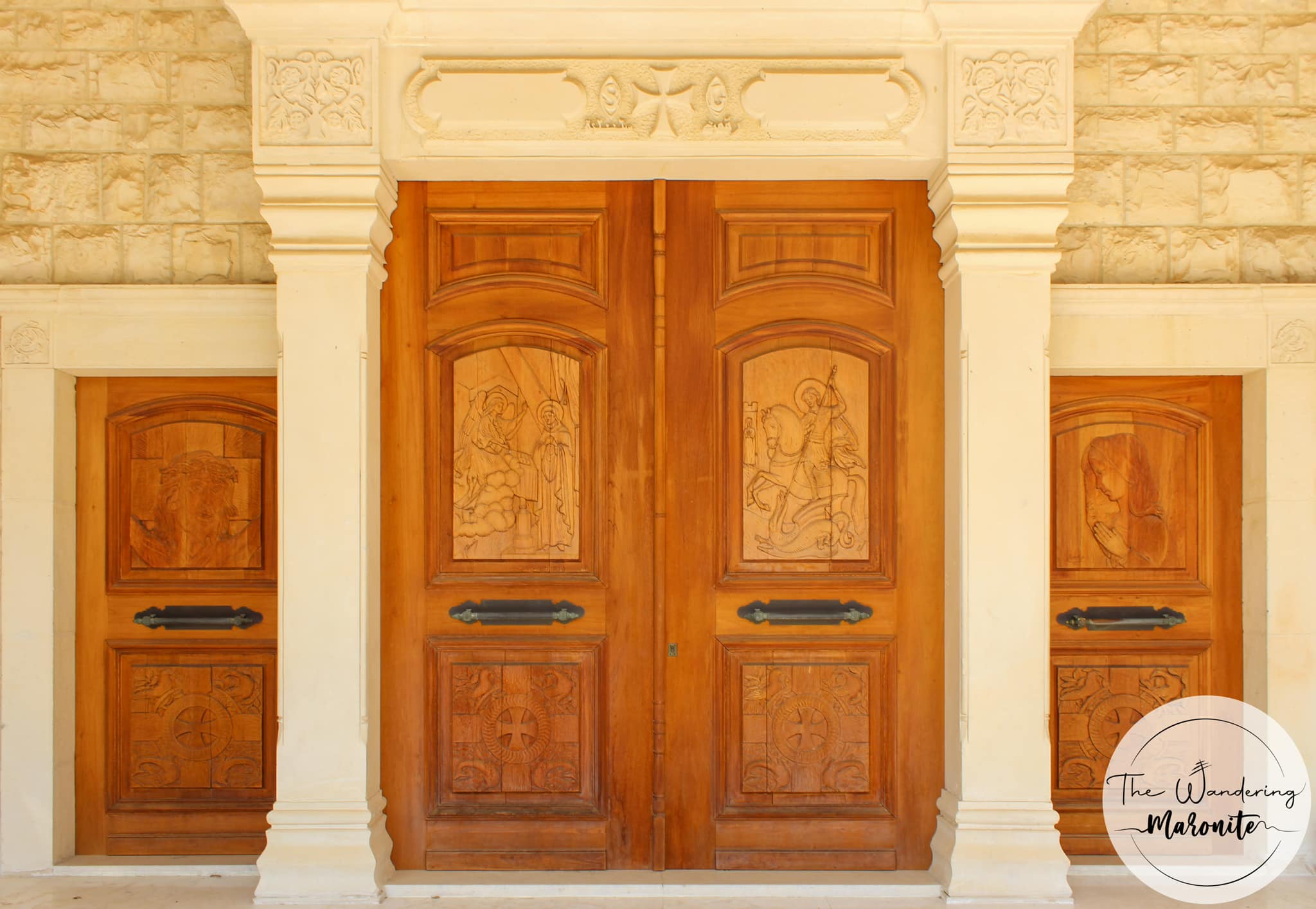
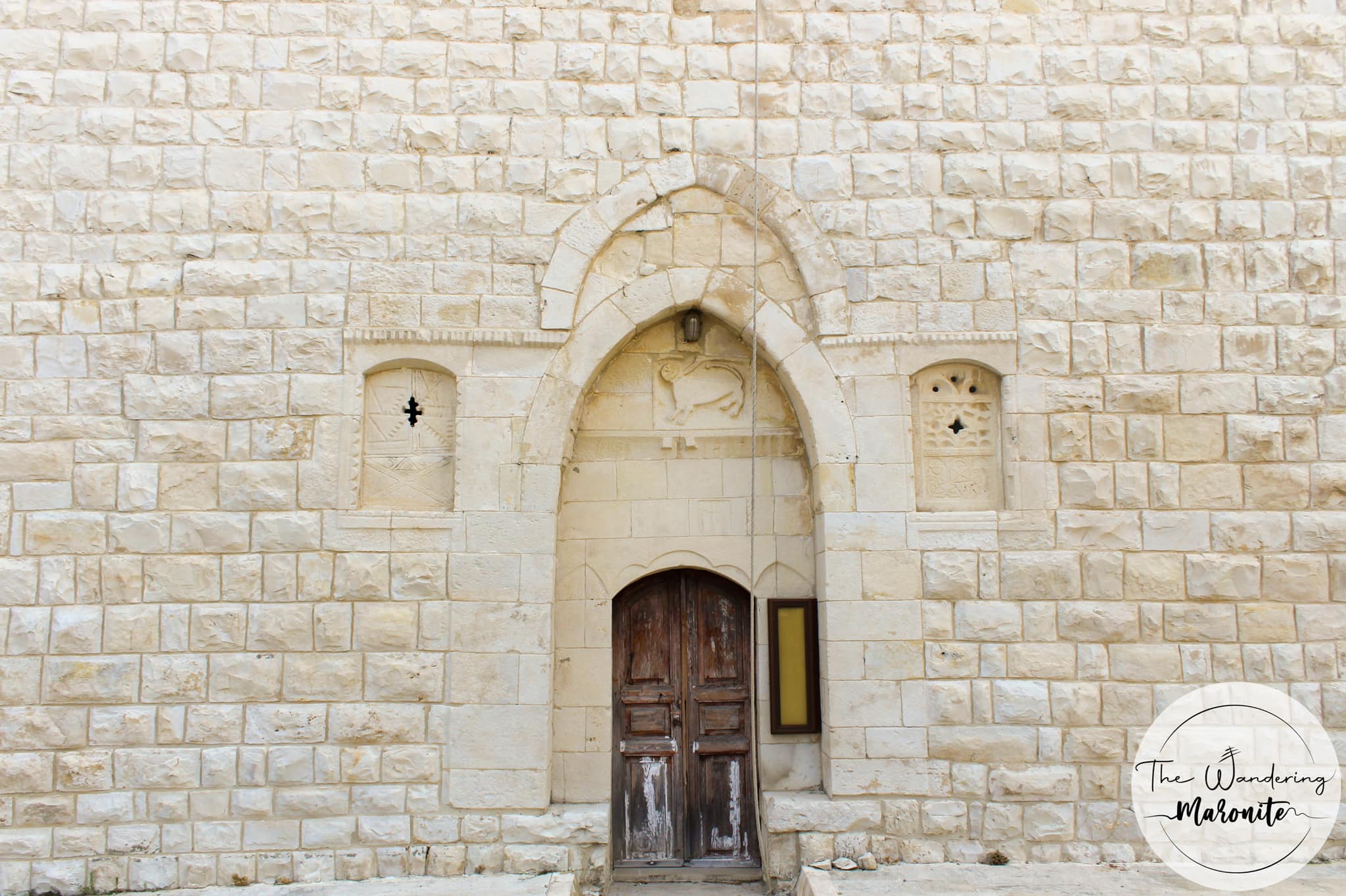
كنيسة مار جرجس: غلبون كنيسة القرية الأولى كانت تقع في محلّة الحوش. بعد توسّع القرية مع بداية القرن التاسع عشر، قرّر الأهالي بناء كنيسةٍ جديدةٍ مكان محبسة مار جرجس والتي كانت قائمة بدورها على أنقاض معبدٍ فارسيٍ. وواجهة الكنيسة الغربية ما زالت تحتفظ بشعار الإمبراطوريّة الفارسية، النمر وزهرة اللّوتوس.. أما المذبح القديم فقد إستقدمه الخوري بطرس أبي سليمان من روما، بواسطة البطريرك الياس الحويّك. ورُسمت على جدران الكنيسة أيقونات بريشة كنعان ديب الذي رسم أيقونة مار جرجس القديمة،سنة ١٩٠٤. سنة ٢٠٠٦ رُمّمت الكنيسة. The church of St George - Ghalboun The first parochial church was built in the Hawsh area. With the expansion of the village in the beguiling of the XIXth century the locals decided to build their new church over an old hermitage dedicated to St George. The hermitage was built over a Persian Achaemenid watch tower. The church’s western wall still holds a stone from the old tower with Achaemenid engravings: a tiger and a lotus. The church was decorated with frescoes and a painting of St George by Kanaan Dib in 1904. The old marble altar was brought from Rome by Fr. Boutros Abi Sleiman with the aid of Patriarch Elias Howeyck. In 2006 the church was restored.

Visited 3275 times, 1 Visit today

Reviews are disabled, but trackbacks and pingbacks are open.

Related Listings

Enfeh – Deir Saydet el Natour

Deir Saydet el Natour, Hraiche, Lebanon

سيدة الناطور

Enfeh

Koura

North

The convent’s ancient origin is attached to a legend. A rich man of the region committed adultery; filled with remorse, he attached a padlocked iron chain to his ankle and threw the key into the sea-shore and survived on the fish brought to him by local fishermen, who called him the guardian of the cavern. One day, a fisherman brought him a fish, in whose entrails the hermit found the key of the padlock. He knew then that God had delivered him from his suffering, and he built a convent above the cavern. He dedicated it to The Mother of God, but it also took the name of the Guardian.

The daily life of the convent is regulated by the flow of visitors who come to fulfill vows and make prayers. Sister Catherine al-Jamal is the principal resident of Dayr al-Natour, and she has done everything within her power to restore it.

According to the Crusader document, the Monastery of the Presentation of Our Lady Natour was built by Cistercians. Indeed, the Church interior resembles that of the Cistercian Church of Balamand, built in 1157. Otherwise, the history of Dayr al-Natour is hidden in obscurity, although it is said that the local Orthodox community took it over after the departure of the Crusaders. Its name is almost unmentioned by historical sources during the Mamluk and most of the Ottoman period, although it is reported that French corsairs attacked the Monastery at the beginning of the eighteenth century and killed a monk.

In 1838, the Ottoman authorities gave permission to the Monastery to be rebuilt. In the second half of the nineteenth century, it contained several monks and a superior, and it possessed fifteen dunums of land. During the First World War, it was bombarded by a Russian ship. A few years later, the Monastery lost its last Superior, Basilios Debs, who became Archbishop of Akkar. After his departure, monastic life ended at Dayr al-Natour.

During the twentieth century, the deserted monastery became a refuge for shepherds from the neighboring regions. In 1973, Sister Catherine al-Jamal moved to Dayr al-Natour and began to restore it from its ruin.

Baalbek – The presbytery of our Lady of Perpetual Help

Saydet Maaounet, Baalbek, Lebanon

أنطوش سيّدة المعونات

Baalbek

Baalbek

Baalbek-Hermel

أنطوش سيّدة المعونات - بعلبك

سنة ١٨٥٩ حاز الأب دانيل الحدثي على قطعة أرضٍ قرب قلعة بعلبك من أمير المدينة سليمان حرفوش لبناء كنيسةٍ وأنطوش للرهبان. سنة ١٨٧٠ بُنيت الكنيسة وكُرّست وأصبحت الرعيّة المارونيّة في المدينة. الكنيسة كناية عن عقدٍ سريريّ إسمنتيّ مسقوفة، ولوحة السيّدة من عمل داود القرم. هُجّر الأنطوش خلال الحرب اللبنانيّة من سنة ١٩٨٤ إلى سنة ١٩٩٥. عندما عاد الرهبان إليه رمّموا الأنطوش والكنيسة ليستمرّ بمهامه الرعائيّة.

The presbytery of our Lady of Perpetual Help - Baalbek

In 1859, Father Daniel Al-Hadathi acquired a piece of land near the Citadel of Baalbek from the governor of the city, Suleiman Harfush, to build a church and a presbytery for the monks. In 1870, the church was built and consecrated, and it became the Maronite parish in the city. The church is basilical with one nave and a crib concrete vault. The painting of the lady is drawn by Daoud Al Qorm. The presbytery was abandoned during the Lebanese war from 1984 to 1995. When the monks returned, they restored the buildings so that they could continue their pastoral duties.

Sidon – St Elijah’s Maronite Cathedral

Maronite Diocese of Sidon مطرانية صيدا المارونية, Sidon, Lebanon

كاتدرائيّة مار الياس المارونيّة

Saydoun

Jezzine

South

كاتدرائيّة مار الياس المارونيّة صيدا
بناها المطران أغوسطينوس البستاني على إسم شفيع المدينة مار الياس الحيّ، لتكون كرسيًّا رسميًّا له في المتروبوليّة. وكان ذلك سنة ١٩٣٨. يَذكر الكتاب المقدّس أنّ مار الباس مرّ في صيدا وهي جزء من الأراضي المقدّسة وعلى اسمه أربع كنائس مارونيّة في المدينة. الكنيسة مبنيّة على النمط البازيليكيّ، لوحة الحنية من رسم الفنان اسعد رنّو. تعرّضت للحرق ابان الحرب الأهليّة سنة ١٩٨١. وأُعيد ترميمها مؤخّرًا سنة ٢٠١٧. من أبرز ما تحويه ذخيرة عود الصليب التي حملها مطران صيدا مار انطونيوس خريش (البطريرك لاحقًا) على إثر المجمع الفاتيكاني الثاني.

St Elijah’s Maronite Cathedral Sidon.
It was built during the mandate of archbishop Augustin El Boustany, and was dedicated to Elijah the prophet patron saint of the city, to become the bishop's official new cathedral in the metropolitan city. It was built in 1838 in a basilical plan. The Old Testament states the visit of the prophet to the city. That explains the presence of four churches dedicatd to him in the city. The main painting in the apse is the work of the Lebanese painter Assaad Renno.
The cathedral was burnt down during the civil war in 1981, and finally restored in 2017. Its most prized treasure is the Holy Cross relic brought back from the Second Vatican Council by Archbishop Antonios Khoraish (Later Maronite Patriarch).