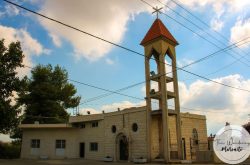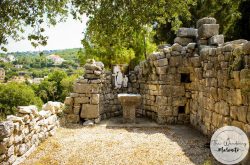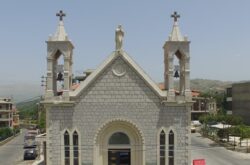

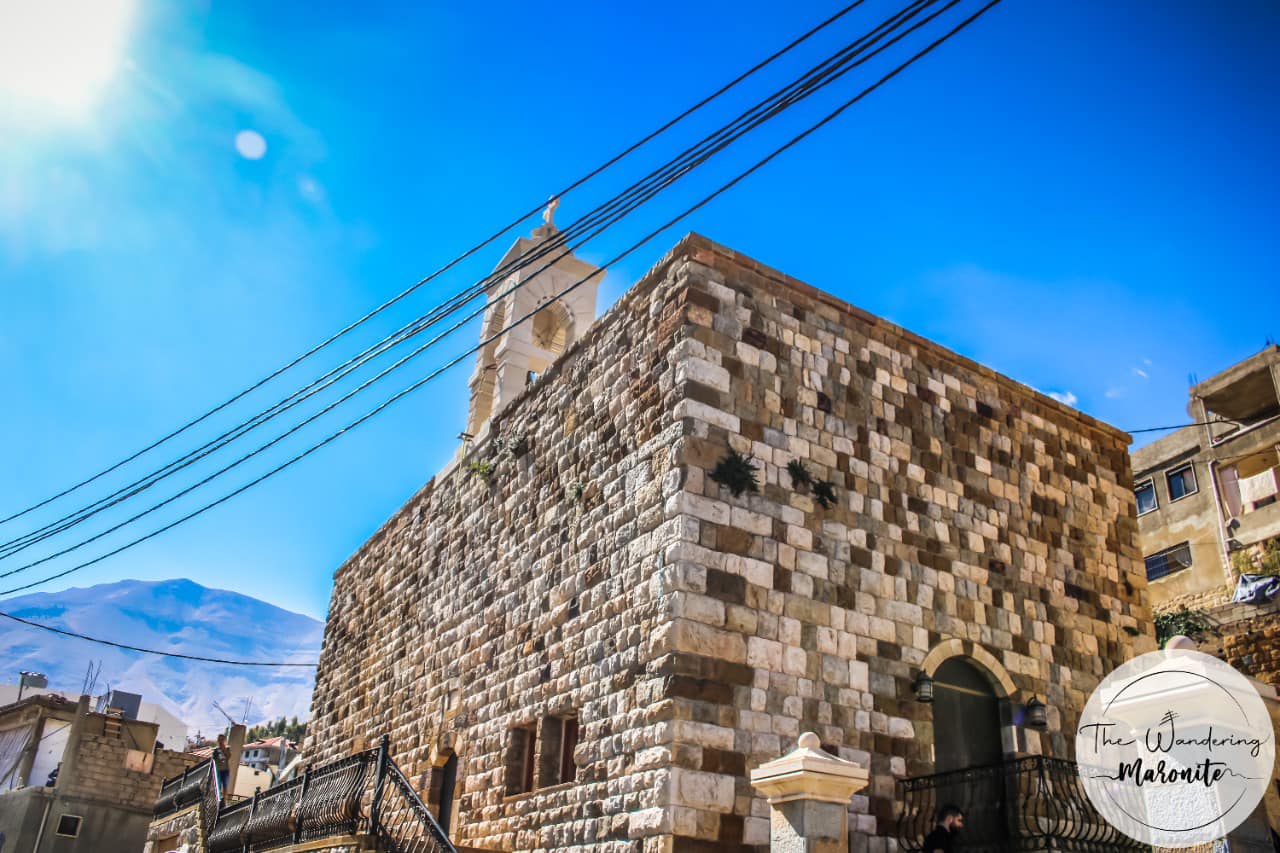
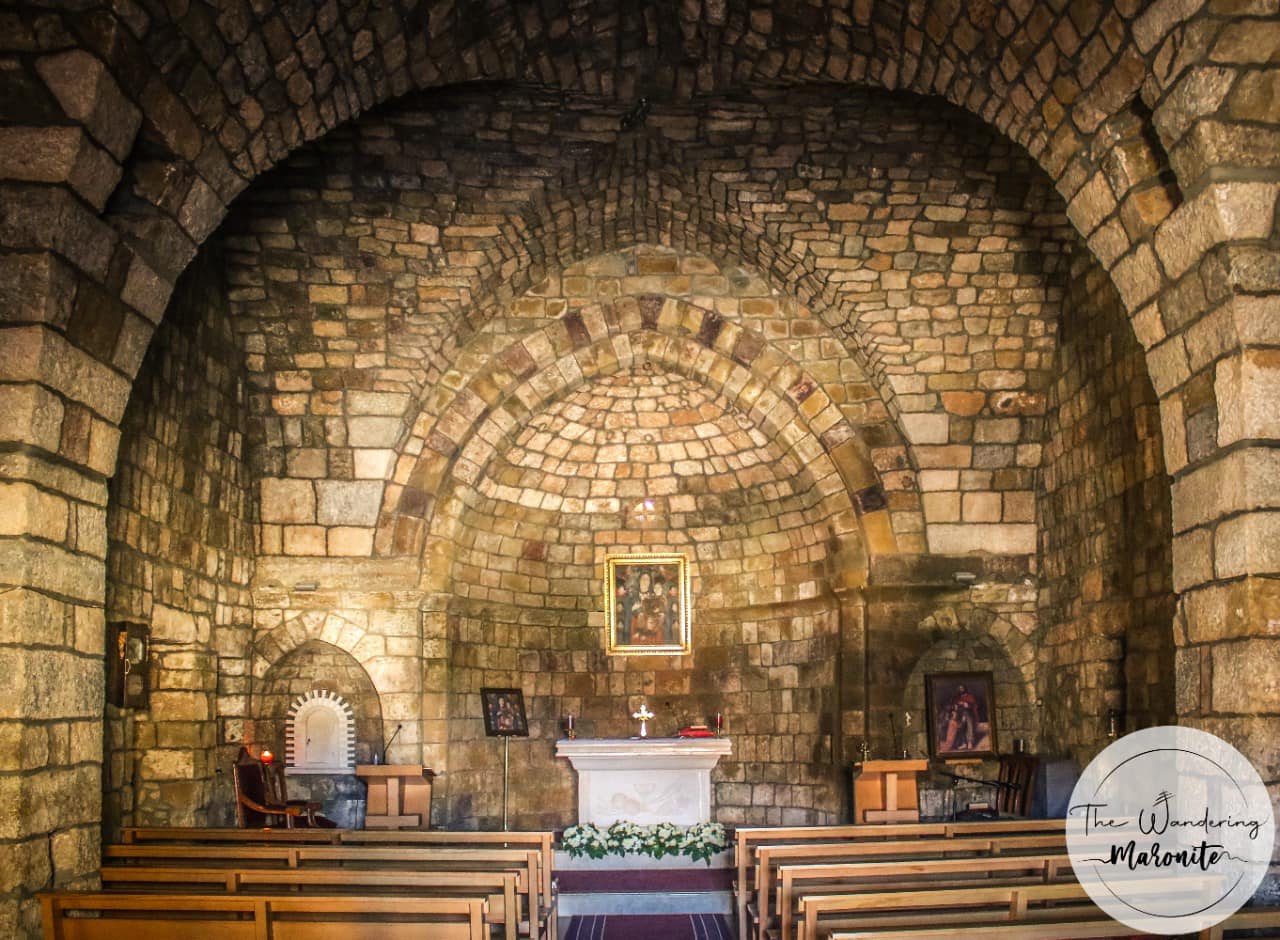
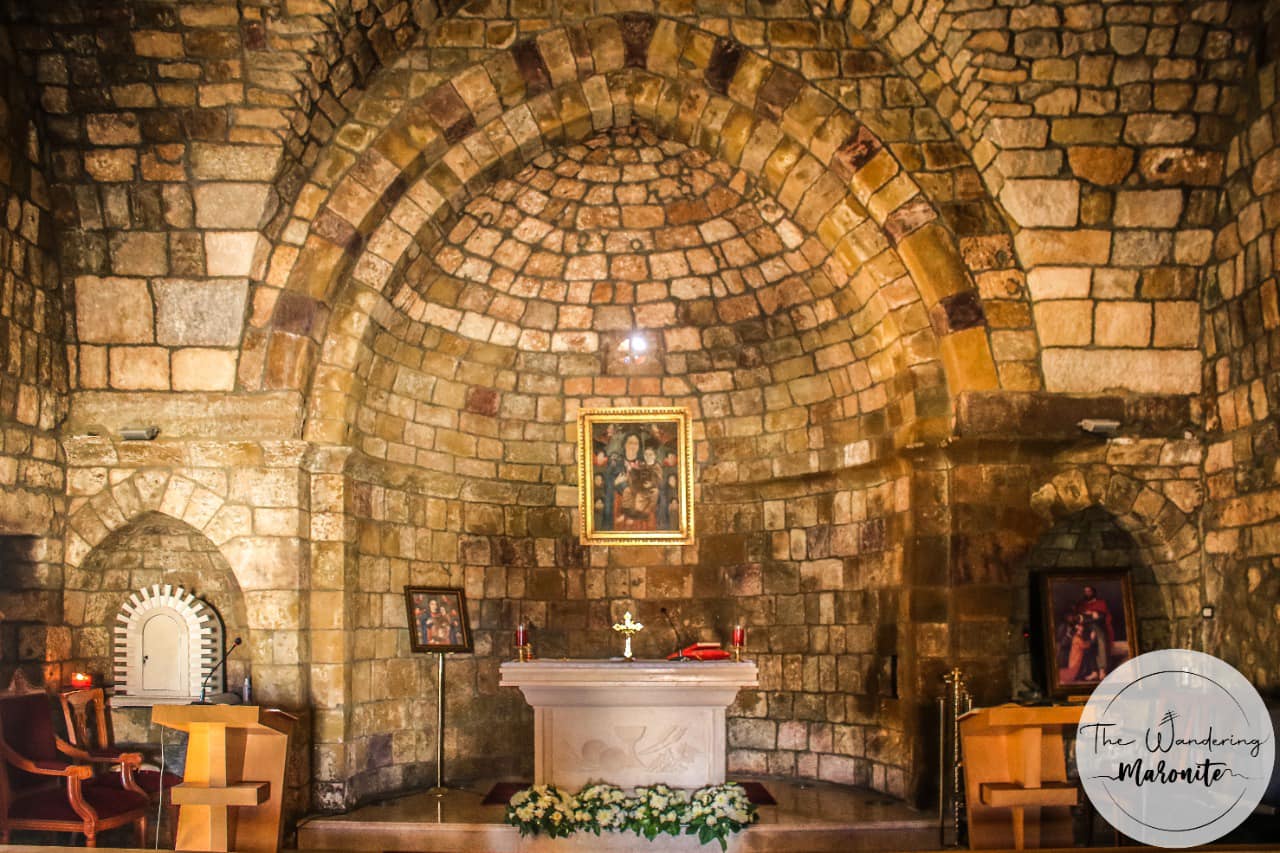
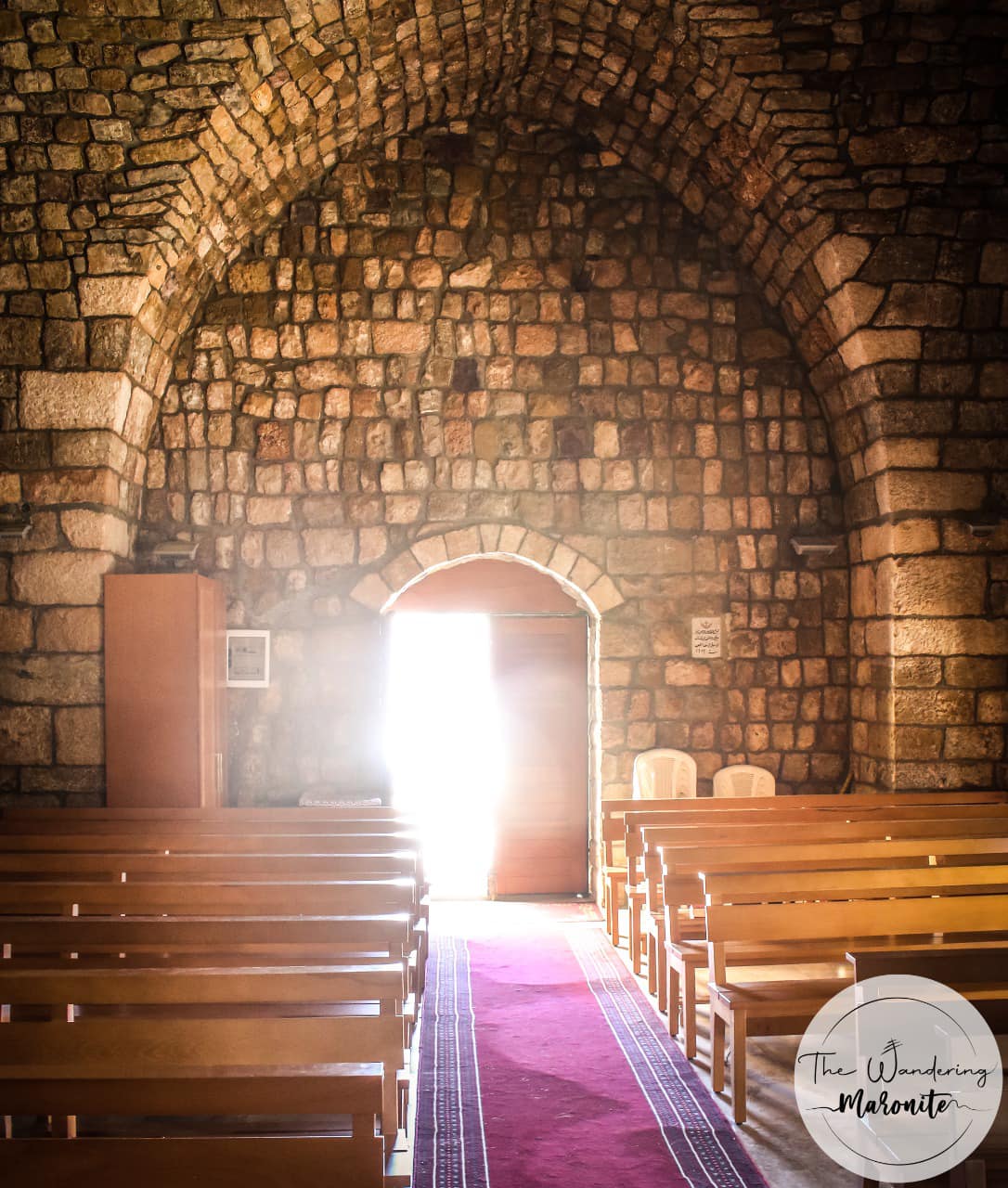
Bqorqasha – The church of our Lady

Notre Dame de Bkerkasha, Bcharre - Tannourine Road, Lebanon

Other Details

كنيسة السيّدة

Bqerqacha

Bcharre

North

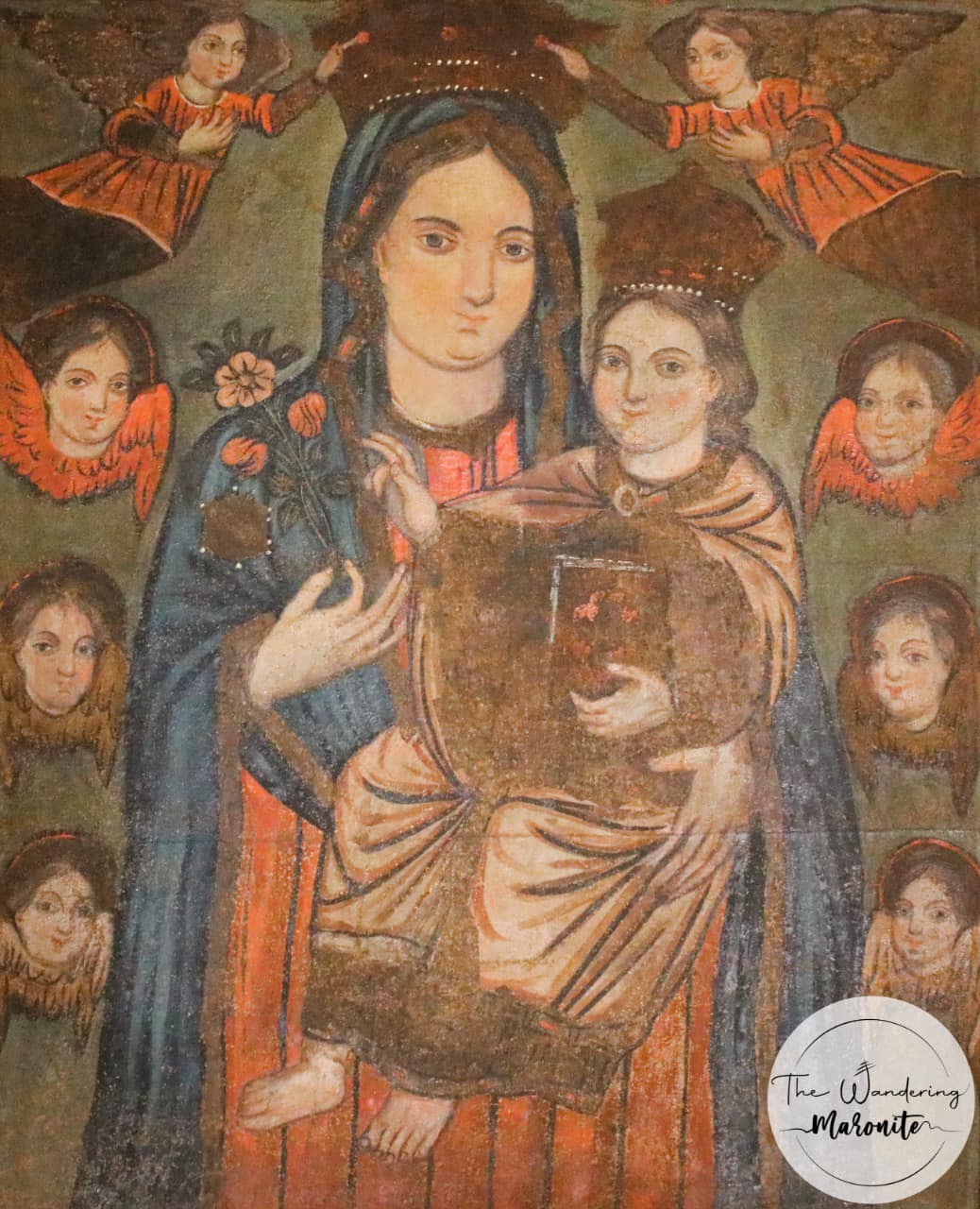
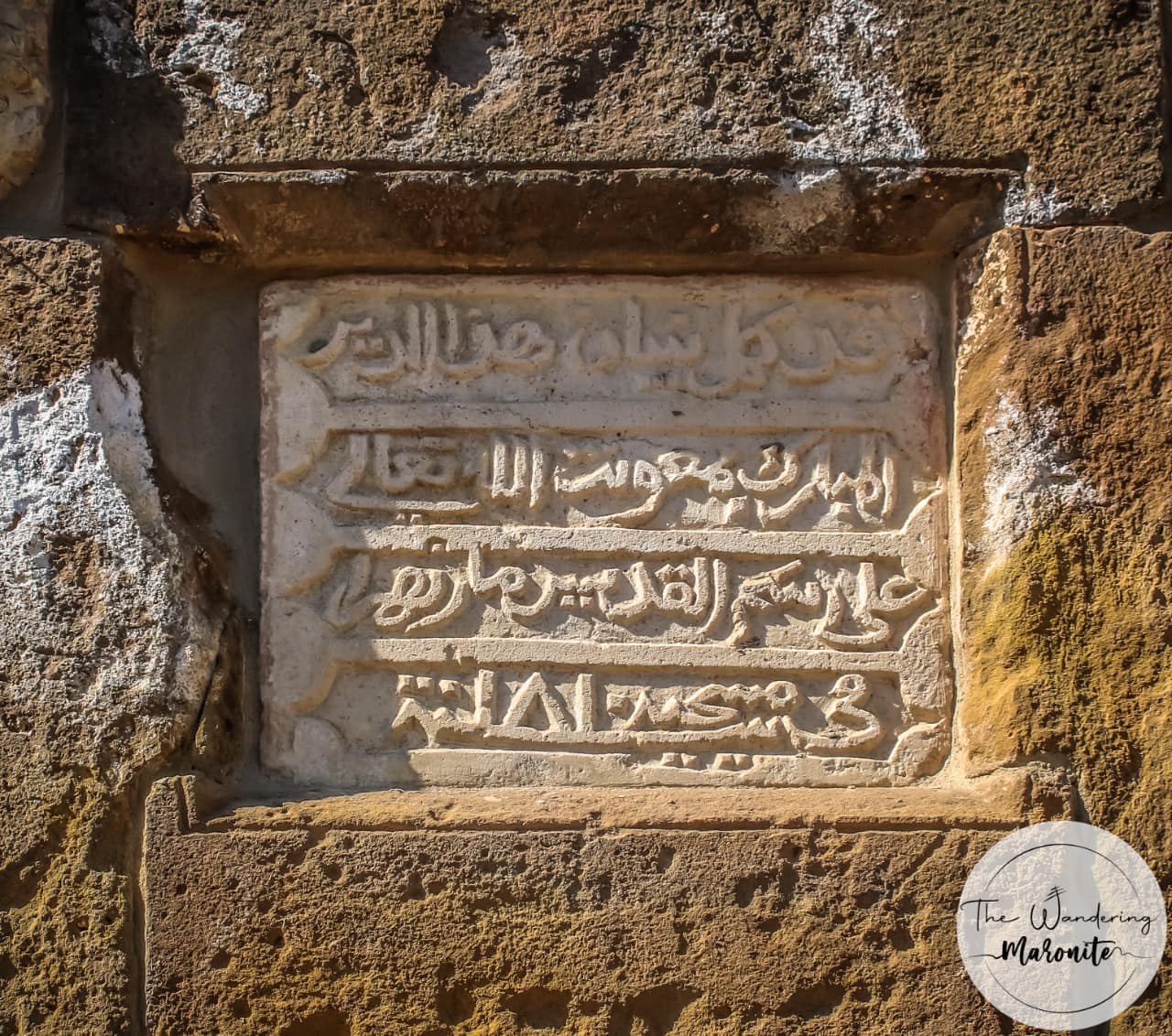
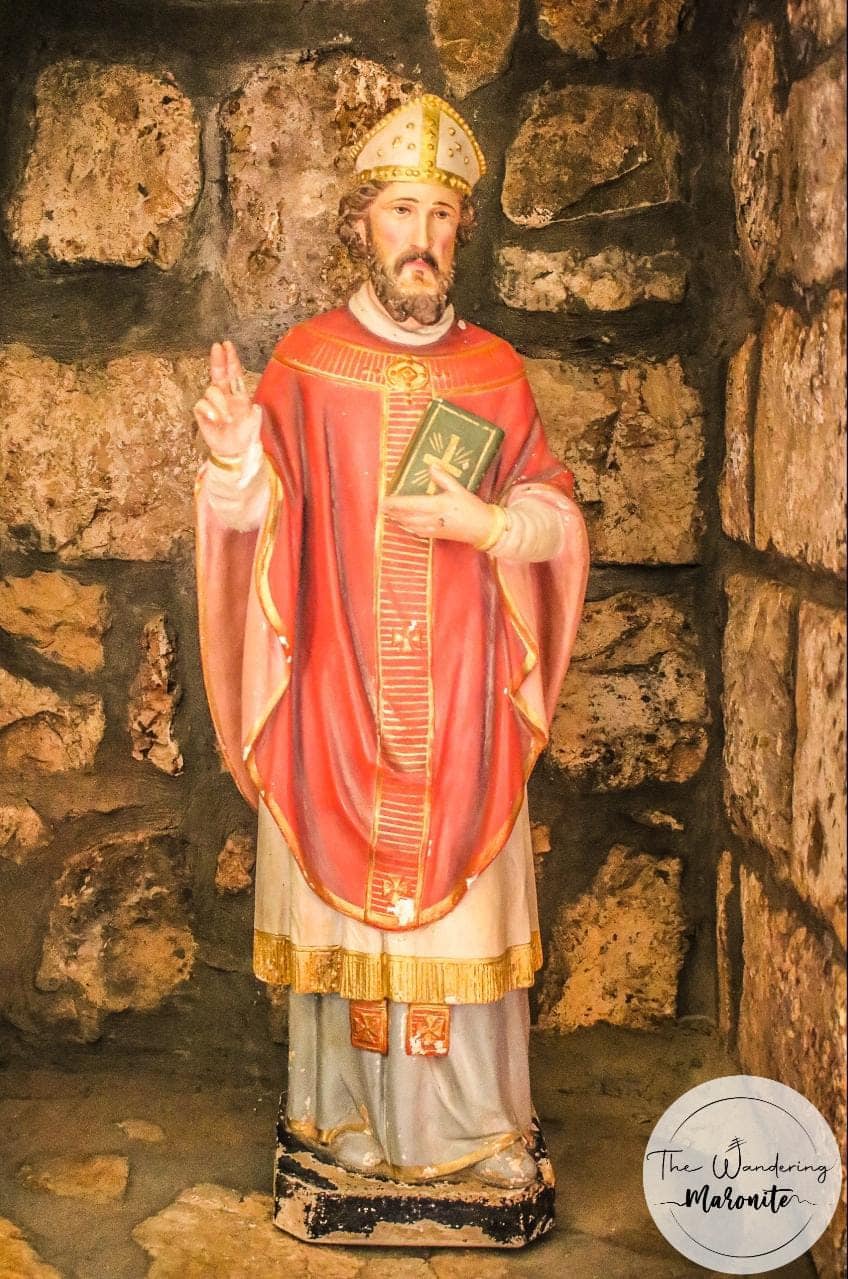
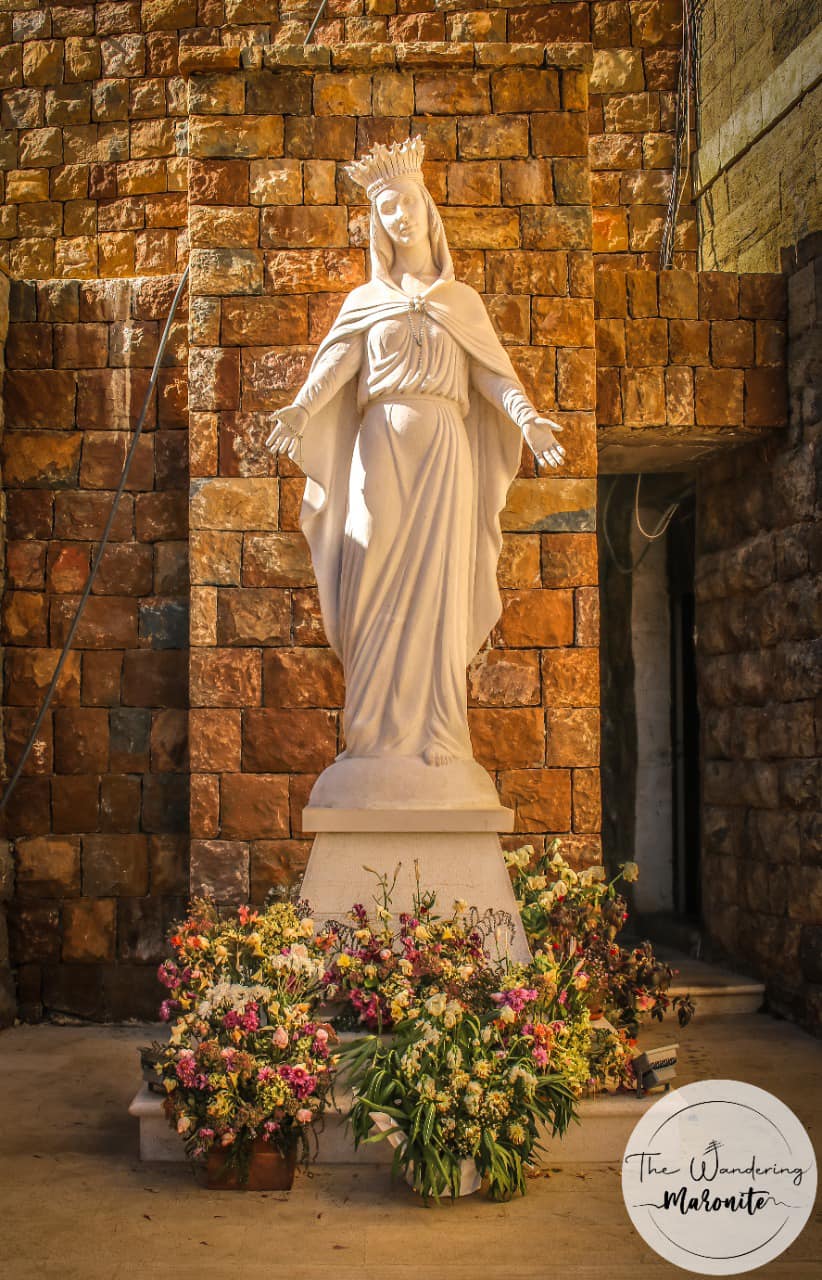
كنيسة السيّدة - بقرقاشاالبناء الحاليّ يعود لسنة ١٨١٠، وبالأصل هو ديرٌ قديمٌ مبنيٌّ على اسم مار نوهرا. عندما بنيت الكنيسة الرعائيّة الكبيرة أوائل القرن العشرين، تحوّلت هذه الكنيسة لشفاعة السيّدة. يتألف البناء من عقدٍ مُصالبٍ ينتهي بحنية نصف دائريّة. رمّمت الكنيسة سنة ٢٠١٩. لوحة السيّدة، أيقونةٌ محليّة الصنع غير موقّعة، تعود لمدرسة القرن السادس عشر.The church of our Lady - BqorqashaThe current church dates back to 1810. It was originally dedicated to St Nohra (Logius). When the current parish church was built in the beginning of the XXth century, this church was dedicated to the Virgin Mary. The structure consists of an arched vault with a semi circular apse. The church was restored in 2019. It holds a local icon of the virgin dating back to the XVIth century.

Visited 2918 times, 2 Visits today

Reviews are disabled, but trackbacks and pingbacks are open.

Related Listings

Rachkida – Mar Geryes

مار جرجس, Rachkida, Lebanon

دير مار جرجس - راشكيده

Rachkida

Batroun

North

يعود بنا هذه الكنيسة إلى القرون الوسطى وتتألف من كنيستين:
الكنيسة القديمة ‏جدرانها مكسوة بالجداريات. هي من النوادر في العمارة الكنيسة لأن فيها حنيتان يتوسطهم رسم المصلوب. مواضيع الجداريات: الشفاعة، العذراء على العرش محاطة بمار بطرس وبولس، ذبيحة النبي ابراهيم، آثار لجدرانيات أخرى باتت مندثرة.
اما الكنيسة الثانية فهي أحدث عهداً ملاصقة للأولى، مبنية على النمط البازيليكي بثلاث اسواق، وامامها رواق بالحجر المعقود.
بقيت الكنيسة مستخدمة الى القرن التاسع عشر حين نزح آخر موارنة البلدة. ومنذ عام ٢٠١٢ انطلق مشروع ترميم الكنيسة.


This church is built in the medieval ages, and is composed of two parts:
The old church has walls filled with frescoes. It is one of the very rare churches in which you can see the crucified drawn between two naves.
The drawings are as follows:
The Deisis, Mary the throne of wisdom, surrounded by Saints Peter and Paul, Abraham's sacrifice, in addition to different frescoes that are damaged and can hardly be seen now.
The second church is just next to the first, but built in a later era, in a basilical form with three aisles.
The church was still in use by the maronite community until the 19th century.
Since 2012 a project to renew the church was launched.

Dlebta – The church of St Jacob the Persian

Mar Yaacoub Church, Delbta, Lebanon

كنيسة مار يعقوب المقطّع

1764

Dlebta

Keserwan

Mount Lebanon

كنيسة مار يعقوب المقطّع - دلبتا

بُنيت الكنيسة سنة ١٧٦٤، وهي عقد مصالب بحنية واحدة وثلاث مذابح. هي كنيسة البلدة الرعائيّة. رممّت للمرّة الأولى ما يين سنة ١٨٩٣ و١٨٩٤ وأقيم فيها المذبح الكبير. أمّا الترميم الثاني يعود لسنة ١٩٧٥. تحوي الكنيسة على مدفن المطران يوحنّا مراد رئيس أساقفة بعلبك (+١٩٣٧). كذلك على مجموعة كبيرة من اللوحات لكنعان ديب إبن البلدة تعود لأواخر القرن التاسع عشر.

The church of St Jacob the Persian - Dlebta

Built in 1764, it is the town’s parochial church. The structure is a crossed vault ending in a single apse with three altars. The church was restored between 1893 and 1894 when the current high altar was brought, and in 1975. In the church is buried Mgr. Youhanna Mrad (+1937) archbishop of Baalbek. The church holds a great number of paintings by Kanaan Dib the son of Dlebta, dating back to the late XIXth century.

Kobayat – The church of Our Lady of Ghassala

Saydet el Ghassalet, Qoubaiyat, Lebanon

كنيسة سيّدة الغسّالة

Qbaiyat Aakkar

Akkar

Akkar

كنيسة سيّدة الغسّالة - القبيات
بُنيت الكنيسة الأولى بالقرب من قناة جرًّ للمياه، كانت نساء القرية يغسلن ثيابهنّ بقربها أيّام السبوت، لذلك سمّي الموضع الغسّالة وحملت الكنيسة إسم سيّدة الغسّالة. بُنيت الكنيسة الحاليّة سنة ١٩٢٧ بمسعى من أبناء البلدة المغتربين. تتميّز الكنيسة أنّها مكسوّة الداخل بالكامل بالنقوش، تحوي عدّة جداريّات فريدة كجداريّة الذبيحة الإلهيّة حيث يظهر الكأس يعلوه النجم، وجداريّة الصدقة.

The church of Our Lady of Ghassala - Kobayat
The first church was built on a site near an aqueduct where the village’s ladies used to wash their laundry hence the name in Arabic Ghessele invoking laundry washing. The first church held the name of the site. In 1927 the new church was built with donations made by Kobayaty expats. The church is covered on the inside with painted stucco. The church holds distinctive unique frescoes such as the fresco of the Holy Sacrifice with the distinctive oriental liturgical altar paraments, and the fresco of the alm.