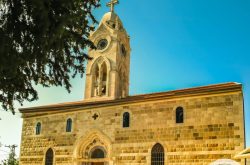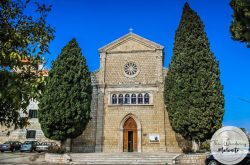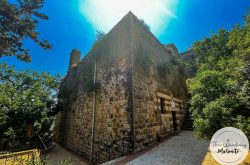

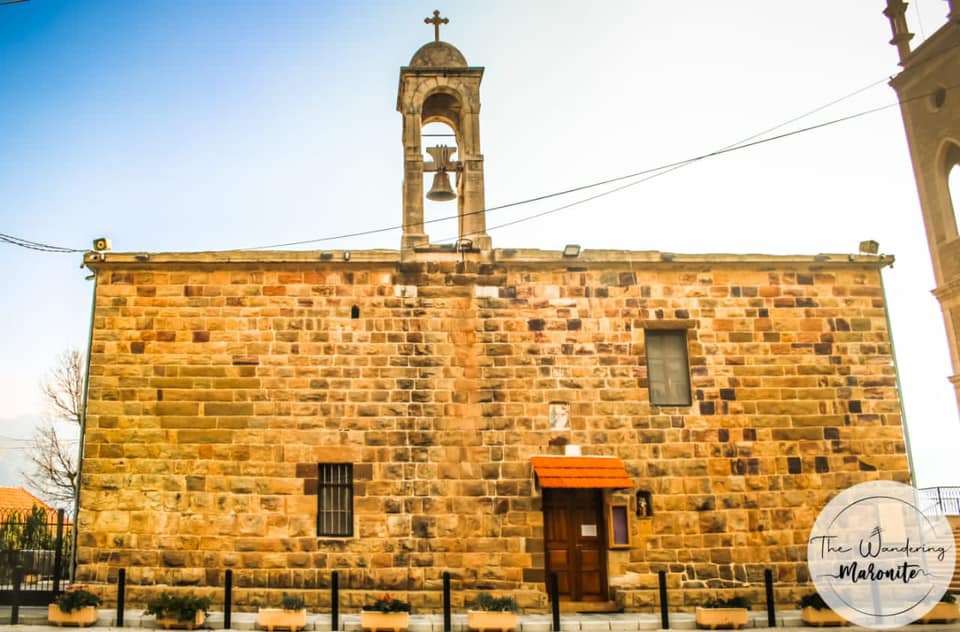
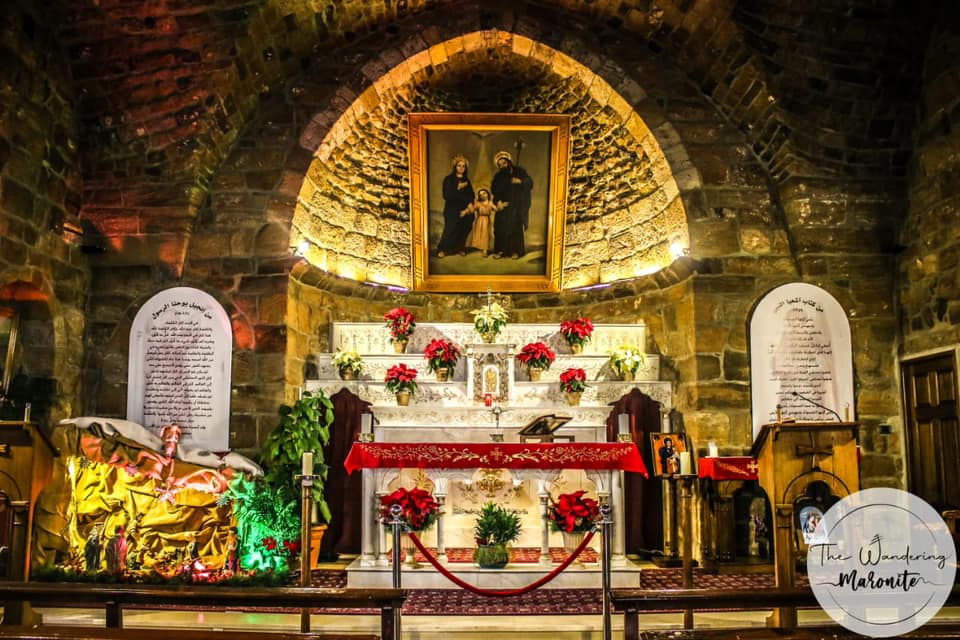
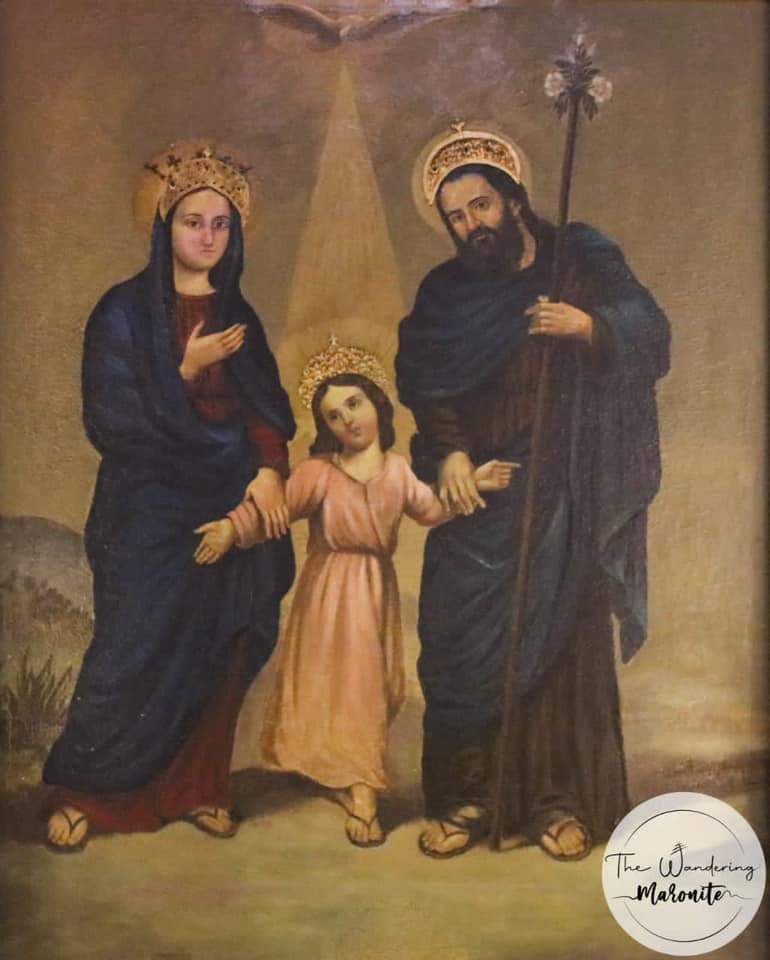
Baskinta – The presbytery of St Joseph

Monastery of Saint Joseph Baskenta Lebanese Maronite Order, Baskinta, Lebanon

Other Details

أنطش مار يوسف

Baskinta

Metn

Mount Lebanon

أنطش مار يوسف - بسكنتاسنة ١٧٧٠ بدأ أهالي بسكنتا ببناء كنيسة على إسم القدِّيس يوسف، لكنّ البناء تعثّر. فكان ذلك سببًا لدعوة الرهبانيَّة اللبنانيَّة إلى تسلُّمها، سنة ١٧٧١، بناءً على طلب الأهالي. مقابل ذلك، كان على الرهبانيَّة أن تنشئ مدرسةً لتعليم الأحداث وإرشاد القريب في الأمور الروحيَّة. أتمَّت الرهبانيَّة، سنة ١٧٧٦، تشييد الكنيسة، وأنشأت مدرسةً على اسم القدِّيس يوسف، فكانت أقدم مدرسةٍ في بسكنتا، تهتمُّ بتعليم الأولاد مبادئ الدين والأخلاق، واللغتَين السريانيَّة والعربيَّة.The presbytery of St Joseph - BaskintaIn 1770 the locals of Baskinta began building a church dedicated to St Joseph, yet due to the lack of funds, they decided to hand the church to the Lebanese Maronite Order. The agreement was settled in 1771 and a school to teach the children and provide spiritual guidance was erected by the order. In 1776 the church was dedicated and the first Baskintan school opened providing a program that teaches Syriac, Arabic, Morals, and Catechism.

Visited 3303 times, 1 Visit today

Reviews are disabled, but trackbacks and pingbacks are open.

Related Listings

Qannoubine valley – St Marina’s Grotto

St. Marina the Monk, Wadi Qannoubine, Lebanon

مغارة القدّيسة مارينا

Ouadi Qannoubine

Bcharre

North

مغارة القدّيسة مارينا - وادي قنّوبين

بالأصل هذه المحبسة مغارة طبيعيّة بقرب دير قنّوبين، قصدها الحبساء
للخلوة. الى هذه المغارة لجأت القديسة مارينا والولد اللقيط الذي ربّته واهتمّت به بعد طردها من الدّير، وفيها ماتت ودفنت. بحسب البطريرك الدويهيّ أخذ الصليبيّون جثمانها الى البندقيّة وبقيت يدها اليسرى في المغارة. أصبحت هذه المغارة محجًّا ومدفنًا لسبعة عشر بطريركًا سكنوا في دير قنّوبين، من يوحنّا الجاجيّ الى يوحنّا الحلو. سنة ١٩٠٩ خلال حبريّة البطريرك الياس الحويّك ، رُمّم المدفن، وبنيت للمغارة واجهة حجريّة، ووضع في داخله مذبح رخاميّ جديد.

St Marina’s Grotto - Qannoubine valley

The cave was a hermitage dependent of the monastery of Qannoubine. In this cave St Marina took refuge with the bastard child she raised after her unfair expulsion from the monastery. She was buried in the same cave that became a pilgrimage site. The Crusaders transferred her relics to Venice leaving only her left hand in the cave according to patriarch Douweihy. The cave became the patriarchal necropolis, a total of 17 patriarchs were buried there from John of Jaj to John El Helou. In 1909 during the pontificate of Patriarch Elias Howayek the necropolis was restored, a stone facade was built to the west, and a new marble altar was brought in.

Ghosta – Ain Warka Monastery

Ain Warka Monastery, Ghosta, Lebanon

دير ومدرسة عين ورقة - غوسطا

1660

Ghosta

Keserwan

Mount Lebanon

من أهم أديرة غوسطا، أسّسه المطران جرجس خيرالله أسطفان سنة 1660. وفي 14 أيلول 1698 كرّس كنيسة الدير البطريرك أسطفان الدويهي. في العام 1789 وقّع خلفه البطريرك يوسف أسطفان صك تحويل الدير الى مدرسة اكليريكيّة. وافتُتحت مدرسة عين ورقة سنة 1797-1798 على عهد البطريرك يوسف التيّان على قوانين وبرامج المدرسة المارونيّة في روما. ولم تلبث أن ضاهت جامعات أوروبا، فكانت أول جامعة في الشرق، حتى لقّبها مارون عبود بـ"سوربون الشرق"، حيث كانت تدرّس فيها خمس لغات الى جانب العلوم اللاهوتيّة والفلسفيّة. وقد قيل على سبيل المزاح أنّ "دجاجات عين ورقة تتكلم خمس لغات". خرّجت المدرسة أربعة بطاركة وعشرون مطرانًا، وعنها نشأت المدارس الأخرى التي انتشرت في البلاد، وخرّجت روّاد النهضة العربيّة في القرن التاسع عشر. هي اليوم ميتم بعهدة راهبات القربان الأقدس المارونيّات.
The monastery of Ain Warqa
Located in Ghosta Keserwan, it was built by Bishop Gerges Khairallah Estefan in 1660. The grand church was dedicated by Patriarch Stephen Doueihi on the 14th of September year 1698. During the pontificate of Patriarch Joseph Estephan, the monastery was transformed into a seminary in 1789. The first scholastic year was in 1797-1798 during the pontificate of Patriarch Joseph Tyan, according to the curriculum of the Maronite Grand Seminary in Rome. The reputation of the school was so great that it competed with the grand seminaries of Europe, and ranked first in the Middle East. The seminary was even called by the great author Maroun Abboud “the Sorbone of the East”. The curriculum included five languages, along with theological, philosophical, and scientific studies.The most important alumnus where four patriarchs and twenty bishops, and a great numer of notable writers and scientists that were the pioneers of the Arabic renaissance during the nineteenth century. The school was also named the mother of all schools in Syria and Lebanon. Today it is used as a foster home in the custody of the Maronite sisters of the Most Blessed Sacrament.

Rabwe – The Patriarchal residence of the Greek Melkite Catholics

Melkite Greek Catholic Patriarchal Residence, Rabieh, Lebanon

الكرسيّ البطريركيّ للروم الملكيّين الكاثوليك

Qornet Chehouane

Metn

Mount Lebanon

الكرسيّ البطريركيّ للروم الملكيّين الكاثوليك - الربوة

بُني المقرّ البطريركيّ في الربوة سنة ١٩٧٦ على عهد البطريرك مكسيموس الخامس حكيم. داخل المقرّ كابيلا على اسم القدّيسة حنّة جدّة الإله، والمُميّز في هذه الكنيسة أنّها تحفة فنيّة مكسوّة بالكامل بجداريّات تمثّل مواضيع كتابيّة جمّة وأيقونات قدّيسين. الجداريّات من عمل الإيقونوغرافيّ الرومانيّ كوستيل ميسو سنة ٢٠٠٢.
The Patriarchal residence of the Greek Melkite Catholics - Rabwe

The Patriarchal residence was built in Rabwe in 1976 during the pontificate of Patriarch Maximos V Hakim. Inside the residence lies a chapel dedicated to St Anne, the grandmother of the Lord, which is completely covered with frescoes. The church is the masterpeice of the Romanian iconograpger Costel Micu in 2002. The frescoes represent various biblical scenes and icons of saints.