
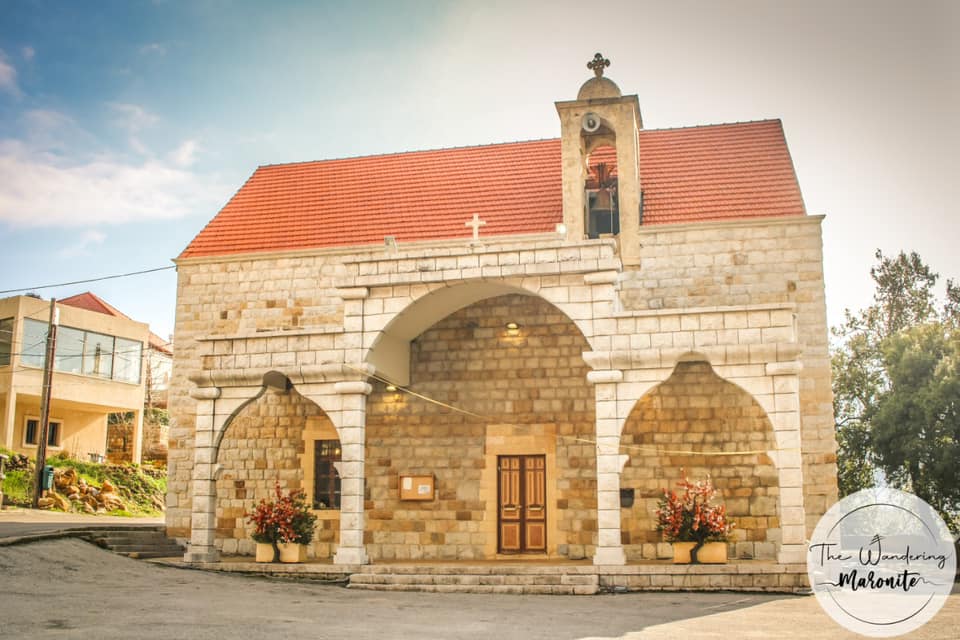
Baskinta – The church of St George

Baskinta, Lebanon

Other Details

كنيسة مار جرجس

1763

Baskinta

Metn

Mount Lebanon

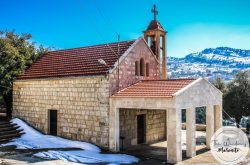
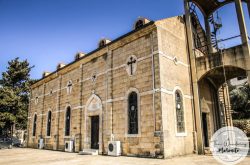
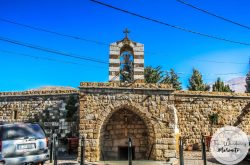
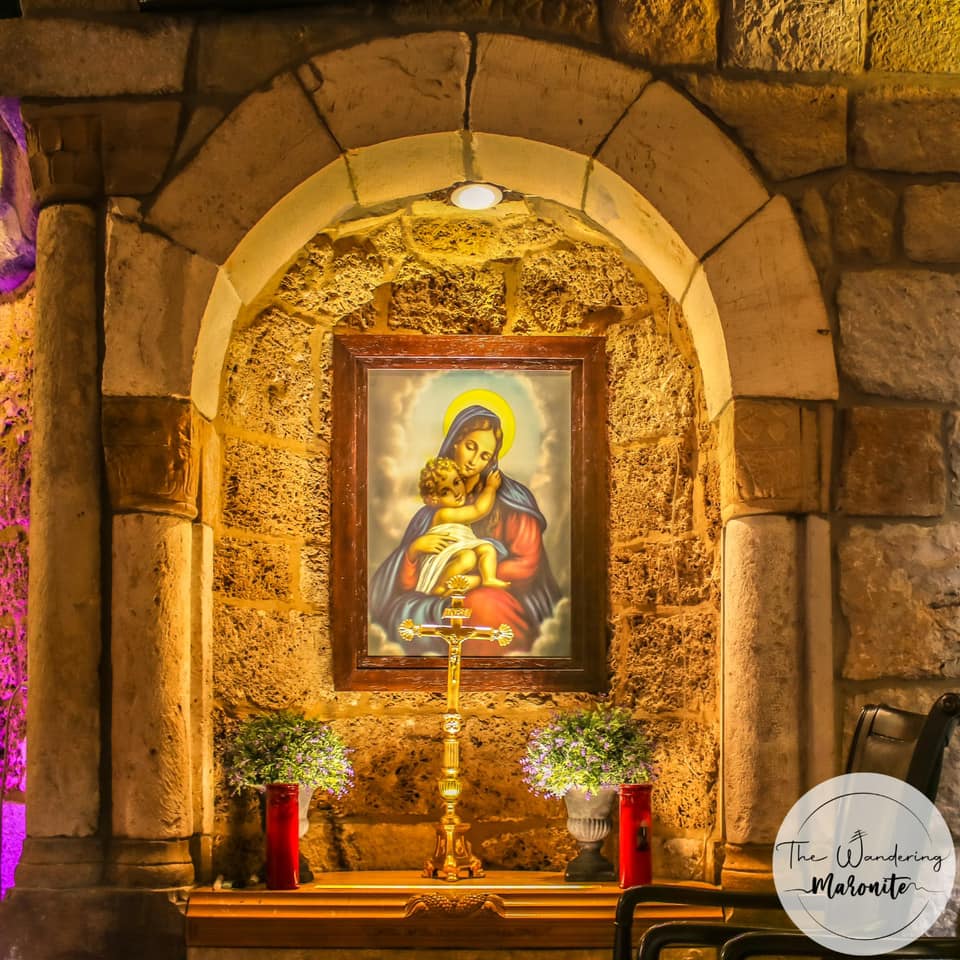
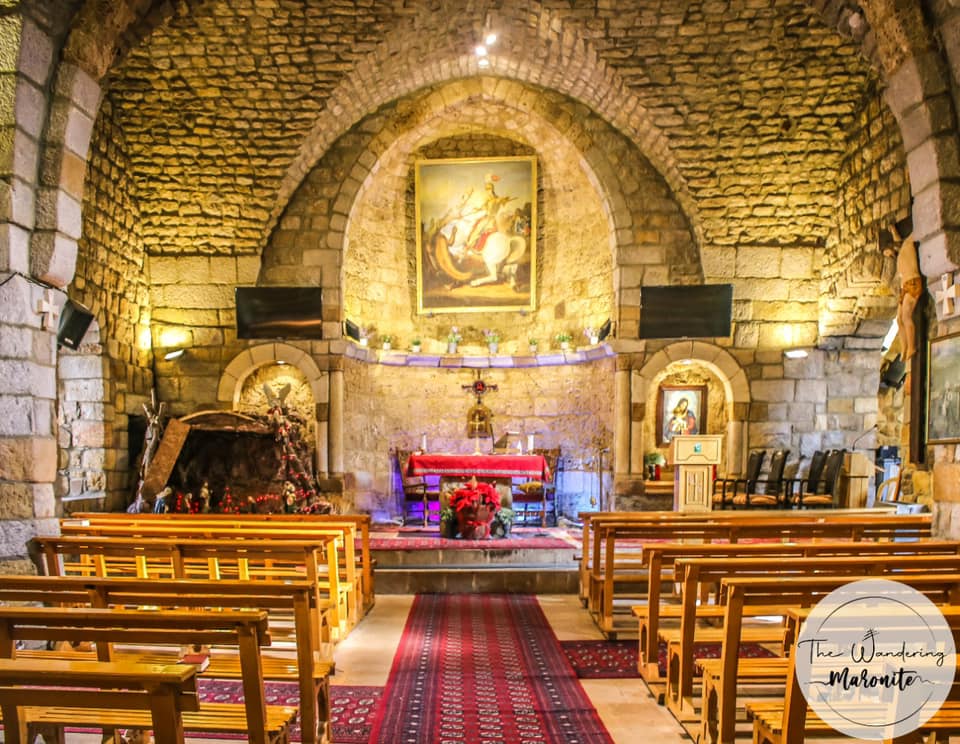
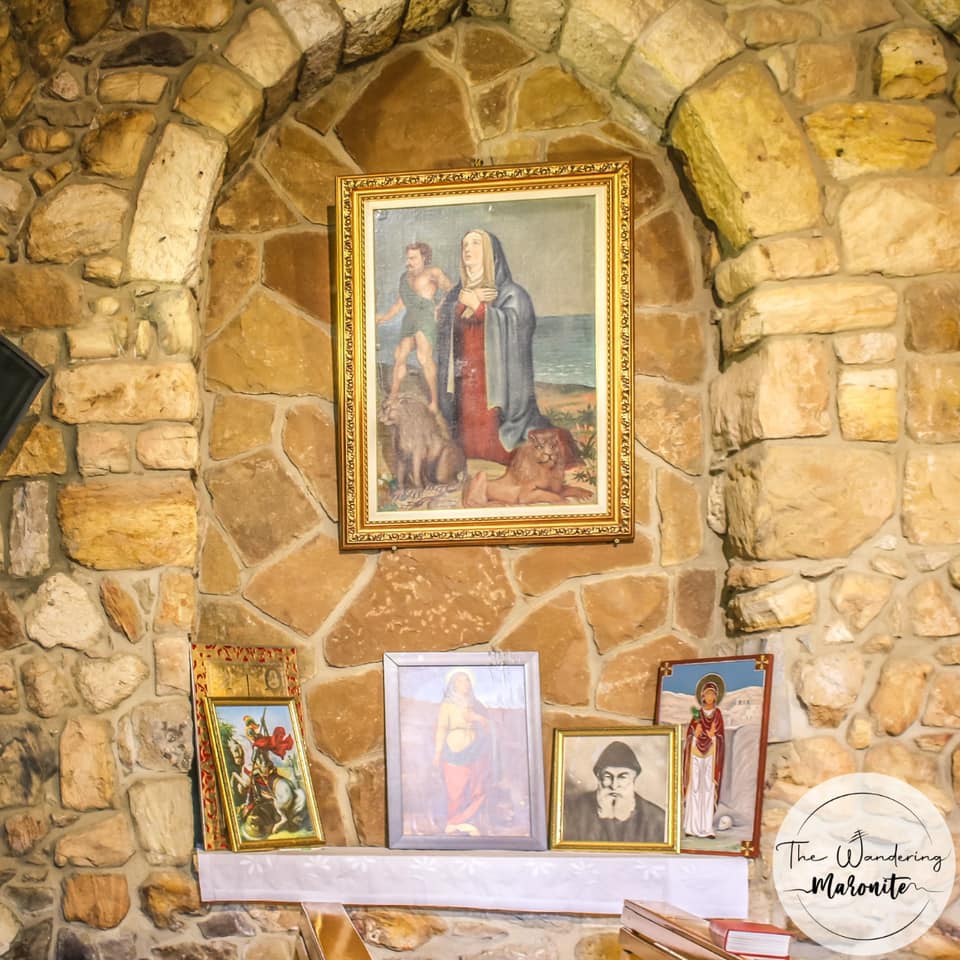
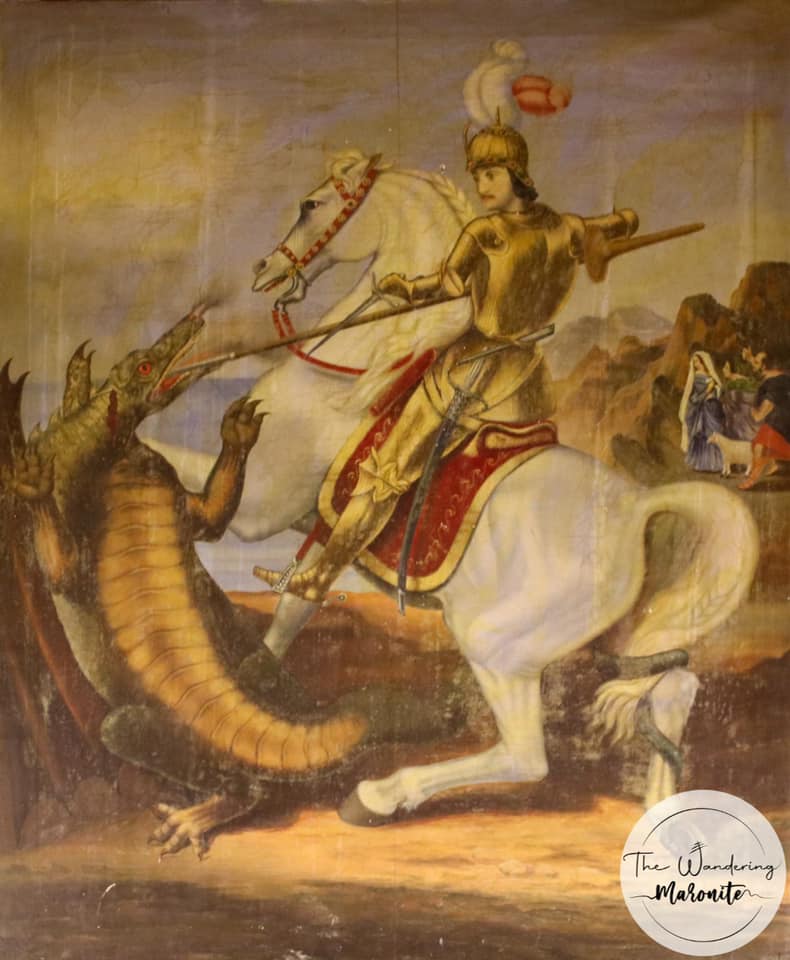
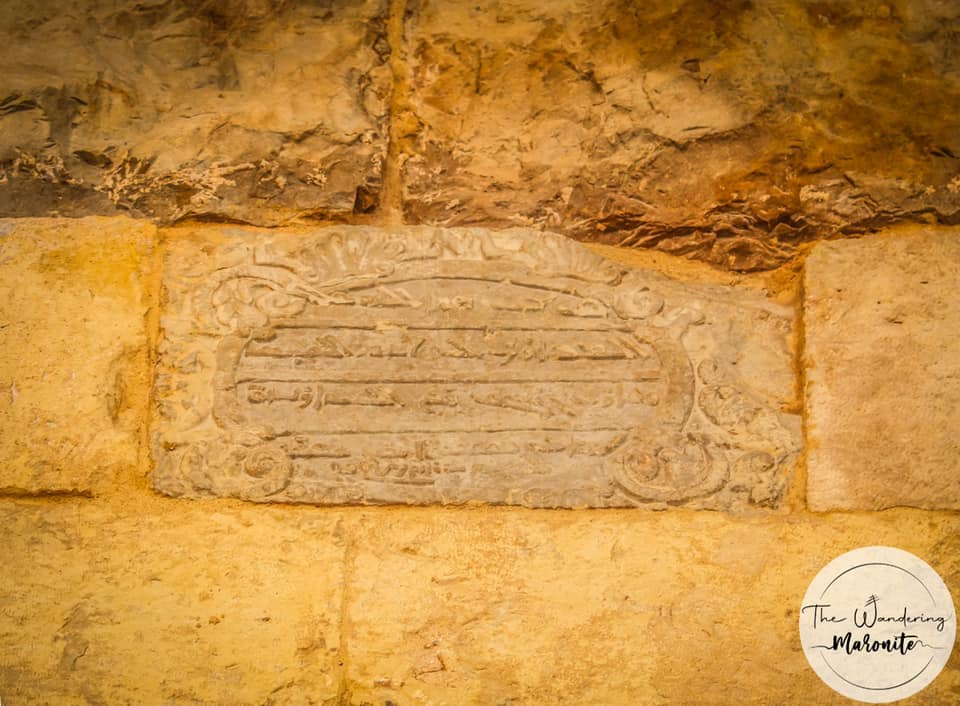
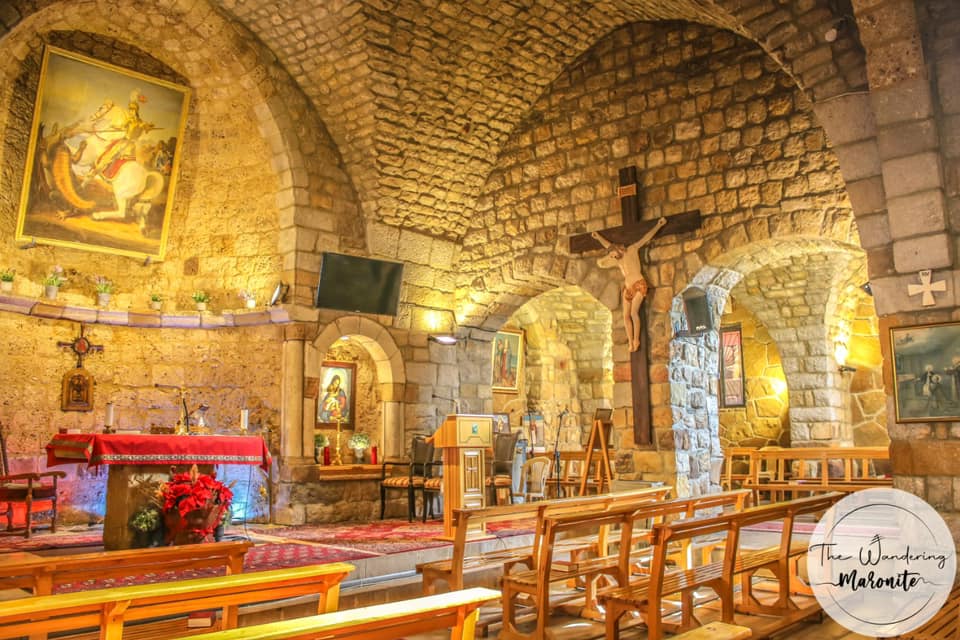
كنيسة مار جرجس - بسكنتابنيت الكنيسة الحاليّة سنة ١٧٦٣ على أنقاض برجٍ صليبيّ. تتألف الكنيسة من صحنٍ كبير ينتهي بالحنية والمذبح، وعلى جهة الجنوب صحن آخر أعلى من مستوى الكنيسة ينتهي بمذبح مكرّس للقدّيسة تقلا. تحوي الكنيسة أيقونة مارونيّة للسيّدة تعود للقرن السابع عشر، أمّا لوحة مار جرجس فهي غربيّة الصنع.The church of St George - BaskintaThe current church was built in 1763, over an old crusader’s tower. The church consists of a great nave ending with the apse and the altar. A smaller nave on the southern side is higher than the church ending with a small altar dedicated to St Thecla. The church holds a XVIIth century Maronite icon of the Madona, and a European painting of St George.

Visited 2999 times, 1 Visit today

Reviews are disabled, but trackbacks and pingbacks are open.

Related Listings

Kousba – Hamatoura Monastery

Hamatoura Monastery, Karm Saddeh, Lebanon

دير رقاد السيدة - حمطورة

Kousba

Koura

North

On the northern side of the village of Kousba, is the monastery of Our Lady of Hamatoura, built in the rocky hollow of a high cliff which overlooks the holy valley of Kadisha. Hamatoura is 84km from Beirut.

The church of Saint Jacob is the most ancient part of the monastery, belonging to the 4th century, while a large cross from the 7th century rises above the outer doorway. Some quite well preserved frescoes dating back to the middle ages cover the walls of the church, one of which shows the Holy Virgin, Queen of Heaven, seated on a throne with the Child Jesus on her knees.

Near the monastery are two venerable churches, one dedicated to Saint Michael and the other to Saint John the Baptist. On the top of the hill one can see the church of St. George. Close by the monastery is a rocky cave where one may perceive the base of a stalagmite, where barren women come to pray in the hope of bearing a child, for this grotto was dedicated to the pagan goddess of fecundity.

Late in the 13th century, at Our Lady Monastery in Hamatoura, Saint Jacob began his ascetic life. Later, when the monastery was destroyed by the Mamlukes, he reestablished monasticism along the perimeter of the ruined monastery. In time, he rebuilt the monastery, regenerating and giving renewed vigor to monastic life in the area. His spiritual briskness, vivacity, and popularity among believers drew the attention of the Mamelukes who set their minds to stop his verve and determination and force him to convert to Islam. He stubbornly refused their relentless pressures. The Mamlukes killed him and burned the church. Today, believers and pilgrims are constantly reporting his apparitions, miraculous healings and other Grace-filled deeds.

Behdaydat – Chapels Saydet el Bzez & Saint Nicolas

Saydet l bzez - سيدة البزاز, Behdaidat, Lebanon

كابيلّات مار نقولا (مار زخيا) وسيدة البزاز - بحديدات

Behdaydat

Jbeil

Mount Lebanon

كنائس مار نقولا (مار زخيا) و سيّدة البزاز كابيلَّتان مُهدَّمتان متلاصقتان، تعودان للقرن الثاني عشر. رُمِّمتا مؤخرًّ, واحتفلت رعيّة مار تيودوروس بحديدات بتبريك واعلان انتهاء اعمال الترميم في عام ٢٠١٩. لوحة مار نقولا في كنيسة الرعيّة تعود للقرن التاسع عشر وهي من عمل الرسّام البولوني بول شلافاك.

The chapels of St Nicholas (Zakhya) and our Lady of milk, are two adjacent medieval ruins of chapels dating back to the twelfth century. They were restored lately and reconsecrated in 2019. The painting of St Nicholas dates back to the ninetieth century and is the work of the polish painter Paul Shlavak

Bhorsaf – The monastery of St Joseph

Couvent Saint Joseph, Bharsaf, Lebanon

دير مار يوسف

Bhersaf

Metn

Mount Lebanon

دير مار يوسف - بحرصاف

شيّدت الرهبانيّة الأنطونيّة المارونيّة دير مار يوسف في بلدة بحرصاف، سنة ١٨٥١. خلال الحرب العالميّة الأول إحتلّ الجيش العثمانيّ الدّير. فتوسل الأب المدبّر يوسف الحاج بطرس ونسيبه الأب انطون إلى القائد رضا باشا كي لا تُدنّس الكنيسة، فشطب القائد صورة مار يوسف بسيفه وأمر ذلك الطاغية، فنفيا إلى الأناضول. ومات هناك الأب يوسف من جرّاء معاملات قاسية ونجا رفيقه بأعجوبة. أُعيدت الحياة إلى الدّير بعد رحيل العثمانيّين سنة ١٩١٨، فرُمّم وأُعيد تكريس الكنيسة. رُمّم الدّير مجدّدًا مع بداية القرن الحاليّ، وهو مستمرّ برسالته الروحيّة والرهبانيّة.

The monastery of St Joseph - Bhorsaf

The monastery was built in the town of Bahersaf by the Maronite Antonine monks in 1851. During World War I, the Ottoman army occupied the monastery. Fr. superior Youssef El Hajj Boutros, and his cousin, Father Anton, pleaded with the commander, Reza Pasha, to prevent the desecration of the church. Due to their plea, the tyrant ordered their immediate exile to Anatolia. Father Youssef died there due to harsh treatment, but his companion miraculously survived. The monastery was revived after the departure of the Ottomans in 1918, and the church was repaired and rededicated. The monastery was renovated again at the beginning of this century and continues with its spiritual and monastic mission.