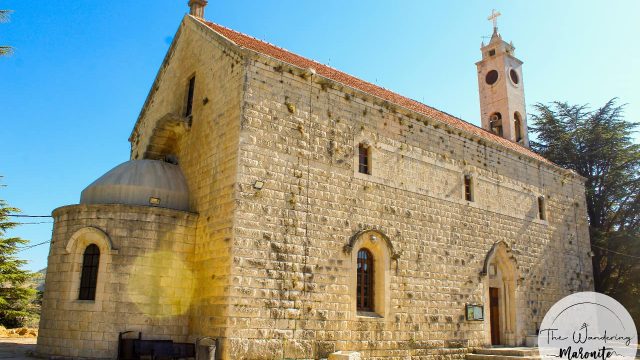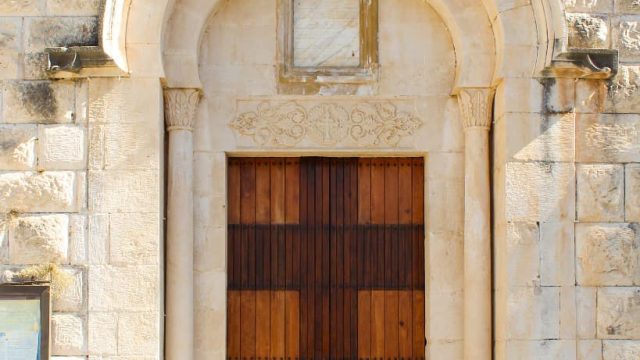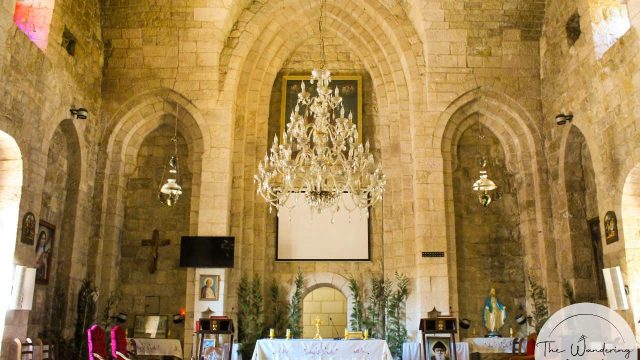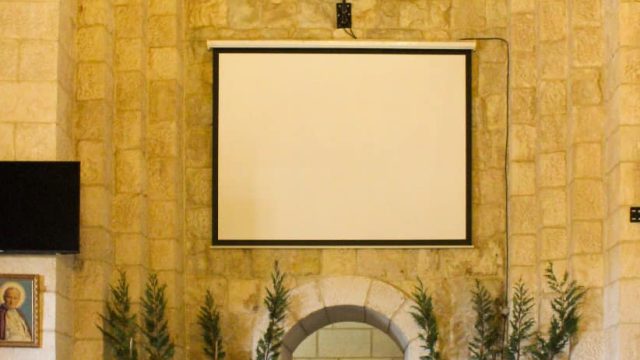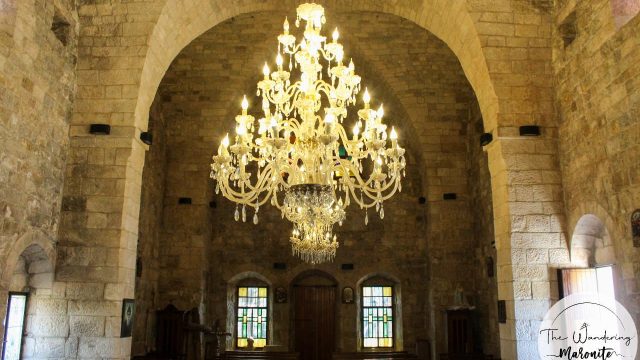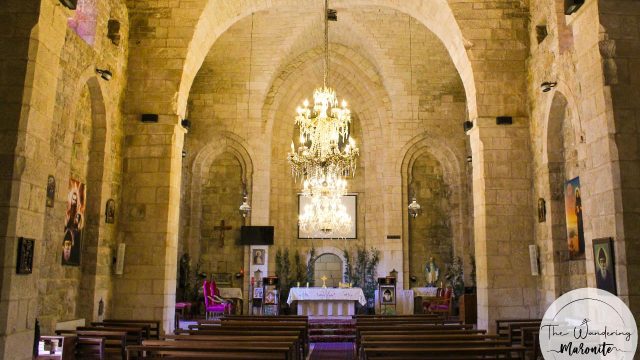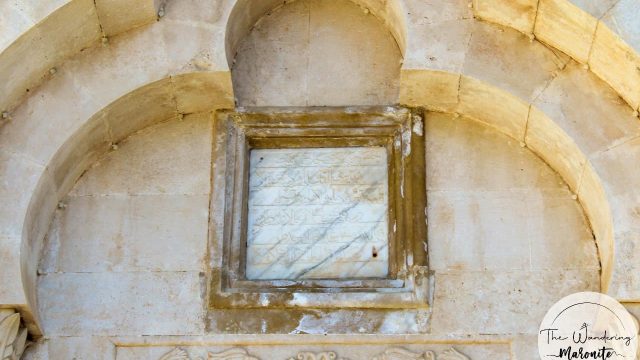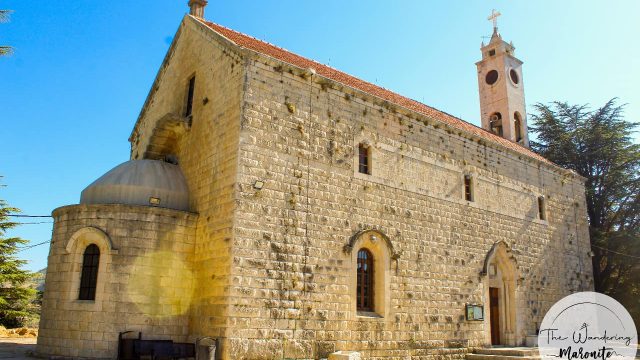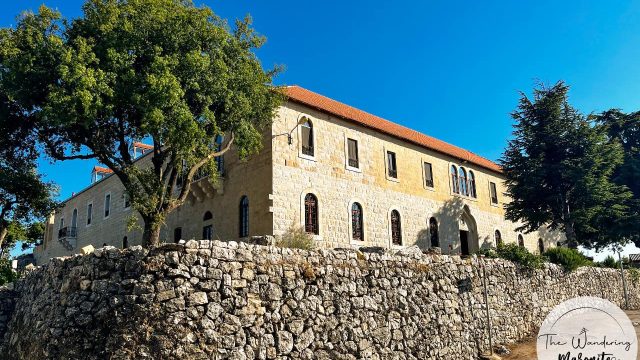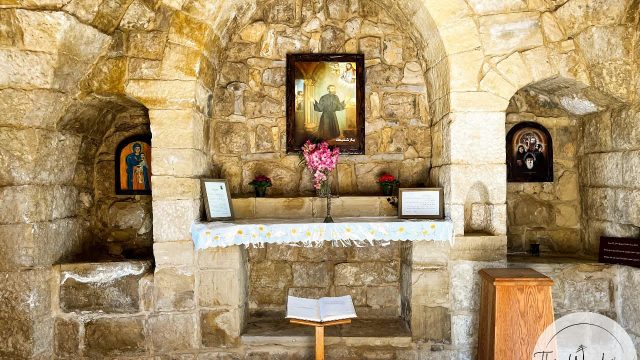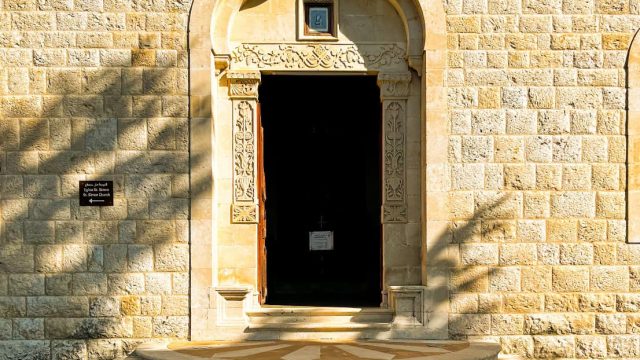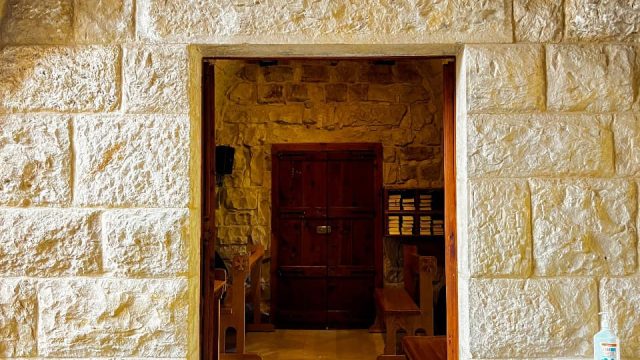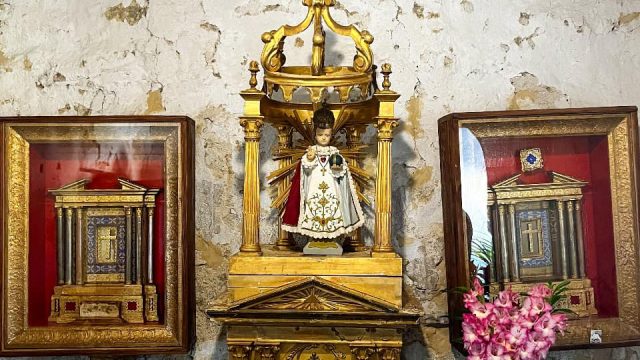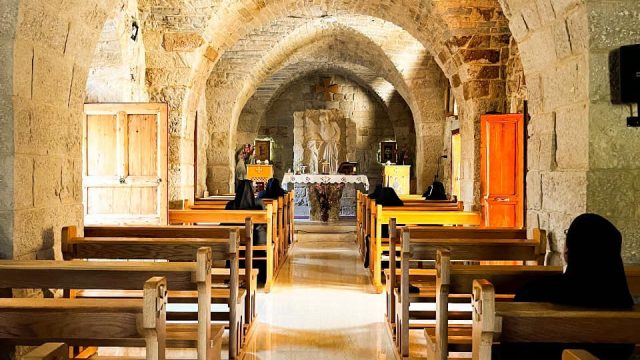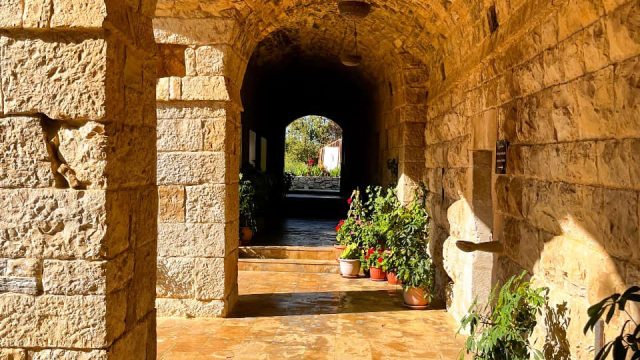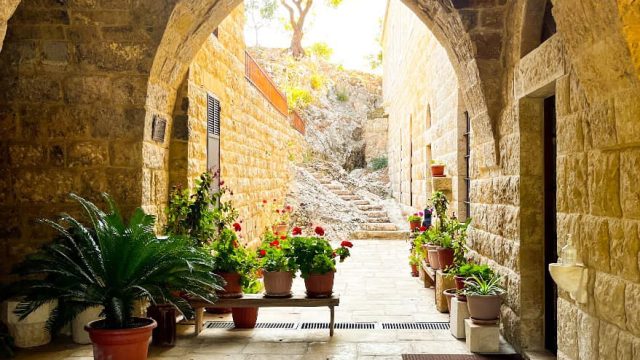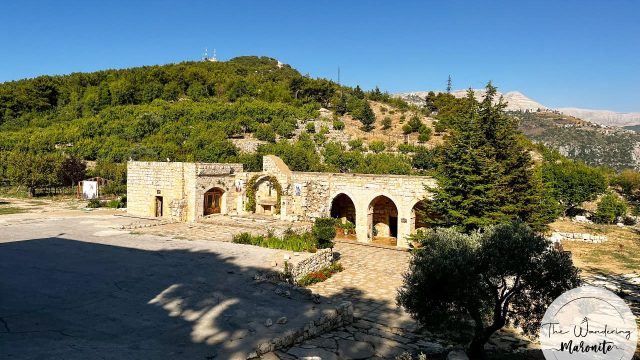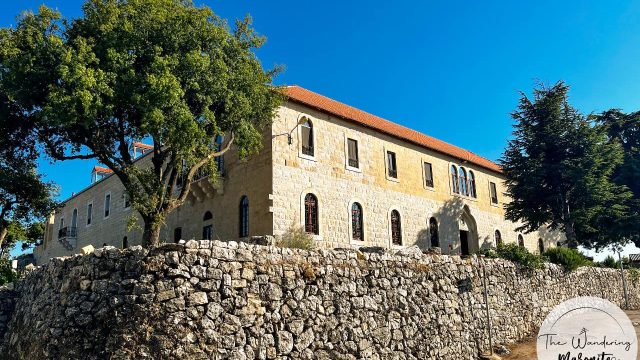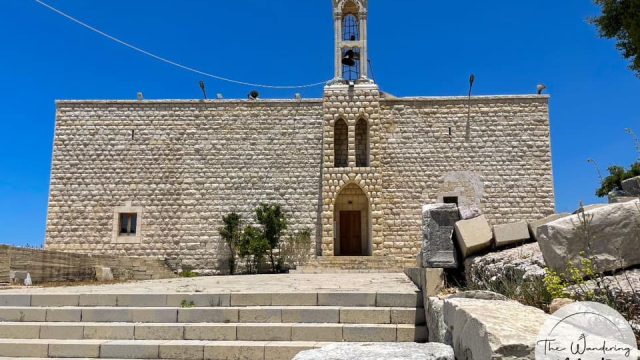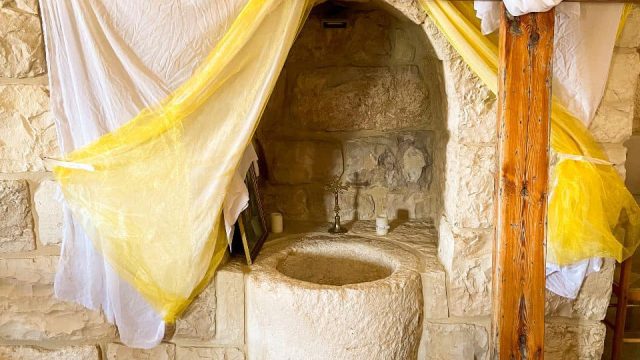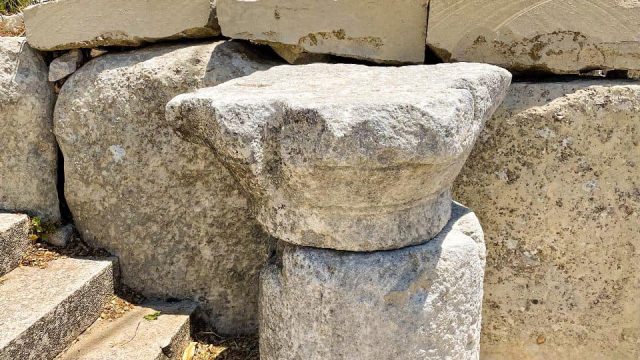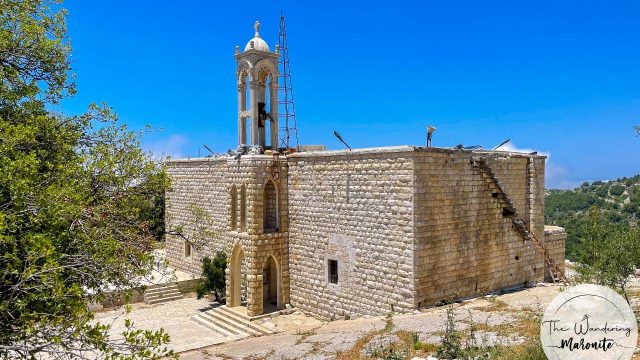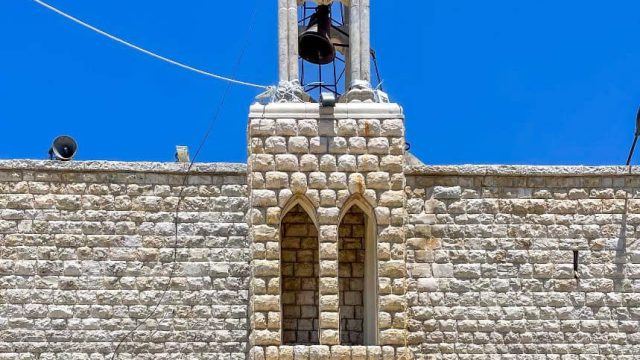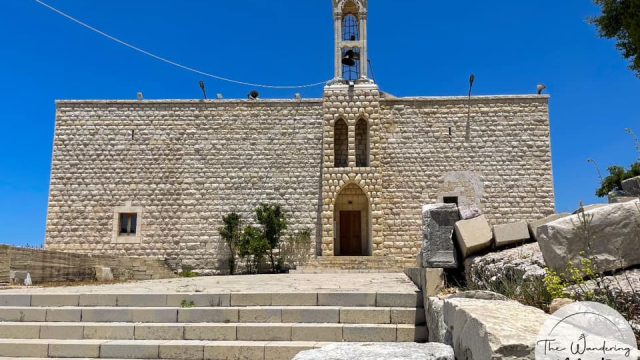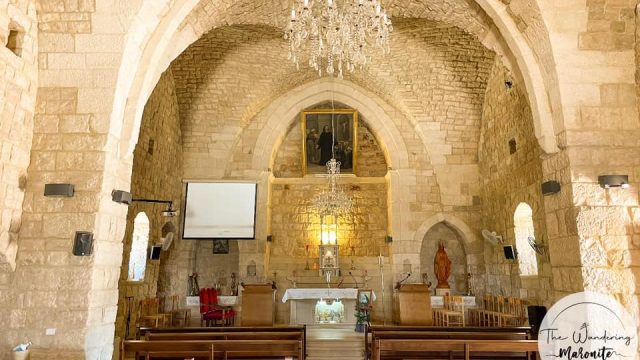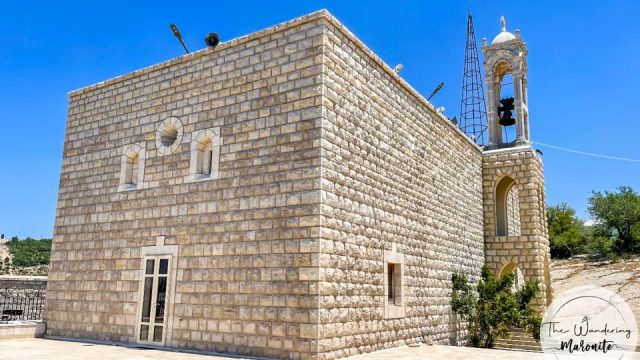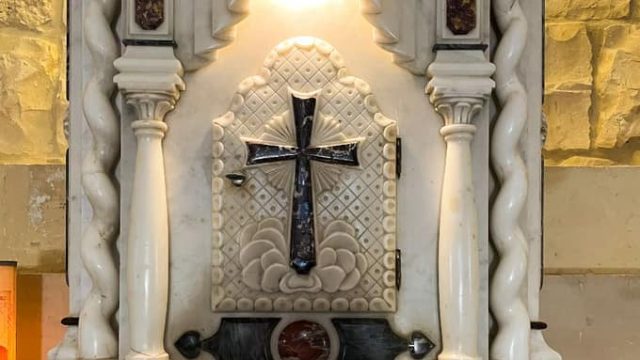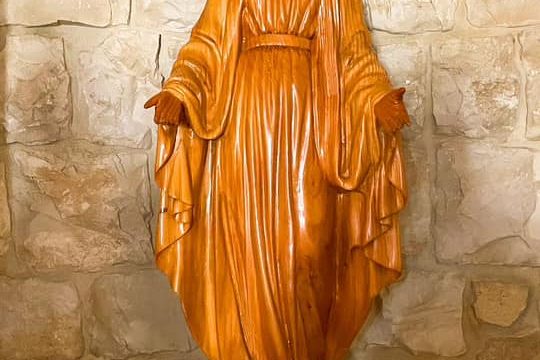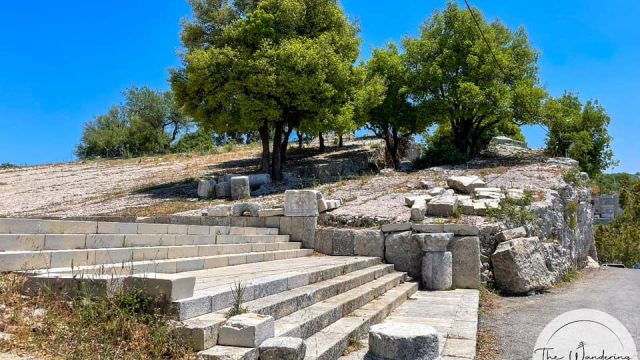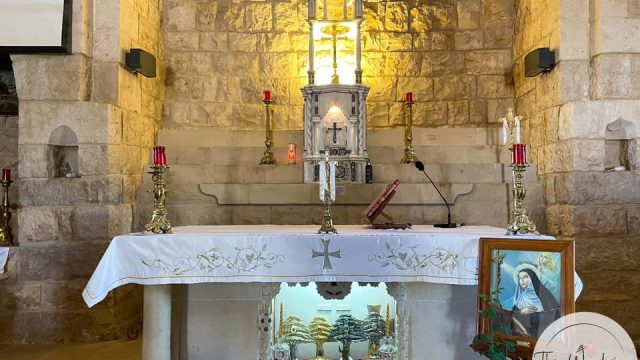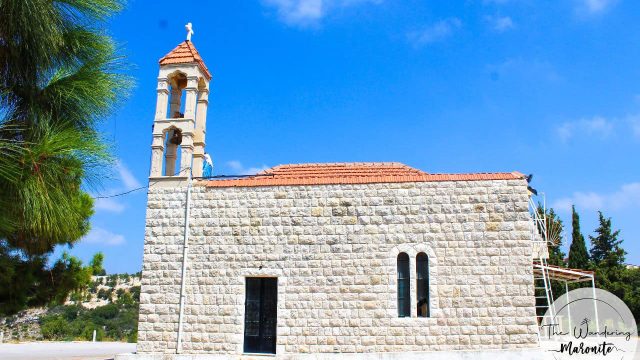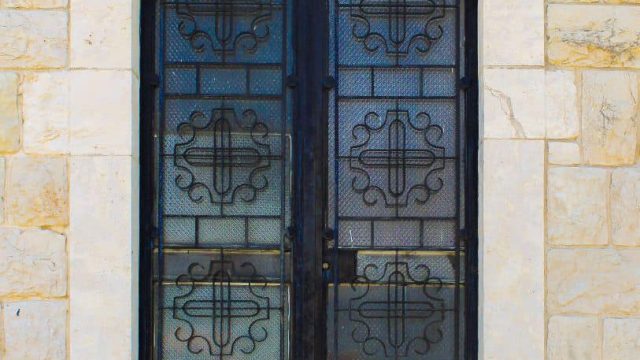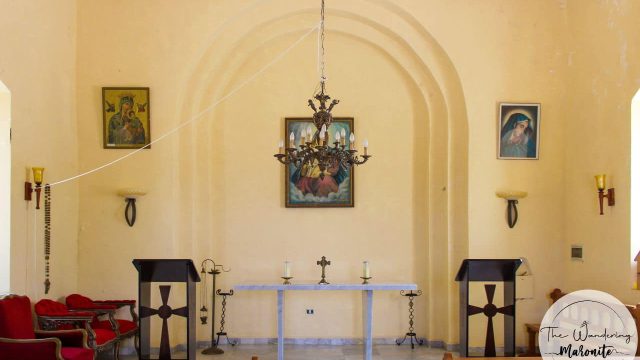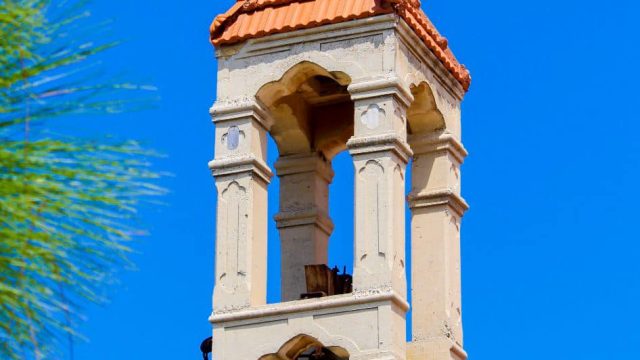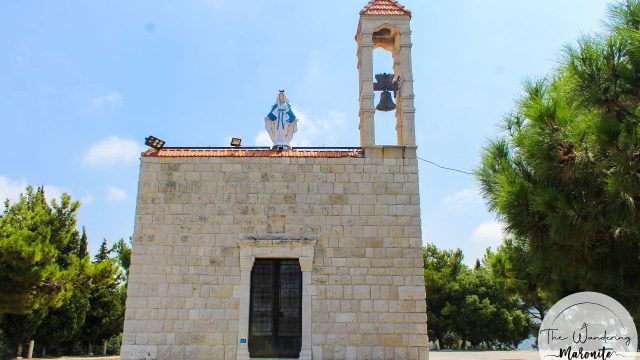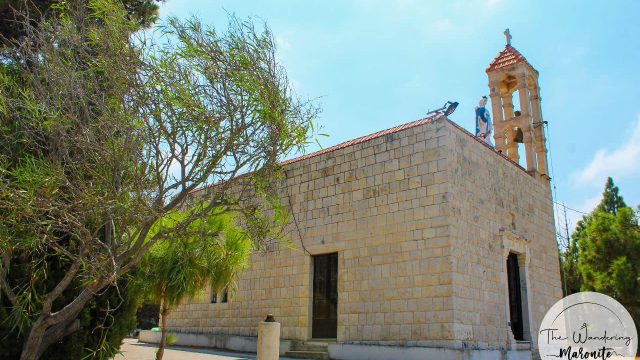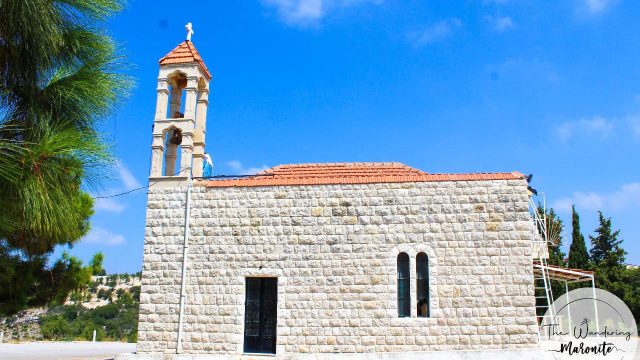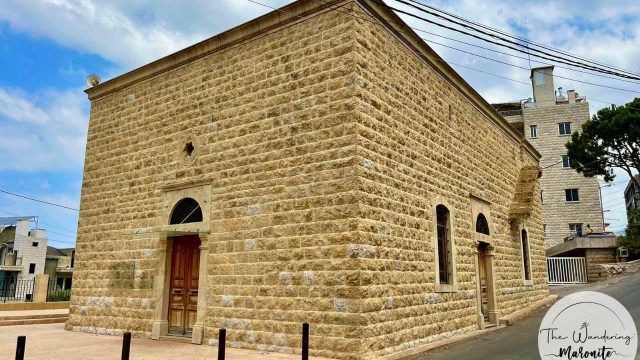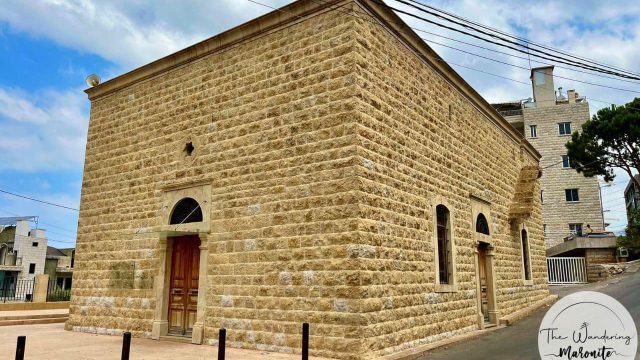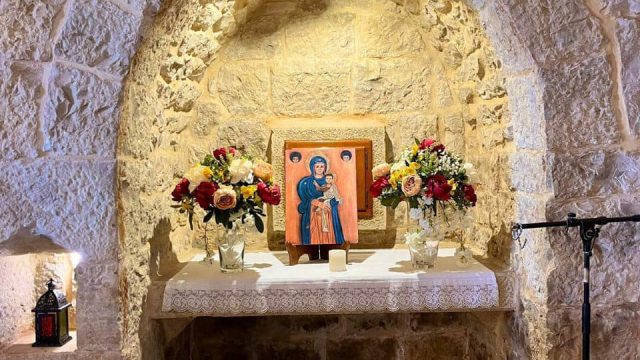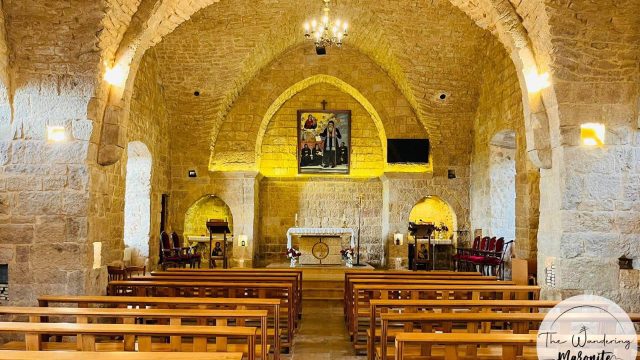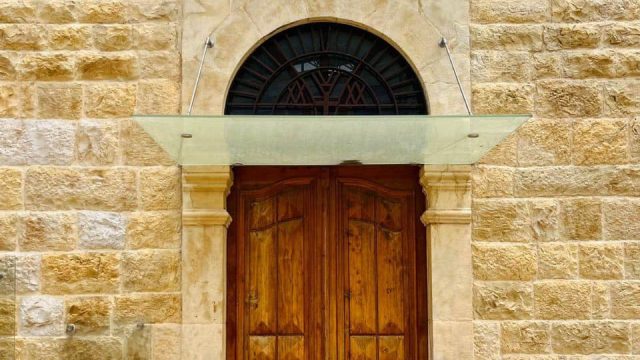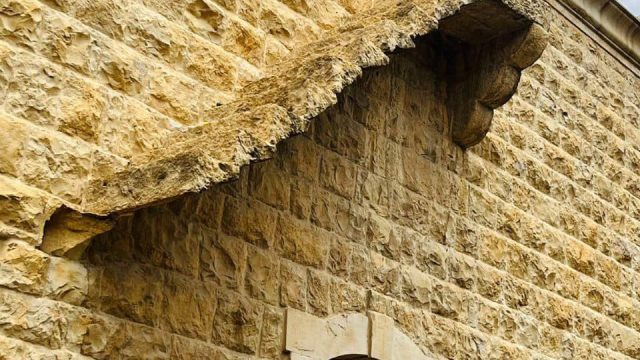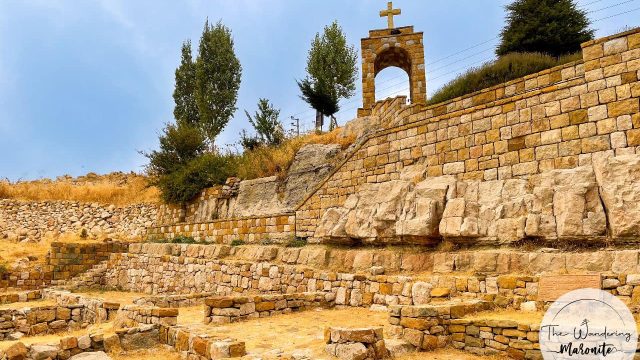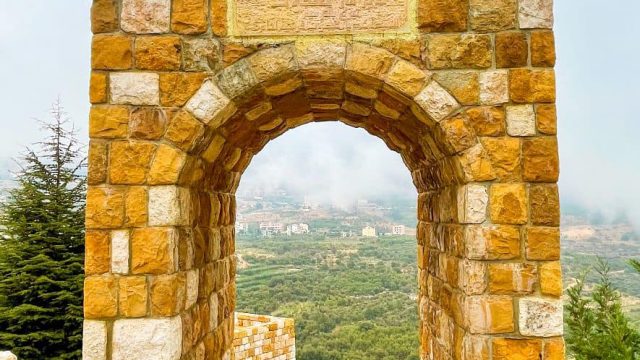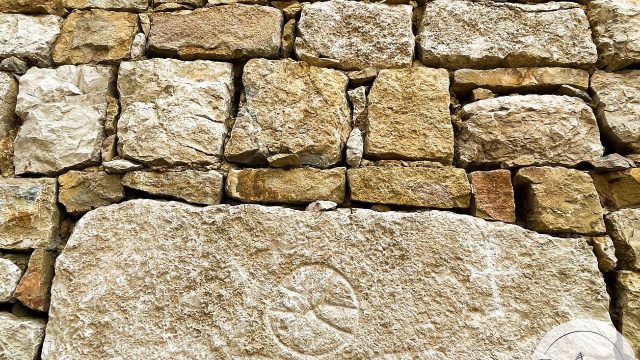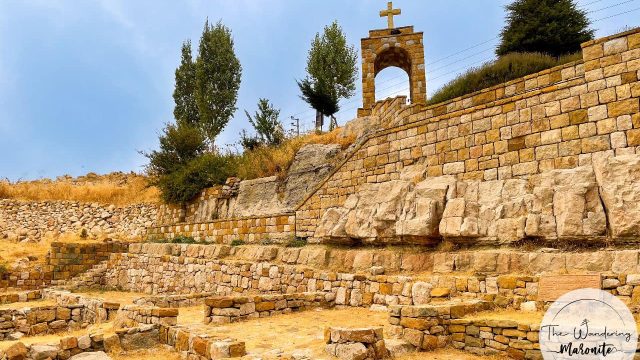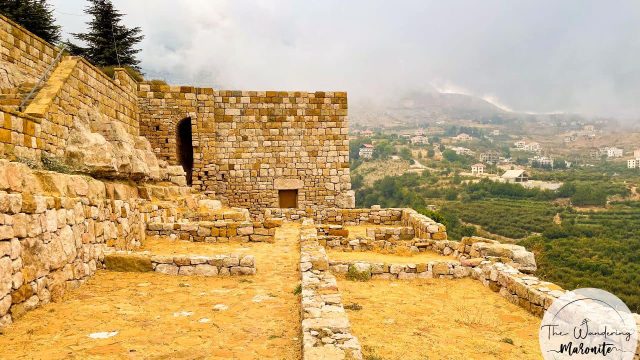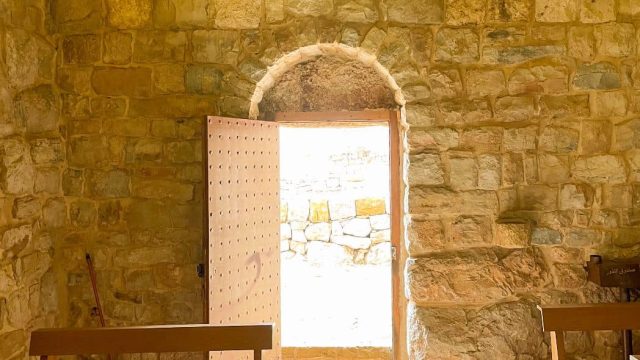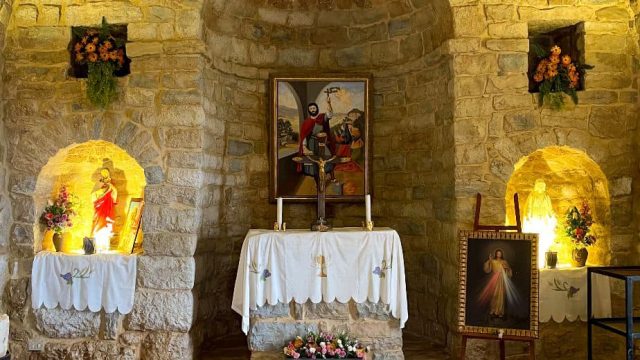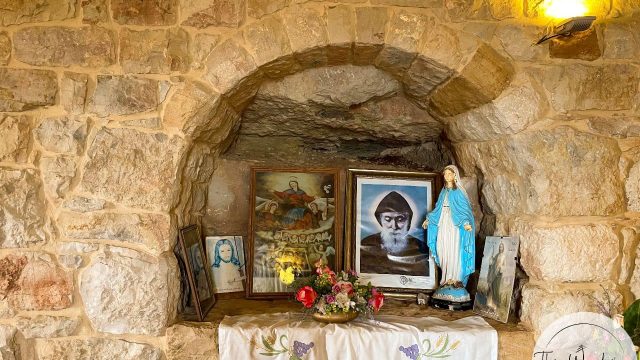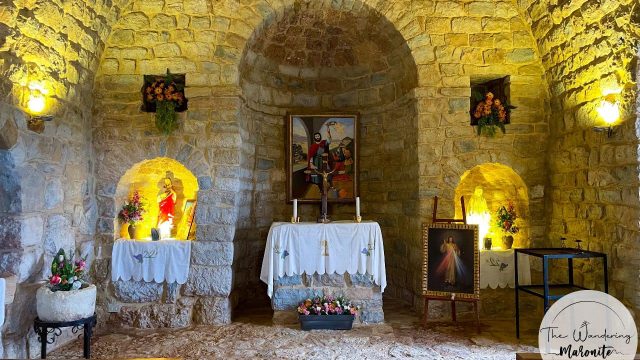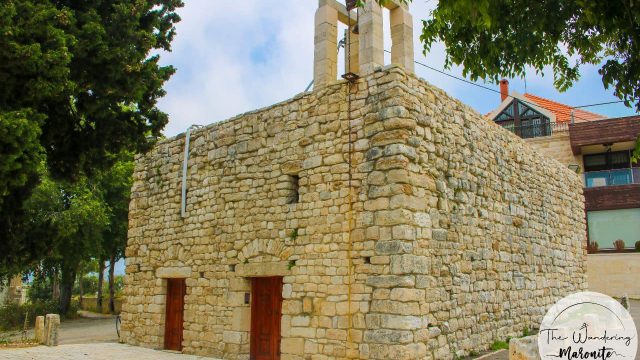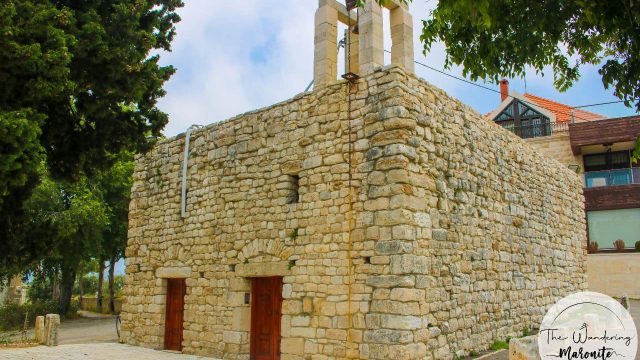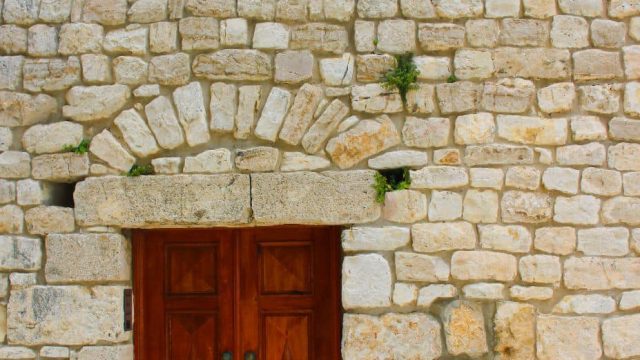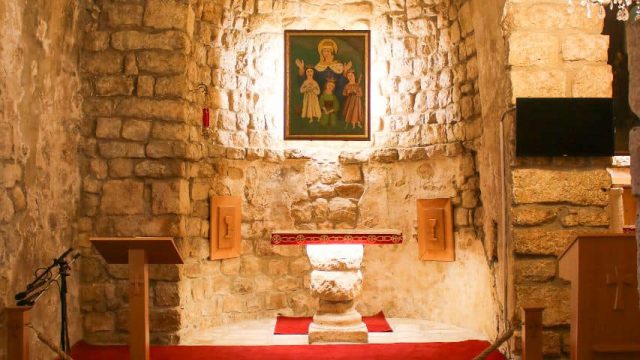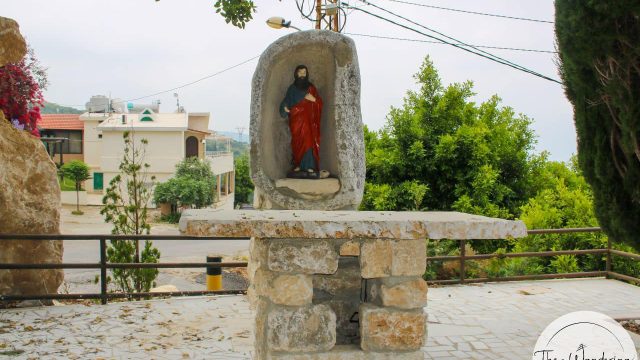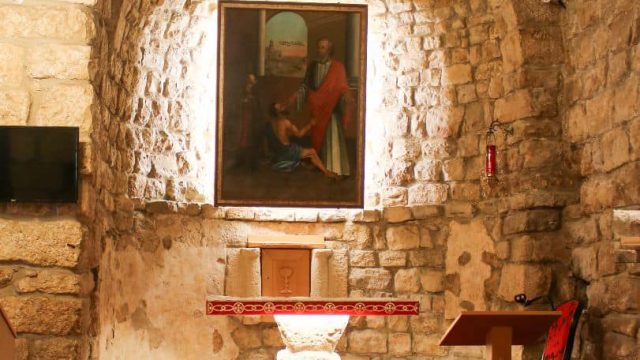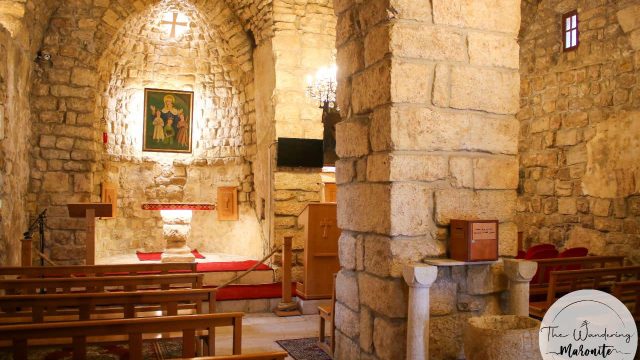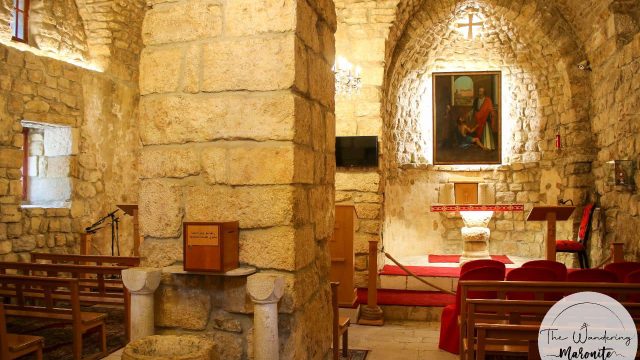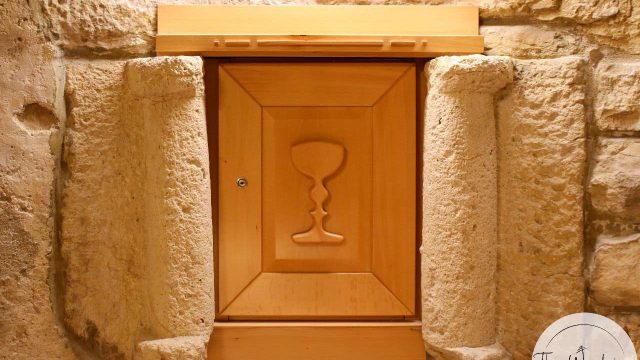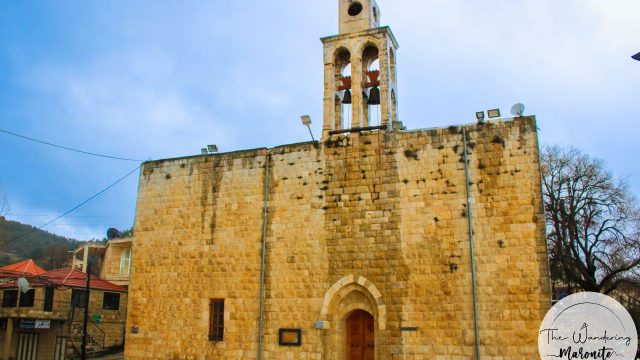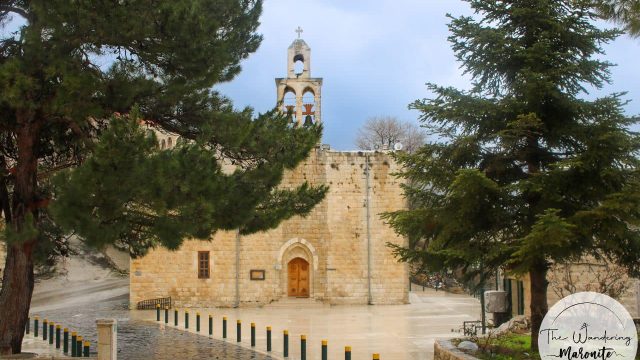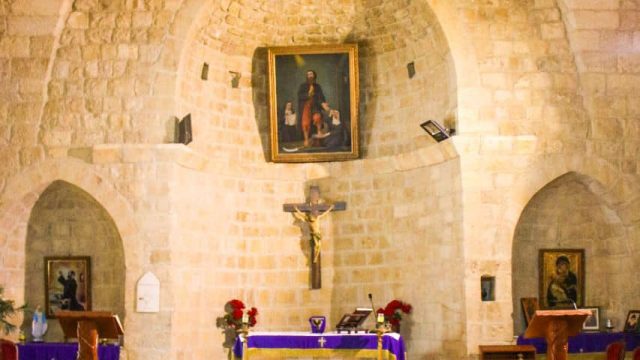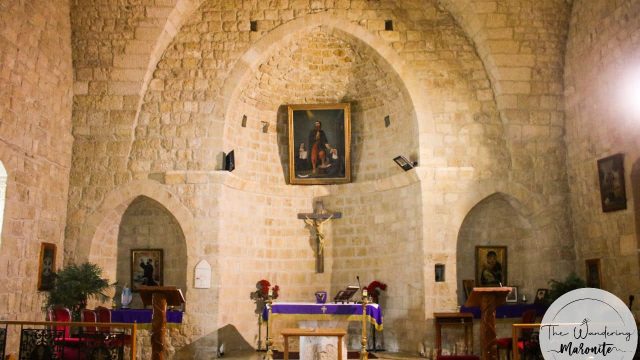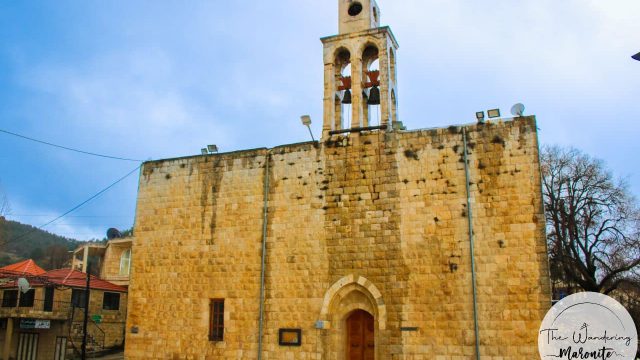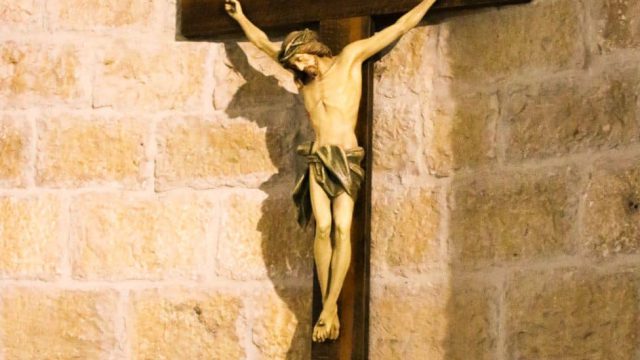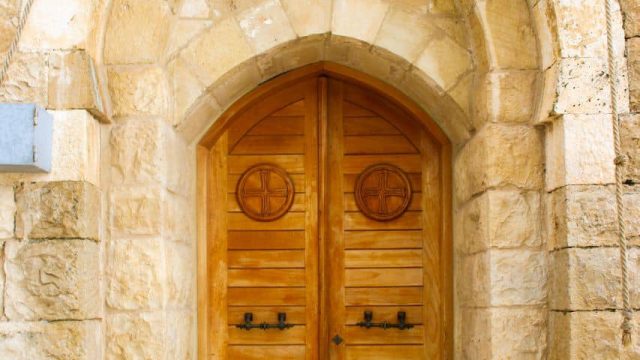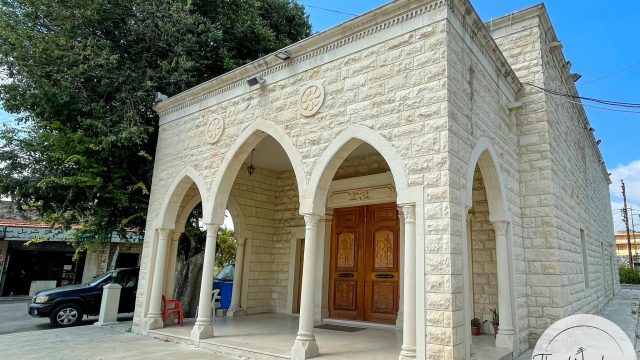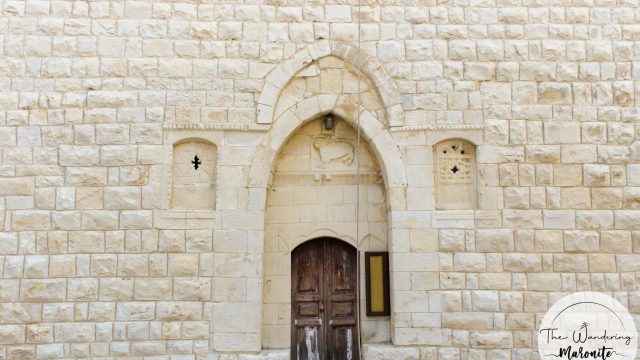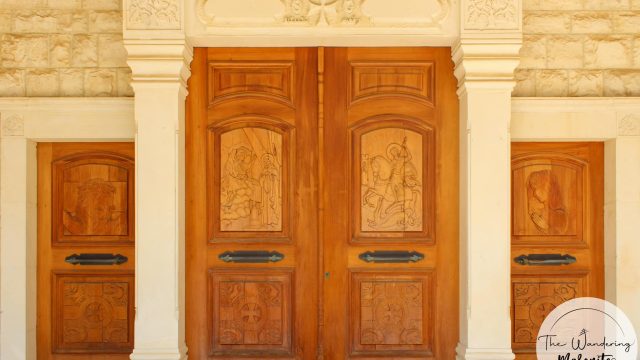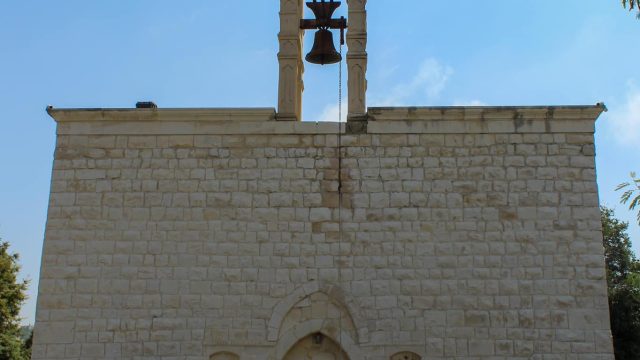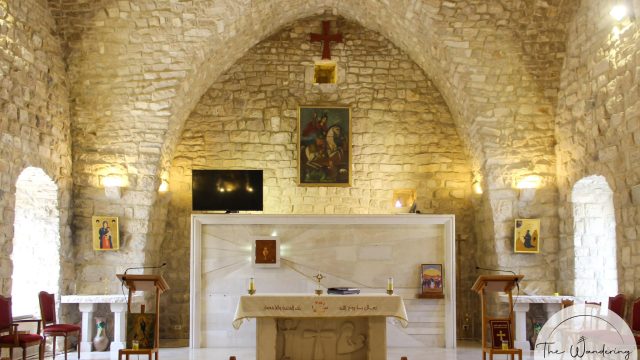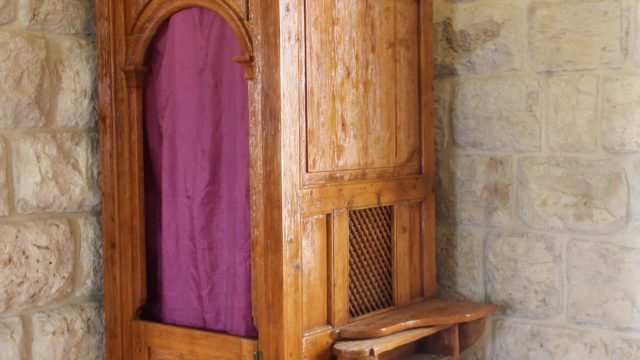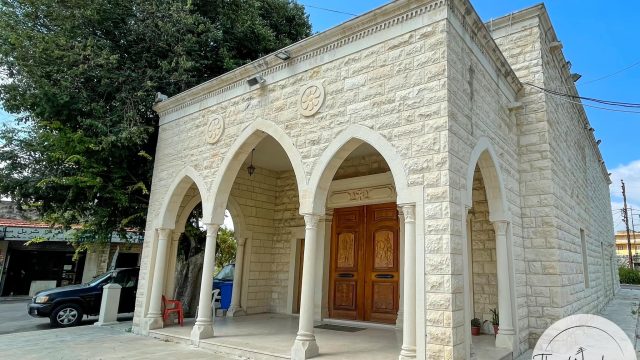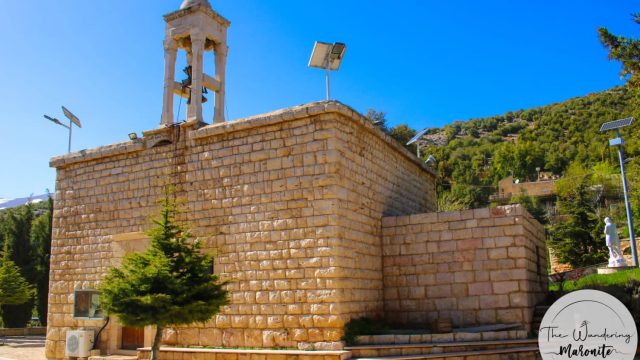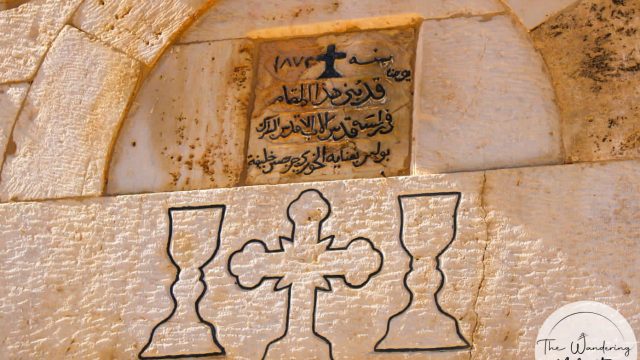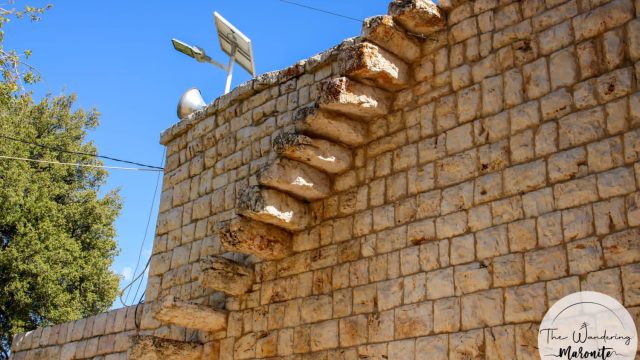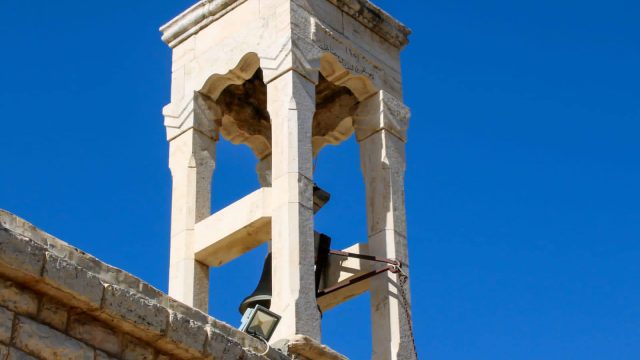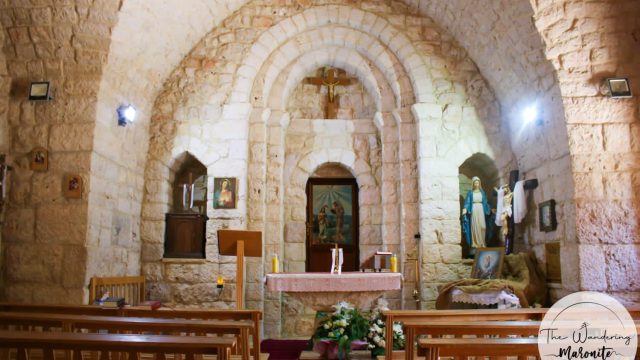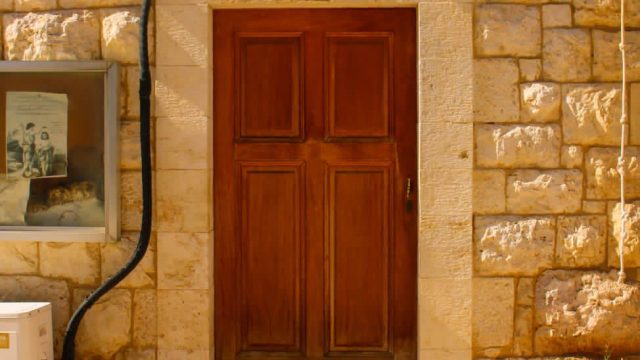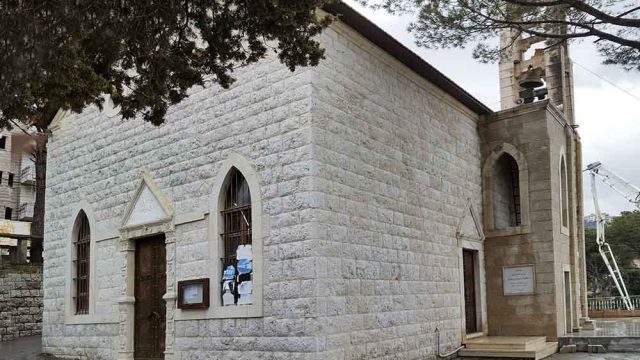
Baskinta – The presbytery of St Joseph

Monastery of Saint Joseph Baskenta Lebanese Maronite Order, Baskinta, Lebanon

Other Details

أنطش مار يوسف

Baskinta

Metn

Mount Lebanon

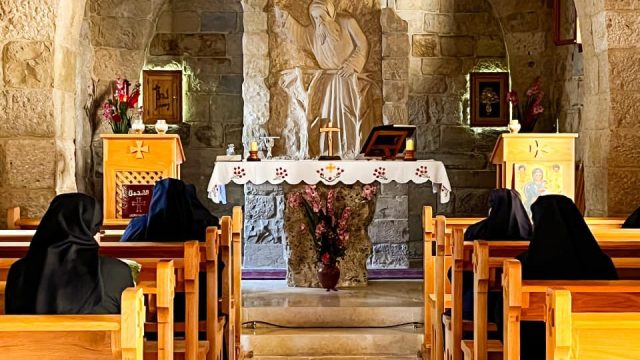
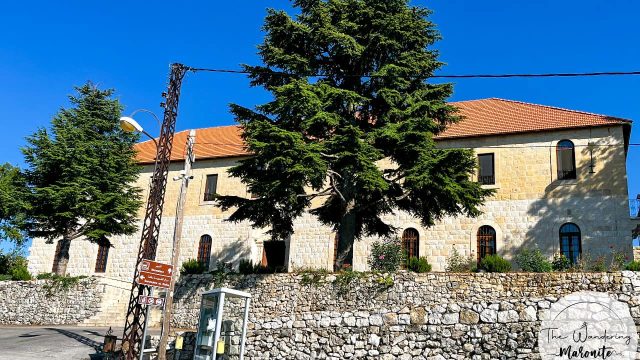
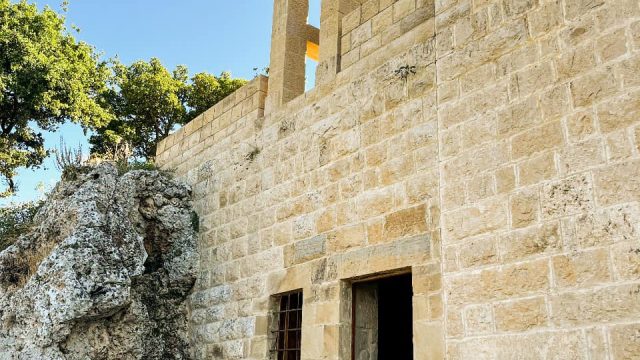
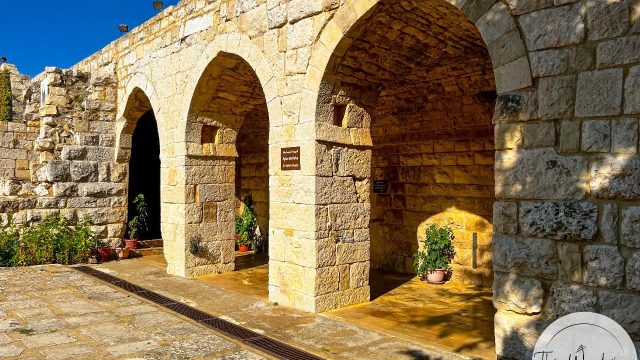
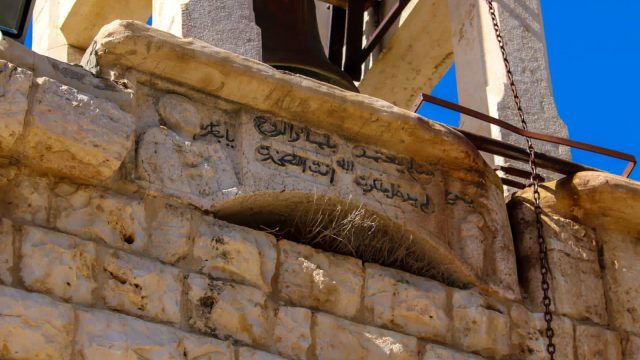
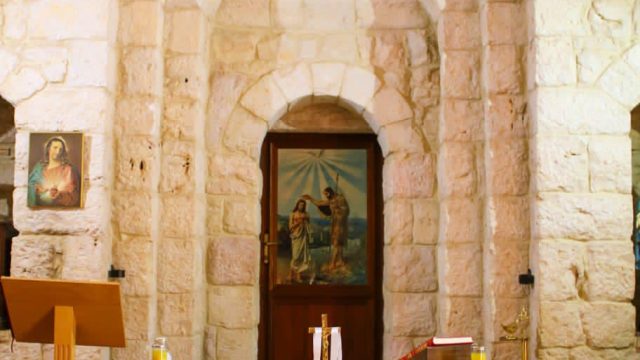
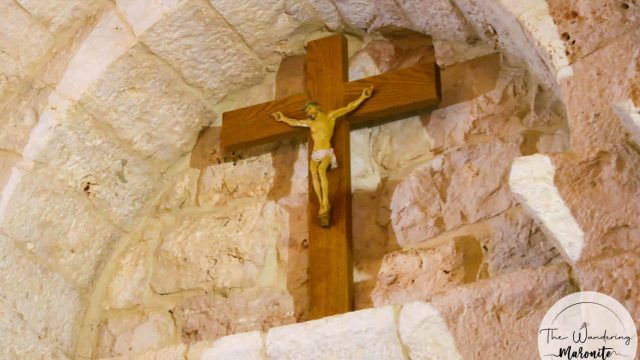
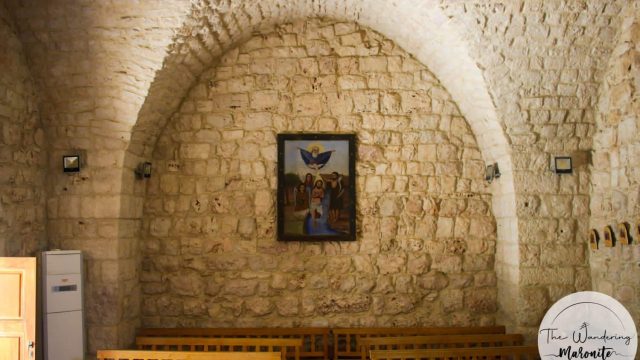
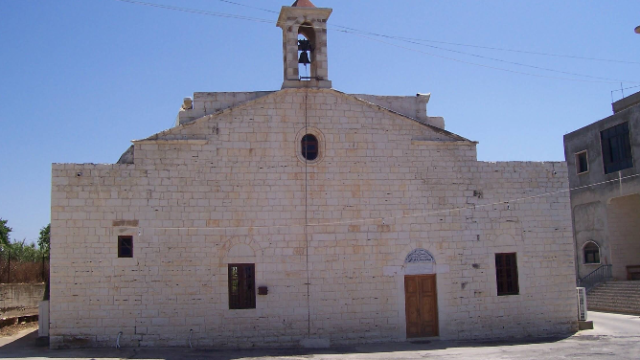
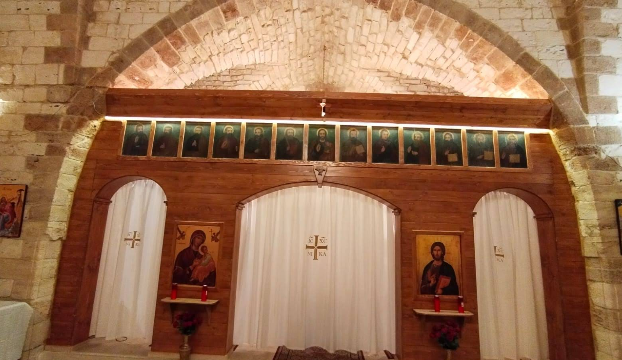
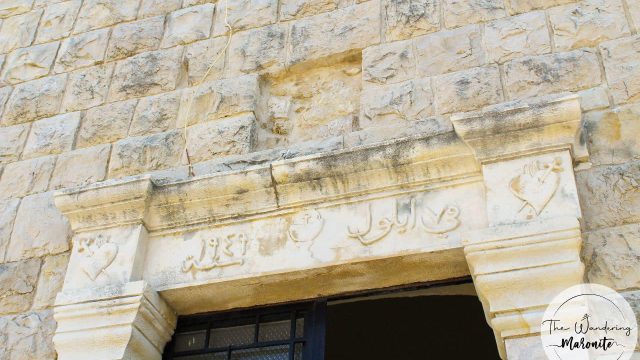
أنطش مار يوسف - بسكنتاسنة ١٧٧٠ بدأ أهالي بسكنتا ببناء كنيسة على إسم القدِّيس يوسف، لكنّ البناء تعثّر. فكان ذلك سببًا لدعوة الرهبانيَّة اللبنانيَّة إلى تسلُّمها، سنة ١٧٧١، بناءً على طلب الأهالي. مقابل ذلك، كان على الرهبانيَّة أن تنشئ مدرسةً لتعليم الأحداث وإرشاد القريب في الأمور الروحيَّة. أتمَّت الرهبانيَّة، سنة ١٧٧٦، تشييد الكنيسة، وأنشأت مدرسةً على اسم القدِّيس يوسف، فكانت أقدم مدرسةٍ في بسكنتا، تهتمُّ بتعليم الأولاد مبادئ الدين والأخلاق، واللغتَين السريانيَّة والعربيَّة.The presbytery of St Joseph - BaskintaIn 1770 the locals of Baskinta began building a church dedicated to St Joseph, yet due to the lack of funds, they decided to hand the church to the Lebanese Maronite Order. The agreement was settled in 1771 and a school to teach the children and provide spiritual guidance was erected by the order. In 1776 the church was dedicated and the first Baskintan school opened providing a program that teaches Syriac, Arabic, Morals, and Catechism.
Visited 3195 times, 3 Visits today

Reviews are disabled, but trackbacks and pingbacks are open.
Related Listings

Behdaydat – Chapels Saydet el Bzez & Saint Nicolas

Saydet l bzez - سيدة البزاز, Behdaidat, Lebanon

كابيلّات مار نقولا (مار زخيا) وسيدة البزاز - بحديدات

Behdaydat

Jbeil

Mount Lebanon

كنائس مار نقولا (مار زخيا) و سيّدة البزاز كابيلَّتان مُهدَّمتان متلاصقتان، تعودان للقرن الثاني عشر. رُمِّمتا مؤخرًّ, واحتفلت رعيّة مار تيودوروس بحديدات بتبريك واعلان انتهاء اعمال الترميم في عام ٢٠١٩. لوحة مار نقولا في كنيسة الرعيّة تعود للقرن التاسع عشر وهي من عمل الرسّام البولوني بول شلافاك.
The chapels of St Nicholas (Zakhya) and our Lady of milk, are two adjacent medieval ruins of chapels dating back to the twelfth century. They were restored lately and reconsecrated in 2019. The painting of St Nicholas dates back to the ninetieth century and is the work of the polish painter Paul Shlavak

Kaftoun – Monastery of our Lady

Monastery of Our Lady of Kaftoun, Kaftoun, Lebanon

دير السيّدة - كفتون

1910

Kaftoun

Koura

North

عود تأسيس الدّير الى القرن السادس، كُتِب عنه في منشورات تعود الى القرن التاسع موجودة في مكتبة أوكسفورد. تمَّ بناؤه على عِدَّة مراحل أمّا ترميمه الأخير فيعود الى العام 1910. الوجهة الخلفية للدير ملاصقة لشيرٍ صخريٍّ ضخم، وكنيسته في قلب الشير.
كان الدير بدايةً ديرًا مارونيًّا سكنه المطران (البطريرك لاحقًا) إرميا الدملصاوي. بعد حملات المماليك تنسّك فيه الرهبان الأرثوذكس. كانت أوجّ الحياة الرهبانيّة فيه عام ١٩٠٤. وفي بداية السبعينات أضحى مهجوراً ونُهبت كافة الأيقونات والمخطوطات. تجدّدت الحياة الرهبانيّة في الدّير سنة ١٩٧٧. عام ١٩٩٧ أُعيدت إليه أيقونة سيّدة كفتون العجائبيّة. تكمن أهميّة هذه الأيقونة أنّها مرسومةٌ على الوجهتين: الأولى تعود الى القرن الحادي عشر وتُمثِّل العذراء مريم والسيّد المسيح، والثانية تعود الى القرن الثالث عشر وتُمثِّل معموديّة السيّد المسيح ومدوَّنٌ عليها باللغات الثلاث: السريانيّة والعربيّة واليونانيّة، شهادةً عريقةً للطقس السريانيّ الملكيّ. يضُمّ الدير آثارًا تاريخيّةً قديمة كأجران منحوتة بالصخر وآبار ومطحنة ومعصرة قديمة تعود للقرن السادس.

The monastery was founded in the VIth century and many documents from the IXth century attesting its existence are still present in the Library of Oxford. The building was done over time up until 1910. The monastery is built inside a rocky cliff, with the main church inside the cave. At first the monastery was served by the Maronites and was the seat of Bishop (later patriarch) Jeremiah of Dmalsa. After the Mamluk’s raids the ownership was taken by the Orthodox hermits. The monastic life saw its peak in 1904 yet it declined up to the seventies when the monastery was deserted and looted. The monastic life would be renewed in 1977. In 1997 the miraculous icon of Our Lady of Kaftoun was returned. The importance of that icon reside in its being a double sided icon: on the first side dating back to the XIth century is a depiction of the Theotokos, on the other one dating back to the XIIIth century is a Theophany with inscriptions in Arabic Greek and Syriac, a true witness to the Syriac Melkite Rite.