
Bane – The church of St George

St Georges Church, Bane, Lebanon

Other Details

كنيسة مار جرجس

Bane

Bcharre

North

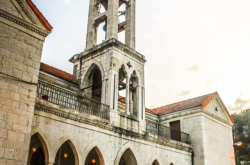
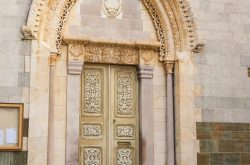
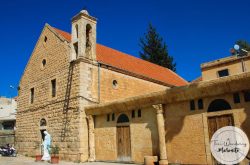
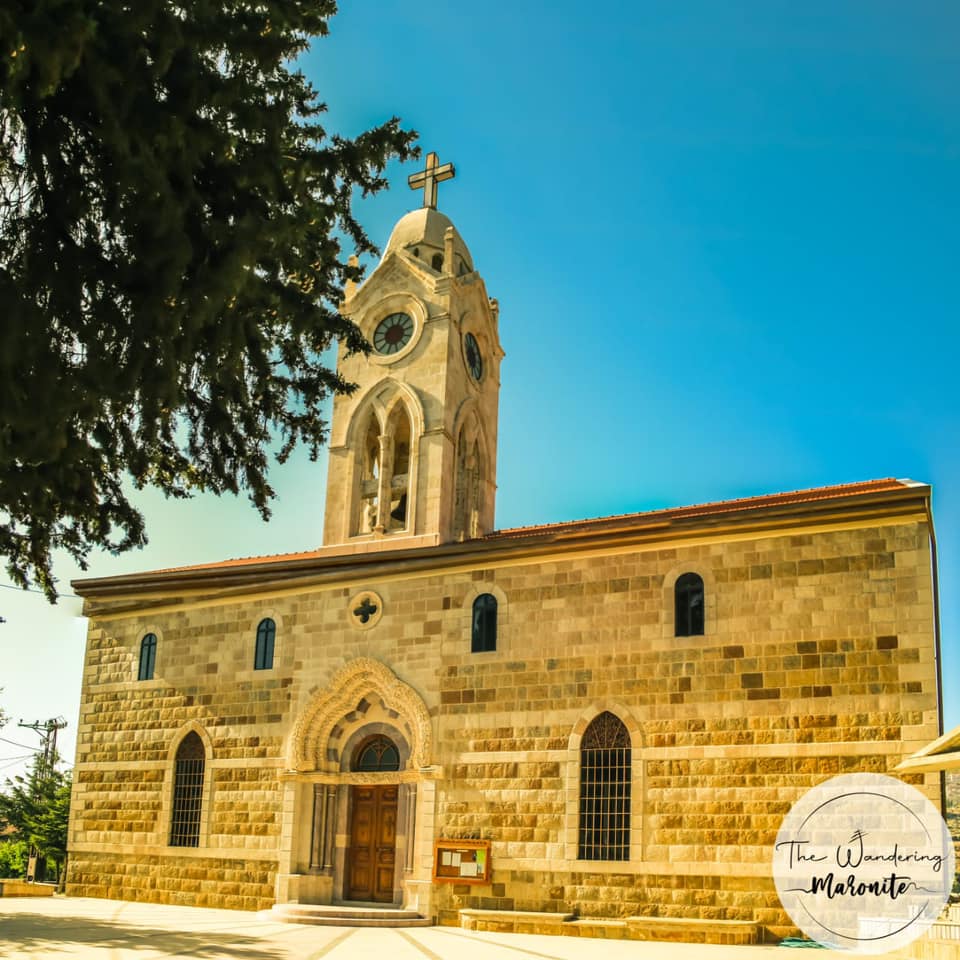
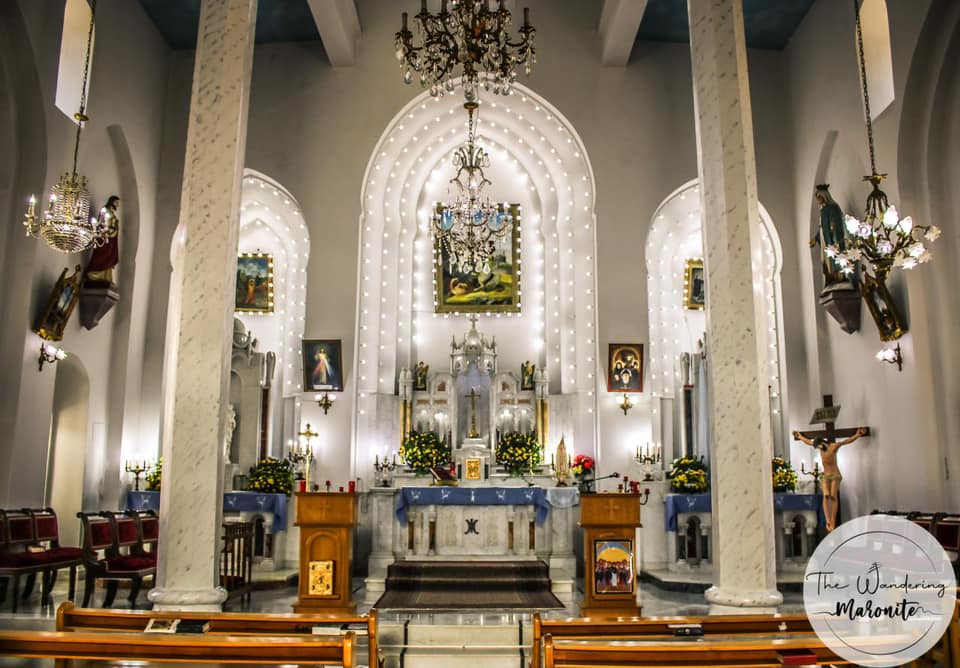
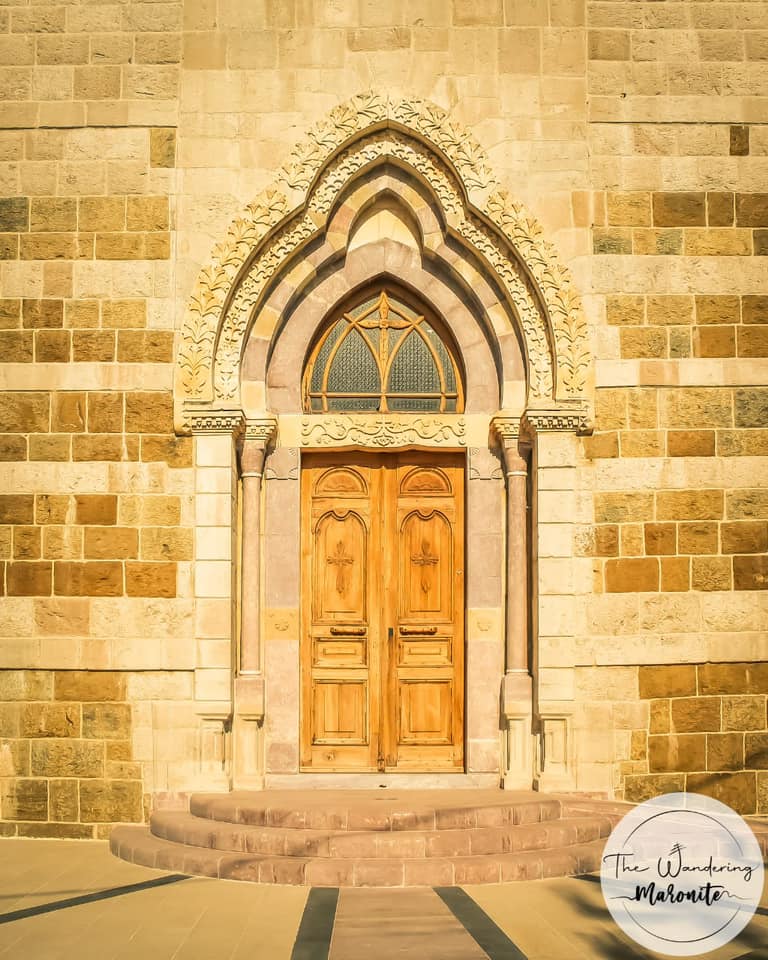
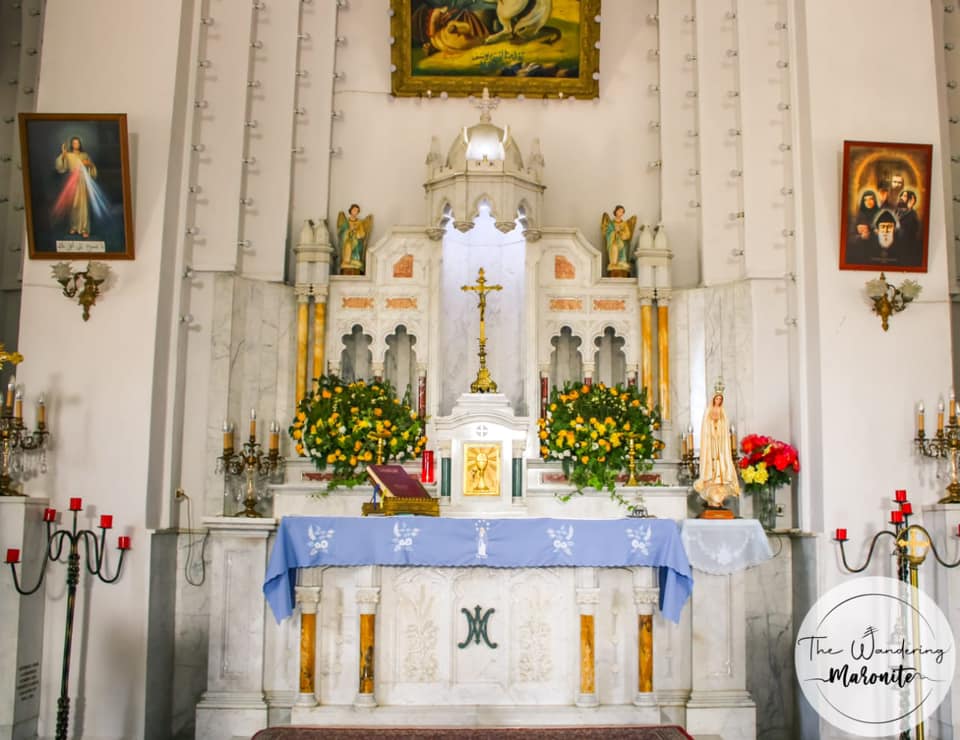
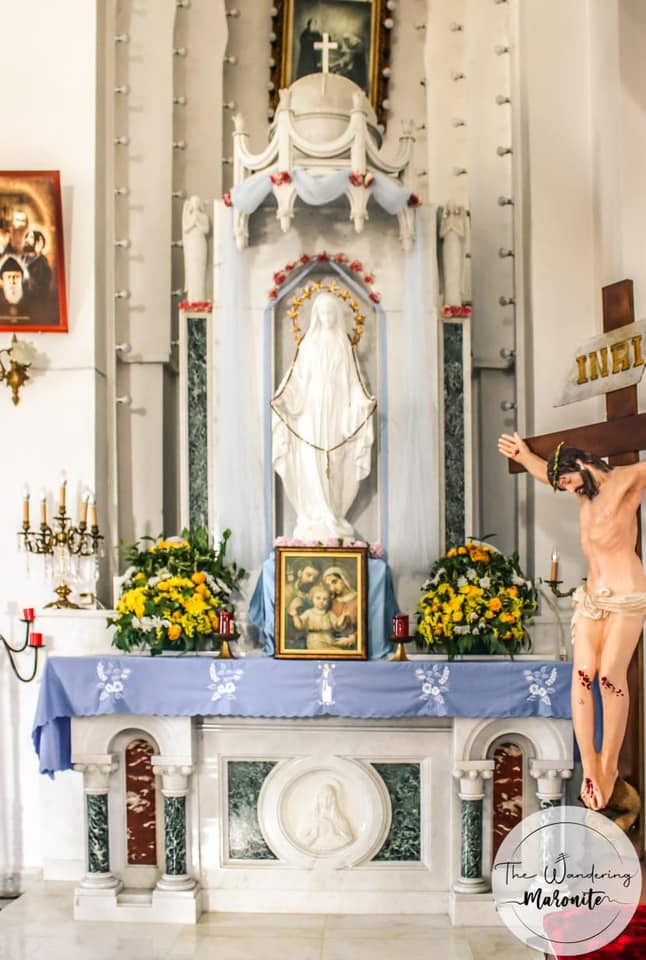
كنيسة مار جرجس - بانهي كنيسة بان الرعائيّة، بُنيت أوائل القرن التاسع عشر موضع كنيستين صغيرتين على اسم مار اسطفان والأخرى على إسم مار نوهرا أقدم عهدًا، وبقي أثر أعتاب هاتين الكنيستين في الواجهة الحاليّة، وكرّس المذبحين الجانبيّين لشفاعة هذين القدّيسين. الكنيسة نمطها بازيليكيّ بثلاث أسواق تنتهي بثلاث مذابح رخاميّة نمطها نيوغوطيّ. رمّمت الكنيسة عدّة مرّاتٍ آخرها في العام ١٩٢٤ حين أخذ مدخل الكنيسة شكله الحاليّ، مع مدخلٍ جنوبيٍّ برتاجٍ ضخم. أواسط القرن العشرين تمّ بناء القبّة وهي من تصميمٍ إيطاليّ.The church of St George - BaneSt George is the parish church of Bane, built in the XIXth century, over the ruins of two older smaller churches dedicated to Sts Stephen and Nohra. The entablature of the old churches were inserted into the new building, and the two side altars were dedicated to both saints respectively. The church is basilical with three naves ending with three marble neo gothic altars. The church was restored many times the last being in 1924 with the grand southern entrance and portico. In the mid XXth century the bell tower was added by an Italian architect.

Visited 3135 times, 1 Visit today

Reviews are disabled, but trackbacks and pingbacks are open.

Related Listings

Ghadir – The Chapel of St. Rita

St. Rita Church, Ghadir, Lebanon

كابيلّا القدّيسة ريتا

Jounie Ghadir

Keserwan

Mount Lebanon

كابيلّا القدّيسة ريتا - غادير

سنة ١٩٠٦ بنت عائلة خورشيد إيليان كابيلّا مدفنيّة على اسم مار بطرس وبولس، وكانت تابعة لكنيسة الأرمن الكاثوليك. سنة ١٩٨٩ إنتقلت ملكيّتها لوقف الورديّة، غادير، ورُمّمت. كرّسها الخورأسقف يعقوب الشمالي على اسم القدّيسة ريتا. سنة ٢٠٠٢ أُعيد ترميمها وأُضيفت إليها الباحة الخارجيّة. سنة ٢٠١٥ تمّ الاحتفال باليوبيل الفضيّ لتكريسها. البناء كناية عن عقدٍ مُصالب، بواجهة نيوكلاسيكيّة.

The Chapel of St. Rita - Ghadir

In 1906, the Armenian Catholic family Khorcheid Elian built a funerary chapel dedicated to Sts. Peter and Paul. In 1989, the chapel was purchased by the parish of the Rosary - Ghadir. It was then rededicated to St. Rita by Chorbishop Yaqoub Chemaly. In 2002, the chapel underwent restoration, and an external garden was added. In 2015, the chapel celebrated its silver jubilee. The structure features a crossed vault with a neoclassical facade.

Dmalsa – The Church of St. Nouhra (Logius) and St. Sophia

Saint Nohra and saint sophia (مار نوهرا), Kfar Mashoun, Lebanon

كنيسة مار نوهرا ومارت صوفيا

Kfar Mashoun

Jbeil

Mount Lebanon

كنيسة مار نوهرا ومارت صوفيا - دملصا

هي كنيسة بخوروسين تعود للعصر البيزنطيّ. تحوي الكنيسة على نقوش صلبانٍ وآثار جداربّات من القرون الوسطى. من هذه الكنيسة خرج البطريركان يوحنّا الدملصاوي في القرن الثامن وإرميا الدملصاوي (١٢٨٢-١٢٩٧). رُمّمت الكنيسة سنة ١٩٩٩.

The Church of St. Nouhra (Logius) and St. Sophia - Dmalsa

It is a double-choired church that dates back to the Byzantine era. The church holds cross engravings and the remains of medieval frescoes. From this church, two patriarchs were given to the Maronite community: Youhanna Dmolsawi in the VIIIth century and Ermia Dmolsawi (1282-1297). The church was restored in 1999.

Qartaba – Our Lady of Herezmeny

Our Lady Of Herezmeny Church, Qartaba, Lebanon

كنيسة سيّدة الحرزمانة - قرطبا

1827

Qartaba

Jbeil

Mount Lebanon

بنيت سنة ١٨٢٧ عندما نزح آل كرم من يانوح الى قرطبا وطلبوا بناء كنيسة من مشايخ آل حمادة الذين أذنوا بناء كنيسة في الحرزمانة أي في المكان عينه حيث جرى الوفاق حيث كانت توجد بقايا رومانيّة. وبُنيت بالعونة بين أهالي قرطبا. بُنيت الكنيسة على مرحلتين وتصالبت أسواق العقد بشكل L وأُلغي الباب القديم أواخر القرن التاسع عشر. اللوحة من عمل كنعان ديب الدلبتاوي سنة ١٨٣٢.


The church of Our Lady of Herezmeny - Qartaba
The church was built in 1827 when the Karam family moved from Yanouh to Qartaba. The family made a deal with the sheikhs of the Hamade family to build a church in the Herezmeny land where stood some roman ruins. The church was built with the villagers' voluntary work and effort. In the late 19th century a vault was added to the main building that ended up with an L shape. The painting is the work of Kanaan Dib and dates back to 1832