
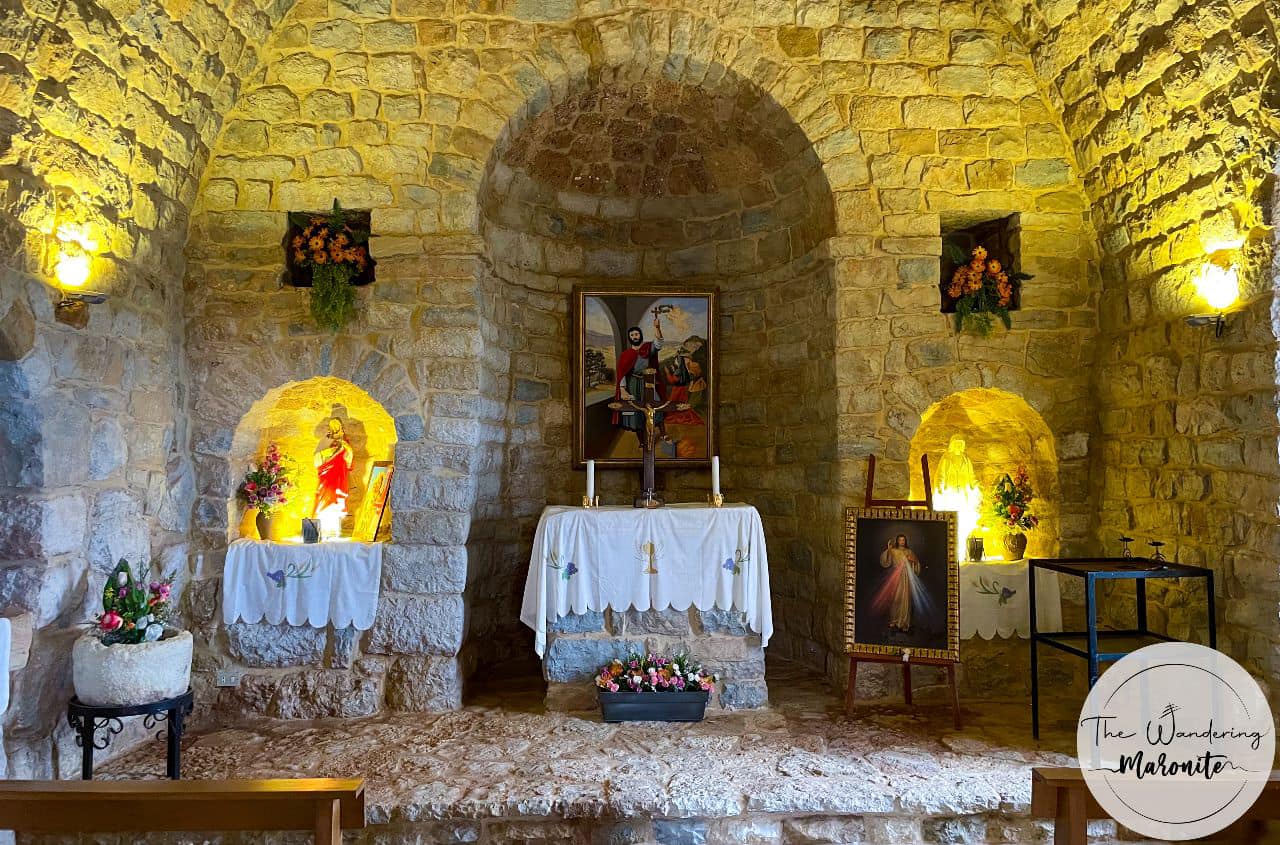
Ehden – Saint Jacob the Persian Monastery

Saint Jacob's Monastery of the Abyssinians دير مار يعقوب الا حباش, Baabda, Lebanon

Other Details

دير مار يعقوب المقطّع

Ehden

Zgharta

North

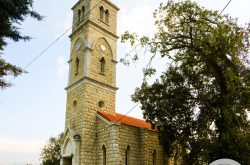
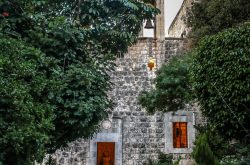
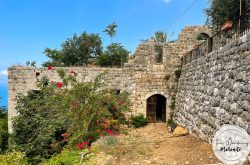
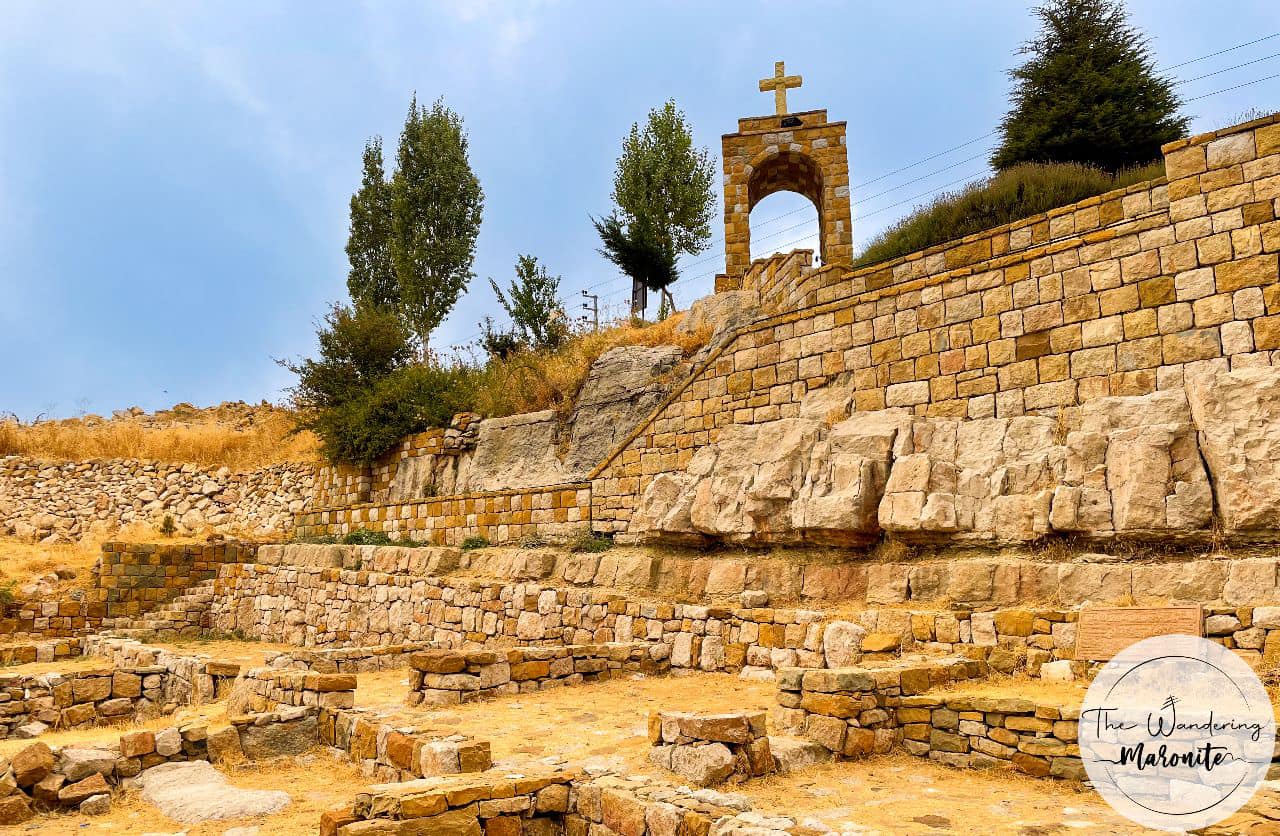
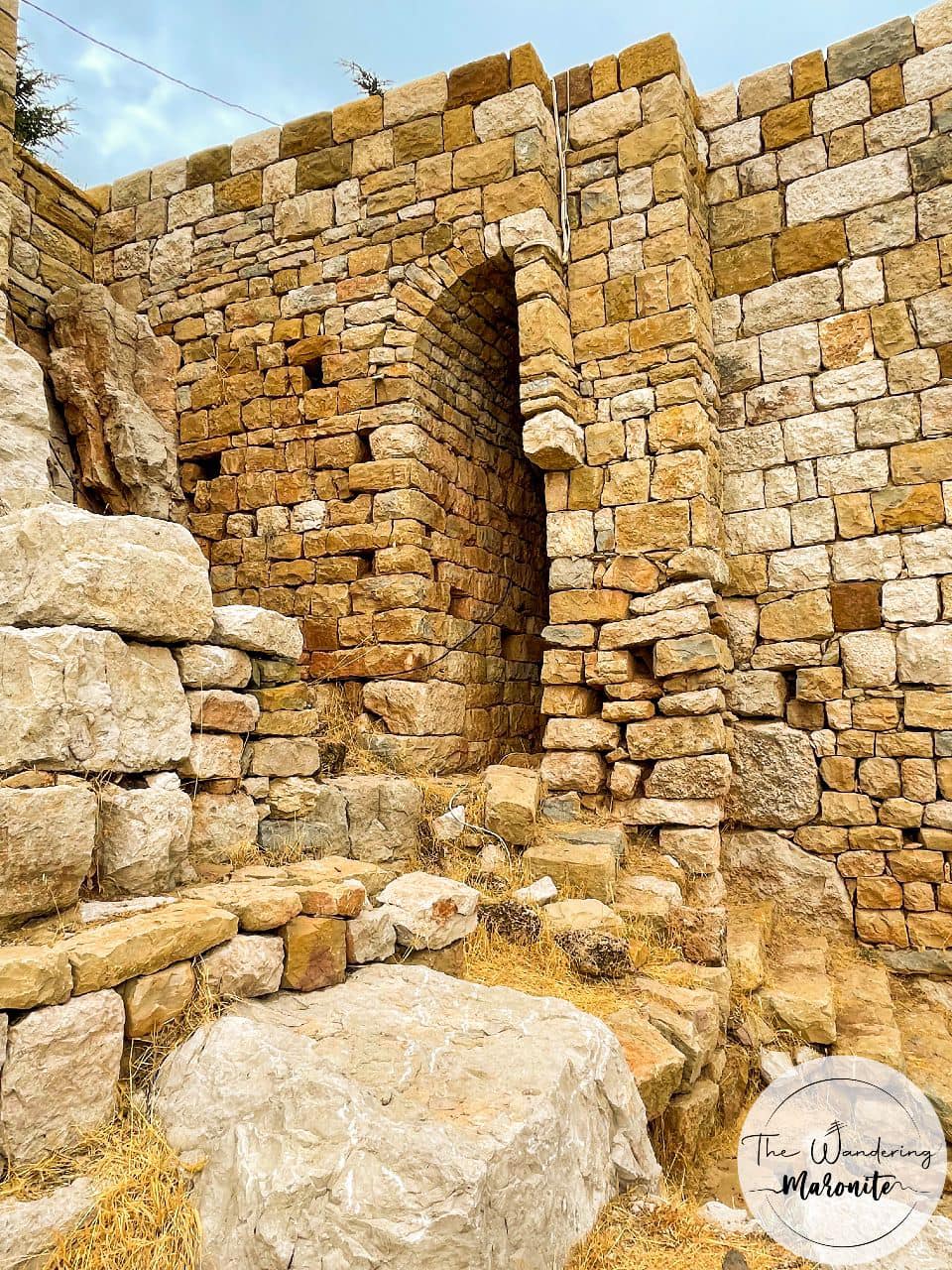
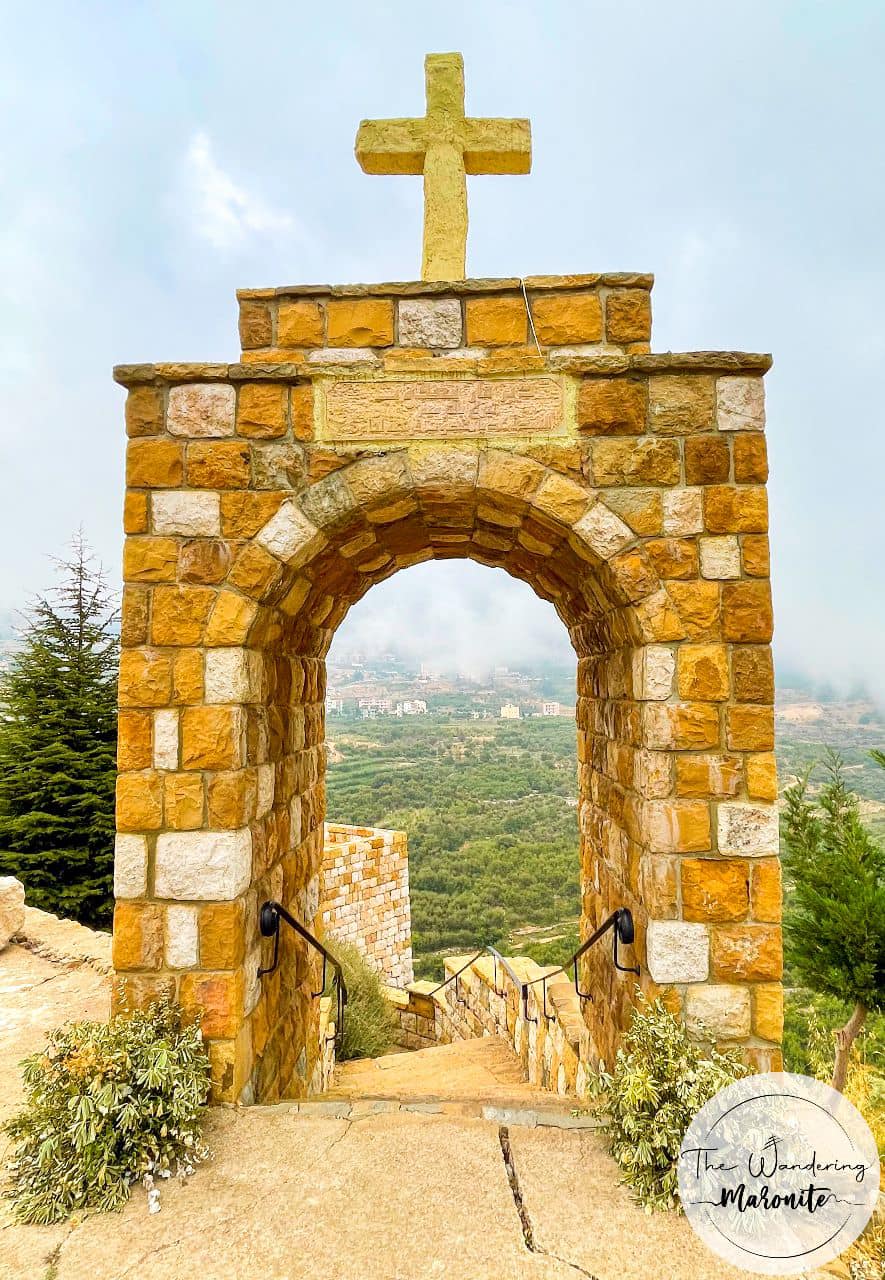
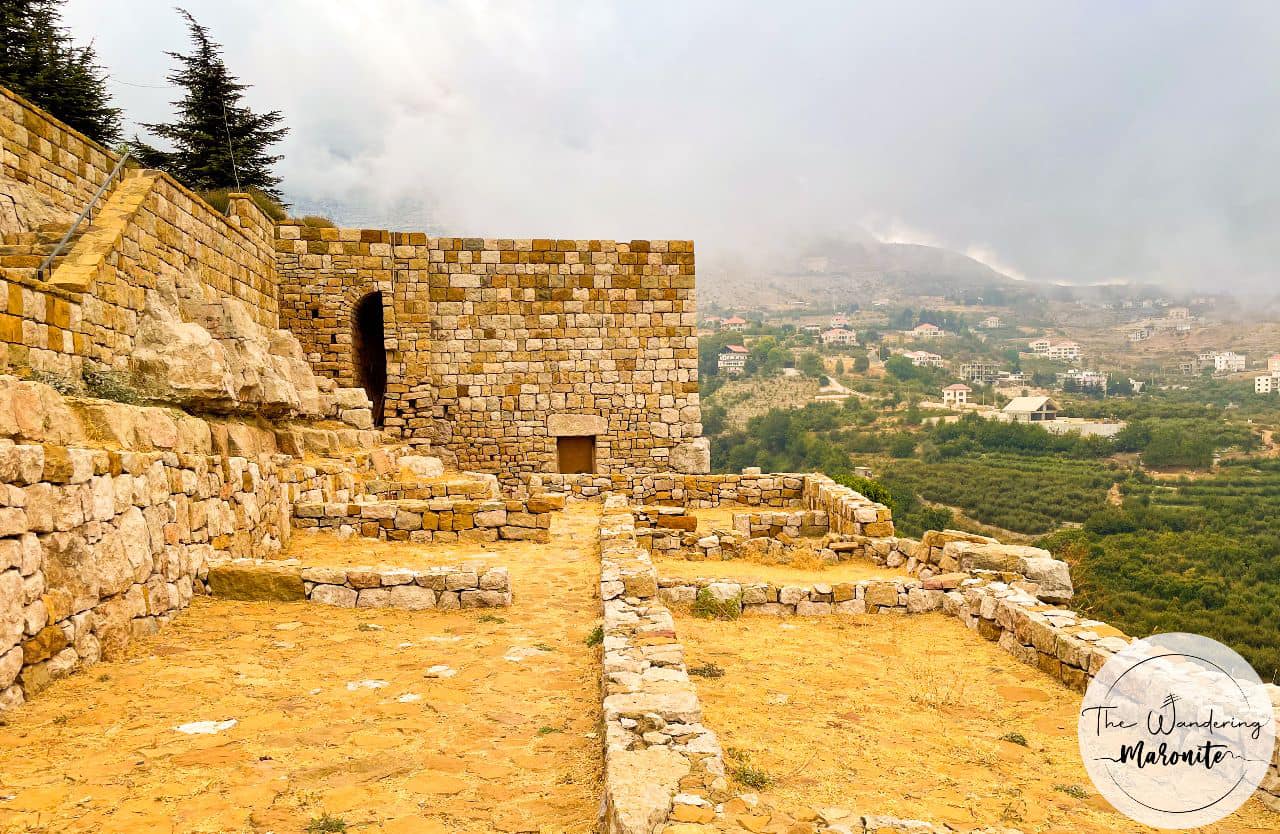
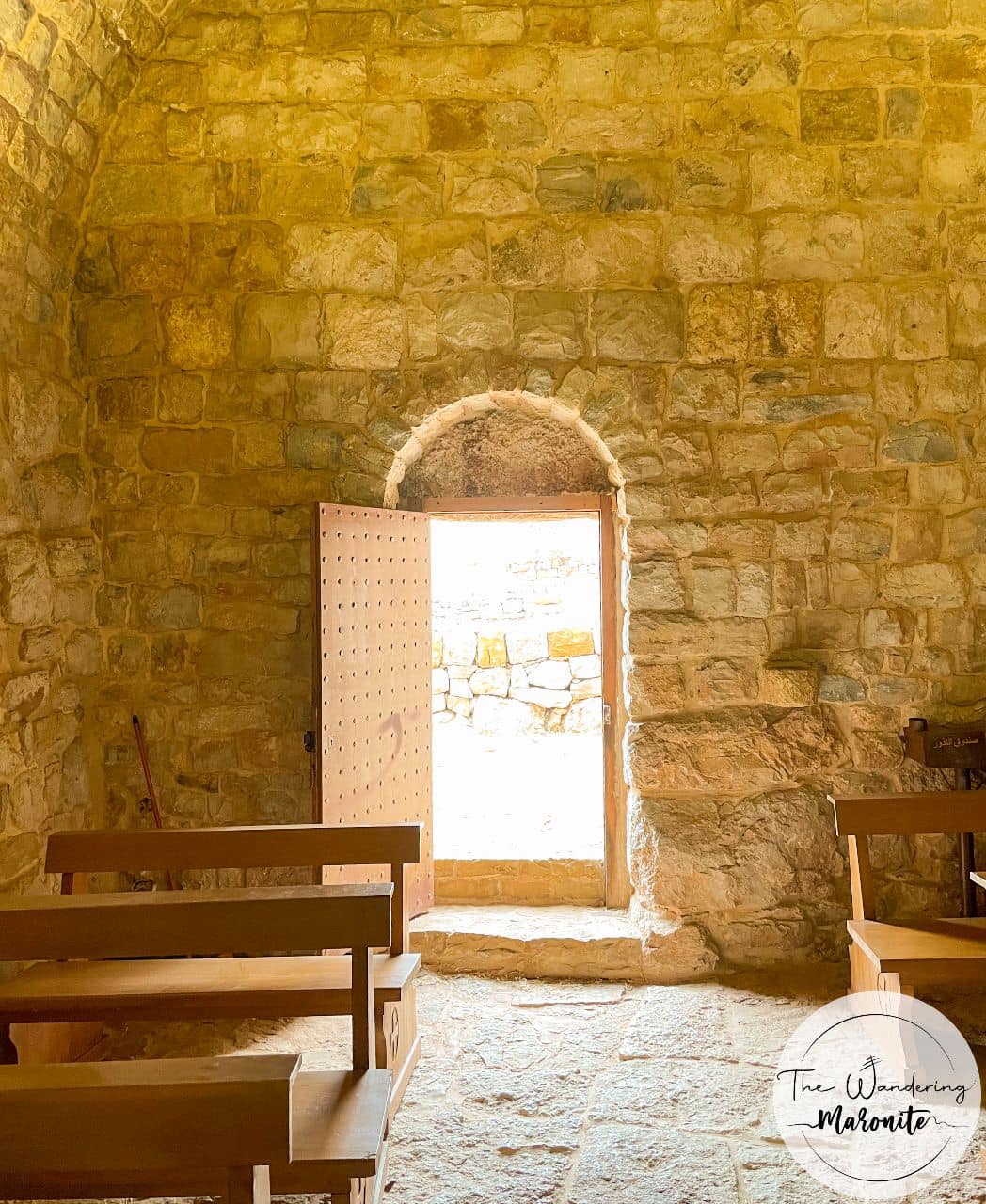
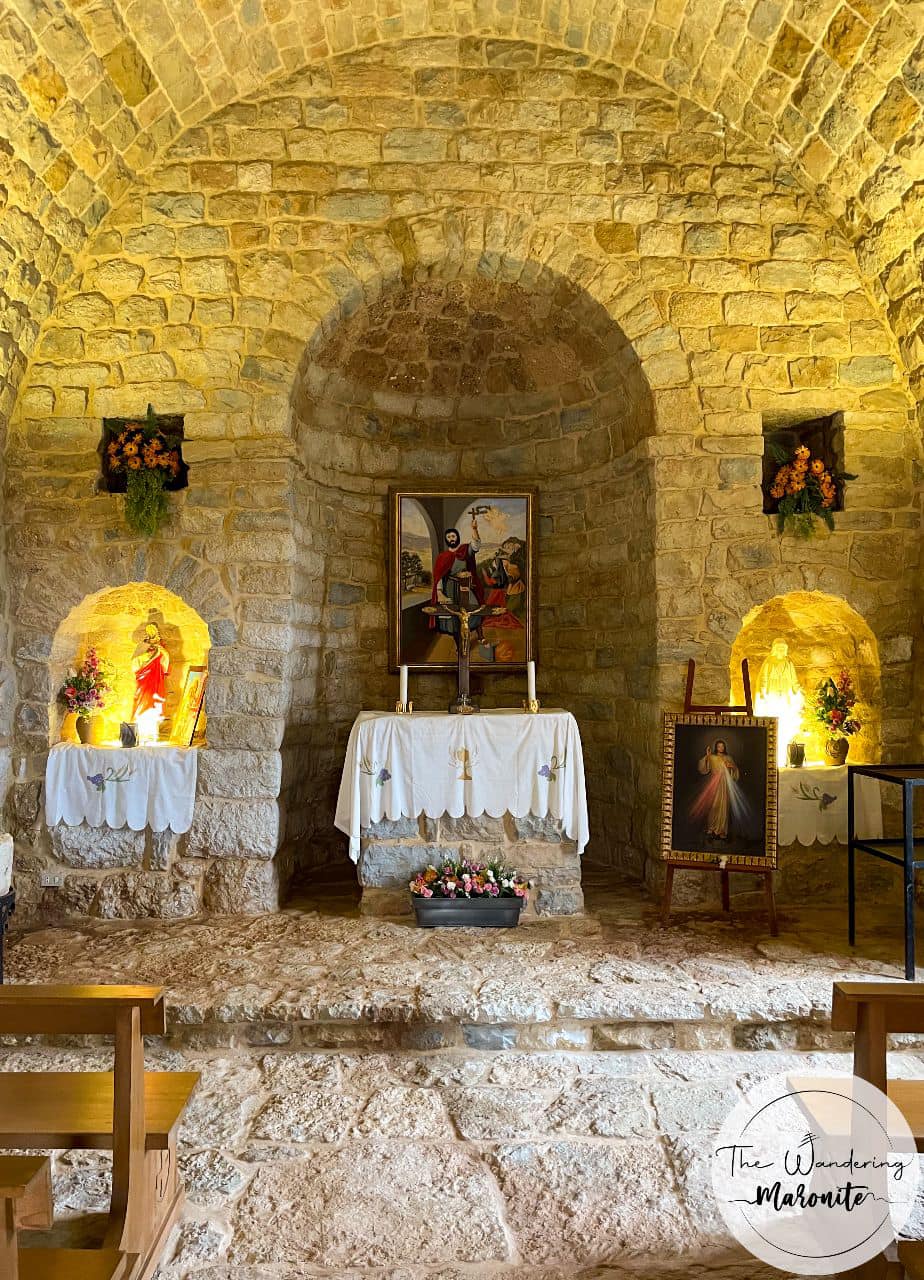
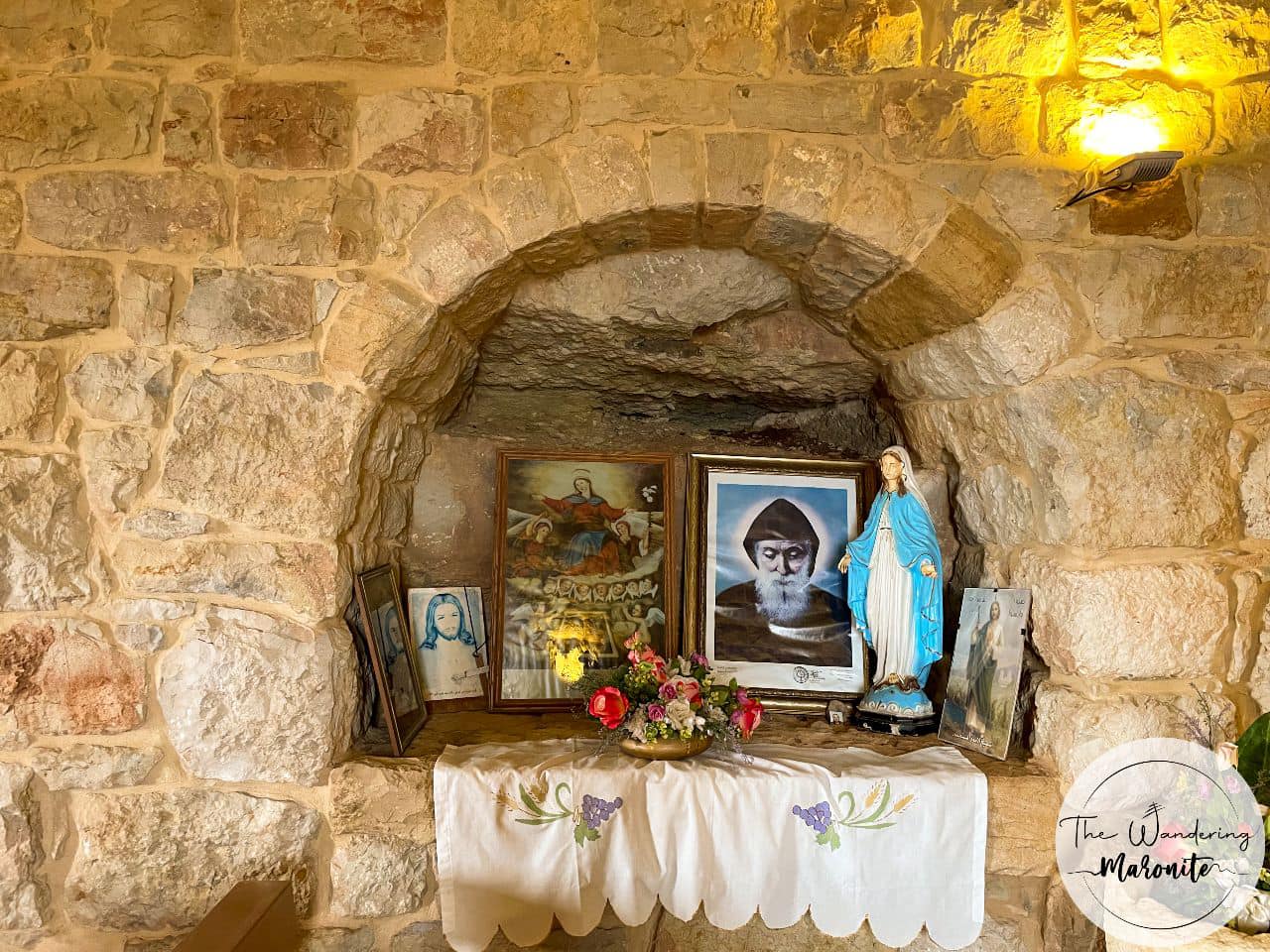
دير مار يعقوب المقطّع - إهدن بُني الدّير أواخر القرن الثالث عشر بعد حملة المماليك. سنة ١٤٧٠ قطنه القس يعقوب ورفاقه الوافدين من الحبشة فدُعي بدير الأحباش نسبةً إليهم. سنة ١٤٨٨، طرد الإهدنيّون الأحباش واليعاقبة بعد معركة بقوفا، فأصبح الدّير مقرًّا لأساقفة إهدن. سنة ١٦٣٢، سكنه الفرنسيسكان. جعله البطريرك إسطفانوس الدويهيّ مدرسةً لتعليم الأحداث عندما كان كاهنًا. سنة ١٩٧٦ إنهارت الكنيسة إثر عاصفة ثلجيّة. أعيد ترميمها وتكريسها صيف ٢٠٠٤ على يد المطران سمير مظلوم. Saint Jacob the Persian Monastery - Ehden Saint Jacob's Monastery was built at the end of the XIIIth century, after the Mamluks' invasion. In 1470, it was inhabited by Abyssinian monks. However, in 1488, the Ehdenites expelled the monks from the monastery after the Battle of Bqoufa. Later on, the monastery became the seat of Ehden's bishops. Then, in 1641, it was inhabited by Franciscan monks. In 1657, Fr. Estfen al Doueihy (later patriarch) turned it into a school for Ehden's youth. During the 18th century, the convent was completely abandoned. In the winter of 1976, a blizzard destroyed the church. Finally, it was restored in 2004 and reconsecrated by Bishop Samir Mazloum.

Visited 3073 times, 1 Visit today

Reviews are disabled, but trackbacks and pingbacks are open.

Related Listings

The Valley of Qannoubine – The monastery of St George of the Abyssinians

محبسة مار جرجس, Hadchit, Lebanon

دير مار جرجس الأحباش

Ouadi Qannoubine

Bcharre

North

دير مار جرجس الأحباش - وادي قنوبين

الدّير عبارة عن كهفٍ طبيعيٍّ يقع في وسط الجُرف الصخريّ ويضمُ كنيسةً ومدفنًا وبعض القلالي. يتمّ الوصول إليه عبر درجٍ من الحجارة المنحوتة. بنى الدّير رهبان مونوفيزيّين جاؤوا من الحبشة في القرن الثاني عشر بقصد التنسك. الكنيسة كناية عن تجويفٍ طبيعيًّ حُفرت حنيتها على شكل عقدٍ مكسورٍ مُليّسة بالكلس، ومزيّنة برسومٍ جداريّة ذات أشكال هندسيّة تنتمي لفنّ الكنيسة الحبشيّة. في الكنيسة كذلك مذبح مربّع الشكل.

The monastery of St George of the Abyssinians - the valley of Qannoubine

The monastery is a natural cave in a cliff consisting of a church, a necropolis and some cells. It is accessible trough a carved stair. The monastery was built by Jacobite monks from Abyssinia during the XIIth century. The church is a natural cave with a carved apse covered by limestone gypson with a geometrical motif fresco from the Ethiopian art tradition, the church also has a squared altar.

Ain el Delbe – The church of St Nohra

St Nohra church ain el delbeh كنيسة مار نوهرا, Ain Al Delbe, Lebanon

كنيسه مار نوهرا

Ain Ed-Delbeh Jbayl

Keserwan

Mount Lebanon

كنيسه مار نوهرا - عين الدلبة

بُنيت الكنيسه أواسط القرن التاسع عشر ، وترمّمت على عدّة مراحل. هي مكرّسة على إسم مار نوهرا وهو لقبّ سريانيّ للقدّيس لوجيوس، يعني النور. اللوحة الاساسيّة من روما تعود لسنة ١٩١٠. أمّا اللوحة القديمة للقدّيس، فهِيَ من عمل كنعان ديب الدلبتاوي. في الكنيسه مذبحُ لعذراء غوادالوبي لوحته مستوردة من المكسيك سنة ١٩٢٠.

The church of St Nohra - Ain el Delbe

The church was built in the mid XIXth century, and restored many times. The church is consecrated to St Logiue who’s named nouhro, which is the syriac translation of the word "light". The painting over the high altar is made in Rome in 1910. The old one over the side altar is the work of Kanaan Dib. Another side altar is dedicated to the Virgin of Guadalupe, and it is a donation from the village’s expats in Mexico in 1920.

Lehfed – The monastery of St Eusabius of Caesarea

كنيسة مار حوشب, Lehfed, Lebanon

دير مار حوشب

Lehfed

Jbeil

Mount Lebanon

دير مار حوشب - لحفد

دير مار حوشب يقع شرقيّ البلدة. وهو عِبارة عن كَهف في الشير المُسمَّى شير العاميّة. بُنيَ الدير في القَرن الثاني عشر، إذ اختار البطريرك يوحنا اللِحفِدي أحد أساقفته الأربعة للإقامة فيه. وللدّير ثلاث صوامع متعلقة به وهي اليوم آثار.

The monastery of St Eusabius of Caesarea - Lehfed

The monastery is located in the eastern side of the village, like the old monasteries of the Qadisha valley. It is a cave inside a cliff called El Aamlyeh. The monastery dates back to the XIIth century, when Patriarch John of Lehfed appointed one of his four bishops as it’s head.