
Ashqout – The Church of St. Joseph

Saint Joseph, Lebanon

Other Details

كنيسة مار يوسف

Aachqout

Keserwan

Mount Lebanon

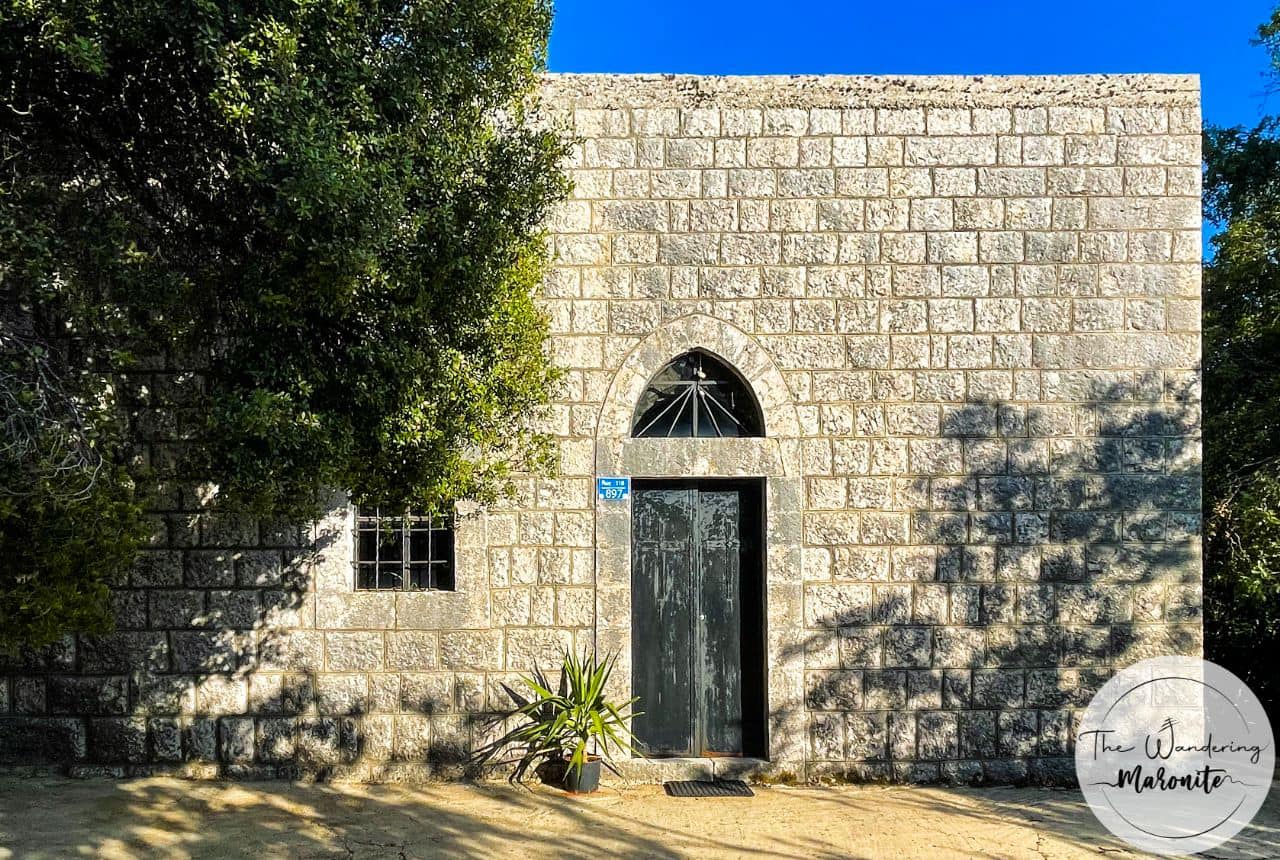
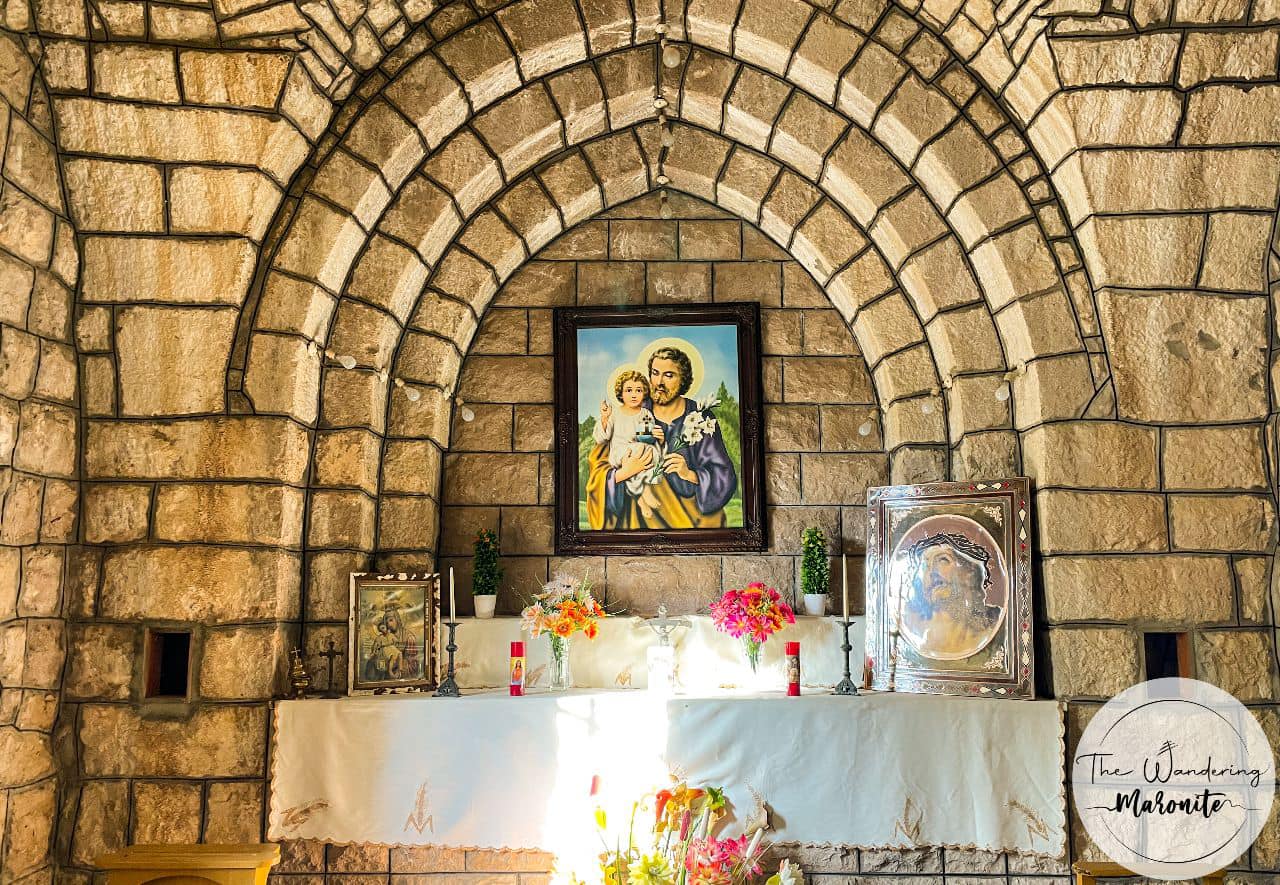
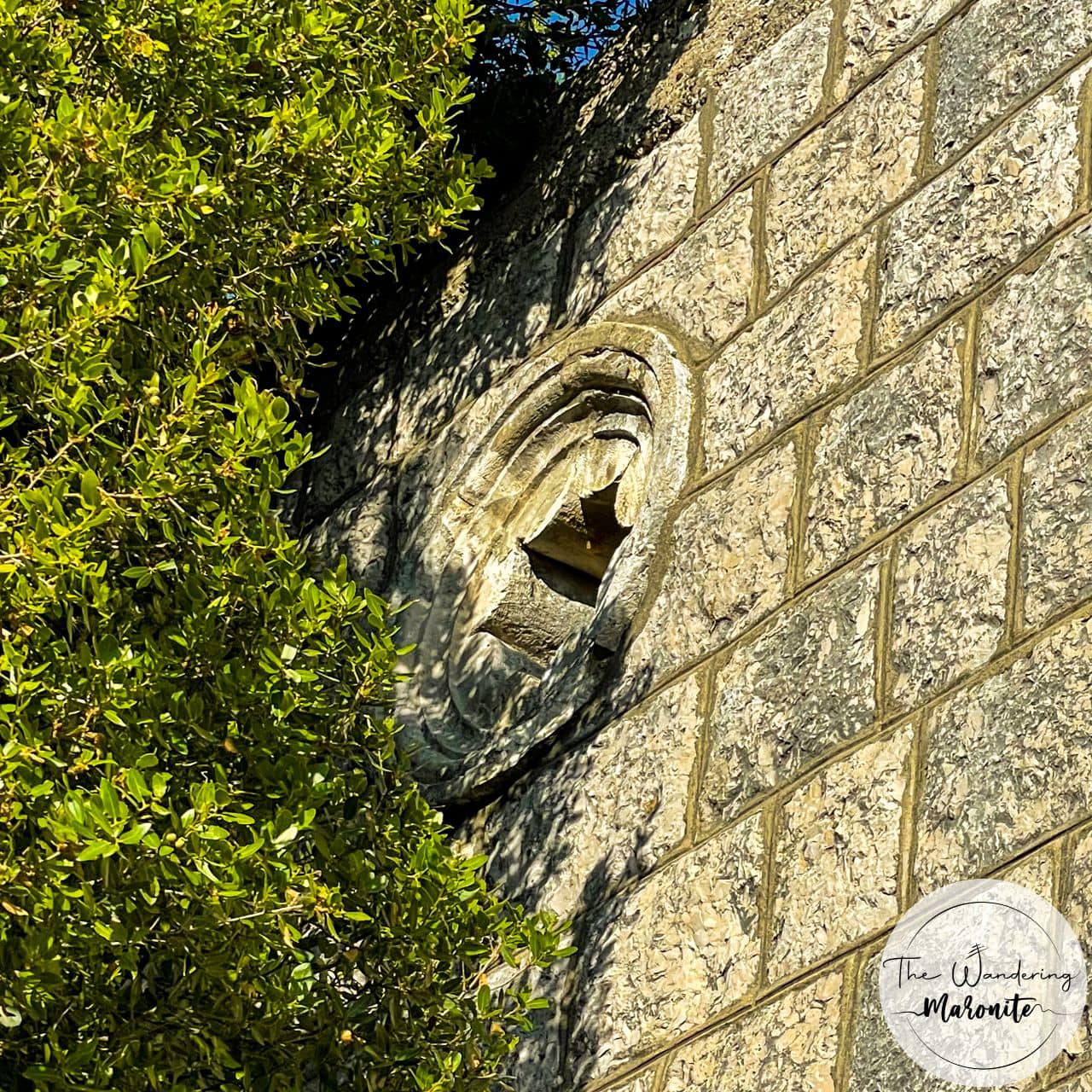
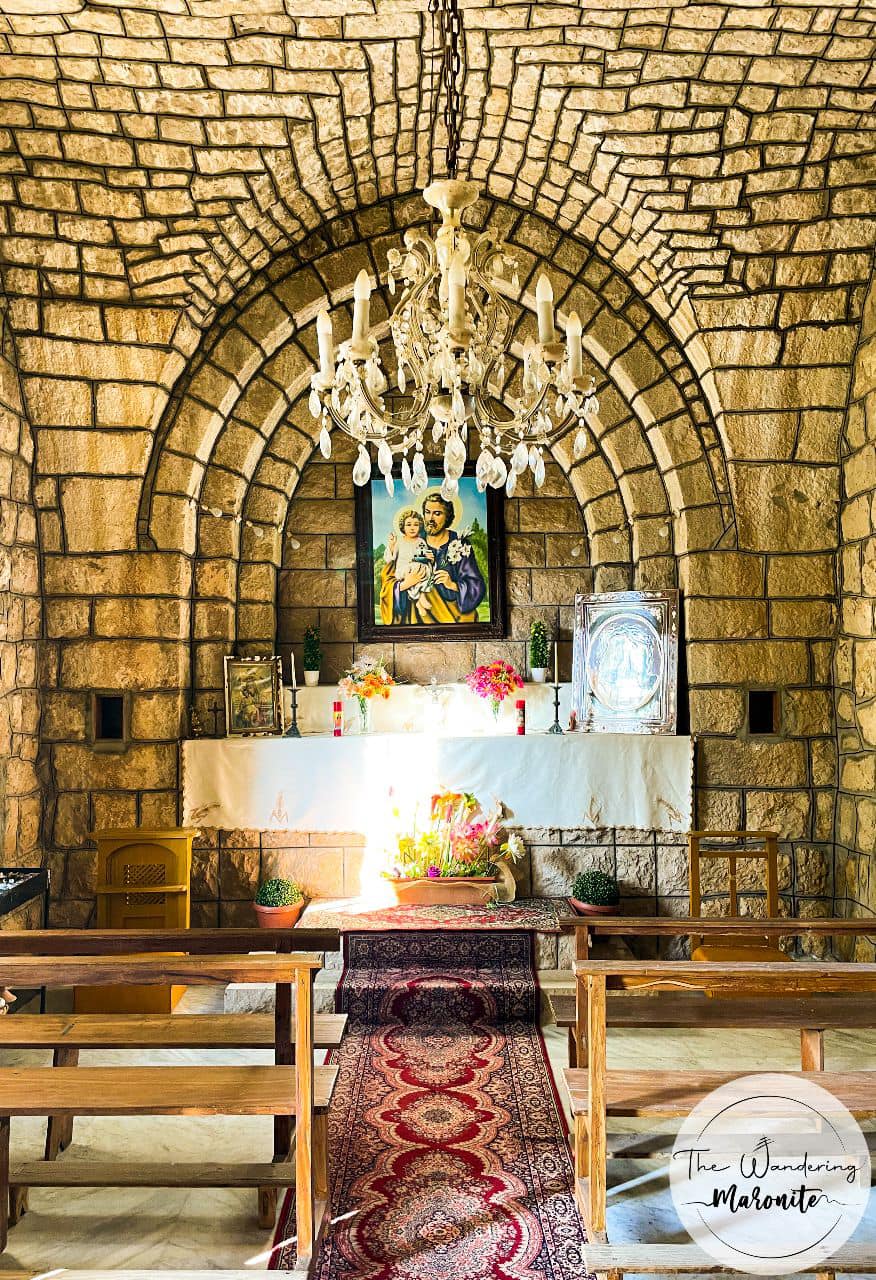
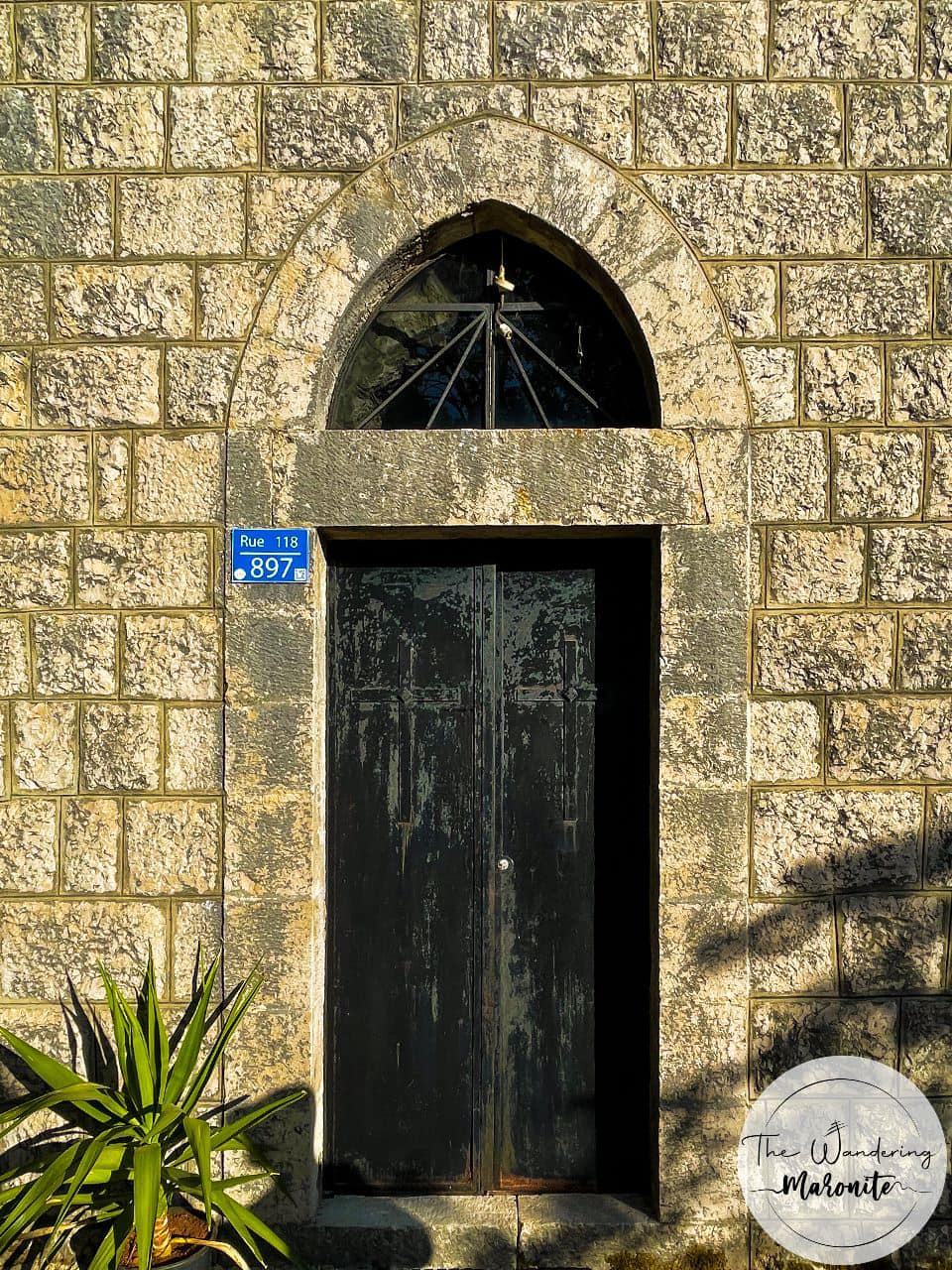
كنيسة مار يوسف - عشقوت كنيسة مار يوسف في محلّة جبل عشقوت، تم تشييدها سنة ١٩٢٦. الكنيسة وقف لآل موسى بنوها لبُعد مساكنهم عن البلدة. الكنيسة صغيرة عبارة عن عقدٍ مصالبٍ، إختبأ فيها الفراريّة خلال الحرب العالميّة الثانية. The Church of St. Joseph - Ashqout The Church of St. Joseph is located in the mountains surrounding Ashqout and was built in 1926 as a private chapel for the Moussa family. They built it because their homes were far away from the village center. The church is a small crossed vault and housed fleeing outlaws during World War II.

Visited 3363 times, 1 Visit today
Reviews are disabled, but trackbacks and pingbacks are open.

Related Listings

Ghalboun – The monastery of St Focas

Ghalboun, Lebanon

دير مار فوقا

Ghalboun

Jbeil

Mount Lebanon

دير مار فوقا - غلبون
دير مار فوقا في أعالي بلدة غلبون يعود بناؤه إلى الحقبة البيزنطيّة في القرن السادس. مع مرور الزمن، أصبح الدير أطلالًا وعبثت فيه عوامل الطبيعة. بقي من البناء بقايا الكنيسة التي أخذت شكلها الحاليّ في القرون الوسطى. الكنيسة بسوقٍ واحد بدون سقف وبحنية دائريّة.
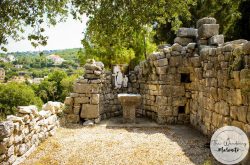
The monastery of St Focas - Ghalboun
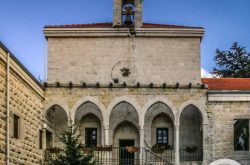
The monastery of St Focas was built in the VIth century during the Byzantine era. With time the monastery became abandoned, the only remains were those of the church that took its shape in the middle ages. The church is a single nave structure with no roof and a semi circular apse.

Yammouneh – The Fountain of the Forty Martyrs

Yammouneh, Lebanon

نبع الأربعين شهيد

Yammouneh

Baalbek

Baalbek-Hermel

نبع الأربعين شهيد - اليمّونة

هو نبعُ ماءٍ طبيعيّ بقربه آثار رومانيّة. هذه الآثار تحوّلت إلى كنيسةٍ وديرٍ في العهد البيزنطيّ، وحافظ المكان على الإسم الذي يشير إلى شهداء سبسطية الأربعون. "

The Fountain of the Forty Martyrs - Yammouneh"

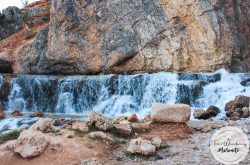
The fountain is a natural water source. Near the source, the Romans built some structures that were later converted into a church and a monastery during the Byzantine era. The ruins of the buildings are still visible, and the place has retained its dedication to the forty martyrs of Sebastopolis.

El Qattara Mayfouk – The Monastery of St Challita

دير القطارة, Qattarah, Lebanon

دير مار شليطا

Maad

Jbeil

Mount Lebanon

دير مار شليطا - القطّارة ميفوق
تَقَرَّر في مجمع الرهبانيَّة اللبنانيّة المارونيّة العام المنعقد في ١٦ تشرين الثاني ١٨٤٧، في عهد الأب العام عمَّانوئيل الأشقر، وبرضى البطريرك يوسف راجي الخازن، فَصل بعض أرزاق من دير سيِّدة ميفوق لإنشاء دير في محلَّة القطَّارة شرقيِّ ميفوق، على اسم القدِّيس شلِّيطا. سنة ١٨٥٠، بدء بناء الدّير وكان إتمام بناء الكنيسة سنة ١٨٦١، فَكَرَّسها البطريرك بولس مسعد. عُيِّن هذا الدير، سنة ١٨٧٠، مدرسةّ لتعليم اللغات الأجنبيّة، وكان يضمُّ أيضًا عددًا من المبتدئين. وتجدر الإشارة إلى أنَّ هذا الدير لا يزال حتَّى أيَّامنا يقوم بزراعة أشجار التوت واستخدامها في إنتاج مواسم الحرير. كما يضمّ الدّير محبسة.

The Monastery of St Challita - El Qattara Mayfouk.

On the 16th of October 1848 the monastic chapter of the Lebanese Maronite Order decided to separate some lands from the monastery of our Lady of Mayfouk to found a monastery dedicated to St Challita, during the mandate of Abbot Emmanuel El Achkar. In 1850, works on the monastery began and were concluded in 1861 when Patriarch Boulos Massad consecrated the church. The monastery was made a school for foreign languages and a novitiate. The monastery still has a great traditional silk production - a rare preservance in Lebanon. The monastery holds also a hermitage.