
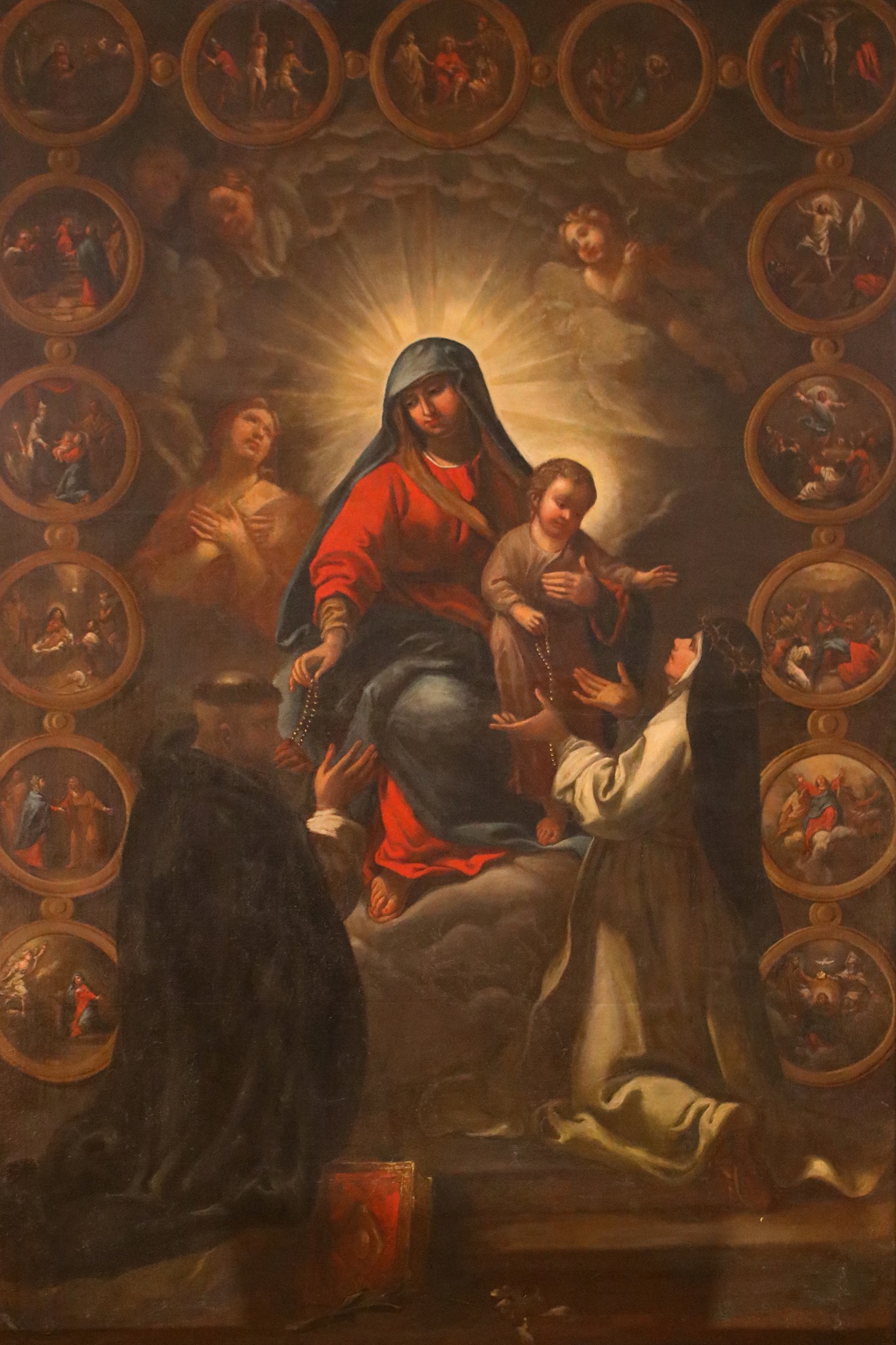
Zouk Mosbeh – Notre Dame du Rosaire

Église de Notre Dame du Rosaire - Zouk Mosbeh, Zouk Mosbeh, Lebanon

Other Details

كنيسة سيدة الوردية

1704

Zouk Mousbeh

Keserwan

Mount Lebanon

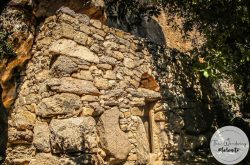
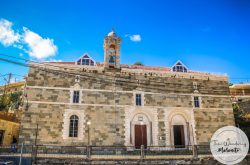
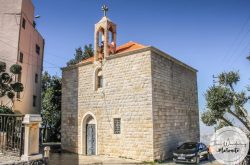
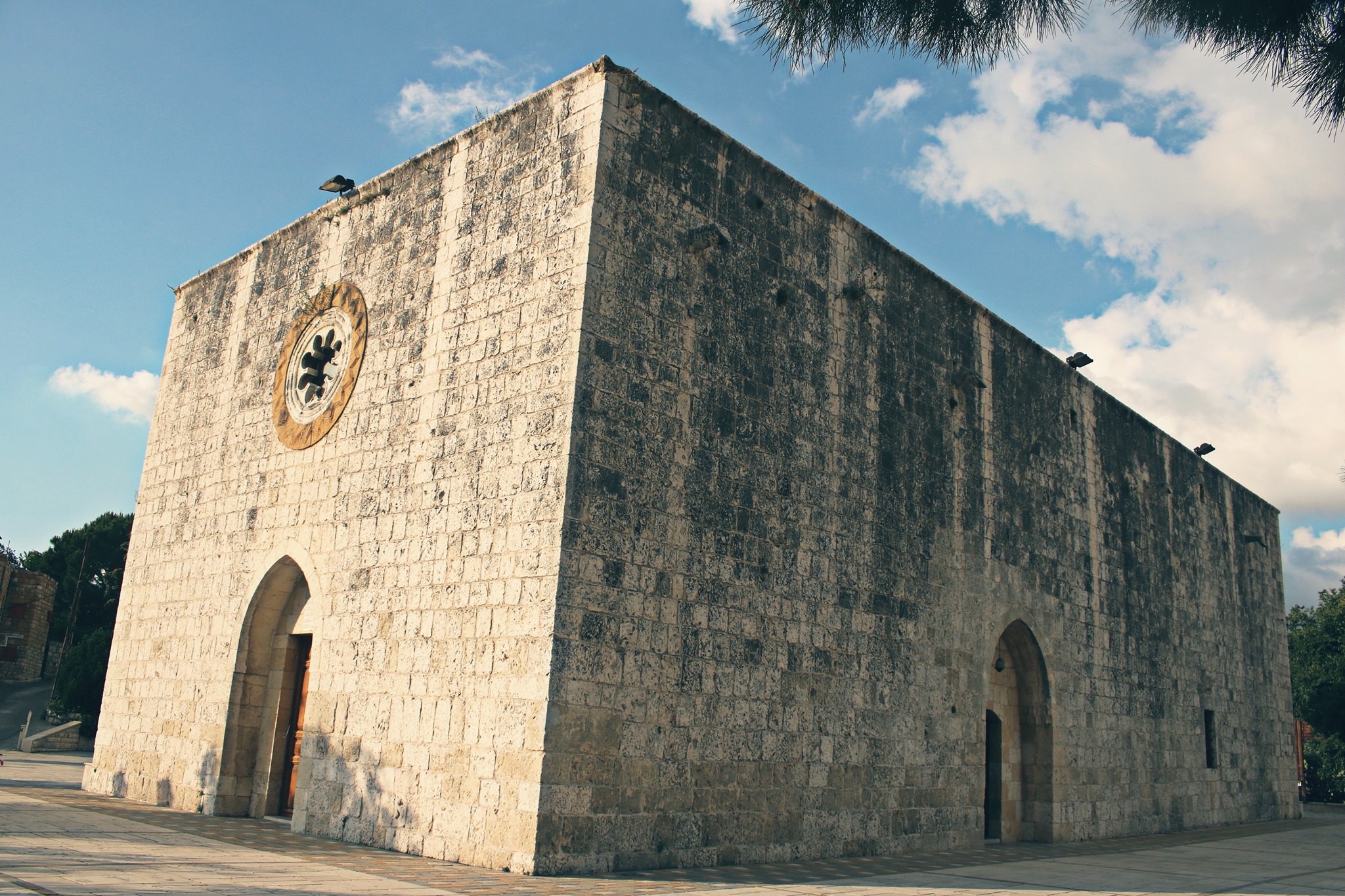
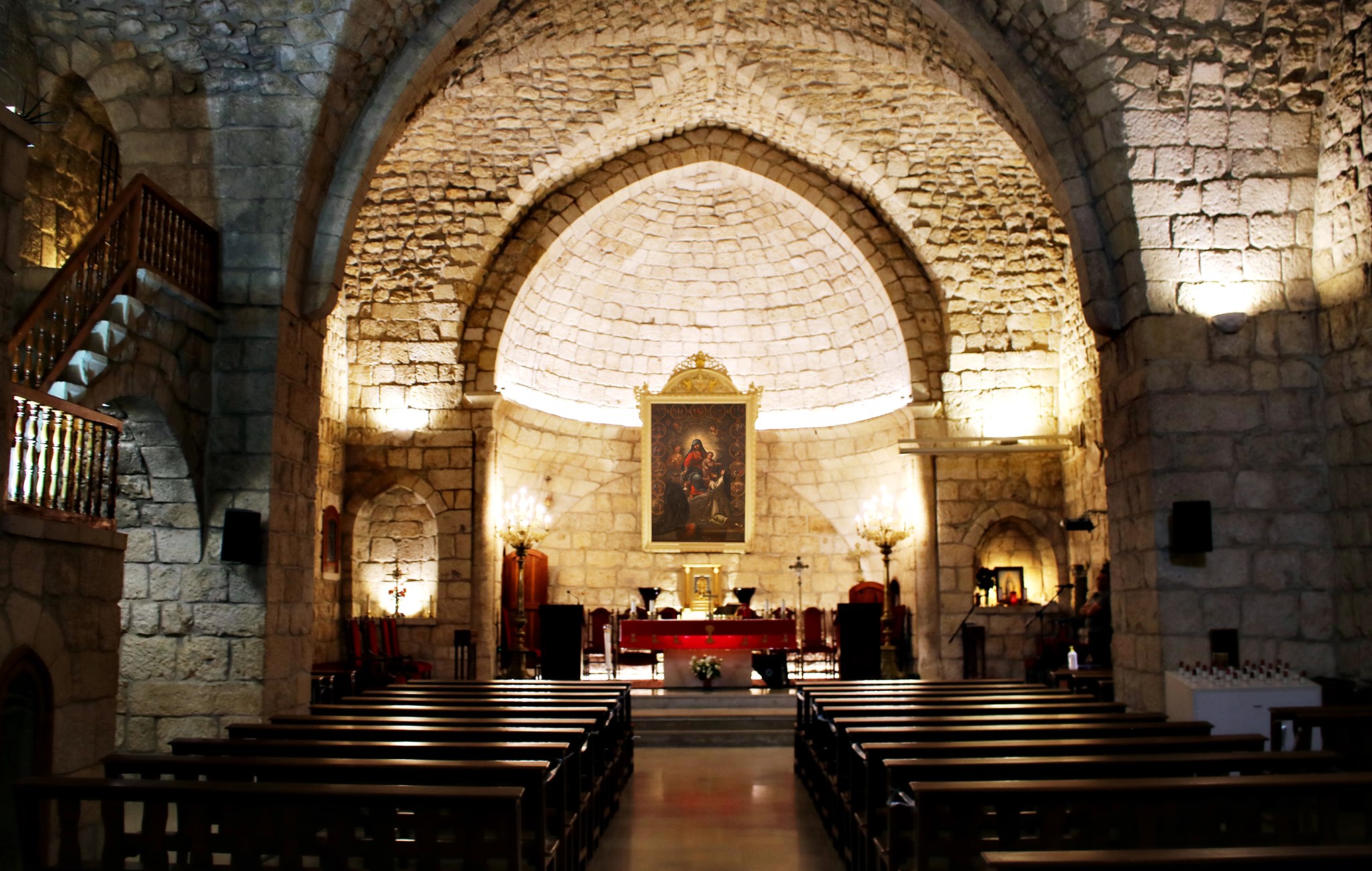
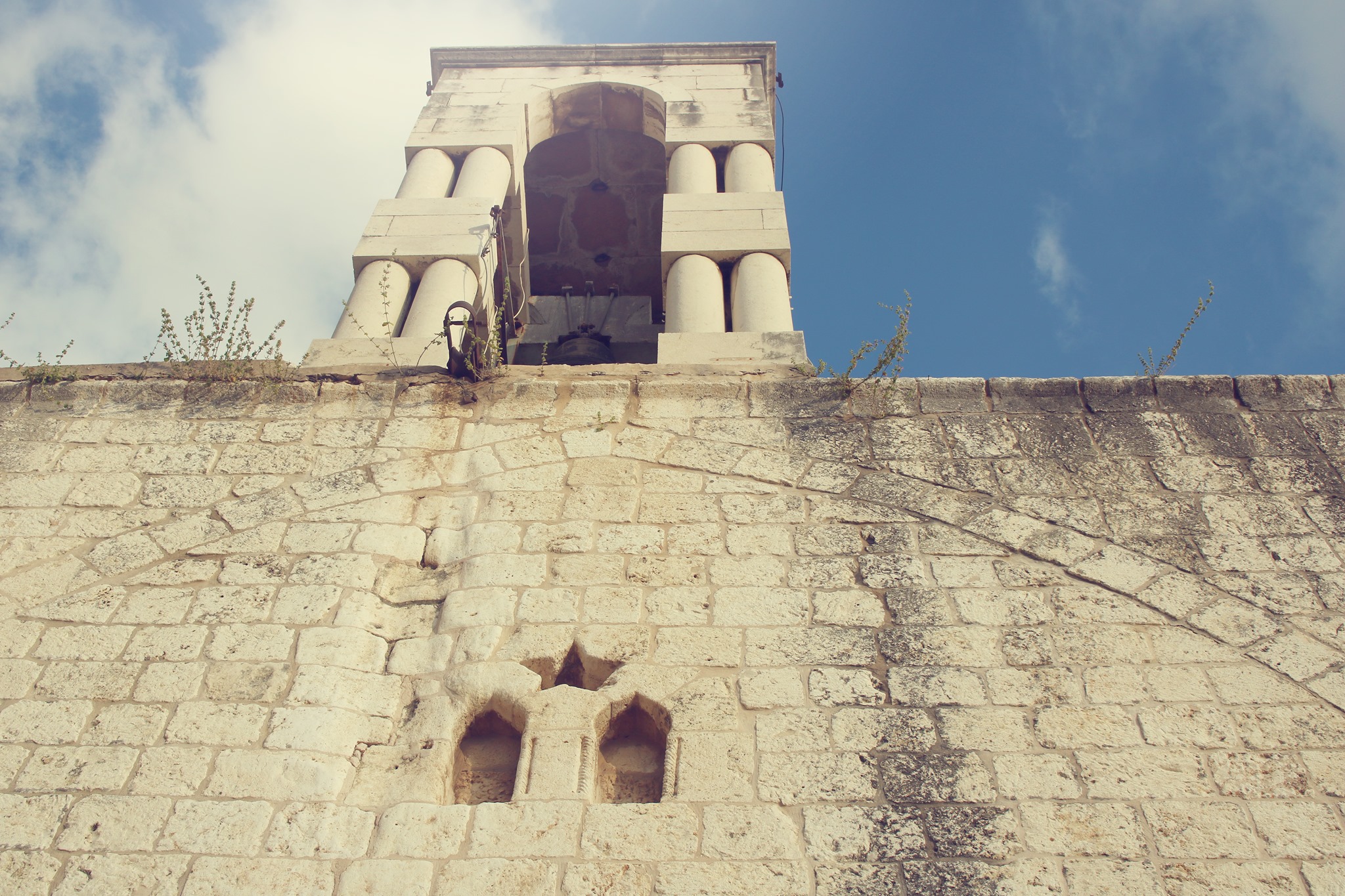
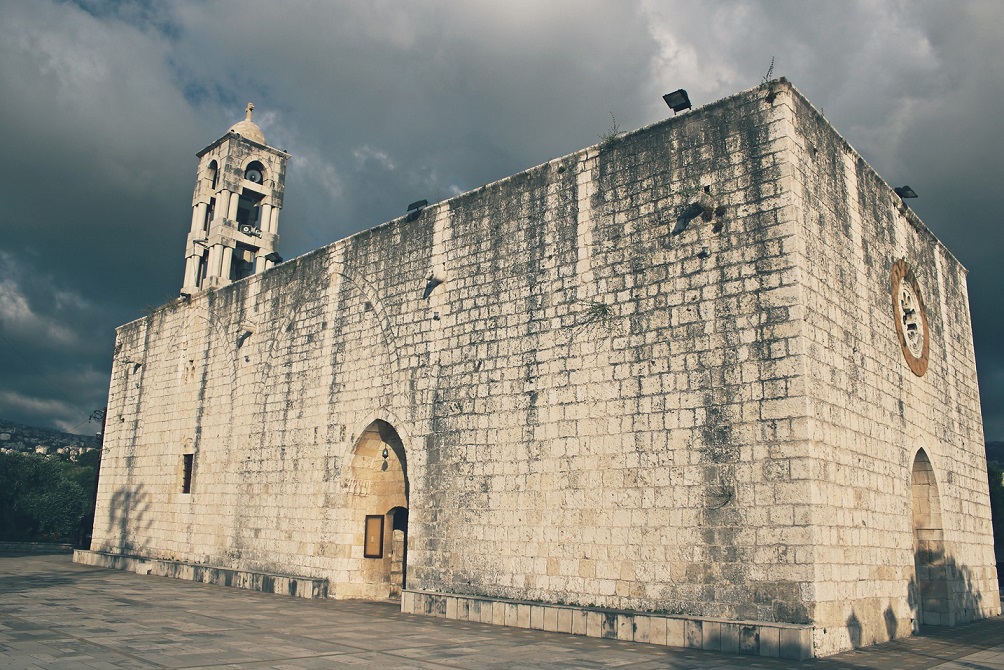
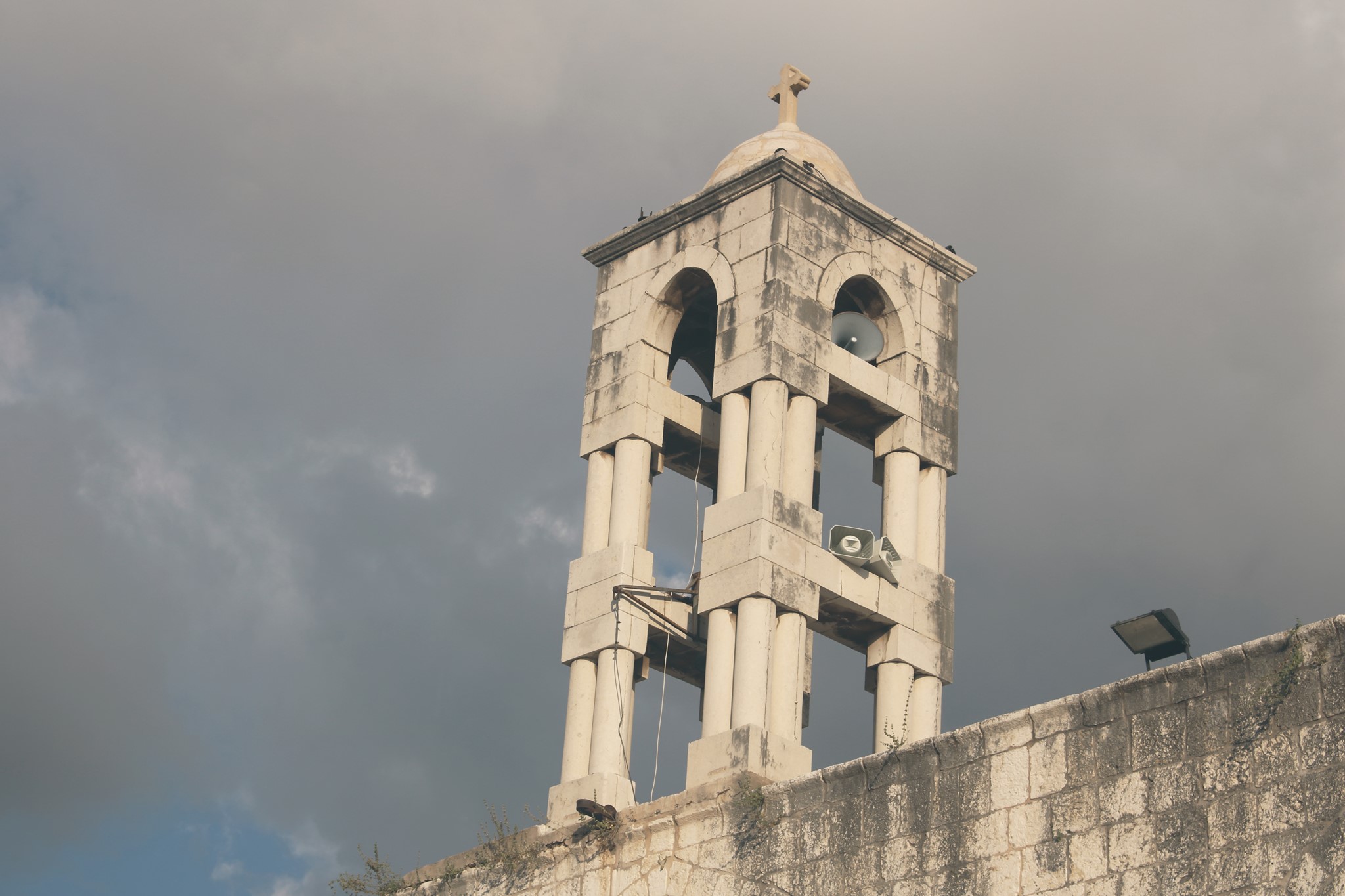
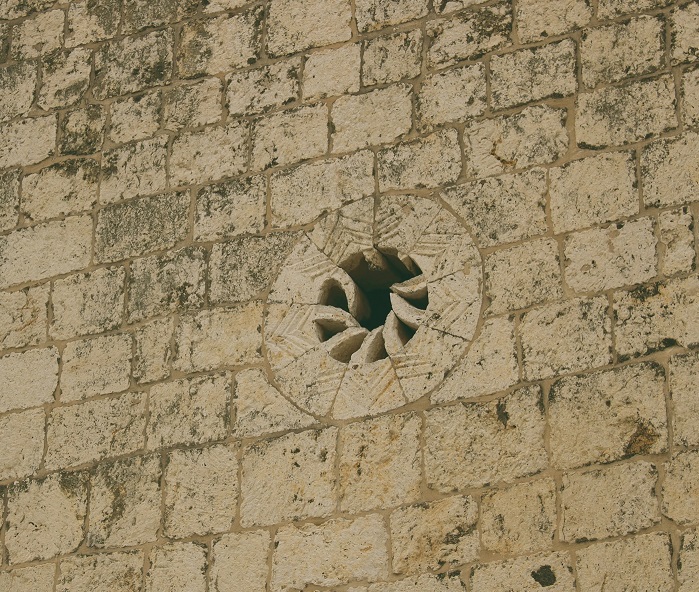
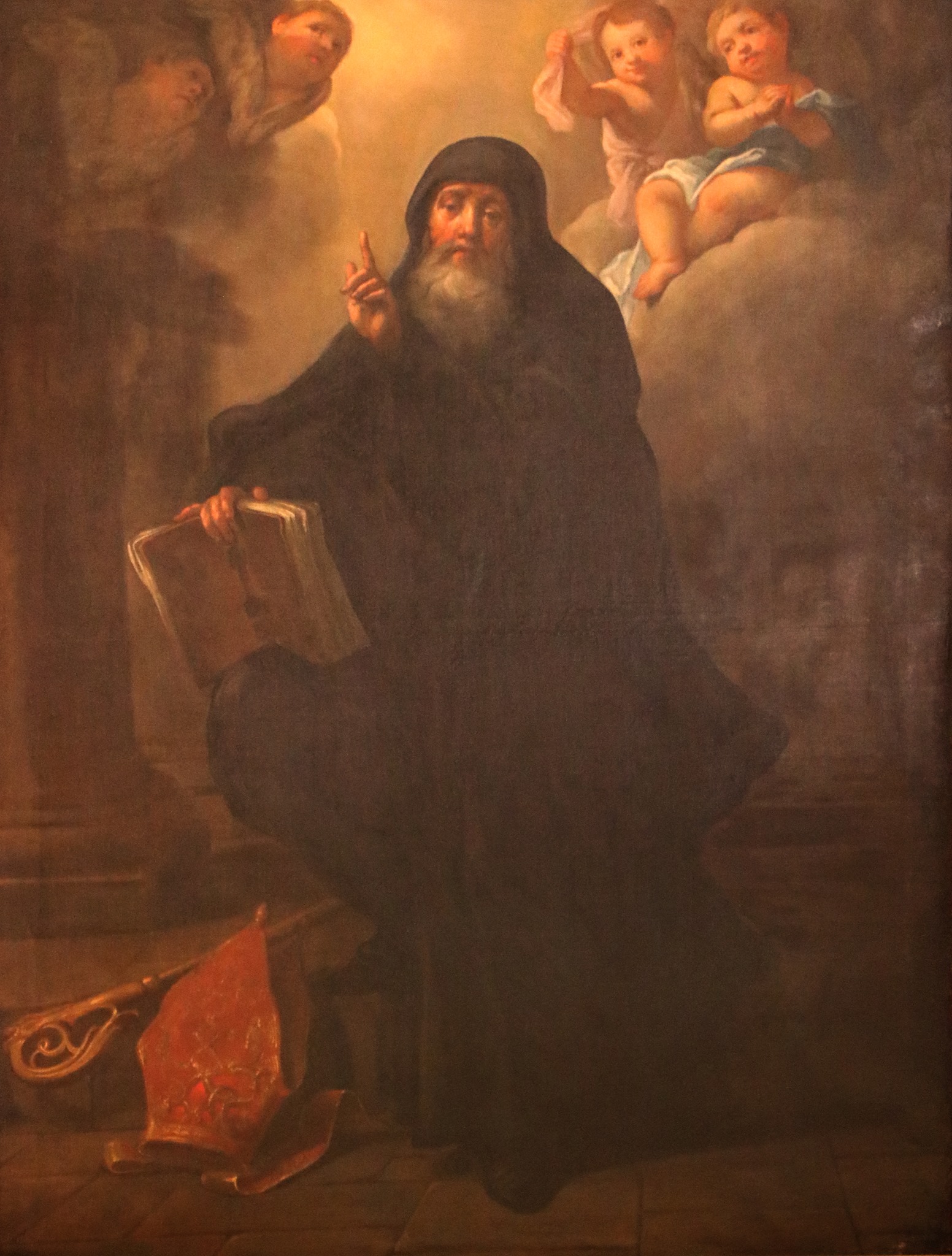
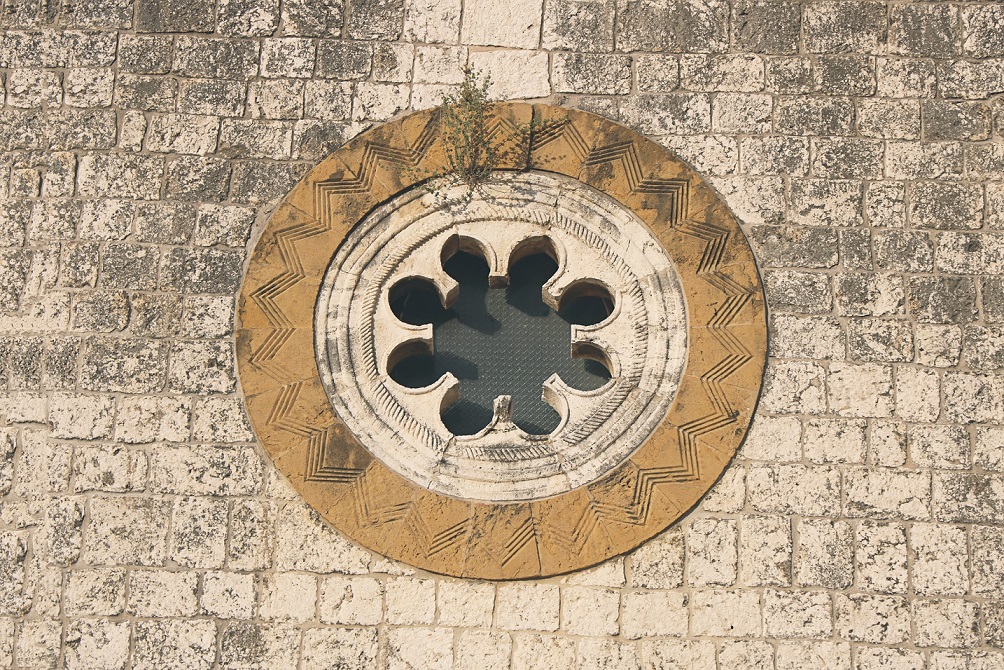
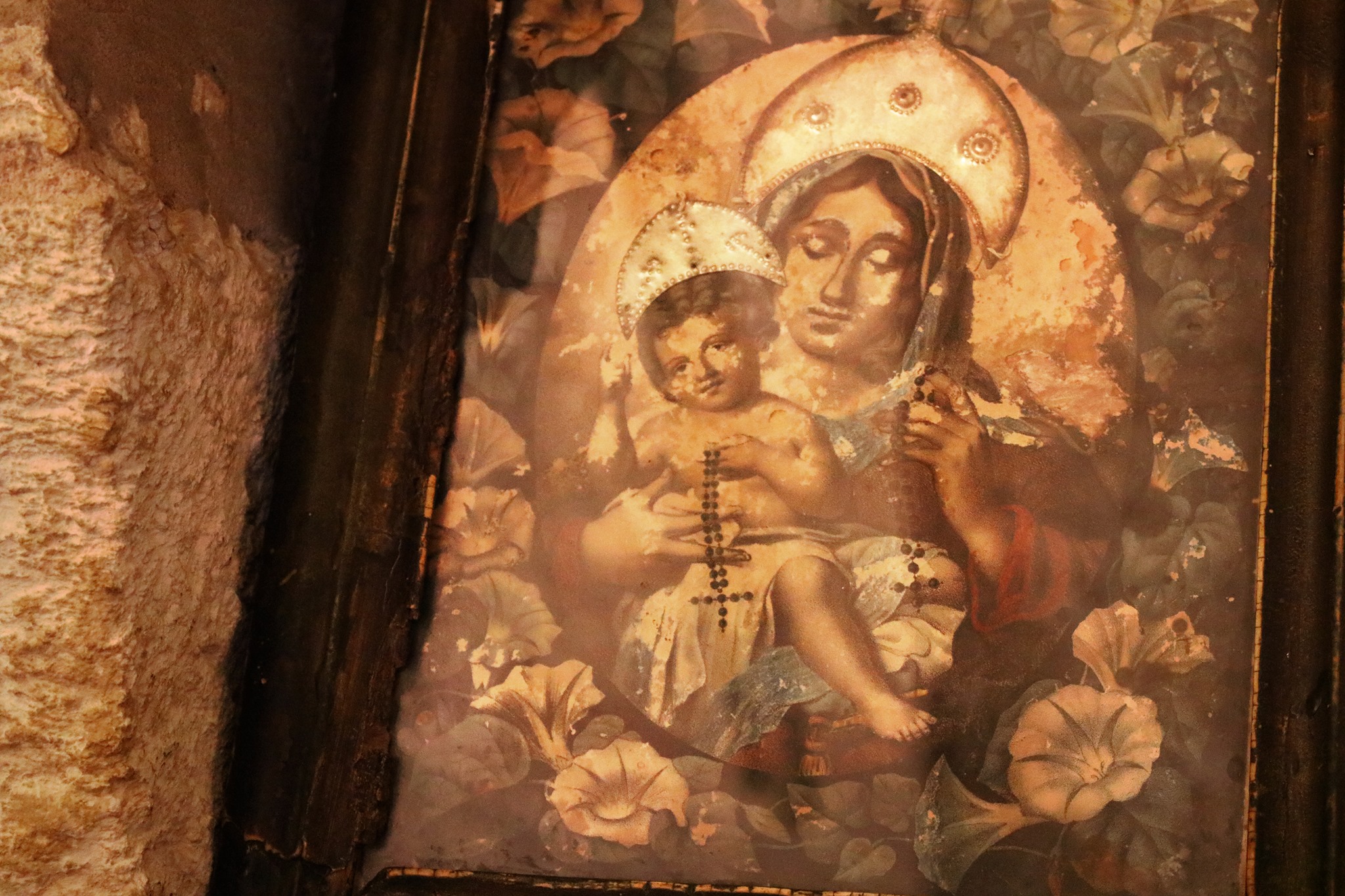
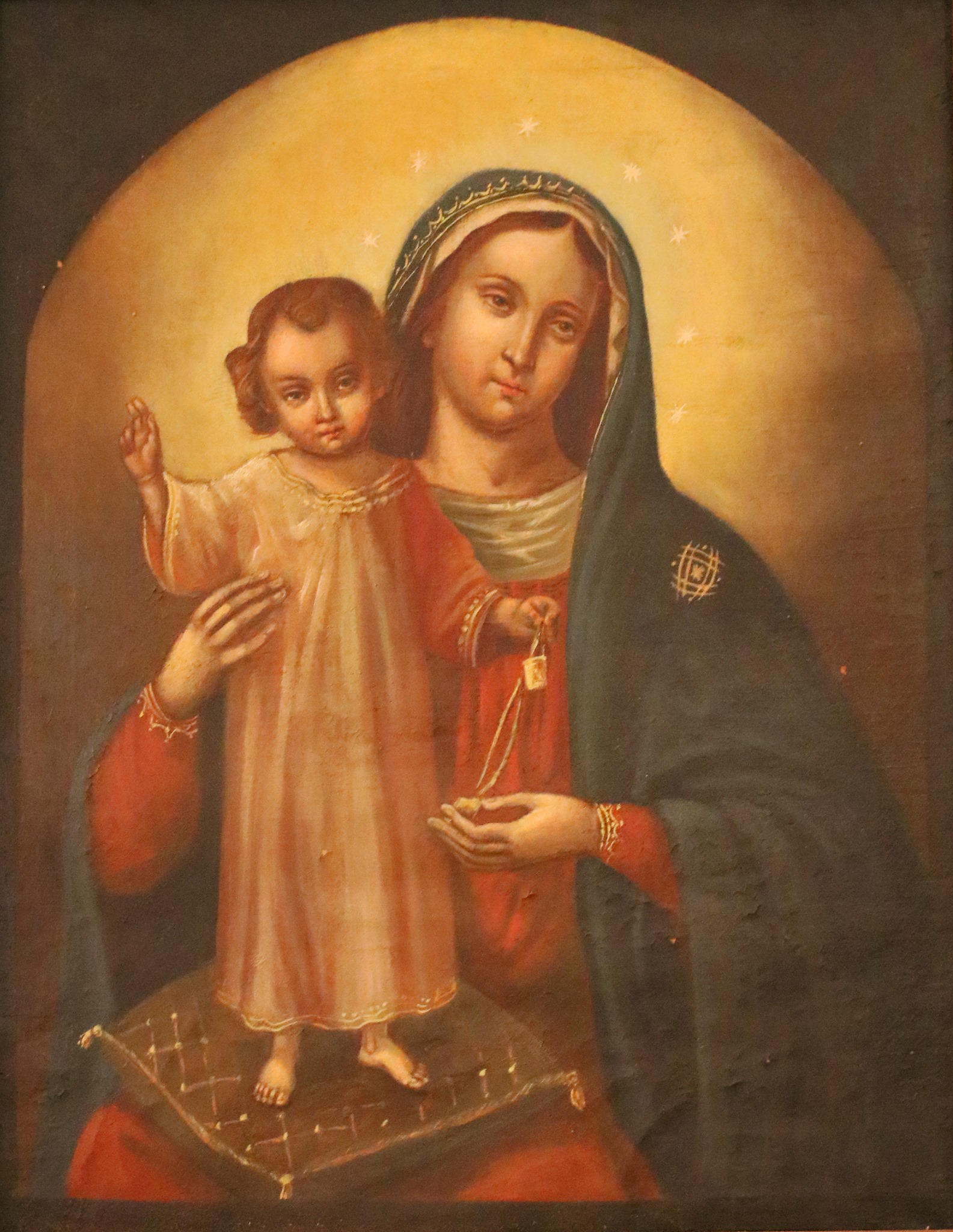
بنيت الكنيسة سنة ١٧٠٤ على تلّة مشرفة في بلدة ذوق مصبح، على أنقاض كنيسة أقدم عهدًا. بناها وجهاء آلحقلاني الذين قَدِموا الى هذه البلاد من جرود جبيل. يوم انتُخِب المطران عبدالله قرعلي أسقفًا، جَعَل منها كرسيًّا لمدينة بيروت، وفيها أُقيمت للمرّة الأولى رتبة زيّاح الوردية الكبير. فيها العديد من اللوحات الزيتيّة، لكن الأهم هي اللّوحة الأساسيّة لسيّدة الورديّة، وتعود للقرن السادس عشر، فيها مريم العذراء بهيئة شرقية على ذراعها الطفل الإلهيّ، مُحاطة بالقدّيسيَن عبدالاحد وكاترين السيانية مجللة بأسرار الورديّة الخمسة عشر.The Church of our Lady of the RosaryBuilt in 1704 on a hill in the town of Zouk Mosbeh, over the ruins of an older church, by the notables of the Haqlany’s family.When Abdalla Qaraaly became bishop of Beirut he made it his Cathedral, where he promulgated the rosary devotion.The church is famous for its paintings, especially its main one: The Virgin Mary portrayed as an oriental lady with the child in her hands, handing the rosary to Sts Catherine and Dominic, with the rosary mysteries on her sides.

Visited 3427 times, 13 Visits today

Reviews are disabled, but trackbacks and pingbacks are open.

Related Listings

Ibrin – The Holy Family’s convent

Holy Family Convent - Congregation of Maronite Sisters of the Holy Family, Aabrine, Lebanon

دير راهبات العائلة المقدّسة المارونيّات

Aabrine

Batroun

North

دير راهبات العائلة المقدّسة المارونيّات - عبرين

سنة ١٨٩٦ غادرت الأم المؤسِّسة لراهبات العائلة المقدّسة روزالي مع راهباتها من مدرسة بطرس شحادة في جبيل إلى عبرين لتداعي البناء وحاجته للترميم. وشاءت العناية الإلهيّة ان تتدبّر الأموال بيد المطران (البطريرك المكرّم) الياس الحويّك، لشراء بيت ومزرعة واكد الشيخاني في عبرين وتحويلها إلى دير ومدرسة، مع كنيسة ذات زجاجيّات مميّزة، وقبوٍ معقودٍ تحتها، هو مرقد البطريرك الآن. والقبو مزيّن بجداريّات يوسف الحويّك. أصبح دير العائلة المقدّسة الدير الأمّ للجمعيّة وأصبحت الراهبات تُعرفن براهبات عبرين.

The Holy Family’s convent - Ibrin

1896 was a pivotal year for Mother Rosaly the new superior general of the new Maronite congregation of the Holy Family, as the nun moved from Boutros Shehade’s school in Jbeil to the farm estate of Waked el Shikhany in Ibrin. In his diaries Bishop Elias Howayek (later Venerable Patriarch) relates how the money for the purchase was due to the Divine Providence’s intercession. Bishop Howayek transformed with the nuns the estate into a convent with a school and a beautiful church with stained glass windows, and a crypt with Youssef el Howayek’s frescoes (the only Lebanese art deco style paintings). The crypt is also the resting place of Patriarch el Howayek. Since its construction, the convent became the mother house of the Holy Family’s nuns and they are widely known as the Nuns of Ibrin.

Hammana – Saint Charbel

03-336181

Saint Charbel - Hammana مزار مار شربل - حمانا, Hammana, Lebanon

مزار القديس شربل - حمانا

2018

Hammana

Baabda

Mount Lebanon

Kobbayat – The church of our Lady of Shahlo

Notre Dame de Chahlo, Qoubaiyat, Lebanon

كنيسة سيّدة شحلو

Qbaiyat Aakkar

Akkar

Akkar

كنيسة سيّدة شحلو - القبيّات

كلمة شَحْلُو من السريانيّة تُشير إلى مجرى المياه. هذه المنطقة قديمًا شكلت المدخل الشماليّ للقبيّات، بنى فيها الأهالي معبدًا وثنيًّا ما لبث أن حوّلوه كنيسةً. دمّر المماليك في حملتهم الكنيسة ليبنوا برجًا للمراقبة. هذا البرج دمّره العثمانيّون بعد معركة مرج دابق سنة ١٥١٦. أواسط القرن العشرين أُعيد بناء الكنيسة بشكلها الحاليّ، مع برج ساعةٍ رُفع عليه تمثال للعذراء في تسعينيّات القرن الماضي. تُعتبر هذه الكنيسة مزارًا ومحجًّا للأهالي.

The church of our Lady of Shahlo - Kobbayat

The word Shahlo is from a syriac root referring to a water source. In ancient times the locals built a pagan temple on the site that was converted into the first church. This church was destroyed by the Mamluks who built a tower on the site that was destroyed by the ottomans after the battle of Marj Dabeq in 1516. In the mid XXth century a church was rebuilt in it’s current form, with a bell tower added in the ninties. The church is considered a votive shrine for the villagers.