
Obeidat – The hermitage of Mar Semaan Al Amoudi

The Old Monastery of St. Semaan, Saqyet El Khayt, Lebanon

Other Details

محبسة مار سمعان العاموديّ وادي البواليع - عبيدات

Aabaydat

Jbeil

Mount Lebanon

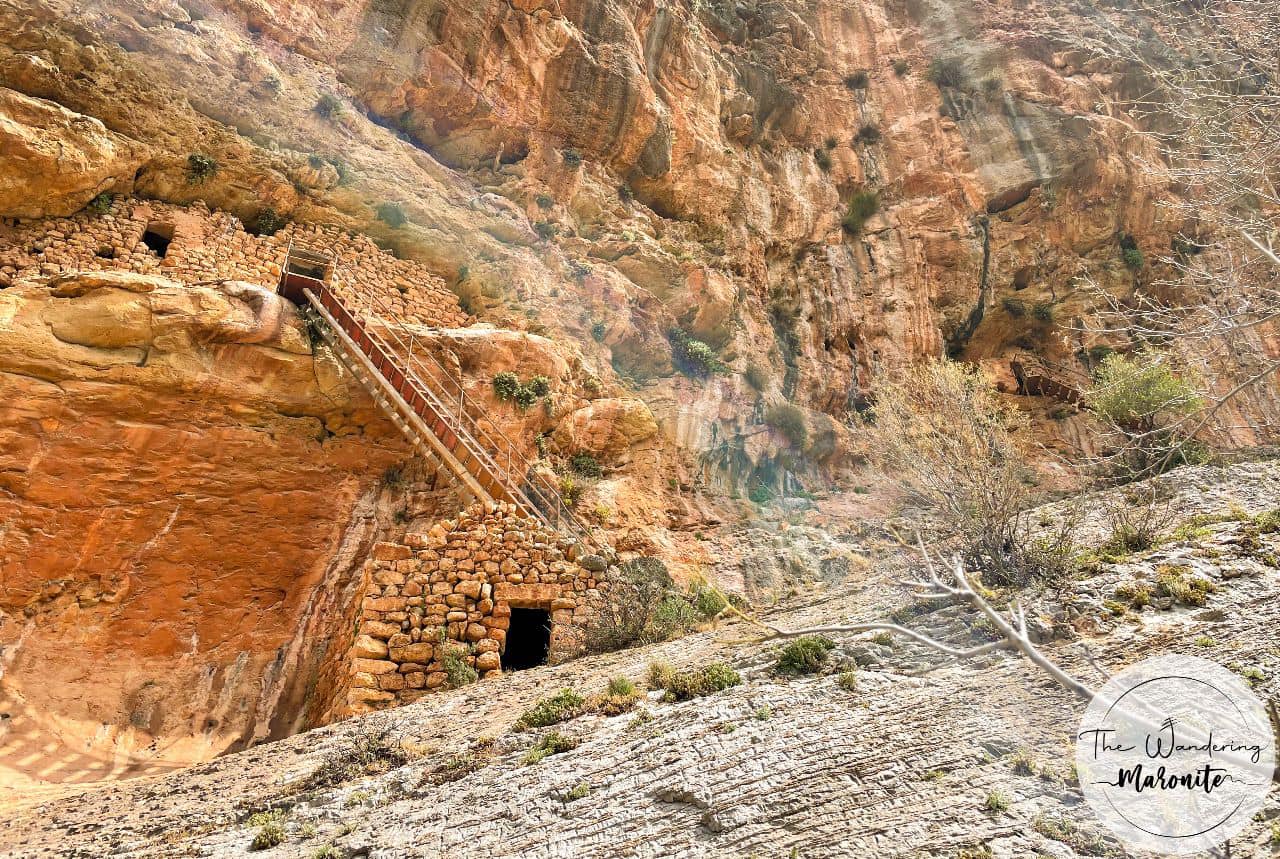
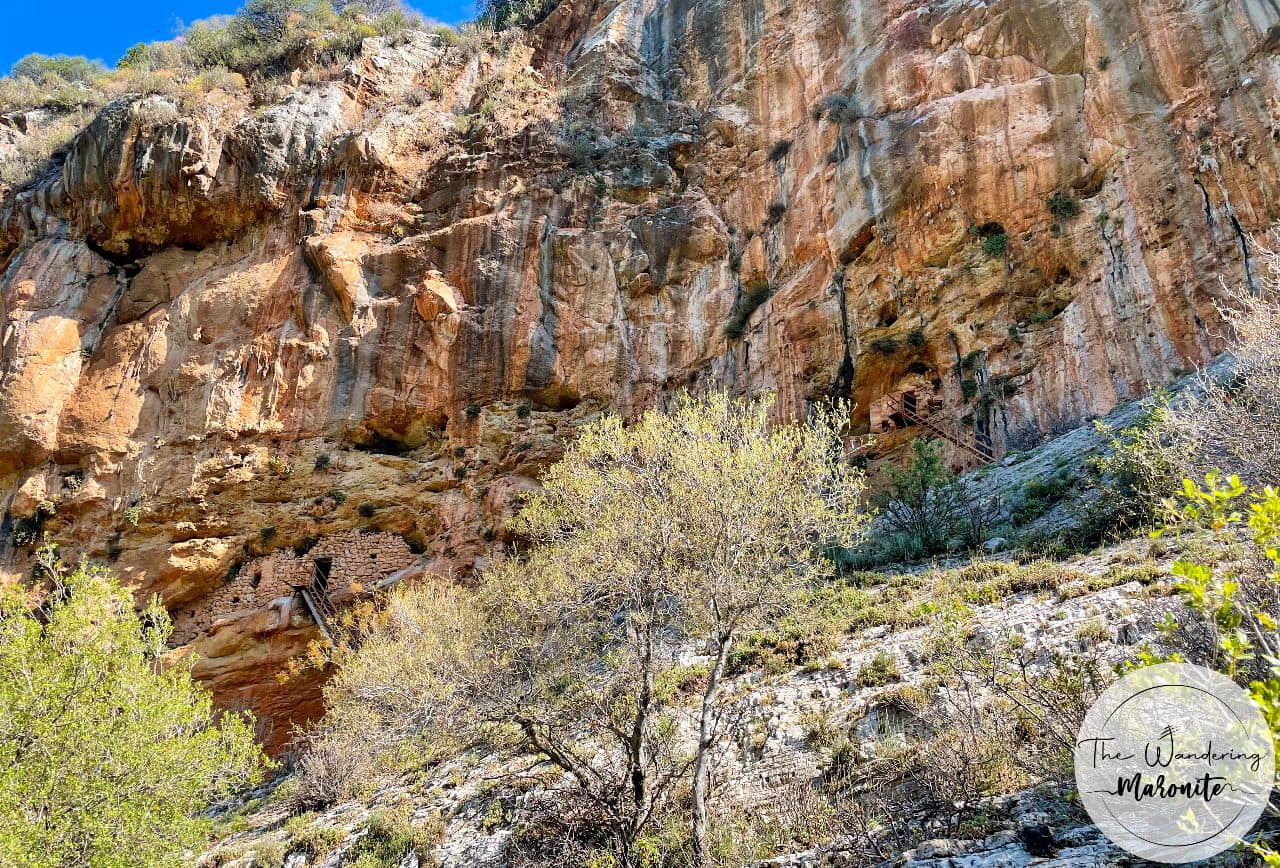
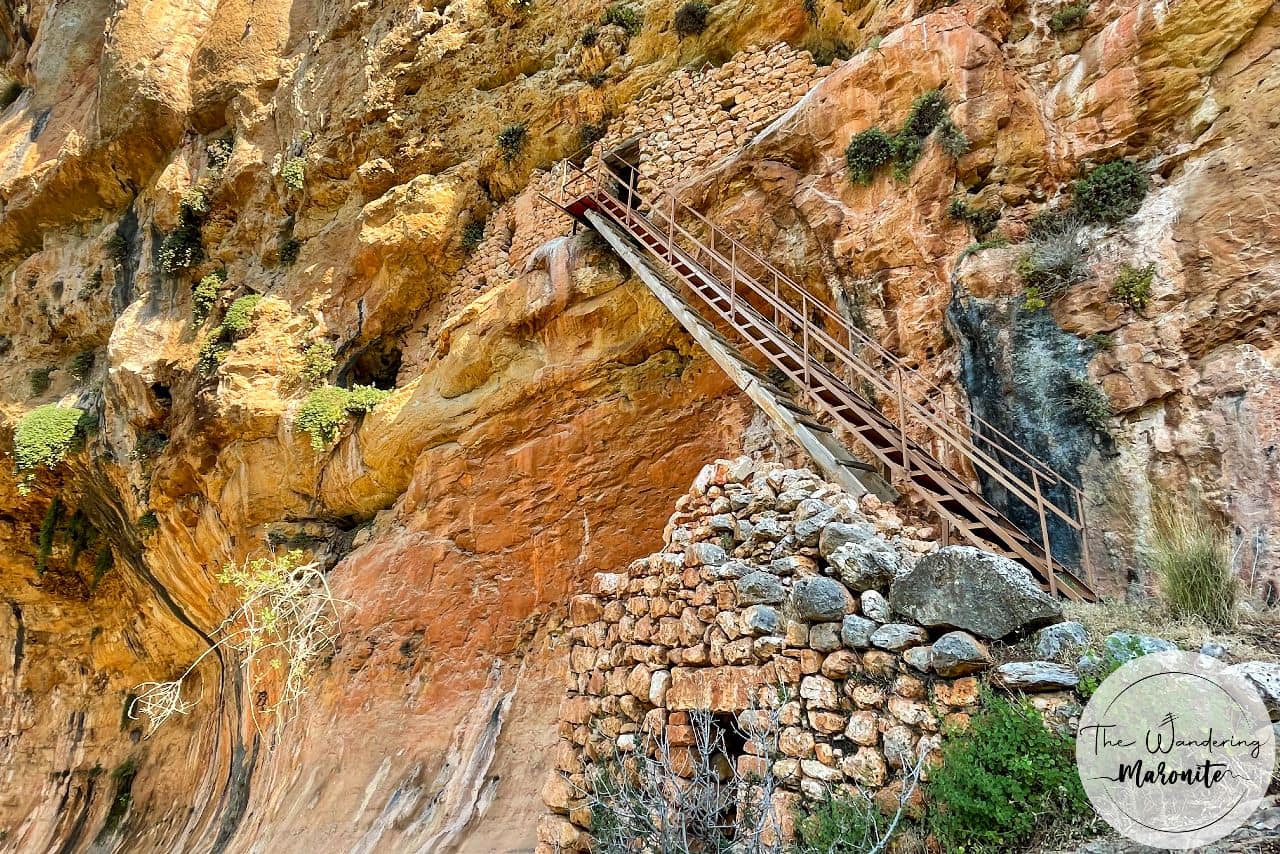
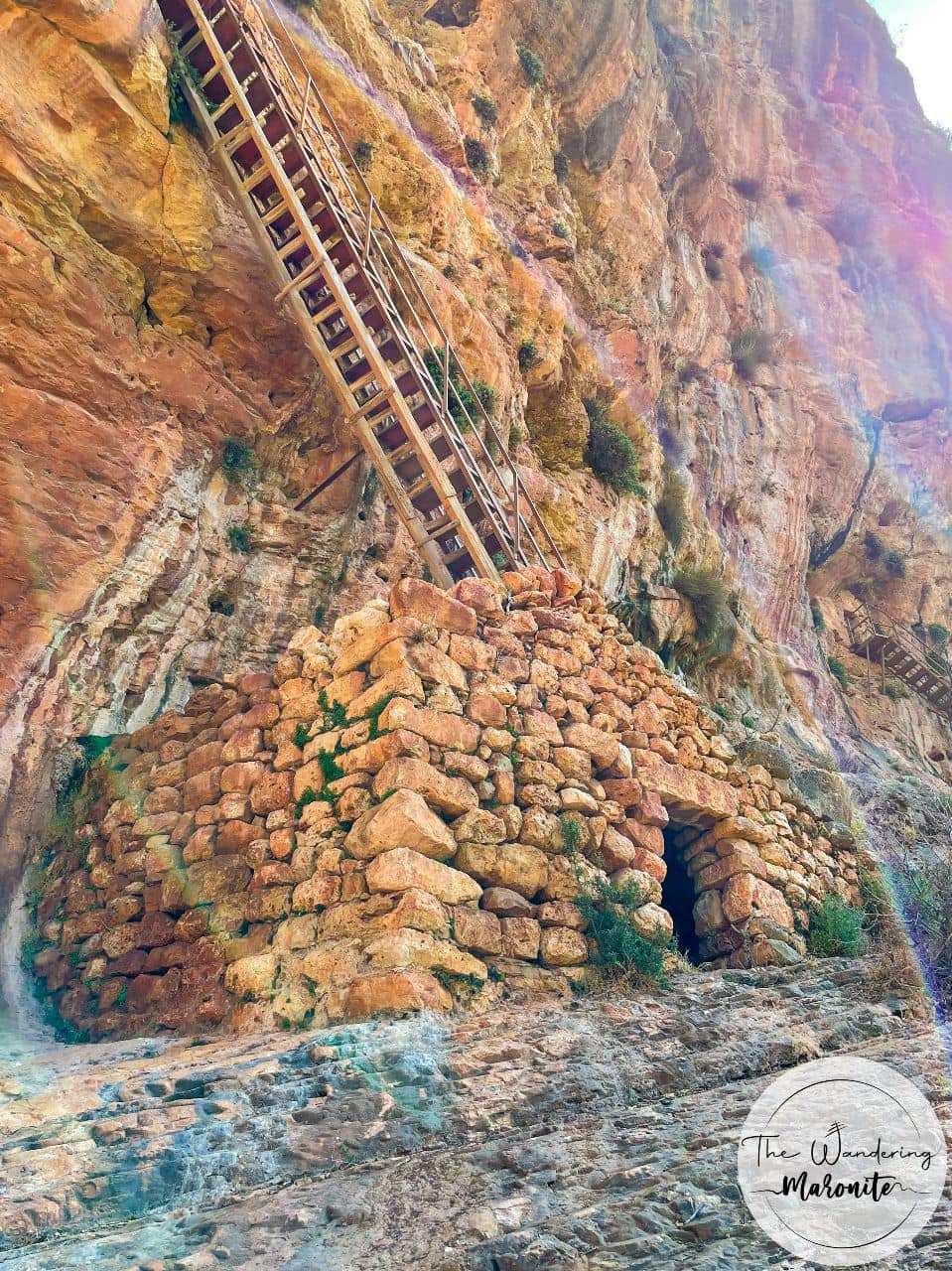
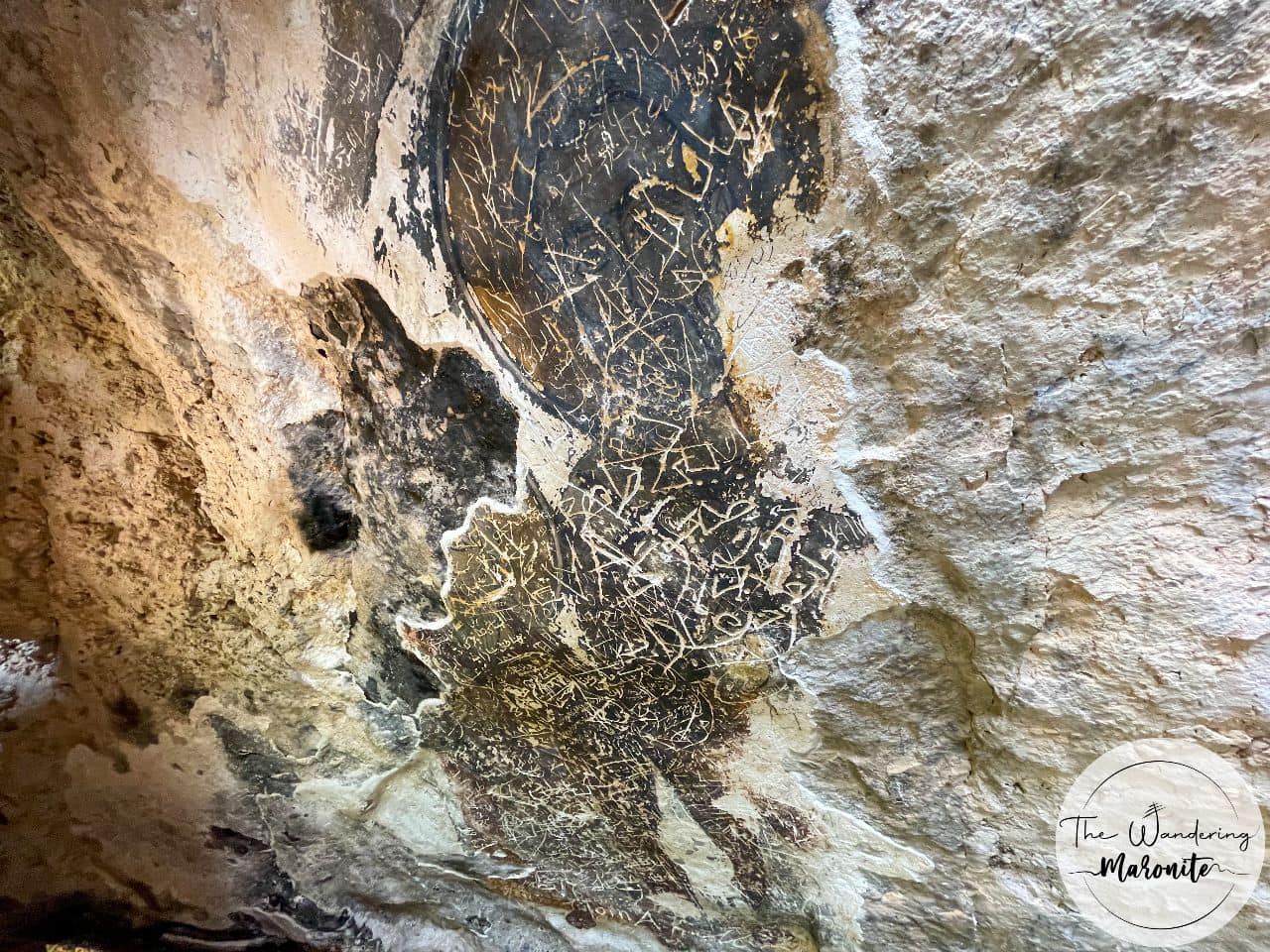
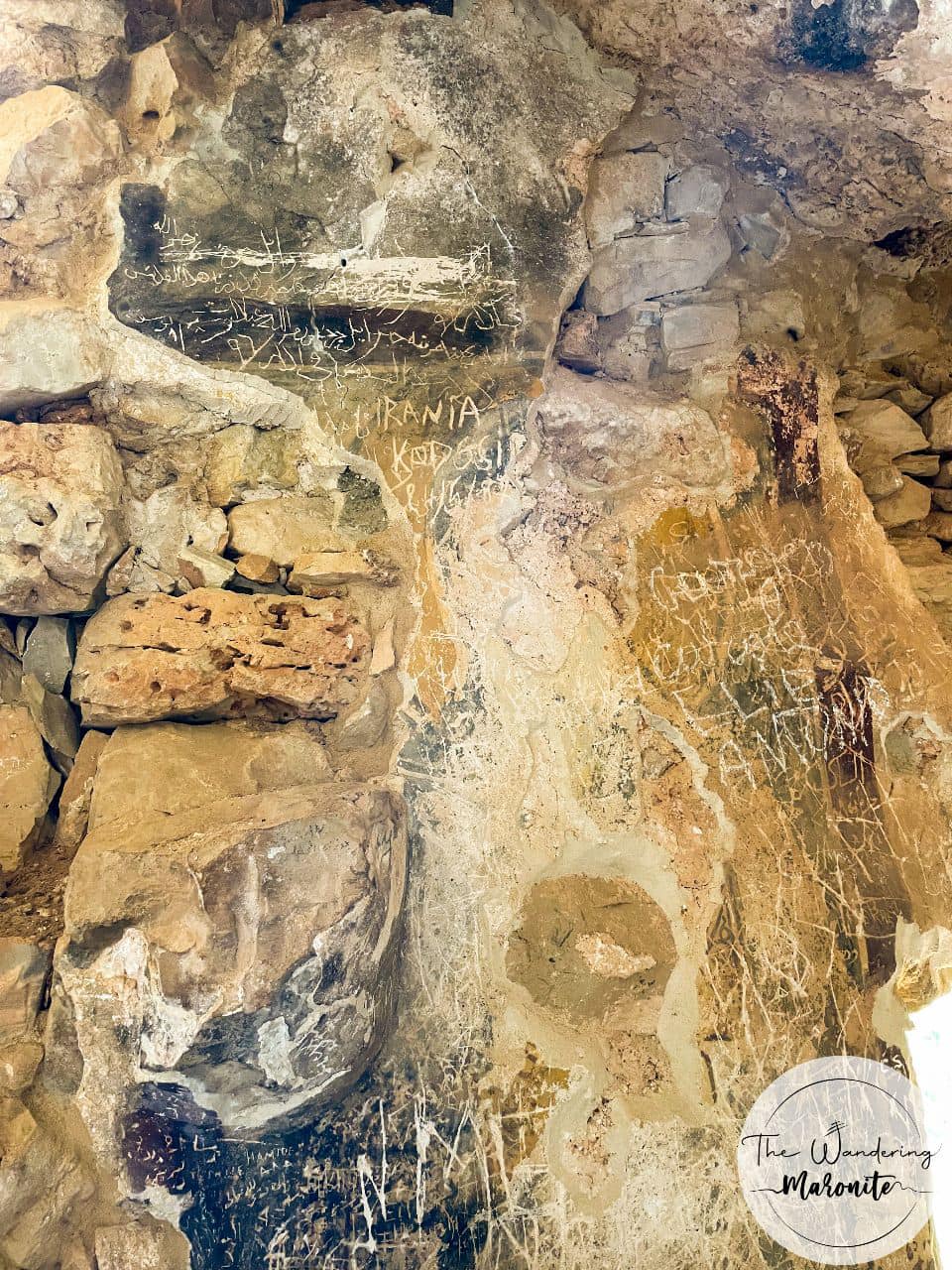
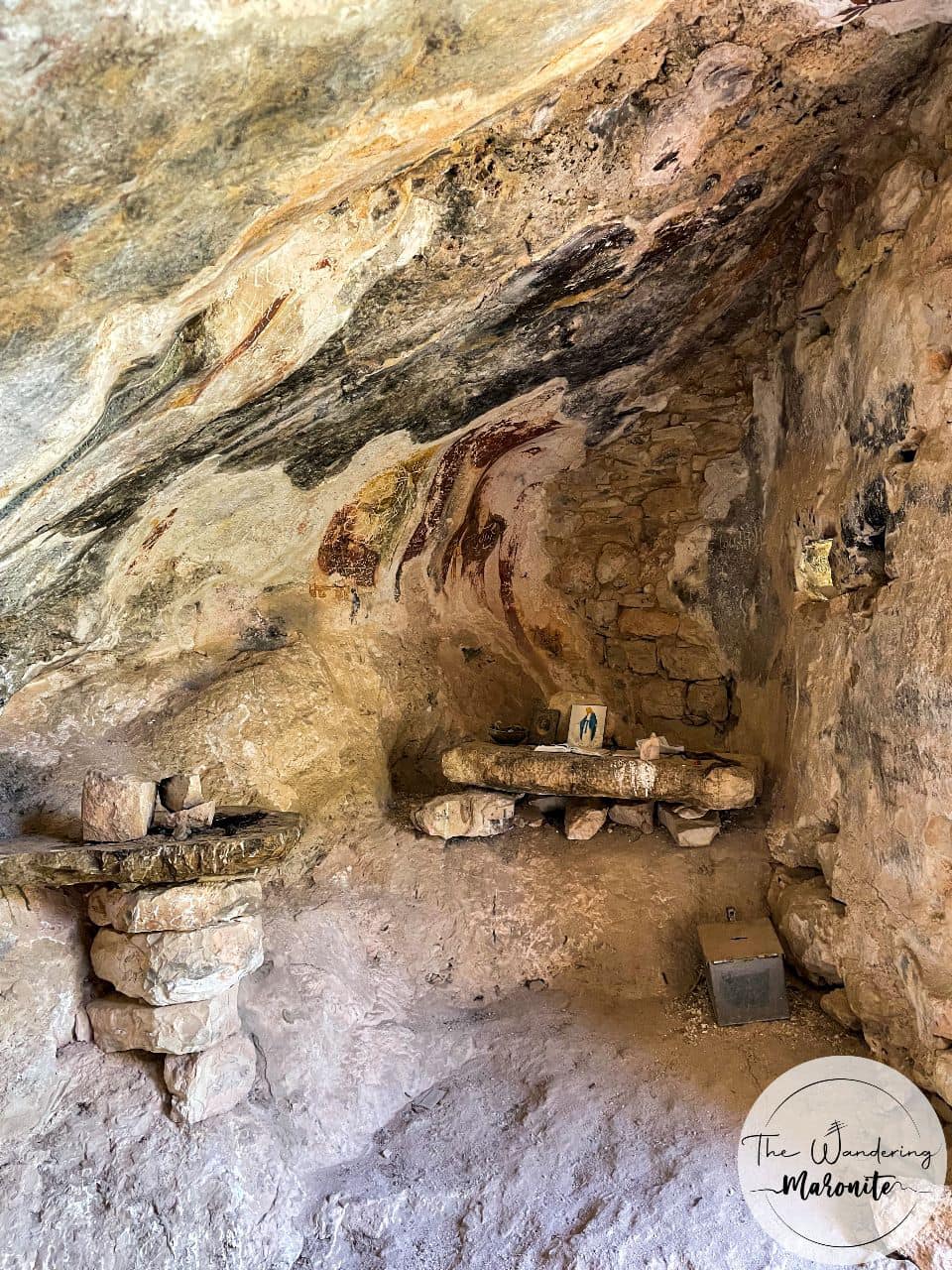
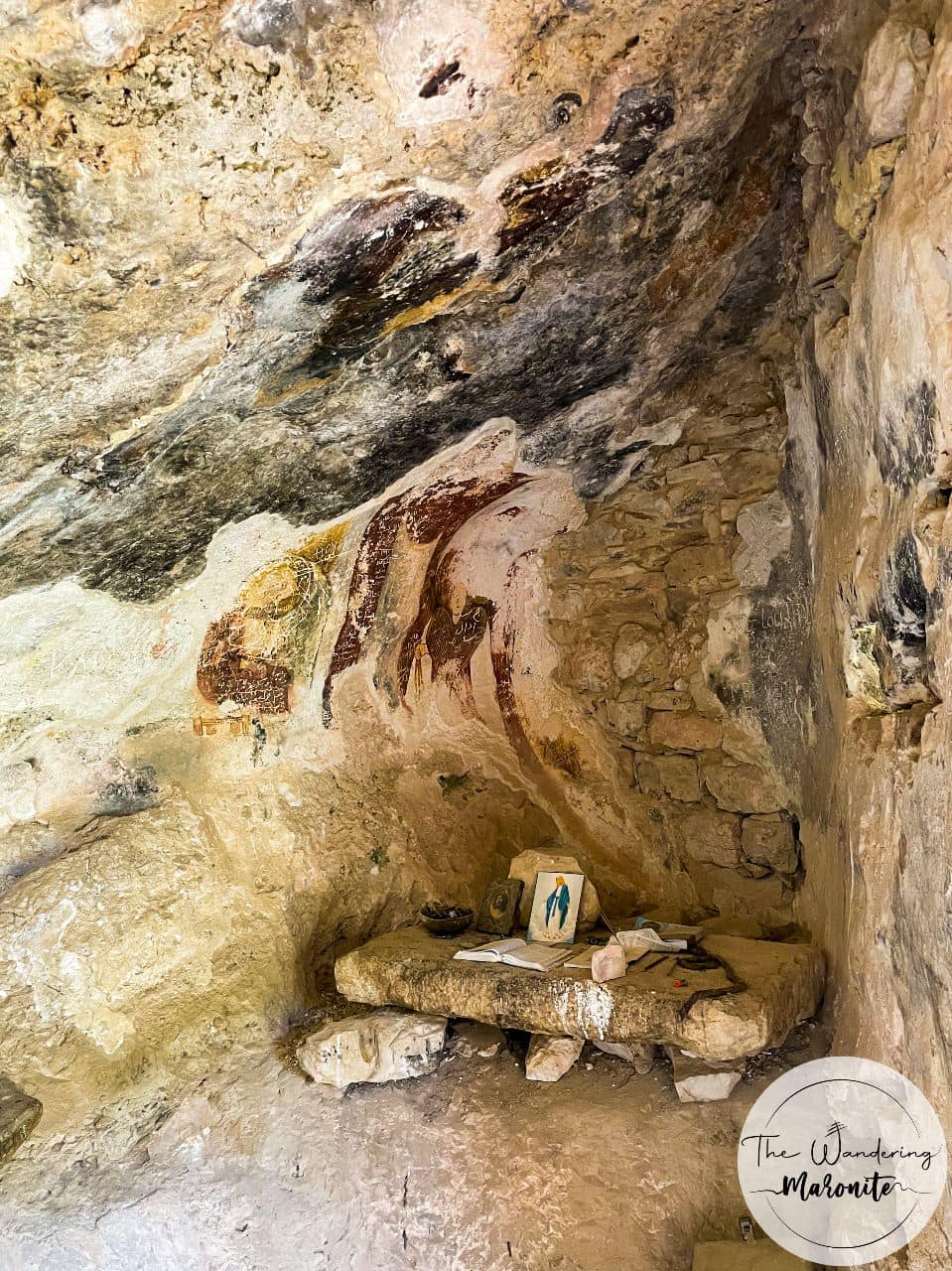
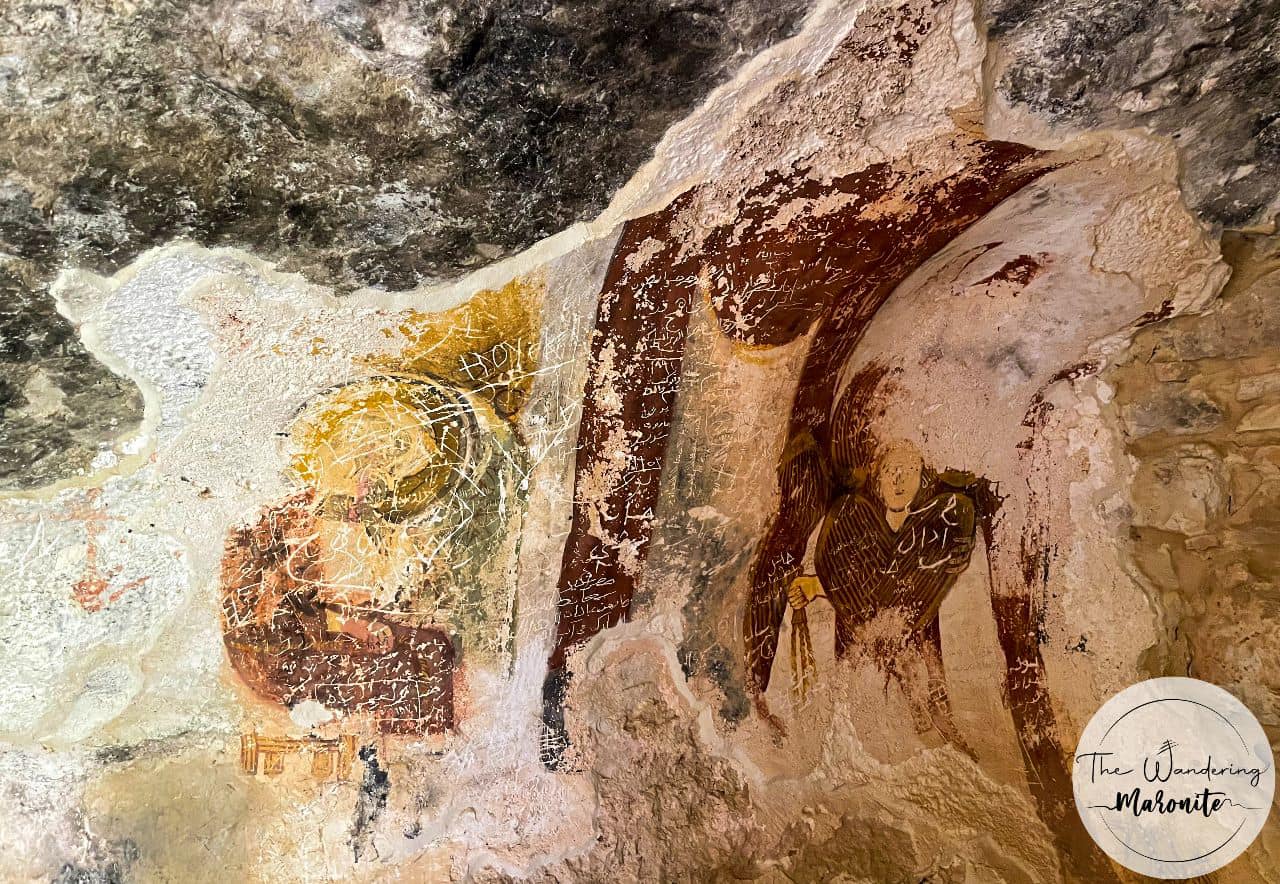
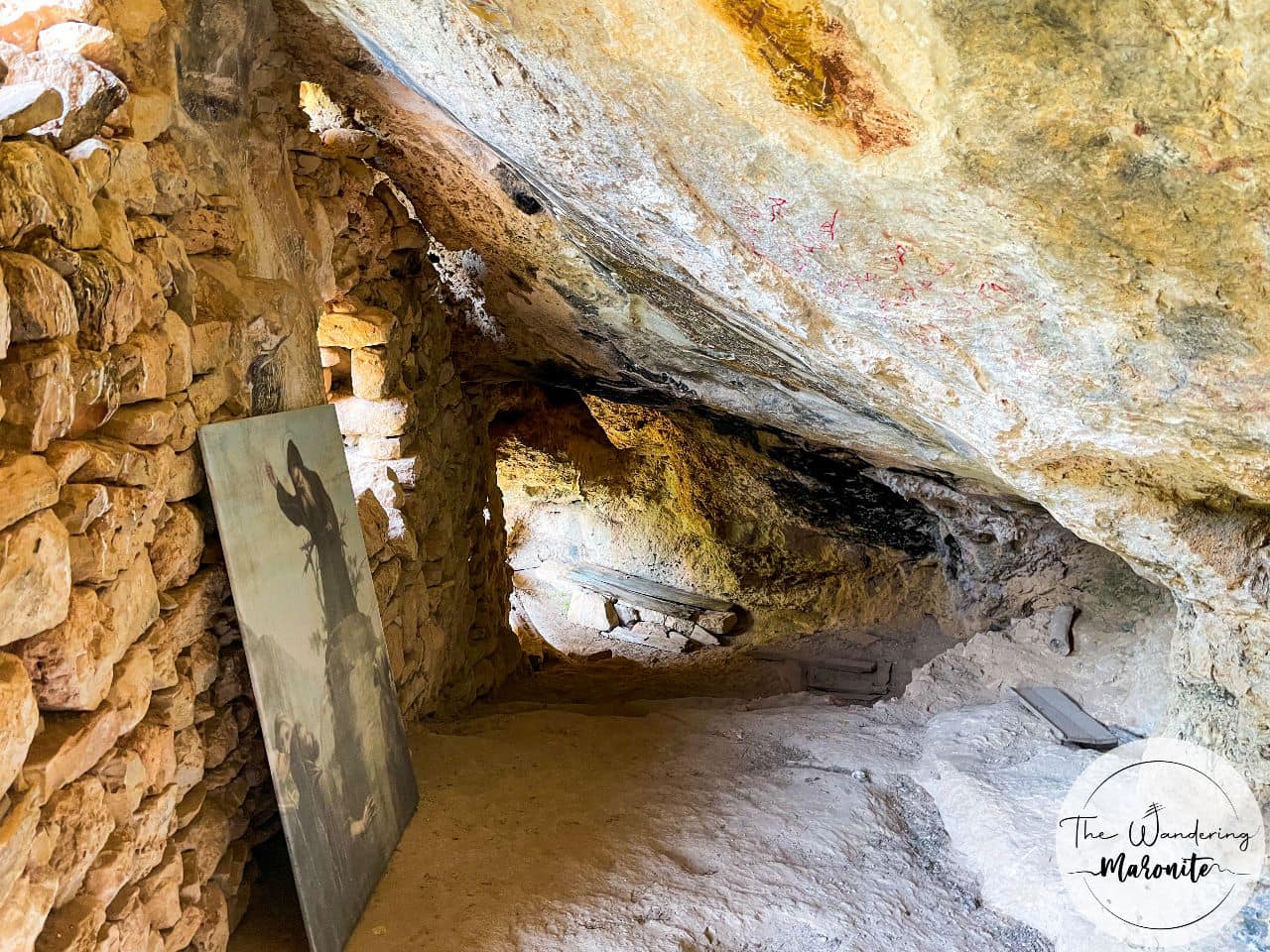
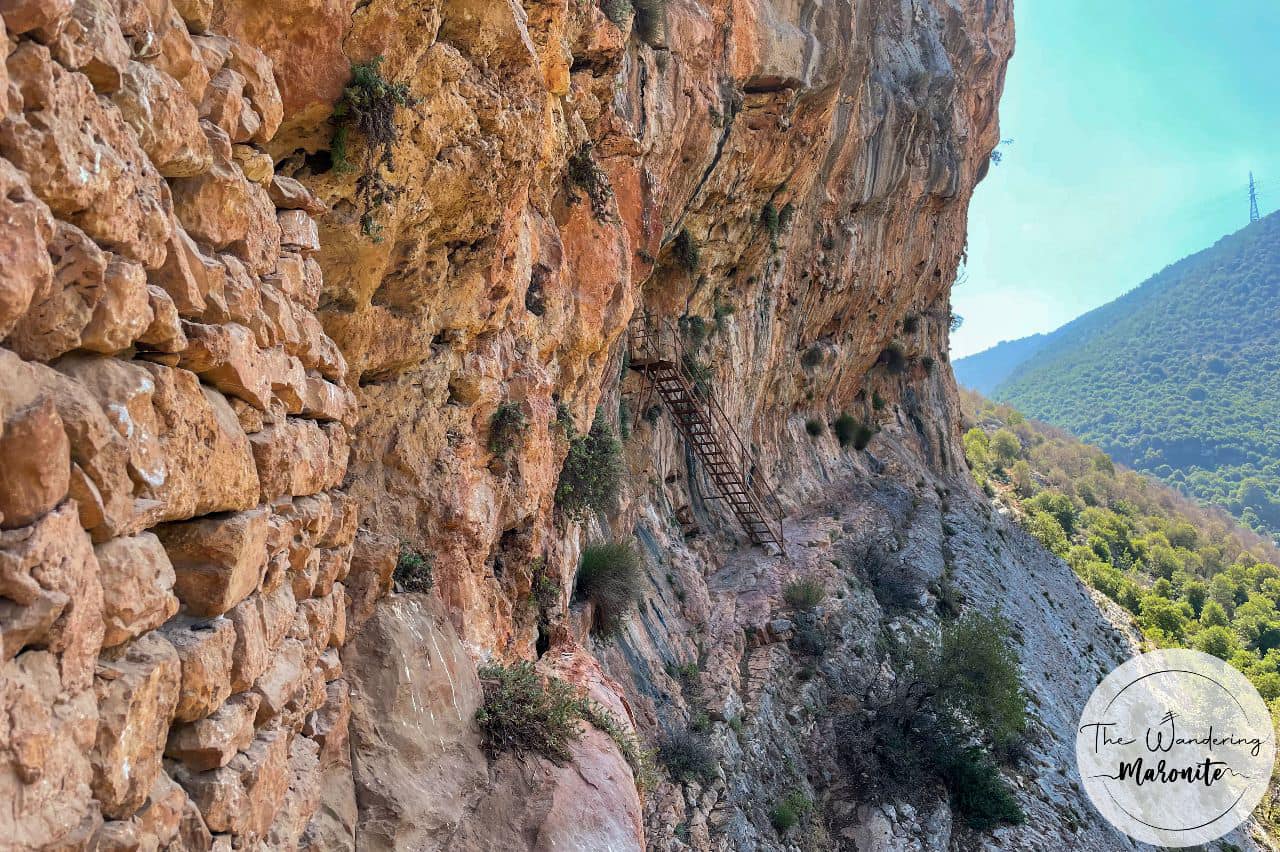
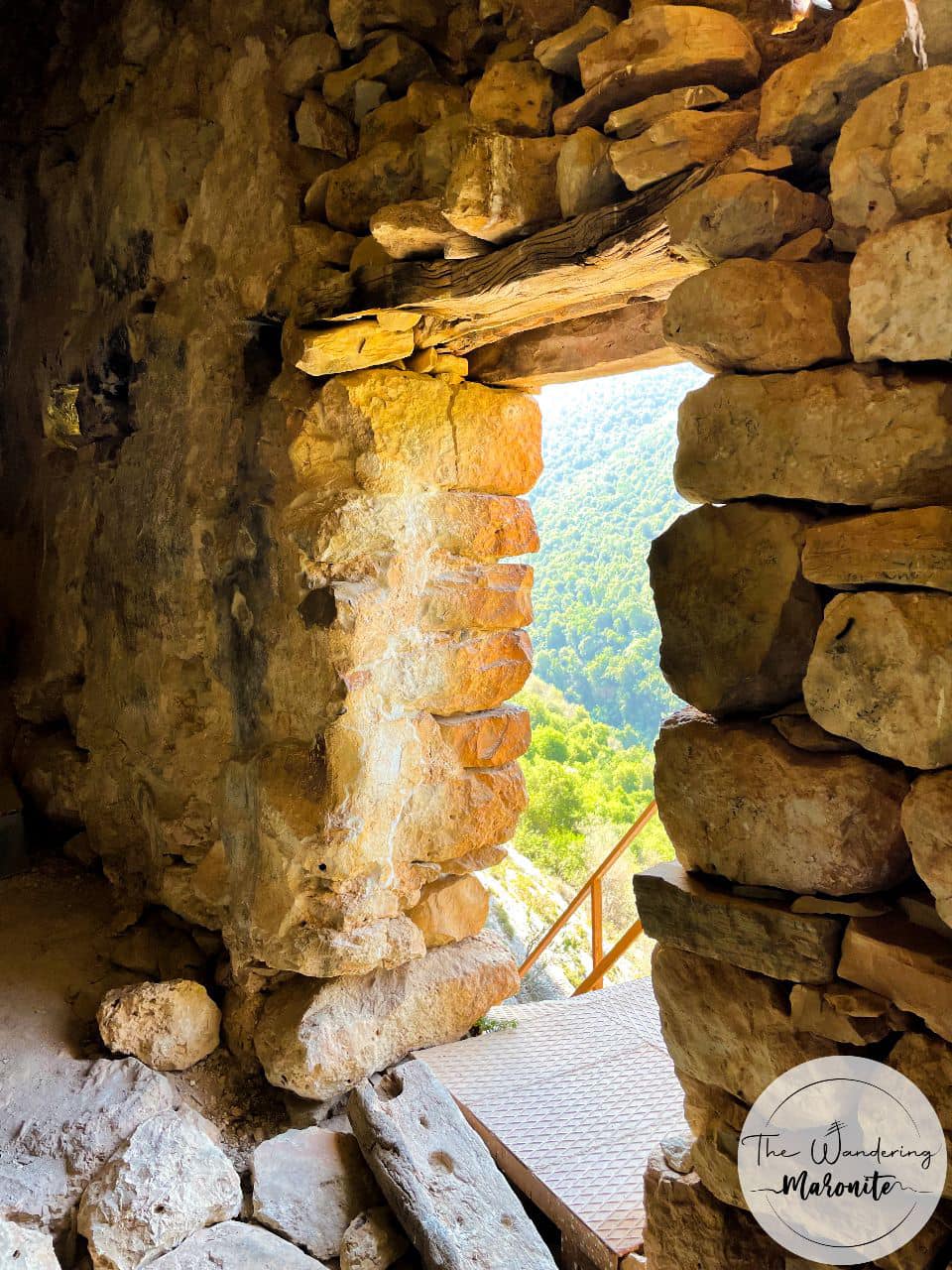
محبسة مار سمعان العاموديّ وادي البواليع - عبيدات المحبسة عبارة عن تَجوِيفٍ مَحفُورٍ فِي الصَّخر، بِدَاخِله صُوَرٌ جُدرَانِيَّةٌ تعود إِلى القَرن الثَّاني عَشَر. مِن بَينِ هِﺬهِ الجُدرَانِيّات رَسمُ الشفاعة، وَكِتَابَةٌ سِرَيَانِيَّةٌ لَم يَبقَ منهَاوَمِن الرُّسُومِ إلّا القَلِيل بِسَبَب عَوَامِل الطَّبِيعَة وَجَهل الإِنسَان. يَتمُّ الصُعُودُ إِلَى غُرَفِ الدَّير بِوَاسِطة سَلَالِم خَشَبِيَّةٍ وَأُخرَى حَدِيدِيَّةٍ مُستَحدَثَةٍ.تُجَاوِرُ دَيرَ مَار سِمعَان كَنِيسَةمَارت مُورَا، وَهِيَ عِبَارَةٌ عَن نَقرٍ في الصَخرِ.بحسب الخبراء جداريّات عبيدات تعودُ لراسم جداريّات كنيسة مار تادرس بحديدات.   The hermitage of St Simeon the stylite in Wadi al-Bouwayli'e - 'Abeydat The monastery is a hollowed-out cavity in the rock, containing frescoes dating back to the XIIth century. Among these wall paintings is the depiction of the deisis, as well as Syriac inscriptions, of which only a few remain due to natural factors and human ignorance. Access to the monastery's chambers is achieved through newly installed wooden and iron ladders. Adjacent to the Mar Simeon monastery is the St Moura's Church, which is a carved cave in the rock. According to experts, the wall paintings in 'Abeydat belong to the same artist who painted the wall paintings in the Mar Tadros Church in Behadidat. La Ermita de San Simeón el estilita en Wadi al-Bouwayli'e - 'Abeydat El monasterio es una cavidad excavada en la roca, que contiene frescos que datan del siglo XII. Entre estas pinturas murales se encuentra la representación de la deisis, así como inscripciones siríacas, de las cuales, debido a factores naturales y la ignorancia humana, solo quedan unas pocas. Para acceder a las cámaras del monasterio se utilizan las escaleras de hierro y madera recién instaladas. Colindante al monasterio de San Simeon se encuentra la iglesia de San Moura, que es una cueva tallada en la roca. Según los expertos, las pinturas murales de 'Abeydat pertenecen al mismo artista que pintó las pinturas murales de la iglesia de San Tadros en Behadidat

Visited 2157 times, 3 Visits today

Reviews are disabled, but trackbacks and pingbacks are open.

Related Listings

Blat Byblos – The church of St Elias

St Elias Church, Blat, Lebanon

كنيسة مار الياس

Blat Jbeil

Jbeil

Mount Lebanon

كنيسة مار الياس - بلاط جبيل

الكنيسة في الأساس مبنيّة بحجارة معبدٍ رومانيّ بُني في زمان الإمبراطور انطونان التقيّ كما تشير النقوش اليونانيّة على جدرانها. تحوي الكنيسة على عدّة آثار من المعبد القديم كتمثال صنمٍ في آخرها. في القرون الوسطى تزيّنت الكنيسة بمجموعة من الجداريّات ما زال قسمٌ منها ماثل. الكنيسة كناية عن بناء بنمط بازيليكيّ بثلاث أسواقٍ وعقدٍ سريريّ. في عهد المماليك إستُعملت هذه الكنيسة كخانٍ للمُسافرين، وفي بداية العهد العُثماني إستُعملت إسطبلاً للخيل في قسمٍ منها، وفي القسم الآخر أُنشئت معصرة للزيتون. وآلت ملكيتها لمشايخ آل حمادة الشيعة. وفي أوآخر القرن الثامن عشر قَدَمَ الشيخ وهبه الدحداح الأول من كسروان وإستملك بلاط، فَحوَّل الإسطبل الذي أصبح من أملاكه الى كنيسة على إسم مار الياس وأعاد ترميمها، فكرَّسها المطران يوسف المريض في 4 كانون الأول ١٨٧٠. وفي العام ١٩١٩ ضربتها صاعقة، فأعاد الشيخ إسكندر كنعان وهبه الدحداح ترميمها. وفي العام ١٩٧٨ قامت المديريّة العامّة للآثار بترميمها على الشكل الذي تقوم عليه الآن. تضمّ الكنيسة لوحةً لمار الياس من عمل كنعان ديب الدلبتاوي.

The church of St Elias - Blat Byblos

The church was built with the spolias of an ancient roman temple built during the reign of the emperor Antoninus the pious. The church holds many remanences of the temple : greek inscriptions and an idol. The church’s structure is a three naved basilical plan with a crib vault. It used to be covered with frescoes some of them can be seen today. During the Mamluk’s era the church was converted into a caravanserai. Later on it was converted into a stable and an olive pressing mill and remained so during the Ottoman era when it became property of the Shia lords of the Hemade family. The church was bought by the Sheikh Wehbe el Dahdah when he came from Kesserwan and bought the village of Blat. The church was reconsecrated and dedicated to the Saint Elias the Prophet by bishop Youssef el Marid of the 4th of december 1870. It was damaged by a lightning stroke and restored in 1919 by Sheikh Kanaan Wehbe Dahdah. The church was renovated by the Lebanese Directorate General of Antiquities in 1978. The church holds a painting of Elias by Kanaan Dib.

Anfeh – St George’s Greek Orthodox Church

St. Georges Church Anfeh, Anfeh, Lebanon

كنيسة مار جاورجيوس للروم الأرثوذكس

Enfeh

Koura

North

كنيسة مار جاورجيوس للروم الأرثوذكس - أنفه

هي الكنيسة الرئيسيّة في البلدة. إنتهت عمليّة البناء بشكلها الحاليّ في ١٧ أيّار ١٩٧٠. إنّ الموقع الذي بُنيت فيه الكنيسة، له تاريخ مهمّ في التّراث المسيحيّ للبلدة؛ ففي القرون المسيحيّة الأولى، كانت تلك المنطقة مليئة بالقبور المحفورة بالصخر، و بعد ذلك بُني في العهد البيزنطيّ كنيسة في الموقع، تتضارب المعلومات حولها، فالبعض يتحدّث عن وجود ديرٍ على اسم القدّيس جاورجيوس، و البعض الآخر يتحدّث عن ثلاث كنائس تحمل احداها اسم القديس جاورجيوس. سنة ١٩٥٤، قرّر راعي الأبرشيّة هدم البناء القديم و اقامة كنيسة كبيرة مكانه بإسم كنيسة القدّيس جاورجيوس. رُمّمت الكنيسة سنة ٢٠٠٩ وزُيّنت بالجداريّات.

St George’s Greek Orthodox Church - Anfe

It is the main parish church of the village, consecrated on the 17th of may 1970. The site has paleo Christian roots as it was a stone necropolis. Later on, during the Byzantine era, a monastery of St George was erected on the site. According to other sources, three churches one of them dedicated to St George were on the site. In 1954 the local bishop decided to build a bigger church on the site and dedicate it to St George. The church was restored in 2009 and decorated with Byzantine frescoes.

Dlebta – Convent of Our Lady of the Fields

دير سيدة الحقلة، دلبتا، Lebanon

دير سيّدة الحقلة - دلبتا

1755

Dlebta

Keserwan

Mount Lebanon

دير سيدة الحقلة - دلبتا
يعود تأسيس دير سيدة الحقلة في دلبتا – لبنان إلى القرن السادس عشر على يد الخوري يوسف قصاف.
عام 1755 شيدت الكنيسة الكبيرة وحفر على عتبة بابها الصليب البطريركي الماروني.
راهبات سيدة الحقلة أو الراهبات الحبيسات المسؤولات عن الدير يقضين نهارهنّ في الصلاة، العمل اليدوي والزراعي.
هذا الدير الذي كان يجمع الراهبات والرهبان، قصد إحدى رهبانه من حوالي ٤٠٠ سنة تقريباً النمسا بهدف البحث عن جرس جديد حيث كُسر جرس الكنيسة الأساسي على يد الراهب نفسه.
وفي التفاصيل، أن ابنة الملك كانت مريضة وسمع هذا الراهب بهذا الأمر فتوجه الى البلاط الملكي وصلّى على الفتاة فشيت في الحال. فقال له الملك، ماذا تريد وكيف اردّ لك الجميل، فقال الراهب، اريد جرساً جديداً أصطحبه معي الى جبل لبنان. فأهداه الملك جرسًا وبيت قربان وكأس قربان ومذبحًا وغيرها من الأمور التي جاء بها الى الدير.
ومنذ ذلك التاريخ وهذه التّحف موجودة في الدير حتى يومنا هذا.

The monastery of our Lady of the fields - Dlebta
The monastery was built by the priest Joseph Asaf during the sixteenth century. The main church was built in 1755 and a patriarcal cross was engraved on it’s main door. The monastery is now occupied by a patriarcal contemplative order of nuns.
When it was built, the monastery was mixed with two communities: monks and nuns. 400 years ago a monk broke the church’s bell when he was ringing it, so he went to Austria where he had an audience with the emperor and asked him for a bell to be taken to Mount Lebanon.
After a healing miracle with an austrian princess, the emperor donated a bell, a great tabernacle, a high altar, and a chalice to the monastery. All of these baroque artifacts are still conserved in the monastery today.