
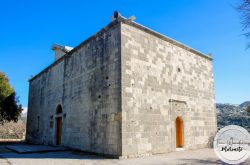
Haret el Mir, Zouk Mikael – The Church of Our Lady of Perpetual Help

Haret El Mir, Lebanon

Other Details

كنيسة سيّدة المعونات حارة المير

Zouk Mkayel

Keserwan

Mount Lebanon

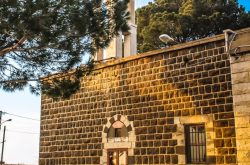
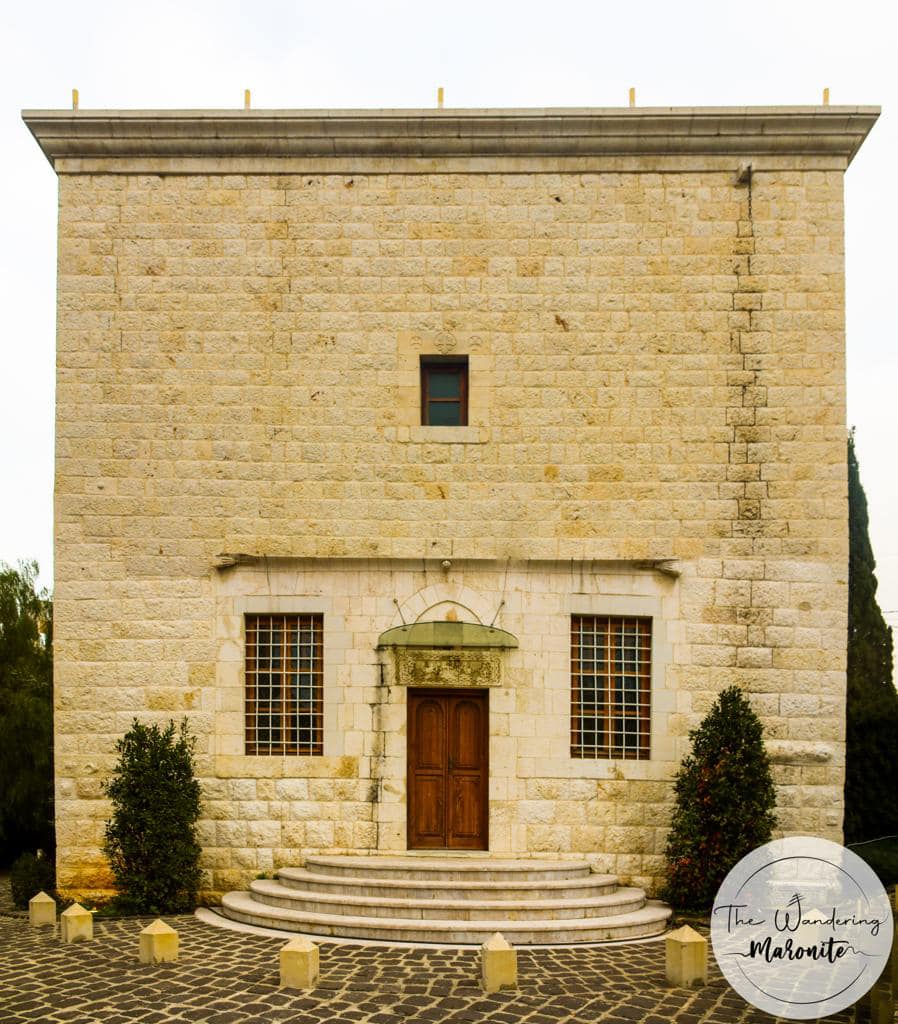
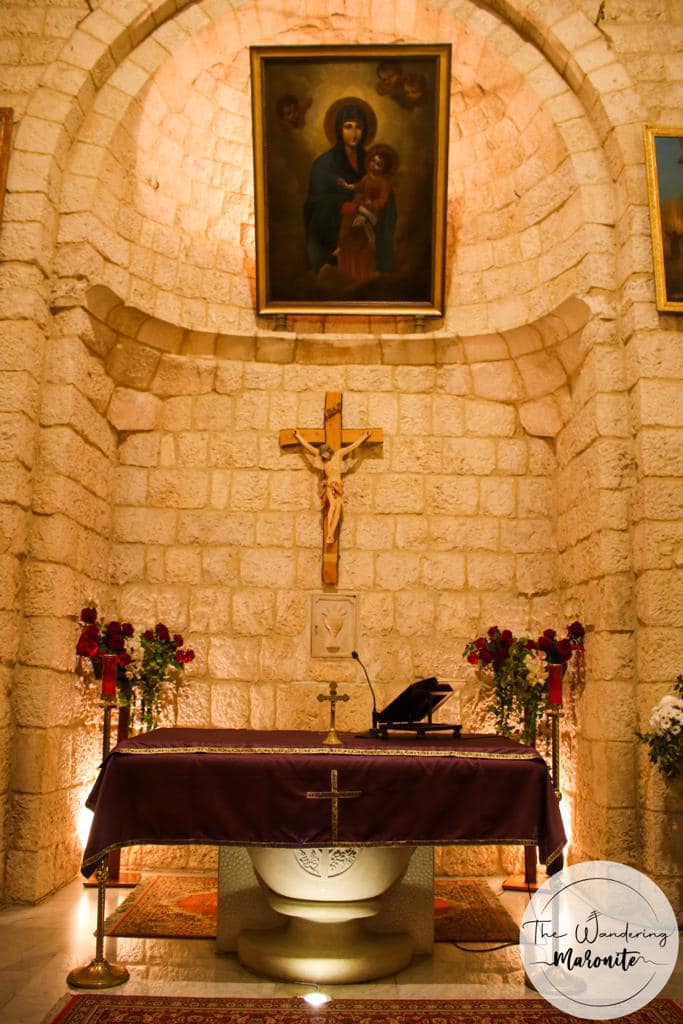
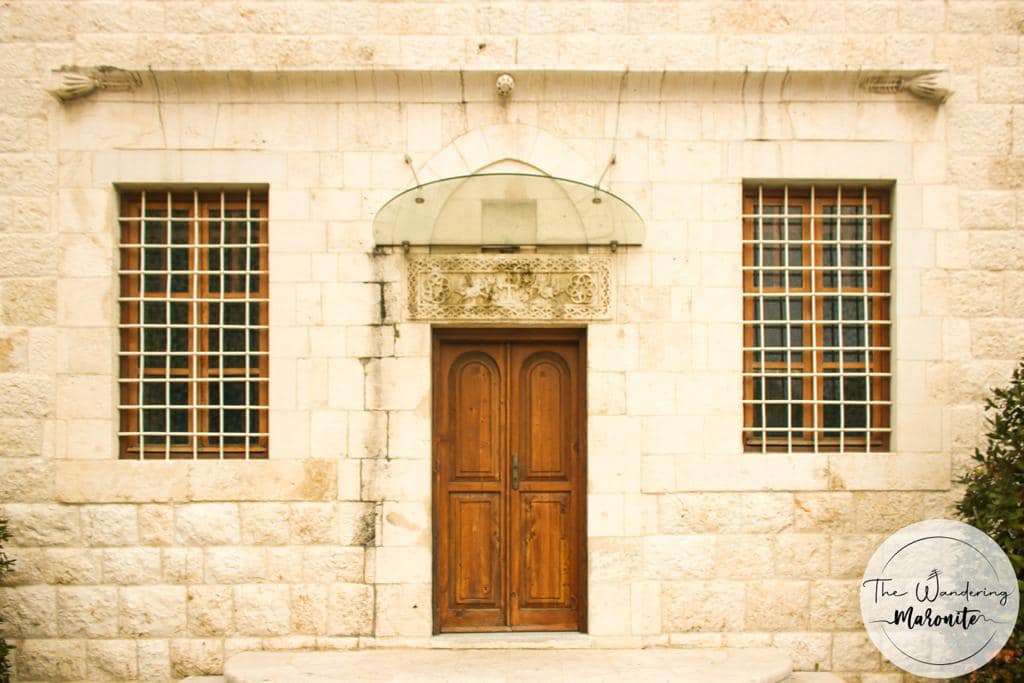
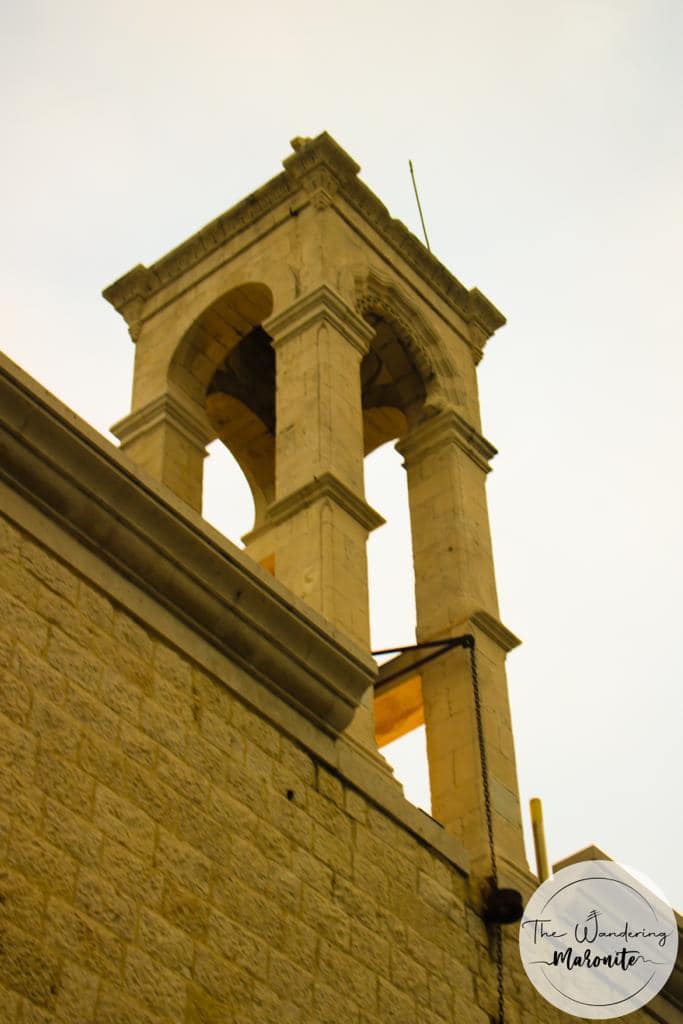
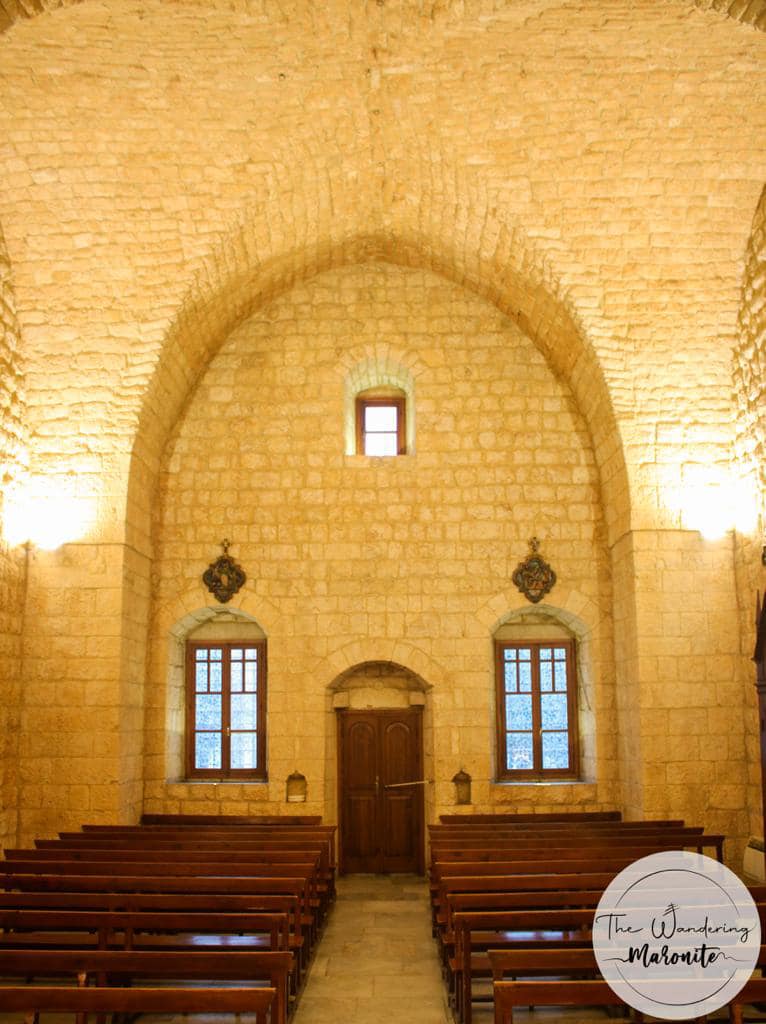
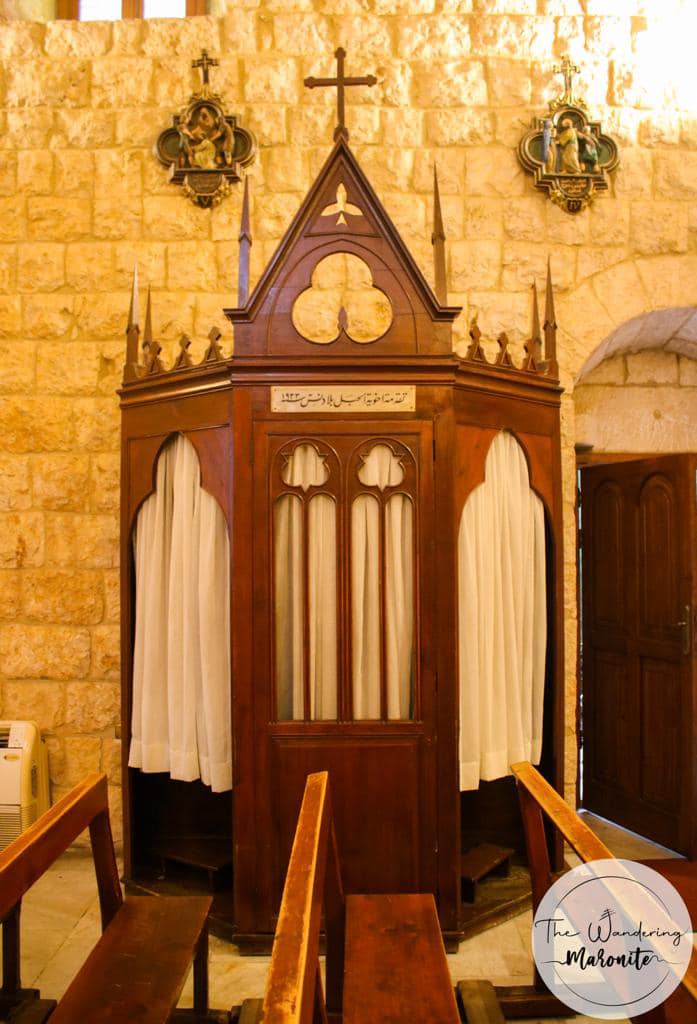
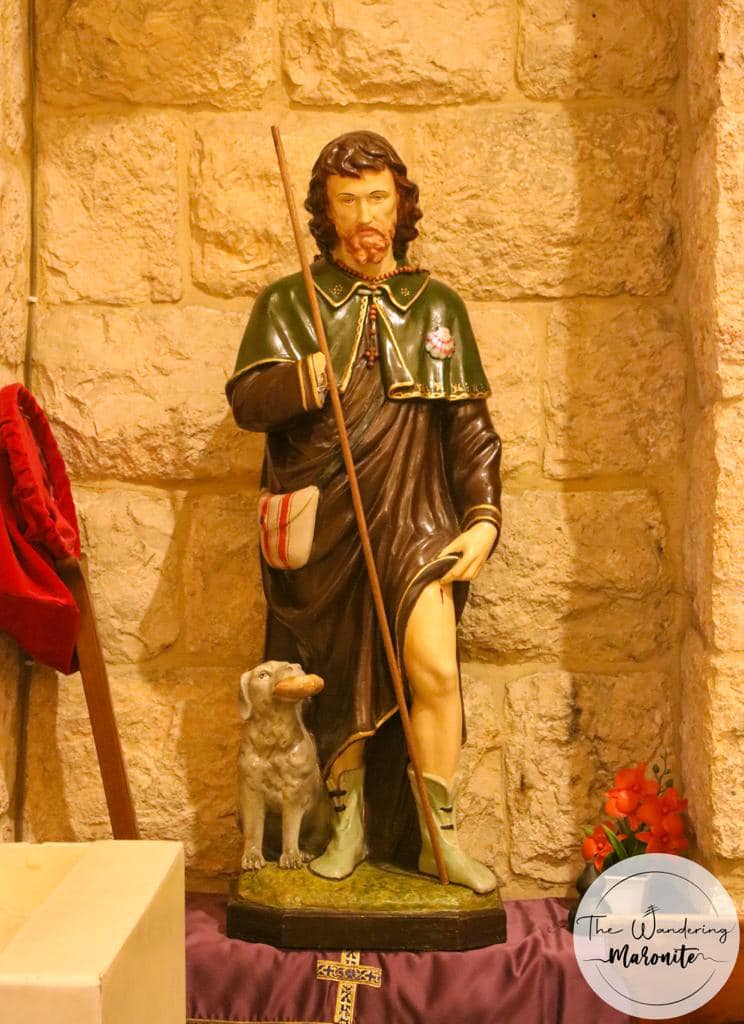
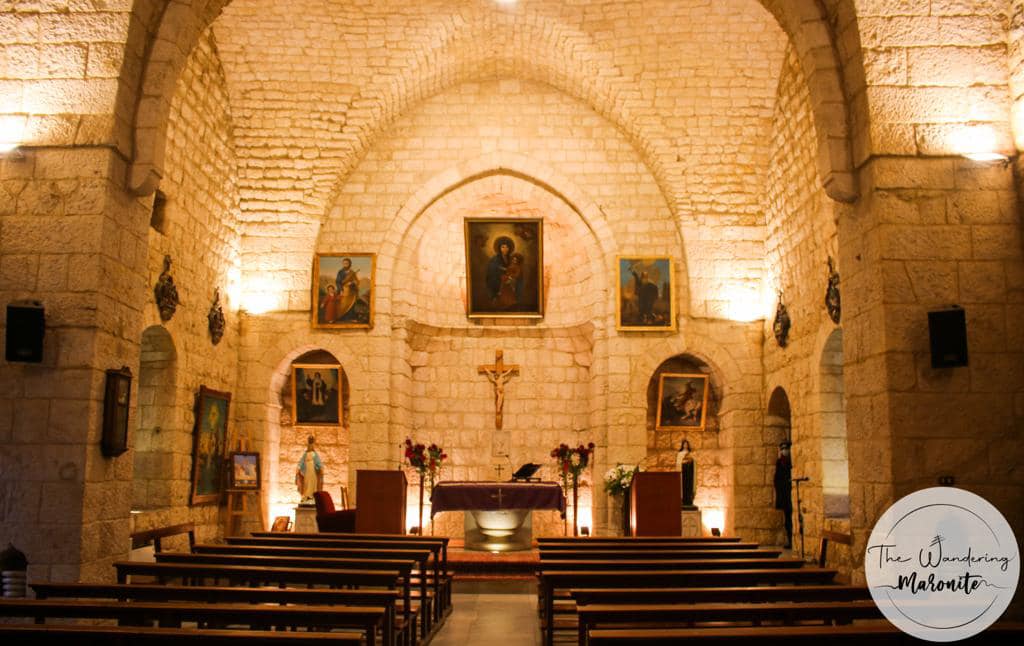
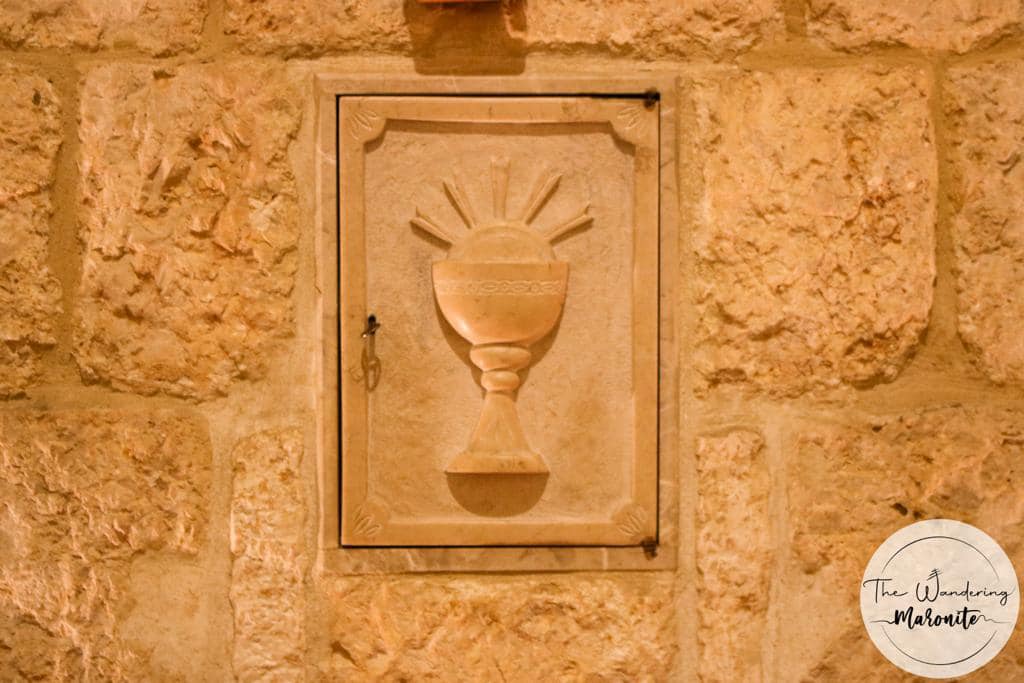
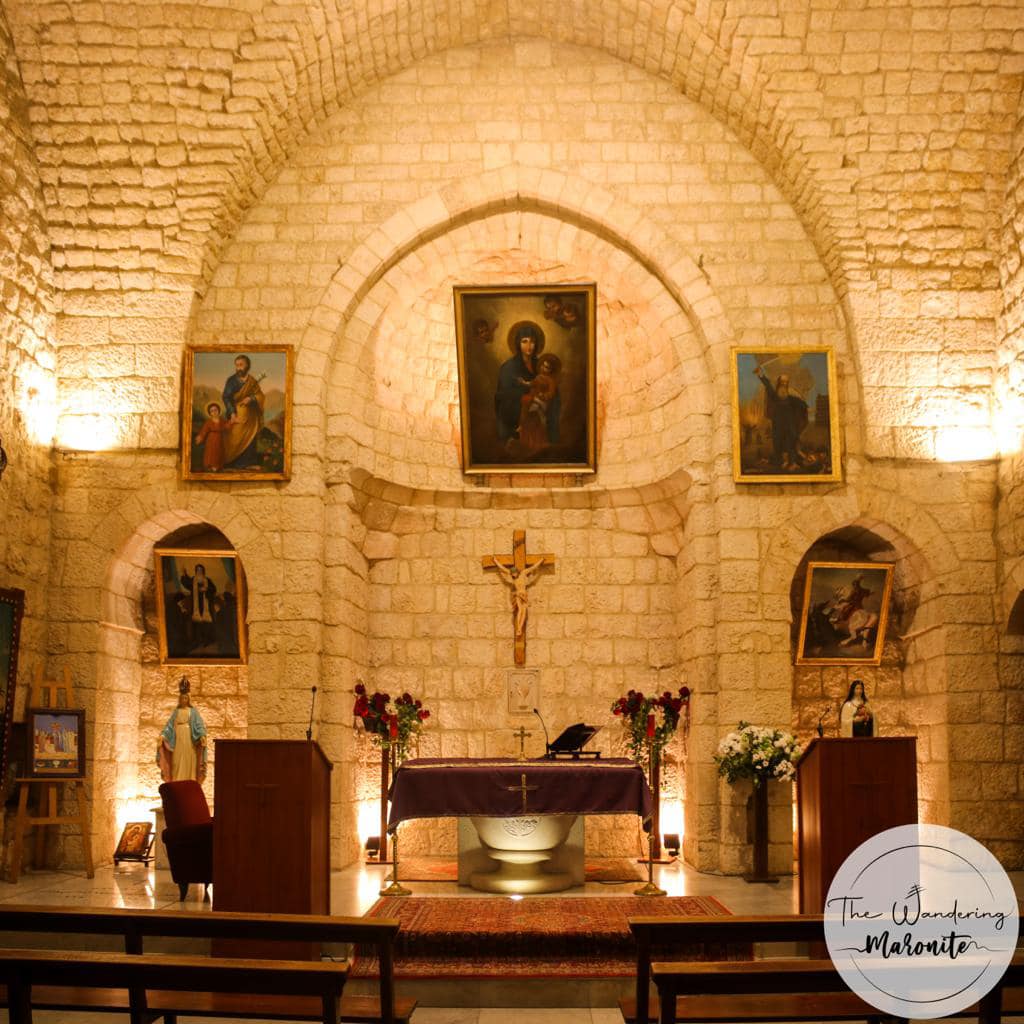
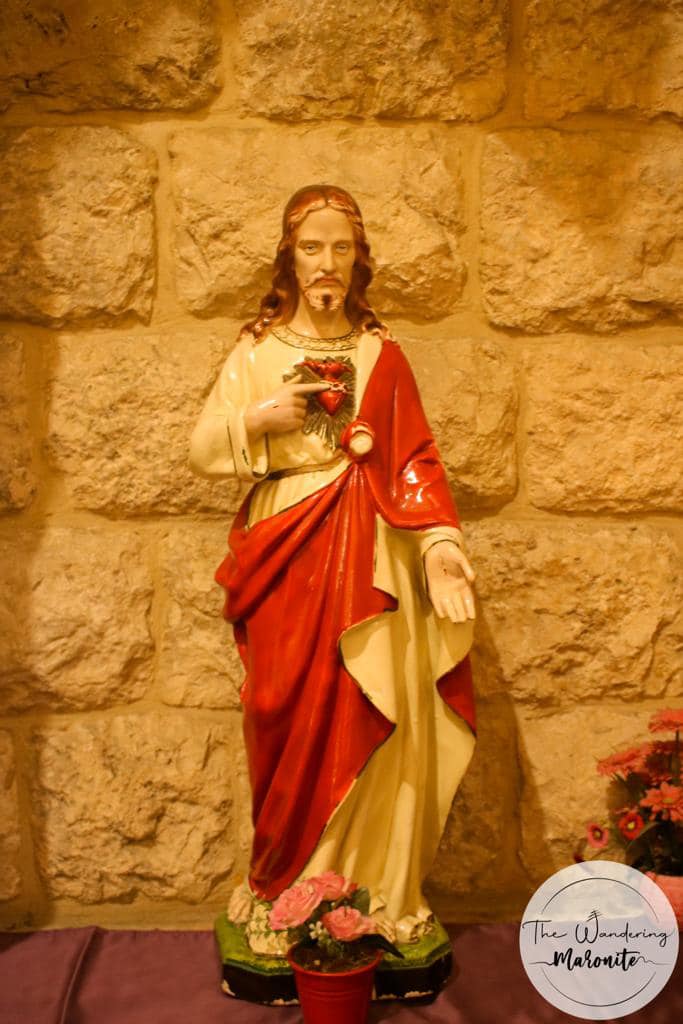
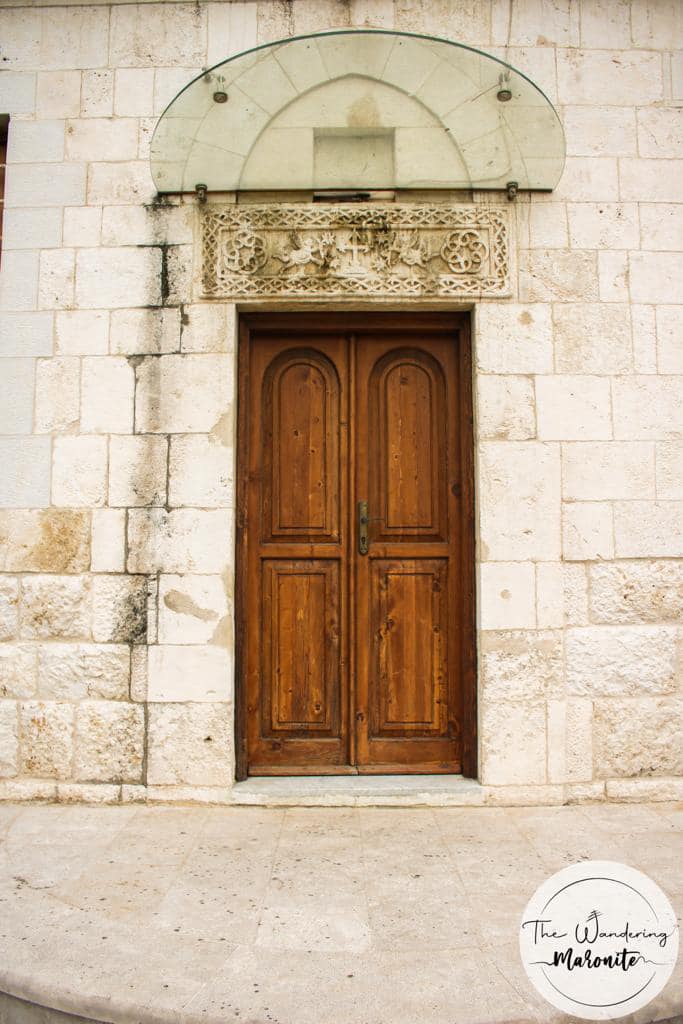
كنيسة سيّدة المعونات حارة المير - ذوق مكايل سنة ١٨٥٠ إشترى الشيخ عبّاس الخازن حجارةً مقصوبةً لبناء حارته. خلال ثورة الفلاّحين صادر الثوّار الحجارة بأمر قائدهم الياس المنيّر وبنوا بها كنيسةً رعائيّةً حتّى لا تصير مُطالبة بالحجارة، فجاء البناء عقدًا سريريًّا. رُمّمت الكنيسة أواخر القرن العشرين وهي تحوي العديد من اللوحات المحليّة. The Church of Our Lady of Perpetual Help - Haret el Mir, Zouk Mikael It was built using building stones that were originally purchased by Sheikh Abbas el Khazen in 1850 for the construction of his mansion. However, during the peasant revolution of 1858, a group of revolutionaries led by Elias el Mnayyar confiscated the stones and used them to build a cross-vaulted church. As the stones were used to build a parochial church, no one could claim ownership over them. The church features many locally made paintings and was renovated at the end of the 20th century.

Visited 6904 times, 3 Visits today
Reviews are disabled, but trackbacks and pingbacks are open.

Related Listings

Lehfed – The church of St Stephen

St. Estephan Church, Lehfed, Lebanon

كنيسة مار أسطفان

Lehfed

Jbeil

Mount Lebanon

كنيسة مار أسطفان - لحفد

الكنيسة بالأصل كانت معبدًا رومانيًّا على تلّة حوّله الصليبيّون إلى بُرجٍ للمراقبة، سكنه مقدَّموا لحفد. سنة ١٨١٠ تحوّل المكان إلى كنيسةٍ بعقدٍ مُصالبٍ لتكون رعيّة البلدة. مذبح الكنيسة ولوحة مار أسطفان، مُستوردان من إيطاليا بسعي من أبناء البلدة في بيروت أواخر القرن التاسع عشر. حمل إبن لحفد الطوباوي أسطفان نعمه شفاعة صاحب الكنيسة وتكنّى باسمه عند دخوله الرهبانيّة.

The church of St Stephen - Lehfed

The church was originally a pagan roman temple on a hill that was converted into a watch tower by the crusaders, after they left the land the maronite lords of Lehfed used it as residence. In 1810 the crossed vault structure took it’s current shape and was converted into a parochial church. The altar and the painting are imported from Italy with the help of the villagers who lived in Beirut at the end of the XIXth century. Blessed Stephen Nehme, the son of Lehfed, took the name of the Church's patron saint when he entered the monastic life.

Homsyeh – The church of St John the Baptist

كنيسة مار يوحنا, Homsiyeh, Lebanon

كنيسة مار يوحنا المعمدان

Homsiyeh

Jezzine

South

كنيسة مار يوحنا المعمدان - الحمصيّة

بُنيت الكنيسة الأولى أوائل القرن التاسع عشر، وخربت في أحداث سنة ١٨٦٠. أعيد بناؤها سنة ١٨٩٠ وكرّسها المطران بطرس البستاني رئيس أساقفة صور وصيدا آنذاك. رمّمت الكنيسة ووسّعت على عدّة مراحل آخرها في تسعينيّات القرن العشرين. البناء هقد مصالب ينتهي بحنية نصف دائريّة. تضمّ الكنيسة أيقونة أورشليميّة أثريّة ونسخةً عنها طبق الأصل.
The church of St John the Baptist - Homsyeh

The first church was built in the beginning of the XIXth century and was ruined in the war of 1860. The church was rebuilt in 1890 and consecrated by Mgr. Boutros el Boustany archbishop of Tyr and Sidon back then. The church was restored and enlarged many times taking its current form in the nineties. The structure consists of a crossed vault ending with a semi circular apse. The church hold an ancient icon from the school of Jerusalem and an exact copy of it.

Sarba – The Shrine of St George El Batyeh

Saint George Shrine, Sarba, Lebanon

مزار مار جرجس الباطية

Jounieh Sarba

Keserwan

Mount Lebanon

مزار مار جرجس الباطية - صربا

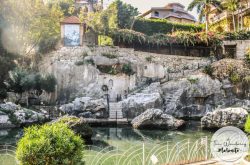
في أسفل الشير الصخري عند شاطىء صربا توجد مغارة طبيعية تعرف بـ"الباطية" وهي تعني "إناء للماء"، إذ تتضمّن المغارة حوضًا صخريًّ تملأه مياه البحر المحاذي للموقع.
فوق المغارة كان يوجد في السابق معبد قديم مكرّس لعبادة البعل. لقد شيّد المسيحيّون في الموقع كنيسةً كبيرةً كانت قد فُرشت أرضيتها بفسيفساء جميلة لم يبق منها سوى بعض الأجزاء. ومن ثم استُبدلت هذه العادات والتقاليد برموز مسيحيّة، فتحوّل الموقع إلى مزار للقديس جرجس، وأصبح السكان المحليّون يقصدون الموقع ويقدمون النذور للقديس جرجس لشفاء الأطفال من الأمراض المستعصية والنساء من مشاكل العقم.

The Shrine of St George El Batyeh - Sarba

Under a huge limestone cliff on the coast of Sarba there is a natural cave known as el Batyeh (meaning the water vessel) because it retains water from the neighboring sea. Over the cave, the Phoenicians erected a temple for Baal, that early christians converted to a church with mosaic flooring. Some of the mosaics are still visible. After the paleochristian era, the local pilgrimage and vitive customs attributed to the site were converted. The shrine was dedicated to St George, with an emergence of votive pilgrimage piety surrounding the place.