
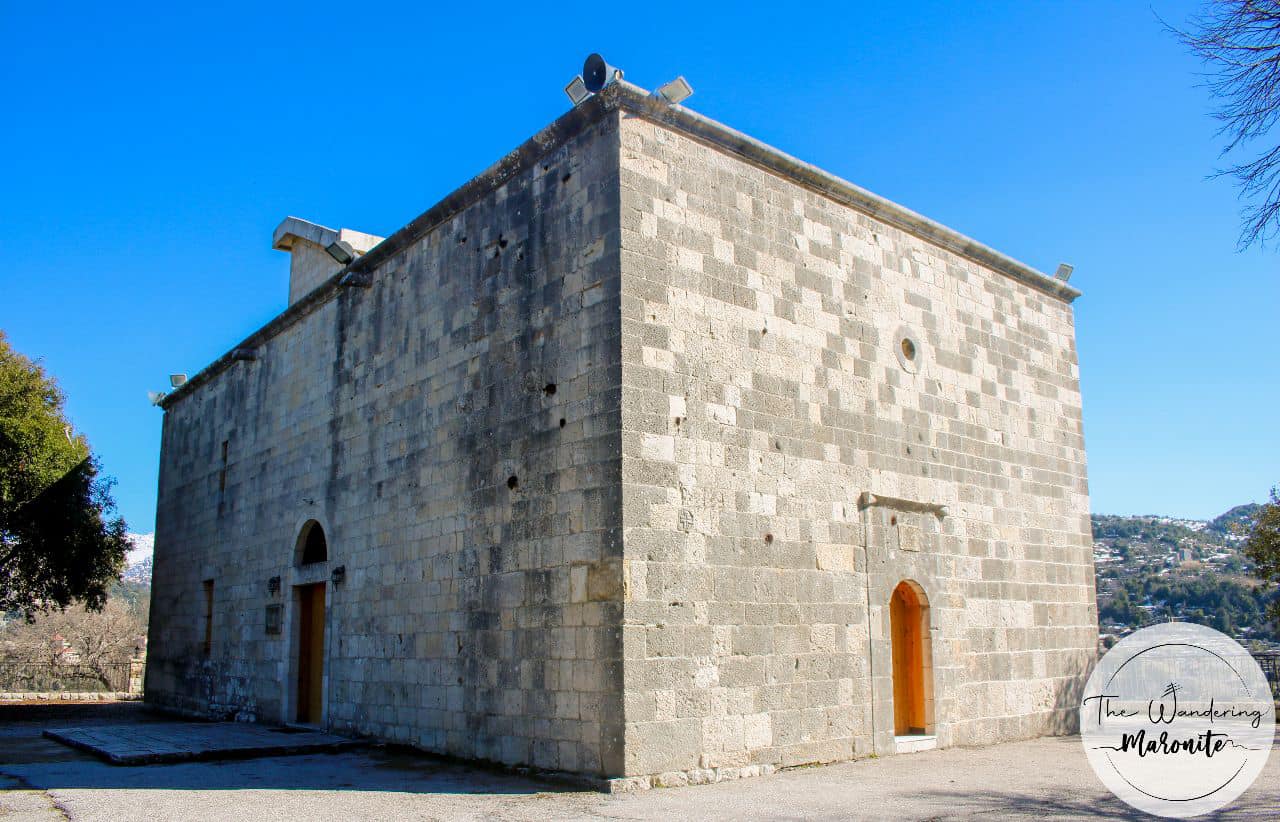
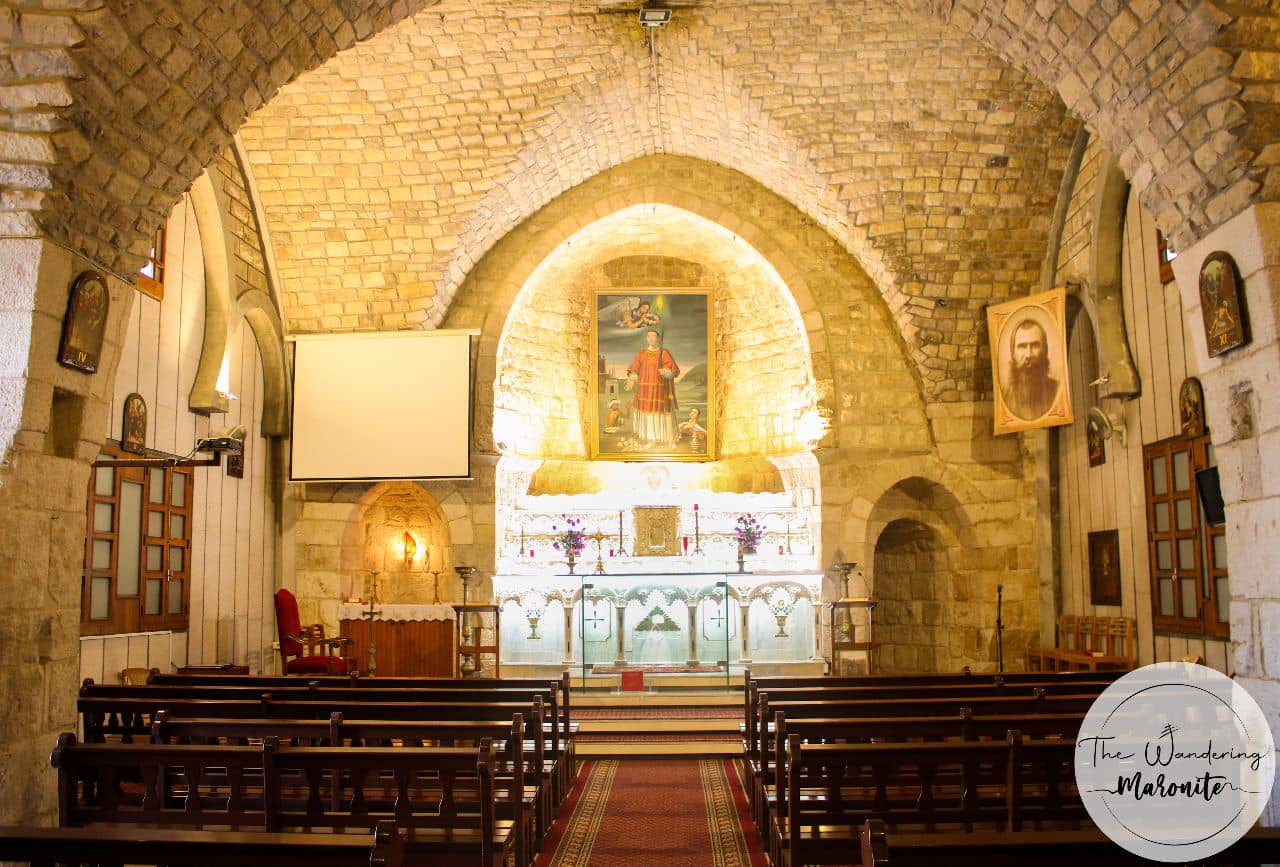
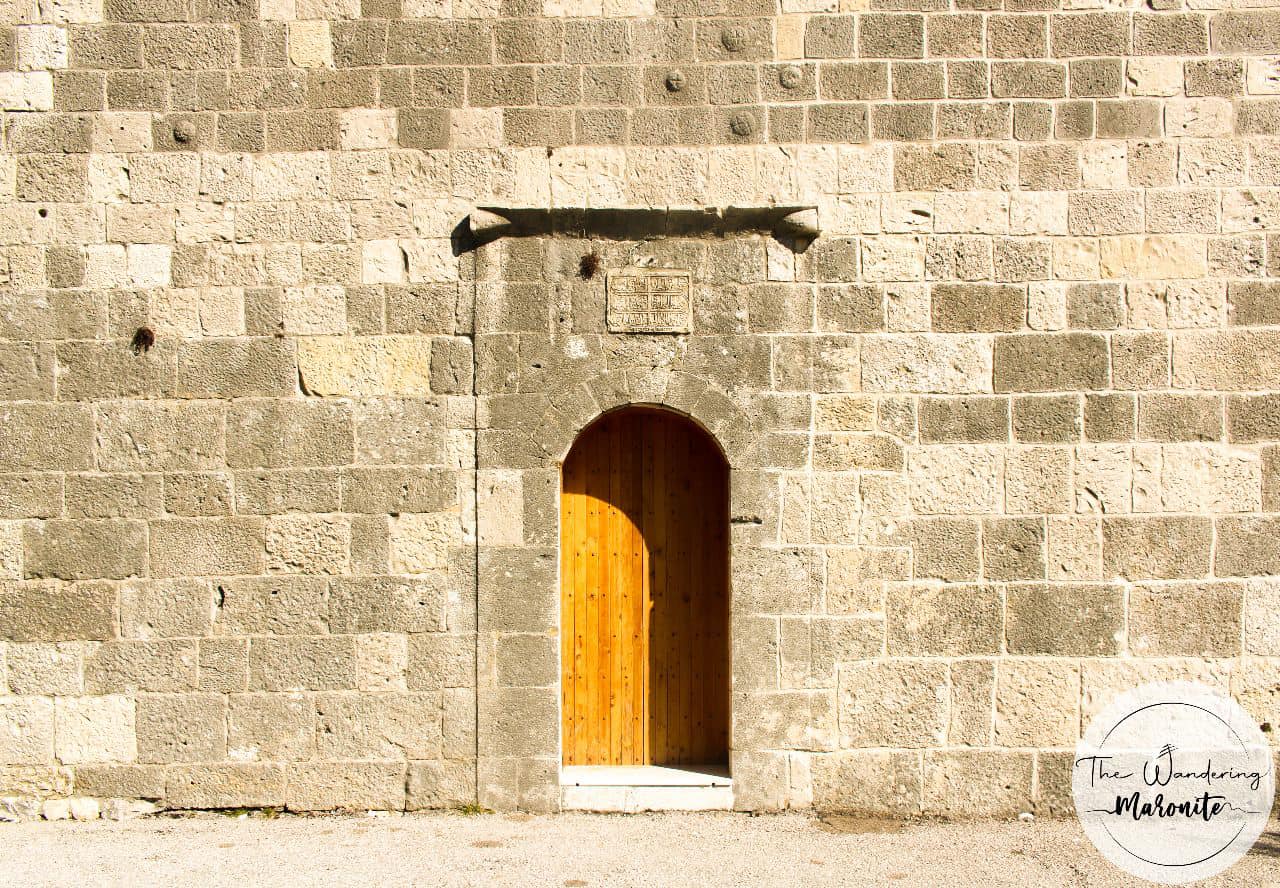
Lehfed – The church of St Stephen

St. Estephan Church, Lehfed, Lebanon

Other Details

كنيسة مار أسطفان

Lehfed

Jbeil

Mount Lebanon

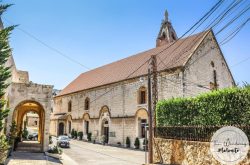
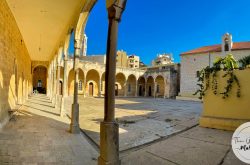
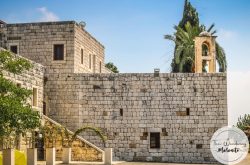
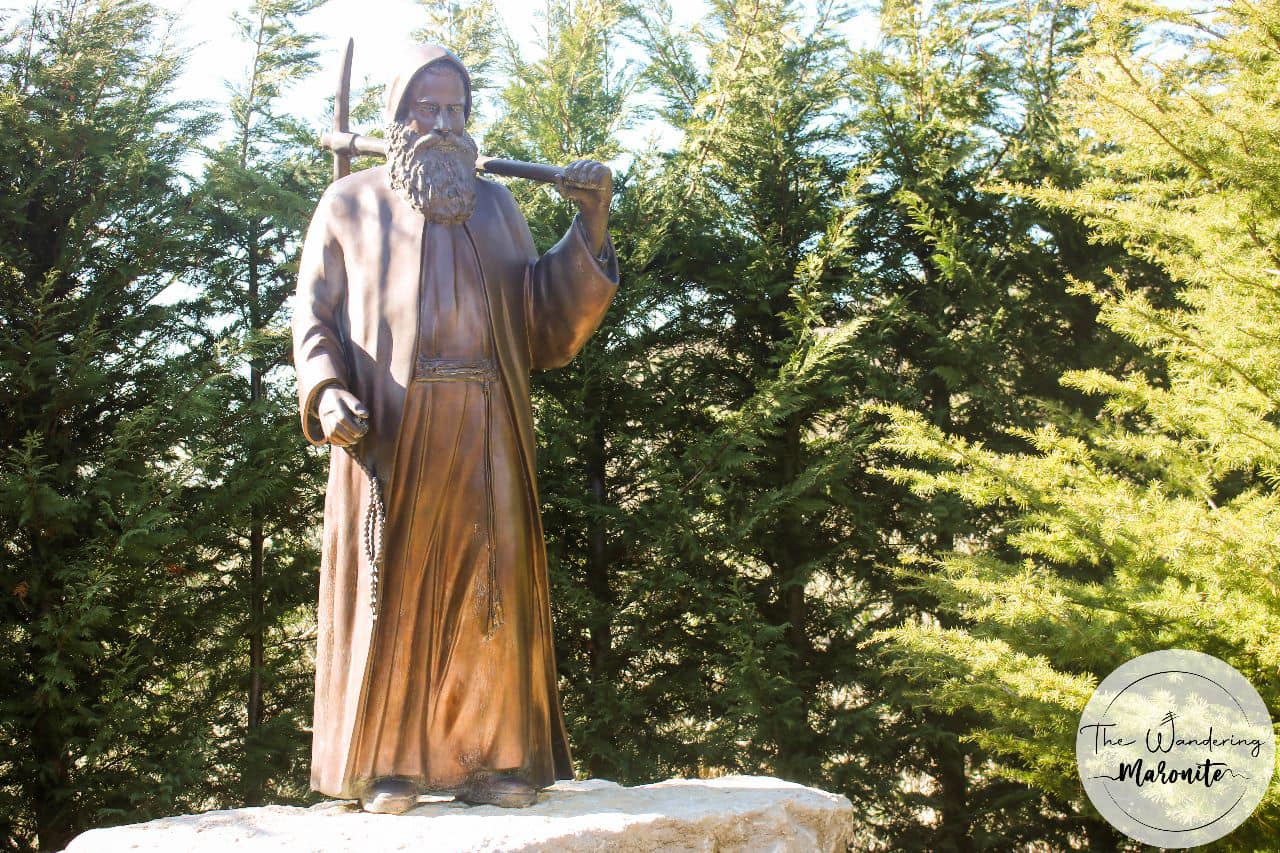
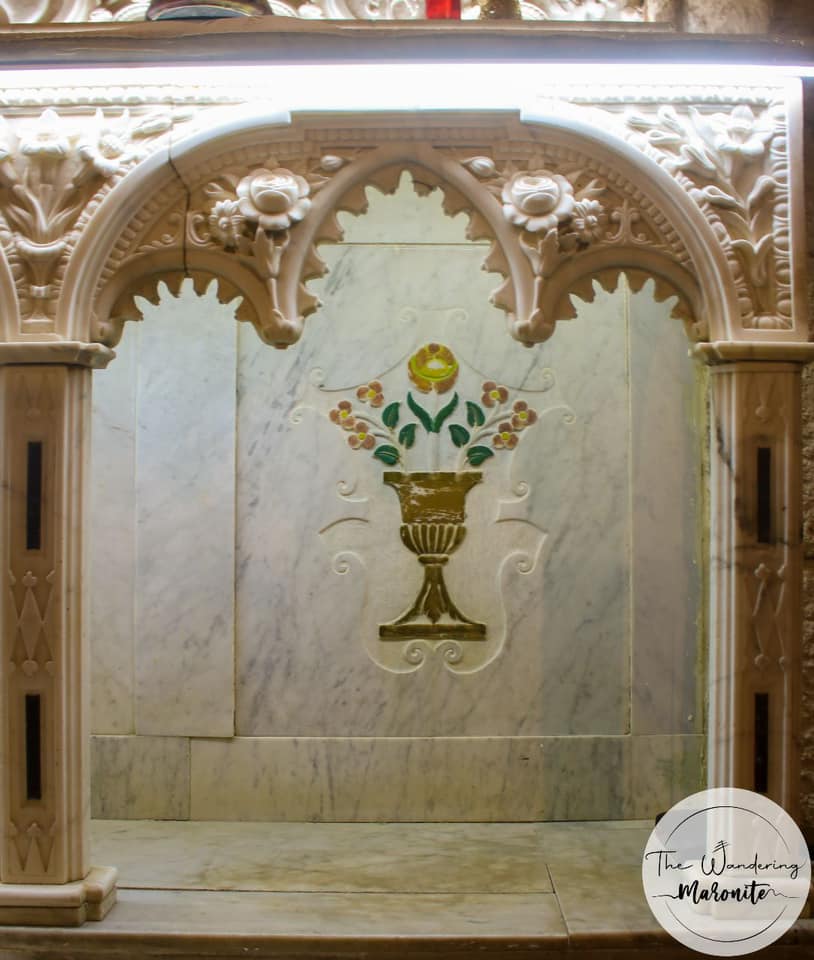
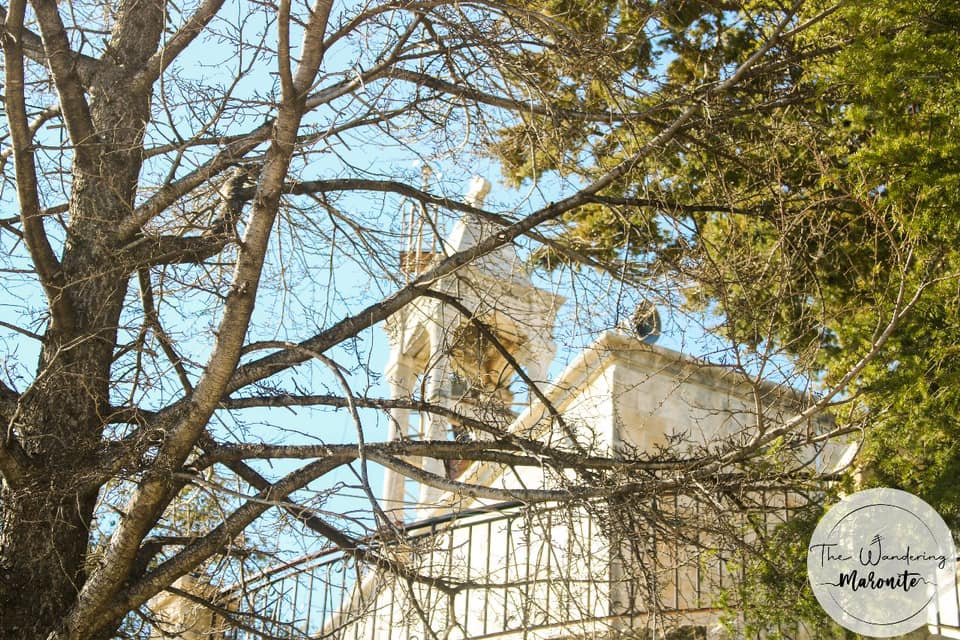
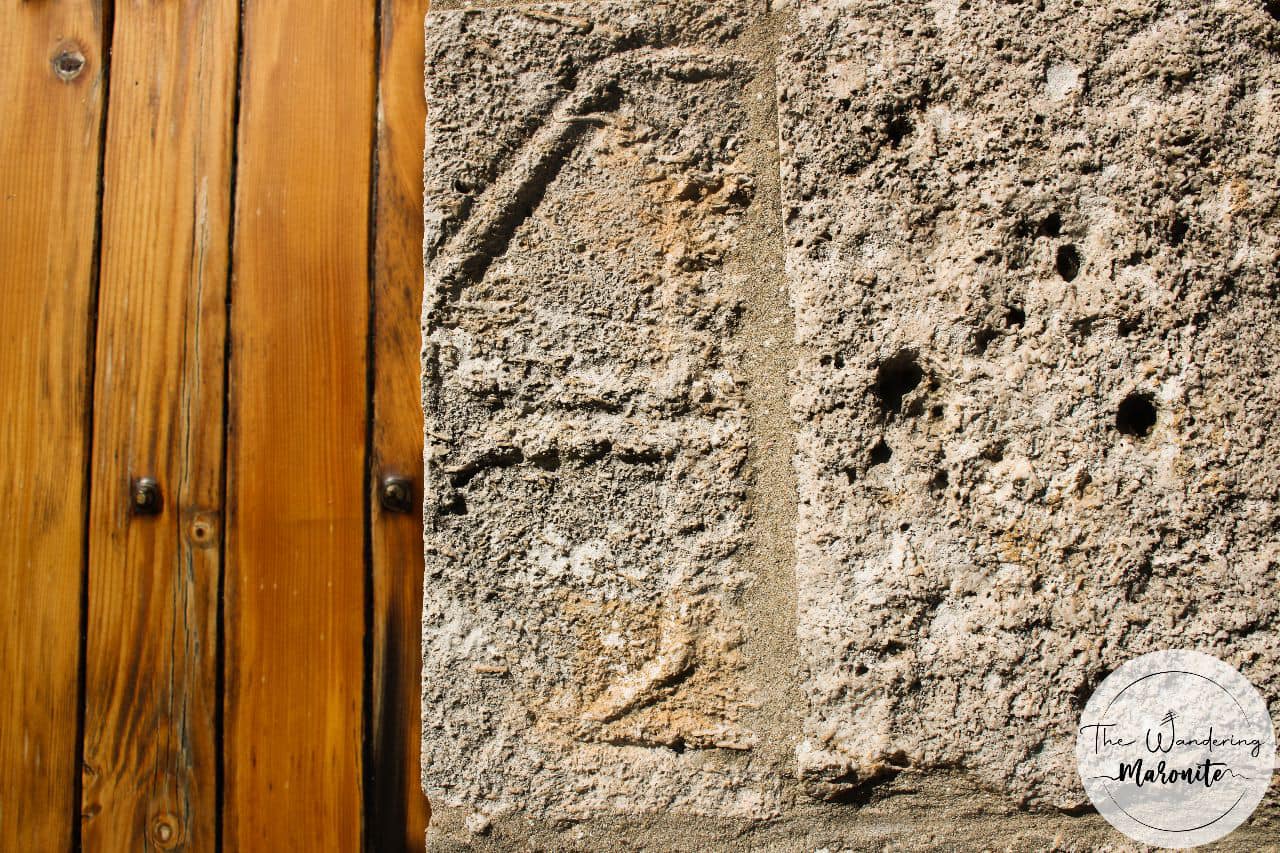
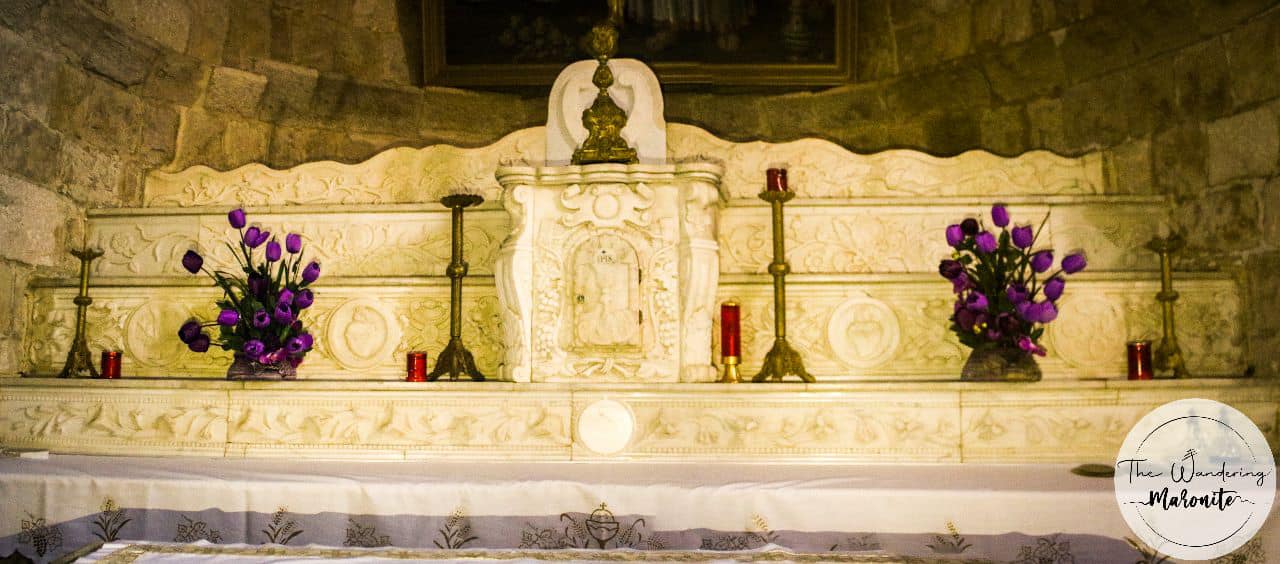
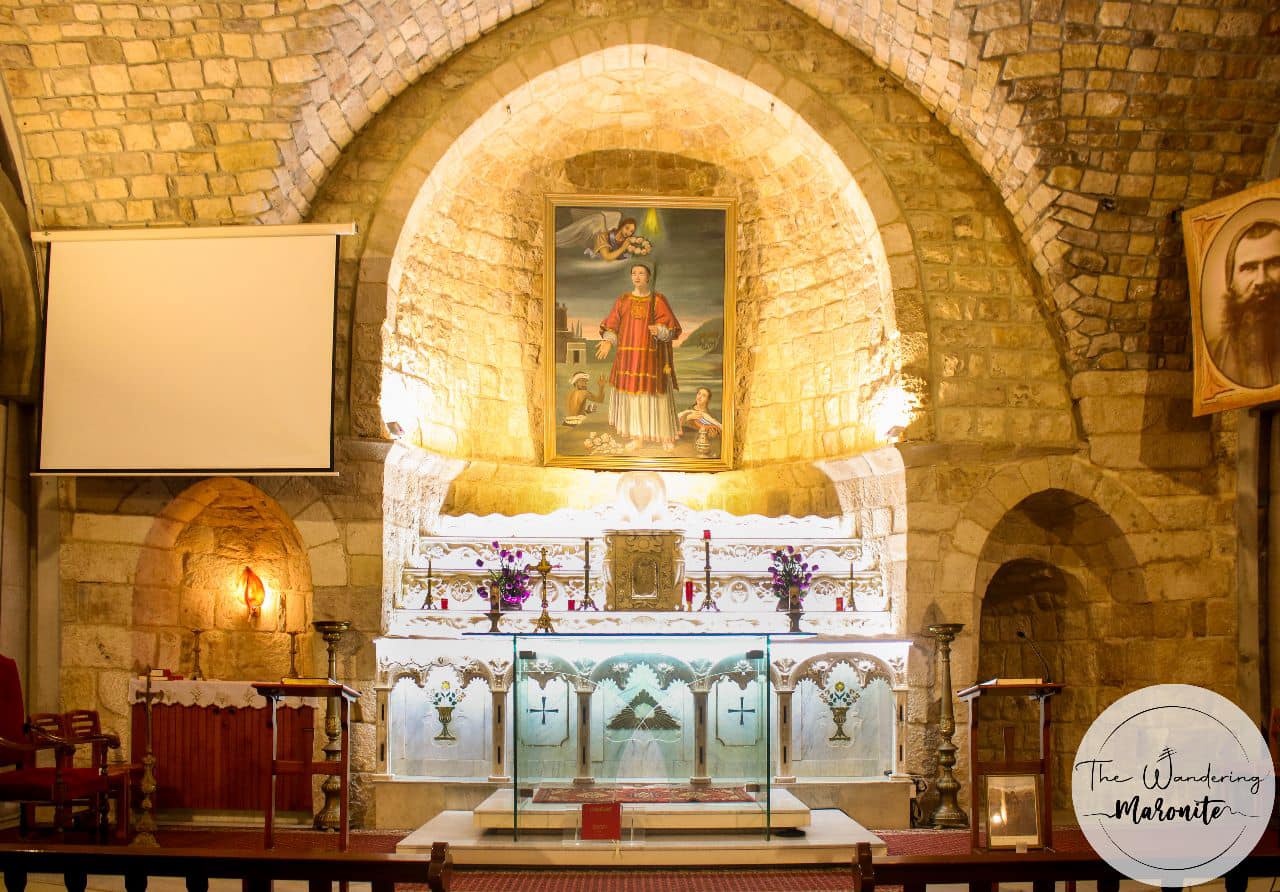
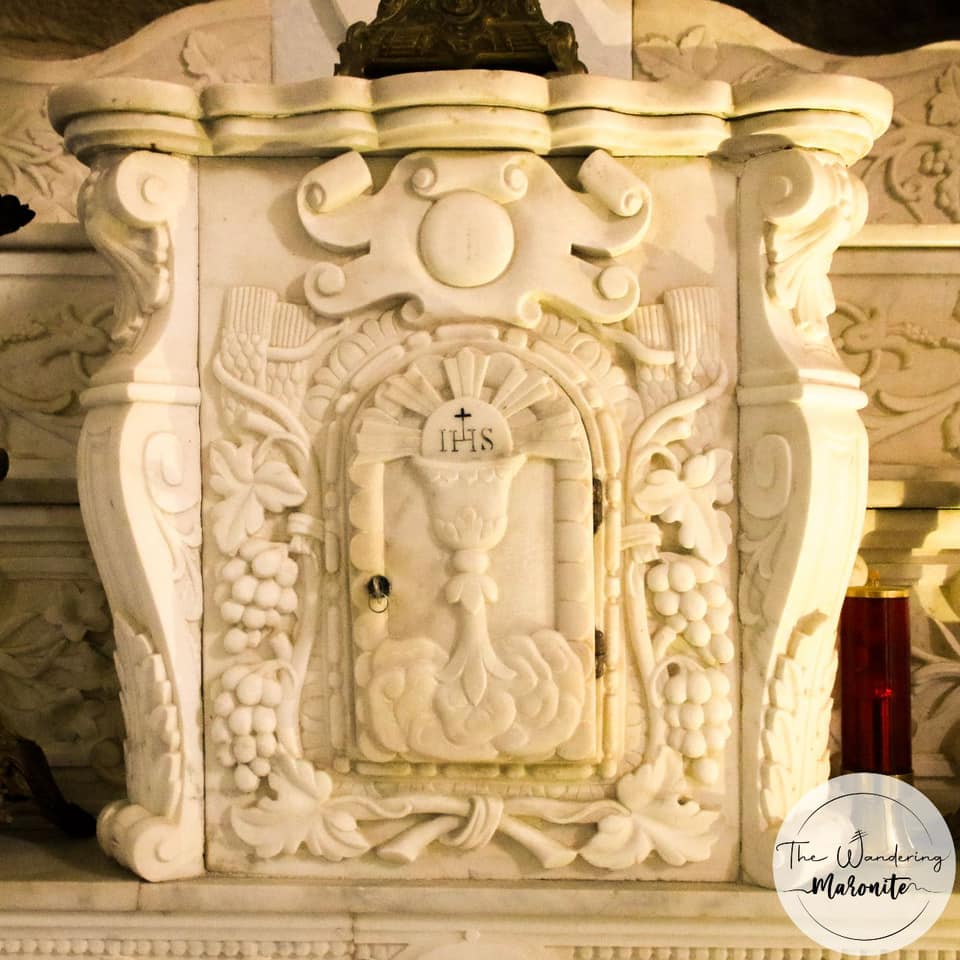
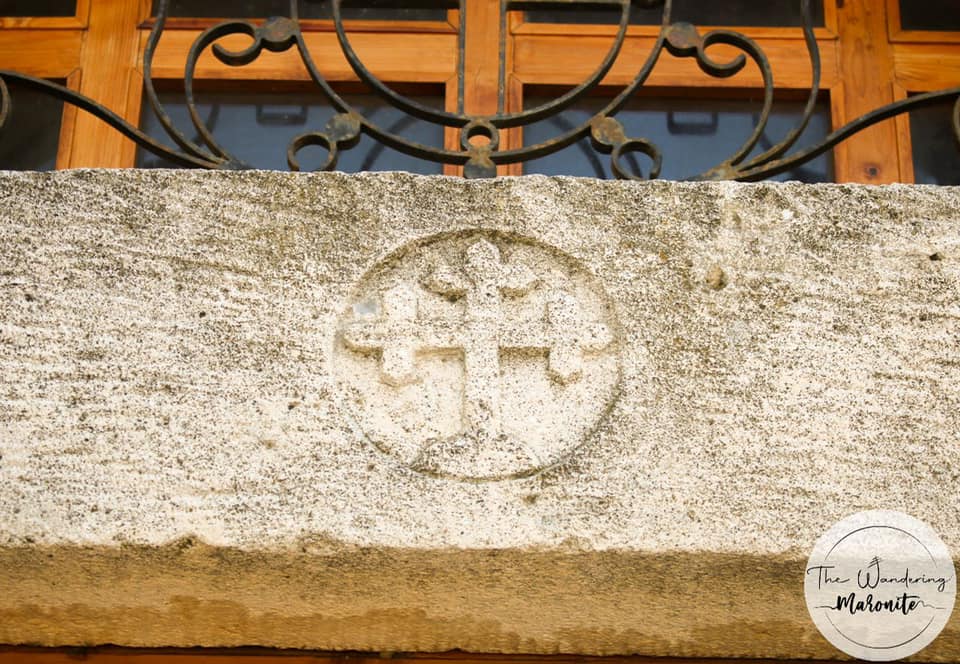
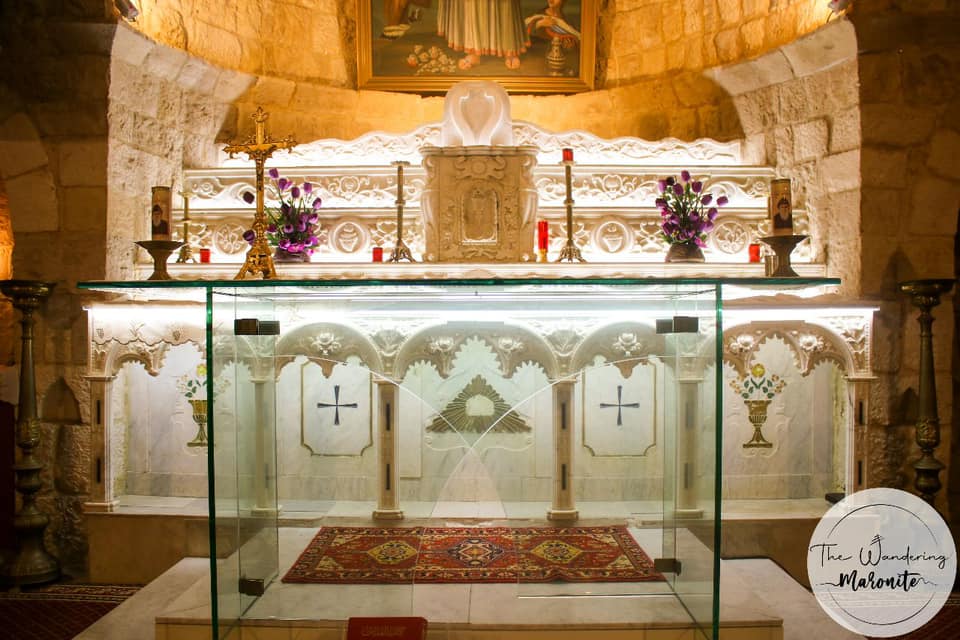
كنيسة مار أسطفان - لحفد الكنيسة بالأصل كانت معبدًا رومانيًّا على تلّة حوّله الصليبيّون إلى بُرجٍ للمراقبة، سكنه مقدَّموا لحفد. سنة ١٨١٠ تحوّل المكان إلى كنيسةٍ بعقدٍ مُصالبٍ لتكون رعيّة البلدة. مذبح الكنيسة ولوحة مار أسطفان، مُستوردان من إيطاليا بسعي من أبناء البلدة في بيروت أواخر القرن التاسع عشر. حمل إبن لحفد الطوباوي أسطفان نعمه شفاعة صاحب الكنيسة وتكنّى باسمه عند دخوله الرهبانيّة. The church of St Stephen - Lehfed The church was originally a pagan roman temple on a hill that was converted into a watch tower by the crusaders, after they left the land the maronite lords of Lehfed used it as residence. In 1810 the crossed vault structure took it’s current shape and was converted into a parochial church. The altar and the painting are imported from Italy with the help of the villagers who lived in Beirut at the end of the XIXth century. Blessed Stephen Nehme, the son of Lehfed, took the name of the Church's patron saint when he entered the monastic life.

Visited 2975 times, 3 Visits today

Reviews are disabled, but trackbacks and pingbacks are open.

Related Listings

Tannourin el Fawka – The monastery of St Challita

Saint Challita Church, Tannourine El Faouqa, Lebanon

دير مار شلّيطا

Tannourine El-Faouqa

Batroun

North

دير مار شلّيطا - تنوّرين الفوقا

من أقدم كنائس تنّورين، يرجّح البعض أن يكون البناء في الأصل هيكلاً وثنيًّا. الكنيسة مزدوجة بمذبحين: مار شليطا ومار جرجس، دلالة على أنّ الكنيسة تعود لأواسط العصر البيزنطيّ. دير مار شليطا يحوي نقوشًا مميّزة: صليب العاموديّين، الصليب الورديّ، والنجوم المثمّنة والمسدّسة. جرسها من عمل فارس النفّاع سنة ١٩٤٤. في الكنيسة لوحتين غير موقّعتين لمار جرجس ومار شليطا تعودا لما قبل القرن السادس عشر.

The monastery of St Challita - Tannourin el Fawka

It is one of the oldest churches in Tannourin, and used to be a pagan temple according to some sources. The double choir indicates that the structure dates back to the mid Byzantine era. The monastery of St Chalyta is finely built with rare encrypted geometric shapes on the apses : the rose cross, the cross of the stylite, the six and the eight pointed stars... The bell is done by of Fares el Nafah in 1944. In the church are two paintings for St Challita and St George dating back to the XVIth century and not signed.

Mcheitieh – The church of St John the Baptist

Deir Al-Ahmar, Lebanon

كنيسة مار يوحنّا المعمدان

Deir El-Ahmar

Baalbek

Baalbek-Hermel

كنيسة مار يوحنّا المعمدان - المشيتية

بُنيت الكنيسة سنة ١٨٧٢ بعناية الخوري جرجس خليفة. البناء كناية عن عقدٍ مُصالب بحنية نصف دائريّة. رُمّم البناء أواخر القرن العشرين.

The church of St John the Baptist - Mcheitieh

The church was built in 1872 with the initiative of Fr. Gerges Khalifeh. The structure consists of a crossed vault with a semi circular apse. The church was restored at the end of the XXth century.

Kaftoun – Monastery of our Lady

Monastery of Our Lady of Kaftoun, Kaftoun, Lebanon

دير السيّدة - كفتون

1910

Kaftoun

Koura

North

عود تأسيس الدّير الى القرن السادس، كُتِب عنه في منشورات تعود الى القرن التاسع موجودة في مكتبة أوكسفورد. تمَّ بناؤه على عِدَّة مراحل أمّا ترميمه الأخير فيعود الى العام 1910. الوجهة الخلفية للدير ملاصقة لشيرٍ صخريٍّ ضخم، وكنيسته في قلب الشير.
كان الدير بدايةً ديرًا مارونيًّا سكنه المطران (البطريرك لاحقًا) إرميا الدملصاوي. بعد حملات المماليك تنسّك فيه الرهبان الأرثوذكس. كانت أوجّ الحياة الرهبانيّة فيه عام ١٩٠٤. وفي بداية السبعينات أضحى مهجوراً ونُهبت كافة الأيقونات والمخطوطات. تجدّدت الحياة الرهبانيّة في الدّير سنة ١٩٧٧. عام ١٩٩٧ أُعيدت إليه أيقونة سيّدة كفتون العجائبيّة. تكمن أهميّة هذه الأيقونة أنّها مرسومةٌ على الوجهتين: الأولى تعود الى القرن الحادي عشر وتُمثِّل العذراء مريم والسيّد المسيح، والثانية تعود الى القرن الثالث عشر وتُمثِّل معموديّة السيّد المسيح ومدوَّنٌ عليها باللغات الثلاث: السريانيّة والعربيّة واليونانيّة، شهادةً عريقةً للطقس السريانيّ الملكيّ. يضُمّ الدير آثارًا تاريخيّةً قديمة كأجران منحوتة بالصخر وآبار ومطحنة ومعصرة قديمة تعود للقرن السادس.

The monastery was founded in the VIth century and many documents from the IXth century attesting its existence are still present in the Library of Oxford. The building was done over time up until 1910. The monastery is built inside a rocky cliff, with the main church inside the cave. At first the monastery was served by the Maronites and was the seat of Bishop (later patriarch) Jeremiah of Dmalsa. After the Mamluk’s raids the ownership was taken by the Orthodox hermits. The monastic life saw its peak in 1904 yet it declined up to the seventies when the monastery was deserted and looted. The monastic life would be renewed in 1977. In 1997 the miraculous icon of Our Lady of Kaftoun was returned. The importance of that icon reside in its being a double sided icon: on the first side dating back to the XIth century is a depiction of the Theotokos, on the other one dating back to the XIIIth century is a Theophany with inscriptions in Arabic Greek and Syriac, a true witness to the Syriac Melkite Rite.