
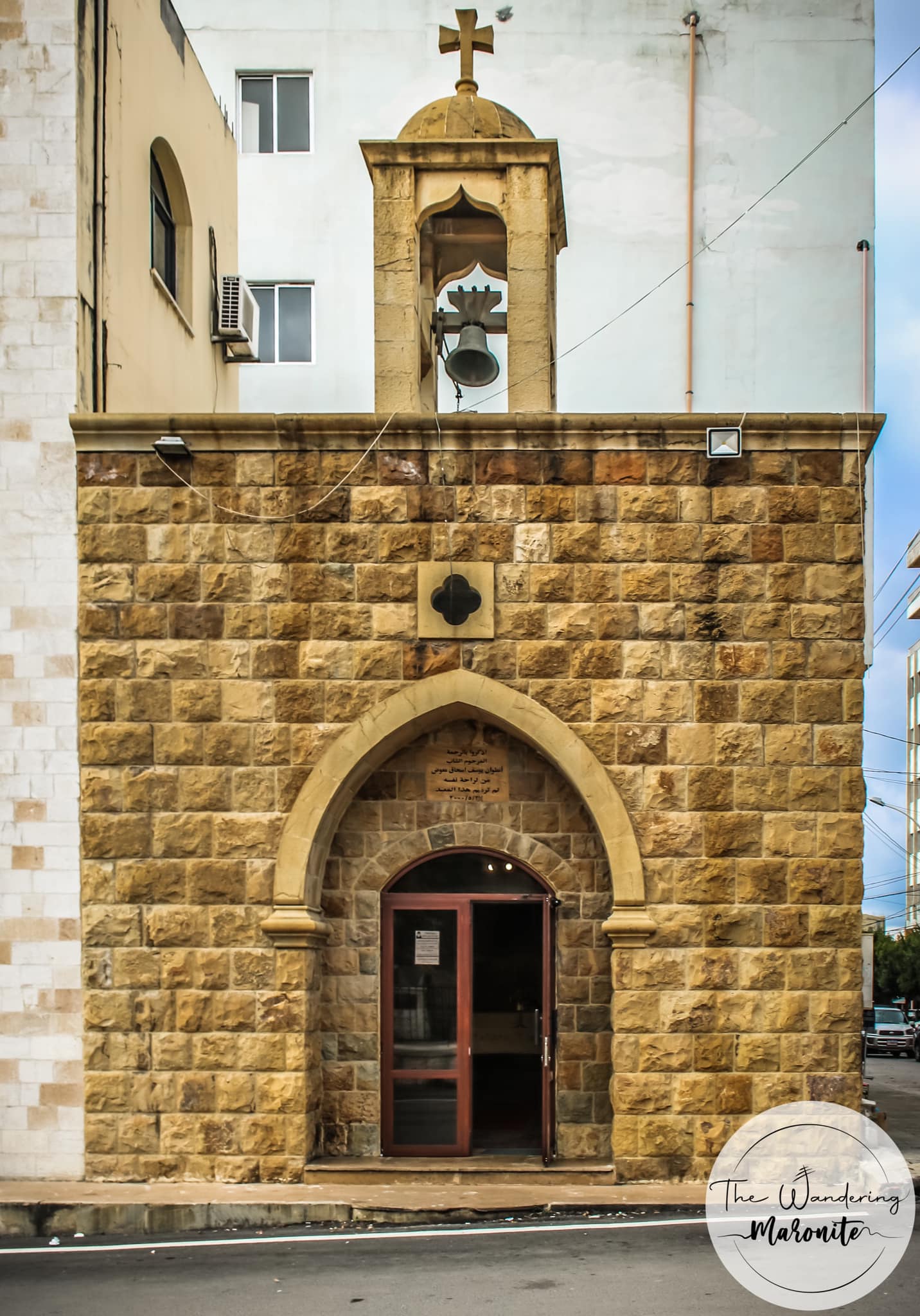
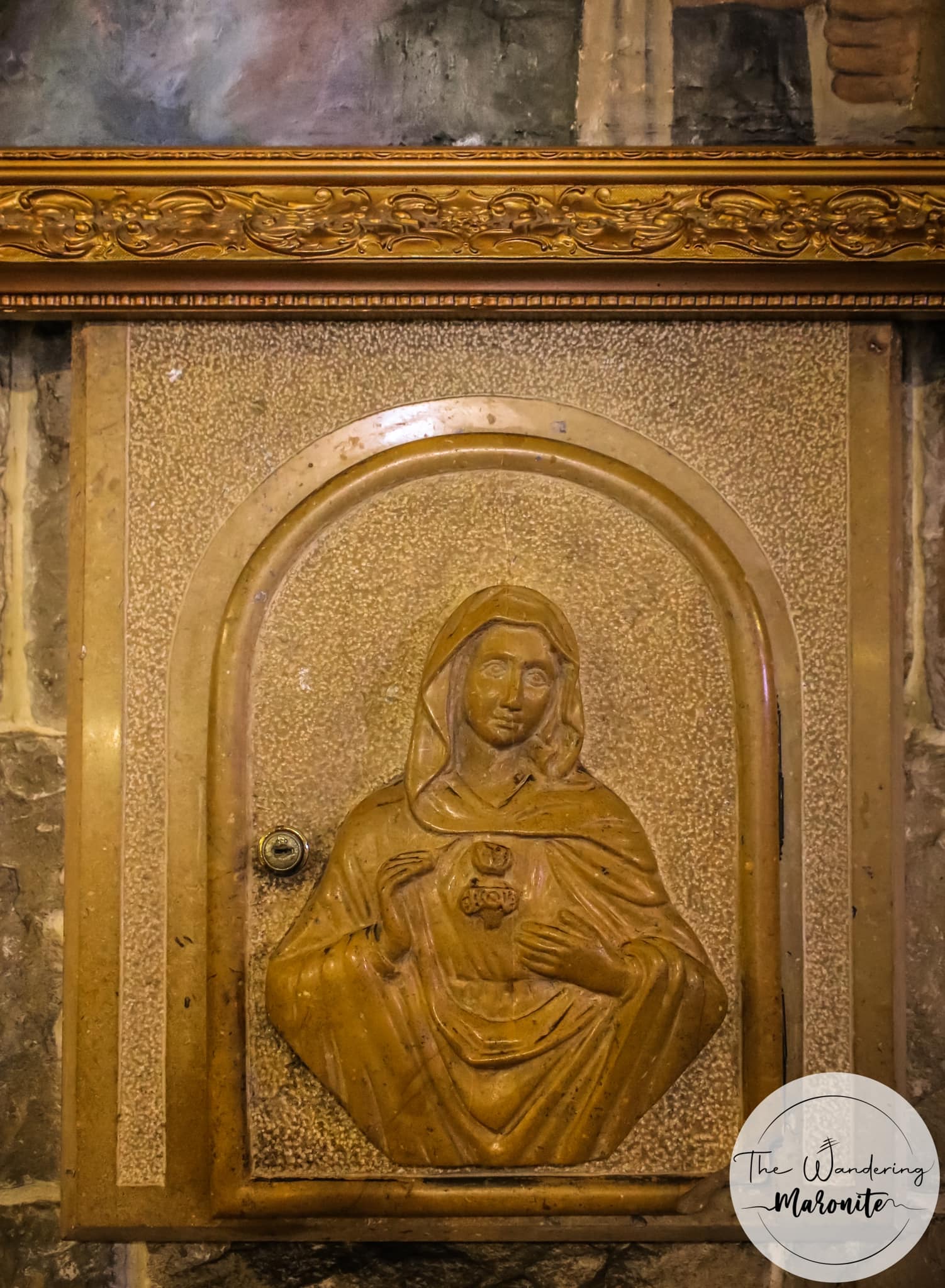
Zgharta – The church of our Lady of Hara

Zgharta, Lebanon

Other Details

كنيسة سيّدة الحارة

Zgharta

Zgharta

North

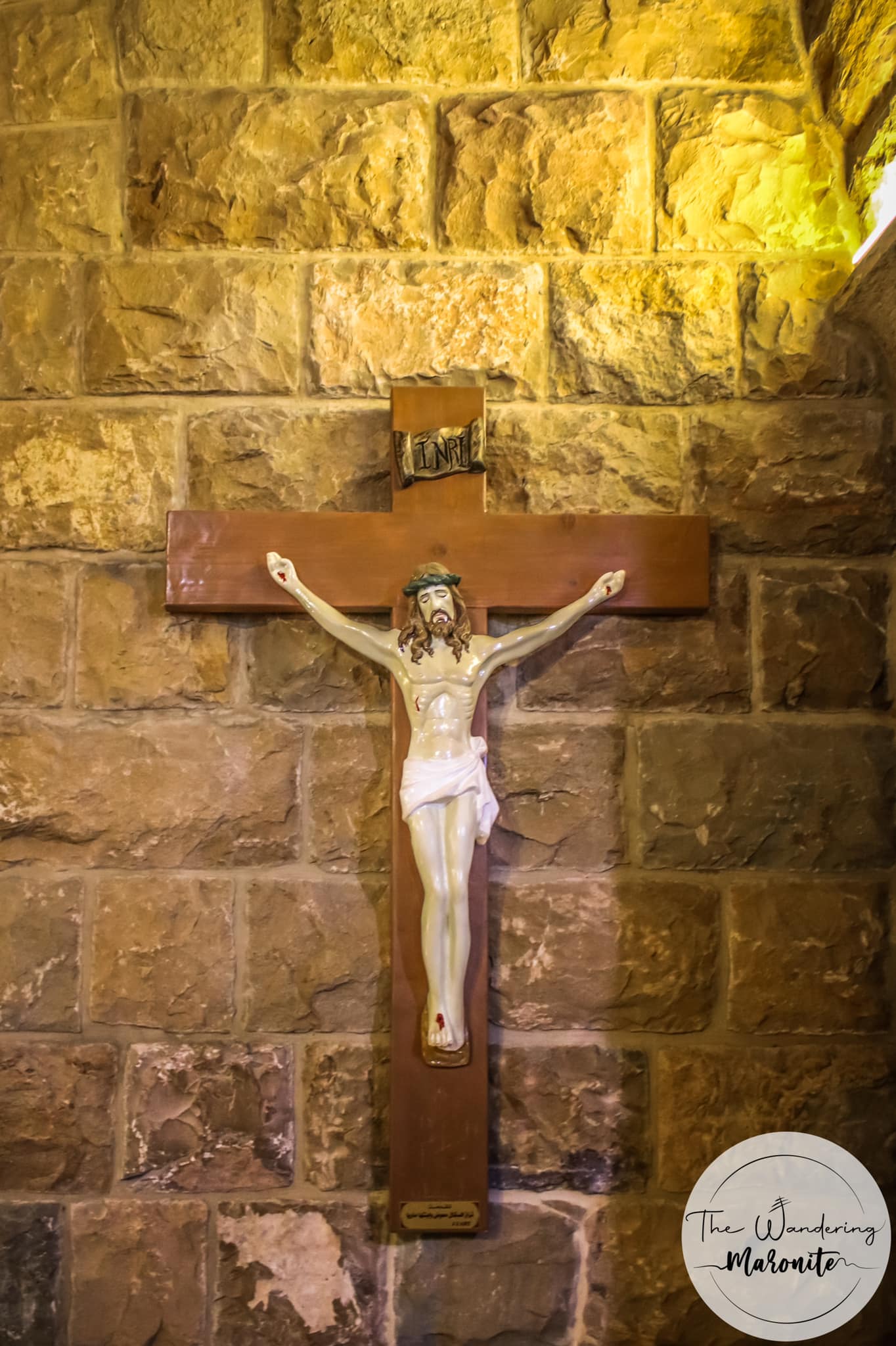
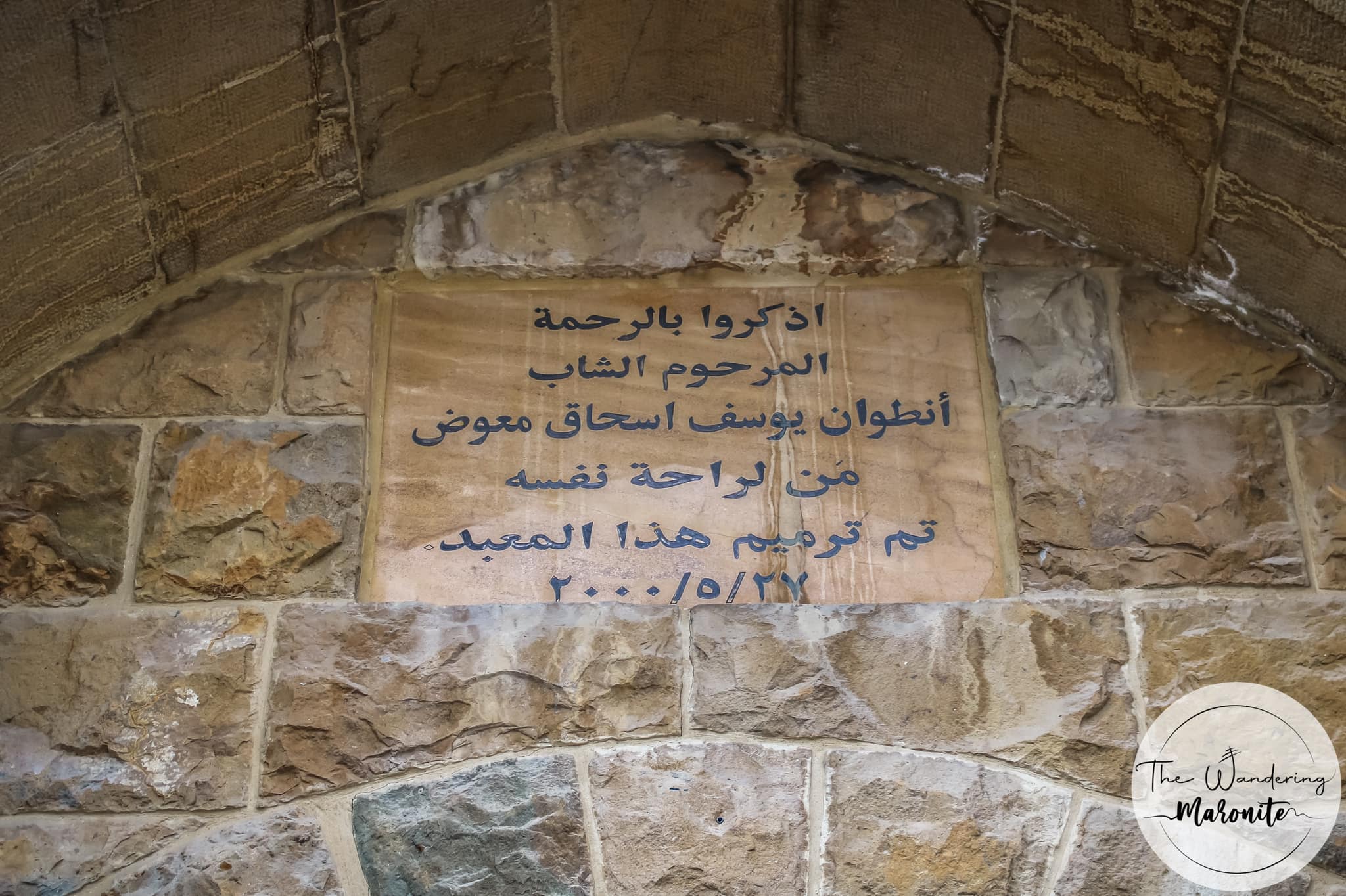
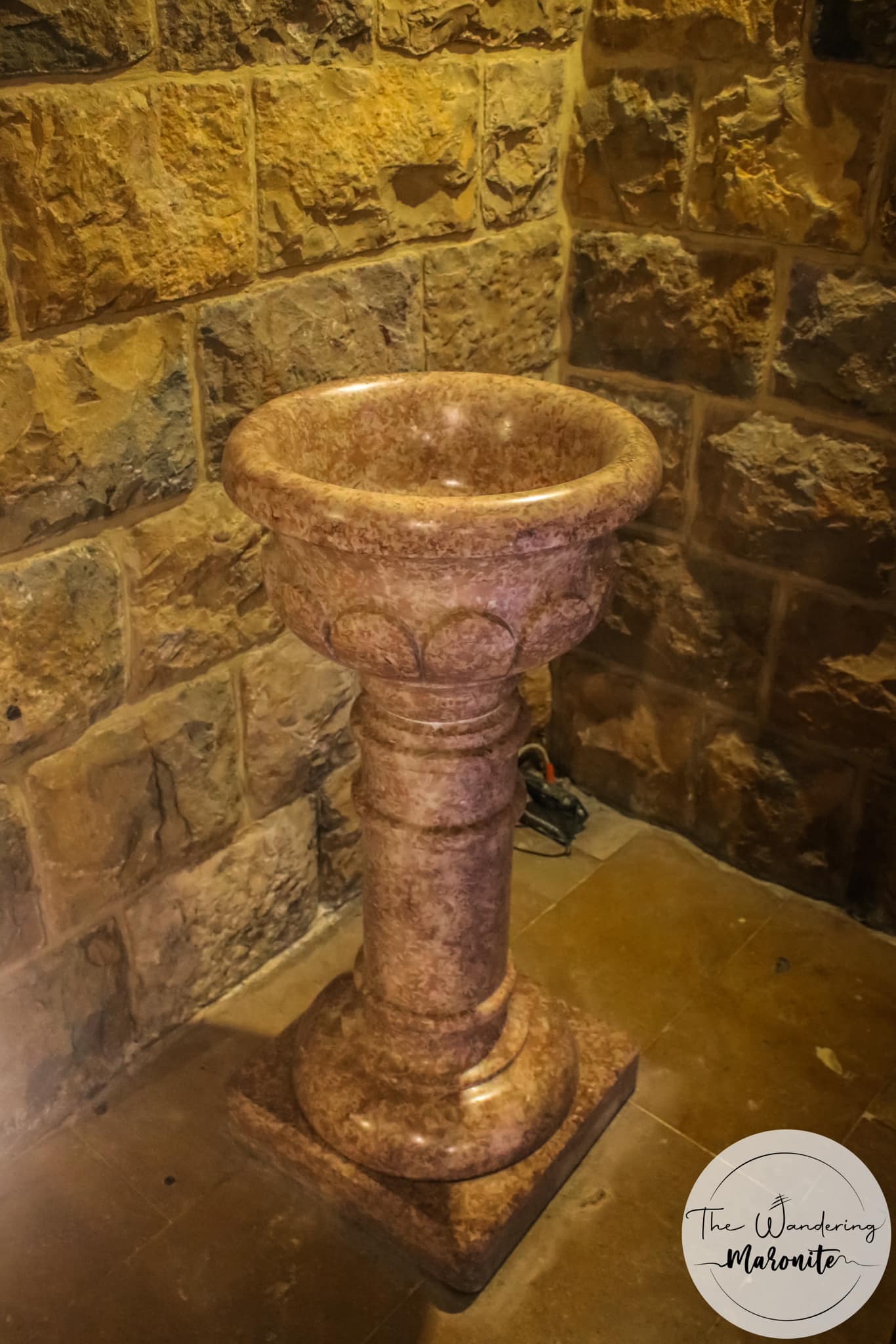
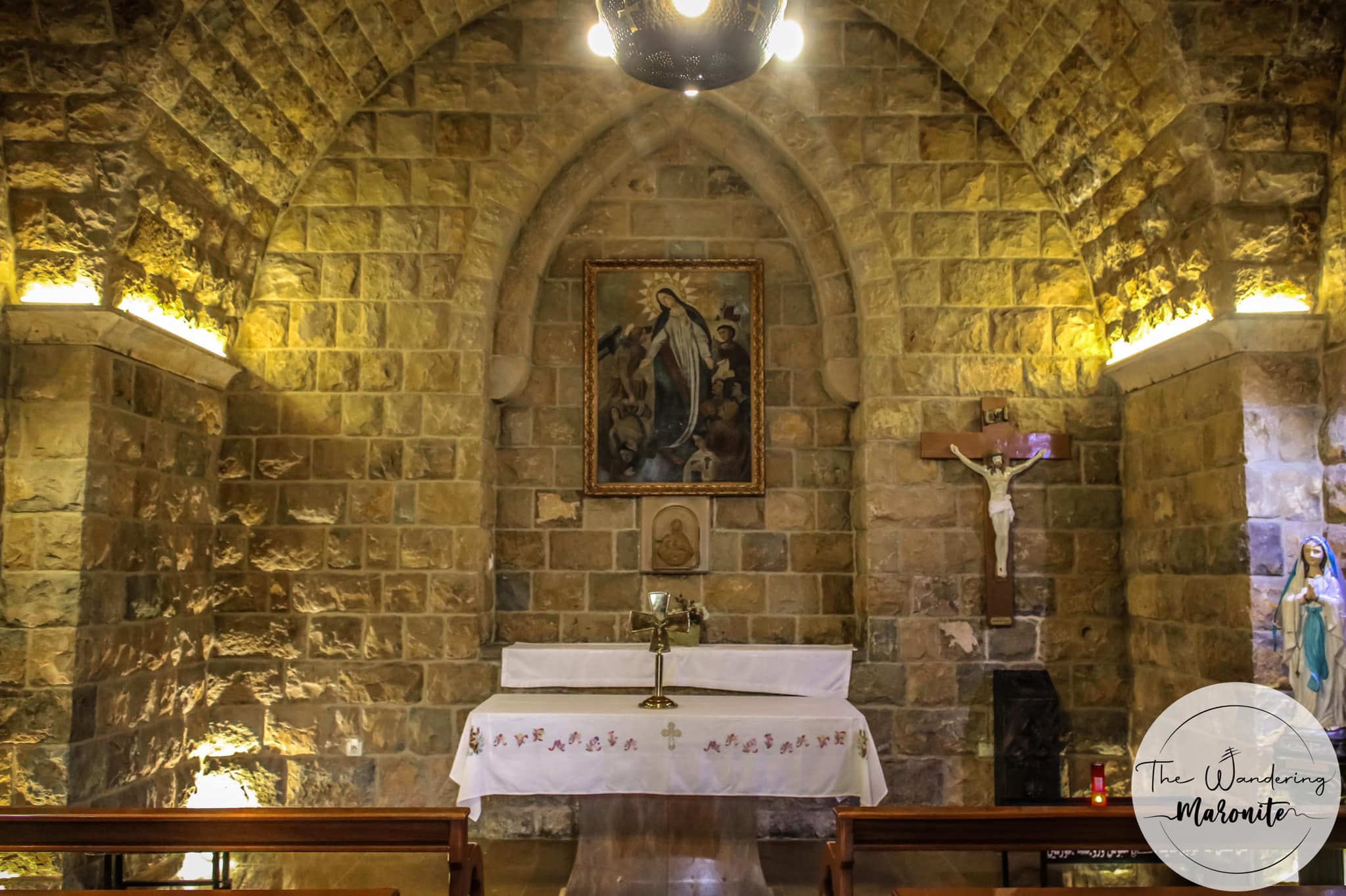
كنيسة سيّدة الحارة - زغرتا في البدء كان البناءُ جزءًا من بيتٍ كبيرٍ لوقف زغرتا، استعمله الأهالي مستودعًا لأدوات البناء عندما حاول الزغرتاويّون بناء كاتدرائيّة سنة ١٨٩٩ في المكان القائمة فيه الآن كنيسة مار يوحنّا المعمدان. ولمّا لم تتيسر الأموال لإتمام البناء، طلبت السيّدة آسة أرملة سليم بك كرم من الخوري سعاده حنا ديب سعاده أن يُستعمل هذا البيت معبدًا على اسم سيّدة الحارة، بعد الحصول على إذنٍ من البطريركيّة المارونيّة. رُممّت هذه الكنيسة مرارًا ووُسّعت وأُضيفت لها قبّة جرس. أُهملت الكنيسة بعد بناء كنيسة مار يوحنّا المعمدان المحاذية لها. أُعيد تجديدها سنة ٢٠٠٠. The church of our Lady of Hara - Zgharta The building was originally a tool basement for a house owned by the parish of Zgharta. In 1899 after the failing to build a cathedral nearby due to the lack of funds, a local lady named Assa, who is the widow of Selim Bey Karam asked Fr. Saade Hanna Dib Saade to convert the structure into a church dedicated to the Virgin Mary after the approval of the Maronite Patriarch. The church was renewed many times and a bell tower was added. However, after the construction of St John’s church nearby it fell into disuse. It was finally renewed in the year 2000.

Visited 3605 times, 7 Visits today

Reviews are disabled, but trackbacks and pingbacks are open.

Related Listings

Hardine – The Church of St. Chaina

Mar Shina Church parish, Hardine, Lebanon

كنيسة مار شينا

Hardine

Batroun

North

كنيسة مار شينا - حردين

أواسط القرن التاسع عشر أصبح أهالي حردين بحاجةٍ لكنيسةٍ رعائيّةٍ كبيرةٍ، فجاء بناء كنيسة مار شينا بعقدٍ مُصالب سنة ١٨٤٤. ومار شينا هو لقبٌ سريانيّ لأبراميوس الأنطاكي الذي كان لصًّا متنكرًا بزيّ راهبٍ أراد سرقة ديرٍ للراهبات فحدثت معجزة شفاءٍ غيّرت حياته من لصِّ إلى ناسك. هذه المعجزة خلدتها لوحة الكنيسة وهي من عمل الحبيس ليشع الحرديني شقيق القديس نعمة الله. رُمّمت الكنيسة سنة ١٩٩٨ بعد إعلان تطويب مار نعمة الله، وهي الكنيسة التي شهدت على طفولته وخدم مذبحها.

The Church of St. Chaina - Hardine

During the mid-19th century, the villagers of Hardin felt the need for a parish church. The construction of a magnificent cross-vaulted structure was completed in 1844. The church was dedicated to St. Chaina, a 4th-century thief named Abramius of Antioch, who, after attempting to raid a nunnery disguised as a monk, witnessed a miracle that led to his conversion. This miracle is depicted in a painting hanging in the church's apse, which was created by the hermit Fr. Lichaa el Hardini, the brother of St. Nematullah. The church was restored in 1998 following the beatification of Fr. Nematullah, who had been a child and an altar boy in this very church.

Mrah el Mir Qlayaat – The Monastery of St Rock

St.Rock Church كنيسة مار روكز, Lebanon

دير مار روكز

Qleiaat Kesrouane

Keserwan

Mount Lebanon

دير مار روكز – مراح المير القليعات
يُعتَبَر دير مار روكز – مراح المير أوَّل ديرٍ للرهبانيَّة في قضاء كسروان. بُني في ٢٦ أيلول ١٨٥٤، في عهد الأب العام سابا كرَيدي، بعد أن حصلت الرهبانيّة على رضى البطريرك يوسف راجي الخازن. وكان الانتهاء من بناء الدير سنة ١٨٦٢. سنة ١٩٩٠ رُمّم الدّير بعد القذائف التي دمّرت قسمًا كبيرًا منه، وبنيت بقربه مدرسة لتعليم الأولاد.

The Monastery of St Rock - Mrah el Mir Qlayaat
The Monastery of St Rock is the first one for the Lebanese Maronite Order in Kesserwan. It was built in 26 september 1854 during the reign of Abbot Saba Kreidy after the approval of Patriarch Youssef Raji el Khazen, and the construction was done in 1862. In 1990 the monastery was renovated after it was damaged by bombshells during the civil war. A shcool was added to educate local children.

Qartaba – Saint Joseph

St Joseph Church, Qartaba, Lebanon

مار يوسف - قرطبا

1898

Qartaba

Jbeil

Mount Lebanon

بُنيت سنة ١٨٩٨ عندما اوقف يوسف روفايل جبّور ارض الملّاحة لبناء كنيسة. مؤلّفة من سوق واحدة مليّسة وهي من الحجر المصقوب المغطى بالقرميد. اللوحة من عمل سليم صليبا سنة ١٩٢٧.

The church was built in 1898 when Joseph Rafael Jabbour gave the land of Al Malaha to build a church. The church is a single nave built in yellow stone. The painting is the work of Salim Saliba dating back to 1927